

Introduction
Do you consider yourself a coffee lover? Have you ever thought about how many coffee beans are actually packed into a single cup? It might sound like a straightforward question, but the intricacies involved in measuring coffee beans can be quite complex. For business owners in the coffee industry, understanding the nuances of cup measurements is not just a matter of curiosity-it’s essential for maintaining quality and consistency in their products. Whether you run a cozy coffee shop or a bustling mobile food business, knowing how to measure the right amount of coffee beans can significantly impact your customer satisfaction and bottom line. In this article, we will explore the factors that contribute to the number of coffee beans in a cup and provide insights that can help elevate your coffee-making skills and business operations.
By mastering this skill, you can ensure that every cup served meets your customers’ expectations, leading to more repeat business and a loyal customer base. Get ready to dive deep into the world of coffee, where every bean counts!
Popular Coffee Types to Consider Serving
If you are a business owner looking to enhance your coffee menu, here are some popular coffee types to consider:
- Espresso: A strong and concentrated coffee brewed by forcing hot water through finely-ground coffee. It’s the base for many other coffee drinks.
- Americano: Espresso diluted with hot water, resulting in a milder flavor, popular among those who prefer lighter coffee.
- Cappuccino: A creamy coffee made with equal parts of espresso, steamed milk, and milk foam. Loved for its rich texture and frothy top.
- Latte: A smooth blend of espresso and steamed milk with a light layer of foam. Ideal for customers who enjoy a creamy, less intense coffee flavor.
- Macchiato: An espresso “stained” with a small amount of steamed milk or foam, favored by those who enjoy a stronger coffee taste with just a hint of milk.
- Mocha: Combines espresso, steamed milk, and chocolate syrup, appealing to customers with a sweet tooth.
- Flat White: Similar to a latte but with a higher coffee-to-milk ratio, favored for its strong coffee flavor and velvety finish.
These popular varieties cater to a range of customer preferences, ensuring there’s something for everyone. Learn more about coffee types to further enhance your offerings.
Coffee Bean Measurement
Measuring coffee beans accurately is crucial for producing a consistent brew, and there are primarily two methods used: by weight and by volume. Each method has its advantages and implications for taste and consistency.
Weight vs. Volume
-
Weight Measurement:
-
Measuring coffee by weight (using a scale) is widely regarded as the most accurate method.
-
It eliminates inconsistencies caused by variations in bean density and size which can occur in volume measurements.
-
Weight allows for precise control over the coffee-to-water ratio, leading to better flavor extraction.
-
Generally, it’s recommended to use approximately 15-18 grams of coffee per 240 ml (8 oz) of water, depending on personal taste preferences.
-
Volume Measurement:
-
Measuring by volume involves using standard tools like tablespoons or scoops.
-
This method can lead to inconsistencies due to variations in how beans settle or how tightly they are packed.
-
A common recommendation might be two tablespoons of coffee per 6 oz of water, but this can significantly vary, particularly with different grind sizes.
-
Volume measures are less precise and can affect both the strength and flavor of the final brew.
Importance of Consistency in Brewing
- Consistency in Taste: Using the same measurement method each time ensures that the brew has a similar flavor profile. Minor discrepancies in measurements can lead to significant differences in taste.
- Replicability: For business owners, especially in cafes, consistent measurements mean that customers receive the same quality in every cup. Training staff to adhere to exact weight or volume measurements can standardize the brewing process.
- Quality Control: Accurate measurements lead to better quality control in coffee production, enhancing the overall customer experience.
- Understanding Preferences: By measuring coffee consistently, it becomes easier to identify what ratios produce the best results for different beans and brewing methods, catering to various customer preferences.
For more insights on how to improve your practices in the coffee business, you can also check out our article on occupational therapy for mental health to understand the therapeutic aspects involved in your business environments.
| Coffee Type | Flavor Profile | Acidity Levels | Best Brewing Methods |
|---|---|---|---|
| Arabica | Sweet, soft, and fruity | High | Pour-over, drip, espresso |
| Robusta | Strong, bitter, earthy | Low to medium | French press, espresso |
| Liberica | Unique, floral, fruity | Medium | Pour-over, drip |
Sources
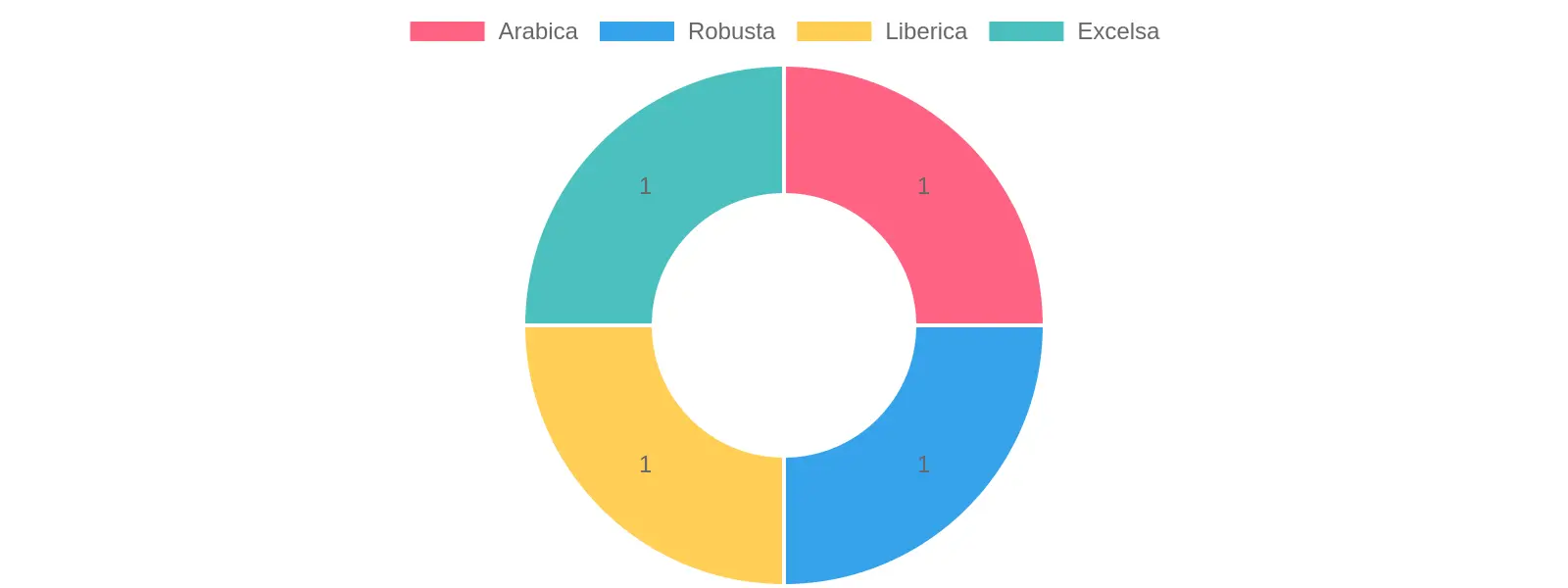
Global Coffee Bean Consumption Insights
- Average Coffee Beans per Cup:
- A standard cup of coffee typically requires about 10 to 14 grams of coffee beans. This is roughly equivalent to 140 to 200 coffee beans, depending on the bean size and type. Varieties such as Arabica and Robusta may have slight differences in their weights and flavors.
- Regional Variations:
- Europe: Countries like Finland and the Netherlands lead in coffee consumption, averaging 12 kg per person annually. This equates to about 2.5 to 4 cups of coffee per day, indicating a robust coffee culture.
- North America: In the U.S., the average consumption is around 4.5 kg per person annually. This translates to approximately 2 to 3 cups daily, depending on serving sizes.
- Asia: Coffee consumption is on the rise, especially in countries like Vietnam and Japan. Vietnam is known particularly for its strong coffee culture, predominantly drinking robusta coffee.
- South America: Countries like Brazil have a rich coffee heritage, producing and consuming large quantities, with 2 to 3 cups common among daily drinkers.
- Trends:
- Specialty coffee is gaining popularity, with consumers opting for high-quality, sustainably sourced beans. This shift can affect bean consumption and brewing methods.
- Globally, the rise in coffee consumption is often associated with increasing urbanization, a growing café culture, and a preference for specialty brews.
Conclusion
For business owners, recognizing how coffee consumption varies by region can inform product offerings, marketing strategies, and sourcing methods. Understanding local preferences can help tailor offerings to meet diverse consumer demands. If you wish to delve deeper into the dynamics of coffee consumption or explore related topics, consider resources like the International Coffee Organization for up-to-date statistics and trends.
The Importance of Fresh Beans and Accurate Measurements in Brewing
When it comes to brewing the perfect cup of coffee, the quality of the beans and accurate measurements play a crucial role. Notably, coffee expert Teoh states,> “Fresh beans will always taste better,” highlighting the need for high-quality, freshly roasted coffee to achieve optimal flavor. Additionally, for consistency, it’s important to switch from volume to weight measurements during brewing. This ensures that your coffee’s flavor remains consistent, leading to a brew that delights every time.
For more insights on brewing techniques, check out this article on tools and equipment for occupational therapists.
Average Number of Coffee Beans by Cup Size
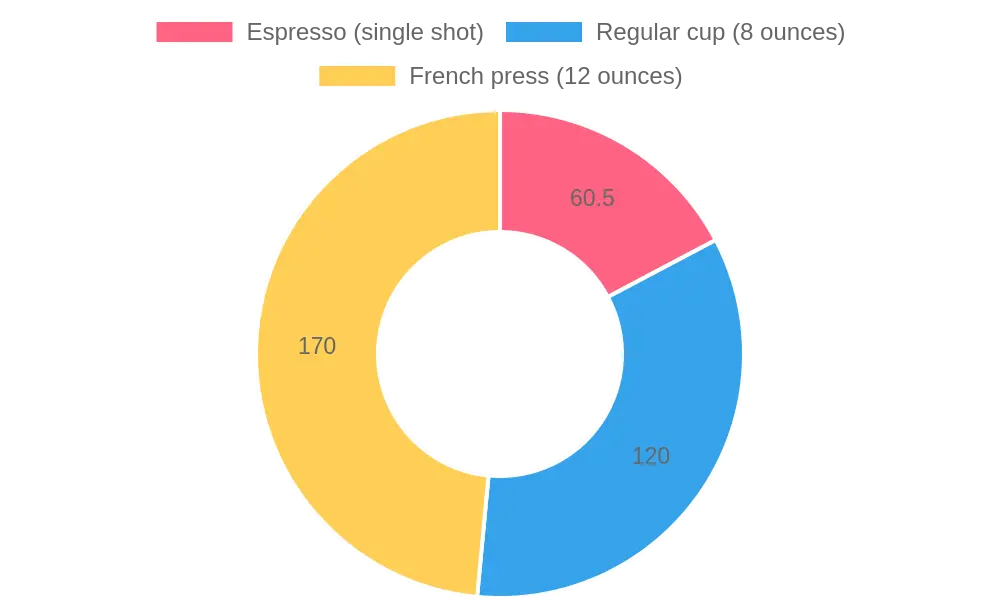
Here is a visual chart representing the approximate number of coffee beans used for different cup sizes:
| Coffee Cup Size | Average Number of Coffee Beans |
|---|---|
| Espresso (single shot) | 50 – 71 beans |
| Regular cup (8 ounces) | 100 – 140 beans |
| French press (12 ounces) | 140 – 200 beans |
Understanding these quantities can help business owners better manage their coffee supplies and maximize efficiency in their operations.
Conclusion
In conclusion, the meticulous measurement of coffee beans plays a pivotal role in not just enhancing the quality of coffee but also in positioning business owners favorably within the competitive coffee industry. Understanding the nuances of how many coffee beans are needed for a perfect cup can have staggering implications on consistency, taste, and overall customer satisfaction.
By ensuring that each cup served meets the highest standards through precise measurements, café owners and entrepreneurs can maintain a loyal customer base while attracting new clientele seeking that perfect brew. Additionally, educating staff on these critical practices fosters a culture of excellence and dedication to quality, which customers appreciate and are likely to return for.
As the coffee market continues to evolve, businesses that prioritize quality-with the first step being accurate measurement-will undoubtedly stand out. Therefore, we encourage every coffee business owner to carefully consider their suppliers and the quality of their beans. Choosing to invest in the right suppliers will not only pay off in the flavor of your coffee but also in the loyalty of your customers.
Invest in quality. Your customers deserve the best. Learn more about selecting quality coffee beans here.
Promote Your Business with a Pizza Truck
As coffee shop owners, we understand the significance of quality not only in our beans but also in our overall service offerings. Expanding your business into mobile food options, such as a pizza truck, can significantly enhance your coffee shop’s reach and customer engagement. Imagine the aroma of fresh, mouth-watering pizza drifting through the air while your customers enjoy their coffee.
Pizza trucks provide a unique dining experience that can attract new customers and promote repeat business. It’s an opportunity to combine quality coffee with delicious, hot pizzas, creating an appealing, diverse menu. Customers are drawn to unique offerings and experiences; a pizza truck can provide both. Moreover, it allows your business to attend local events, markets, and festivals, thus broadening your customer base.
Setting up a pizza truck is not just about selling food; it’s about delivering quality in mobility, just as we do with our coffee. This expansion can lead to new revenue streams while fostering community engagement. For coffee shop owners ready to elevate their business, considering a pizza truck is a delicious way to enhance quality service.
Ready to start? Explore simple steps to diversify your menu and satisfy your customers’ cravings, both for coffee and quality food. For more insights, learn more about the relationship between coffee and quality.
Why wait? Embrace this opportunity for growth and flexibility in your business!