
The Enticing World of Coffee Beans: How Many Can You Eat?
As business owners, we often find ourselves reaching for that perfect cup of coffee to fuel our day, igniting our entrepreneurial spirits. This curiosity surrounding coffee leads to a fascinating question: just how many coffee beans can one safely consume? While many of us enjoy that tantalizing aroma and rich flavor, understanding the limits of coffee bean consumption is vital-especially when considering the health impact of caffeine and the potential benefits of coffee’s antioxidant properties. Addressing this topic not only sparks our curiosity but informs us as we navigate our hectic schedules and strive for productivity. With every sip we take, there’s more to coffee beans than meets the eye. Let’s delve into the fascinating world of these tiny powerhouses and uncover what it really means to enjoy coffee responsibly and intelligently, ensuring it serves not only our taste buds but our business objectives too.
Health Benefits and Risks of Eating Coffee Beans
Consuming coffee beans, whether raw or roasted, can offer several health benefits as well as potential risks. Understanding both sides can help enthusiasts enjoy coffee in moderation while maximizing its advantages.
Health Benefits of Coffee Beans
-
Rich in Antioxidants: Coffee beans are high in antioxidants, which can help combat oxidative stress in the body. This property may reduce the risk of chronic diseases such as heart disease and cancer.
-
Enhanced Mood and Alertness: Eating coffee beans provides a direct source of caffeine, which can improve alertness, cognitive function, and mood. Caffeine stimulates the release of neurotransmitters like dopamine, contributing to enhanced mental clarity and reduced symptoms of depression.
-
Physical Performance: Consuming coffee beans before exercise can boost stamina by increasing the availability of fatty acids, leading to improved athletic performance.
-
Lower Risk of Certain Diseases: Several studies suggest that regular coffee consumption is linked to a decreased risk of diseases such as type 2 diabetes and Parkinson’s disease. Although specific studies on whole coffee beans are limited, the benefits derived from brewed coffee suggest similar advantages.
Potential Risks of Coffee Beans
While there are notable health benefits, moderation is key to avoiding adverse effects:
-
High Caffeine Intake: Overconsumption of coffee beans can lead to caffeine-related side effects such as anxiety, insomnia, gastrointestinal disturbances, and increased heart rate. Symptoms like jitters can be more pronounced when coffee beans are consumed directly in larger quantities.
-
Sugar and Calories: Some variants of coffee beans, particularly flavored or chocolate-covered options, may contain added sugars and excess calories, which can negate their health benefits. It’s crucial to check the nutritional content if consuming processed options.
-
Digestive Issues: For some individuals, eating coffee beans can lead to digestive discomfort. This can manifest as heartburn or nausea, particularly in those with sensitive stomachs.
Conclusion
In conclusion, while there are many recognized health benefits of coffee and it can be a stimulating and nutritious snack, mindful consumption is essential to avoid potential risks associated with high caffeine levels. Business owners may find it beneficial to educate their employees about the optimal amount of coffee consumption to promote overall wellness in the workplace.
Additionally, learning about effective interventions to improve mental health can enhance workplace productivity.
Common Uses of Coffee Beans
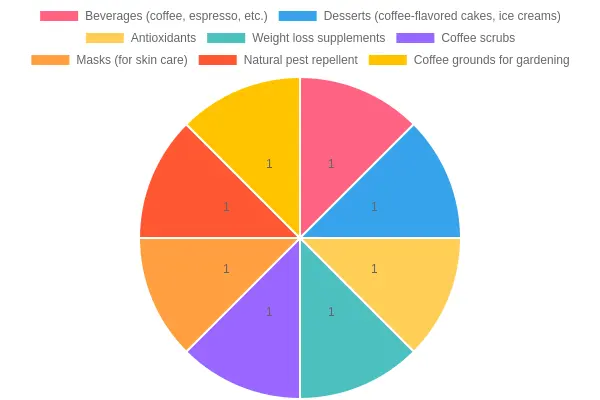
Coffee beans are versatile and have various applications beyond just brewing a cup of coffee. Here are some common uses of coffee beans that business owners might find interesting:
-
Culinary Applications:
-
Beverages: Used to create various drinks like espresso, cappuccino, and cold brew.
-
Desserts: Ingredients in cakes, ice creams, and pastries, enhancing flavors.
-
Health Products:
-
Antioxidants: Coffee beans are known for their antioxidant properties, potentially benefiting overall health.
-
Weight Loss Supplements: Caffeine extracts are often included in weight management products.
-
Beauty Treatments:
-
Coffee Scrubs: Popular for exfoliation and improving skin texture.
-
Masks: Used in various skincare masks for their stimulating properties.
-
Other Uses:
-
Natural Pest Repellent: Coffee grounds can deter pests in gardens.
-
Gardening: Used in compost to enrich soil.
For more information about how coffee can benefit mental health and other applications, check out how occupational therapy supports mental health.
Visual Representation
A chart below illustrates the different applications of coffee beans in various fields:
Coffee is more than just a beverage; it’s a global phenomenon with diverse consumption patterns influenced by demographic factors. Understanding these patterns is essential for coffee-related businesses aiming to tailor their offerings to meet consumer needs. Here’s a breakdown of average coffee consumption statistics across different demographics, although specific detailed statistics for 2023 remain elusive.
General Consumption Trends
According to various reports, coffee remains one of the most popular beverages worldwide. Global coffee consumption has seen significant growth, particularly in regions like North America and Europe, where a strong coffee culture exists. As of 2023, global coffee consumption is estimated at approximately 10 million tons, with North America leading the charge. The National Coffee Association (NCA) notes that about 61% of American adults drink coffee daily.
Age and Regional Differences
- Age Groups:
- 18-24 Years: This demographic shows a growing trend toward specialty coffee drinks, with millennials driving demand for new flavors and brewing methods.
- 25-40 Years: Often termed the primary consumers, those in this age range typically prefer their coffee black or as espresso-based drinks, signaling a shift towards quality.
- 41+ Years: Traditional coffee remains popular among this group, who may favor classic brewing styles.
- Regional Preferences:
- North America: High consumption with rates around 400 million cups per day. The focus is on convenience and quality.
- Europe: Particularly in Nordic countries, coffee consumption is exceptionally high, with Finland leading globally at roughly 12 kg per person per year.
- Asia: Rapid growth in coffee consumption, especially in countries like Vietnam and Japan, where younger populations are increasingly embracing coffee culture.
Insights for Business Owners
Knowing these consumption patterns can help business owners in the coffee industry tailor their products and marketing strategies. Here are some strategies that could be effective:
- Product Diversification: Consider expanding your menu to include options appealing to younger consumers, like specialty lattes or cold brews.
- Market Areas: Focus on regions with rising coffee consumption trends. For example, targeting marketing efforts in urban areas often frequented by younger demographics could yield better customer engagement.
- Sustainability and Quality: As consumers become more conscious of sustainability, emphasizing ethically sourced beans and environmentally friendly practices can resonate well, particularly in markets like Europe and North America.
Conclusion
While precise statistics for 2023 are still emerging, trends suggest a dynamic market influenced by age and regional preferences. By understanding these factors, business owners can strategically position themselves in the growing coffee landscape. For more information on how consumer trends are shaping the coffee industry, check out this insightful report from the NCA.
Suggested Portion Sizes for Coffee Beans: An Overview
For business owners in the coffee industry, understanding the optimal portion sizes of coffee beans is crucial for maintaining quality and consistency in brewed beverages. The portion size of coffee beans can influence the flavor and strength of the drink, ultimately impacting customer satisfaction and sales.
General Recommendations
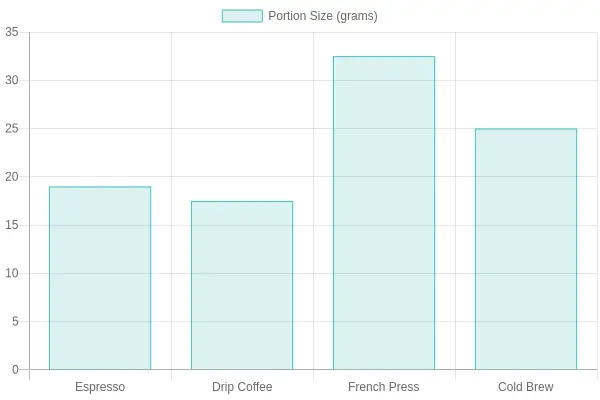
A standard serving of coffee beans generally falls around 15-20 grams for home brewing; however, this can vary based on the brewing method:
| Coffee Type | Brewing Method | Portion Size (grams) |
|---|---|---|
| Espresso | Espresso Machine | 18 – 20 |
| Drip Coffee | Drip Brewer | 15 – 20 (per 250ml) |
| French Press | French Press | 30 – 35 (per 500ml) |
| Cold Brew | Cold Brew Maker | 20 – 30 (per 500ml) |
This table outlines the recommended coffee bean portion sizes based on different brewing methods, ensuring that recipes yield the best flavor and experience for customers. For instance, espresso requires a finer grind and a slightly higher proportion of beans compared to drip coffee, making it essential to educate baristas about these differences.
Practical Tips for Business Owners
- Standardization: Establish consistency by documenting and training staff on the correct portion sizes for each beverage type. Utilize measuring scoops or digital scales for accuracy.
- Customer Education: Consider educating customers on the differences in strength and flavor based on portion sizes. This could enhance their coffee experience and encourage them to try different types.
- Feedback Loop: Actively seek customer feedback on coffee strength. It can help refine portion sizes to meet your clientele’s preferences more accurately.
- Incorporate Variety: Offer variations in portion sizes as options on your menu. For example, allow customers to choose a stronger or lighter version of their coffee by adjusting the portion size.
Conclusion
Understanding and applying the correct portion sizes of coffee beans is not just about brewing a great cup of coffee; it affects everything from flavor profiles to customer satisfaction. By utilizing standardized sizes and training staff effectively, coffee businesses can ensure a high-quality product every time. To learn more about the impact of portion sizes on consumer experience, check out resources from the Specialty Coffee Association and additional guidelines at the Coffee Institute.
Recommended Portion Sizes for Coffee Beans
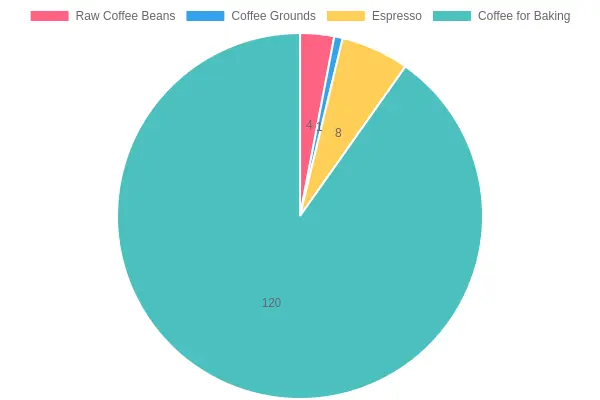
Understanding coffee bean portion sizes is essential for both health benefits and culinary use. Here are the recommended sizes for various applications:
| Use Case | Portion Size |
|---|---|
| Raw Coffee Beans | 1-4 beans per day |
| Coffee Grounds | 1 tablespoon per 6 ounces of water |
| Espresso | 6-8 grams per shot |
| Coffee for Baking | 1/2 cup per recipe |
For further details on mental health and occupational therapy, you can learn more about techniques used in occupational therapy or how occupational therapists support mental health.
Coffee Beans Comparison Table
Here’s a comparison of the major types of coffee beans, primarily focusing on Arabica, Robusta, Liberica, and Excelsa. This table highlights their key attributes, providing insightful details to help business owners make informed decisions regarding coffee offerings.
| Type | Flavor Profile | Caffeine Content (per 100g) | Acidity Level | Aroma | Common Uses |
|---|---|---|---|---|---|
| Arabica | Sweet, soft, fruity | 1.2% | Medium | Floral, fruity | Specialty coffee, espresso, lattes |
| Robusta | Strong, earthy, nutty | 2.2% | Low | Woody, intense | Espresso blends, instant coffee |
| Liberica | Unique, floral, fruity | 1.5% | Low to Medium | Fruity, slightly smoky | Unique brews, blends |
| Excelsa | Complex, sweet, fruity | 1.5% | High | Bright, fruity | Specialty drinks, blends |
Summary
Understanding the differences can guide your coffee selections for menu options and inventory management. Many businesses are leaning towards Arabica for its pleasant taste in specialty brews, while Robusta is favored for its bold flavor in espresso blends.
For further reading on creating an inviting coffee menu and tips on serving specialized coffee, check out our detailed articles.
Conclusion
In conclusion, understanding coffee bean consumption is not just essential for coffee enthusiasts; it plays a pivotal role for business owners in the coffee industry. Throughout this article, we have explored the various insights into the consumption of coffee beans, emphasizing not only how many coffee beans a person can ingest safely but also the numerous health benefits associated with moderate consumption. Reports indicate that drinking coffee in moderation-approximately 3 to 4 cups daily-can lead to significant health advantages, including reduced risks of certain diseases such as Parkinson’s disease and Type 2 diabetes, making it a beneficial beverage for many adults (Healthline).
Additionally, it’s important to highlight the global popularity of coffee as a product, reflected in its expansive market. Insights shared via sources like the Speciality Coffee Association have highlighted ongoing market trends and the rise of consumer preferences towards specific coffee types and grades. Business owners must remain cognizant of these trends to effectively tap into consumer demands and preferences.
As a business owner in the coffee sector, leveraging knowledge about coffee consumption patterns helps you make informed decisions regarding product offerings, marketing strategies, and customer engagement. By providing more educational resources on coffee consumption and its benefits, businesses can enhance customer trust and satisfaction. Understanding these key insights enables businesses not only to thrive in a competitive market but also fosters a healthier relationship between consumers and their favorite beverage. Invest in learning more about your product and the preferences of your target market, ensuring your business remains relevant and successful in the ever-evolving coffee landscape.
“Coffee consumption in the workplace has proven to significantly enhance productivity, offering business owners a strategic advantage. The positive impacts include increased alertness, improved creativity, and greater efficiency in decision-making. This makes understanding and accommodating coffee consumption in business environments essential for fostering a productive culture.”
When it comes to coffee consumption, business owners should recognize its implications not just for individual employees but for overall workplace dynamics. The benefits of coffee extend beyond merely providing a caffeine boost; they also contribute to enhancing creativity and focus among team members. This ultimately affects the company’s bottom line through improved productivity and morale.
Call to Action
If you’re a business owner looking to enhance your catering options or bring a unique twist to your events, consider integrating premium pizza trucks into your strategy. These mobile kitchens offer high-quality, delicious pizza that can be customized to meet your clientele’s preferences, all while maintaining cost-effectiveness.
At truckpizza.net, you’ll discover a range of pizza truck options that can seamlessly fit into your business needs. Whether you’re hosting a corporate gathering, a public event, or simply want to add variety to your service offerings, these food trucks provide a fantastic opportunity to boost your brand’s visibility and attract new customers. Explore the possibilities today and find out how pizza trucks can help you deliver exceptional culinary experiences!