
In recent years, chocolate-covered coffee beans have surged in popularity, captivating consumers who crave the unique blend of rich chocolate and robust coffee flavors. For business owners in the food and beverage sector, this growing trend presents an exciting opportunity to appeal to caffeine enthusiasts and connoisseurs alike. As caffeine remains a prominent stimulant known for its ability to enhance alertness and productivity, many individuals actively seek new, delightful ways to incorporate it into their daily routines. Chocolate-covered coffee beans not only satisfy a sweet tooth but also provide a potent caffeine kick, making them a favored snack for busy professionals and students who need an energizing boost. With the global coffee market reaching staggering heights, and caffeine-infused products becoming increasingly mainstream, incorporating chocolate-covered coffee beans into your offerings could cater to the burgeoning demand for caffeinated snacks. As you explore innovative ways to enhance your menu and attract more customers, understanding how much caffeine is in chocolate-covered coffee beans can help you make informed decisions about product placement and marketing strategies. Learn more about the potential of innovative food options to engage your clientele and elevate your business to new heights.
Caffeine Content in Chocolate-Covered Coffee Beans
Chocolate-covered coffee beans offer a delightful blend of flavors, but they also pack a punch in terms of caffeine content. Understanding the variations in caffeine levels based on the type of coffee bean and chocolate used is essential for both consumers and business owners.
Typical Caffeine Content
- Average Caffeine: A standard serving (about 1 ounce or 28 grams) of chocolate-covered coffee beans can contain between 100 to 200 milligrams of caffeine.
- Bean Types: The caffeine content varies depending on the type of coffee bean:
- Arabica Beans: Typically contain between 1.2-1.5% caffeine. Therefore, chocolate-covered coffee beans made from Arabica may have lower caffeine levels.
- Robusta Beans: Contain about 2.2-2.7% caffeine, and chocolate-covered coffee beans using these can be significantly stronger.
Chocolate Variations
- Dark Chocolate: The higher the cocoa content, the more caffeine it may contain. Dark chocolate can add anywhere from 5 to 30 milligrams of caffeine per ounce.
- Milk Chocolate: Generally has lower caffeine content compared to dark chocolate, adding about 5-15 milligrams of caffeine per ounce.
Comparison with Other Products
To provide context, here’s a comparison of caffeine content:
| Product | Caffeine Content (mg) |
|---|---|
| Chocolate-Covered Coffee Beans | 150 |
| Brewed Coffee | 150 |
| Espresso | 63 |
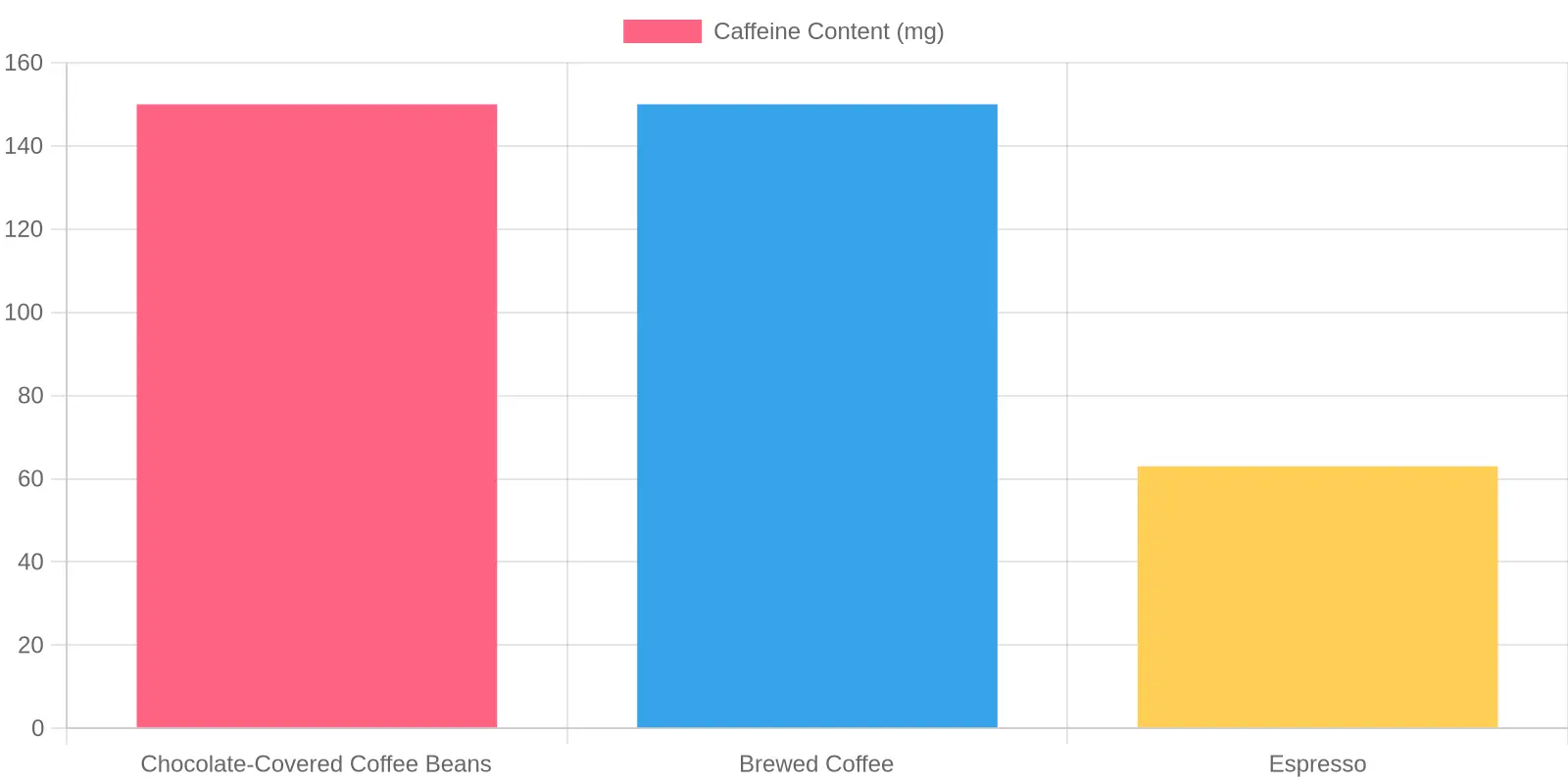
As seen in the chart, chocolate-covered coffee beans have a caffeine content comparable to an average cup of brewed coffee.
Important Considerations
- Health Guidelines: Health organizations typically recommend that adults limit caffeine intake to about 400 milligrams per day, equating to roughly four cups of coffee. Awareness of caffeine levels in snacks like chocolate-covered coffee beans is crucial for managing daily intake.
For business owners in the coffee or snack industry, understanding these variations can help in product formulation and marketing. Learn more about coffee and wellness trends.
Caffeine Content Comparison of Chocolate-Covered Coffee Beans
| Brand | Type | Caffeine Content (per 1 oz / 28g) |
|---|---|---|
| Java Beans | Milk Chocolate Pretzel | ~ 120 mg |
| Trader Joe’s | Dark Chocolate | ~ 120 mg |
| Ghirardelli | Dark Chocolate | ~ 100 mg |
| Café Escapes | Milk Chocolate | ~ 100 mg |
| Samarra | Dark Chocolate | ~ 130 mg |
Notes
- The caffeine content of chocolate-covered coffee beans can vary depending on several factors, such as the specific coffee bean used, the type of chocolate coating, and serving sizes.
- For precise measurements, always check the packaging labels or the manufacturer’s website.
You can learn more about caffeine intake and safety limits from sources like Mayo Clinic.
This table can help business owners understand the caffeine content in different chocolate-covered coffee beans, aiding in product selections and offering informed advice to customers.
Health Benefits of Caffeine in Chocolate-Covered Coffee Beans
Caffeine, a natural stimulant predominantly found in coffee beans and cacao, provides various potential health benefits. For business owners selling chocolate-covered coffee beans, understanding these benefits can enhance product appeal and marketing strategies.
Key Health Benefits of Caffeine:
- Improved Cognitive Function:
- Caffeine enhances alertness and cognitive performance, making it a popular choice for those needing an energy boost. As noted by the Cleveland Clinic, moderate caffeine intake can improve mood and mental clarity.
- Heart Health:
- Research indicates that coffee consumption is linked to a lower risk of heart attacks and strokes. The American Heart Association highlights that consuming up to 400 mg of caffeine daily may benefit heart health. Business owners can market their chocolate-covered coffee beans as a tasty way to potentially support cardiovascular wellness.
- Antioxidant Properties:
- Cacao, when consumed, is rich in antioxidants, which can combat oxidative stress in the body. Pairing these properties with caffeine presents a unique selling proposition for consumers interested in both flavor and health benefits.
- Enhanced Physical Performance:
- Caffeine is also known to boost physical performance, which might appeal particularly to fitness enthusiasts. A moderate intake before workouts can lead to enhanced endurance, thus creating an opportunity for targeted marketing towards athletic populations.
Caffeine Content Insight
It is essential to note that the caffeine content in chocolate-covered coffee beans can vary significantly based on the specific brand and preparation method. Typically, one chocolate-covered coffee bean contains about 12-15 mg of caffeine, providing a satisfying crunch alongside the stimulating effects of caffeine. For precise amounts, business owners are encouraged to refer to product labels or expert sources like the Mayo Clinic.
Marketing Implications
Promoting the health benefits of chocolate-covered coffee beans can attract health-conscious consumers. Incorporating information about caffeine’s positive effects, such as improved focus and heart health, into marketing strategies can help position these products effectively in a competitive market. Additionally, emphasizing that convective studies associate moderate caffeine intake with various health benefits provides an excellent angle for engaging customers.
By leveraging these insights, business owners can create compelling narratives around their chocolate-covered coffee bean offerings, appealing to both gourmet palates and health enthusiasts alike.
User Adoption Data for Chocolate-Covered Coffee Beans
As the market for caffeinated snacks evolves, business owners should stay alert to consumption trends concerning chocolate-covered coffee beans. This niche segment has garnered increasing interest as consumers seek out flavorful, energizing snacks. Here are some key insights:
Market Trends and Insights
-
Emerging Preferences: The trend towards gourmet and artisanal chocolate has seen a rise in demand for chocolate-covered coffee beans. More consumers are looking for quality over quantity, often choosing snacks that offer a unique taste experience. According to The Chocolate Professor, this trend indicates a market ready for innovative chocolate products, potentially benefiting chocolate-covered coffee makers.
-
Caffeinated Snack Popularity: In recent years, snacks infused with caffeine, particularly those incorporating coffee, have gained traction. A report stemming from global coffee market trends indicates that more consumers are looking for caffeinated options in their snack foods (Perfumer & Flavorist). Chocolate-covered coffee beans, therefore, fit perfectly into this growing demand.
-
Sales Growth: Research shows the coffee industry is experiencing steady growth, with increasing interest in caffeinated snacks. The overall preference for chocolate-covered products among consumers further underlines this market trend (Yahoo Finance).
Consumption Trends
Below is a summary table of the market trends related to chocolate-covered coffee beans:
| Year | Category | Trend Description | Source URL |
|---|---|---|---|
| 2023 | Caffeinated Snacks | Rise in demand for gourmet chocolate-covered coffee beans | MarketWatch |
| 2023 | Chocolate Snacks | Increased popularity of chocolate-covered snacks among consumers | Yahoo Finance |
| 2023 | Coffee Industry Growth | The coffee industry shows steady growth, with more consumers seeking caffeinated snack options | TradingView |
Conclusion
This data demonstrates the significant opportunity for business owners in the chocolate-covered coffee bean market. As consumer preferences shift towards unique, quality snacks with caffeine benefits, companies that adapt to these trends could capture substantial market share.
For more in-depth insights into related fields, feel free to explore more about coffee trends.
Caffeine in Chocolate-Covered Coffee Beans
Chocolate-covered coffee beans are a delightful treat that combines the rich flavors of chocolate with the invigorating effects of caffeine. Understanding the health implications of caffeine consumption is important, especially for business owners who engage in long working hours.
Health Benefits of Caffeine
- Caffeine from chocolate-covered coffee beans can enhance cognitive function and improve mood.
- Moderate consumption may lower the risk of certain diseases, including Parkinson’s disease and heart issues.
- Dark chocolate, rich in antioxidants, can complement the positive effects of caffeine.
“Caffeine in moderation, such as from chocolate-covered coffee beans, can enhance cognitive function and improve mood, providing a perfect balance of taste and energy.”
For further insights into how caffeine can benefit your overall health and productivity, learn more here.
Conclusion
Incorporating chocolate-covered coffee beans into your diet can not only provide a tasty snack but also serve as a moderate source of caffeine that may boost your overall well-being and work performance.
Creative Ways to Incorporate Chocolate-Covered Coffee Beans into a Business
Chocolate-covered coffee beans are an enticing treat that can be creatively utilized in various business strategies. Here are some innovative ways business owners can incorporate them into their offerings:
1. Retail Sales
- Product Bundles: Combine chocolate-covered coffee beans with other coffee products (e.g., coffee grounds, mugs) for gift packages.
- Seasonal Flavors: Introduce limited-time flavors such as peppermint or pumpkin spice for holidays to boost sales.
2. Custom Blends
- Coffee Shops: Create exclusive drinks using chocolate-covered coffee beans as toppings or blended ingredients, attracting coffee enthusiasts looking for unique tastes.
3. Corporate Gifting
- Customized Gift Packs: Offer personalized packs for businesses to use as corporate gifts, enhancing customer relations and promoting the brand.
4. Events and Promotions
- Sampling Events: Host tasting events in-store or at local fairs, allowing customers to try different combinations of coffee and chocolate flavors, increasing foot traffic.
5. Marketing Campaigns
- Social Media Contests: Encourage customers to share photos with chocolate-covered coffee beans for a chance to win prizes, boosting online engagement and brand visibility.
6. Dessert Menu Additions
- Incorporate into Desserts: Use chocolate-covered coffee beans as toppings in ice cream, cakes, or pastries to enhance your dessert menu and attract more customers.
7. Subscription Boxes
- Coffee Subscription Services: Include chocolate-covered coffee beans as a special treat in monthly coffee subscription boxes, providing added value to subscribers.
8. Health-Conscious Marketing
- Promote Benefits: Market chocolate-covered coffee beans as a source of caffeine for energy boosts, catering to health-conscious customers and busy professionals. Learn more about the benefits of coffee for health.
Conclusion
Incorporating chocolate-covered coffee beans into business offerings not only enhances product lines but also creates engaging marketing opportunities. These strategies can be tailored to fit various business models, helping attract new customers while satisfying existing ones.
By creatively integrating these delightful beans into your business, you can drive sales and enhance customer satisfaction.
Conclusion: The Importance of Understanding Caffeine Content
In a fast-paced world where productivity is paramount, understanding the caffeine content in products can significantly influence business decisions. For business owners, especially those in the food and beverage sector, knowledge of caffeine’s effects aids in not only creating better products but also in strategizing marketing efforts. Caffeine is the world’s most popular psychoactive substance, and its capability to enhance alertness and productivity cannot be underestimated. According to a Healthline article, caffeine boosts physical performance and mental alertness, making it an attractive feature for potential customers.
Furthermore, navigating consumer preferences requires an understanding of both caffeine benefits and potential side effects. By grasping how caffeine affects their consumers, business owners can position their products more effectively and create responsible marketing messages that resonate with health-conscious customers. This is especially vital for unique offerings like chocolate-covered coffee beans, which blend the rich flavors of coffee with the sweetness of chocolate while delivering a caffeine punch. As you explore your options, consider the significant role that caffeine content can play in shaping consumer choices and preferences.
Finally, if you’re looking to enhance your product line, don’t forget to check out the delectable offerings from pizza trucks, which often showcase unique items that can pair perfectly with coffee-infused treats. Take the opportunity to diversify your menu and cater to the cravings of your customers!
Trends in Caffeinated Snacks Market
The market for caffeinated snacks, particularly chocolate-covered coffee beans, has shown significant growth, with a valuation of $513.5 million in 2023. Projections suggest that it will reach $843.4 million by 2030, achieving a Compound Annual Growth Rate (CAGR) of 6.4% from 2024 to 2030. This growth illustrates substantial opportunities in this niche market, especially for business owners looking to capitalize on the increasing demand for caffeinated snacks.
Market Size Overview
Here’s a summary of the recent data:
| Year | Market Size (Millions) | Projected Market Size (Millions) | CAGR (%) |
|---|---|---|---|
| 2023 | $513.5 | $843.4 | 6.4% |
Visual Representation
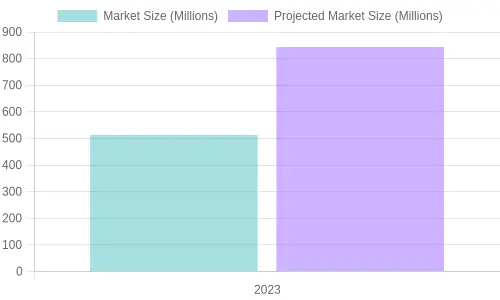
This chart illustrates the growth potential in the caffeinated snacks market.
Conclusion
The increasing popularity of caffeinated snacks, especially those like chocolate-covered coffee beans, presents a promising opportunity for entrepreneurs and businesses within the snack industry to explore new product lines. To learn more about health and mental wellness topics that could connect to product offerings, check out related articles.