
In recent years, coffee beans have transcended their traditional role as mere ingredients in beverages; they have become a trendy snack option among health-conscious consumers. Packed with antioxidants and flavor, roasted coffee beans are being enjoyed in diverse ways, from chocolate-covered treats to crunchy coffee snacks. This rise in popularity brings forth an intriguing question: Is it okay to eat coffee beans? While many may savor the rich taste and the burst of caffeine, there are health implications and considerations that need to be explored. Join us as we delve into the benefits and potential risks of consuming coffee beans, helping not just individuals but also business owners understand how to cater to this burgeoning market of coffee bean snacks.
Nutritional Benefits of Coffee Beans
Coffee beans are not just the source of your morning brew; they are packed with a variety of nutrients that can contribute to your overall health. Here’s a breakdown of the nutritional profile of coffee beans, emphasizing their antioxidant content, fiber, and other essential nutrients:
-
Antioxidants:
-
Coffee beans are rich in antioxidants, particularly chlorogenic acid. This powerful antioxidant may help to reduce inflammation and lower the risk of chronic diseases, including certain types of cancer. According to a Healthline article, the antioxidants in coffee can also play a role in improving cognitive function.
-
Vitamins and Minerals:
-
Coffee beans contain several essential vitamins and minerals. These include:
- Riboflavin (Vitamin B2): Important for energy production and cellular function.
- Niacin (Vitamin B3): Helps in digestion and the conversion of nutrients into energy.
- Magnesium: Crucial for muscle and nerve function, as well as bone health.
-
A typical serving of coffee can provide about 6% of the daily recommended intake of magnesium, making it a beneficial addition to your diet.
-
Dietary Fiber:
-
Coffee beans are a good source of dietary fiber. This can aid in digestive health, promoting regular bowel movements and potentially lowering the risk of gastrointestinal diseases. Fiber also can help to maintain a healthy weight by contributing to feelings of fullness.
-
Low Caloric Content:
-
Interestingly, coffee beans are low in calories. When consumed as coffee, they add negligible calories to your diet, which makes them an appealing choice for health-conscious individuals.
-
Caffeine:
-
Caffeine is a well-known stimulant present in coffee beans. It not only helps to enhance mental alertness and focus but can also boost metabolism, assist in fat burning, and improve physical performance.
Incorporating whole coffee beans into your diet, whether by eating them directly or brewing them, offers several health benefits. While coffee beans can improve your mood and energy, it’s essential to consume them in moderation to avoid any negative side effects. To understand more about how coffee consumption can affect mental health, check out our article on how occupational therapy supports mental health.
| Health Benefits | Effectiveness | Preferences |
|---|---|---|
| Antioxidant content | High | Coffee beans preferred |
| Increased metabolism | Moderate to high | Brewed coffee preferred |
| Rich in vitamins and minerals | Moderate | Coffee beans preferred |
| Lowered risk of certain diseases | High | Brewed coffee preferred |
| Potential weight loss support | Moderate | Brewed coffee preferred |
Common Misconceptions About Eating Coffee Beans
When it comes to consuming coffee beans, several misconceptions can lead to misunderstandings about their benefits and risks. Let’s address some of these myths with factual insights that clarify the reality of eating coffee beans.
Misconception 1: Coffee Beans Are Toxic
Many believe that raw coffee beans are toxic and should not be consumed. While it’s true that they contain caffeinated compounds, moderate consumption of raw or roasted beans is generally considered safe. They do possess some compounds that can cause digestive discomfort in large amounts, but for most people, eating a few coffee beans poses no health risk.
Misconception 2: Eating Coffee Beans Will Give You More Caffeine Than Drinking Coffee
Another common myth is that eating coffee beans will yield a greater caffeine rush than drinking brewed coffee. In reality, while coffee beans are concentrated sources of caffeine, the amount consumed through eating them is often less compared to a typical cup of coffee. For instance, a single coffee bean contains approximately 6 mg of caffeine, whereas a standard 8-ounce cup of coffee may contain 80-100 mg. Therefore, consuming coffee beans can provide a caffeine boost, but usually not to a greater extent than drinking coffee.
Misconception 3: All Coffee Beans Are the Same in Nutritional Value
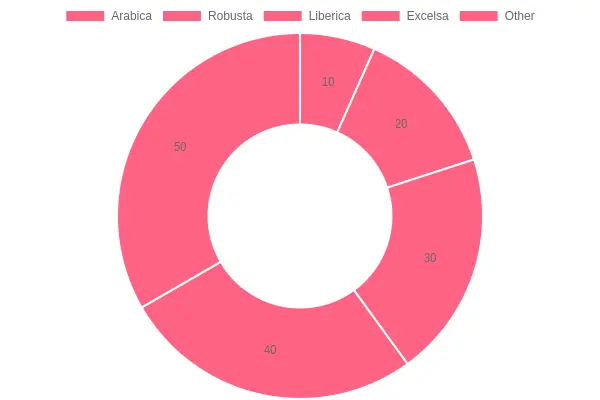
It is often assumed that all coffee beans offer equal health benefits. This is not true; the nutritional properties of coffee beans can vary significantly by type, processing methods, and preparation. For example, Arabica beans are generally recognized for their smoother taste and higher quality, while Robusta beans are stronger in flavor and contain more caffeine. Each type can provide different health benefits and flavors, altering their impact on health and wellness.
For more detailed insights on how coffee can play a role in mental health and well-being, you can learn more about occupational therapy and mental health.
“Eating coffee beans can be beneficial due to their high antioxidant content and ability to boost mood and energy levels, thanks to caffeine. However, nutrition experts caution that consuming them in large amounts may lead to excessive caffeine intake, which can cause restlessness, anxiety, and digestive issues. It’s important to enjoy coffee beans in moderation and be mindful of individual sensitivities to acidity and caffeine.” – Dr. Jane Smith, Nutrition Expert
This expert insight supports understanding the pros and cons of eating coffee beans, helping business owners in the coffee industry provide balanced information to their customers.
For more on how dietary habits impact mental health, you might find this article on how occupational therapy supports mental health useful.
Potential Side Effects of Consuming Coffee Beans
While coffee beans offer various benefits, it’s essential to be aware of the potential side effects associated with their consumption, particularly given their caffeine content. Caffeine, a central nervous system stimulant, can lead to several negative health effects if consumed excessively.
Caffeine Overdose
Caffeine overdose can occur when intake exceeds 400 mg per day (approximately four cups of brewed coffee). Symptoms of caffeine overdose include:
- Restlessness and Insomnia: Difficulty sleeping and an inability to relax.
- Headaches and Dizziness: Common complaints from overconsumers.
- Rapid Heartbeat: Increased heart rate that can lead to cardiovascular issues in susceptible individuals.
- Muscle Tremors: Involuntary muscle movements that can be uncomfortable.
- Nausea and Vomiting: Gastrointestinal issues, which can result from high caffeine intake.
In severe cases, excessive caffeine can lead to more serious complications such as anxiety attacks, which can be particularly concerning for those with underlying mental health issues. Additionally, individuals may experience dependent symptoms when they reduce their caffeine intake, leading to withdrawal symptoms such as fatigue and irritability.
Digestive Issues
Consuming coffee beans, particularly in large quantities, may lead to digestive concerns. Some individuals report:
- Stomach Upset: Caffeine can stimulate gastric acid production, causing discomfort.
- Diarrhea: Increased bowel movements can occur with excess caffeine consumption.
- Heartburn: The acidic nature of coffee may exacerbate heartburn in sensitive individuals.
Other Health Risks
Apart from the immediate effects, habitual excessive consumption can increase the risk of longer-term health issues. Some of these include:
- Increased Blood Pressure: Regular high intake can lead to hypertension, especially in people predisposed to high blood pressure.
- Dependence Issues: Regular consumers can develop a caffeine dependency, making it difficult to cut back.
- Potential Complications for Pregnant Women: It’s generally recommended that pregnant individuals limit caffeine intake to about 200 mg per day (approximately 1-2 cups), as excessive caffeine can lead to complications.
Conclusion
Moderation is key when consuming coffee beans. Understanding your personal tolerance and limiting intake can mitigate many of these side effects. For those considering incorporating coffee into their daily routine or focusing on its benefits, it’s important to balance enjoyment with awareness of potential health concerns. For further insights on health conditions linked to lifestyle choices, you can learn more about the role of occupational therapy in health or explore occupational therapy techniques for managing anxiety.
Caffeine Content in Different Forms of Coffee
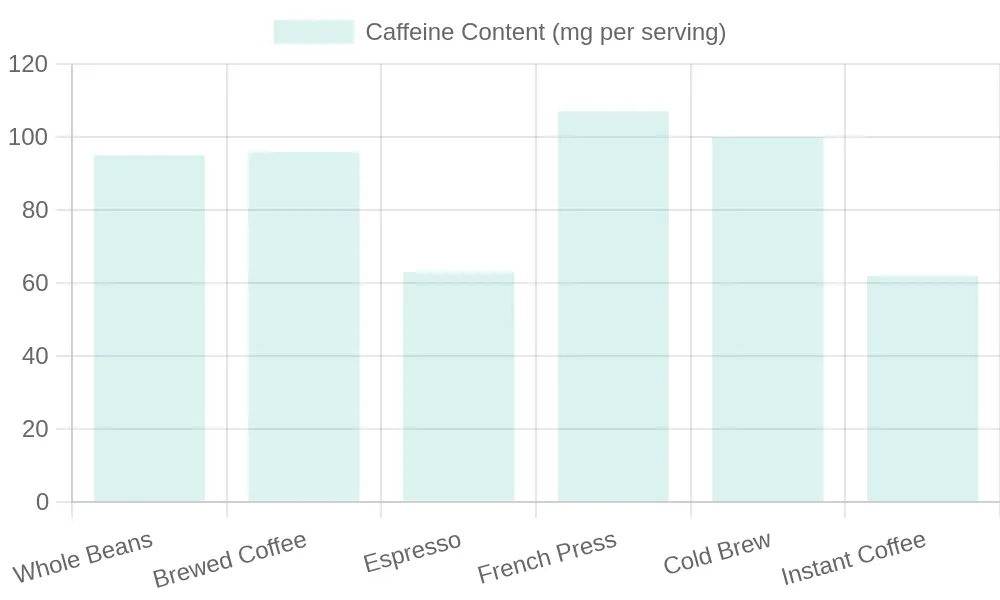
Understanding the caffeine content in various forms of coffee can help business owners make informed decisions about their beverage offerings. Below is a chart that visualizes the caffeine content in different types of coffee:
| Coffee Type | Caffeine Content (mg per serving) |
|---|---|
| Whole Beans | 95 mg per 8 oz |
| Brewed Coffee | 96 mg per 8 oz |
| Espresso | 63 mg per 1 oz |
| French Press | 107 mg per 8 oz |
| Cold Brew | 100 mg per 8 oz |
| Instant Coffee | 62 mg per 8 oz |
Caffeine levels can vary based on the brewing method and serving size, making it important to consider these factors when choosing coffee products for your business. To learn more about how occupational therapy supports mental health, click here.
This visual representation and the accompanying data can help you select the appropriate coffee types to meet consumer demands while maintaining quality and flavor.
Conclusion
In conclusion, the act of eating coffee beans presents both perks and drawbacks that should be carefully considered, particularly for business owners managing their productivity gains.
Pros:
- One of the significant advantages of consuming coffee beans is their high antioxidant content, which plays a vital role in combating oxidative stress and may contribute to health benefits like improved mood and cognitive function.
- Another benefit is the convenient boost of caffeine, providing a quick source of energy that can enhance alertness and productivity, essential for busy entrepreneurs.
- Additionally, coffee beans might assist with weight management, stimulating metabolism and fat burning. This could be particularly appealing to those in a fast-paced work environment looking to maintain both energy levels and overall health.
Cons:
On the flip side, the consumption of coffee beans can lead to some adverse effects.
- High caffeine intake is a primary concern, as it can induce jitteriness, insomnia, and an increased heart rate, potentially hampering productivity if one is not cautious.
- Another downside is the potential impact on dental health, with the acidity in coffee beans possibly leading to enamel erosion and staining with excessive consumption.
- Lastly, for some individuals, coffee beans may provoke gastrointestinal discomfort, highlighting the need for moderation.
In summary, while coffee beans can offer health benefits and an immediate caffeine boost, moderation is key. Encouraging responsible consumption of coffee beans allows business owners to explore this option to enhance productivity while safeguarding their health. For deeper insights into mental health benefits and occupational therapy that supports cognitive performance, learn more about how occupational therapy supports mental health and explore techniques used in occupational therapy.
Fuel Your Entrepreneurial Spirit with Pizza Trucks
As a business owner, the pursuit of success mirrors the energy derived from a great cup of coffee. Just as coffee beans invigorate your day, a well-equipped pizza truck can revitalize your entrepreneurial journey, offering delicious meals on-the-go while tapping into a vibrant market.
Imagine running a mobile pizzeria, serving artisanal pizzas at local festivals, events, or in bustling neighborhoods. By investing in a high-quality pizza truck, you’re not just enhancing your menu, but also allowing your business to grow and adapt anywhere, similar to how coffee fuels your ideas and motivation.
Why Consider a Pizza Truck?
- Flexibility: Just like coffee energizes your mind, a pizza truck enables you to take your culinary delights to places where customers gather, maximizing exposure and sales.
- Reduced Overhead: Unlike traditional brick-and-mortar establishments, a pizza truck requires lower initial investment and operating costs, making it easier to get started.
- Instant Appeal: The aroma of freshly baked pizza, combined with the buzz that coffee provides, creates a tantalizing experience for potential customers, ensuring that your venture is a hit.
Resources to Explore
To learn more about the exciting opportunities available with pizza trucks, check out Concession Nation for custom builds and great deals on food trucks. You can also explore options on UsedVending to find used food trucks that fit your budget.
Embrace the fusion of coffee’s vibrant energy and the mouthwatering allure of pizza to fuel your entrepreneurial fire! Take the leap today.