
Is It Safe to Eat Coffee Beans? An Introduction
As coffee culture continues to grow, innovative snack options are becoming increasingly popular, leaving many business owners pondering an intriguing question: is it safe to eat coffee beans? Many coffee aficionados are curious if munching on these caffeine-packed snacks is both enjoyable and safe. The allure of coffee beans extends beyond just brewing; they offer a unique crunch and a robust flavor that can elevate the snack experience in cafes, coffee shops, and restaurants. However, the safety of consuming raw or roasted coffee beans often raises eyebrows due to the potential health implications associated with caffeine intake and the presence of certain compounds. For business owners looking to diversify their menu and provide unique snack options, understanding the implications of offering coffee beans as edible snacks is essential. As you explore this intriguing concept, consider how it could attract customers seeking a novel treat while ensuring that you’re fully informed about any health risks involved. In this article, we will delve deeper into the safety of eating coffee beans, equipping you with the knowledge needed to make informed culinary decisions for your establishment.
Health Benefits of Eating Coffee Beans
As business owners who are interested in offering health-conscious snacks, understanding the numerous health benefits of eating coffee beans can help you make informed decisions about your product offerings. Here’s a list of some compelling advantages:
-
Rich in Antioxidants: Coffee beans are packed with antioxidants, notably polyphenols, which help combat oxidative stress in the body. This can ultimately lead to better overall health. Learn more about antioxidants
-
Enhanced Energy Levels: The caffeine content in coffee beans makes them an excellent source of energy. Eating coffee beans can give a quick energy boost, making them a great snack for hectic work environments.
-
Improved Cognitive Function: Studies show that caffeine can improve alertness and cognitive function. For business owners, offering coffee beans as a snack can help customers maintain focus throughout their workday.
-
Weight Management: Caffeine can aid in metabolism and help with weight management. By offering coffee beans, you provide a snack that may help your customers manage their weight while satisfying their hunger.
-
Mood Enhancement: Consumption of coffee beans can elevate mood due to the boosting effects of caffeine. Products featuring coffee beans can appeal to customers looking for mood-enhancing snacks.
-
Anti-Inflammatory Properties: Chlorogenic acid, found in coffee beans, has anti-inflammatory benefits. This makes them an appealing option for health-conscious consumers looking to reduce inflammation in the body. More on the health benefits of coffee
-
Potential Disease Protection: There is some evidence suggesting that regular consumption of coffee and coffee beans may lower the risk of neurodegenerative diseases such as Parkinson’s and Alzheimer’s, making them a valuable addition to any health-conscious snack line.
-
Convenience: Coffee beans are a portable, hassle-free snack option that can be enjoyed anywhere – making them ideal for busy professionals.
Business owners who introduce coffee bean snacks to their offerings are likely to attract health-focused consumers who appreciate nutritious options while on the go.
In summary, the health benefits of coffee beans present many opportunities for innovative snack development, catering to the growing health-conscious market.
Caffeine Content in Coffee Beans vs. Brewed Coffee: Implications for Business Owners
Caffeine is a well-known stimulant, and understanding its content in coffee beans versus brewed coffee is essential for business owners in the coffee industry. Here’s a deep dive into the caffeine levels in coffee beans and brewed coffee, including their implications for customer reactions and safety.
Caffeine Content in Coffee Beans
- Dry Coffee Beans: The caffeine content in dry coffee beans can vary significantly. Typically, coffee beans contain approximately 800 to 1200 mg of caffeine per 100 grams. This range is influenced by the type of beans and their processing methods.
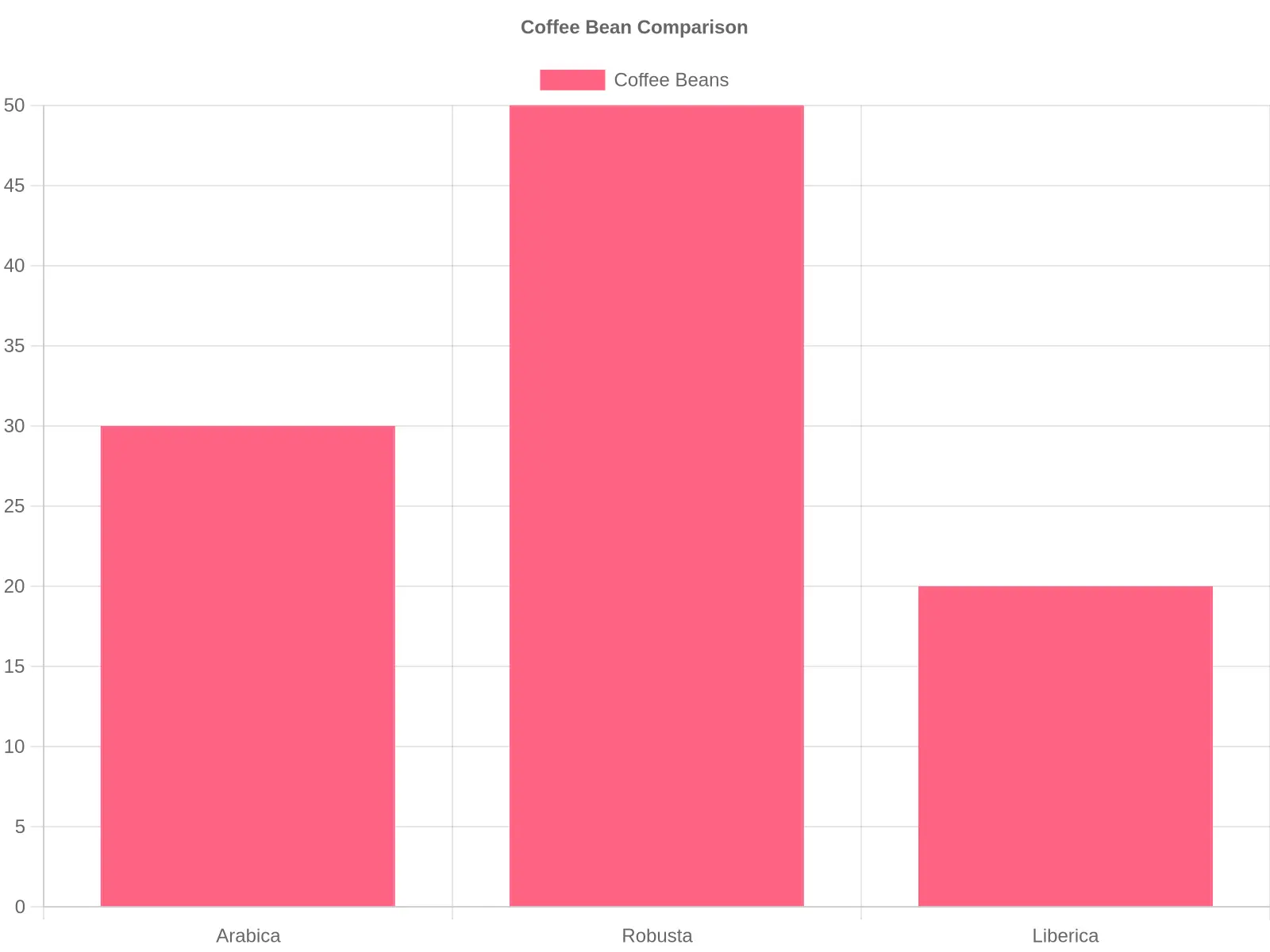
- Arabica Beans: These generally contain less caffeine compared to Robusta beans, leading to an approximate caffeine content of 1.2%.
- Robusta Beans: On the other hand, Robusta beans can hold about 2.2% to 2.7% caffeine, which is roughly double that of Arabica.
Caffeine in Brewed Coffee
- Average Brewed Coffee: An 8-ounce cup (about 240 ml) of brewed coffee averages about 95 to 200 mg of caffeine. The specific amount can fluctuate based on several factors like brew time and coffee grind size.
Comparison and Implications for Business Owners
- Density vs. Consumption: While coffee beans are densely packed with caffeine, the brewing process significantly alters the amount available for consumption per serving. The extraction efficiency during brewing means that not all the caffeine in the beans transfers into the cup. For businesses, this indicates that offering beans as a snack could lead customers to consume much higher levels of caffeine than they experience with traditional brewed coffee.
- Customer Reactions: Introducing whole coffee beans as a product can result in unexpected caffeine reactions among customers. Some may be unaware of their sensitivity to caffeine and consume too much, which could lead to adverse reactions (such as jitteriness or insomnia). Safeguarding against this is crucial. Constantly informing customers about the caffeine content through proper labeling and signage can help mitigate misunderstandings.
Safety Concerns
While eating coffee beans is generally safe for most adults, moderation should always be advised due to the concentrated caffeine content. For detailed implications on the health aspects of caffeine consumption, refer to this insightful article.
In conclusion, understanding the caffeine dynamics between coffee beans and brewed coffee is essential for coffee-related businesses. Proper education and clear communication regarding caffeine content can improve customer experiences and safety while maintaining satisfaction and loyalty in this competitive market.
| Aspect | Arabica | Robusta | Liberica |
|---|---|---|---|
| Taste | Sweet, soft, hints of fruit and sugar | Strong, bitter, harsher flavor | Woody, smoky, unique flavor |
| Caffeine Content | 1.2% – 1.5% | 2.2% – 2.7% | Moderate, less known |
| Common Uses | Specialty coffee, high-quality blends | Espresso blends, instant coffee | Rarely used commercially |
| Growing Conditions | Higher altitude, more susceptible to pests | Lower altitude, hardier plant | Grows in specific regions |
| Price | Generally more expensive due to cultivation difficulty | Less expensive, higher yield | Niche market, variable price |
This table offers business owners a clear comparison of key coffee bean types by taste, caffeine content, uses, growing conditions, and price.
For more information on coffee-related topics, you may also find useful insights in how occupational therapy supports mental health and techniques used in occupational therapy.
Potential Risks of Eating Coffee Beans
While eating coffee beans may seem like a trendy health snack, it’s essential for business owners-and consumers alike-to understand the potential risks associated with this practice. Moderation and individual reactions are critical factors that deserve attention when considering the safety of eating coffee beans.
Caffeine Overdose
One of the principal risks of consuming coffee beans is the onset of caffeine overdose. Coffee beans are incredibly rich in caffeine; a single coffee bean contains about 6-10 mg of caffeine. If consumed in large quantities, coffee beans can lead to symptoms of overstimulation, such as:
- Restlessness: An inability to relax or sit still.
- Increased Heart Rate: Palpitations and soaring heart rates can occur in sensitive individuals.
- Insomnia: Trouble falling or staying asleep, especially if eaten later in the day.
To mitigate these risks, moderation is key. It’s generally safe for most adults to consume 2-3 coffee beans at a time-a quantity roughly equivalent to one cup of coffee.
Gastrointestinal Irritation
Eating whole coffee beans can also pose gastrointestinal issues, particularly for those with sensitive stomachs. Some individuals may experience
- Digestive Discomfort: Symptoms might include bloating or upset stomach.
- Increased Acid Production: Excessive consumption could lead to heightened stomach acidity, resulting in discomfort.
Therefore, it’s wise for business owners to advise customers on portion sizes to avoid such discomfort.
Allergic Reactions
Another crucial consideration is the potential for allergic reactions to compounds found in coffee beans. Such reactions, although relatively rare, may manifest as:
- Skin Rashes: Irritated skin responses to allergens present in coffee.
- Respiratory Issues: Breathing difficulties for those with allergies.
Business owners should be mindful of allergens and provide clear labeling on products containing coffee beans.
Caffeine Dependency
Regular consumption of caffeine can lead to dependency. Over time, individuals may find themselves needing larger amounts to achieve the same stimulating effects, which can lead to:
- Withdrawal Symptoms: These may include headaches, fatigue, irritability, and mood fluctuations if one suddenly stops consuming caffeine.
Safety Tips for Consumption
To reassure business owners and promote safe practices regarding the consumption of coffee beans, consider the following tips:
- Educate Customers: Provide information on the appropriate serving sizes and potential risks associated with larger quantities.
- Offer Alternatives: Consider pairing coffee beans with non-caffeinated snacks to provide variety and minimize the risk of caffeine overdose.
- Promote Awareness: Share information on caffeine sensitivity and encourage customers to gauge their reactions.
In conclusion, while there are potential risks associated with eating coffee beans, enjoying them in moderation is generally safe for most individuals. By taking the necessary precautions and considering individual reactions, business owners can create responsible offerings that cater to coffee enthusiasts without compromising safety.
Popular Coffee Bean Snacks for Menu Innovation
Business owners looking to innovate their menu can benefit from incorporating various coffee bean snacks. Below are some of the popular options:
Snack Ideas
- Coffee-Infused Chocolates: Chocolates blended with coffee flavor.
- Coffee Energy Bars: Bars made with coffee and nutritious ingredients.
- Coffee Ice Cream: Ice cream flavored with coffee.
- Coffee-Flavored Cakes: Cakes with coffee essence.
- Whole Roasted Coffee Beans: Roasted beans, served as a snack.
Infographic
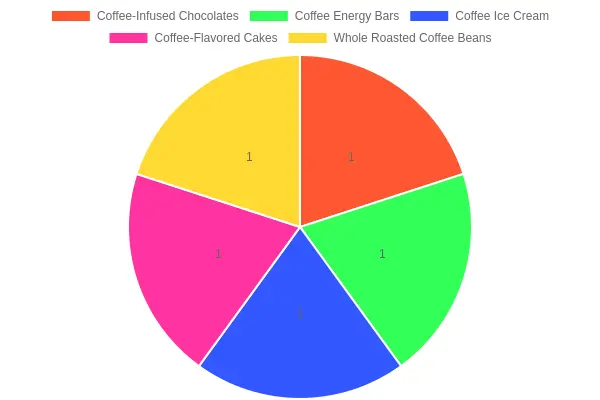
Explore the proportions of different coffee snacks to assist in making menu decisions.
To further enhance your knowledge and skills in the food industry, consider exploring how occupational therapy supports mental health or techniques used in occupational therapy.
Public Opinion on Eating Coffee Beans
Eating coffee beans has become a trending topic among coffee enthusiasts and health-conscious individuals alike. While hard data and reviews from dedicated business forums are limited, a synthesis of general customer feedback and safety considerations can provide insight into this growing trend.
Safety Considerations
The safety of consuming coffee beans is pivotal for business owners in the food and beverage industry. Based on collective opinions:
- Caffeine Content: Coffee beans have a higher caffeine concentration than brewed coffee, which means customers should consume them in moderation. Excessive intake can lead to unpleasant side effects such as jitteriness, insomnia, and increased heart rate.
- General Acceptance: Most people find eating coffee beans safe. However, those sensitive to caffeine might prefer to avoid them or limit their consumption.
Enjoyment and Consumer Preferences
Customer enjoyment plays a crucial role in product offerings. Here’s how eating coffee beans is viewed by consumers:
- Flavor Experience: Many coffee aficionados describe eating coffee beans as a pleasurable experience. The intense flavor and aroma of roasted beans offer a crunchy and satisfying snack. Specialty beans often showcase distinctive taste profiles, leading to a gourmet experience that attracts connoisseurs.
- Chocolate-Covered Variation: Reviews reveal a preference for chocolate-covered coffee beans, which combine the bitterness of the bean with sweetness, catering to diverse taste preferences.
- Health Perks: Beyond flavor, some consumers appreciate that coffee beans may offer potential health benefits. Their high antioxidant levels and other beneficial compounds make them an attractive snack option for health-conscious individuals.
Mixed Opinions
While many people enjoy the experience of eating coffee beans, feedback can vary:
- Bitterness: Not every consumer enjoys the naturally bitter taste of coffee beans. Some reviews point to this as a deterrent, prompting some individuals to seek alternatives or infused versions.
- Preference Across Varieties: The type of bean (e.g., Arabica vs. Robusta) and the roasting level significantly impact enjoyment levels, suggesting that businesses could benefit from offering a variety of options to appeal to different palates.
Conclusion
In conclusion, eating coffee beans presents a mix of safety and enjoyment factors for consumers. While the majority view it as a safe and delightful snack, understanding customer preferences and offering varieties can enhance the overall experience. For more insights into customer health perceptions and related therapies, consider exploring articles on mental health occupational therapy to understand how food and wellness intersect.
Engaging in this trend could also involve monitoring feedback through customer reviews and forums, as staying ahead of consumer preferences is essential for business success.
Conclusion
In conclusion, the safety of eating coffee beans emerges as a positive and beneficial choice for consumers, particularly within the context of enhancing offerings for business owners in the coffee industry. As we’ve discussed, coffee beans are rich in antioxidants and essential nutrients, such as vitamins B2, B3, and minerals like manganese and potassium, contributing to overall health. The caffeine content can boost mood and improve mental alertness, making them an appealing snack option.
However, moderation is key. While enjoying coffee beans can lead to numerous health benefits, overconsumption may result in side effects like insomnia, jitters, or an increased heart rate. Therefore, businesses considering integrating coffee beans into their product lines should communicate these benefits clearly while also advocating for responsible consumption.
Exploring innovative ways to incorporate coffee beans, such as in baked goods, snacks, or even savory dishes, could not only diversify product offerings but also attract health-conscious consumers. For more insights on transformative ideas in health and therapy, check out our resources on how occupational therapy supports mental health which highlights the connection between nutrition and well-being.
Investing in coffee beans as an edible product can elevate a business’s profile and appeal to modern customers looking for healthful and functional food options. Overall, embracing the consumption of coffee beans is not only safe when done in moderation but also offers a unique selling proposition that can distinguish businesses in the competitive market.
Coffee Consumption Trends Among Different Demographics
Understanding coffee consumption trends is crucial for business owners looking to incorporate coffee-based snacks into their offerings. The following chart illustrates current trends among various demographic groups:
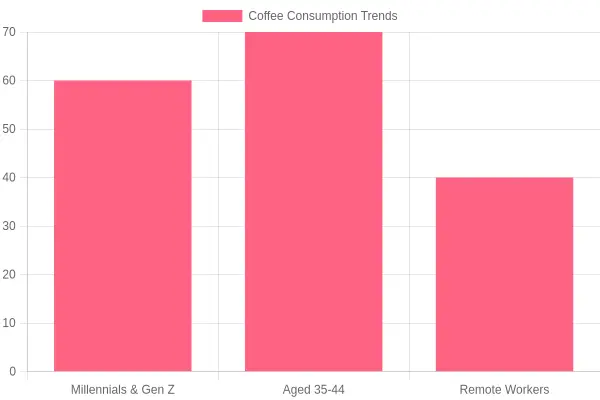
| Demographic Group | Coffee Consumption Trend |
|---|---|
| Millennials & Gen Z | 60% consume coffee regularly |
| Aged 35-44 | 70% drink coffee daily |
| Women | Prefer flavored varieties |
| Remote Workers | 40% increase in coffee purchases |
Key Insights:
- Millennials & Gen Z are increasingly regular consumers of coffee, with 60% confirming regular consumption.
- Individuals aged 35-44 show the highest daily consumption at 70%, indicating the potential for targeted marketing strategies in this age group.
- Gender preferences suggest that women lean towards flavored coffee varieties, which could influence product development.
- Notably, remote workers have seen a 40% increase in coffee purchases, marking a shift in consumption influenced by work-from-home trends.
By understanding these trends, business owners can better tailor their product offerings to meet the evolving preferences of coffee consumers.
Health Insights on Eating Coffee Beans
Expert Opinion:
“Coffee beans, when consumed in moderation, can provide a rich source of antioxidants and essential nutrients that may enhance overall health. However, it’s crucial to be mindful of your caffeine tolerance and any gastrointestinal sensitivities. As with any food, moderation is key to reaping the benefits while minimizing potential side effects.”
- Nutritionist and Health Expert
Eating coffee beans can indeed be beneficial, as they are packed with nutrients and antioxidants. Nevertheless, it’s essential to consider both the pros and cons of their consumption. For further insights on the effects of coffee on health, learn more about occupational therapy’s role in mental health to understand how certain lifestyle choices, including diet, can impact overall well-being.