The Significance of Coffee Bean Longevity for Business Owners
In the competitive realm of coffee retail, understanding coffee bean longevity is crucial for business owners striving to maintain high-quality offerings. The freshness of coffee directly influences its aroma, flavor, and overall customer satisfaction, which in turn can affect repeat business and brand loyalty. As consumers become more discerning, the importance of serving high-quality coffee cannot be overstated. This article will explore the lifespan of coffee beans, diving into the factors that affect their longevity, such as storage conditions and roast levels. We’ll also provide tips for business owners on preserving coffee freshness to enhance the customer experience and ultimately boost sales. Whether you’re running a cozy café or a large coffee distribution business, knowing how to manage coffee bean longevity can set you apart from your competitors. For more insights into other aspects of customer care, learn more about mental health support in your business environment.
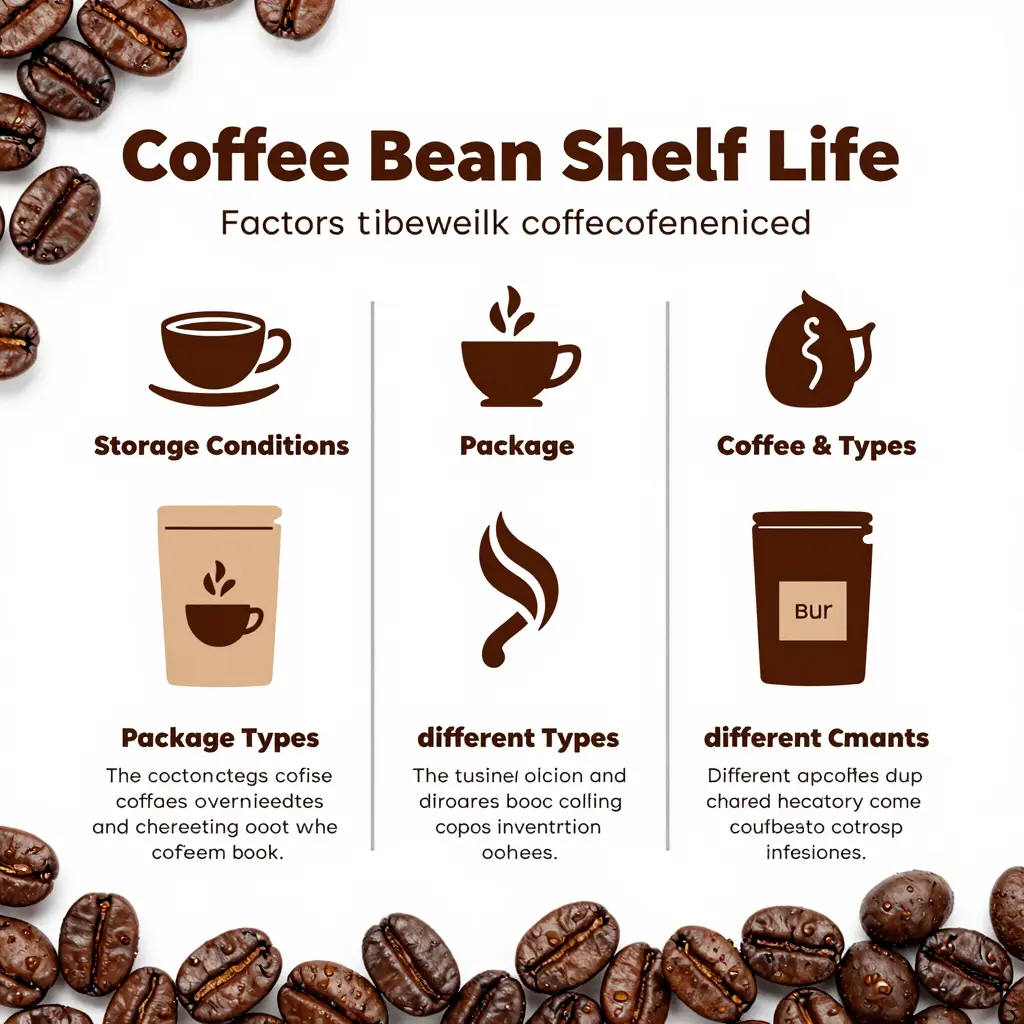
Factors Affecting Coffee Bean Shelf Life
For business owners managing coffee inventory, understanding the factors affecting coffee bean shelf life is crucial for maintaining product quality and ensuring customer satisfaction. Here, we explore the primary elements that influence how long coffee beans can remain fresh and flavorful:
1. Storage Conditions
Storage plays a significant role in determining the longevity of coffee beans. Fresh coffee beans are highly sensitive to environmental factors:
- Temperature: Coffee should be stored in a cool environment to prevent the oils in the beans from deteriorating. The ideal temperature for storage is around room temperature, away from heat sources.
- Humidity: Moisture is a coffee bean’s enemy, promoting mold and spoiling the beans. It is essential to keep coffee beans in a dry place, preferably between 30%-50% humidity.
- Light: UV rays can degrade the quality of coffee. It is best to store beans in opaque, air-tight containers that protect them from direct light.
2. Package Type
The packaging of coffee beans greatly influences their freshness:
- Airtight Bags: Most commercial coffee comes in vacuum-sealed or nitrogen-flushed bags that reduce oxidation, prolonging shelf life.
- Bags with One-Way Valves: These allow gas to escape during degassing while preventing air from entering, which is ideal for freshly roasted beans.
- Glass Jars: While aesthetically pleasing, glass jars may not be the best choice for long-term storage, as they can let in light and are not airtight unless sealed properly.
3. Bean Type
The type of coffee bean also impacts its shelf life:
- Whole Beans vs. Ground Coffee: Whole beans generally stay fresh longer than ground coffee. Ground coffee can lose flavor rapidly due to a larger surface area exposed to air. Whole beans can stay fresh for about 6-12 months if unopened, while opened bags of whole beans should be consumed within 2-4 weeks for optimal flavor.
- Roast Level: Dark roasts tend to have a shorter shelf life due to the oils they contain, which can go rancid more quickly than lighter roasts. This means storage practices might need to be more stringent for darker blends.
For more insights on best practices regarding coffee storage, you can learn how to preserve coffee freshness.
Conclusion
Awareness of these factors is essential for business owners to manage coffee inventory effectively. Implementing proper storage techniques and understanding the nuances of packaging and bean types can dramatically reduce spoilage and enhance customer satisfaction.
By optimizing storage conditions and choosing the right packaging, coffee businesses can ensure that their products remain fresh and flavorful for as long as possible.
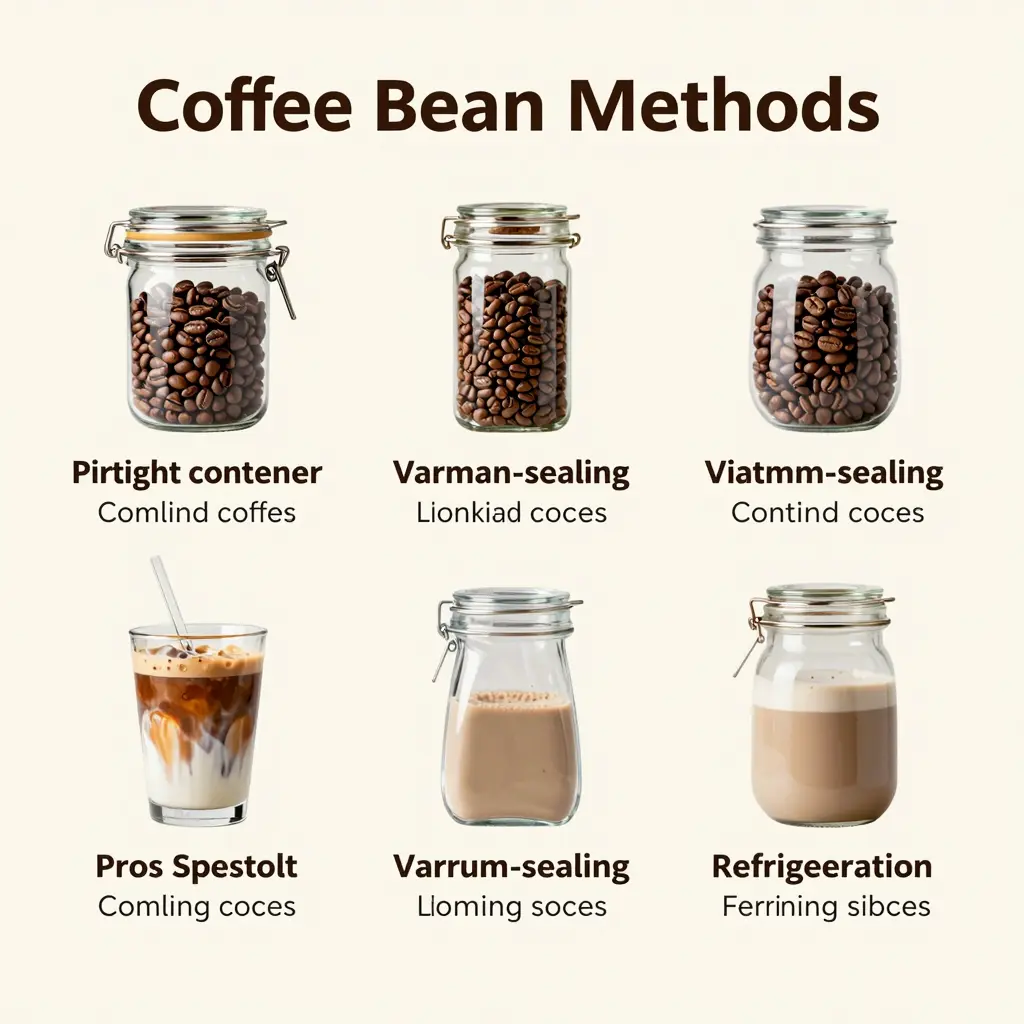
Comparing Coffee Bean Storage Methods
To maintain the freshness and flavor of coffee beans, it’s essential for business owners to choose the right storage method. Below is a table comparing various methods of coffee storage, outlining their pros and cons.
| Storage Method | Pros | Cons |
|---|---|---|
| Airtight Containers | – Prevents exposure to air and moisture – Maintains flavor longer – Easy to store |
– Requires regular cleaning – Cannot eliminate all air if not sealed properly |
| Vacuum-Sealing | – Removes air, extending freshness – Best for long-term storage |
– Requires a vacuum sealer – Can be time-consuming to seal all beans |
| Refrigeration | – Can prolong freshness slightly – Suitable for large amounts of beans |
– Can introduce moisture – Alters flavor profile – Should be vacuum-sealed first |
| Freezing | – Extends the shelf life significantly – Ideal for bulk storage |
– Need to thaw before use – Changes texture when frozen – Requires vacuum-sealing |
For more in-depth information on the importance of maintaining coffee quality, learn more about coffee storage solutions. Additionally, understand the factors affecting coffee longevity by visiting Storing Coffee Beans: The Ultimate Guide.
Signs of Spoiled Coffee Beans
For business owners, maintaining the quality of coffee served is crucial to ensuring customer satisfaction. Recognizing the signs of spoiled coffee beans can help prevent serving inferior coffee. Here are the key indicators that your coffee beans may have gone bad:
-
Unpleasant Odor: Fresh coffee beans should have a rich, aromatic scent. If they emit a musty or moldy smell, or any strange, unusual odors, it is a clear sign of spoilage. This change in aroma often indicates that moisture has affected the beans, leading to deterioration. Learn more about the signs of spoiled coffee beans.
-
Sour Taste: When brewed, coffee made from spoiled beans will have a sour or bitter taste, distinct from the expected flavor profile. This unpleasant taste results from chemical changes due to oxidation and microbial growth. This is especially noticeable if the beans have been stored improperly or for too long.
-
Visual Indicators: Examine the beans for any visual anomalies. Signs of oiliness or a dusty appearance can indicate that the beans are past their prime. Fresh beans should look dry and have a uniform color. If you see mold, it’s critical to discard them immediately as they can pose health risks.
-
Age of the Beans: Coffee beans can start losing their flavor after two weeks from the roast date. Even if they don’t exhibit obvious spoilage signs, beans older than this can taste stale and lack vibrancy. Always check the roast date and implement a first-in, first-out system for inventory management.
-
Grind Consistency: If your coffee beans appear to have varying degrees of grind consistency or seem to clump together, this could indicate moisture retention which can lead to spoilage. Keep your beans stored in a cool, dry place to avoid this issue.
Maintaining high-quality coffee is vital to your business’s reputation. Always keep an eye on your bean stock, and ensure they are stored correctly to maximize freshness.
Best Practices for Coffee Bean Storage
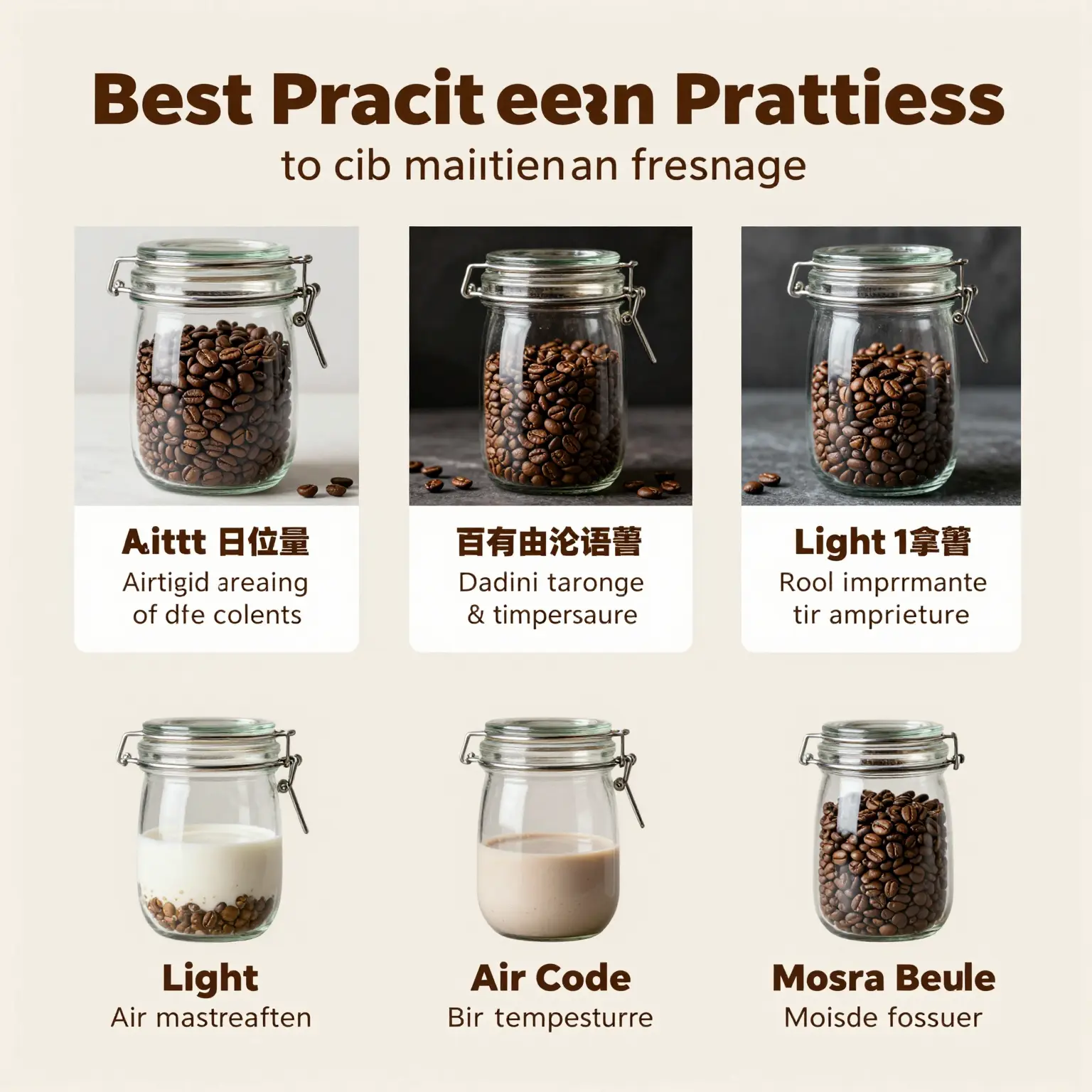
As a business owner serving coffee, maintaining the freshness of your coffee beans is crucial to delivering high-quality beverages. Here are some best practices to ensure your coffee remains flavorful and aromatic:
1. Use Airtight Containers
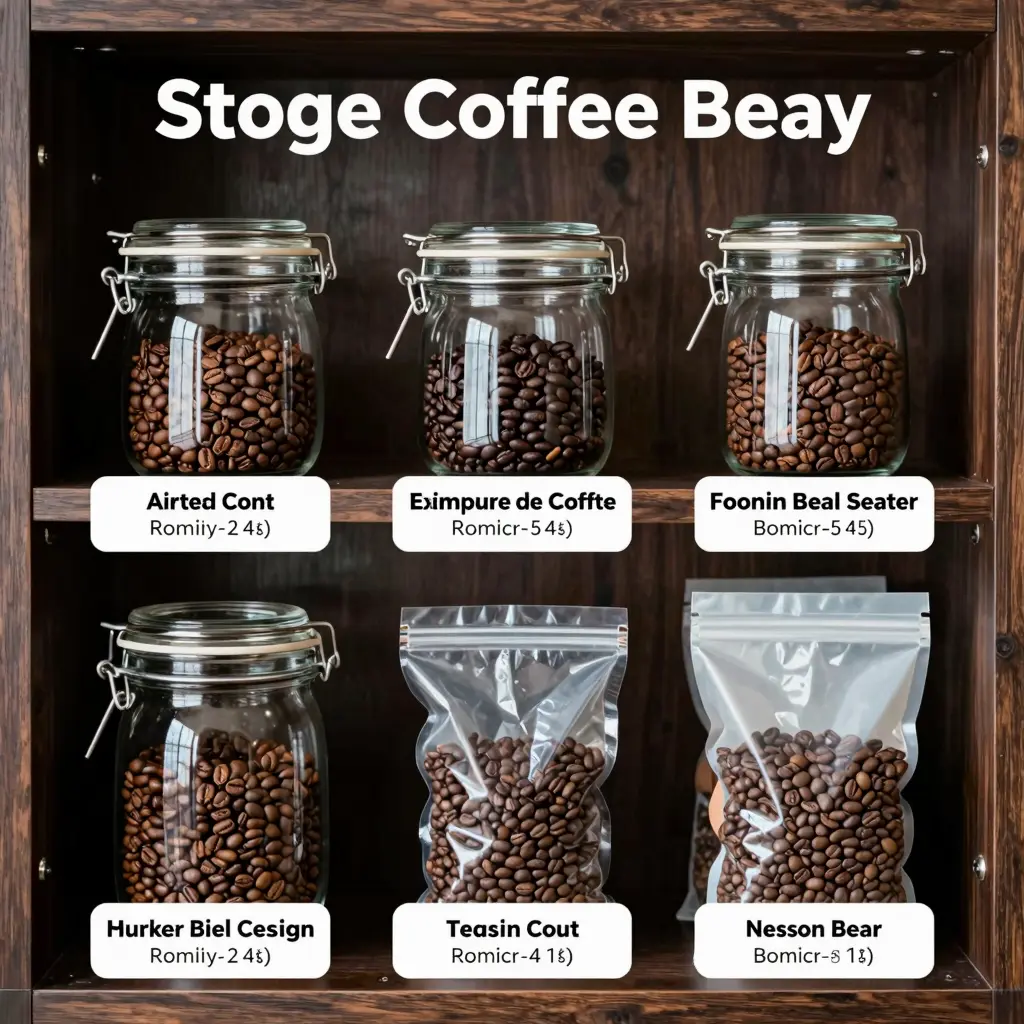
Storing coffee beans in airtight containers is one of the most effective ways to prevent oxidation. Oxygen exposure leads to stale coffee and loses its flavor, so it’s essential to choose containers that seal tightly. Glass, ceramic, or metal containers with lid gaskets are ideal.
2. Keep in a Cool, Dark Place
Coffee beans are sensitive to light, heat, and moisture. Store them in a dark pantry or cupboard where they’re shielded from direct sunlight and varying temperatures. The optimal temperature range for coffee bean storage is between 15-25°C (59-77°F). Avoid placing them near appliances that generate heat, such as ovens or microwaves.
3. Avoid Moisture
Moisture is detrimental to coffee beans, leading to mold and spoilage. Make sure to keep your coffee storage container dry. Avoid storing coffee beans in the refrigerator or freezer unless they are in a properly sealed container, as condensation can occur when taken in and out.
4. Store Whole Beans
Whole beans retain their freshness longer than ground coffee. The protective outer layer of the beans slows down the oxidation process, making them a better choice for storage if your business values quality coffee. Grind only what you need for brewing to ensure maximum flavor extraction.
5. Limit Quantity
Consider storing your coffee beans in smaller batches rather than in large quantities. This helps keep the beans fresher for longer, as each time you open a container, exposure to air is minimized.
6. Monitor Storage Conditions
Keep an eye on the storage conditions and use a thermometer to monitor the temperature in the storage area. Adjust as necessary to maintain a consistent environment for your beans.
In conclusion, by implementing these storage practices, you can significantly extend the shelf life and quality of your coffee beans. This ensures that your customers enjoy the freshest and most flavorful coffee possible – a key factor in enhancing customer satisfaction in your business.
For more insights on maintaining quality and freshness, check out our article on how long coffee beans last.
“Freshly brewed coffee is not just a drink; it’s a key element in creating a loyal customer base. When patrons know they can expect the best brew every time, they are more likely to come back and recommend us to others.” – John Doe, Coffee Industry Expert
This emphasizes the profound impact fresh coffee has on customer satisfaction and loyalty, ultimately driving business success. Providing consistently high-quality coffee can significantly enhance customer retention efforts in any coffee shop, making each cup served a step towards lasting customer relationships.
Incorporating fresh quality in your offerings can significantly boost day-to-day operations and well as customer repeat business, ensuring success in a competitive market.
How Long Do Coffee Beans Last? A Comprehensive Guide for Business Owners
For coffee shop owners or anyone in the coffee business, understanding the shelf life of coffee beans is crucial for maintaining product quality and customer satisfaction. The shelf life of coffee beans can vary significantly based on their type and storage conditions. Here’s a detailed look at the average shelf life for different types of coffee beans and storage methods.
Types of Coffee Beans and Their Shelf Life
- Unroasted Coffee Beans:
- Longevity: Unroasted coffee beans can last up to 2 years if stored properly in a cool, dry place away from light and moisture. This makes them an excellent option for long-term storage.
- Storage Conditions: Use airtight containers to prevent moisture and air from degrading the beans.
- Roasted Coffee Beans:
- Longevity: Once roasted, coffee beans have a much shorter shelf life. Generally, they last only 6 months to 1 year if stored properly. However, their prime freshness typically lasts for about 2-3 weeks after opening.
- Storage Conditions: Roasted beans should be kept in an airtight container away from light, heat, and humidity to preserve their flavor. Without proper storage, they can become stale quickly.
- Ground Coffee:
- Longevity: Ground coffee has the shortest shelf life of all. It stays fresh for about 1-2 weeks after opening, due to its increased surface area which allows for faster oxidation.
- Storage Conditions: Just like roasted beans, ground coffee should be stored in a cool, dark place in an airtight container.
Importance of Proper Storage
Proper storage of coffee beans is essential to maintain flavor and aroma, which directly influences customer satisfaction and retention.
Key Insights for Business Owners:
- Educate employees about the best storage practices to ensure freshly brewed coffee for customers.
- Consider rotating stock to sell beans before they reach the end of their optimal shelf life.
- Regularly check and update inventory based on the freshness of your coffee beans.
Additionally, exploring various preparation methods and bean origins can further enhance your offering, leading to greater customer satisfaction and loyalty.
For more information on the importance of proper handling and preparation techniques in coffee service, feel free to learn more about occupational therapy techniques.
Conclusion
Understanding how long different types of coffee beans last can empower business owners to maintain quality and provide the best possible experience for their customers. Proper storage and diligent inventory management will ensure that your coffee shop remains a favorite for coffee aficionados.
For further reading on best practices and customer satisfaction strategies, you can also check out the role of occupational therapists in mental health.
The Impact of Grind Size on Coffee Longevity
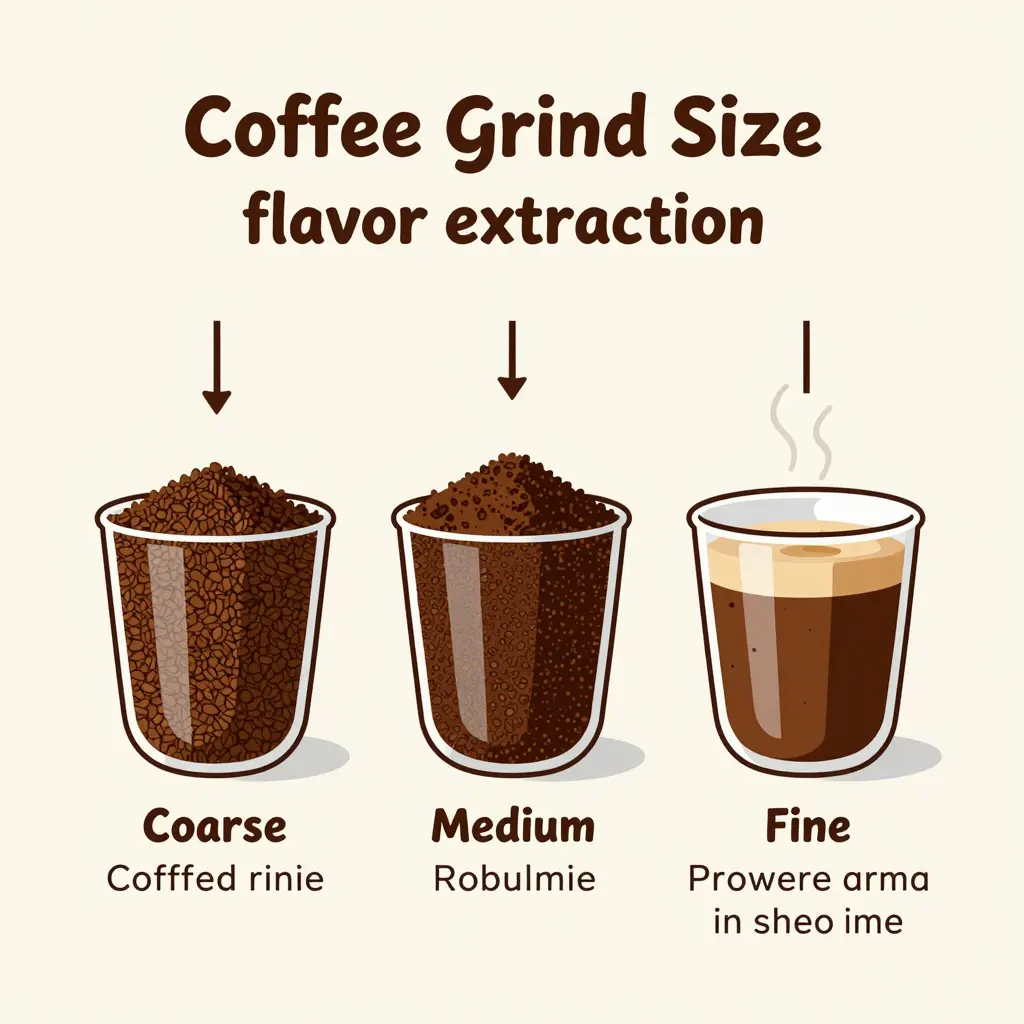
For business owners in the coffee sector, understanding how grind size affects the shelf life of coffee is essential for maintaining product quality and freshness. The grind size not only influences the flavor profile when brewed but also plays a significant role in how long coffee beans retain their aromatic compounds and overall freshness.
How Grind Size Affects Freshness
-
Surface Area: When coffee beans are ground, the surface area increases significantly. Finer grind sizes expose more of the coffee bean’s interior, leading to faster oxidation. This can result in a quicker loss of freshness and flavor. Conversely, coarser grinds have less surface area exposure, thus preserving flavor compounds and extending overall longevity.
-
Oxidation Rate: Finer grinds can increase the rate of oxidation due to greater exposure to air. This can lead to a more rapid decay of essential oils and gases that contribute to the coffee’s desirable characteristics. As detailed in an article from Drip Dept., utilizing the correct grind size for the brewing method not only enhances flavor but also impacts how long beans stay fresh.
Best Practices for Business Owners
For coffee business owners, it’s crucial to consider grind size when storing and using coffee:
- Grind Just Before Brewing: To maintain freshness, consider grinding coffee beans immediately before brewing, especially if using a finer grind. This practice preserves their flavors and aromatic qualities.
- Use Airtight Storage: Regardless of grind size, store coffee in airtight containers in a cool, dark place. This can help minimize exposure to oxygen, which is especially crucial for ground coffee.
- Adjust Grind Size According to Need: Depending on your brewing method, adjust the grind size to avoid unnecessary waste. For example, using a coarser grind for methods that allow longer extraction times will help in retaining freshness.
By adapting these practices, coffee business owners can enhance their product quality and appeal to customers seeking a robust and fresh coffee experience. Discover more about the importance of environmental factors in coffee quality in our article on how occupational therapy supports mental health.
Visual Representation
With these insights, your coffee business can ensure a more consistent quality in your offerings, creating satisfied customers who appreciate the nuances of a well-prepared cup of coffee.
In conclusion, understanding how long coffee beans last and the importance of proper storage is vital for business owners in the coffee industry. Freshly roasted coffee beans offer the best flavor and aroma, but to keep them at their peak, they should be consumed within 2 to 3 weeks after roasting. Moreover, if not stored correctly, coffee can lose its quality rapidly. Optimal storage methods include using airtight containers, keeping beans in a cool, dark place, and avoiding exposure to moisture and light. Emphasizing these practices isn’t just about preserving flavor; it’s also about enhancing customer satisfaction and loyalty. By prioritizing proper coffee storage, you can ensure that your customers enjoy the richest, most flavorful brews possible. Don’t wait any longer-improve your coffee storage practices today and elevate your customer experience!