

Introduction
In the world of coffee, one topic often sparks curiosity among enthusiasts and business owners alike: the process of decaffeination. Imagine sinking into your favorite chair with a warm cup of coffee, savoring its rich aromas, but without the jitters that caffeine can bring. Decaffeinated coffee caters to those who love the taste of coffee but prefer to limit their caffeine intake. It raises essential questions: How are coffee beans decaffeinated? What methods are utilized, and how do they impact the flavor and quality of the coffee we enjoy? This article will provide an in-depth exploration into the fascinating techniques of decaffeination, shedding light on how these processes affect both the beans and the final brew. As a business owner, understanding these methods could give you an edge in serving quality decaffeinated options that appeal to health-conscious consumers. Join us as we delve into the science behind decaf coffee and its growing market appeal.
Decaffeination is a critical step in producing coffee that is suitable for those sensitive to caffeine. The demand for decaffeinated coffee has been steadily increasing, making it a significant market for business owners in the coffee industry.
Main Decaffeination Methods
Coffee beans are decaffeinated using several main methods, each with its unique advantages and disadvantages. Here’s a breakdown of the most common processes:
- Swiss Water Process:
- This method relies solely on water to remove caffeine, resulting in minimal flavor loss and no chemical residues. It is particularly popular among health-conscious consumers.
- Efficiency: Approximately 97% of caffeine is removed.
- Drawbacks: It is time-consuming and has higher energy costs due to prolonged soaking times.
- Carbon Dioxide (CO₂) Extraction:
- This technique uses pressurized carbon dioxide to extract caffeine while retaining flavor and aroma compounds effectively.
- Efficiency: Can remove up to 99% of caffeine.
- Drawbacks: While it is environmentally friendly, the process is relatively expensive.
- Organic Solvent Methods:
- Methods using solvents like ethyl acetate and methylene chloride are efficient in caffeine removal (typically over 97%).
- Advantages: Faster than the Swiss Water Process and maintains much of the flavor.
- Disadvantages: There is a risk of chemical residues if not processed correctly, which may concern some consumers.
- Emerging Techniques:
- New methods, such as one that uses cyclodextrins, offer promising results in achieving caffeine removal rates near 98% without solvents. However, these processes are still in research phases and not widely implemented commercially.
Impact on Flavor and Nutrition
The decaffeination process can alter the flavor profile of coffee beans. For instance, decaffeinated beans often exhibit lower levels of beneficial compounds, such as kahweol and caffeoylquinic acid, compared to their caffeinated counterparts. This can result in less complexity in flavor, which is crucial for business owners looking to cater to diverse consumer preferences.
Market Trends
The market for decaffeinated coffee is growing, reflecting a broader trend towards healthier consumption. Many consumers prefer decaf options for their taste without the stimulating effects of caffeine. This shift provides opportunities for businesses to expand their offerings, especially with more innovative decaffeination techniques entering the market.
For business owners in the coffee sector, understanding the nuances of decaffeination processes can not only improve product offerings but also enhance marketing strategies by aligning with the preferences and health considerations of consumers.
In summary, the methods used to decaffeinate coffee beans vary significantly in terms of efficiency, flavor retention, and consumer safety concerns. As innovative techniques continue to emerge, businesses can stay competitive by adapting their practices to incorporate these advancements.
For further insights into enhancing business practices, you can learn more about effective workplace strategies that can benefit your team and customers alike.
Conclusion
In conclusion, the process of decaffeinating coffee beans is a complex yet fascinating journey that significantly impacts taste and quality. The key methods-solvent-based, water-based, and CO2 methods-each have their unique advantages and contribute to the final flavor profile of the coffee. Choosing the right decaffeination method can enhance your offering, appealing to health-conscious consumers without sacrificing taste. For business owners in the coffee industry, understanding these techniques can not only help in selecting high-quality decaf beans but also in marketing them effectively to your clientele. By staying informed about the latest trends in coffee processing, you can better meet the demands of a growing market interested in delicious decaffeinated options. For more insights into optimizing your business, learn more about the relationship between coffee and mental health.
Introduction to Decaffeination
Understanding the decaffeination process is essential for any business owner in the coffee industry. This article explores how coffee beans are decaffeinated, the methods involved, and their implications on flavor and quality.
The Importance of Decaffeination
Decaffeination allows consumers to enjoy coffee without the stimulant effects of caffeine, catering to a diverse set of dietary preferences and health considerations.
Methods of Decaffeination
There are several primary methods used to decaffeinate coffee beans:
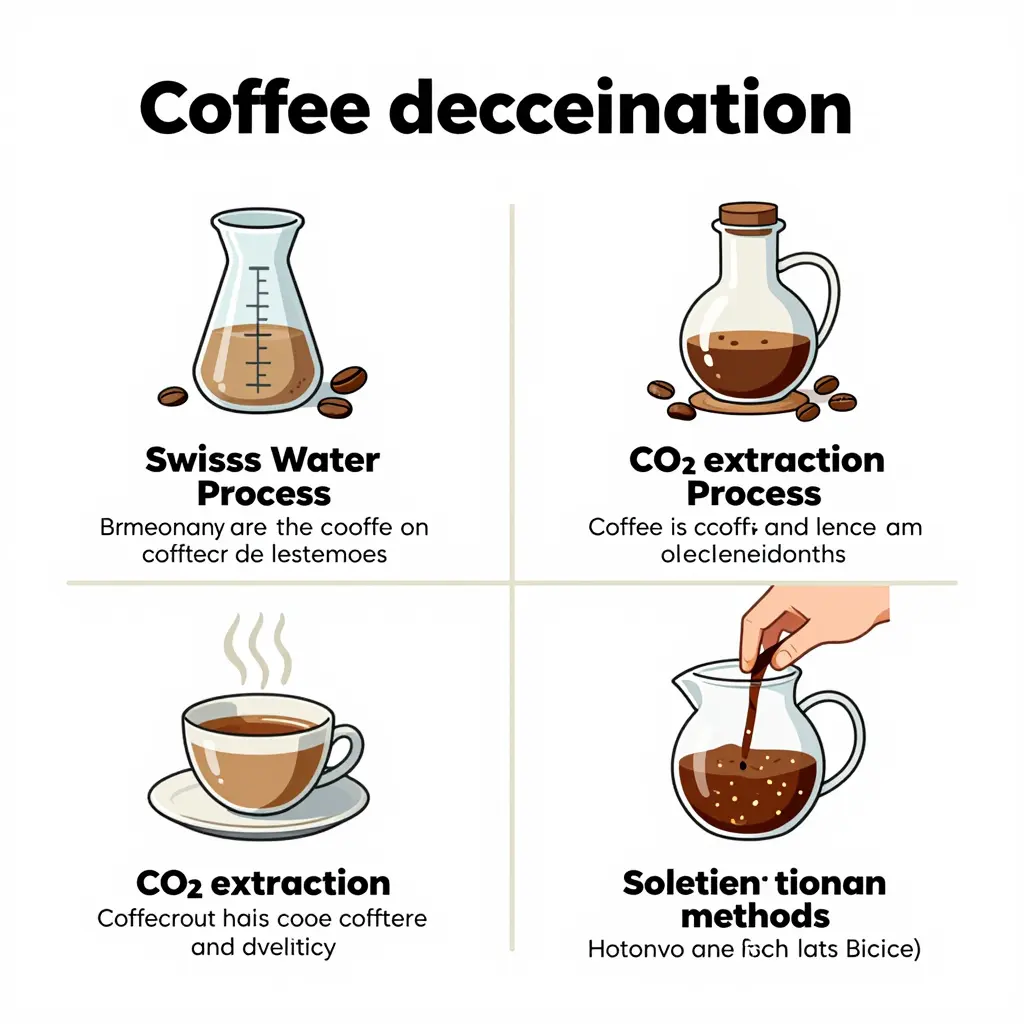
- Swiss Water Process: A chemical-free method that utilizes water to extract caffeine, preserving the beans’ flavor.
- Chemical Solvent Method: This involves using solvents like methylene chloride or ethyl acetate to remove caffeine but may leave trace chemicals.
- CO2 Extraction: A popular method that uses pressurized CO2 to selectively extract caffeine, helping to maintain the bean’s flavor profile.
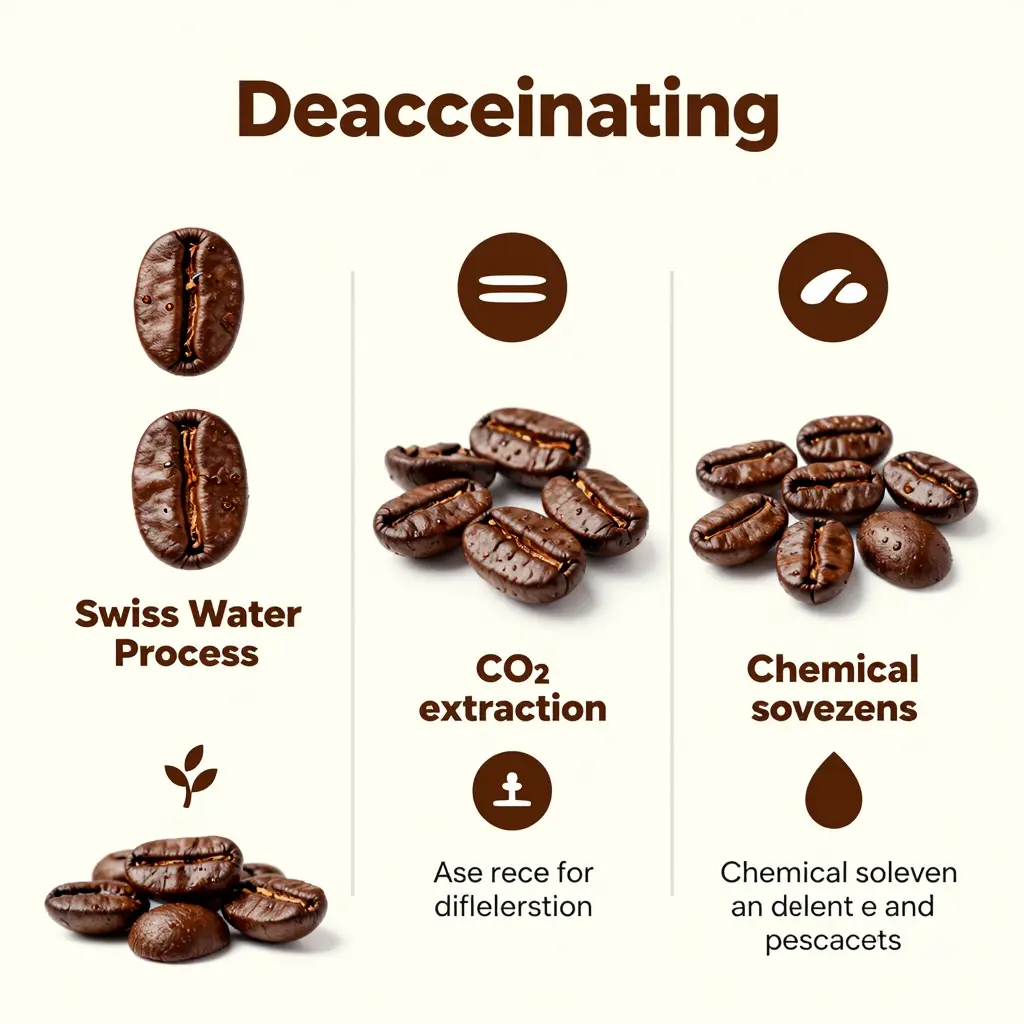
An infographic illustrating the different methods used for decaffeinating coffee beans.
Natural Low-Caffeine Coffee
Recent advancements include the breeding of naturally low-caffeine coffee plants, which could eliminate the need for artificial decaffeination methods entirely. Learn more about innovative coffee solutions.
Conclusion
Decaffeination is an integral part of the coffee production process, influencing flavor and industry practices. Understanding the various methods and their effects can guide business decisions and enhance customer satisfaction.
Join the Conversation!
We’d love to hear your thoughts on decaffeinated coffee and its impact on business. How do you see decaffeinated options affecting your customer base? Share your insights in the comments below! For more engaging topics, check out our articles on how occupational therapy supports mental health and techniques used in occupational therapy to connect on broader business strategies.
How Are Coffee Beans Decaffeinated?
Decaffeination is an intricate process that removes caffeine from coffee beans while preserving their rich flavor and aroma, making it an essential topic for coffee industry business owners.
Common Methods of Decaffeination
The most widely used decaffeination methods include:
-
Swiss Water Process: This chemical-free method relies on water and activated charcoal to selectively extract caffeine. The Swiss Water Process not only removes up to 99.9% of caffeine, but it also preserves the coffee’s flavor compounds, ensuring a quality end product.
-
Carbon Dioxide (CO₂) Extraction: Another effective method, CO₂ extraction uses pressurized carbon dioxide as a solvent to target caffeine molecules. This process efficiently removes caffeine while maintaining the integrity of flavor components.
-
Solvent-Based Techniques: These methods utilize solvents like ethyl acetate and methylene chloride. While effective for decaffeination, they are less favored in the industry due to potential residue concerns. Solvent-based methods can also result in a loss of some flavor characteristics.
Health Considerations
Despite the decaffeination processes, decaffeinated coffee beans still retain a significant amount of antioxidants and chlorogenic acid, which are vital for health. Consumers looking to reduce caffeine intake without sacrificing the benefits of coffee can enjoy decaffeinated options without worry.
Innovations in Decaffeination
Recent advances have led to the development of naturally low-caffeine coffee beans through selective breeding. Brazilian researchers are working on crossbreeding coffee plants that produce lower caffeine levels naturally, potentially revolutionizing the decaf market. This genetic approach could eliminate the need for artificial processing altogether, making high-quality decaf coffee more accessible and desirable.
Conclusion
Understanding the various decaffeination methods is crucial for coffee business owners to offer quality products that meet consumer demand. The choice of method can significantly influence not only the flavor but also the marketability of decaffeinated coffee in a highly competitive industry. For further insights on related topics in the coffee industry, check out The Complete Guide to Decaffeinated Coffee and How Coffee Beans Are Decaffeinated: The Science Behind the Process.
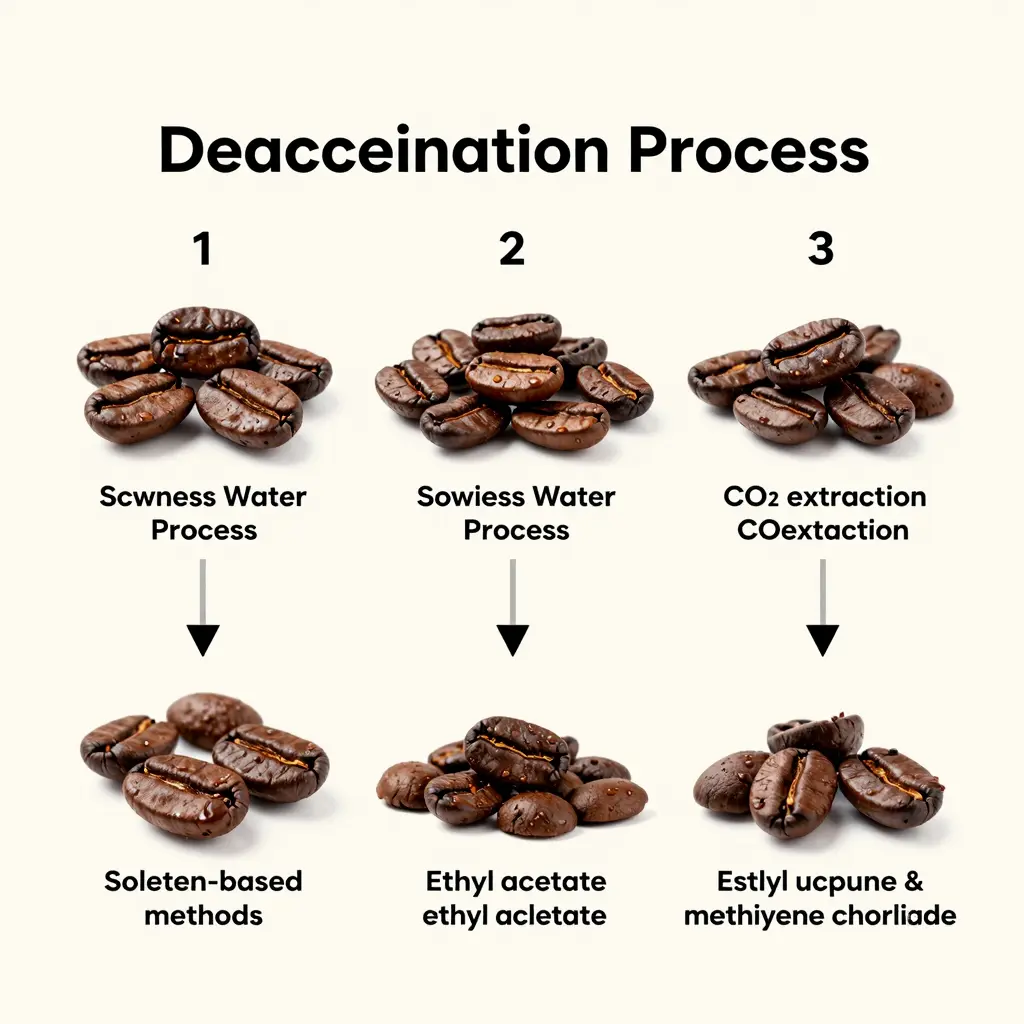
An infographic explaining the decaffeination process of coffee beans
Understanding Decaffeination of Coffee Beans
Decaffeination is the process of removing caffeine from coffee beans to produce a beverage that retains the coffee experience without the stimulating effects of caffeine. This method is particularly appealing to consumers who are sensitive to caffeine or prefer to enjoy coffee at any time without the potential for sleepless nights. As business owners in the coffee industry, understanding decaffeination methods can help you cater to this segment of the market more effectively.
What are the Main Methods of Decaffeination?
Decaffeination methods have evolved over the years, and currently, four main techniques are used in the coffee industry:
- Swiss Water Process
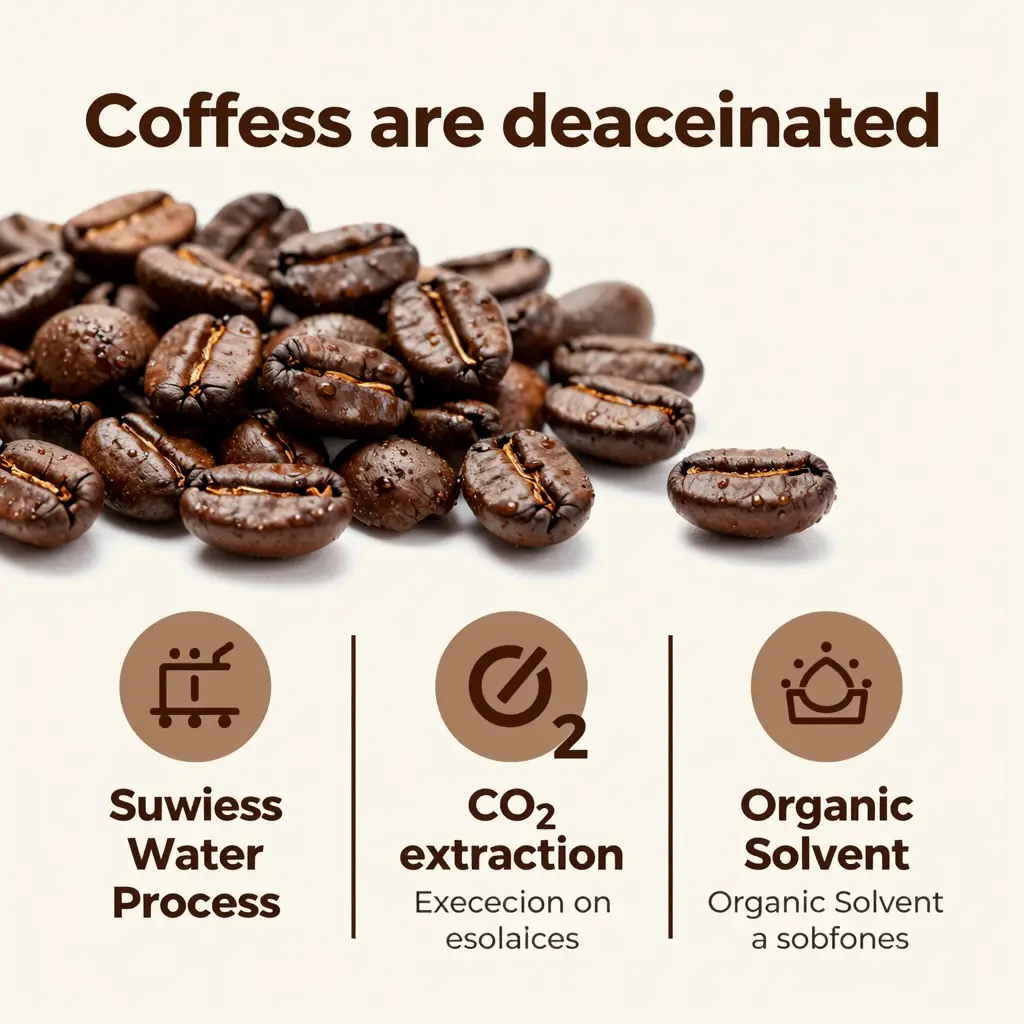
- This method uses water and a natural filtration system involving activated charcoal to remove caffeine from the beans. It is chemical-free and retains most of the coffee’s flavor. Approximately 15% of decaffeinated coffee in the market comes from this method.
- CO₂ Extraction
- In this process, carbon dioxide is used under high pressure to extract caffeine. This method effectively maintains the coffee’s original flavor profile and accounts for about 25% of the decaffeinated coffee market.
- Organic Solvent Method
- Solvents such as ethyl acetate or methylene chloride are used to remove caffeine. While effective, this method has a slight risk of chemical residues, hence proper regulation is necessary. It is the most common method, comprising roughly 45% of the decaffeinated coffee production.
- Direct Contact Method
- This method involves steaming the beans and then rinsing them with a solvent to extract caffeine. It is less common than the others, making up about 15% of the market.
How Does Decaffeination Affect Quality?
Each decaffeination method has its pros and cons that can affect the coffee’s flavor, aroma, and overall quality.
- Swiss Water Process is often favored by consumers looking for organic options, as it’s free from chemicals.
- CO₂ Extraction maintains a richer flavor profile, ideal for specialty coffee markets.
- Organic Solvent Method, while effective, may not appeal to health-conscious consumers if not properly labeled.
Understanding these effects can help business owners market specific types of decaffeinated coffees effectively.
Market Insights and Trends
As of 2025, coffee consumption is on the rise, with a reported total of 36.74 million tons consumed globally. This growth has led to increased demand for decaffeinated options, especially as consumers become more health-conscious. Here are some insights:
| Year | Coffee Consumption (Million Tons) | Growth Rate |
|---|---|---|
| 2020 | 34.56 | 5.3% |
| 2021 | 35.55 | 2.9% |
| 2022 | 36.00 | 1.3% |
| 2023 | 36.74 | 6.22% |
Data Source: International Coffee Organization (ICO).
This highlights the potential market for low-caffeine products, which can be a focal point in your offerings.
Conclusion
Understanding how coffee beans are decaffeinated is essential for any coffee business owner. By choosing the right method and emphasizing quality in your offerings, you can appeal to a broader audience and capitalize on the growing demand within the coffee market. Whether it is the chemical-free process of Swiss Water, the flavor-preserving CO₂ Extraction, or the cost-effective Organic Solvent method, each has its unique selling points that you can leverage in your business strategy.
How Coffee Beans Are Decaffeinated
When it comes to enjoying coffee without the buzz of caffeine, understanding the methods of decaffeination can provide great insight, especially for business owners in the coffee industry. There are four primary methods used for decaffeinating coffee beans, each with its unique process and implications:
1. Water Process (Swiss Water Process)
This method is chemical-free and uses only water and activated carbon to remove caffeine from green coffee beans.
- Highly regarded for preserving flavor, with up to 99% of the original taste retained.
- Low environmental impact, as it does not use chemical solvents and is certified organic.
2. Supercritical Carbon Dioxide (CO₂) Process
Utilizing pressurized carbon dioxide, this method selectively extracts caffeine while maintaining most of the flavor compounds.
- Moderately costly with a low environmental impact, but requires energy-intensive equipment.
- Rated highly for taste retention, making it a popular choice among premium coffee brands.
3. Organic Solvent (Ethyl Acetate)
This method employs naturally-derived solvents that selectively bind caffeine from the beans.
- It has good flavor retention but may involve agricultural inputs that affect sustainability.
- The cost is comparable to other methods, making it frequently used in specialty coffees.
4. Direct Contact (Methylene Chloride)
This process involves soaking beans in a synthetic solvent to remove caffeine.
- It is cost-effective and efficient, but it poses significant environmental risks and is banned in several countries.
- Generally results in a less favorable flavor profile compared to other methods.
Comparative Chart of Decaffeination Methods
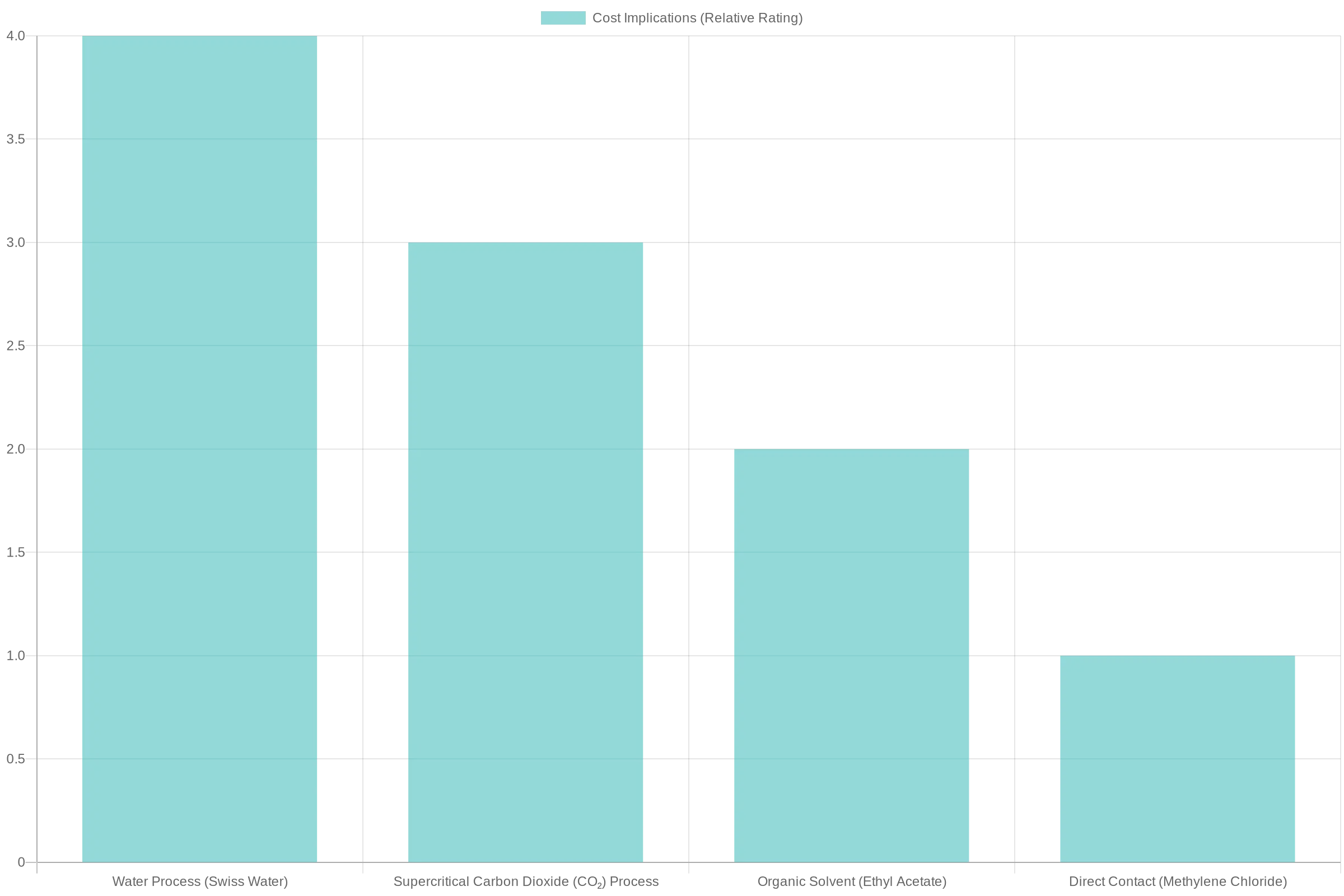
| Decaffeination Method | Cost Implications | Environmental Impact | Taste Retention |
|---|---|---|---|
| Water Process (Swiss Water) | High | Very low | Excellent |
| Supercritical CO₂ Process | Moderate to high | Low to moderate | Very good |
| Organic Solvent (Ethyl Acetate) | Moderate | Low to moderate | Good |
| Direct Contact (Methylene Chloride) | Low | High | Fair to good |
Sources:
Understanding these processes helps business owners make informed decisions about the coffees they offer, ensuring they meet both customer expectations and sustainability goals.
For more insights, you may want to explore the benefits of occupational therapy in various fields or learn about techniques used in occupational therapy.
References
-
The Spruce Eats – How Coffee Beans Are Decaffeinated: The 4 Main Methods Explained (2024-03-18)
Summary: This article outlines four primary methods of decaffeination: the water process (Swiss Water Process), the carbon dioxide method, the direct solvent method, and the indirect solvent method. It discusses the effectiveness and uniqueness of each method in preserving flavor and antioxidants. -
National Coffee Association USA – Decaffeination of Coffee Beans: A Comprehensive Guide (2023-11-01)
Summary: This comprehensive guide provides details on the decaffeination process, emphasizing methods such as the Swiss Water Process and the CO₂ method, while discussing regulatory standards to ensure safety and efficacy. -
BBC News Brasil – Brazilian Researchers Develop Naturally Low-Caffeine Coffee Plants (2023-07-16)
Summary: This news piece discusses innovative genetic research in Brazil aimed at creating naturally low-caffeine coffee plants, eliminating the need for synthetic decaffeination methods, which could significantly impact the decaf coffee market.
How Are Coffee Beans Decaffeinated?
Decaffeination is a critical process for coffee lovers seeking the rich flavor of coffee without the caffeine buzz. The methods to decaffeinate coffee beans can impact the flavor, aroma, and even the environmental footprint of the resulting beverage.
Common Methods of Decaffeination
- Swiss Water Process: This chemical-free method utilizes water, osmosis, and a carbon filter to remove caffeine while retaining the beans’ flavor and aroma. It’s particularly popular among those who prefer organic coffees.
- Carbon Dioxide (CO₂) Extraction: Under high pressure, CO₂ selectively extracts caffeine from the beans while maintaining the essential flavor compounds. It’s an efficient method often praised for its minimal impact on taste.
- Solvent-Based Methods: This includes direct and indirect methods using solvents such as ethyl acetate or methylene chloride. While effective, concerns about chemical residues have emerged, though modern regulations ensure safety levels. Generally, these methods remove 97% to 99.9% of caffeine, leaving minimal amounts in the final product.
Why Decaffeinate?
Coffee consumption continues to rise globally, with an estimated 177 million bags consumed in the 2023-2024 period (lines up with trends in the coffee market). To cater to health-conscious customers, many businesses are opting for decaffeinated options to expand their offerings and reach a broader audience.
Trends in Consumption
Understanding coffee consumption trends can help business owners identify valuable insights into market demands. For instance, in Asia & Oceania, coffee consumption reached 35.2 million bags, while Europe and North America have also shown significant consumption.
For detailed insights on coffee consumption, explore global coffee consumption trends.
Decaffeination not only provides options for coffee aficionados but also opens new market avenues for businesses, making it an essential aspect of coffee production today.