
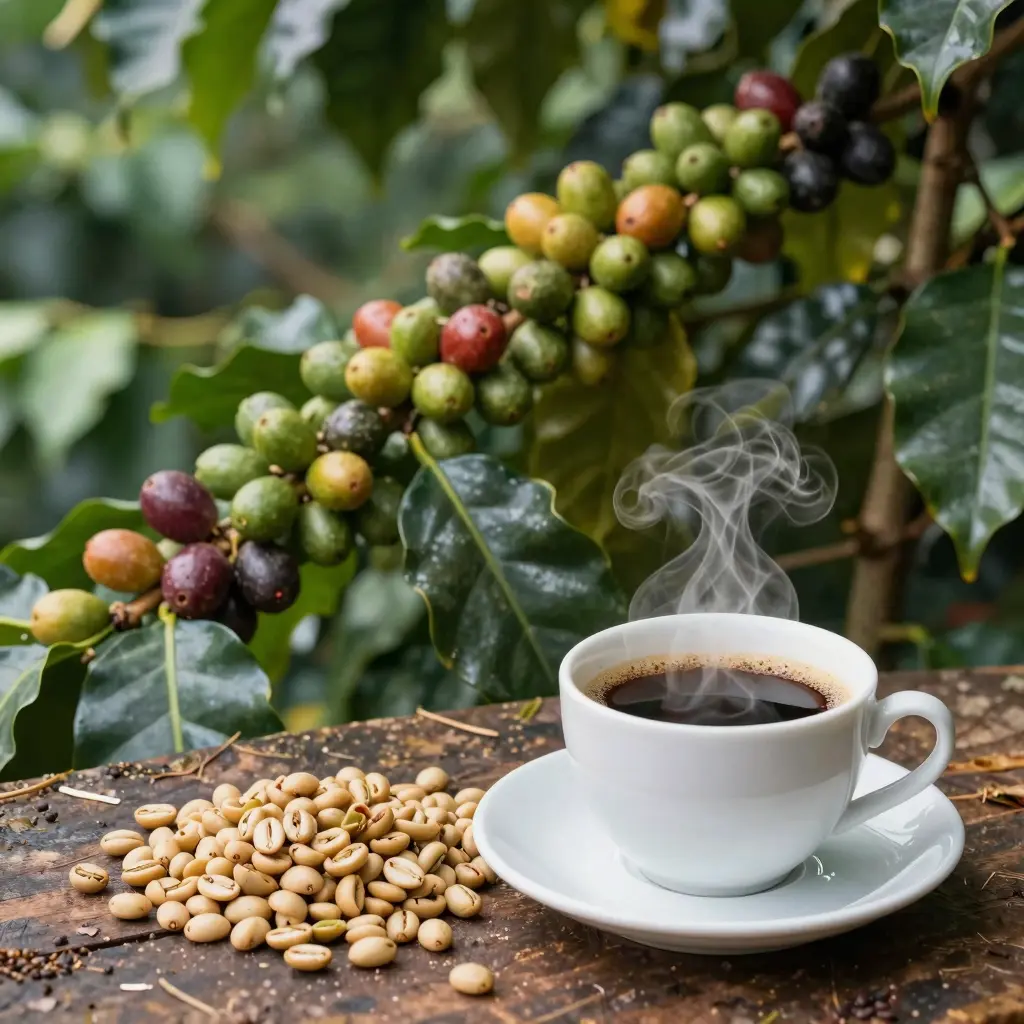
The Global Coffee Phenomenon: An Introduction
Coffee is not just a beverage; it’s a global phenomenon that fuels millions of businesses and conversations around the world. Each day, over 2.25 billion cups of coffee are consumed globally, making it one of the most popular drinks in history. The intricate journey of coffee, from bean to cup, is steeped in culture and tradition, reflecting not only diverse flavors but also immense economic opportunities. Understanding how coffee beans are grown can unlock a treasure trove of potential for business owners looking to venture into this thriving industry.
As the demand for artisanal and specialty coffee continues to rise, so does the need to understand the entire supply chain-from cultivation to marketing. Entrepreneurs who grasp the nuances of coffee bean growth can position themselves ahead of the curve, catering to a market eager for high-quality products. By tapping into this knowledge, they can innovate and succeed in a competitive landscape, whether through direct trade, organic farming, or even specialty coffee shops. It’s a blend of passion and opportunity, waiting to be brewed!
To delve deeper into how understanding the full impact of a product can translate into a successful business strategy, learn more about the role of occupational therapy in enhancing workflows and enhancing understanding in various fields, including coffee business management.
The History of Coffee Bean Cultivation
Coffee cultivation has a rich history that traces back to the ancient hills of Ethiopia. The story goes that a goat herder named Kaldi discovered coffee when he noticed his goats becoming lively after eating the berries from a certain tree. This led to the early human consumption of coffee, but it wasn’t until the 15th century that coffee trees began to be cultivated in Yemen. Our understanding of this historical significance is crucial for modern business practices today.
Early Development and Global Spread
By the 15th century, coffee was firmly established in the Arabian Peninsula, where it became integral to social and religious life. The city of Mocha in Yemen emerged as a central hub for the trade of coffee beans. European interest in coffee surged in the 17th century, prompting the Dutch to smuggle coffee seeds out of Arabia. These seeds were planted in Indonesia, later expanding to the Caribbean and South America, which laid the foundation for global coffee production.
Countries like Brazil and Colombia later became powerhouses in the coffee market, adapting their agricultural practices based on historical cultivation trends. Coffee’s evolution from wild trees to cultivated crops has been transformational, turning a simple berry into a global commodity. It is reported that today, coffee is one of the most traded commodities on Earth, second only to oil. This lively market reflects coffees’ deep roots in human culture, weaving a complex web of economic and social interactions.
Economic Impact and Business Practices
Coffee’s journey has not only influenced cultural habits but has also shaped modern business strategies. As coffee has transitioned from a rare, hand-harvested product to a staple of global trade, its market dynamics have changed significantly. In the current market, businesses are facing challenges such as climate change and fluctuating supply, which demand innovative approaches to cultivation and sourcing.
Recent trends show that many companies are investing in sustainable farming practices, emphasizing direct trade partnerships with local farmers to ensure quality and fair pricing, reflecting a shift towards more responsible business models. For instance, The Guardian highlighted that due to climate change, the regions suitable for coffee cultivation are expected to decrease significantly by 2050. This reality prompts businesses to rethink their logistics and supply chain strategies to mitigate risk while supporting smallholder farmers through sustainable practices.
The long history of coffee cultivation illustrates not only the transformative journey from wild grains to agriculture but also offers insights into current and future business models. By understanding this heritage, coffee businesses can better navigate the complexities of today’s marketplace while continuing to foster the cultural significance tied to this beloved beverage.
Comparing Coffee Bean Varieties: Arabica, Robusta, and Liberica
When exploring the world of coffee beans, understanding the key characteristics of different varieties becomes crucial for business owners in the coffee industry. Here’s an informative comparison of the popular coffee bean types:
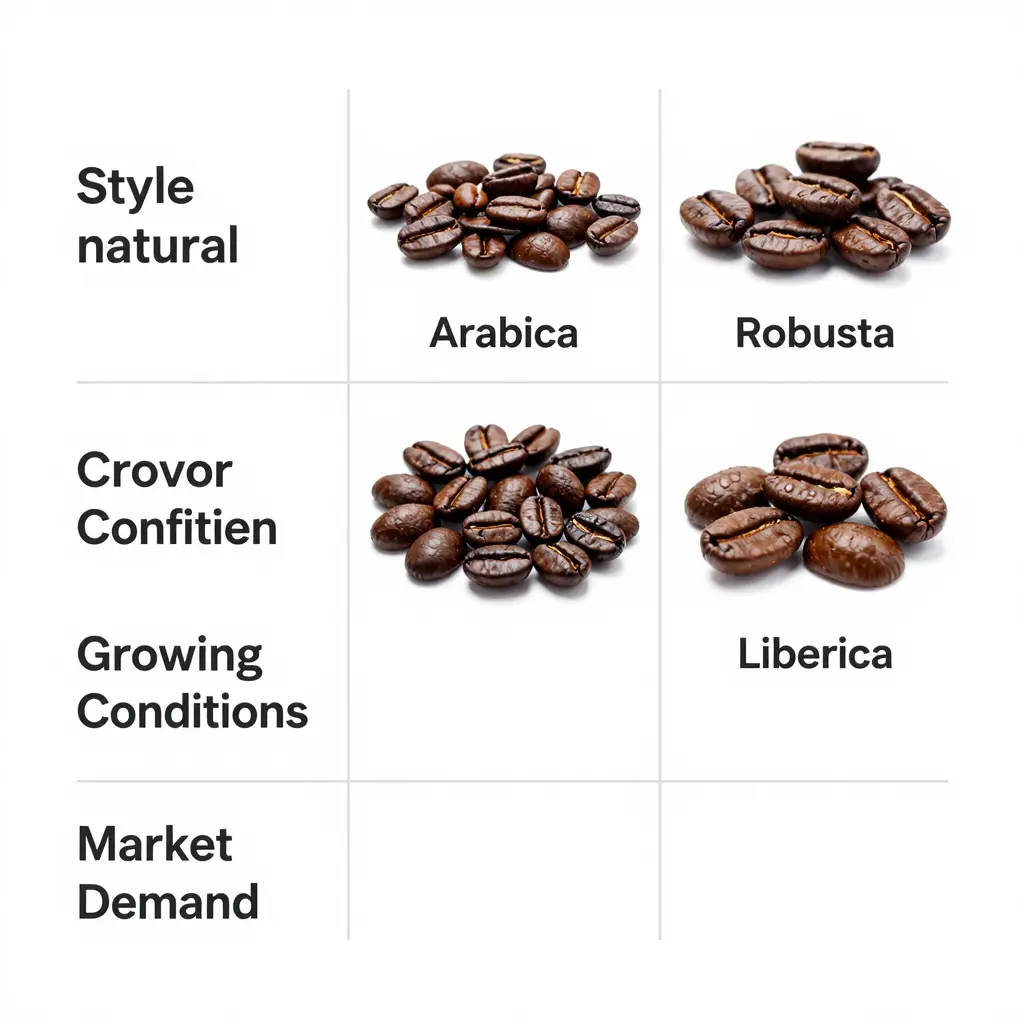
| Coffee Bean Varieties | Flavor Profile | Growing Conditions | Market Demand |
|---|---|---|---|
| Arabica | Fruity, floral, chocolatey; complex flavor notes | High altitudes (600-2000 m); requires shade and consistent rainfall | 60-70% of global coffee production; high demand in specialty coffee markets in Europe, North America, and East Asia. |
| Robusta | Strong, earthy, woody flavors; higher bitterness | Low altitudes; resilient to pests and diseases; grows well in tropical conditions | About 30% of coffee market; steady demand especially for espresso and instant coffee products. |
| Liberica | Unique, smoky, woody aroma; bold flavors | Grows best in specific tropical rainforests; requires special environmental conditions | Rarely accounts for over 1% of total coffee; growing interest in high-end markets due to distinctive flavor profile. |
Coffee bean varieties play a vital role in the overall quality and flavor of the final product. For further reading on the fascinating world of coffee and its nuances, learn more about coffee production and discover techniques used to enhance coffee flavors.
Ideal Growing Conditions for Coffee
Growing exceptional coffee requires a combination of specific environmental conditions that can significantly influence the quality and characteristics of the coffee beans. Understanding these factors is crucial for business owners aiming to cultivate high-quality coffee, especially in competitive markets.
Altitude
Coffee thrives at high altitudes, typically between 800 to 2,000 meters (2,600 to 6,600 feet) above sea level. This altitude range provides a cooler climate that slows down the maturation of coffee cherries, allowing complex flavor profiles to develop. Regions like Yirgacheffe in Ethiopia and Antigua in Guatemala are renowned for producing high-acid Arabica beans due to their ideal elevations. For Robusta coffee, however, lower altitudes of 0 to 800 meters are preferable, often tolerating higher temperatures.
Temperature
The ideal temperature for growing Arabica coffee lies between 18°C and 24°C (64°F-75°F), while Robusta varieties can tolerate temperatures up to 30°C (86°F). Consistent temperatures are vital for the cultivation process. Variability in temperatures, especially significant diurnal shifts (difference between day and night temperatures), further enhances flavor development, resulting in distinct tasting notes in the coffee.
Rainfall
Coffee requires a stable and sufficient amount of rainfall, generally between 1,500 to 2,000 millimeters a year. The distribution of this rainfall is crucial; it should be evenly spread throughout the year, with a short dry period to stimulate flowering. Too much rain can lead to fungal diseases, while insufficient rainfall can hinder growth and yield.
Soil Quality
The quality of soil is another critical component in growing coffee. Ideal soils are well-drained, rich in organic matter, and usually volcanic in origin. A slightly acidic pH of 5.0-6.5 is optimal for nutrient availability, promoting healthy root growth. Locations with such soil conditions, like parts of Colombia and Kenya, are celebrated for the rich flavors that their coffee beans exhibit.
Conclusion
The interplay of altitude, temperature, rainfall, and soil quality defines the flavor profile and overall health of coffee plants. Understanding these ideal growing conditions not only helps in achieving high-quality coffee production but also aids business owners in selecting the right locations for their coffee operations. By investing in proper environmental assessments and understanding these factors, coffee businesses can significantly enhance their product quality and market competitiveness.
For more insights on factors affecting coffee quality, learn more about optimal coffee cultivation.
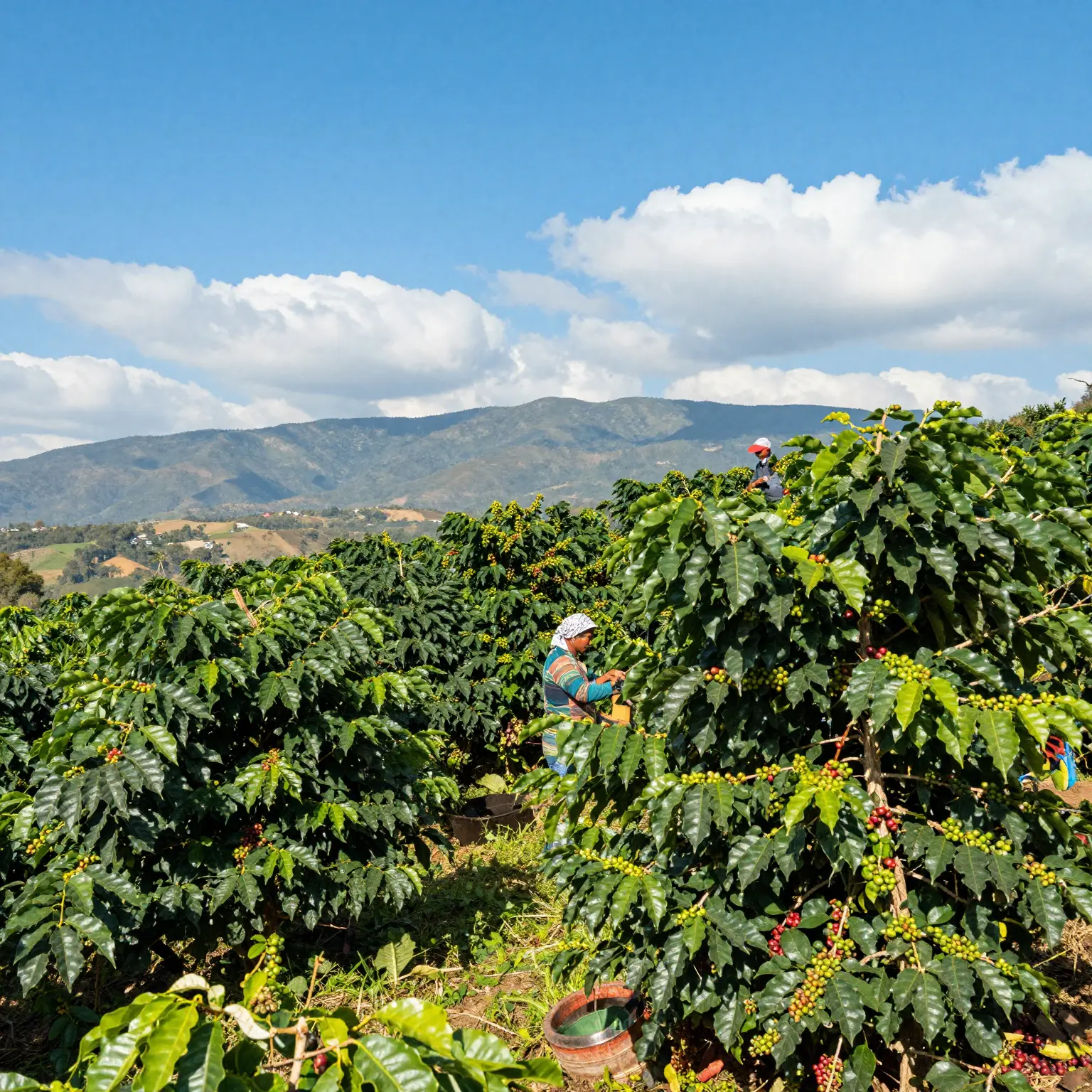
A vibrant representation of a coffee plantation landscape, illustrating the lush greenery and extensive cultivation involved in coffee bean growing. The image features rows of coffee plants under a clear blue sky, with mountains in the distance and farmers actively harvesting coffee cherries, showcasing the beauty and hard work in coffee cultivation.
Coffee Cultivation Process: From Seeds to Harvest
Cultivating coffee is a detailed and intricate process that transforms mere seeds into the beloved beverage enjoyed worldwide. Here’s an overview of the essential steps involved in coffee cultivation that business owners considering coffee farming should understand:
| 阶段 | 详细说明 |
|---|---|
| 1. 种子选择与处理 | 选择优质的咖啡种子(通常为阿拉比卡或罗布斯塔品种)。种子需经过筛选、清洗和去壳处理,以去除杂质和不健康种子。部分种植者使用经过脱胶处理的“湿法处理”种子或直接播种带壳的“干法处理”种子。 |
| 2. 育苗(Seedling) | 将处理后的种子播种在育苗盘或苗床中,覆盖薄土。保持土壤湿润、遮荫(避免强光直射),并控制温度在20-27°C之间。幼苗通常在4-6周内发芽,之后可进行移栽前的初步管理。 |
| 3. 移栽(Transplanting) | 当幼苗长出3-4片真叶、高度约15-20厘米时,可将其移栽至大田或定植穴中。移栽时间应选在雨季初期,以利于根系恢复和成活。每株间距通常为1.5-2米,行距也为1.5-2米,具体依品种和地形而定。 |
| 4. 生长期(Growing Period) | 移栽后进入生长期,持续约2-3年。此阶段需定期除草、施肥(如氮磷钾肥)、灌溉,并注意病虫害防治。同时,许多种植园会保留或种植遮荫树(如香蕉、木豆等),以提供适宜的阴凉环境,保护咖啡树免受强光伤害。 |
| 5. 开花(Flowering) | 咖啡树一般在种植后第3-4年开始开花。开花期通常出现在雨季初,花朵为白色,具有芳香。单朵花寿命短,但整株树可连续数周陆续开花。授粉主要依赖昆虫和风力。 |
| 6. 果实发育(Fruit Development) | 花朵授粉后,子房逐渐膨大形成咖啡果实(樱桃果)。果实从绿色变为黄色,最终转为红色或橙色,成熟期约为6-8个月。期间需充足的水分和养分支持,避免干旱或过量降雨影响品质。 |
| 7. 收获(Harvesting) | 果实成熟后需及时采摘,以保证风味品质。收获方式主要有两种: • 手工采摘:逐颗挑选成熟的果实,确保只采收完全成熟者,质量高但成本较高。 • 机械收割:适用于平坦地形,效率高但可能混入未熟或过熟果实,影响品质。 收获季节通常在每年的10月至次年3月(北半球),具体依地区气候而定。 |
补充说明:
- 咖啡树从种植到首次收获大约需要3-4年时间。
- 优质咖啡通常来自海拔800-1800米的山区,具备适宜的气候、土壤和遮荫条件。
- 收获后的果实需立即进行加工处理(如日晒、水洗、蜜处理等),以去除果肉并干燥咖啡豆。
For further insights on the coffee industry, learn more about techniques used in occupational therapy or explore how occupational therapy supports mental health.
Coffee Bean Growth Timeline
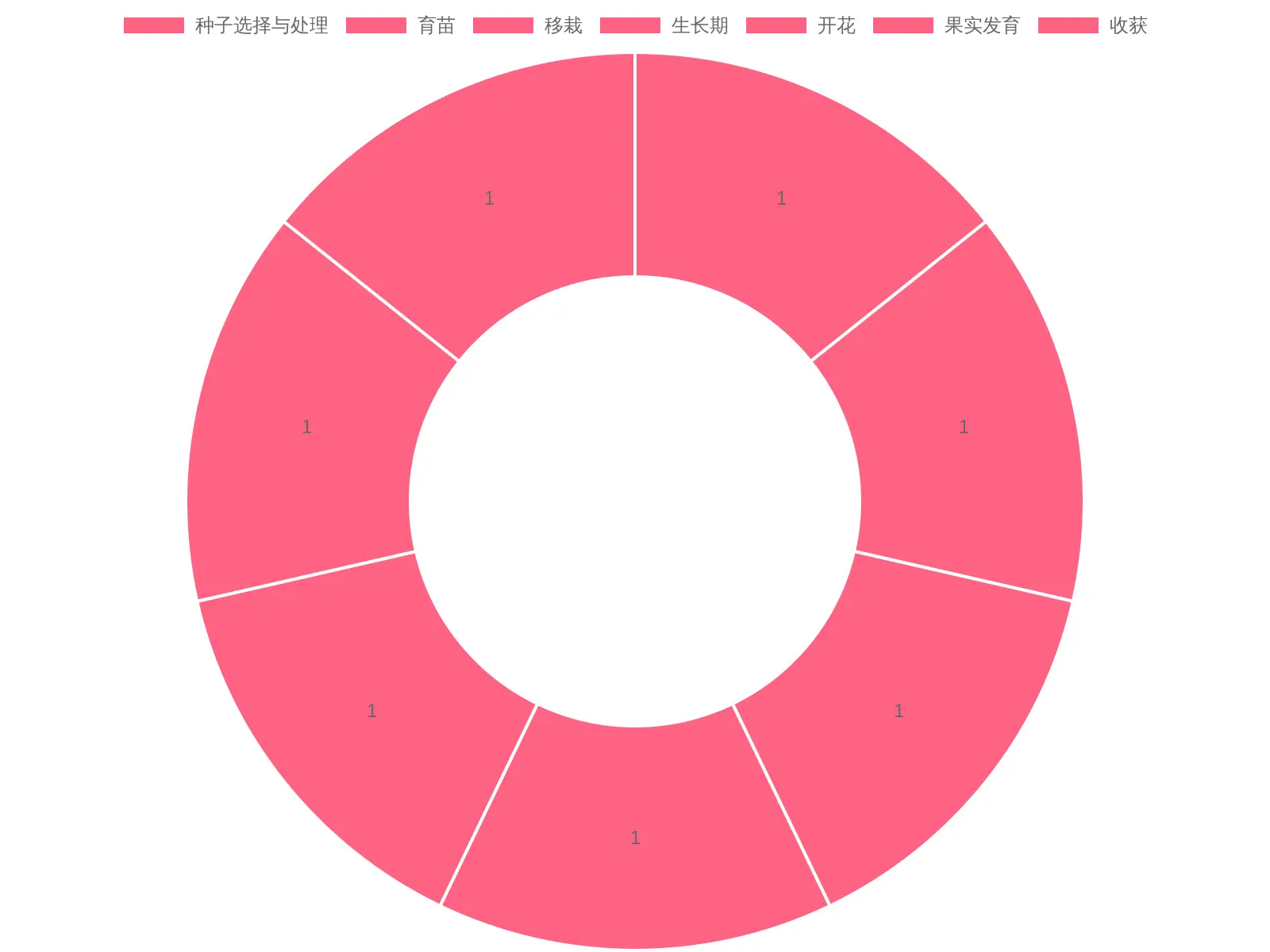
Understanding the growth stages of coffee beans is crucial for business owners who are involved in the coffee industry. Here’s a detailed overview of the timeline of coffee growth from seed to harvest, along with a chart that illustrates these stages visually.
Growth Stages of Coffee Beans
Here are the key stages in the growth of coffee beans:
- Seed Germination (2-4 weeks)
- Coffee seeds absorb water and swell.
- The seed coat splits and the root emerges.
- The shoot pushes through soil and develops leaves.
- Seedling Stage (2-6 months)
- The seedling establishes a root system and grows more leaves for photosynthesis.
- This stage is sensitive to light and pests, requiring care and optimal conditions.
- Vegetative Growth (1.5-3 years)
- Significant growth in height and branching occurs, preparing the plant for flowering.
- By the end, the plant can reach up to 1.5-2 meters tall.
- Flowering Stage (3-5 years)
- The plant produces small white, fragrant flowers.
- Pollination leads to the formation of fruit, taking about 8-9 months to develop.
- Fruit Development (8-9 months)
- The flower wilts and the green cherries grow.
- Cherries change color from green to red when they are ready for harvest.
- Harvesting (Year 5 and beyond)
- When cherries are ripe, they are handpicked.
- The harvested coffee undergoes processing for drying and refining.
Visual Representation
Here is a chart depicting these growth stages:
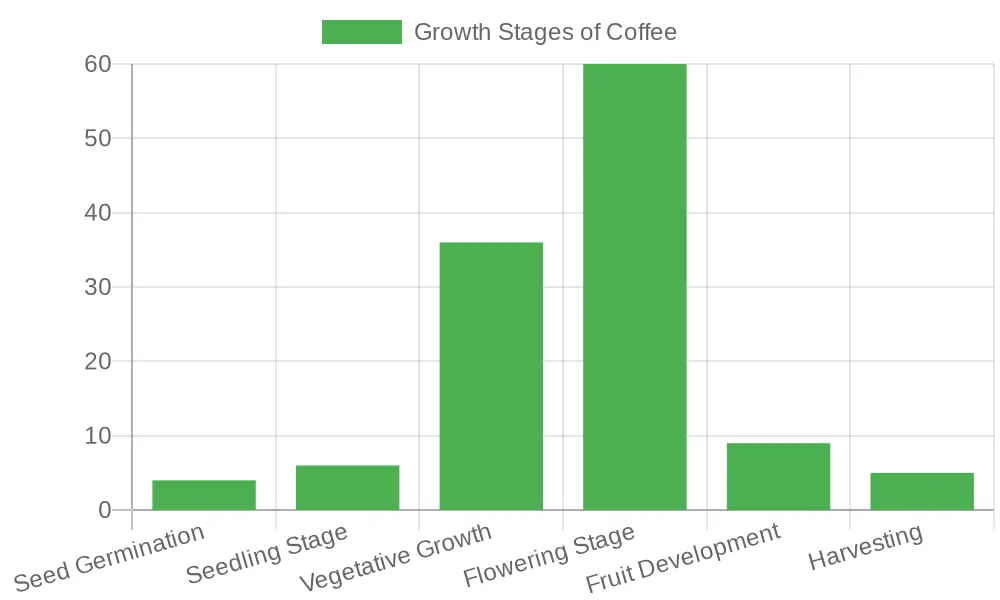
This timeline not only provides clarity on the cultivation process but also emphasizes the patience and management required in coffee farming. Business owners can benefit from understanding these stages to optimize their cultivation practices and ensure high-quality coffee production.
For more insights on related agricultural practices, learn more about the coffee bean cultivation process.
Conclusion: Seizing Business Opportunities in the Coffee Market
In summary, the coffee market presents a plethora of exciting business opportunities, especially given the latest trends and growth statistics. With the Chinese coffee industry projected to reach a staggering ¥2,654 billion in 2023 and continue its upward trajectory, this sector is ripe for investment and innovation. The increasing popularity of coffee, with more than 3.99 billion consumers in China alone, indicates a bustling demand that savvy entrepreneurs can tap into. Moreover, the rapid growth of the ready-to-drink coffee market, boasting an impressive compound annual growth rate of 36.3%, highlights the shift in consumer preferences and presents lucrative avenues for business growth.
By understanding the dynamics of coffee cultivation and market demands, business owners can strategically position themselves to benefit from the emerging opportunities. As consumers become more discerning, providing high-quality, unique coffee products can set you apart in this competitive arena. To thrive, consider incorporating strategies that resonate with today’s coffee lovers – such as sustainable sourcing, innovative brewing techniques, and engaging marketing approaches.
In conclusion, the future of the coffee industry is bright, and the time to act is now. Step into the coffee market with passion and innovation, and you could brew success that transcends the ordinary.
Recommended Resources for Further Reading
For those interested in exploring coffee cultivation, sustainability practices, and effective business strategies within the coffee industry, the following resources are highly recommended:
Books
- Terroir: Coffee from Seed to Harvest by Jem Challender
This beautifully illustrated book explores how the unique combination of soil, climate, and farming practices influence coffee flavor. It delves into sustainable cultivation, offering insights from farmers and scientists about the benefits of sustainable practices.
Articles & Reports
- Coffee Cultivation and Sustainability: A Comprehensive Guide
This report by the International Coffee Organization provides an overview of sustainability practices in coffee cultivation, emphasizing the balance of economic viability and environmental protection. - Sustainable Coffee Production: From Farm to Cup
This World Bank research paper examines how smallholder farmers can improve productivity while preserving ecosystems and discusses business strategies for cooperatives and roasters. - Nestlé’s Coffee Sourcing Guidelines & Sustainable Agriculture
Nestlé’s sustainability page details its commitment to responsible coffee sourcing, sharing practical guidelines for farmers to adopt sustainable practices. - Coffee Industry Trends & Business Strategies 2025-2026
This market analysis outlines current trends in the global coffee industry and identifies key business strategies adopted by leading brands.
Websites
- Grand View Research on Sustainable Coffee
A market overview highlighting consumer trends towards sustainable coffee products and the importance of transparency in the coffee supply chain. - COFCO International Sustainability Report 2023
This report showcases sustainability initiatives in the coffee industry, emphasizing the importance of sustainable practices in enhancing supply chain transparency and risk mitigation.
“Coffee is not just a beverage; it’s a global economic lifeline for millions. If we lose the coffee belt to climate change, we’re not just losing a drink-we’re risking the livelihoods of 25 million farming households and destabilizing one of the world’s most important tropical commodity markets.”
- Dr. Rachel D’Amore, senior researcher at the International Center for Tropical Agriculture (CIAT).
This quote highlights the critical importance of coffee cultivation in today’s global economy. As climate change continues to pose a significant threat to coffee production, understanding these dynamics will be essential for business owners involved in the coffee industry.
For those looking to expand their knowledge on related topics, you might find it insightful to explore techniques used in occupational therapy or the role of an occupational therapist in schools.