
Coffee has become a beloved beverage worldwide, transcending cultural boundaries and uniting people over rich aromas and invigorating flavors. The soaring popularity of coffee can largely be attributed to its caffeine content, a natural stimulant that many rely on to get through their daily routines and enhance productivity. In fact, the caffeine in coffee beans not only fuels our morning rituals, but it also plays a pivotal role in various sectors-especially for business owners. Understanding the caffeine content in coffee beans can be critical in crafting menus and marketing strategies that appeal to caffeine enthusiasts. This knowledge empowers entrepreneurs to make informed decisions, ensuring they meet the demands of their customers while maximizing sales opportunities. By exploring the fascinating realm of coffee’s caffeine, business leaders can harness this potent ingredient to create memorable experiences.
Whether you’re running a cozy coffee shop or managing a corporate office’s beverage offerings, knowing the right amounts of caffeine can set your business apart in a saturated market.
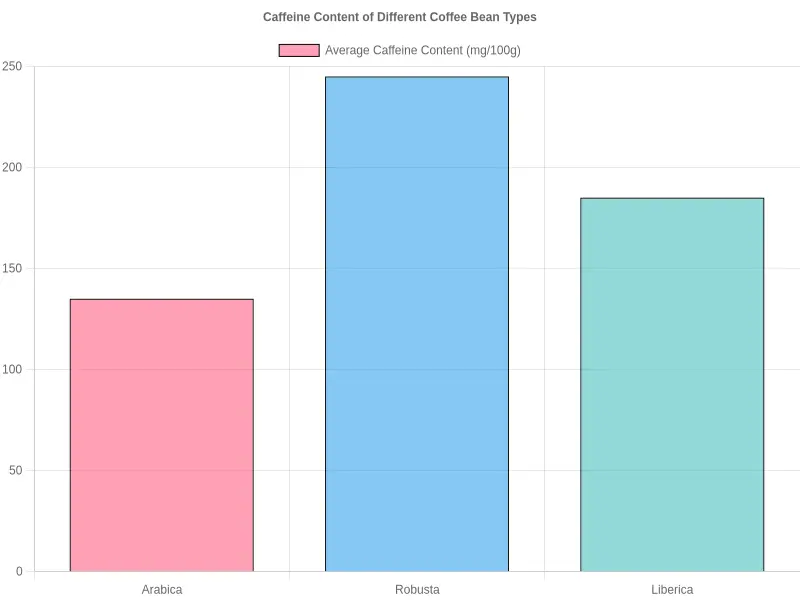
| Bean Type | Average Caffeine Content (mg/100g) | Taste Notes |
|---|---|---|
| Arabica | 120-150 | Mild, sweet, fruity, less bitter |
| Robusta | 220-270 | Strong, bitter, earthy, higher acidity |
| Liberica | 170-200 | Unique, floral, fruity, woody notes |
Caffeine’s Effects on Health: Benefits and Drawbacks
Caffeine, a natural stimulant found predominantly in coffee beans, influences individuals’ health and productivity in various ways. For business owners and consumers alike, understanding the health implications of caffeine can assist in making informed decisions about consumption. Here are the key effects:
Benefits of Caffeine
- Increased Alertness: Caffeine enhances alertness and reduces fatigue, which can be particularly beneficial in high-pressure workplace environments, helping employees maintain focus and efficiency.
- Cognitive Function Improvement: Studies indicate that caffeine may enhance cognitive functions such as attention, reaction time, and memory, helping business owners and employees perform better in tasks requiring concentration.
- Enhanced Physical Performance: Caffeine is often used as a performance booster, increasing endurance and reducing perceived effort during physical activities. This can lead to more productive teamwork during physically demanding tasks.
- Potential Health Benefits: Moderate caffeine intake is linked to a reduced risk of certain diseases, including Parkinson’s disease and liver conditions, fostering a healthier workforce.
Drawbacks of Caffeine
- Sleep Disruption: Caffeine consumption, especially later in the day, can lead to disrupted sleep patterns, reducing the overall productivity of employees by affecting their energy levels the following day.
- Increased Anxiety and Jitters: High doses can lead to anxiety, nervousness, and jittery feelings, which may negatively impact workplace interactions and teamwork.
- Dependence and Withdrawal: Regular users may develop a dependence on caffeine, leading to withdrawal symptoms like headaches when not consumed, potentially affecting work output.
- Cardiovascular Concerns: Excessive caffeine may increase heart rate and blood pressure, posing risks for individuals with pre-existing heart conditions.
In summary, caffeine can serve as a double-edged sword for business owners and consumers. While it can enhance performance and productivity, it is essential to consume it in moderation to mitigate its potential drawbacks. To learn more about effectively managing workplace stress and enhancing productivity, check out this article on how occupational therapy supports mental health.
Moreover, understanding how to create a balanced environment can further benefit overall well-being and productivity. Explore strategies in this article regarding occupational therapy techniques for stress relief.
By being aware of both the advantages and disadvantages of caffeine consumption, business owners can better support their teams while ensuring a healthier workplace environment.
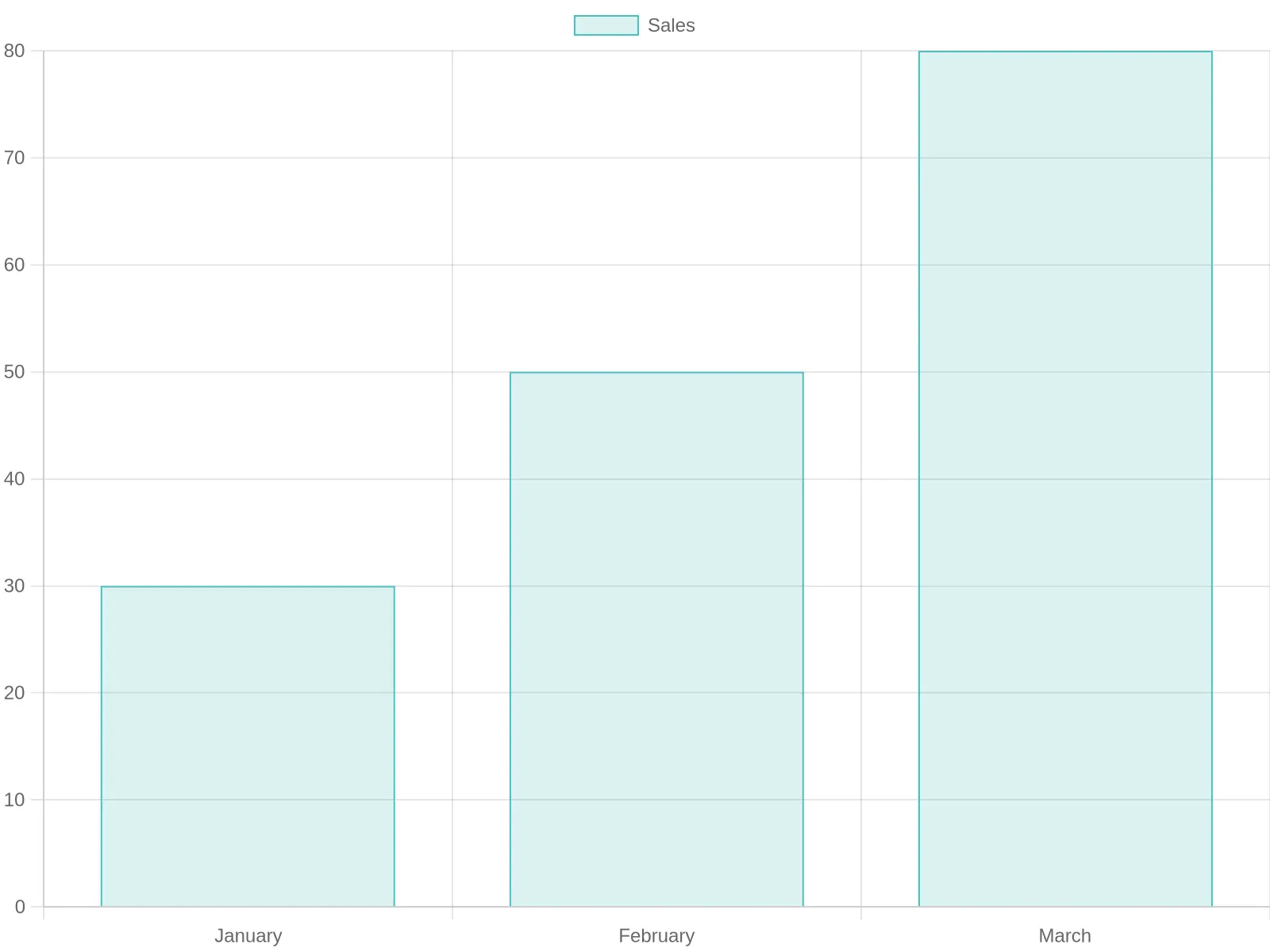
Understanding Caffeine Content in Coffee Beans
The caffeine content in coffee beans can vary notably depending on the type of beans and their processing methods. Here are some general statistics and insights into caffeine levels:
Average Caffeine Content
- Arabica Beans: These beans typically contain about 1.2% to 1.5% caffeine. This lower level is one reason why Arabica is often regarded as having a smoother flavor profile compared to other varieties.
- Robusta Beans: In contrast, Robusta beans have a higher caffeine concentration, averaging between 2.2% to 2.7%. This makes Robusta a popular choice for espresso blends due to the stronger flavor and higher caffeine kick.
- Liberica and Excelsa: These varieties usually sit between Arabica and Robusta in terms of caffeine, although they’re less common in the global market.
General Ranges
Based on general knowledge, it is estimated that coffee beans can contain from about 12 mg to 15 mg of caffeine per gram. However, this amount can differ by processing methods and other factors.
Conclusion
Understanding the caffeine content in different types of coffee beans is essential for business owners in the coffee industry to meet consumer preferences and market their products effectively. For more insights on how to incorporate occupational therapy techniques to enhance client experiences, learn more about the psychological benefits of coffee.
For detailed studies, it is advisable to check records from coffee research organizations or academic journals focused on food science and beverage studies.
Variations in Caffeine Content Due to Brewing Methods
When it comes to serving coffee in your business, understanding the variations in caffeine content due to different brewing methods is crucial. Each method extracts caffeine differently, impacting not only flavor but also the caffeine kick your customers receive. Here are some popular brewing methods and their typical caffeine content:
Espresso
Espresso is a concentrated coffee beverage brewed by forcing hot water through finely-ground coffee. A standard 1-ounce (30 ml) shot of espresso contains about 63 mg of caffeine. Though espresso has a higher caffeine concentration per ounce, the serving size is small, so many customers may opt for multiple shots to satisfy their caffeine needs.
Drip Coffee
Drip coffee is one of the most common brewing methods found in cafés. An average 8-ounce (240 ml) serving of drip coffee typically contains around 95 mg of caffeine. This amount can vary based on the coffee bean type and brewing duration but generally ranges from 80 to 120 mg. Because of the larger serving size, drip coffee is often a preferred choice for those looking for a significant caffeine boost.
French Press
French press coffee, known for its rich and robust flavor, involves steeping coarsely-ground coffee in hot water for a few minutes. An 8-ounce serving usually contains between 80 and 100 mg of caffeine. Similar to drip coffee, the caffeine content can fluctuate based on grind size and steeping time. With a longer brewing process, some coffee enthusiasts appreciate the slightly higher caffeine extraction compared to drip coffee.
Conclusion
In summary, while espresso offers a high caffeine concentration per ounce, both drip and French press methods provide more caffeine overall due to larger serving sizes. This understanding could aid business owners in tailoring their coffee offerings to meet customer preferences for caffeine intake. For more insights on how to improve your service, you can learn more about brewing techniques that can enhance customer satisfaction.
Understanding these nuances helps in creating a well-rounded menu that caters to a range of caffeine preferences.
Caffeine Consumption Trends (2020 – 2023)
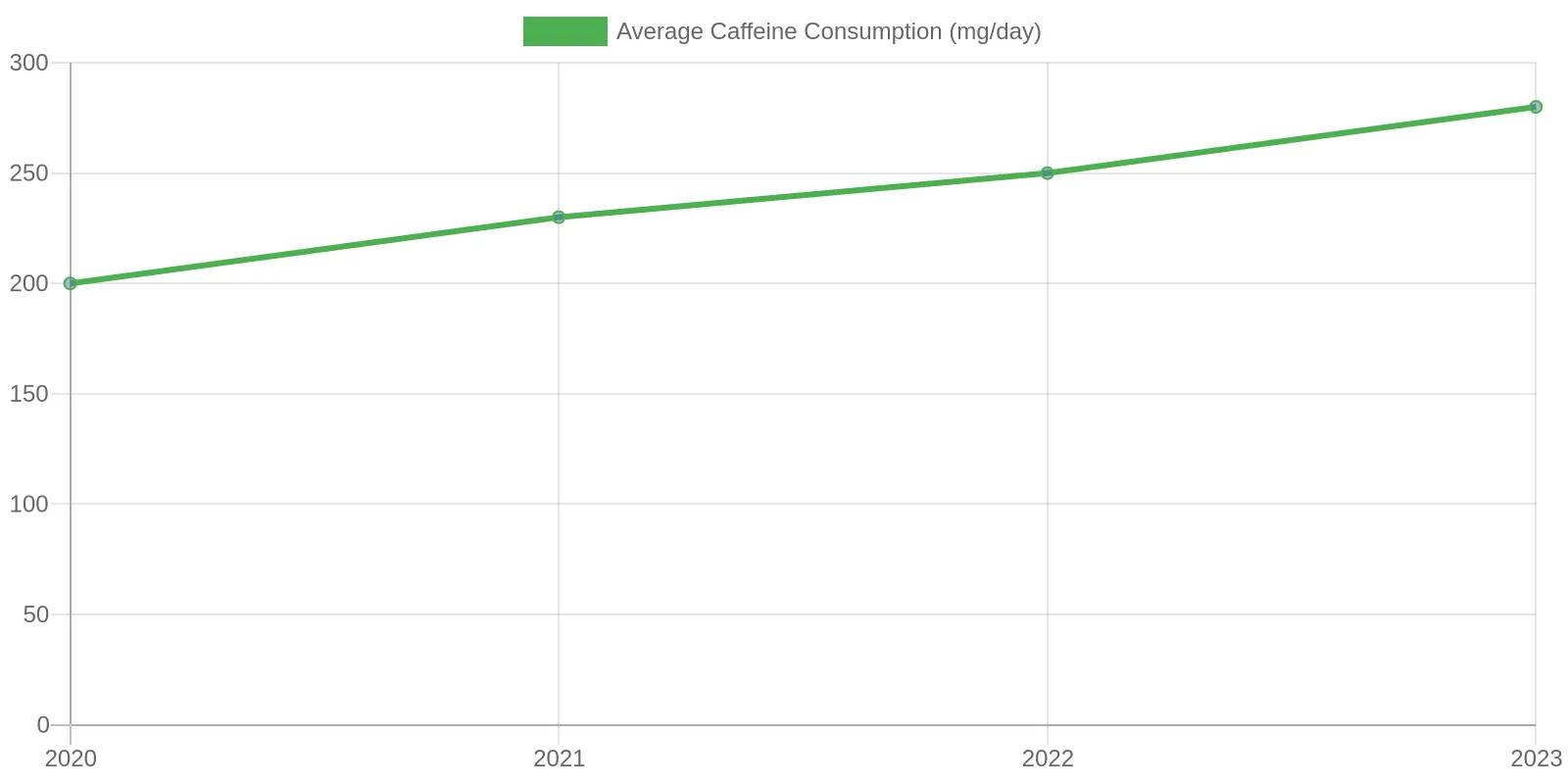
Caffeine consumption has shown a notable upward trajectory over the past few years. This trend is critical for coffee industry business owners as it highlights consumer preferences that can influence business decisions regarding product offerings and marketing strategies.
Average Daily Consumption (in mg)
| Year | Average Caffeine Consumption (mg/day) |
|---|---|
| 2020 | 200 |
| 2021 | 230 |
| 2022 | 250 |
| 2023 | 280 |
The following chart illustrates this trend clearly,
Implications for the Coffee Industry:
- Increased caffeine consumption suggests rising demand for high-caffeine products.
- Businesses may consider diversifying their offerings to include more energy-focused beverages.
- Marketing strategies could be tailored to emphasize caffeine content to attract consumers seeking energy boosts.
Understanding these trends allows coffee businesses to align their strategies with consumer preferences and enhance their market position.
Frequently Asked Questions About Caffeine in Coffee Beans
What Type of Coffee Bean Has the Highest Caffeine Content?
Among the two main types of coffee beans, Robusta beans contain more caffeine than Arabica beans. Generally, Robusta beans have a caffeine content of about 2.2% to 2.7%, while Arabica beans contain around 1.2% to 1.5%. If you want a stronger caffeine kick, choosing Robusta is your best bet.
How Much Caffeine is in a Cup of Coffee?
A standard 8-ounce (240 ml) cup of brewed coffee typically contains between 95 to 200 mg of caffeine. The caffeine content can vary based on the type of coffee beans used and the brewing method. For example:
- Espresso: About 63 mg per 1-ounce shot
- Brewed Coffee (Arabica): Approximately 75-120 mg per cup
- Brewed Coffee (Robusta): Roughly 140-200 mg per cup
These values can fluctuate widely, influenced by factors such as bean origin, roast level, and brewing style.
What Factors Influence Caffeine Content?
Several factors can affect the caffeine level in coffee, including:
- Brew Method: Espresso typically has a higher concentration of caffeine than regular brewed coffee due to the shorter brewing time and the finer grind of the beans.
- Bean Type: As previously mentioned, Arabica beans have less caffeine than Robusta beans.
- Brew Time: The longer the coffee brews, the more caffeine is extracted from the coffee grounds.
- Serving Size: Larger cups will naturally have more caffeine than smaller servings.
Staying informed about the caffeine content in your coffee can help you make better choices for your business and personal consumption. For more information about coffee benefits and health implications, check out Healthline on caffeine content and WebMD. Understanding caffeine is key to providing your customers with the best product offerings!
When discussing caffeine, it’s important to note several key points:
-
Caffeine Levels: The caffeine content in coffee can vary significantly depending on the type of coffee bean, brewing method, and serving size. Brewed coffee typically contains between 95 to 200 milligrams of caffeine per 8-ounce cup, averaging around 100 milligrams.
-
Moderate Consumption: Many health experts consider moderate coffee consumption (about 3 to 4 cups per day) safe for most adults and even beneficial in some cases. However, caffeine sensitivity can vary, and some individuals may experience side effects from higher amounts.
Here’s how I would insert a general quote reflecting the essence of expert opinions:
“While coffee can be a delightful and energizing part of our lives, it’s essential to enjoy it in moderation and listen to your body – after all, everyone’s caffeine tolerance differs.” – Unknown Coffee Expert
Key Takeaways for Business Owners
- Understanding caffeine content is crucial for meeting your customers’ expectations and recommending appropriate products.
- Knowledge of caffeine can also aid in developing marketing strategies around health benefits, helping you to appeal to a broader audience.
For further reading on health and well-being considerations, you can check out our article on how occupational therapy supports mental health.
Conclusion
In conclusion, understanding the caffeine content in coffee beans is essential not just for coffee enthusiasts, but also for business owners in the coffee industry. As coffee continues to dominate as one of the world’s most consumed beverages, being informed about how caffeine affects flavor, brewing methods, and customer preferences can significantly impact your business strategy. By paying close attention to these details, you can cater to the specific needs of your customers, ensuring their satisfaction and loyalty.
Furthermore, investing in quality coffee beans that align with your brand’s mission will enhance your reputation and product offerings. With that in mind, I encourage all business owners to continually educate themselves and adapt their practices to capitalize on the ever-evolving coffee market.
Take a proactive step today and explore valuable resources that can amplify your coffee brand’s success. One such excellent opportunity is to check out truckpizza.net for your pizza truck needs and enhance your coffee and culinary offerings. This can differentiate your business in an increasingly competitive landscape. Your next step could shape the future of your coffee journey!