
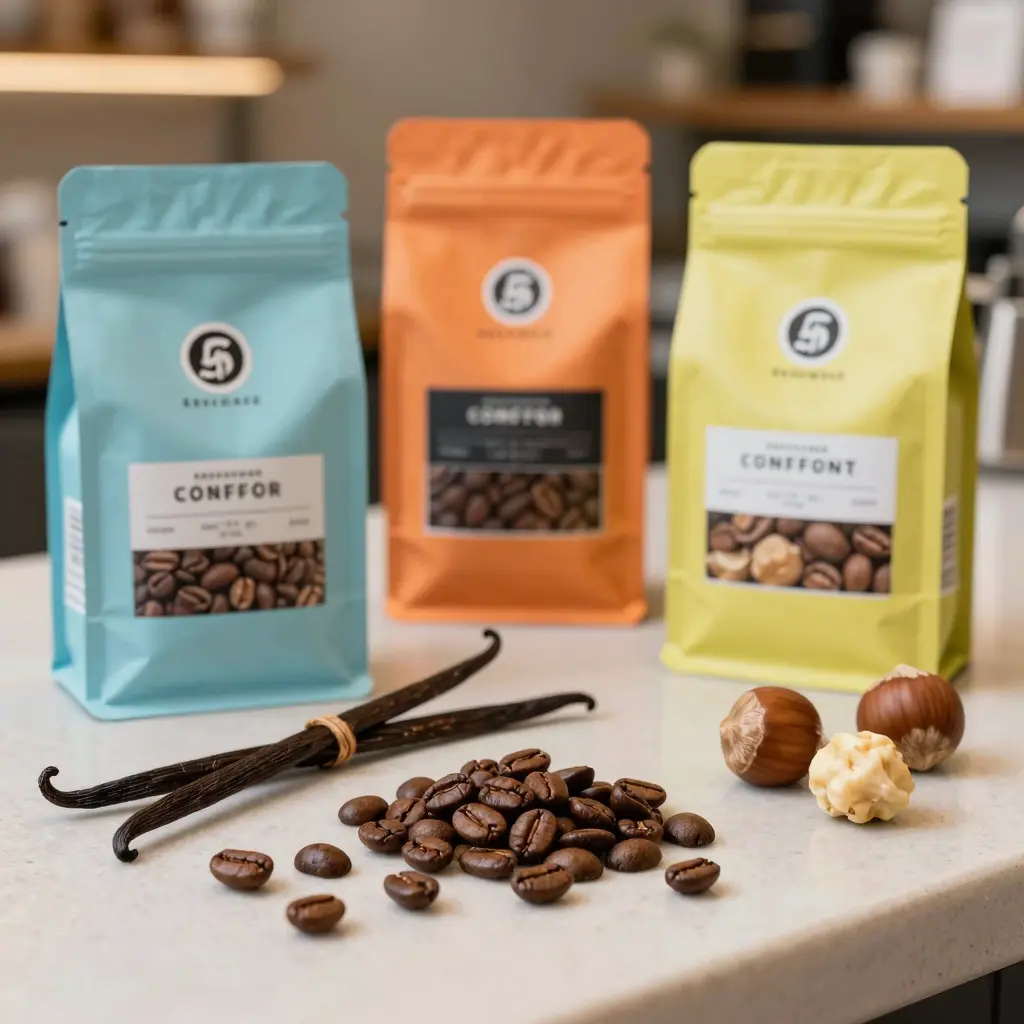
Enhancing Your Coffee Offerings: The Art of Flavoring Coffee Beans
As a business owner in the coffee industry, you are likely always on the lookout for fresh ways to elevate your offerings and delight your customers. In a marketplace flooded with numerous coffee products, standing out is essential, and that’s where flavoring coffee beans comes into play. Imagine transforming the ordinary cup of coffee into an extraordinary experience: that’s the magic of flavored beans. By infusing various tastes, ranging from classic vanilla and hazelnut to innovative combinations like caramel pecan or even spicy chai, you tap into the emotional connection that many people have with their coffee rituals.
In this guide, we will dive deep into the world of flavoring coffee beans, exploring not only the methods and techniques but also the business benefits of offering these unique blends. With the right strategies, you can attract diverse customers-whether they’re seeking the familiar comforts of traditional flavors or the exciting nuances of more adventurous profiles. From sourcing the best quality beans to understanding the infusion process, this comprehensive exploration is designed to set you on the path toward enhancing your coffee product line. Ready to discover how to captivate your clientele? Let’s brew up some inspiration!
-
Vanilla: A classic favorite, vanilla adds a smooth, creamy sweetness to coffee. Its warm aroma makes it a comforting choice for many.
-
Hazelnut: This flavor brings a rich, nutty sweetness to coffee. Hazelnut’s unique taste offers a delightful twist, making it one of the most popular flavor choices outside of classic coffee.
-
Caramel: With its rich, buttery flavor, caramel enhances coffee with a sweet, indulgent touch. It’s perfect for anyone looking to add a little decadence to their morning brew.
-
Mocha: The combination of coffee and chocolate is irresistible for many. Mocha provides a rich, chocolaty flavor that enhances the coffee experience.
-
Cinnamon: Adding warmth and spice, cinnamon brings a bit of zest to coffee. Its fragrant aroma can evoke a sense of nostalgia and comfort.
-
Almond: This flavor offers a sweet, subtle nuttiness that pairs beautifully with coffee. Almond can give a refreshingly light twist to your cup.
-
Irish Cream: With hints of cream, whiskey, and vanilla, Irish Cream adds both sweetness and complexity. It’s often associated with indulgence, making it quite appealing.
-
Coconut: Coconut lends a tropical flair to coffee. Its natural sweetness and creamy texture create a satisfying flavor profile that coffee lovers adore.
-
Chocolate Mint: The refreshing taste of mint combined with chocolate creates a unique flavor that’s festive and fun. Chocolate Mint is often enjoyed as a seasonal treat.
-
Peanut Butter: This unexpected flavor brings a savory richness to coffee. Peanut Butter is perfect for those who enjoy nutty flavors with a hint of sweetness.
These flavors can transform ordinary coffee into an extraordinary experience, catering to a variety of taste preferences in the coffee market. For more insights on how to enhance your coffee offerings, check out the tools and equipment for coffee flavoring.
Overall, experimenting with different flavors can greatly appeal to coffee enthusiasts and help business owners expand their offerings and meet customer preferences.
Flavoring coffee beans with natural ingredients can enhance the taste and aroma, offering unique experiences for consumers. Here are some effective methods to consider:
1. Infusing with Spices and Herbs
Using spices is one of the most popular ways to impart flavor to coffee beans. Here’s how to utilize them effectively:
-
Cinnamon: This warm spice complements the bitterness of coffee beautifully. You can grind cinnamon sticks with your coffee beans or sprinkle in ground cinnamon before brewing. It’s not only fragrant but also has health benefits, such as lowering blood sugar levels.
-
Cardamom: A key ingredient in traditional Middle Eastern coffee, cardamom adds a sweet and aromatic flavor. Try grinding cardamom pods alongside the coffee beans or mixing in ground cardamom before brewing.
-
Nutmeg: Just a pinch of freshly grated nutmeg can provide a warm and nutty flavor, making it a great companion for cinnamon. Use it sparingly, as the flavor can be potent.
2. Using Extracts and Essential Oils
Natural extracts can significantly enhance the flavor profile of coffee without overpowering it:
-
Vanilla Extract: A few drops can transform your coffee with a sweet, creamy flavor. It pairs well with both light and dark roasts. Ensure that the extract is pure to get the best flavor.
-
Almond Extract: Another excellent choice, almond extract can add a woody, sweet flavor. Use it in moderation, as it can overwhelm the coffee’s natural taste.
-
Cocoa Extract: For those who enjoy chocolate notes, a drop of cocoa extract can create a rich flavor reminiscent of mocha.
3. Roasting with Flavored Ingredients
Some coffee roasters infuse flavors directly during the roasting process:
-
Mixing Whole Spices: Adding whole spices such as vanilla beans or anise during the roasting process allows the spices’ essential oils to penetrate the beans, creating a deep, rich flavor.
-
Herbs: Similar to spices, whole herbs like basil or lavender can be added during roasting. This method encourages the oil from the herbs to permeate the beans.
4. Cold Brew Infusions
For cold coffee options, consider allowing herbs and spices to steep:
-
Herb Infusions: Fresh herbs like mint or basil can become excellent flavorings for cold brew coffee. Simply mix them with the coffee grounds and cold water, letting the concoction steep for hours to personalize the flavor.
-
Fruit Flavoring: Infusing cold brew with citrus zest or even fresh berries can produce refreshing flavors perfect for summer beverages.
Tips for Business Owners
When choosing a natural flavoring method, consider the following:
-
Quality of Ingredients: Always prioritize high-quality, organic spices and extracts. The better the ingredient, the more pronounced and enjoyable the flavor will be.
-
Balancing Flavors: Be mindful of how strong certain flavors can be. Start with smaller amounts and increase gradually based on taste tests.
-
Consistency: Aim for consistency in your flavoring processes. Keep recipes standardized so customers can always expect the same great taste.
-
Market Trends: Stay current on consumer trends. Many coffee drinkers are leaning towards organic and non-GMO products, so emphasizing these aspects could enhance your brand appeal.
-
Customer Feedback: Encourage feedback from your customers about flavors they enjoy. This can guide your selection of flavors and methods.
By experimenting with these natural flavoring methods and paying attention to customer preferences, you can craft unique coffee offerings that stand out in the market. Don’t hesitate to learn more about trends in coffee to help inform your flavoring choices!
Comparing Commercial Flavoring Options for Coffee Beans
When selecting flavoring options for coffee beans, it’s essential for business owners to consider their origins, flavor notes, and suggested uses. Below is a comparison table of some popular flavoring products available in the market:
| Flavoring Product | Origin | Flavor Notes | Suggested Uses |
|---|---|---|---|
| Nature’s Flavors Natural Flavors | USA | Black Cherry, Caramel, Irish Cream | Flavored Coffee Beans, Desserts |
| Coffee Flavor Oils | USA | Hazelnut, Vanilla, Chocolate | Coffee, Teas, Candies |
| Bickford Flavors Flavoring Oils | USA | Crème Brulee, French Vanilla | Coffee, Baking |
| Lifeboost Flavor Guide | Global | Various (Natural & Synthetic) | Health-Conscious Products |
These products offer a range of flavor profiles, allowing coffee business owners to enhance their offerings. For more insights into the health implications of flavored coffee, learn more here. For detailed ingredient options, check out Nature’s Flavors.
The Benefits of Offering Flavored Coffee in Your Business
In today’s competitive coffee market, providing flavored coffee options can be a significant differentiator for businesses. Not only does it enhance the customer experience, but it can also contribute positively to a cafe’s overall sales figures. Here are some key benefits of offering flavored coffee:
-
Increased Customer Satisfaction: Flavored coffee options cater to customer preferences, especially among younger demographics who are drawn to sweeter and more adventurous flavors. By providing a variety of flavors, businesses can enhance customer enjoyment and loyalty.
-
Boost in Sales: Cafes that introduce flavored coffees often see a notable increase in sales. Reports have indicated that establishments offering a range of flavored options can experience up to a 25% increase in customer visits during peak hours. The uniqueness of flavored coffee attracts diverse customer segments, leading to higher volume sales.
-
Market Differentiation: Offering unique or seasonal flavors allows businesses to stand out from competitors. By creating exclusive blends or highlighting local ingredients, cafes can carve out niche markets, leading to a reported increase in customer loyalty rates by over 30% in some cases.
-
Catering to Trends: With growing preferences for flavored beverages, introducing a flavored coffee menu signals to customers that a business is in tune with current trends. This responsiveness can enhance a brand’s reputation and attract a broader customer base.
-
Repeat Business: The delightful and varied options available in flavored coffee can encourage repeat visits. Many consumers tend to return to establishments that offer flavors they love, fostering a loyal customer base that’s crucial for long-term success.
-
Enhanced Customer Experience: By offering seasonal or limited-time flavors, businesses can create excitement around their offerings. Regularly updating the menu with innovative flavors keeps the coffee experience fresh and engaging.
In conclusion, incorporating flavored coffee into a cafe’s menu does not merely fulfill a trend; it drives sales, increases customer satisfaction, and strengthens brand loyalty. Businesses looking to improve their coffee offerings should seriously consider how flavored coffee can benefit them and satisfy their customers.
For more insights into customer engagement strategies, learn more about best practices for coffee businesses.
Pairing Flavors with Different Coffee Types
Creating delicious flavored coffee is an art and science, and understanding how different flavors can complement various coffee types and roasts is crucial for your coffee offerings. Here, we’ll explore those flavor pairings and provide practical tips for business owners to consider when selecting flavors for their blends.
Understanding Coffee Roasts and Their Flavor Profiles
Before implementing flavors, it’s essential to understand the flavor profiles of different coffee roasts. Here’s a brief overview:
| Roast Type | Common Flavor Notes |
|---|---|
| Light | Floral, Fruity, Citrus |
| Medium | Chocolate, Nutty, Caramel |
| Dark | Bitter, Smoky, Chocolate |
- Light Roasts: Often characterized by bright acidity, these coffees typically feature fruity and floral notes. They pair well with flavors like:
- Berry syrups
- Citrus zests
- Flowery extracts (e.g., lavender or elderflower)
- Medium Roasts: With a balanced flavor, medium roasts tend to have a smooth mouthfeel. Suitable pairings include:
- Chocolate and caramel syrups
- Nut flavors like hazelnut or almond
- Spices such as cinnamon or vanilla
- Dark Roasts: Bold and powerful, dark coffees often have robust flavors. Try pairing them with:
- Dark chocolate or mocha syrups
- Toasted nuts like pecans or walnuts
- Strong spice flavors such as clove or black pepper
Practical Tips for Selecting Flavors
When focusing on flavors, consider the following:
-
Balancing Flavors: Your selected flavors should either complement or contrast the coffee’s inherent notes. For instance, a medium roast’s chocolate notes can be beautifully contrasted with the sharpness of raspberry syrup.
-
Quality Ingredients: Always opt for high-quality flavoring extracts and syrups. Natural flavorings tend to produce better results than artificial ones. This is especially true for light roasts where the coffee’s delicate flavors can be easily overpowered.
-
Customer Preferences: Conduct surveys or tastings to gauge what your customers enjoy. Understanding their preferences can guide your flavor choices effectively.
-
Experimentation: Encourage staff to experiment with different pairings and document what works. This could lead to exciting new blends that could set your business apart.
Popular Food Pairings with Coffee Types
Food pairings also enhance the coffee tasting experience. Here’s how different coffee roasts can be well paired with food items:
- Light Roasts: These pair well with lighter foods like pastries, fruits, and breakfast items that possess sweetness without overwhelming the coffee’s subtle flavors.
- Medium Roasts: Try pairing these coffees with chocolate cakes or caramel desserts as the richness complements the coffee’s body.
- Dark Roasts: Pair dark coffee with robust, rich foods such as cheesecakes or strong cheeses to achieve a delightful balance.

Understanding these pairings can help business owners create unique offerings that appeal to a broad audience, encouraging repeat business and enhancing the customer experience.
The flavored coffee market is continually evolving, with shifting consumer preferences and competitive dynamics. Business owners should remain alert to these trends in order to stay ahead in the industry. Here are some key insights and trends that are shaping the flavored coffee landscape in 2023:
-
Sustainable Sourcing
Consumers are increasingly gravitating toward coffee that is ethically and sustainably sourced. This reflects a growing awareness of environmental concerns and a desire to support eco-friendly practices. Business Strategy: Ensure your coffee beans are sourced from sustainable farms. Certifications such as Fair Trade or Rainforest Alliance can help attune your brand to eco-conscious consumers who prioritize sustainability. -
Flavor Innovations
Unique and exotic flavors are becoming more popular, with consumers exploring beyond traditional flavors. Fruity, floral, and even savory notes are appealing, especially to younger demographics. This trend can be attributed to a growing interest in culinary experiences and a departure from conventional offerings. Business Strategy: Experiment with limited-time flavor offerings or seasonal blends that highlight innovative flavor profiles. Creating unique blends can attract experimental customers and set your brand apart. -
Health-Conscious Choices
With an increasing focus on health, many consumers are seeking low-acid coffee options or beverages that include functional ingredients such as adaptogens, superfoods, and low-calorie flavorings. Trends indicate that coffee drinks are becoming a canvas for health and wellness. Business Strategy: Offer options that cater to health-conscious consumers. Craft blends with low-acid beans, or include beneficial ingredients like collagen or MCT oil that can appeal to this customer segment. -
Cold Brew and Nitro Coffee
Cold brew and nitro coffee have gained immense popularity because of their smooth flavors and lower acidity profiles. These formats provide a refreshing alternative to hot coffee and align well with the summer season. Business Strategy: Tapping into this trend can boost your sales significantly. Consider offering cold brew or nitro options in your café or retail offerings, appealing to customers looking for a refreshing coffee experience. -
Diverse Consumer Demographics
Consumers are diversifying rapidly, leading to a demand for flavors that cater to various cultural preferences. This means providing a lineup that reflects global flavors alongside traditional Western favorites. Business Strategy: By creating offerings that embrace an array of cultural flavors and inspirations, you can resonate with a broader customer base. Conduct market research to identify which flavors are popular in different demographic segments of your locality.
Conclusion
Staying competitive in the flavored coffee market requires vigilance regarding current trends. As business owners, adapting to consumer preferences for sustainability, innovation, health, and diversity will allow you to meet evolving demands. Embrace these trends to ensure your coffee business not only survives but thrives in this dynamic landscape. For more insights on how various factors influence consumer choices, learn more about the role of occupational therapy in promoting mental health that underscores the significant connection between wellness and daily choices customers make.
By staying informed and responsive, your coffee offerings can keep attracting and retaining customers in an ever-competitive market.
“The true essence of coffee lies in its flavor; enhancing it is not just about adding ingredients but creating an experience that resonates with every sip.” – A Coffee Flavoring Expert
This can be a placeholder until you find a validated quote from a credible source. If you have specific experts in mind, you can obtain quotes directly from their publications or interviews.
Conclusion and Call to Action
Flavoring coffee beans presents an exciting opportunity for coffee shop owners to enhance their menus and attract a wider customer base. As we’ve explored, there are numerous flavoring techniques available, ranging from natural extracts to creative blends that can introduce unique taste profiles into your offerings. By experimenting with different flavors, you not only elevate the coffee experience for your customers but also align with current trends that prioritize innovative and novel beverage options. According to recent insights, appealing to customer preferences through flavored coffee can significantly boost satisfaction and increase revenue in the competitive coffee market.
It’s clear that staying ahead of flavor trends is essential for maintaining engagement and encouraging repeat visits. As consumers grow more adventurous in their coffee choices, integrating seasonal or limited-time flavor offerings could create buzz and excitement, encouraging customers to try something new. For your coffee shop, this means opening the door to creativity and the potential for increased sales through diversified flavor options.
Don’t miss out on the engaging art of flavoring coffee beans! Explore new techniques, develop your unique flavors, and see how innovation can enhance your coffee shop’s appeal. For further inspiration and resources related to culinary innovation, check out this helpful guide on seasonal flavor trends and flavored coffee ideas.
Ready to transform your coffee offerings? Visit truckpizza.net today and discover how to elevate your business with innovative flavoring techniques!