
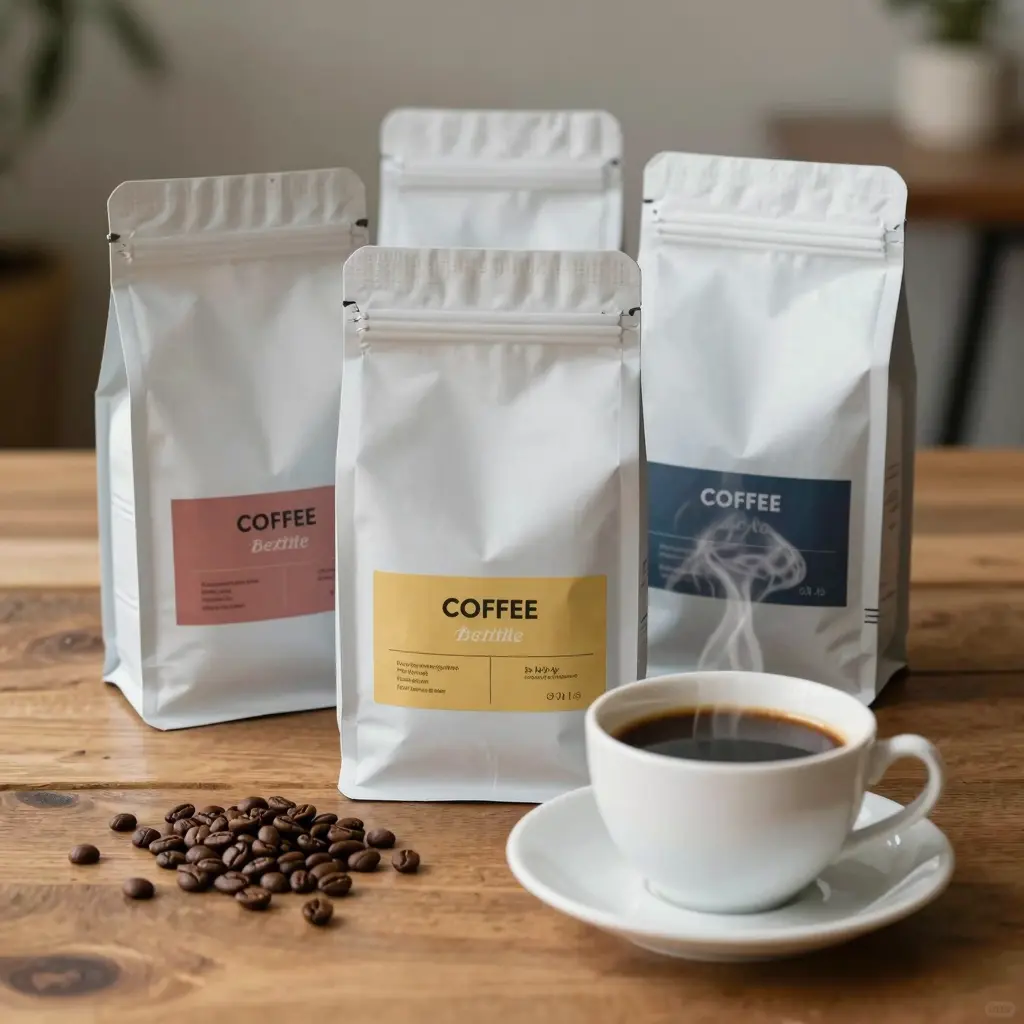
Understanding Coffee Freshness: The Lifespan of Sealed Beans
Did you know that Finland boasts the highest coffee consumption in the world, with an impressive average of 4 cups per person daily? In the U.S., 66% of Americans indulge in coffee every single day, highlighting just how integral this beloved beverage is to our daily routines. For coffee enthusiasts, understanding how long coffee beans last when sealed is crucial for preserving its rich flavors and aromas. Freshly roasted coffee beans are known to retain their optimal freshness for a limited time, often influenced by storage conditions and packaging. Once sealed away, however, these beans can maintain their qualities for anywhere from several months to a year, depending on specific factors. Therefore, being mindful of the shelf life of your coffee beans can drastically enhance the quality of each cup enjoyed. Whether you’re a café owner looking to provide the best to your customers or a coffee lover eager to experience the freshest brews, knowing how long your coffee beans will last sealed is valuable information that should not be overlooked. For more insights into maintaining mental clarity and focus through different forms of therapy, you can learn more about occupational therapy support.
Join us as we delve deeper into the lifespan of sealed coffee beans and how to ensure you’re serving the best!
Shelf Life of Sealed Coffee Beans
When properly sealed, coffee beans can last quite a while before losing their freshness. Typically, unopened bags of whole bean coffee maintain peak flavor for 6-9 months past the roast date when stored appropriately. However, they can remain safe to consume for up to 2-3 years beyond their “best by” date, though the flavor may diminish significantly over time.
Factors Influencing Coffee Longevity
Several factors influence how long coffee beans can retain their freshness:
| Factor | Influence on Shelf Life | Remarks |
|---|---|---|
| Air Exposure | Degrades flavor and aroma | Air contact accelerates oxidation and spoilage; airtight containers are recommended. |
| Moisture | Causes spoilage and mold | Keeping beans dry is crucial as moisture leads to deterioration of quality. |
| Heat | Accelerates staleness | Store coffee in a cool place; high temperatures degrade coffee faster. |
| Light | Deteriorates quality | Light exposure affects the taste; store in opaque containers to block light. |
| Storage Type | Varies based on packaging | Sealed and vacuum-sealed bags maintain freshness longer than typical packaging. |
| Duration | Freshness duration in optimal conditions | Sealed whole beans last from a few months to one year; optimally stored in airtight containers. |
Recommendations for Storage
For business owners in the coffee industry, it’s crucial to implement proper sealed coffee storage techniques to maximize freshness. By considering factors such as air exposure, moisture, and temperature control, you can ensure that your coffee remains flavorful for as long as possible.
In conclusion, understanding the factors that influence the expiration of coffee is essential for maintaining quality and customer satisfaction. Proper storage can extend the shelf life of coffee beans, ensuring that your customers experience the rich flavors and aromas they expect.
Comparison of Sealed vs Opened Coffee Shelf Life
To help business owners understand the difference in shelf life between sealed and opened coffee beans, here’s a concise comparison:
| Condition | Shelf Life | Ideal Storage Conditions |
|---|---|---|
| Sealed Coffee Beans | Up to 12 months (unopened packaged) | Store in a cool, dry place, in an airtight container |
| 6 to 9 months (after roasting) | Minimizes exposure to air, moisture, and heat fluctuations | |
| Opened Coffee Beans | 2 to 3 weeks | Store in a cool, dark environment, in an airtight container |
| Avoid exposure to air, moisture, heat, and light |
Key Insights
- Sealed Coffee Beans: When coffee beans are properly sealed, they can last significantly longer due to preservation methods like vacuum sealing. They are less susceptible to external factors affecting freshness. For more on storage practices, see expert recommendations.
- Opened Coffee Beans: Once opened, coffee beans have a much shorter shelf life. Their freshness can quickly diminish due to exposure to air and humidity. It’s vital to store them correctly to maintain flavor and aroma.
By adhering to these guidelines, business owners can ensure they maximize the quality and shelf life of their coffee offerings.
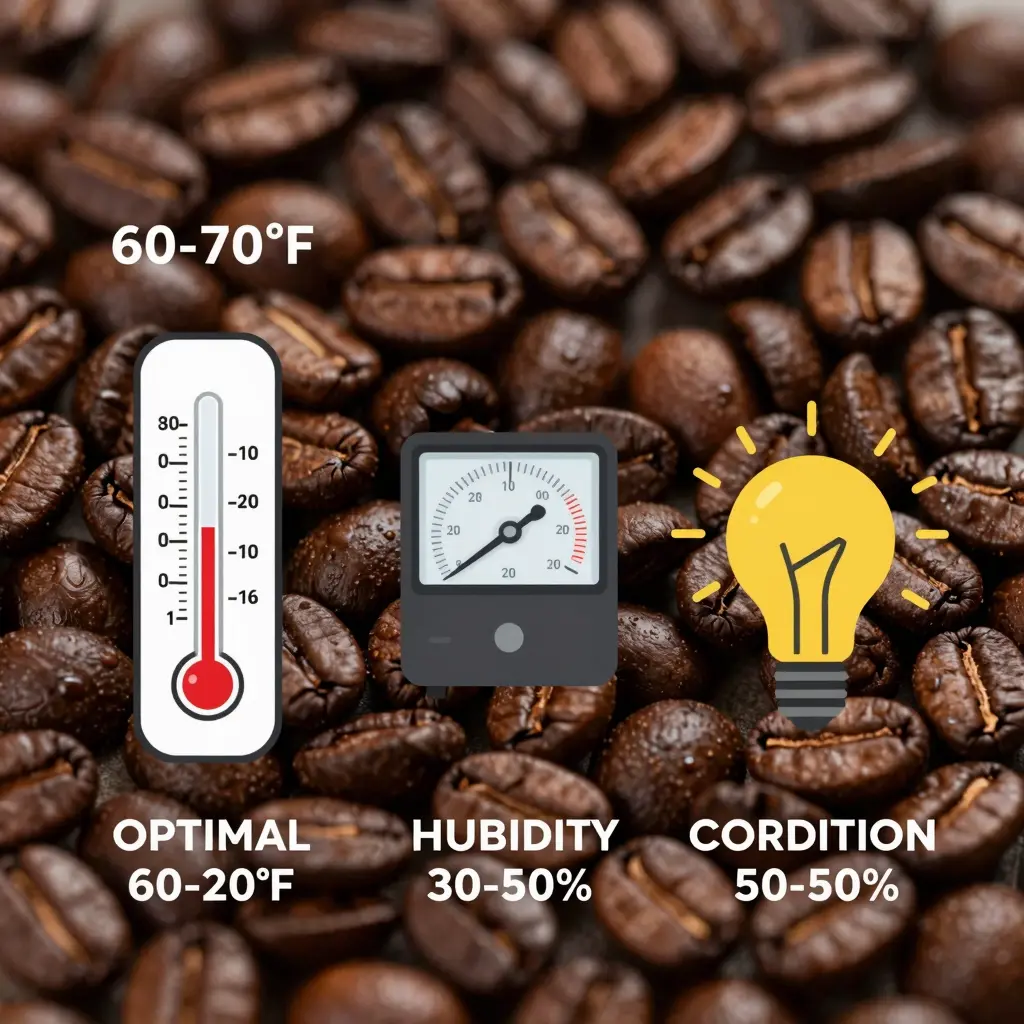
Identifying Signs of Expired Coffee Beans
As a business owner, ensuring the quality of your coffee is paramount. Recognizing the signs of expired coffee beans is essential to maintain your product’s reputation and customer satisfaction. Here are the key sensory indicators to look for:
1. Appearance
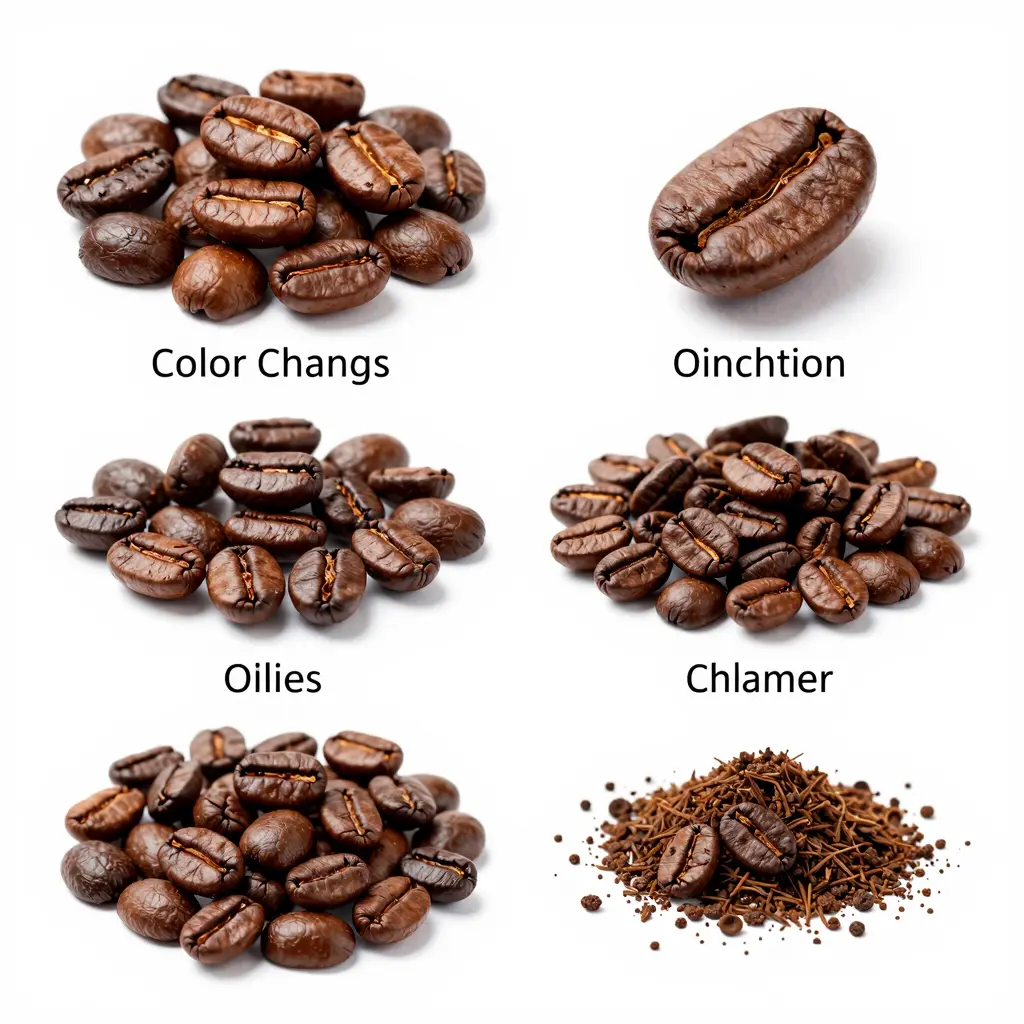
The visual aspect of coffee beans can tell you a lot about their freshness. Fresh coffee beans are typically shiny, reflecting the oils that contribute to their robust flavor. If you notice a dull, grayish hue, it may indicate that the beans have oxidized and lost their essential oils, leading to a significant decline in quality. Additionally, if the beans appear overly oily or have an unusual texture, it’s a strong sign that they are past their prime.
2. Smell
The aroma of coffee is one of its most appealing qualities. Freshly roasted coffee beans emanate a rich, inviting scent, often filled with notes of chocolate, nuts, or fruit. However, expired coffee will likely present a stale or flat aroma, possibly reminiscent of cardboard or an unpleasant smell. This olfactory clue is vital; if the smell doesn’t excite the senses, it’s better to discard the batch.
3. Taste
Finally, the flavor profile of brewed coffee should be vibrant and full-bodied. When using expired coffee beans, the taste will be notably lacking – the brew may taste flat or sour, losing the complexity that fresh beans provide. This degradation often indicates that the beans have surpassed their optimal freshness window and should not be served to customers.
For more tips on coffee quality and storage, check out how long coffee lasts sealed and how to store your coffee properly.
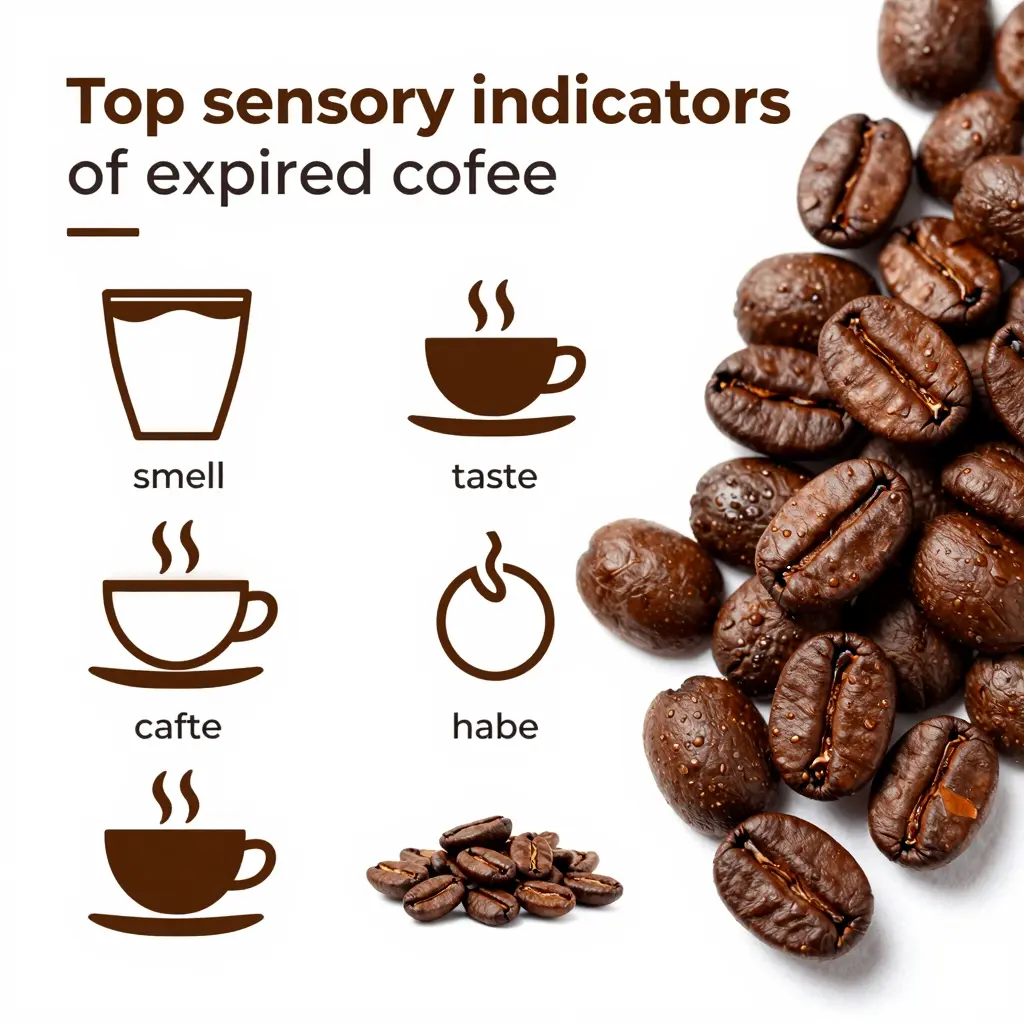
By remain vigilant to these indicators, you can enhance your coffee experience and ensure that your customers are always savoring the finest brews. Remember, freshness is key!
Best Practices for Coffee Bean Storage
As a business owner, ensuring the longevity of your sealed coffee beans is crucial for maintaining freshness and flavor. Here are some best practices you should follow:
- Use Airtight Containers: Oxygen is coffee’s biggest enemy; keeping your beans sealed prevents them from going stale.
- Store in a Cool, Dark Place: Exposure to light and heat can accelerate the deterioration of coffee. It’s best to keep your beans in a cupboard or pantry away from direct sunlight.
- Avoid Humidity: Ensure that the storage area is dry. Moisture can lead to mold and spoilage, drastically affecting the quality of your beans.
- Do Not Refrigerate: Storing coffee in the fridge can introduce moisture and unwanted odors that alter the coffee’s flavor.
- Keep Away from Strong Odors: Coffee beans can easily absorb smells from their surroundings, which can compromise the intended flavor profile of the coffee.
Following these practices will help in maintaining the richness and quality of your coffee. For more insights into how long coffee beans can last sealed, you can learn more.
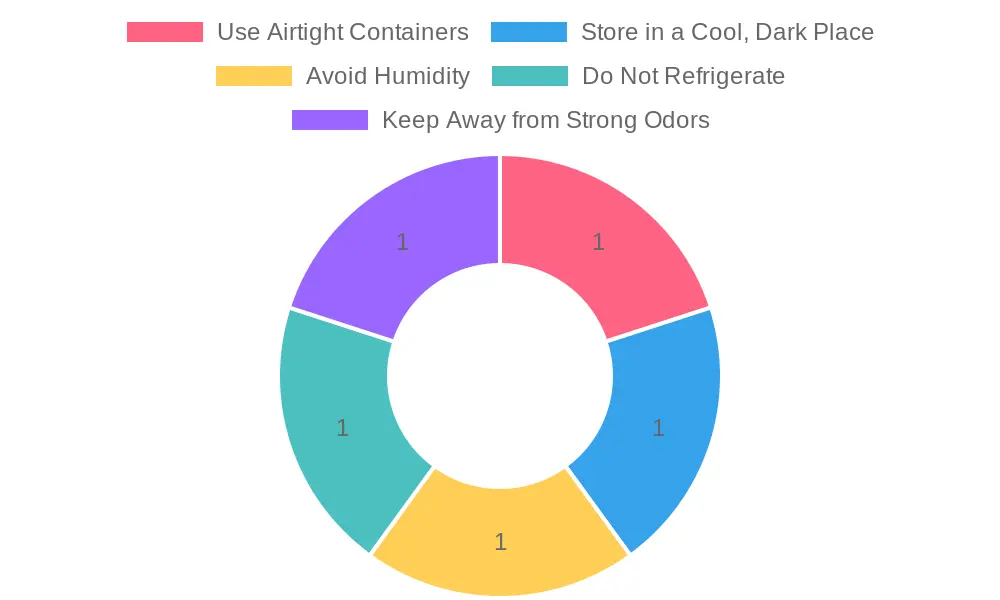
Figure: A visual guide to best practices for storing coffee beans.
By implementing these strategies, you can enhance the storage conditions of your coffee and ensure that customers receive the best taste experience possible.
User Reviews on Coffee Storage Solutions: Longevity and Freshness
When it comes to preserving the flavor and aroma of coffee beans, the right storage solution is crucial. User reviews have highlighted various storage methods and their effectiveness in maintaining coffee freshness over time. Here’s a summary of the feedback gathered from different sources.
1. Airtight Coffee Tins
Airtight coffee tins have received positive feedback for their effectiveness in minimizing exposure to oxygen, which is one of the primary causes of coffee freshness degradation. Users report that these tins help maintain the aroma and flavor of beans significantly longer than using standard containers. One review noted that these containers can keep coffee fresh for several weeks due to their superior sealing capabilities.
2. Kivy Vacuum Coffee Canister
The Kivy Vacuum Coffee Canister is particularly praised for its innovative design that effectively removes excess oxygen, which is essential for preserving coffee freshness. Users have rated this solution highly, indicating that beans stored in this canister maintain their flavor for a significantly longer period. According to a customer review on Amazon, it has enhanced their coffee experience by ensuring the freshness of each brew.
3. Well-Sealed Containers
Well-sealed containers are also recommended by users but with slightly less enthusiasm than the specialized options like vacuum canisters. They provide basic preservation but may not be as effective in preventing air exchange as airtight tins. Feedback suggests that these storage solutions can keep coffee fresh for about two weeks to a month when stored properly. This method is viable for businesses looking for a balance between cost and effectiveness. For more tips, check Rlx Coffee.
4. Standard Containers
Standard containers are the least favored storage solution among users. Many reviews highlight that these containers contribute to faster deterioration of coffee beans, leading to stale-tasting coffee after just a week. They typically do not provide an adequate barrier against oxygen, light, and moisture, which are essential factors in maintaining coffee quality. A guide on Listful mentions this drawback and emphasizes the importance of upgrading to better options.
Summary Table
| Storage Solution | Freshness Preservation Rating | User Feedback Source |
|---|---|---|
| Airtight Coffee Tins | Good | Coffee Lighthouse |
| Kivy Vacuum Coffee Canister | Excellent | Amazon |
| Well-Sealed Containers | Moderate | Stuffed Animal Storage |
| Standard Containers | Poor | Listful |
Conclusion
For business owners, investing in high-quality storage solutions is vital for maintaining the freshness and longevity of coffee beans. Users overwhelmingly recommend airtight and vacuum containers for optimal flavor preservation. By choosing the right storage solution, you can enhance your coffee offerings and ensure a better customer experience.
“Proper storage is crucial for maintaining the flavor and quality of coffee beans. To preserve freshness, always store your beans in an airtight container and keep them away from light, heat, and moisture.” – Coffee Expert (source: 6ty Coffee Roaster)
This quote reinforces the need for correct storage practices and enhances the credibility of the information in your article about how long coffee beans last when sealed.
For more insights into the importance of freshness in coffee, you can consider referencing articles such as Coffee Bean Storage Tips for Freshness that further elaborate on best practices.
In conclusion, understanding how long sealed coffee beans can last is crucial for preserving the rich flavors and aromas essential for any coffee business. Generally, roasted coffee beans can retain their freshness for several weeks to months when stored correctly. Vacuum-sealed canisters and cool, dark environments are recommended for optimal storage, ensuring that exposure to air and light is minimized. Such practices can significantly extend the life of your coffee inventory, allowing businesses to serve their customers with the freshest brews possible. By adopting effective storage solutions, you not only enhance the quality of your coffee but also contribute to customer satisfaction and loyalty. For more detailed insights into how storage conditions affect coffee quality, feel free to explore additional storage techniques that can help in maintaining the premium quality of your beans. Don’t overlook these crucial factors; prioritizing freshness can set your business apart in the competitive coffee market!
If you’re looking to learn more about maintaining your coffee’s optimal quality or wish to explore further best practices, check out our comprehensive articles on coffee storage strategies.
Consumer Purchasing Trends of Coffee
As we explore the relevance of proper coffee storage, it’s essential to understand the shifts in consumer purchasing trends that have occurred over the past decade. The rise of instant coffee among younger consumers, particularly Gen Z and Millennials, indicates a demand for convenience and novelty in coffee products. Conversely, older generations continue to favor traditional whole-bean and ground coffee, emphasizing quality and sustainability in their choices.
Coffee Consumer Preferences Over the Years
The following chart visualizes these trends, illustrating the increasing preference for instant coffee and specialty coffee in recent years:

Key Insights
- Instant Coffee: Gaining popularity, especially among younger demographics who look for convenience and unique flavors.
- Specialty Coffee: A significant trend as consumers become more quality-conscious, often preferring specialty blends over standard brands.
Understanding these trends can help business owners tailor their offerings and storage solutions to meet consumer demands effectively. For more insights into mental health and care approaches in small business environments, learn more about occupational therapy for mental health.