
Introduction
In the bustling world of coffee, where the aroma can invigorate your senses and the flavor can dictate your day, understanding the longevity of coffee beans is crucial, particularly for business owners in the industry. Imagine this scenario: a quaint coffee shop, filled with customers eagerly waiting for their favorite brews, suddenly faces quality issues because the beans have past their prime. A mishap like this can not only sour a cup of coffee but also tarnish the reputation of the business built on quality and freshness. This highlights the importance of knowing how long coffee beans last, an essential factor in maintaining product integrity and ensuring customer satisfaction.
For coffee shop owners, the freshness of beans directly influences taste, aroma, and ultimately, sales. Stale beans can turn a potential loyal customer into a first and last visit. Moreover, understanding the shelf life of different types of coffee beans-be it whole beans or ground-can save costs and maximize profits, paving the way for a thriving coffee establishment. As we dive deeper into this topic, we will explore various factors that affect the longevity of coffee beans, ensuring you can serve only the best to your customers. If you’re keen on optimizing your coffee offerings, keep reading to learn about the secrets behind coffee bean preservation and freshness!
Types of Coffee Beans and Their Freshness Expectations
Overview of Coffee Beans
Coffee is a cherished beverage globally, originating from various regions and cultivated in numerous ways. The types of coffee beans significantly impact not only flavor but also how long they last before losing their freshness.
Main Types of Coffee Beans
- Arabica:
- Known for its sweet, soft taste and higher acidity. Arabica beans are generally considered superior in flavor compared to others.
- Freshness Lifespan: 1-2 weeks after roasting.
- Robusta:
- Offers a stronger, harsher taste and has a higher caffeine content. Robusta beans are often used in espresso blends for added body.
- Freshness Lifespan: 2-4 weeks after roasting.
- Liberica:
- Features a unique, floral aroma and a somewhat woody flavor. It is less common but has a dedicated following.
- Freshness Lifespan: 1-2 weeks after roasting.
- Excelsa:
- Often categorized with Liberica, Excelsa beans provide a complex flavor that’s both fruity and tart.
- Freshness Lifespan: 1-2 weeks after roasting.
| Coffee Bean Type | Freshness Lifespan |
|---|---|
| Arabica | 1-2 weeks after roasting |
| Robusta | 2-4 weeks after roasting |
| Liberica | 1-2 weeks after roasting |
| Excelsa | 1-2 weeks after roasting |
Impact of Freshness on Longevity
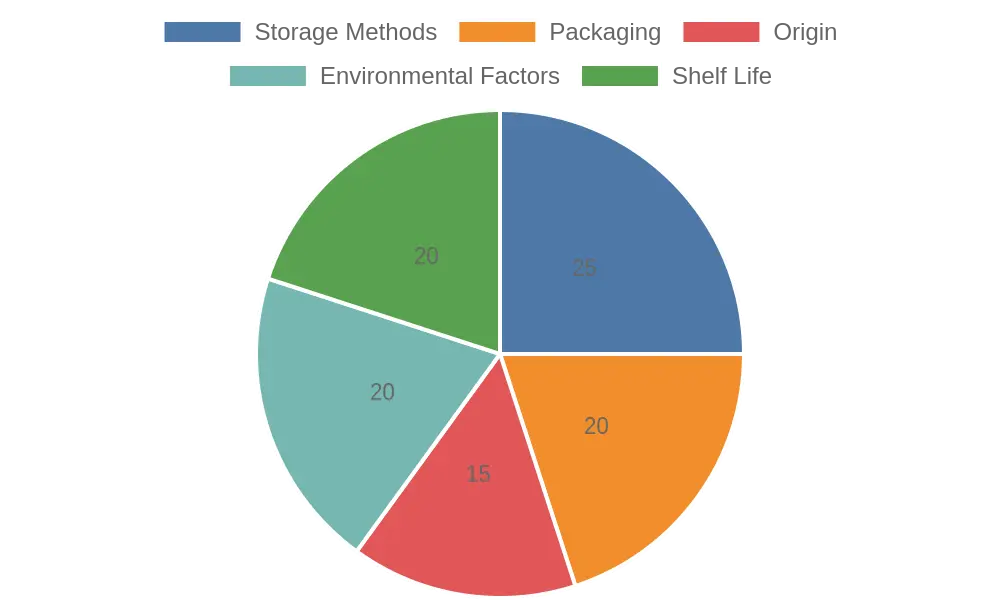
The freshness of coffee beans is paramount for preserving flavor and aroma. Here are some crucial aspects related to coffee bean freshness:
-
Storage Methods: Proper storage is essential for maintaining freshness. Airtight containers that are kept away from light and moisture extend longevity significantly. Learn more about storage methods.
-
Packaging: The type of packaging used can make a difference as well. Bags with one-way valves allow gases to escape while preventing air entry, thus prolonging freshness.
-
Origin: The geographic origin of the coffee can affect freshness due to different processing methods. Higher-quality beans are usually processed under better conditions, enhancing their longevity. Discover how origin influences coffee.
-
Environmental Factors: Temperature, humidity, and light exposure are environmental aspects that can speed up the staleness of coffee beans.
Conclusion
Understanding the different types of coffee beans and their freshness expectations can significantly enhance your coffee experience. Proper storage and awareness are key factors in prolonging the shelf life of these beans, allowing business owners to offer the best quality coffee to their customers.

Factors Affecting the Shelf Life of Coffee Beans
When it comes to preserving the freshness of coffee beans, several key factors play a crucial role. Business owners in the coffee industry should consider the following aspects to maximize the shelf life of their products:
- Storage Conditions: Coffee beans should be stored in a cool, dry place away from direct sunlight. High temperatures and humidity can lead to rapid degradation.
- Packaging: The type of packaging used can significantly influence the longevity of coffee beans. Airtight, opaque containers help prevent oxidation and moisture absorption, prolonging shelf life.
- Roast Levels: Darker roasts tend to have a shorter shelf life compared to lighter roasts due to the increased oil content that can lead to rancidity. Understanding roast level impacts is essential for quality management.
- Exposure to Air: Oxygen exposure can cause coffee beans to become stale and lose flavor. Minimizing air exposure through proper sealing is vital.
- Grinding: Once coffee beans are ground, their surface area increases significantly, leading to quicker spoilage. Whole beans generally last longer than pre-ground coffee.
- Moisture Content: The initial moisture content of the beans affects their stability. Ideally, beans should have around 10-12% moisture to prevent mold growth.
- Light Exposure: Ultraviolet light can negatively impact the flavor compounds in coffee, so it’s important to store beans in opaque containers to keep them away from light.
By paying attention to these factors, coffee business owners can ensure that their products maintain optimal flavor and freshness for longer periods. Learn more about how to preserve your coffee.
Understanding how these elements interact allows for informed decisions that can greatly benefit the operational aspect of a coffee business.
Shelf Life of Different Coffee Bean Types
The shelf life of coffee beans varies based on the type of beans and the storage conditions. Here’s a summary table that compares the shelf life of various coffee bean types under different conditions:
| Coffee Bean Type | Sealed (Cool, Dark Place) | Opened (Cool, Dark Place) | Sealed (Freezer) | Opened (Room Temperature) |
|---|---|---|---|---|
| Whole Bean Coffee | 6-9 months | 3-4 weeks | 1 year | 1-2 weeks |
| Ground Coffee | 3-6 months | 1-2 weeks | 6 months | 1 week |
| Instant Coffee | 2 years | 1-2 years | N/A | 1 year |
| Green Coffee Beans | 2-5 years | N/A | N/A | N/A |
| Decaffeinated Coffee | 6-9 months | 2-3 weeks | 1 year | 1 week |
Tips for Optimal Coffee Storage
To maximize the shelf life of coffee beans, consider the following storage tips:
- Use airtight containers. This helps prevent oxidation and keeps moisture out.
- Store in a cool, dark place to avoid the degrading effects of light and heat.
- If freezing, only do so for long-term storage, and be mindful of condensation when removing from the freezer.
For more insights into coffee freshness and storage techniques, you can learn more here and read guidelines on coffee storage.
Proper Storage Methods to Extend Coffee Bean Life
For business owners in the coffee industry, maintaining the freshness and quality of coffee beans is paramount. Proper storage methods can significantly extend the shelf life of your coffee while preserving its rich flavors and aromas. Here are key strategies you should adopt:
1. Use Airtight Containers
One of the most effective ways to store coffee beans is by using airtight containers. These containers prevent exposure to air, which can cause coffee beans to become stale. Consider using opaque containers to block out light, another factor that can degrade the quality of your beans over time. For added effectiveness, vacuum sealing can remove air and further extend the life of your coffee beans, especially during transportation or bulk storage.
2. Temperature Matters
The ideal storage temperature for coffee beans is room temperature. Avoid storing beans in warm or humid areas, such as near ovens or windows, as heat can accelerate degradation. A consistent, cool environment will help retain the freshness of your beans. For this reason, basements or pantry shelves that maintain stable temperatures can be excellent choices.
3. Avoid the Refrigerator
While it may seem logical to store coffee beans in the refrigerator to keep them fresh, this method is actually counterproductive. The refrigerator can introduce moisture to the beans, which leads to staleness. Instead, find a dry, cool, and dark place for storage. This ensures your beans aren’t exposed to environments that compromise their quality.
4. Grind as Needed
Another practical tip is to grind your coffee beans just before brewing. Grinding beans exposes more surface area to air, so by minimizing the amount of ground coffee, you reduce oxidation. This practice keeps your coffee tasting fresher for longer periods. Consider investing in a good grinder that allows for quick and efficient grinding of small amounts as needed.
Conclusion
By employing these storage strategies, business owners can maintain the quality and longevity of their coffee beans, ensuring that customers receive the freshest brew possible. For more detailed insights on enhancing your coffee offerings, check out this article on coffee freshness.
Implementing these storage methods can make a significant difference in your coffee business, not just in preserving flavor but also in enhancing overall customer satisfaction.

This image illustrates the optimal conditions for storing coffee beans, emphasizing the ideal temperature range of 60°F to 70°F, maintaining a humidity level around 50%, ensuring no light exposure, and using an airtight container to preserve freshness.
For more details on how freshness affects your coffee, check out our article on how long coffee beans last or techniques for optimal coffee storage.
Understanding Coffee Freshness and Longevity
As coffee enthusiasts and business owners know, the quality and flavor of coffee are highly contingent on its freshness. Recent studies have underscored how the freshness of coffee beans significantly impacts their taste and longevity, reinforcing the need for stringent storage and selling practices.
Importance of Coffee Freshness
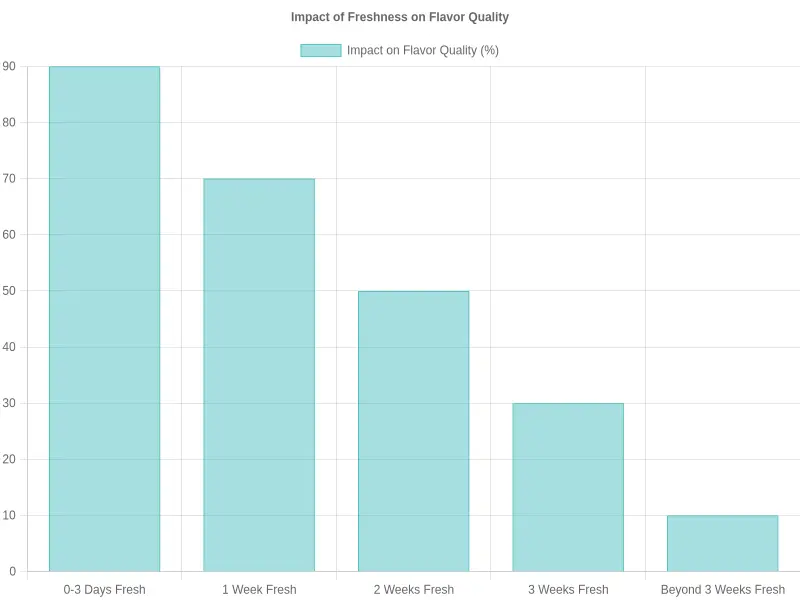
Coffee loses its flavor and aroma shortly after roasting, due to oxidation and other chemical processes. According to a guide from European Coffee Trip, coffee is most flavorful within the first 0-3 days after roasting, with an impressive 90% impact on flavor quality during this period. This freshness allows for the optimal brew, accentuating aroma and taste.
Findings from Recent Studies
- Coffee Taste Experiments: An article from Blue Tokai Coffee Roasters details a blind tasting experiment where fresher coffee significantly outperformed coffee that had aged six weeks from roasting.
- Health Benefits: Research highlighted by Great Home Coffee indicates that freshly brewed coffee boasts higher levels of antioxidants compared to older options, supporting both flavor and health.
- Factors Affecting Freshness: An overview by Lygon Coffee emphasizes that environmental factors-air, light, and moisture-play a critical role in maintaining coffee bean freshness.
Longevity of Coffee Beans
The shelf life of coffee beans varies significantly depending on storage and environmental conditions. The following table illustrates the decline in flavor quality based on freshness:
| Freshness Category | Impact on Flavor Quality (%) | Source |
|---|---|---|
| 0-3 Days Fresh | 90 | European Coffee Trip |
| 1 Week Fresh | 70 | PubMed |
| 2 Weeks Fresh | 50 | Coffee Academy |
| 3 Weeks Fresh | 30 | ScienceDirect |
| Beyond 3 Weeks Fresh | 10 | Blueprint Coffee |
Conclusion
The critical takeaway for business owners is to emphasize the sale of fresh coffee to enhance customer satisfaction and retention. By implementing best storage practices and educating customers on the importance of coffee freshness, businesses can ensure they serve high-quality products that meet their customers’ standards. For further exploration of coffee practices, consider exploring these additional coffee-focused articles.
When it comes to preserving the flavor and quality of coffee, storage is paramount. Not only do properly stored coffee beans retain their unique characteristics longer, but they also offer businesses a consistent product to serve their customers. To illustrate this, expert Scott James states:
“Storing freshly roasted coffee beans properly extends their freshness.” – Scott James, Coffee Expert
This emphasizes the critical need for businesses to implement effective coffee storage practices. Here are some recommended methods for storing coffee beans:
| Proper Storage Method for Freshly Roasted Coffee Beans | Description |
|---|---|
| Keep in an airtight container | Store beans in a sealed container to prevent exposure to air. |
| Store in a dark, cool place | Light and heat can degrade the quality, so keep them away from sunlight. |
| Avoid moisture | Store in a dry environment to keep beans from getting stale. |
| Do not refrigerate or freeze | These methods can introduce moisture; room temperature is ideal. |
| Use within a few weeks | Freshness diminishes over time; consume within 2-4 weeks for best flavor. |
Understanding the importance of proper coffee storage can lead to better product offerings and enhanced customer satisfaction. For more on the implications of freshness in products, learn more about occupational therapy and health.
Conclusion: The Vitality of Freshness in Coffee Business
In the competitive world of coffee, freshness is not just an attribute; it is a cornerstone of success. Maintaining freshly roasted coffee beans is crucial for captivating your clientele and ensuring they enjoy the full spectrum of flavors and aromas that quality coffee has to offer. Freshly roasted beans retain their volatile compounds, making the coffee experience vibrant and satisfying. As reported by various sources, including Breville and Colonna Coffee, coffee loses its nuanced flavors over time, which can result in stale and unappealing tastes.
To sustain freshness, proactive measures should be taken in your coffee business. Here are some tips to consider:
- Source Quality Beans: Always choose reputable suppliers who prioritize freshness in their roasting processes.
- Optimal Storage: Store your beans in airtight containers away from light, heat, and moisture to preserve their quality.
- Educate Your Staff: Make sure your team understands the importance of freshness and can communicate its value to customers.
- Monitor Your Inventory: Keep track of roasting dates and sell your products within their peak consumption period.
By prioritizing freshness, you not only enhance your customers’ coffee experience but also fortify your brand’s reputation in the marketplace. In a world where tastes are ever-evolving, ensure your coffee is made from the freshest beans available. This commitment will set you apart and drive customers to return time and again, securing your business’s success.
Ensure Your Coffee Beans Stay Fresh
Whether you’re a café owner or running a coffee shop, understanding how long coffee beans last is essential to maintain flavor and quality. Coffee beans can generally stay fresh for about 2 to 4 weeks after roasting and retain their optimal flavor if stored correctly. It’s crucial to keep them away from light, moisture, and air to extend their shelf life. Investing in the right coffee storage solutions can help you maximize the longevity of your beans and serve your customers the best coffee possible.
To benefit from this knowledge, consider upgrading your coffee storage solutions today. Opt for airtight containers that eliminate exposure to air and humidity, ensuring the freshness of your beans for a longer period. Explore various coffee equipment options, from vacuum sealers to specialized storage canisters that are designed to maintain that just-roasted flavor.
Call to Action
Don’t let freshness be an afterthought in your coffee business! Explore coffee storage solutions and equipment that can enhance your coffee quality and keep your beans fresh longer today. By investing in the right tools, you’ll not only improve the taste of your brews but also delight your customers with every cup they enjoy!