Green coffee bean extract has gained notable attention in recent years, mainly due to its perceived health benefits and its caffeine content. Made from unroasted coffee beans, this extract is rich in chlorogenic acids, which are thought to have antioxidant properties. For business owners in the food and beverage industry, understanding the elements of green coffee bean extract is essential, especially as health-conscious consumers increasingly seek out innovative ingredients that promote wellness. Caffeine plays a significant role in this extract, providing an energy boost without the jitters often associated with roasted coffee. As businesses explore adding healthier options to their offerings, incorporating green coffee bean extract can not only attract a new demographic of health-focused customers but also align with emerging trends in dietary supplements and functional foods, making it a worthy investment for the forward-thinking entrepreneur.
What is Green Coffee Bean Extract?
Green coffee bean extract is derived from the seeds of the Coffea plant, mainly from varieties like Coffea arabica and Coffea canephora (Robusta). Unlike traditional coffee, which is made from roasted beans, green coffee bean extract is made from raw, unroasted beans. This process helps preserve high levels of bioactive compounds, particularly chlorogenic acid (CGA), a powerful antioxidant associated with numerous health benefits.
Origins and Production Process
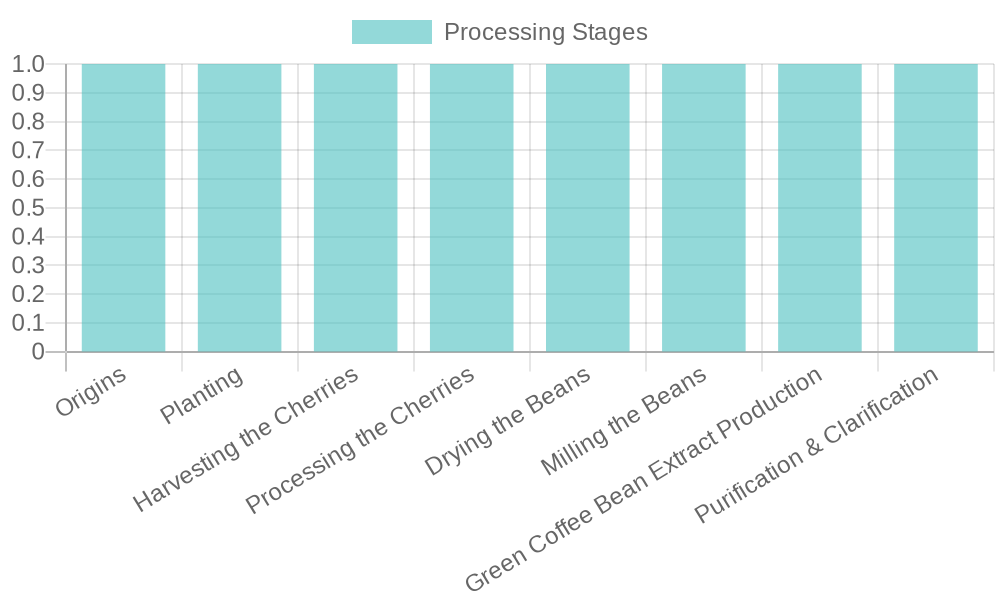
The journey of green coffee bean extract begins in tropical regions such as Brazil, Colombia, Vietnam, and Ethiopia, where coffee plants flourish in rich soil and consistent rainfall. Here’s a detailed look at the stages involved in its production:
| Stage | Description | Key Details |
|---|---|---|
| Origin | Green coffee beans are obtained from unroasted seeds of the Coffea plant. These beans have been used for centuries in various cultures for their energy-boosting properties and potential health benefits. | Traditionally consumed in Africa and the Middle East as a medicinal drink. |
| Planting | In shaded or sunny plantations, seedlings are nurtured before being transplanted. | A coffee tree matures in 3-5 years to produce cherries. |
| Harvesting | Ripe cherries are hand-picked or mechanically harvested during peak season. | Selective handpicking ensures quality. |
| Processing the Cherries | Cherries undergo either wet or dry processing methods to extract the beans. | Wet processing yields cleaner flavors; dry yields fruitier profiles. |
| Drying the Beans | Beans are dried to reduce moisture content, typically below 12%. | Critical to prevent mold and preserve quality. |
| Milling | Beans are hulled and polished to prepare for extraction. | Removes outer layers and prepares for export. |
| Extraction | The dried green coffee beans are crushed and extracted, commonly using water or ethanol to ensure high concentrations of CGA. | The final product is a concentrated powder or liquid form. |
| Purification | Ensuring the extract is free from impurities enhances its stability and potency. | Filtration and solvent removal are key steps here. |
Green coffee bean extract’s production leverages techniques that avoid excessive heat, which can degrade its antioxidant properties. The result is a robust supplement utilized for its metabolic and weight management benefits, becoming increasingly popular in the health and wellness industry. For further details on its uses, visit Healthline and Verywell Fit.
Caffeine Content in Coffee Products
To understand whether green coffee bean extract contains caffeine and how it compares to other coffee products, it’s helpful to look at the caffeine content of various types of coffee. Below is a table that summarizes the caffeine levels in green coffee bean extract, roasted coffee, espresso, cold brew, and instant coffee:
| Coffee Product | Caffeine Content (mg) per 8 oz / 240 ml |
|---|---|
| Green Coffee Bean Extract | 100 – 150 (per 100 grams) |
| Brewed Coffee | 95 – 200 |
| Espresso | 63 – 100 (per 1 oz) |
| Cold Brew | 150 – 200 |
| Instant Coffee | 27 – 170 |
For more detailed insights on mental health and occupational therapy, learn more about how occupational therapy supports mental health and explore occupational therapy techniques for stress relief.
Health Benefits of Green Coffee Bean Extract
Green coffee bean extract (GCBE) has gained popularity among health-conscious consumers for its potential health benefits, particularly due to its high content of chlorogenic acid. Here are some key benefits supported by recent studies:
1. Supports Weight Management
A comprehensive review published in 2023 highlights that GCBE supplementation significantly aids weight management. The meta-analysis, which included 18 randomized controlled trials, found that participants taking GCBE (with an average dose of 400-600 mg/day) lost an average of 1.5 kg over 8-12 weeks compared to those who received a placebo. This effect is particularly beneficial for individuals with higher baseline body weight, making it a compelling option for those looking to manage their weight effectively. Learn more here.
2. Enhances Metabolic Health
Research suggests that chlorogenic acid helps improve insulin sensitivity and reduce blood glucose levels. A study published by Healthline reported that GCBE may significantly lower fasting blood glucose levels and enhance insulin sensitivity, which is particularly beneficial for individuals at risk of diabetes. This regulatory effect on glucose absorption can aid in metabolic health and overall weight loss efforts.
3. Cardiovascular Benefits
Several studies have indicated that GCBE may reduce systolic and diastolic blood pressure, potentially offering cardiovascular benefits. The antioxidant properties of chlorogenic acid can lessen oxidative stress, which is linked to chronic inflammation and various age-related diseases.
4. Antioxidant Properties
Chlorogenic acid acts as a powerful antioxidant, helping to guard the body against oxidative stress linked to numerous health issues. This antioxidant activity may contribute to better overall health and longevity, appealing to customers looking for natural ways to improve their well-being.
Despite these promising findings, it is crucial to approach GCBE supplementation with caution. The variability in product composition can impact results, necessitating standardized formulations for consistent outcomes. More large-scale, long-term studies are needed to fully confirm the efficacy and safety of green coffee bean extract for diverse populations. As such, health-conscious consumers should consider these factors while exploring the potential benefits of GCBE.
User Consumption Trends of Green Coffee Bean Extract
The trend towards natural wellness products continues to surge in popularity, with green coffee bean extract (GCBE) emerging as a favored choice among consumers, particularly those seeking weight management solutions and overall health benefits. Driven by an increased awareness of health and wellness, the consumption of GCBE has escalated significantly in recent years, particularly since 2023.
Market Insights
Recent studies indicate that the global market for green coffee bean extract has entered a rapid growth phase, projected to expand at a compound annual growth rate (CAGR) of 6% from 2024 to 2031. This growth correlates with a broader trend among consumers who are increasingly prioritizing products that are natural, additive-free, and effective for weight management and energy enhancement. Notably, the extract is rich in chlorogenic acid (CGA), which is known to block carbohydrate absorption and promote metabolic health, making it a sought-after ingredient in dietary supplements and functional foods.
- Key Trends Influencing Consumption:
- Health Consciousness: Consumers are leaning more towards natural ingredients with proven health benefits, particularly among younger demographics in regions like the U.S. and China. This shift is reshaping product offerings and marketing strategies within the food industry.
- Accessibility and Versatility: Green coffee bean extract is becoming more accessible through various platforms, including e-commerce, and is reportedly well-received among individuals focusing on weight management without compromising on dietary enjoyment.
- Functional Food Integration: Products like energy bars, protein powders, and ready-to-drink beverages that incorporate GCBE are seeing increased adoption, aligning with the consumer preference for multifunctional foods.
Implications for Food Entrepreneurs
For food entrepreneurs, understanding these trends is crucial for making informed business decisions. Here are some strategic insights:
- Product Development: There is an opportunity to create low-sugar, high-functionality snacks or meal replacements that leverage GCBE. Given its appeal, innovative formulations can harness the extract’s properties to attract health-focused consumers.
- Targeted Marketing: Utilize keywords such as “natural,” “scientific weight management,” and “low burden” in marketing campaigns to resonate with the values of health-conscious consumers.
- Sustainable Sourcing: Emphasizing transparency and sustainable practices in sourcing green coffee bean extract can enhance brand loyalty and attract discerning consumers who prioritize ethical consumption.
- Collaboration with Influencers: Engaging influencers within the health and wellness community can amplify product visibility and validate the efficacy of GCBE-infused goods.
In conclusion, the rising trends in the consumption of green coffee bean extract present significant opportunities for food entrepreneurs. As demand continues to grow, responsive and innovative approaches to product offerings can help brands stay ahead in a competitive market. For deeper insights into how dietary supplements influence wellness, check out our article on Green Coffee Bean Extract Market Analysis.
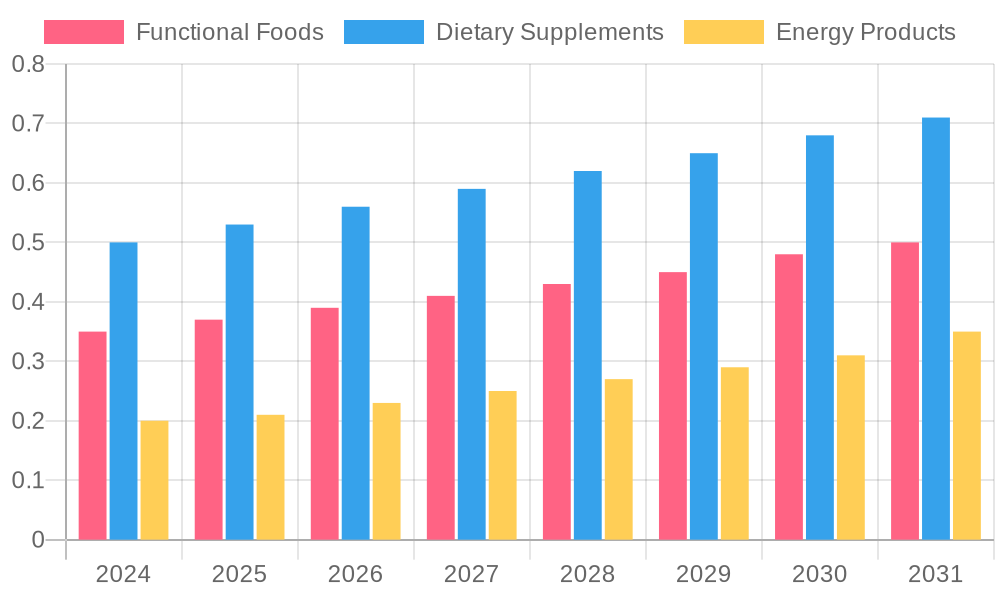
Market Value Projection (2024-2031) by Segment
Understanding Caffeine in Green Coffee Bean Extract
Caffeine has become a widely discussed topic, especially concerning its presence in coffee, including green coffee bean extract. Understanding its effects is crucial, particularly for business owners who might consider incorporating such products into their offerings.
Impact of Caffeine on Health
Caffeine is known to have both positive and negative effects on health, and research can provide valuable insights. According to the Mayo Clinic:
“For most healthy adults, daily consumption of 400 milligrams of caffeine (about four cups of coffee) is generally considered safe. However, excessive consumption can lead to anxiety, insomnia, heart palpitations, and even increased blood pressure. The key is individual difference, as sensitive populations should reduce their intake.”
Caffeine can enhance cognitive function and physical performance, making it appealing for various consumers. The Harvard T.H. Chan School of Public Health also notes:
“Numerous studies have shown that moderate coffee consumption is associated with a lower risk of type 2 diabetes, Parkinson’s disease, Alzheimer’s disease, and certain cancers. This is mainly attributed to the abundance of antioxidants in coffee.”
Conclusion
For business owners, understanding these effects can help inform product choices and marketing strategies related to green coffee bean extract. As consumers become increasingly health-conscious, providing accurate information regarding caffeine can enhance trust and customer satisfaction.
Implications of Caffeine for Food Businesses
Caffeine is not just a stimulant; it plays a pivotal role in shaping customer preferences and creating marketing strategies for food businesses. With the rising trend of caffeine consumption, particularly among younger consumers, food businesses have significant opportunities to innovate and cater to this growing market segment.
Understanding Customer Preferences
Recent reports indicate that over 70% of consumers aged 18 to 35 regularly consume caffeinated products, with many citing improved productivity and enhanced mental focus as primary motivations. This demographic tends to favor brands that promote energy and alertness, driving food and beverage companies to design products that align with these preferences. For instance, specialty coffees and energy drinks have seen immense popularity, as they cater to the demand for quick and efficient energy solutions.
A survey revealed that about 60% of consumers express a preference for natural sources of caffeine, such as those found in coffee and tea, over synthetic ones typically present in energy drinks. Additionally, with an increasing demand for transparency regarding product ingredients, food businesses should ensure clear labeling concerning caffeine content and its sourcing to build trust and retain customers.
Marketing Strategies for Leveraging Caffeine Trends
To capitalize on caffeine’s popularity, businesses can employ several effective marketing strategies:
-
Targeting Health-Conscious Consumers: With the emphasis on wellness, brands can market caffeine-infused products as part of a healthy lifestyle. Promotions could focus on the functional benefits of caffeine, such as enhancing mental clarity and physical stamina.
-
Utilizing Social Media: Engaging marketing campaigns through platforms like Instagram and TikTok can attract younger consumers. Businesses can collaborate with influencers to showcase their caffeine-rich products, making them more appealing to potential customers.
-
Innovating Product Offerings: The trend toward functional beverages, including caffeine-infused snacks and hydration drinks, is a crucial area for innovation. According to industry insights, new formulations can meet diverse consumer needs and preferences.
-
Creating Unique Experiences: Recognizing that consumers also seek experiences along with products, businesses could offer tasting events or collaborative offerings that provide unique caffeine experiences.
-
Sustainable Sourcing: Transparency about the sourcing of caffeine can be a significant differentiator for brands. Consumers are increasingly concerned about sustainability, and highlighting ethical sourcing practices can enhance brand loyalty.
| Category | 2023-2025 Trend Summary | Key Data Points | Source |
|---|---|---|---|
| Global Caffeine Consumption | High consumption with a focus on functional products – 76.7% consume caffeine monthly. | – 67.7% of global consumers consume caffeine daily. – Coffee remains dominant at 76.7%. |
Vypr Report: Global Caffeine Consumption Trends 2025 |
| Energy Drinks Market | Driven by demand in emerging economies; projected market size of $90.33 billion by 2026. | – Growth rate of 7.5% from 2023-2028. – Emerging markets contributing significantly to growth. |
Energy Drinks Market Size & Forecast 2034 |
| Coffee Market | Stabilized growth with strong loyalty, focusing on premium coffee segments. | – Highest consumption in regions like South America (84.9%). – Specialty coffee trends rising. |
Vypr Report: Global Caffeine Consumption Trends 2025 |
| Functional Beverages | High growth potential in health-focused demographics, particularly in immigrant communities. | – Increasing Kombucha consumption, providing new market opportunities. | Vypr Report: Global Caffeine Consumption Trends 2025 |
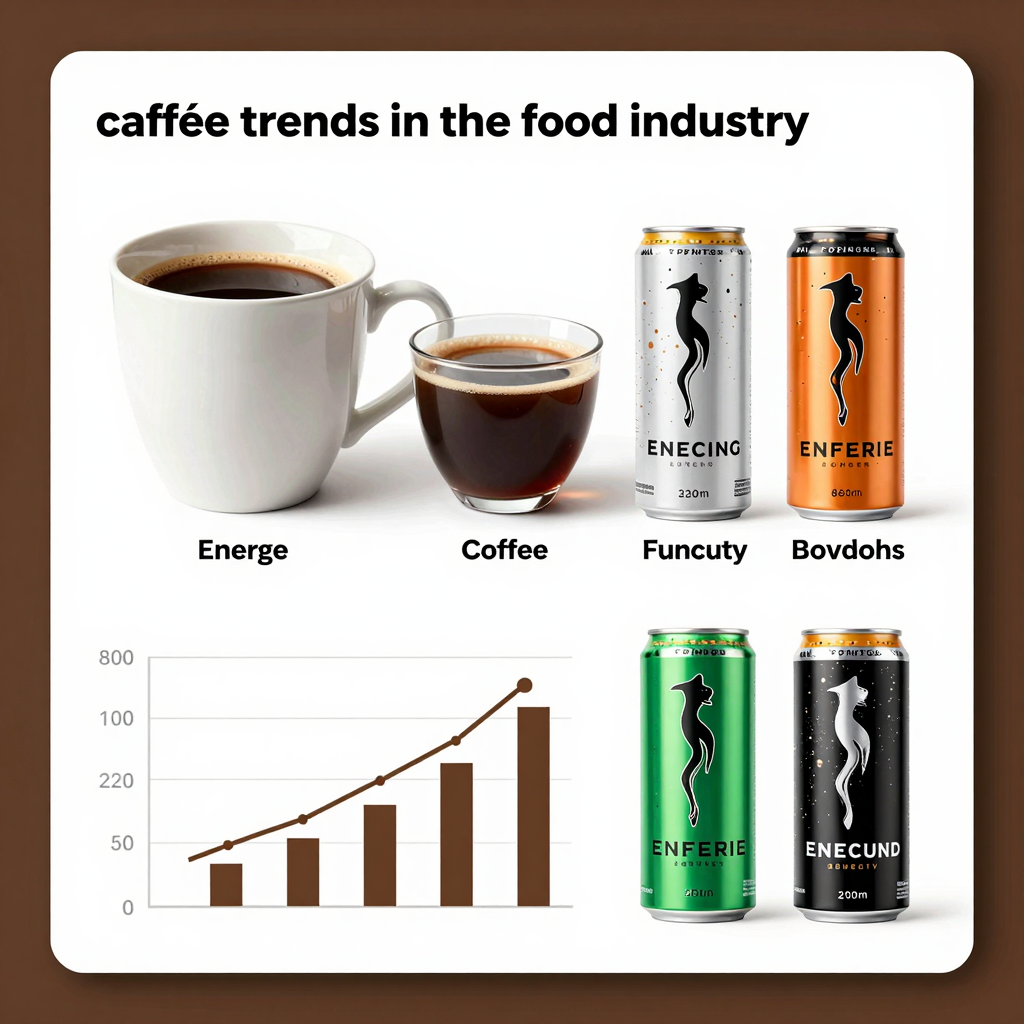
In summary, caffeine’s implications for food businesses are profound. By understanding consumer preferences and strategically marketing caffeine-rich products, food businesses can enhance their growth potential and carve out a unique niche in this thriving market.
| Year | Global Green Coffee Consumption (Million Bags) | YoY Growth (%) | Key Trend: Specialty/High-Quality Demand |
|---|---|---|---|
| 2019 | 145.3 | – | Growing interest in specialty coffee; early rise in demand for traceable, high-quality arabica beans. |
| 2020 | 148.7 | +2.3% | Post-pandemic shift toward wellness and premium products; increased home roasting trends. |
| 2021 | 153.2 | +3.0% | Surge in artisanal coffee culture; expansion of direct-trade sourcing and sustainability focus. |
| 2022 | 158.9 | +3.7% | Rising demand for organic and single-origin green coffee; strong growth in Asia-Pacific markets. |
| 2023 | 164.5 | +3.5% | Continued growth in specialty coffee segment; consumers prioritizing flavor profile, origin transparency, and ethical sourcing. |
Note: Data based on industry reports from Ken Research, Statista, and FAO (Food and Agriculture Organization of the UN). Consumption measured in standard 60 kg bags. Specialty coffee demand driven by increasing consumer preference for high-quality arabica beans, traceability, and sustainable practices.
Conclusion
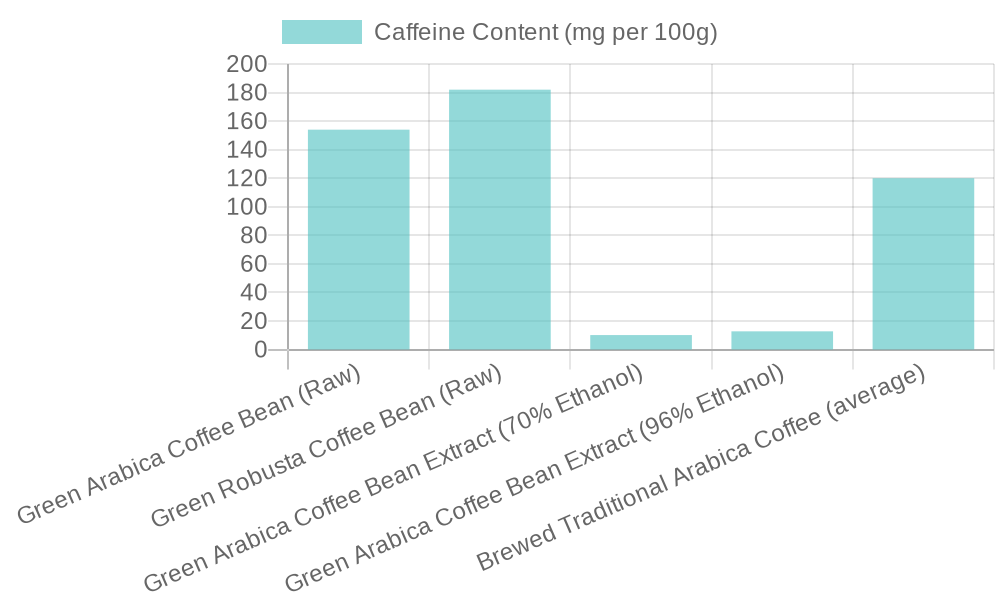
In conclusion, green coffee bean extract (GCBE) has emerged as a noteworthy player in the health and wellness segment, especially considering its caffeine content and associated benefits. Studies indicate that it contains naturally occurring caffeine, though in lower concentrations than roasted coffee varieties. For instance, while a raw green Arabica coffee bean contains about 154 mg of caffeine per 100 grams, the extracted form offers around 10-12 mg of caffeine, depending on the extraction method. This makes it a compelling option for those seeking to moderate their caffeine intake without sacrificing energy levels.
Moreover, the presence of chlorogenic acids in GCBE has shown potential health benefits, including anti-inflammatory properties and weight management support, as highlighted in recent research (Healthline). The combination of caffeine and chlorogenic acids has been linked to enhanced metabolism, which may resonate with health-conscious consumers and could translate into increased sales for business owners in the coffee industry.
Understanding the balance of caffeine content in green coffee bean extract versus traditional brewed coffee allows business owners to tailor their offerings to meet the growing demand for health-oriented products. Furthermore, engaging in informed marketing strategies that highlight the unique benefits of GCBE can captivate a wide audience, especially among those looking to make healthier lifestyle choices. With consumers increasingly seeking innovative solutions, the potential for green coffee bean extract in the market is promising, requiring businesses to adapt accordingly.
Ultimately, recognizing the nuances of green coffee bean extract and its implications can empower business owners to maximize opportunities within the evolving coffee landscape. For more insights into consumer preferences and how to utilize this knowledge for effective marketing, discover more here.
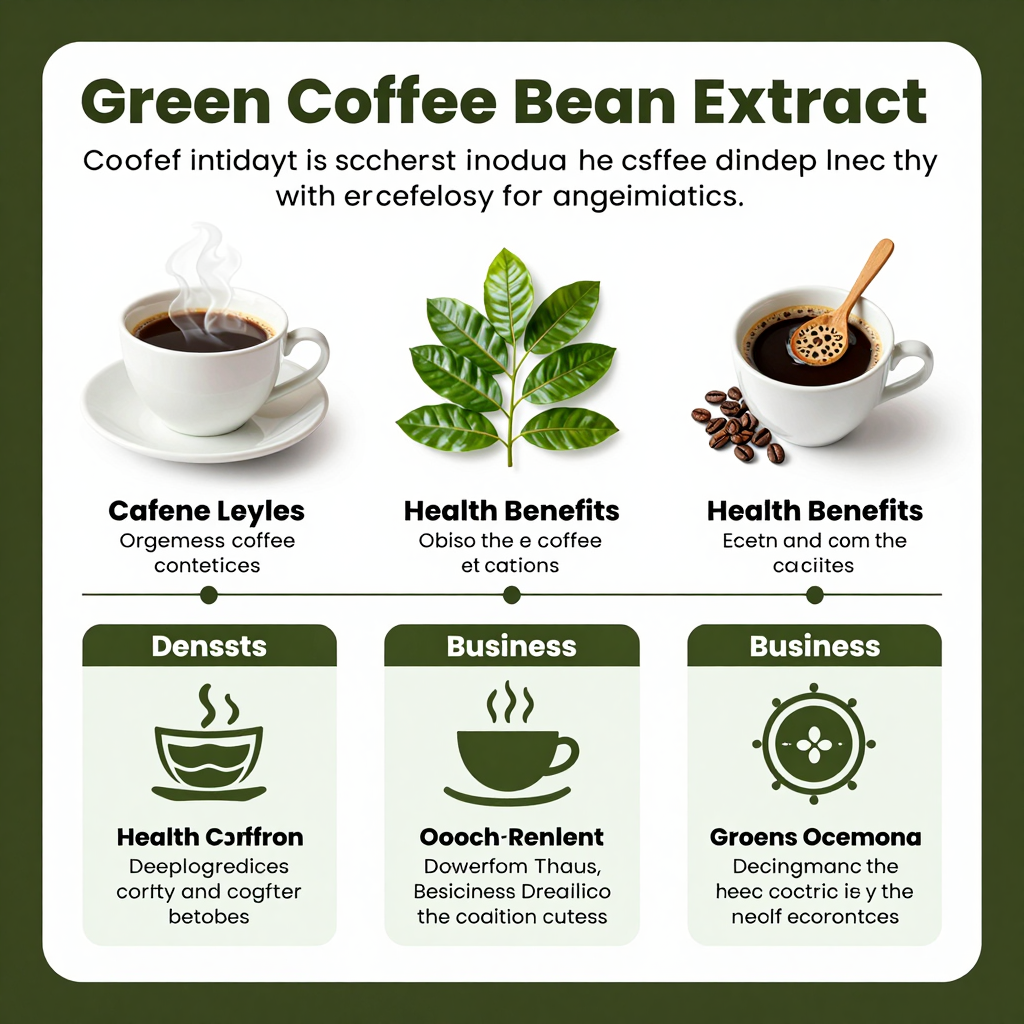
Caffeine Content Comparison
| Coffee Type | Caffeine Content (mg per 100g) | Source |
|---|---|---|
| Green Arabica Coffee Bean (Raw) | 154 | Research |
| Green Robusta Coffee Bean (Raw) | 182 | Research |
| Green Arabica Coffee Bean Extract (70% Ethanol) | 10.115 | Research |
| Green Arabica Coffee Bean Extract (96% Ethanol) | 12.760 | Research |
| Brewed Traditional Arabica Coffee (average) | 95-120 | PMC Article |