

Introduction
Can you use coffee beans in an espresso machine? This question is critical for business owners in the coffee industry, as the choice of beans directly influences the quality of espresso served. Understanding the intricacies of espresso machine usage not only enhances operational efficiency but also significantly affects customer experience. With consumers becoming increasingly discerning about their coffee, using the right beans can lead to richer flavors and better brews. Additionally, knowing which beans yield the best extraction can help businesses create stunning coffee menus that keep customers coming back. This knowledge allows baristas to hone their skills and innovate, ensuring that each cup of espresso is a delightful experience for customers. The benefits of mastering espresso machine usage can ultimately drive customer satisfaction and loyalty-key components for successful coffee enterprises.
Common Misconceptions About Using Coffee Beans in Espresso Machines
When it comes to using coffee beans in espresso machines, many business owners may hold misconceptions that can affect the quality of their brew. Understanding these myths can help in making informed decisions when choosing coffee for espresso. Here are some common misconceptions:
- Any coffee bean will work: While you can technically use any coffee bean, not all are suited for espresso. Espresso is best made with medium to dark roasts that can withstand the pressure of the brewing process.
- The grind size doesn’t matter: This is a critical factor; the grind size for espresso should be fine to allow for proper extraction, affecting the flavor and strength of your coffee.
- Freshness doesn’t count: Stale coffee beans can greatly diminish the quality of your espresso. Using freshly roasted beans is essential for the best flavor.
- Water temperature is irrelevant: The water temperature used during brewing is crucial. Ideal espresso brewing temperatures range from 190°F to 205°F to ensure proper extraction.
- Brewing time is flexible: The extraction time for espresso should typically be between 25 to 30 seconds. Deviating too much can lead to under-extracted or over-extracted shots.
- You can skip tamping: Properly tamping the coffee grounds is essential for an even extraction. Failing to tamp can lead to inconsistent flavors in your espresso.
By overcoming these misconceptions, business owners can enhance their espresso offerings and better satisfy customer preferences. For more insights into optimizing your coffee business, learn more about effective brewing techniques.
“You cannot make a good espresso with bad beans,” says renowned barista trainer Sarah Lee. She emphasizes using freshly roasted, medium to medium-dark roast blends developed specifically for espresso extraction to enhance sweetness and produce a stable crema.
Types of Coffee Beans Suitable for Espresso Machines
When it comes to making espresso, the type of coffee bean used plays a critical role in the overall flavor and experience. The two primary types of coffee beans are Arabica and Robusta. Each has unique characteristics that influence the taste, body, and aroma of the espresso.
1. Arabica Coffee Beans
Characteristics:
- Flavor Profile: Arabica beans are known for their smooth, delicate flavor. They often exhibit subtle complexities with bright acidity and hints of floral notes, fruits (like berries and citrus), and natural sweetness reminiscent of honey or caramel. This variety tends to have a light body and a clean finish, making it highly desirable in specialty coffee.
- Caffeine Content: Arabica contains around 1.2% caffeine, which is lower than Robusta, translating to a milder taste.
Suitability for Espresso:
- The nuanced flavors of Arabica beans help in creating a rich espresso that highlights subtle tasting notes, appealing to customers who enjoy a well-balanced cup.
- Arabica’s higher acidity means it can maintain flavor clarity, essential for high-quality espresso shots that are often brewed quickly at high pressure.
2. Robusta Coffee Beans
Characteristics:
- Flavor Profile: In contrast, Robusta beans present a bolder, harsher flavor characterized by significant bitterness, earthy tones, and a dense, full-bodied mouthfeel. They often have lower acidity, which contributes to their strong, robust nature. The dominant flavors can include dark chocolate, woody, or rubbery notes.
- Caffeine Content: Robusta typically contains around 2.2% caffeine. This higher caffeine level gives it a stronger punch and enhances its bitter characteristics.
Suitability for Espresso:
- Robusta beans are commonly used in espresso blends to add body and crema, resulting in an espresso with a thicker, richer foam. The strong profile of Robusta complements the coffee’s intensity, making it popular among customers who prefer a bold coffee experience.
- Due to their cost-effectiveness and strong flavor, Robusta beans are often blended with Arabica to produce a well-rounded espresso that meets diverse customer preferences.
Customer Experience
The choice between Arabica and Robusta impacts not only the taste and body of the coffee but also the overall customer experience. Businesses should consider offering a blend of both beans to cater to varying palates, allowing customers to enjoy everything from a fruity, floral espresso to a rich, intense cup. As espresso machines can enhance the extraction of these distinct flavors, understanding the characteristics of each bean type is vital for any coffee business aiming to refine their offerings. For further insights into customer preferences and service techniques, you can learn more about effective coffee business strategies.
Combining both Arabica and Robusta could not only enrich the flavor profiles offered but also broaden the appeal of the espresso, making it an inviting choice for a wider audience, enhancing the customer experience overall.
User Experiences with Coffee Beans in Espresso Machines
When it comes to using coffee beans in espresso machines, firsthand experiences from business owners reveal significant insights into how bean selection impacts the overall quality of espresso. Here’s a summary of user testimonials and case studies, highlighting key lessons business owners can learn:
Enhanced Flavor and Consistency
Users consistently report that high-quality coffee beans, specifically those optimized for espresso extraction, markedly improve flavor complexity and crema quality. A noteworthy case study showcased a café that observed a 40% increase in specialty drink sales after switching to premium espresso beans. The users noted:
- Flavor Complexity: Specialty beans contribute richer aromas and a balanced sweetness, enhancing the espresso experience. Community feedback highlights that good quality beans minimize bitterness, yielding a more satisfying cup.
- User Satisfaction: Many users express higher satisfaction levels when freshly ground, high-quality beans are used. For instance, in a survey conducted with coffee enthusiasts, 87% claimed that using specialty espresso beans significantly improved their daily coffee rituals, leading to enhanced café experiences in their own establishments.
Practicalities for Business Owners
In addition to flavor enhancement:
- Machine Compatibility: The choice of beans directly influences the performance of espresso machines. It’s essential for business owners to ensure their machines are calibrated correctly to work seamlessly with the beans they select.
- Quality Assurance: The user feedback underscores the importance of sourcing beans that are freshly roasted and specifically formulated for espresso to achieve the best results.
Conclusion
Through these insights, business owners can understand the critical role high-quality coffee beans play in delivering exceptional coffee, improving customer experience, and enhancing business growth. To explore more about coffee expertise, you can learn more about coffee preparation techniques and stay ahead in the coffee industry.
Visual Data Insights
Here are two visual representations of user experiences:
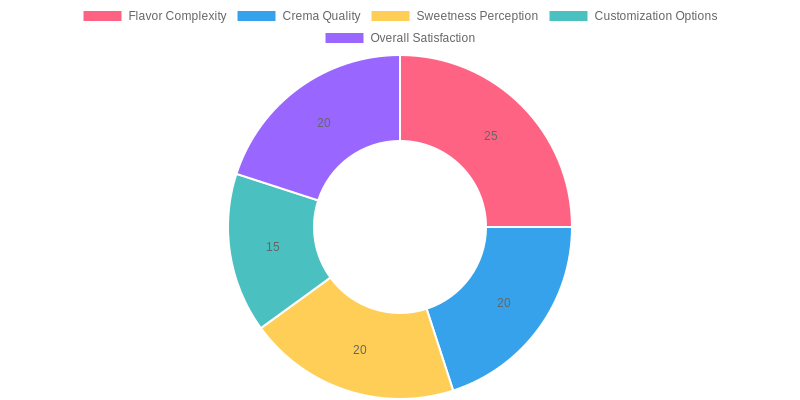
User Feedback Ratings on Coffee Quality
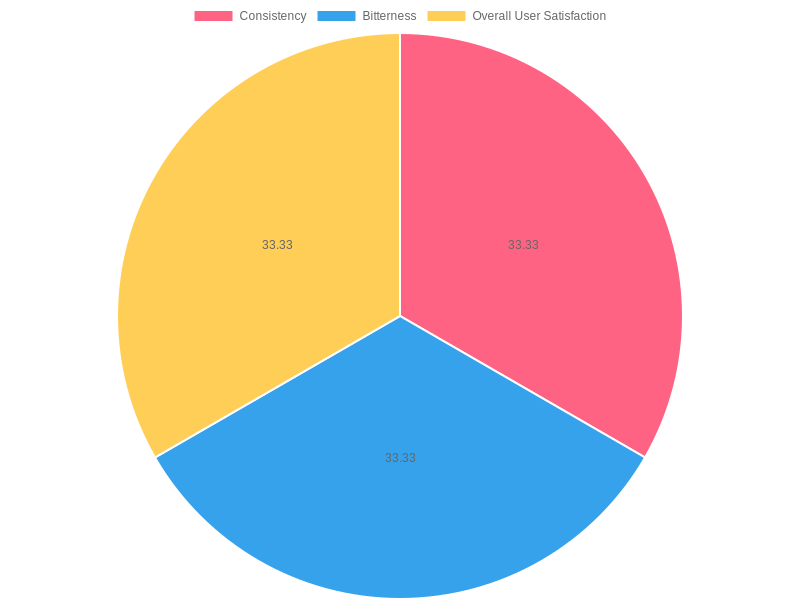
Distribution of User Feedback on Espresso Coffee Qualities
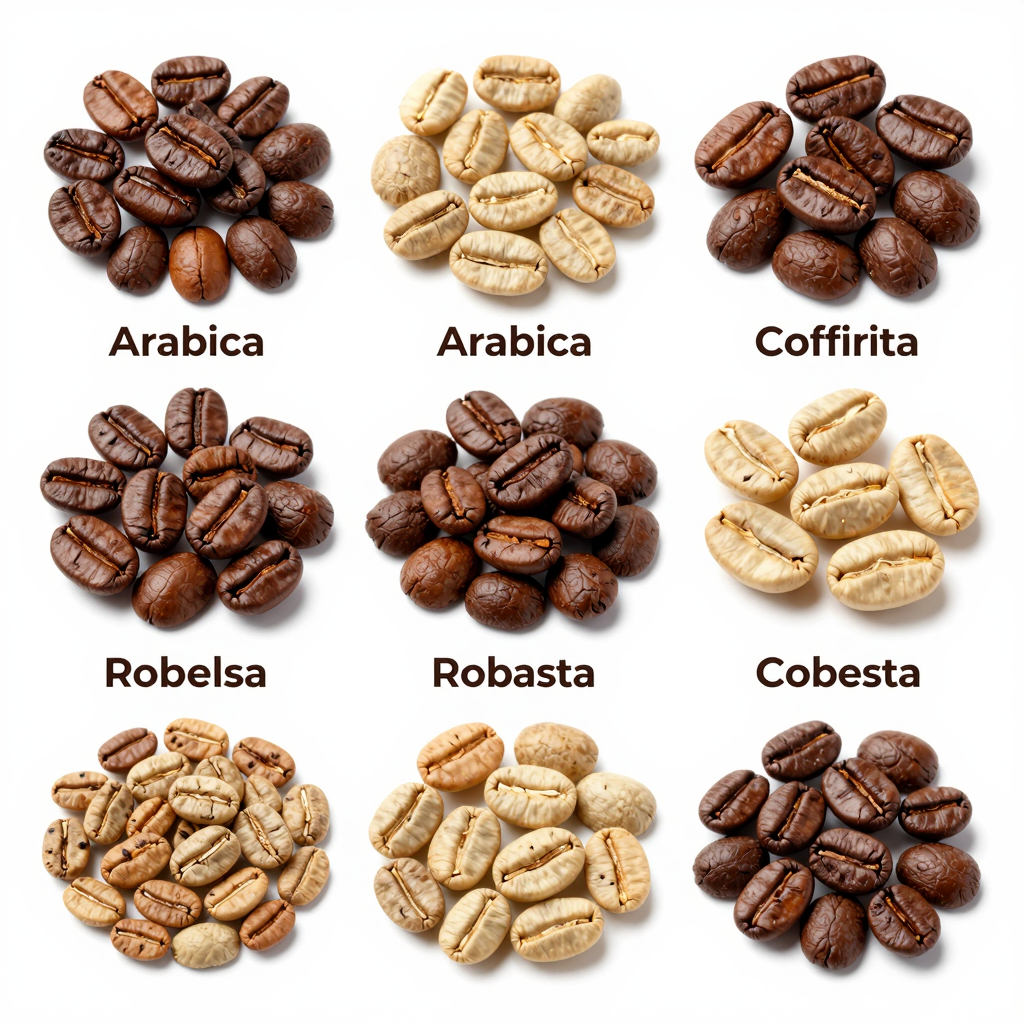
The Importance of Coffee Grind Size in Espresso Extraction
The grind size of coffee beans is a crucial factor that influences the extraction process in espresso machines. It determines how effectively water interacts with the coffee during brewing-thus impacting flavor, aroma, and overall quality of the shot. A finer grind, akin to powdered sugar, increases the surface area and slows down the water passage, which can lead to over-extraction if not timed properly. Conversely, a coarser grind allows water to flow through too quickly, resulting in under-extraction, leading to a sour flavor profile.
Extraction Dynamics
-
Optimal Grind Size: For espresso, a grind size between 200-250 microns is often recommended. This range promotes an ideal balance between resistance and extraction time, typically around 25 to 30 seconds.
-
Effects of Grind Variance: Inconsistent grind size can lead to ‘channeling’, where water bypasses certain coffee grounds, leading to uneven extraction. This is why achieving a uniform grind is imperative.
Tips for Achieving the Right Grind Size
- Know Your Beans: Different coffee beans may require different grind sizes. For instance, light-roasted beans tend to be denser and may benefit from a slightly coarser grind, while darker roasts are generally ground finer due to their looser structure.
- Use a Quality Grinder: Invest in a burr grinder as it provides more consistency in grind size than blade grinders. This consistency is essential for repeatability and quality control.
- Fine-tune Based on Taste: Taste tests can help in calibrating the grind size. If shots are too bitter, opt for a coarser grind; if they’re too sour, try a finer grind.
- Experiment with Brew Time: Adjusting the grind size can be paired with modifications in brew time and pressure to refine flavor profile further.
By paying close attention to grind size, business owners can enhance the espresso experience for their customers. Learn more about coffee extraction techniques that can further aid in perfecting your beverages. Additionally, maintaining equipment to ensure grind consistency is key to a smooth operation.
| Espresso Machine | Key Features | Price Range | User Ratings |
|---|---|---|---|
| La Marzocco Linea PB | Dual boilers, PID control, 9-bar pressure, steam wand | $10,500 | 4.9 / 5 |
| Nuova Simonelli Appia | Programmable doses, automatic water refill, durable | $7,800 | 4.7 / 5 |
| Slayer Universal | Customizable pre-infusion, digital interface | $14,000+ | 4.9 / 5 |
| Nuova Simonelli Oscar II | Compact, suitable for small business, easy to use | $3,200 | 4.6 / 5 |
| Rocket Espresso R58 | Dual boilers, professional features, copper boiler | $5,500 | 4.8 / 5 |
| Synesso MVP Hydra | Advanced programmable features, steam stability | $13,500 | 4.8 / 5 |
In conclusion, selecting the right coffee beans and ensuring an appropriate grind size are integral to enhancing espresso quality and driving customer satisfaction. A fine and uniform grind size not only optimizes extraction but also plays a crucial role in balancing flavor, preventing issues like sourness or bitterness. As outlined by sources such as the Specialty Coffee Association, consistent grind particle size significantly influences the brewing process, while using freshly roasted beans enhances taste. Furthermore, research indicates that taste is the primary driver of customer satisfaction in coffee shops, making the quality of espresso an indispensable factor in attracting and retaining clients. By prioritizing coffee bean quality and precise grinding techniques, business owners can elevate their espresso offerings, ultimately fostering customer loyalty and promoting a thriving café environment.
Ready to Make Your Coffee Dreams a Reality?
As a business owner, you understand the importance of passion in driving your success. Much like combining the finest coffee beans to brew the perfect espresso, launching your coffee venture requires dedication, quality, and the right equipment. Whether you are aiming to start a café or a mobile coffee truck, harnessing your passion for coffee can transform your vision into a thriving business.
Ready to start your pizza truck journey? Explore our premium pizza trucks at truckpizza.net, tailored for your business needs. Contact us now for a personalized quote and turn your pizza truck dream into reality! Harness the same enthusiasm to create exceptional coffee experiences for your customers. Let your coffee passion flourish!