
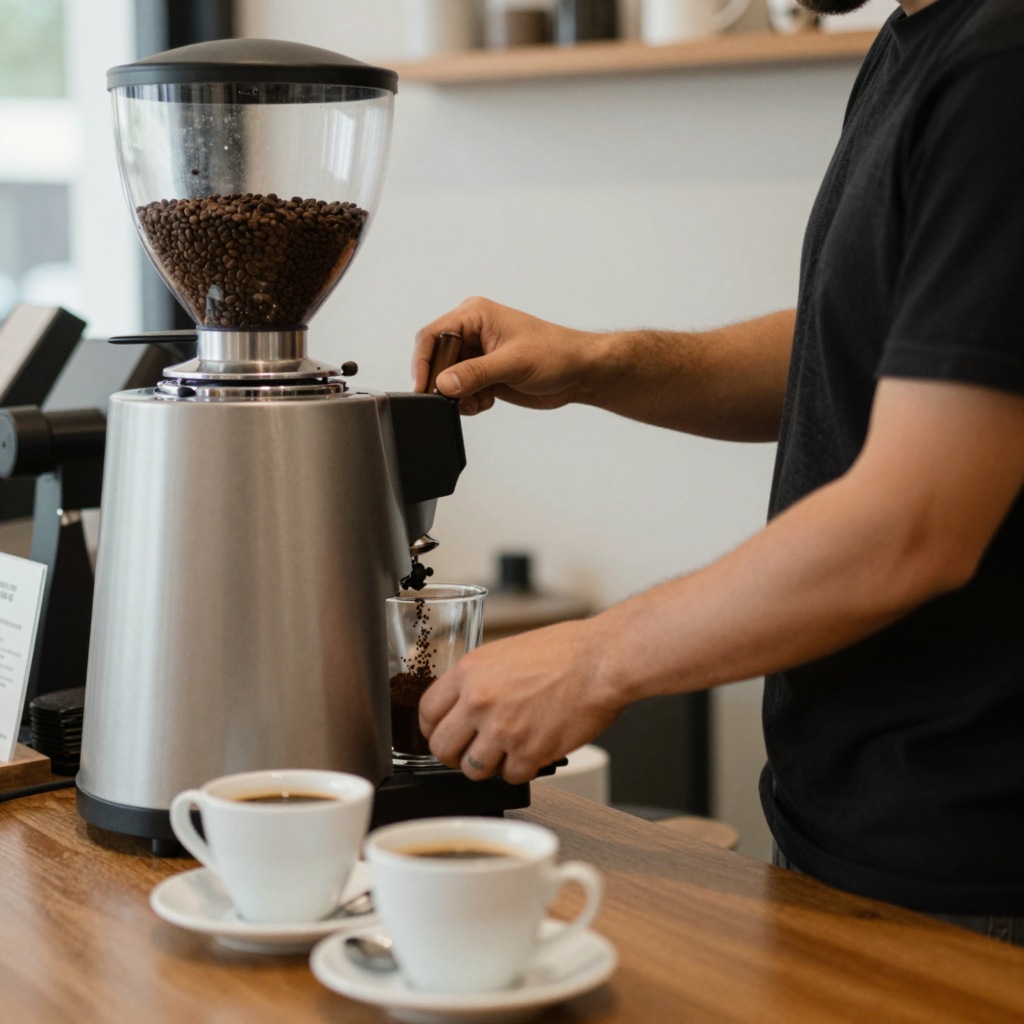
Coffee lovers know that the right grind can make or break the brew. But for business owners in the food industry, particularly those who offer coffee as part of their offerings, this knowledge translates into a significant advantage. Grinding coffee beans with a food processor isn’t just a creative workaround; it’s an opportunity for efficiency and flavor enhancement. A food processor can produce consistent results, enabling café and restaurant owners to deliver a freshly ground coffee experience that delights customers. In this article, we’ll explore the nuances of using a food processor for coffee grinding, the benefits it brings to your establishment, and even some tips on achieving the best grind consistency. Understanding how to utilize kitchen tools effectively can not only improve the quality of your coffee but also streamline operations and reduce wait times. So, let’s dive in and discover how this simple kitchen appliance can enhance your coffee offerings, ultimately boosting customer satisfaction and helping your business thrive.
Benefits of Grinding Coffee Beans for Business Owners
For business owners in the coffee industry, understanding the benefits of grinding coffee beans is crucial for maximizing quality and customer satisfaction. Freshly ground coffee not only elevates the experience for customers but can also impact the bottom line positively in a variety of ways.
Freshness
Grinding coffee beans just before brewing is essential to preserve their volatile aromatic compounds, which degrade rapidly once ground. This guarantees a fresher, more flavorful cup that can significantly enhance the customer experience. The richer aromas and flavors of freshly ground coffee can foster customer loyalty and repeat business.
Flavor Enhancement
Freshly ground beans offer a more nuanced flavor profile. The uniform particle size achieved with a quality grinder ensures optimal extraction during brewing, which enhances the overall taste experience. This can be a pivotal selling point in attracting discerning coffee drinkers who appreciate quality over convenience.
Cost-Effectiveness
Business owners can often save money by purchasing whole beans in bulk rather than relying on pre-ground coffee. Not only is this typically more economical, but it allows for better control over the grind size and usage. By reducing waste in this manner, owners can ensure consistent quality while minimizing unnecessary expenses associated with convenience fees for pre-ground products.
Customization & Consistency
Grinding coffee to the desired coarseness allows businesses to tailor their offerings to specific brewing methods (e.g., espresso, pour-over). This level of customization not only improves the extraction efficiency but also ensures consistency across all customer orders, which is vital for maintaining quality and reputation.
For more insights into how to enhance your coffee service, learn more about the role of freshness in coffee quality and explore cost-effective strategies for coffee businesses.
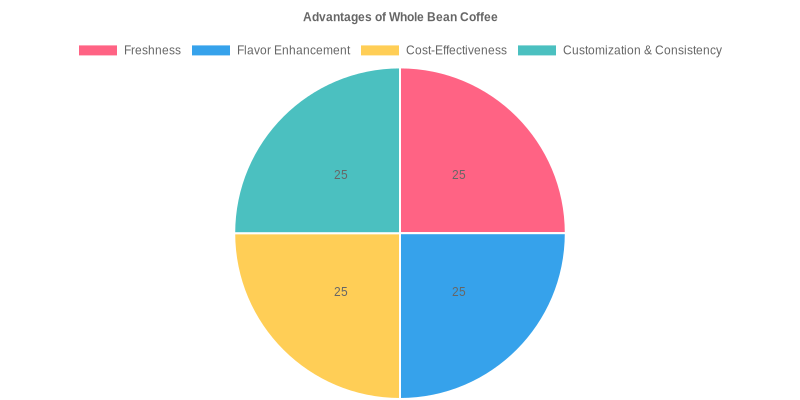
Chart depicting the key advantages of grinding coffee beans for businesses.
Common Coffee Grinding Methods
-
Burr Grinder:
This method uses two revolving abrasive surfaces to grind coffee beans. Burr grinders provide a consistent grind size, making them ideal for various brewing methods, from espresso to French press. -
Blade Grinder:
A common household tool, blade grinders use sharp blades that spin to chop the coffee beans. While convenient and affordable, they can produce uneven grind sizes. -
Food Processor:
Although not specifically designed for grinding coffee, food processors can be used successfully. They allow for larger batches but may yield varying grind sizes depending on processing time. -
Blender:
Similar to food processors, blenders can grind coffee beans as well. However, achieving a uniform grind can be tricky without a pulse setting, often resulting in inconsistencies in the grind. -
Mortar and Pestle:
This traditional method allows for hand grinding coffee beans into a fine powder. It requires more effort and careful technique but offers more control over the grind size. -
Coffee Mill:
These manual devices are designed specifically for grinding coffee. They provide an enjoyable and engaging way to grind beans, and many enthusiasts prefer them for the fresh aroma they preserve. -
Electric Coffee Grinder:
Electric grinders are fast and efficient for producing ground coffee quickly. They often come with different grinding settings, allowing for customization depending on brewing preferences.
For business owners involved in the coffee industry, understanding these grinding methods can enhance customer recommendations and product offerings. Each method has its benefits and limitations, impacting flavor and brew quality. For more insights on tools that support various coffee preparation techniques, you might want to learn more about occupational therapy tools.
If you’re interested in exploring how different grinding methods affect mental health in occupational therapy, check out how occupational therapy supports mental health.
Comparing Food Processors and Coffee Grinders
When it comes to kitchen appliances, food processors and coffee grinders serve distinct purposes, but their features can sometimes overlap. Below is a comparison focusing on three main aspects: efficiency, cost, and ease of use.
Efficiency
- Food Processors: Known for their multifunctionality, food processors can chop, slice, shred, and mix, making them efficient for various culinary tasks. They have powerful motors that can handle larger volumes of food, making them suitable for batch processing.
- Coffee Grinders: Specifically designed for grinding coffee beans, these grinders are optimized for this specific task, allowing them to produce a consistent grind size, which is crucial for brewing great coffee. Dedicated coffee grinders can be more efficient for this singular purpose than food processors, which may struggle to achieve the same grind consistency.
Cost
- Food Processors: Generally, food processors can be more expensive due to their multifunctionality. Prices can range from $50 to over $500 depending on the brand, features, and size.
- Coffee Grinders: Typically, coffee grinders are less costly, with prices ranging from about $20 to $200. The cost is often dependent on whether the grinder is blade-based or burr-based, with burr grinders being more expensive due to their superior performance.
Ease of Use
- Food Processors: While they offer versatility, food processors can be more complex to operate, with multiple attachments and settings. This may require a learning curve for new users.
- Coffee Grinders: Coffee grinders typically are straightforward to use. With fewer settings and a simpler design, users can easily grind their coffee beans to their desired consistency without much hassle.
In summary, if you frequently prepare a variety of foods and need a versatile appliance, a food processor may be your best option. However, for coffee enthusiasts who prioritize grind quality and consistency, a dedicated coffee grinder is more suitable. Understanding these differences can help business owners choose the right tool for their kitchen needs.
Grinding coffee beans is a crucial step in brewing the perfect cup of coffee. Business owners must consider the grinding method, as it can significantly impact flavor and aroma. Using a food processor can be a convenient option for grinding coffee beans, but it’s essential to understand the nuances.
Food processors can effectively grind coffee beans to achieve a coarse or fine texture, depending on your requirements. However, they may not provide the same consistency as a dedicated coffee grinder. This inconsistency can affect the extraction process during brewing, leading to an uneven flavor profile in the final cup.
For a detailed guide on grinding techniques and achieving the best flavors, learn more about topic.
In summary, while a food processor is a practical alternative, investing in a quality coffee grinder may yield better results, especially for businesses prioritizing coffee quality.
How to Grind Coffee Beans in a Food Processor: A Step-by-Step Guide
Grinding coffee beans in a food processor can be an effective way to achieve a fresh brew, especially for business owners who may not have specialized equipment. Here’s how to do it best:
1. Select Your Beans
- Choose high-quality whole coffee beans according to your preference for flavor. Medium to dark roast beans generally provide a rich taste.
2. Measure the Coffee Beans
- Measure out your coffee beans, typically about 2 tablespoons per cup of water. Adjust based on your strength preference.
3. Prepare the Food Processor
- Ensure your food processor is clean and dry. This prevents any unwanted flavors from affecting the coffee beans.
4. Add the Beans
- Place the measured coffee beans into the food processor bowl. Avoid overfilling to ensure even grinding.
5. Pulse the Processor
- Use the pulse function to grind the beans. Start with short bursts of about 1-2 seconds, then check the consistency. This helps prevent overheating and ensures an even grind.
6. Check the Grind Size
- For a coarse grind (ideal for French press), aim for a gritty texture. For a medium grind (great for drip coffee), it should resemble sugar. A fine grind (best for espresso) should look like flour.
7. Grind in Batches if Necessary
- If you have a larger quantity of beans, grind them in smaller batches. This ensures even grinding and avoids overheating.
8. Clean the Food Processor
- After grinding, clean your food processor immediately to prevent coffee oils from lingering, which can affect future flavors.
Tips for Best Results:
- Cooling: If you’re grinding large amounts, allow the food processor to cool down every few minutes to prevent overheating.
- Consistency: Remember that a food processor may not achieve the same level of consistency as a burr grinder. For better results, consider a dedicated coffee grinder in the future.
Conclusion
Grinding coffee beans in a food processor is straightforward and effective, making it a practical choice for business owners who want to offer fresh coffee. Ensuring proper technique will help you achieve the best flavor profile from your beans.
When it comes to grinding coffee, the consistency of the grind is crucial for achieving the desired flavor profile. Here’s a general overview of the typical consistency you might expect from different methods:
-
Food Processor:
-
Tends to produce uneven grinds. Mostly coarse to medium grind levels.
-
Best for larger batches but lacks precision.
-
Blade Grinder:
-
Produces a mix of fine and coarse grinds, generally inconsistent.
-
Suitable for general home use, but less ideal for espresso.
-
Burr Grinder:
-
Offers a uniform grind size which is essential for brewing methods like espresso.
-
Preferred by coffee enthusiasts for its precision and control.
While a food processor can be a versatile kitchen tool, it falls short in producing the consistent grind required for specialty coffee brewing methods. A burr grinder is typically recommended for business owners who want to ensure quality in their coffee offerings.
For those interested in understanding more about how different tools can affect outcomes, consider exploring tools and equipment for occupational therapists.
The Importance of Grind Size in Coffee Brewing
The grind size of your coffee beans can significantly influence the taste, aroma, and overall quality of your coffee. A well-ground coffee allows for optimal extraction of flavors and essential oils during the brewing process.
- Coarse vs. Fine Grind: A coarser grind is ideal for methods like French press, where longer brewing times are involved, while finer grinds suit espresso machines that use pressure.
- Consistency Matters: Consistent particle size is crucial. Uneven grinds can lead to over-extraction (bitter flavors) or under-extraction (sour flavors), affecting the coffee’s balance.
- Freshness Impact: The grind size also affects how quickly coffee begins to oxidize. Freshly ground coffee retains more flavor, especially when brewed immediately.
As business owners in the coffee industry, understanding these nuances can help enhance your product offerings and customer satisfaction. Educating customers on grind size can also create a better experience as they explore different brewing methods.
For more information on coffee specialty topics, learn more about brewing techniques.
In conclusion, grinding coffee beans in a food processor offers a practical and efficient solution for business owners looking to enhance their coffee offerings. Not only does it provide the flexibility of achieving different grind sizes to cater to various brewing methods, but it also allows for fresh coffee experiences that are vital in today’s competitive market. Investing in a good food processor can serve dual purposes, potentially reducing kitchen equipment costs while maximizing the quality of beverage preparation.
Moreover, the ability to grind coffee beans directly before brewing ensures that the flavors and aroma are preserved, leading to a superior product that customers will appreciate. This fresh coffee phenomenon can significantly elevate a business’s reputation and encourage repeat customers.
For entrepreneurs in the food and beverage industry, understanding the impact of freshly ground coffee can be a game changer. Take your coffee offerings to new heights by leveraging a food processor for this essential task and watch your business thrive!
Discover Premium Pizza Trucks
Are you ready to elevate your culinary business? At TruckPizza.net, you’ll find a curated selection of premium pizza trucks that promise the highest quality in both service and ingredients. Just like a great cup of coffee enhances your day, exceptional ingredients are fundamental to crafting delicious pizzas that keep your customers coming back for more.
With the right tools and a commitment to quality, your business can thrive. Take the leap today and explore our offerings, ensuring your venture is fueled by the finest coffee and pizza available in the market. Don’t settle for less; invest in quality for your food truck today!