

Introduction
When it comes to understanding coffee, many business owners find themselves navigating a sea of misconceptions, particularly regarding espresso beans and their relationship to other coffee types. While some may assume that espresso beans are simply a stronger version of regular coffee beans, the reality is much richer and more complex. Espresso beans are typically roasted darker, enhancing their bolder flavors and reducing acidity, but not all dark-roasted coffee beans qualify as espresso. The preparation method-utilizing high pressure to extract flavor-truly distinguishes espresso from other coffee characteristics.
Common myths include the assertion that espresso contains more caffeine than standard coffee; in reality, while espresso delivers caffeine more concentrated than most coffee types by volume, a typical cup of drip coffee often surpasses it in total caffeine content.
By demystifying the differences between espresso and other types of coffee, business owners can better cater to their clientele and enhance their coffee offerings. Learn more about how espresso truly differs from regular coffee and discover the unique qualities that espresso brings to the table in your business.
| Feature | Espresso Beans | Coffee Beans |
|---|---|---|
| Definition | Generally refers to coffee beans roasted for espresso brewing. | General term for coffee beans used in various brewing methods. |
| Roasting Process | Typically dark roasted to enhance rich flavors. | Can be light, medium, or dark roasted depending on the desired flavor profile. |
| Flavor Profile | Bold, rich flavors with notes of chocolate, caramel, and nuts. | Varied taste depending on roast level and bean type; can include fruity, nutty, or floral notes. |
| Grind Size | Very fine grind for optimal espresso extraction. | Coarse to medium grind for drip, medium to fine for pour-over. |
| Brewing Method | Brewed under high pressure (9 bars) for a short time (25-30 seconds). | Brewed using various methods like drip, French press, or pour-over, which take longer and use gravity. |
| Caffeine Level | Higher caffeine concentration due to the brewing method. | Varies, but typically lower caffeine concentration per ounce than espresso due to brewing time. |
| Acidity | Generally lower acidity due to dark roasting. | Acidity can vary widely based on bean origin and roast level. |
The History of Coffee and Espresso Production
Origins of Coffee
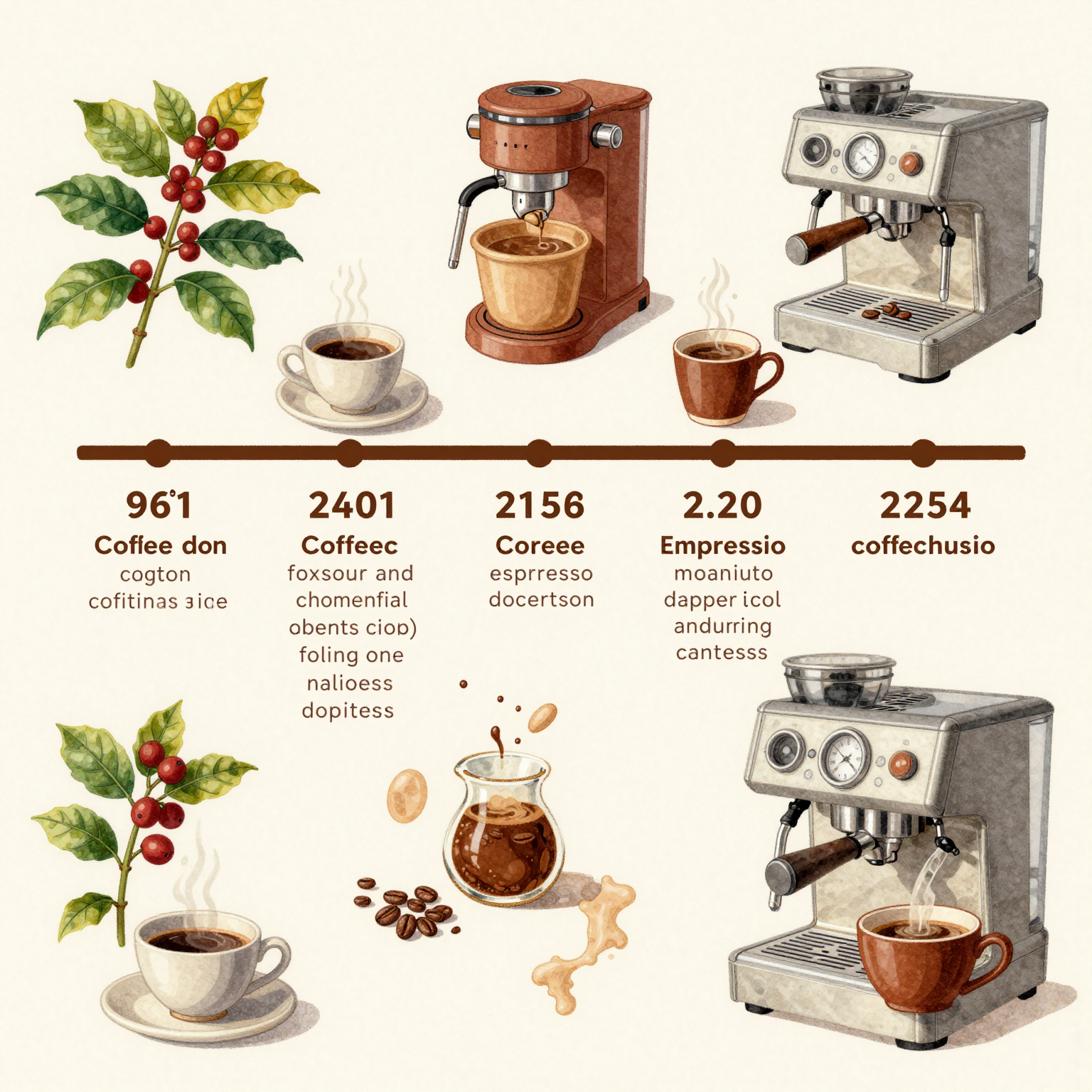
Coffee has a rich and fascinating history that begins in the 9th century in Ethiopia. Legend has it that a goat herder named Kaldi discovered coffee when he noticed his goats became unusually energetic after consuming coffee cherries. This led to coffee being cultivated and brewed first in Yemen, where it began to be roasted and brewed as we know it today. By the 15th century, the port city of Mocha became a significant trade center for coffee, facilitating its spread across the Arabian Peninsula and beyond to Persia and Turkey, where it birthed a culture of coffeehouses that became popular social spots known as “penny universities.”
Espresso Development
The modern espresso machine was invented in Italy in the late 19th century. In 1901, Luigi Bezzera patented the first espresso machine, and Desiderio Pavoni introduced a commercial variant in 1905. The true revolution came in 1938 when Achille Gaggia introduced a lever system that applied high-pressure extraction, producing the rich crema that is characteristic of espresso today. This innovation set the stage for espresso’s rise in Italian coffee culture and propelled its popularity worldwide.
Major Coffee-Producing Regions
Coffee is primarily produced in regions known as the “Bean Belt,” which lies between the Tropics of Cancer and Capricorn. Today, the major coffee-producing countries include:
- Brazil (38% of global production)
- Vietnam (15% of global production)
- Colombia (9% of global production)
- Indonesia (7% of global production)
- Ethiopia (5% of global production)
These regions enjoy ideal growing conditions, and each coffee-growing area contributes distinct flavors and qualities to the beans based on local climate, soil, and processing methods.
For further insight into sustainable practices in coffee production, learn more about the methods employed in modern coffee farming.
User Preferences: Espresso vs Coffee
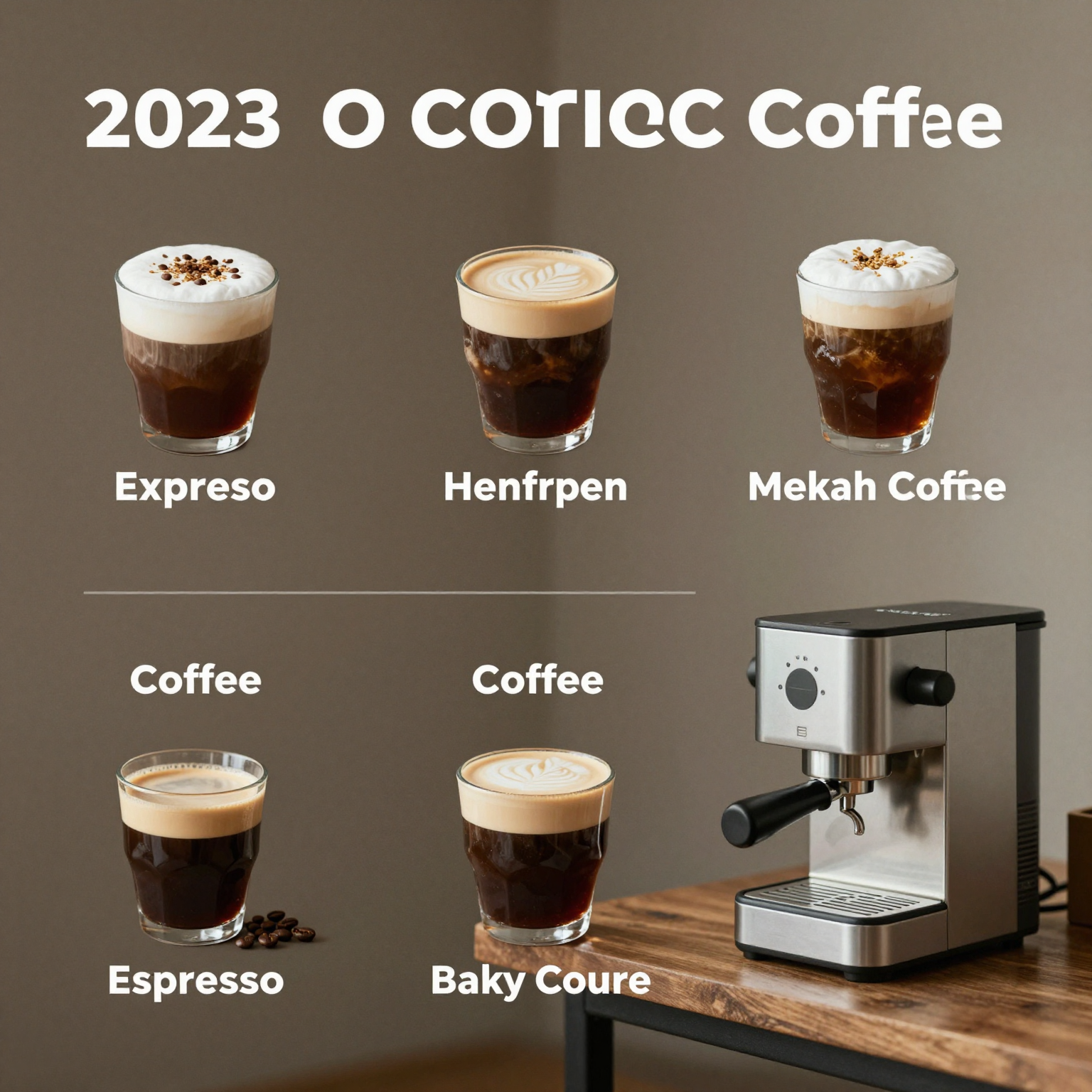
In 2023, preferences between espresso and regular coffee have revealed notable trends that are crucial for business owners in the coffee industry. Espresso-based drinks, such as lattes and cappuccinos, dominate consumer choices, particularly among younger demographics aged 18 to 35. A report from Statista indicates that lattes account for over 40% of specialty coffee sales in regions like North America and Europe. This trend highlights the importance of focusing on espresso-based offerings.
Moreover, health consciousness is increasingly influencing consumers’ purchasing decisions. Many coffee drinkers now prefer low-calorie and plant-based ingredients, with a survey from Mintel showing that 62% of coffee drinkers in the U.S. and UK opt for non-dairy alternatives in at least half of their orders. This shift presents an opportunity for coffee businesses to innovate with healthier, trend-driven menu items.
The rise of automation in coffee preparation cannot be overlooked. The market for automated espresso machines has surged by 15% year-over-year, emphasizing consumers’ desire for quality and convenience. These smart systems enable consistent beverage quality and can help reduce operational costs.
Understanding these preferences can empower business owners to tailor their offerings, enhance customer satisfaction, and stay competitive in an evolving market landscape.
Key Coffee Trends Visualization
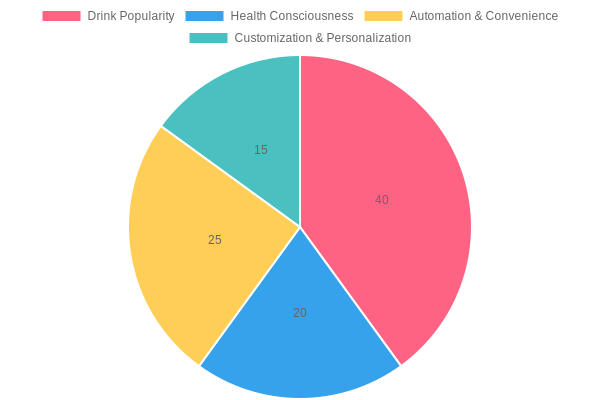
This chart illustrates user preferences in coffee trends for 2023, emphasizing the rise in popularity of espresso drinks, health consciousness, automation, and customization.
Flavor Differences in Espresso and Coffee
When it comes to the world of coffee, the differences between espresso and regular coffee are profound, not just in brewing methods but in the very flavors they present. Understanding these distinctions can benefit business owners in making informed choices for their coffee offerings.
Espresso: A Bold Experience
Espresso is more than just a coffee; it is a rich, concentrated experience. Brewed by forcing hot water through finely ground coffee under high pressure, it delivers a shot of intense flavor in just a small volume. The first thing you will notice is its thick, syrupy body and a golden crema that sits atop the surface. This crema not only adds aesthetic appeal but contributes to the drink’s complex taste.
- Flavor Characteristics:
- Bitterness: Robust and pronounced, often evolving into deeper notes of dark chocolate and roasted nuts.
- Sweetness: Hints of caramel and honey balance the bitter notes, creating a satisfying contrast.
- Acidity: A bright, lively acidity reminiscent of citrus fruits such as lemon or bergamot adds vibrancy to the espresso’s profile.
- Aftertaste: The finish is lingering, allowing the drinker to savor the depth of flavor long after the cup is empty.
Regular Coffee: A Delicate Symphony
In contrast, regular coffee-often brewed through methods such as drip or pour-over-offers a different sensory experience. This style emphasizes clarity and allows for a wide array of flavor notes depending on the coffee beans and origin.
- Flavor Characteristics:
- Balance: Regular coffee usually provides a more balanced flavor profile with subtle notes of floral, fruit, or even earthy qualities.
- Nuance: The longer brewing time extracts these flavors more delicately, spotlighting the intricacies such as berry brightness or herbal undertones.
- Body: The texture is smoother and less viscous than espresso, contributing to a cleaner tasting experience.
Both espresso and regular coffee showcase the artistry of coffee making, appealing to different palates. As a business owner, offering a well-curated selection of these two styles can cater to diverse customer preferences. Understanding these flavor profiles and how they play into tasting experiences is crucial for enhancing your coffee menu. For more insights on coffee offerings, learn more about the role of an occupational therapist in schools.
Brewing Time: Espresso vs. Drip Coffee
Understanding the brewing times for espresso and drip coffee is essential for business owners in the coffee industry who aim to optimize their offerings. Here’s a quick comparison:
| Brewing Method | Typical Brewing Time (seconds) |
|---|---|
| Espresso | 25-30 |
| Drip Coffee | 180-240 |
Key Insights:
- Espresso has a short brewing time of approximately 25 to 30 seconds. This quick extraction results in a concentrated flavor profile, making it popular among coffee aficionados.
- In contrast, drip coffee takes significantly longer, typically ranging from 180 to 240 seconds. This longer brewing time allows for more subtle flavors to develop, appealing to those who prefer a milder cup.
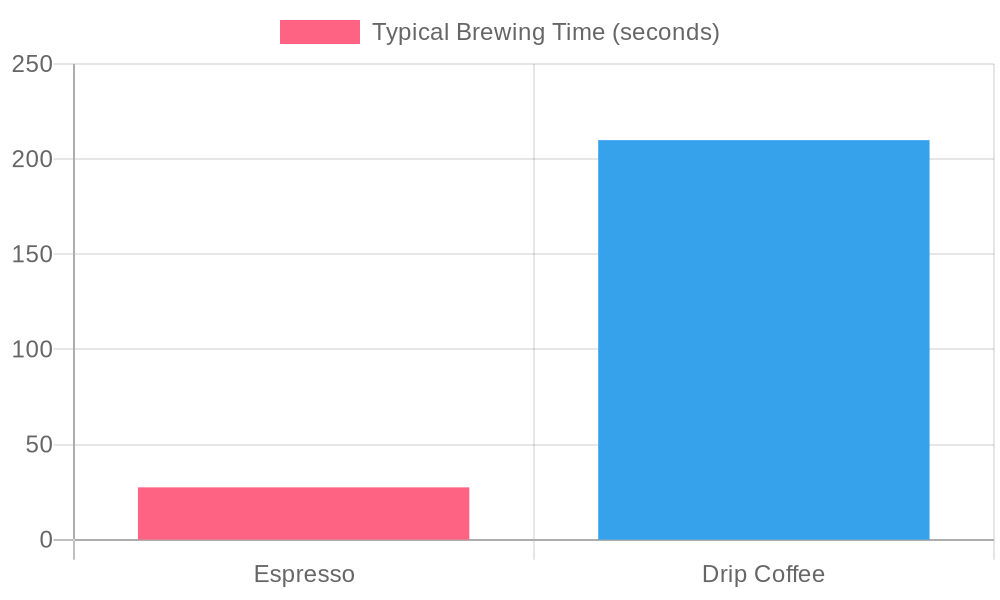
For businesses, understanding these differences can influence menu design, equipment choices, and customer flavor preferences. Consider exploring how menu offerings affect customer choices to maximize profitability.
Espresso and coffee are undoubtedly popular beverages, but there are many misconceptions that surround them. Here are some common misunderstandings:
- Espresso is a different bean: Espresso isn’t a different type of coffee bean; it’s a method of brewing coffee using pressure.
- Espresso contains more caffeine: A shot of espresso has less caffeine than a standard cup of coffee when comparing equal servings.
- All espresso is bitter: Espresso can be rich and flavorful, not necessarily bitter; it depends on the bean and brewing method.
- Espresso drinks are unhealthy: When prepared thoughtfully, espresso drinks can be part of a healthy lifestyle.
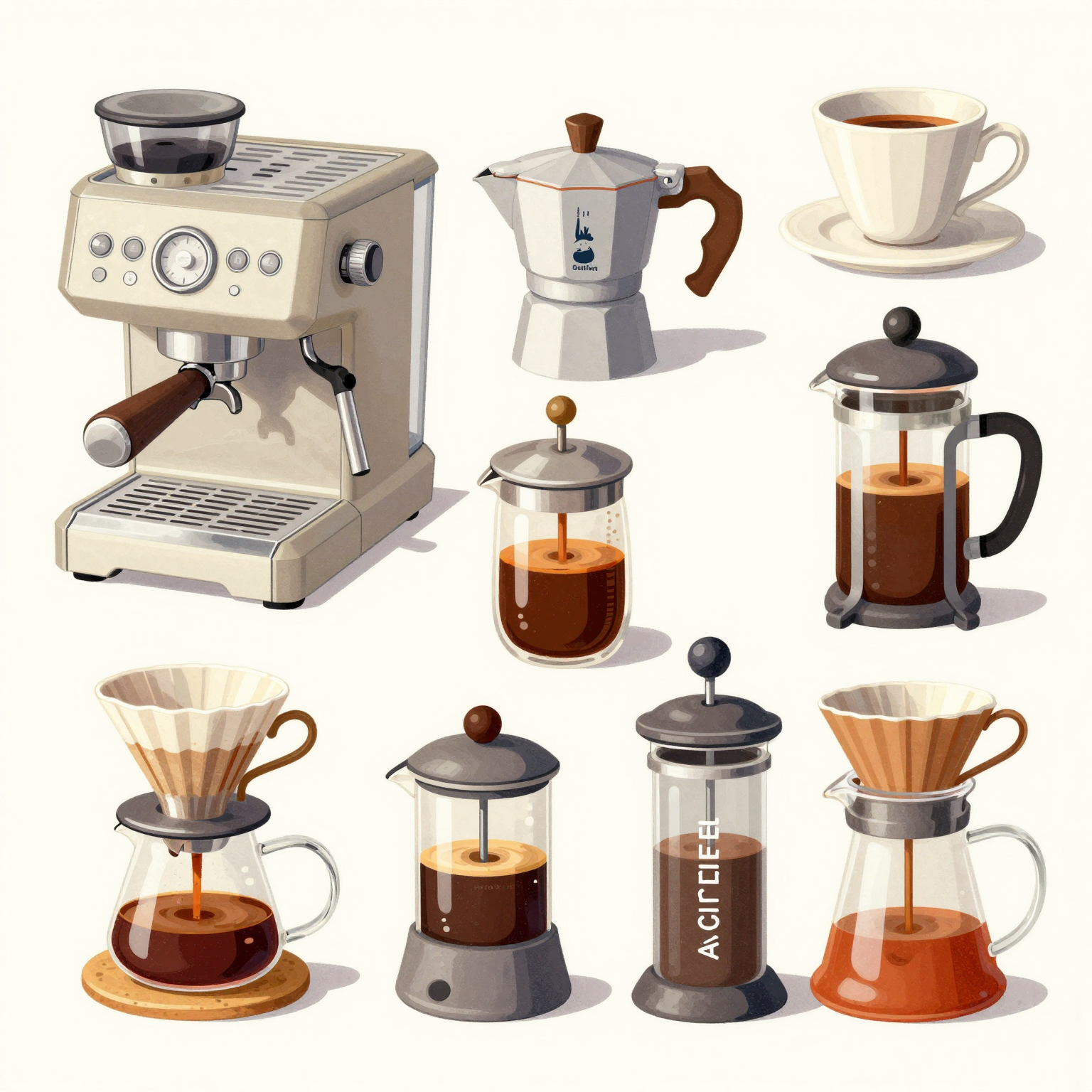
- You can’t brew coffee at home like a barista: With the right equipment and technique, home brewing can match café quality.
For more insights on coffee brewing methods, learn more about various techniques here.
Understanding Coffee Types: Influencing Business Strategies
Understanding the differences between various coffee types-such as espresso, drip, and specialty coffee-can significantly impact business strategies for coffee entrepreneurs and retailers. The coffee industry is characterized by a vast array of products, each catering to different consumer preferences and market segments. Recognizing these distinctions can empower business owners to tailor their product offerings and marketing strategies accordingly, ultimately enhancing their potential for success in the competitive coffee market.
Differentiated Product Offerings
Each coffee type appeals to a unique consumer base, and leveraging this knowledge can lead to more effective product diversification. For instance:
- Espresso-Based Drinks: These are typically enjoyed by coffee aficionados and often served in cafes. By offering a range of espresso-based beverages such as lattes, cappuccinos, and macchiatos, businesses can attract consumers seeking quality and craftsmanship in their coffee experience.
- Specialty Coffee: With an increasing trend toward unique flavors and traceable sourcing, offering specialty coffee can cater to health-conscious consumers who appreciate organic or direct trade options. Brands can create immersive experiences centered around the story of the beans and their origins, which resonate strongly with today’s discerning coffee drinkers.
- Ready-to-Drink: This segment appeals to busy individuals who prefer convenience alongside quality. Stocking popular ready-to-drink options can enhance foot traffic in retail spaces and online shops, as consumers look for easily accessible yet premium options.
Tailored Marketing Strategies
An informed understanding of coffee categories enables businesses to implement targeted marketing strategies. Different coffee types require different approaches:
- Digital Marketing for Instant Coffee: Brands like Nescafé leverage fast-paced advertising highlighting convenience and speed, appealing to consumers who desire quick and easy solutions. Utilizing targeted social media ads can drive sales among busy professionals.
- Experiential Marketing for Specialty Coffee: Companies can focus on the artisanal aspects of their product, engaging customers through tastings and educational campaigns. Showcasing the complexity of coffee preparation and brewing methods fosters a strong connection with consumers who value experience over mere consumption.
- Lifestyle Branding for RTD Coffee: Ready-to-drink coffee brands often collaborate with influencers and focus on lifestyle marketing. Associating their products with active, urban life makes these beverages appealing to younger generations.
Conclusion: Achieving Industry Success
Understanding the nuances of coffee types not only enhances product offerings but also refines marketing strategies that resonate with targeted demographics. By embracing a diverse portfolio and leveraging specific marketing techniques, business owners can navigate the dynamic landscape of the coffee industry successfully. As observed in practices from brands like Blue Bottle Coffee to Starbucks, adapting to consumer trends ensures sustained growth.
This approach not only boosts product visibility but also cultivates a loyal customer base, positioning the business for long-term success in an ever-evolving market.
Conclusion: Unleashing Business Opportunities in the Coffee Realm
In this exploration of espresso versus traditional coffee beans, we’ve delved into the nuances of each type, understanding their differences, and most importantly, how these differences can translate into significant business opportunities. The unique characteristics of espresso, from its brewing process to its consumption preferences, pave the way for various business ventures that can cater to the ever-growing coffee culture.
Key Takeaways
- Understanding Product Differentiation: Espresso is not simply a type of coffee bean but rather a brewing method that enhances the richness of flavors and aromas. This distinction can help business owners market their products more effectively and align them with consumer preferences.
- Market Insights: The espresso coffee machine market is projected to see substantial growth, with estimates reaching approximately $7.39 billion by 2035, compared to traditional coffee makers, which are projected at $19.4 billion. This presents a clear opportunity for businesses to capitalize on the growing demand for espresso-centered offerings, learn more about the coffee market growth.
- Expanding Customer Base: As more consumers gravitate towards specialty coffee experiences, businesses have the chance to innovate by incorporating high-quality espresso-based beverages into their menus, thereby attracting a diverse customer base and increasing customer loyalty.

A Call to Action
To harness these insights and explore the potential of espresso in your business, it’s crucial to adapt and evolve your offerings. Now is the time to consider how you can incorporate espresso into your business model, whether by introducing high-end espresso machines, expanding your menu, or even exploring franchise opportunities with established brands. Don’t miss out on the potential revenue streams that come with understanding the difference between espresso and traditional coffee.
For more useful insights into business opportunities within the coffee industry, dive into our blog on business growth strategies and explore how you can adapt and thrive in this vibrant market.