

For business owners in the coffee industry, employing the right measurements for coffee beans is crucial not only for flavor but also for consistency and customer satisfaction. Understanding how many coffee beans to use per cup can impact everything from cost efficiency to the quality of each cup served. This guide explores the various factors influencing coffee bean measurements, including the brewing method, personal strength preferences, the importance of coffee-to-water ratios, and how to adjust for optimal flavor. Together, these insights will empower you to make informed decisions that elevate your coffee offerings and delight your customers.
Calibrating the Cup: A Practical Baseline for Coffee Bean Dosage by Cup Size
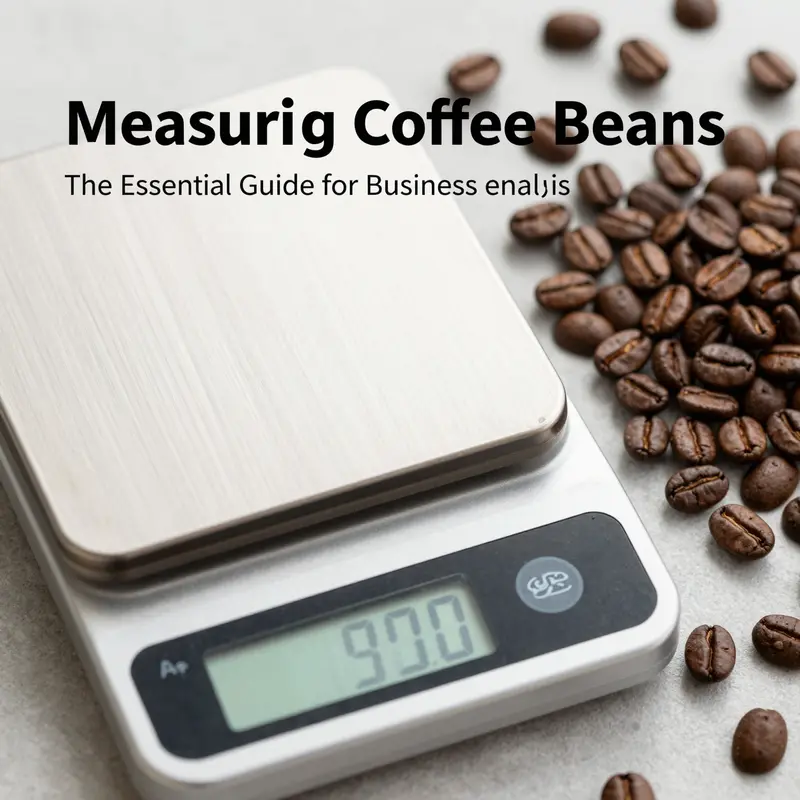
In the kitchen, at the café counter, the most variable variable is not the water or the grinder but the beans themselves. The quest for consistency begins with measurement. Accurate bean weight is the quiet foundation of flavor, balance, and repeatability. While taste is subjective, the industry offers defensible guidelines that anchor a cup in reliability. For a standard eight-ounce cup, the common starting point is roughly 16 grams of coffee beans, with a spectrum from 15 to 18 grams depending on taste and technique. This sits within the well-known Golden Cup ambition articulated by the Specialty Coffee Association, which centers a water-to-coffee ratio around 1:17. In practice, that means for every gram of coffee, roughly 17 grams of water flow through during extraction. If you drop 15 grams into the basket, you’d target around 255 grams of water; with 18 grams, about 306 grams. It is simple arithmetic, but the consequences are anything but simple. The cup of coffee that emerges from the dialed dose is a narrative of extraction time, grind size, water temperature, and the micro-solubility of the beans.
Yet that baseline is not a rigid decree. Coffee is grown with variability, roasted with intent, and ground to a texture that can swing per batch. Different brewing methods lean on slightly different dosages because extraction dynamics change with contact time and surface area. For a classical pour-over, the coffee-water choreography tends to ask for a touch more coffee relative to water than a fully diluted drip brew, nudging many practitioners toward the higher end of the 15–18 gram spectrum for an eight-ounce cup. In the Chemex family, a touch more mass—about 18 grams—often yields that clean, bright cup that pour-over fans chase, especially when the target is a roughly 350 milliliter serving. Espresso, by contrast, lives on a different axis: a tight, highly concentrated brew that relies on a small dose and rapid extraction. A single shot, typically around 7 grams, extracts under pressure into a 30 milliliter shot glass, delivering intensity rather than volume. And the French press, with its coarse grind and longer contact time, invites around 10 grams of coffee per 150 milliliters of water, a ratio that tends toward a richer, more forgiving cup when the brew time stretches.
In the flow of a day in a café or a kitchen, the question becomes not only how much coffee to weigh for a given cup size, but how to maintain that measure consistently. The baseline approach—start with the 1:17 ratio and tune from there—offers a practical compass. It provides a reasonable starting point that respects the science of extraction while acknowledging the art of taste. To translate that into a repeatable workflow, many roasters and baristas rely on precise tools and disciplined processes. A graduated dosing bowl or a digital scale with a fast, reliable readout becomes the anchor. The act of measuring is not a ritualistic flourish; it is the bridge from bean density to flavor profile. Beans do not always behave identically; some varieties drink water more eagerly while others resist, absorbing more or less moisture. When the same water and same time lend different outcomes, the difference rarely lies with water alone. It is the beans that drive absorption, porosity, and surface area during extraction. So the baseline is less a fixed command and more a starting line from which to calibrate.
The standard cup sizes—small around 250 milliliters, medium around 350 milliliters, and large around 450 milliliters—become practical anchors for consistent dosing. If one uses the 1:17 rule, an exact fit shows itself clearly: a 250 milliliter cup pairs well with something near 14 to 15 grams of beans, depending on whether the goal leans toward a leaner or fuller mouthfeel. A 350 milliliter cup invites roughly 20 grams, and 450 milliliters calls for about 25 grams. These figures are not dogma but a framework. The goal is to hold the strength and flavor profile stable as the cup grows or shrinks. A tolerance window of about plus or minus two grams is often a prudent standard in professional settings. Small shifts in dosage plus small shifts in water or grind size compound into noticeable differences in sweetness, acidity, and aftertaste. The key is consistency: keep the volume fixed, and keep the dosage within a narrow band.
To translate this into reliable practice, a brief look at the recommended equipment and workflow can be illuminating. A calibrated dosing tool—whether a digital scale or a precise dosing bowl—lets you add beans with reproducible accuracy. Pair that with a simple record-keeping habit: note the specific bean, roast level, and method, and record the exact grams of coffee used for each cup. Over weeks, an internal database grows, and a barista or home brewer can call up a dosage “profile” for each bean that yields the most balanced sweetness and clarity for that preparation. This is how consistency migrates from a laboratory-like ritual to an everyday habit. The process is not heavy-handed; it is quiet, methodical, and repeatable. Precision, in this sense, is not about rigidly scripting flavor; it is about reducing a source of variation so the cup you taste is the one you intended to taste.
Within this framework, the idea of “adjust for bean type” deserves careful attention. Lightly roasted beans, with their higher acidity, can tolerate a touch more water relative to weight or benefit from a modest increase in dosage to push through the delicate aromatics and unlock body. Dark roasts often read as fuller and bolder with a slightly smaller dosage because their solubility tends to be higher and their flavors more forward; their bitterness is already present, and so a subtle trim in dose helps maintain balance rather than amplifying harsh notes. Similarly, beans from different origins bring distinct solubility profiles and moisture contents. Some beans drink water quickly and reveal bright fruit notes when extraction is brisk, while others demand slower, patient immersion to soften their edges. The essential practice is to perform test brews and capture the results—adjust dosage, log the outcomes, and compare the taste notes across iterations. The aim is not to chase a universal standard but to build a personal map of how each bean responds to your equipment, your grind, and your water.
In the practical rhythms of a café or a home kitchen, a recommended approach to implementation combines intention with measurement. Begin with a standard starting point—say, 16 grams of coffee for an eight-ounce cup, with water in the vicinity of 270 to 275 milliliters to honor the 1:17 spirit. If the brew tastes underpowered or watery, move toward a slight increase in coffee mass or a modest tweak in grind size to slow extraction and deepen sweetness. If the cup reads too bitter or thin in body, you can resize to 15 grams and moderate the grind, or dial back a touch on water while watching for changes in aroma and mouthfeel. The calibrations are iterative steps rather than a single leap. And they come with the reminder that the Golden Cup standard is a guide, not a law written in stone. For a full-bodied, syrupy cup, you may push toward the upper end of the range; for a light, delicate cup, you may encourage a leaner dosing. The aim remains steady: a clean balance where sweetness emerges before bitterness, and where the cup’s aroma lingers with clarity.
In parallel, a mindfulness about the broader sensory framework informs how we measure significance beyond numbers. The Specialty Coffee Association’s cupping protocols offer a benchmark for overall quality, connecting the dots between precise preparation and the taste scores that define specialty coffee. The rough sense is that precise dosing contributes to stable aroma, uniform extraction, and predictability in sensory outcomes. A cup that consistently lands at or above a threshold—typically eighty points on a tasting scale, and often higher for specialty grades—benefits from disciplined preparation. While cupping is a formal evaluation, the underlying principle translates to everyday brewing: control the steps that most strongly influence flavor, and you reduce the chance that random variation will derail your intended profile. The science and the art align here, as measurement and taste test the same premise from different angles.
The practical math of dosage also invites a gentle reframing of the brewing equation. If a cup of coffee can be described as a waltz between coffee solubles and water, then the dosage floor becomes the measure you adjust to invite certain notes forward. For instance, a 250 to 260 milliliter cup, approached with roughly 14 to 15 grams of coffee using the 1:17 scaffold, yields a delicate balance that suits lighter roasts and more nuanced acidity. Step up to a 350 milliliter cup and the 18–20 gram zone tends to produce a broader, more forgiving cup that still carries sweetness and clarity. Push toward a 450 milliliter cup and the 22–25 gram range becomes a practical cap, enabling scale without sacrificing balance. The numbers themselves are not the endgame; they are the language through which we converse with the coffee’s character and the brewer’s intention. When you speak that language with care, the cup begins to taste less like unpredictability and more like a designed product of your precise input.
As you settle into this framework, you will notice how the discipline of measuring beans per cup interacts with the brewing method, the grind setting, and even the water you use. Temperature, filtration, and contact time complete the constellation of variables that influence extraction, but measurement anchors the most capricious one: dose. Even a slight shift—two grams more or less—can alter sweetness, body, and aftertaste. The best practice, then, is to approach each bean with a methodical mind: weigh, grind, rinse, and brew with water that is clean and within a narrow temperature window. Record the outcomes, compare them, and adjust. In short, the baseline becomes a platform for personal optimization rather than a cage for uniformity. Coffee, after all, is a living conversation between bean and brewer, and dosage is how we direct that conversation toward stability.
For those who want a tangible path from theory to practice, this chapter ends with a simple mental map: start with a target range tied to your cup size, use the 1:17 ratio as a practical guide, and treat dosage as a variable to be tuned. Keep the process precise, but keep your palate involved. The goal is not to chase a mythical “perfect” dose across every bean or every morning; it is to develop a trusted routine that yields consistent flavor, and to accept that the beans themselves will bring their own personality to each brew. When you can reproduce the same coffee with the same method and you can explain why a recipe tastes the way it does, you have achieved a quiet mastery over a daily ritual. Closure, in this sense, comes not from a fixed number alone but from understanding how dose interacts with the cup you wish to drink.
For readers who want to ground these ideas in further rigour, the external resources on cupping standards and extraction provide a framework that helps translate measurement into sensory outcomes. These standards remind us that precision is not merely about scale and time, but about harmonizing variables until the cup’s balance is achieved. External resource: SCA cupping guidelines
The Bean-to-Cup Equation: How Brewing Method Rewrites the Scoop

The question of how much coffee beans to use per cup is not a fixed decree carved in stone. It unfolds as a conversation between your palate and the technique you choose. The standard guidance—about 15 to 18 grams for an 8-ounce cup, with 16 grams as a common starting point—gives a practical baseline. That baseline rests on the Golden Cup ideal, a reference point embraced by the Specialty Coffee Association, which translates to a water-to-coffee ratio around 17 to 1. In practical terms, 15 grams of coffee paired with roughly 255 grams of water yields a lighter cup, while 18 grams with about 306 grams of water pours a bit more intensity into the cup. Yet these numbers are stepping stones, not rigid laws. Different brewing methods demand different ways of engaging with the same bean, and that is where the bean-to-cup equation begins to bend and reframe itself. The pursuit of the right amount, therefore, is a personal experiment that aligns weight with technique, water with time, and aroma with the exact demands of your chosen method. The simple math of 1 gram of coffee to 17 grams of water anchors the starting point, but the actual equation you end up solving depends on what you want from the cup and how you coax the flavors from the grounds as you brew.
The conversation grows more precise once you bring the method into the frame. A pour-over, for instance, often benefits from a slightly larger dose when you’re aiming for a clean, lucid cup, because a slower, controlled pour helps extract the bright, nuanced flavors that characterize this technique. A typical 12-ounce serving in a pour-over setup may lean toward about 18 grams, a number that makes sense when you consider the longer contact time and the importance of a steady, even extraction. In contrast, espresso relies on high pressure, fine grind, and a relatively brief extraction window. Here the goal is intensity and concentration in a compact form, so the grams used per shot sit at a different cadence altogether. Even though a single espresso shot commonly uses around 7 grams of finely ground coffee, the overall framework remains consistent: smaller volumes, stronger extraction, and a different texture profile.
It helps to visualize the cup as a spectrum rather than a single point. For a standard cup, most brewers start with a ratio around 1:17 and then adjust to taste. If you prefer a lighter, more delicate cup, you might lean toward the lower end of the recommended range and let the water do the heavy lifting with a longer, gentler pour. If you crave rounder body and a more pronounced mouthfeel, you could push the ratio toward 1:16 or 1:15 in specific contexts, provided your water temperature, grind size, and brew time cooperate. The key is to honor the chemistry at play: the grind size must align with the method, the water temperature must stay within a productive band, and the contact time must not drift into over-extraction or under-extraction. As a result, what constitutes “the right amount” is a moving target—one that shifts with the grind, the pressure, the pour rate, and the precision of your scale.
The varieties of brewing methods each lock onto a unique set of controls that influence how coffee grounds release their flavors and caffeine. Espresso, with its high-pressure extraction, is a study in concentration. The process compresses a veil of coffee grounds into a compact puck and pushes hot water through at high speed, pulling out oils and soluble compounds quickly. The result is a bold, sometimes syrupy cup with a caffeine concentration that feels heavier per ounce, even if the total milligrams of caffeine in the cup may not be dramatically higher than other methods when you account for the smaller serving size. The grind is fine, the dose is measured, and the timing is precise—generally 25 to 30 seconds per shot. The cup is intense as a rule, and the dosage per shot mirrors that intensity.
French press presents a different kind of fidelity to the bean. It embraces immersion: coarse grounds steep in hot water for four to five minutes, then press the plunger to separate the grounds. In this method, you unlock a fuller body and a richer mouthfeel, because more oils and colloidal compounds make it through into the cup. The trade-off is the potential for more sediment and perhaps more bitterness if extraction runs long or water temperature is too high. In practical terms, the dose for a French press is often around 10 grams per 150 milliliters, but this can vary with the size of the press and the desired strength. The result is a cup that feels substantial and rounded, one that rewards a slower, more deliberate sip.
Pour-over methods—whether it’s the clean line of a V60 or the more generous bloom of a Chemex—combine precision with alchemy. The controlled pour, the consistent contact time, and the medium-fine grind are all aimed at a lucid extraction that highlights brightness, clarity, and a spectrum of nuanced flavors. The dosage here is a guided suggestion rather than a hard mandate: around 18 grams for a 12-ounce serving can balance the water’s flow and the grounds’ surface area so that the cup carries a defined sweetness and a crisp acidity. The exact grams matter, but what truly matters is the relationship between grind, pour rate, water temperature, and agitation. When you adjust any one of these levers, the taste profile shifts, sometimes in predictable ways and sometimes in delightful surprises.
Even drip coffee makers—machines built for consistency and convenience—are not immune to the subtle reshaping of the bean’s character through dosage. A well-calibrated drip brew can reveal a broader range of flavors, but it often yields a somewhat steadier, less nuanced cup than more manual methods. In these systems, the grind must be tuned to the machine’s extraction profile, the machine’s water supply needs to be clean and stable, and the dose should align with the coffee-to-water ratio that the brewer intends to use. In practice, the implausibly simple message is this: the same beans can present themselves quite differently depending on whether the brew is a fast, high-pressure shot, a slow, precise pour, or a steady drip. The result is a chorus of possibilities, each with its own ideal grams and water volume.
A practical certainty threads through all these variations: grind size has to match the method. Finer grinds suit espresso and some forms of pour-over, while coarser grinds work more harmoniously with French press and cold brews. Grinding beans just before brewing preserves volatile aromatics that degrade quickly after grinding—an effect highlighted in recent coffee discourse. The timing of grinding matters, because up to 70 percent of flavor-relevant aromatic compounds can fade within minutes after grinding, changing the cup’s profile and even its perceived strength. This reality reinforces a simple, actionable guideline: start with the baseline ratio, then tailor your grams to your method, your water, and your taste preferences. The goal is not merely a stronger cup but a cup that aligns with your preferred balance of acidity, sweetness, and body.
The rewards of embracing this relational approach to dosage are more than sensory. They extend into the daily ritual of brewing, where consistency and intention replace guesswork with a disciplined curiosity. For some, that means repeating the same measurements to cultivate a dependable routine; for others, it means exploring small deviations to uncover a new facet of a beloved bean. Either path is legitimate as long as it respects the method’s demands. In all cases, the starting point remains the same: the Golden Cup anchor of roughly 1 gram of coffee to 17 grams of water. From there, the journey proceeds in the direction your taste and technique dictate. In this sense, the question of “how much per cup?” becomes less about one universal answer and more about a conversational process where the method tells you how many grams to invite into the brew.
This broader view also helps explain why a single brewing method can feel more or less forgiving than another. A pour-over, with its emphasis on flow control and even extraction, can reveal a bean’s bright notes and delicate acids when dosed with care. Espresso, by contrast, magnifies body and contrast, sometimes masking a lack of balance behind a wall of intensity. The French press invites a tactile, mouth-coating experience that can listen to the bean’s full range, but it rewards patience and attention to grind and temperature. And drip systems, though efficient, can flatten certain flavors if the dose and grind are not tuned to the machine’s pace. The common thread across all these methods is that the cup’s character grows from the careful pairing of grams with water and technique. The same bag of beans can become a larger or smaller character in your daily coffee story depending on the brew method you choose.
As you continue your exploration, two humane truths emerge. First, there is no universal “best” amount that applies in every context. Your taste preferences, your equipment, and your willingness to experiment determine the optimal grams per cup in each scenario. Second, the most reliable starting point remains the familiar 1:17 ratio, which provides a stable frame from which to explore. If you measure out 16 grams of coffee for an 8-ounce cup, you begin with an approachable middle ground. If you brew a pour-over for 350 milliliters of water, you might lean toward 18 grams of coffee, adjusting as needed to sharpen or soften acidity, sweetness, and body. The beauty lies in this adjustable, iterative approach: you can refine your method until the cup sings in harmony with your preferences, and the bean’s origin, roast, and grind reveal their intended expressions.
External resource: for a deeper dive into how grinding timing influences aroma and flavor, see this in-depth piece: https://www.perfectdailygrind.com/why-grinding-coffee-beans-just-before-brewing-makes-a-difference/
Measuring the Pulse of a Brew: How Bean Quantity Shapes Strength and Flavor in Each Cup
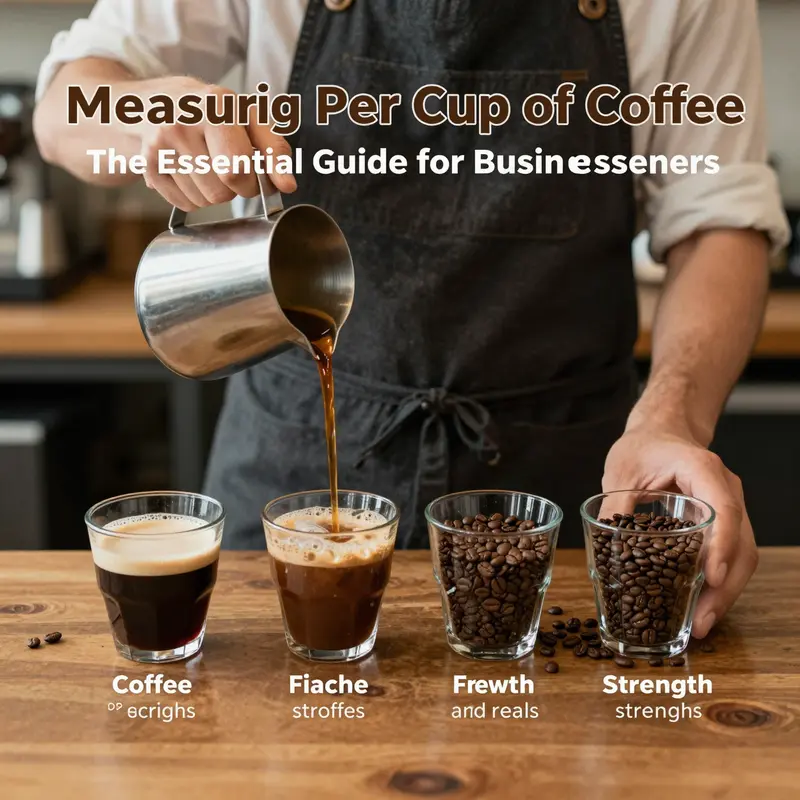
The quantity of coffee beans in a cup is more than a simple measurement; it is the heartbeat of the brew. It sets the stage for aroma, body, and aftertaste, and it interacts with water, grind, roast, and technique to create a cup that can range from delicate and bright to dense and robust. For many coffee enthusiasts, a reliable starting point is the familiar 8-ounce (240 ml) cup. In that traditional framework, the general guideline lies between 14 and 18 grams of ground beans, with 16 grams often serving as the default starting point. This spread invites experimentation, because strength and character depend on how those grams meet water, how finely the beans are ground, and the method used to marry them together. The core idea is simple: more beans generally yield more strength and complexity, while too many beans can overwhelm the cup with bitterness or under-extraction, and too few can render the cup thin or insipid. What follows is a grounded exploration of how those grams translate into a beverage that matches personal taste and equipment, all while remaining faithful to a disciplined approach to extraction.
At the heart of brewing science sits a ratio. The Specialty Coffee Association’s Golden Cup standard promotes a coffee-to-water ratio of roughly 1:17. That means for every gram of coffee, about 17 grams of water should accompany it. Translate that to real numbers for a standard cup: a 15-gram dose would pair with about 255 milliliters of water, and an 18-gram dose with about 306 milliliters. It’s worth noting that many home setups don’t adhere strictly to 1:17, simply because the final cup volume varies with the method and the desired strength. If you are aiming for the classic 240 milliliters, a dose around 14 grams would meet the ratio, while a dose of 16 grams would tilt the strength a touch higher, and 18 grams would push it even more. The point is not to fixate on a single number but to use the ratio as a reliable framework from which to tune taste.
The method of extraction matters as much as the scale of the dose. A pour-over, like a Chemex, often prescribes a relatively lighter body and a cleaner finish, which leads many baristas to favor around 18 grams of coffee for a 12-ounce (about 350 ml) serving. The water-to-bean relationship here is a bit more forgiving than a dense espresso shot, but the principle remains: the dose defines the pool from which flavors are drawn, and a larger cup with more water requires a careful balance so that the flavors emerge rather than get buried. In contrast, an espresso shot thrives on a compact, concentrated dose. A single shot typically uses roughly 7 grams of finely ground beans, a fraction of a pour-over dose, but with a precision that extracts bold, intense notes in a few hurried seconds. Then there is the French press, which asks for a coarser grind and a relatively generous dose—about 10 grams of beans per 150 milliliters of water. Here, the extraction leans toward a fuller, heavier mouthfeel and more pronounced oils, a demonstration of how the same ingredient can yield dramatically different experiences when paired with a different technique.
Taste, of course, is where numbers feel most alive. The bean itself is a decisive contributor to flavor and caffeine profile. Arabica beans, prized for nuanced flavors and a smoother cup, often lead drinkers toward a balanced, aromatic experience with notes that can resemble fruit or flowers and a caffeine content that sits comfortably in the middle of the spectrum. Robusta beans, by comparison, contain a higher caffeine punch and a more assertive flavor with earthy or nutty undertones. They can lend strength and body to blends or espresso, where a steadier finish can be desirable for creating a robust energy boost. Specialty varieties, such as Caturra or Bourbon, offer their own bright acidity and sweetness, sometimes hinting at citrus or berry notes that brighten the cup and invite longer tasting. In practice, the quantity of beans interacts with the bean’s identity to shape the overall profile: the same dose of Arabica can taste different from the same dose of Robusta, simply because the underlying flavor chemistry responds to extraction under a given method.
Brewing is a choreography of variables, and the dose is a critical partner in that dance. When you start from a baseline like 16 grams for an 8-ounce cup, you create a reference point that you can adjust with confidence. If your goal is a lighter, more tea-like cup with higher clarity, you might reduce the dose slightly and let the water do more of the communicating through delicate extraction. If you crave a fuller body with more long-chain sweetness, you may raise the dose and allow for a slower, more exhaustive extraction. But there is a practical threshold to respect: beyond certain limits, extractions can turn bitter or ashy as undesirable compounds break into the cup. On the other hand, too little can strip away sweetness and aroma and make the cup feel thin and sour. The balance is rarely a single perfect number; it is a conversation between your palate and your equipment.
Part of that conversation involves grind size and grind consistency, which determine how quickly water moves through the coffee bed and how completely flavors are dissolved into the brew. A finer grind increases surface area and accelerates extraction, intensifying both aroma and strength. A coarser grind slows things down, potentially yielding a lighter body and a less aggressive flavor. When you adjust the grind, you often need to revisit the dose. For instance, switching from a standard drip grind to a finer espresso grind while maintaining the same 16-gram dose can produce a cup that feels much stronger and more concentrated. In other cases, if your grind is too coarse for the method, you may end up with under-extraction and a sourish undercurrent, even if your dose is within the typical range. The artistry lies in calibrating the grind together with the dose and the brewing method to land in a flavor zone you enjoy.
A practical way to approach this calibration is to anchor on a starting point that aligns with your preferred method and cup size, then taste and adjust in small increments. For a routine 240 ml cup, begin with around 16 grams of coffee. Brew, evaluate, and decide if you want more brightness, more sweetness, or more body. If the cup feels thin and lacks aroma, consider increasing the dose by 1 gram, checking how the flavors intensify and how the sweetness emerges. If the cup becomes overly heavy or bitter, ease back by a gram or switch to a slightly coarser grind. The aim is not to rigidly chase a number but to cultivate a sensorial sense for how the coffee presents across rounds of brewing. This process mirrors other skilled crafts where technique, material quality, and intention converge to reveal the true potential of a product.
In discussing the science behind the dose, it is helpful to acknowledge that the exact grams you use are also a function of roast level and bean freshness. Darker roasts can extract more quickly and reveal earthy, roasted notes more readily, sometimes requiring a slightly lower dose to avoid overwhelming bitterness in a cup that tastes heavy. Lighter roasts retain more acidity and delicate aromatics, which can tolerate a slightly higher dose or a slower pour that preserves those bright, fruity notes. Freshly roasted beans also exhibit more volatile aromatics and a broader spectrum of flavors; in this case, many brewers prefer starting at the lower end of the gram range to ensure the cup does not overwhelm the palate before the aroma has a chance to open. All of these relationships hint at a larger truth: the perfect number is not universal. The most robust advice remains practical and iterative—start with a solid baseline, then adjust with taste, always remembering that the cup is a reflection of how the beans and water communicate through time and technique.
To deepen the sense of how precise technique interacts with bean quantity, consider the analogy with precision disciplines outside coffee. The craft of adjusting routine parameters to coax a desired outcome shares kinesthetic logic with how professionals in fields like therapy or rehabilitation fine-tune activities to suit individual needs. In this spirit, the idea of technique as a translator between material and outcome becomes a familiar thread. That is why, even in a simple morning cup, attention to method—pour rate in a pour-over, bloom time, agitation, and water temperature—interacts with dose to sculpt the final experience. A small change in dose, a slight adjustment in grind, or a subtle alteration in water temperature can tip the balance from a bright, clean cup to a richer, more lingering aftertaste, or vice versa. The more you brew, the more you learn to read the cup like a familiar text, where each sentence—the aroma, the sweetness, the acidity—adds to the overall narrative.
As you navigate this space, it can help to keep two guiding promises in mind. First, never assume that more coffee equals more flavor clarity. Flavor can blur into bitterness if the extraction crosses a threshold. Second, trust your palate. The numbers provide a map, but you are the final authority on what tastes right in your cup. The Golden Cup ratio is a compass, not a jail sentence. It invites you to explore, calibrate, and discover the precise dose that makes your day. In the end, the journey to the right amount of beans per cup is less about chasing a fixed standard and more about cultivating a practiced sensibility: how much coffee, in grams, does your cup truly want to deliver the aroma, strength, and flavor you crave? Each cup becomes a personal measurement, a small experiment performed with care, and a reminder that the art of brewing is a living, evolving conversation between grinder, water, and palate.
For those who crave a deeper dive into the technical facets of bean selection and brewing science—how bean type and quantity affect final cup quality—a comprehensive reference is available. This resource offers a structured exploration of caffeine content, extraction dynamics, and the standards that guide professionals in the field. It complements the practical, home-brewed wisdom with a more rigorous portrait of how minute changes in dose, grind, and method yield meaningful differences in flavor and aroma. Techniques used in occupational therapy can serve as a helpful metaphor here: just as precise techniques unlock functional outcomes in therapy, careful attention to dose and brew technique unlocks flavor in coffee.
In sum, the number of beans per cup is the most tangible lever you have to shape a brew’s strength and character. Start with a sound baseline—roughly 16 grams for a standard 8-ounce cup—and let the cup tell you how to adjust. Whether you chase a cleaner, more delicate cup with a lighter touch or a bigger, more resonant cup with a bolder presence, the key is a thoughtful, iterative approach rooted in taste and technique. If you ever wonder whether a recipe truly matters, remember that it is a dialogue between your hands, your equipment, and your palate. The grams you choose are merely the opening line of a much longer conversation about aroma, balance, and personal preference. And like any craft that values consistency, the more you brew with intention, the more you learn to predict how your beans will behave when they meet water. The result is not a single universal standard but a personal standard—a reliable, repeatable experience that honors both the science and the soul of coffee.
External reference for deeper technical grounding: Inside Caffeine In Coffee Beans: Technical Details, Standards, and Applications for Professionals.
From Beans to Cup: Decoding the Coffee-to-Water Ratio for Per-Cup Flavor
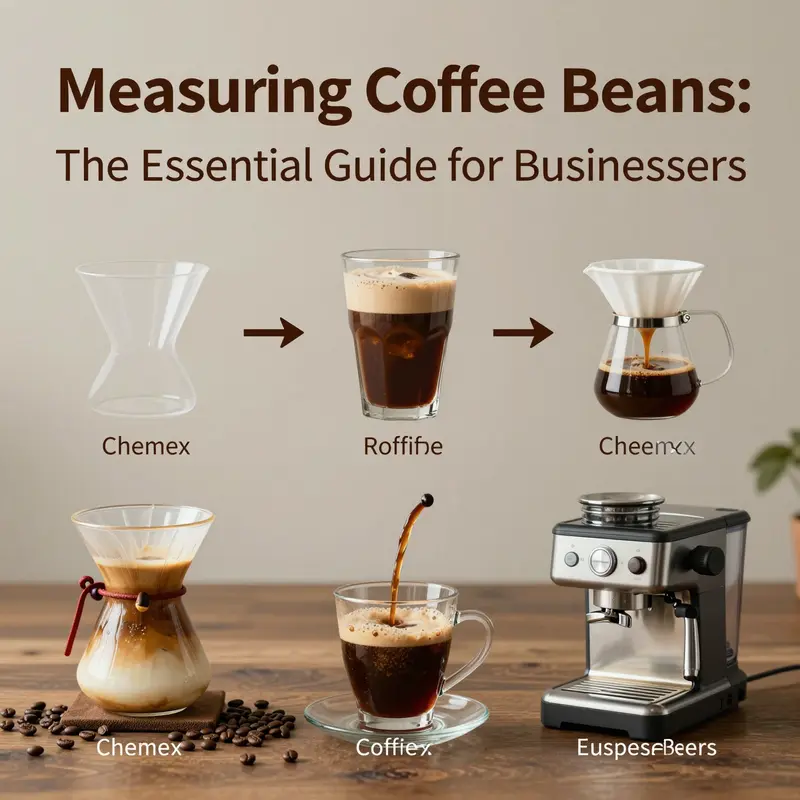
The ratio of ground coffee to water stands as the quiet architect of every cup. It determines whether a brew lands with the softness of a whisper or the bold punch of a chorus. In practical terms, the coffee-to-water ratio is the simple arithmetic that translates into aroma, body, acidity, and aftertaste. The general rhythm of this equation is well established: more water per gram of coffee yields a lighter cup; more coffee per unit of water intensifies strength and often steeps flavor notes into rougher edges if pushed too far. Industry guidelines echo a familiar starting point, the so‑called Golden Cup, which centers on a ratio close to 1:17—that is, for every gram of coffee, about 17 grams of water should follow. In a standard 8‑ounce (about 240 milliliters) cup, that translates into roughly 14 to 15 grams of coffee if one sticks to the exact 1:17 ratio and the water is precisely measured. Yet most baristas and home brewers quickly adjust this baseline to land in a comfortable range, often around 15 to 18 grams of coffee for that 240 milliliters of water. The practical upshot is that the Golden Cup provides a reliable starting point, a north star, while the journey to a preferred flavor balance is a personal one that invites experimentation with small, deliberate steps.
This idea of a starting point versus a personalized finish becomes particularly clear when we move beyond the familiar drip and toward brew methods that invite different scales of precision. For a pour-over or drip coffee, the conventional guidance is a slightly lighter touch than the strict Golden Cup. A commonly cited ratio for these methods is 1:15, meaning 1 gram of coffee to 15 grams of water. That ratio tends to yield a cup with noticeable clarity and body, one that preserves the bean’s character without turning the drink into a heavy, extraction-dominated affair. Some cupping protocols, which require dialing in beans with a critical eye for aroma and flavor, intentionally employ a slightly different metric—around 1:18.18. In cupping, the objective is to assess intrinsic bean qualities with minimal interference from over-extraction, so a ratio like 1:18.18 helps reveal the bean’s true profile. Taken together, these figures remind us that a single ratio can act as a reliable baseline, but the equipment, the roast level, and the specific beans you’re using will nudge you toward your own preferred balance.
Beyond these general prescriptions, different brewing techniques tilt the practical numbers toward what the method asks of your grind, your water temperature, and your extraction time. Cold brew stands apart in its own right. It rides high on a much more concentrated coffee bed relative to the water: a typical starting point is 1:4, coffee to water by weight. The long, cool steep extracts a smooth, sweet, and less acidic cup, and the higher coffee concentration helps preserve those characteristics even as the brew rests for many hours. Yet this is not a fixed law. If you prefer a stronger cold brew, adjusting the ratio to 1:3.5 or even 1:3 can be more effective than simply letting a batch steep longer. The danger of extending steep time for cold brew lies in risk of over-extraction and a bitterness that contradicts the intended smoothness. The takeaway here is simple: with cold brew, you gain durability of flavor from a compact coffee bed, but you still need to tune the ratio to your taste, not just the clock.
In all of these cases, the ratio acts as a dial. It sets the foundations—the body, the perceived strength, and the potential for distinct flavors to emerge—but the final flavor signature comes from how that dial is used. Grind size, water temperature, brew time, and water quality all interact with the chosen ratio in a way that shapes aroma and mouthfeel as surely as the original bean’s roast level and origin. A finer grind creates more surface area, inviting more extraction per unit time, which can push even a modest ratio toward a richer cup if the brew temperature is high or the contact time is long. Conversely, a coarser grind can temper extraction, allowing a similar ratio to yield a cleaner cup with brighter acidity. This interdependence means that the ratio is best treated as a starting line rather than a final verdict. The true craft lies in learning how your beans respond to the combination of grind, water, and time, then recording those responses to guide future adjustments.
A practical mindset for approaching the ratio is simplicity coupled with curiosity. Start with the well-trodden 1:17 baseline for your favored vessel and a familiar bean. If you’re chasing more body and deeper sweetness, try a small, measured increase—say, move from 16 grams to 17 or 18 grams of coffee for the same water mass, or drop the water by a tiny margin and see if the resulting cup embraces more texture without tipping into heaviness. If your goal is a cleaner, more transparent cup, reduce the dose slightly while keeping the water constant, or adjust the grind to a slightly coarser setting to reduce extraction efficiency. The idea is not to chase a single “perfect” ratio but to establish a reproducible method that reveals your preferred flavor profile for each bean and each method.
To translate these ideas into a daily routine, think in terms of consistency and measurement. The scale becomes your most valuable tool, turning intuition into reproducible practice. Water matters as much as coffee—the purity and mineral content of your water can subtly shift the perceived strength and sweetness. Temperature, too, matters; most reliable go-to temperatures hover around 92 to 96 degrees Celsius (198 to 205 degrees Fahrenheit) for pour-over and drip, while cold brew leans into ambient or cooler temps as the brew rests. The bean matters most of all: a light roast often sings with brighter acidity at a given ratio, while a dark roast can deliver more cocoa-toned richness that pairs well with a slightly stronger dose or a more forgiving grind size. The seasoned brewers I’ve known treat the ratio as a map, not a fixed road. They log notes—grams of coffee, total water, grind setting, water temperature, brew time, and the final sensory impressions—for each batch. Over time, a personal atlas emerges, a personalized guidebook telling them how to coax their favorite beans into the cup they crave with a repeatable, methodical approach.
The final piece of the puzzle is scale. If you measure your water to the milliliter and your coffee to the gram, you can easily translate a cup from a single pour into multiple servings or accommodate a different cup size. For example, if you know your standard cup is 240 milliliters and you start at a 1:17 ratio with 15 grams of coffee, you’ll be in the vicinity of a cup that tastes balanced and approachable. If you decide to prepare a larger pot, you simply scale both the coffee and the water by the same factor. The same ratio, applied consistently across a larger or smaller yield, yields a cup with comparable flavor balance, provided grind size and extraction time are kept aligned with the scale. The simplicity of this principle—keep the ratio constant while the quantity scales—gives home brewers a reliable framework to explore different roasts, origins, and brew methods without losing the thread of flavor balance.
In sum, the coffee-to-water ratio is both an anchor and a playground. It anchors the basic expectation of strength and flavor, while providing a playground for exploration within the bounds of each method. Whether you’re dialing in a pour-over, a classic drip, or a cold brew that defies the heat, the ratio remains your most trusted compass. You begin with a baseline—the Golden Cup or its close relatives for specific methods—and then you steer toward a personal flavor destination with small, deliberate adjustments. The joy of this process lies in listening to the cup as you tweak, tracking the results, and gradually constructing a personal profile of what your palate most desires from your daily coffee ritual.
External resource for deeper exploration of cold brew ratios and their impact on flavor: https://www.brewcoffee.com/cold-brew-coffee-ratio/
null

null
Final thoughts
The journey to finding the perfect amount of coffee beans per cup is an important one for coffee business owners. By understanding the foundational measurements, the effect of brewing methods, customer preferences, and the critical coffee-to-water ratios, you can enhance not only the quality of the coffee you serve but also the overall experience for your customers. Experimenting and adjusting based on these factors will lead to a consistently excellent product that keeps your clientele coming back for more.