
Introduction
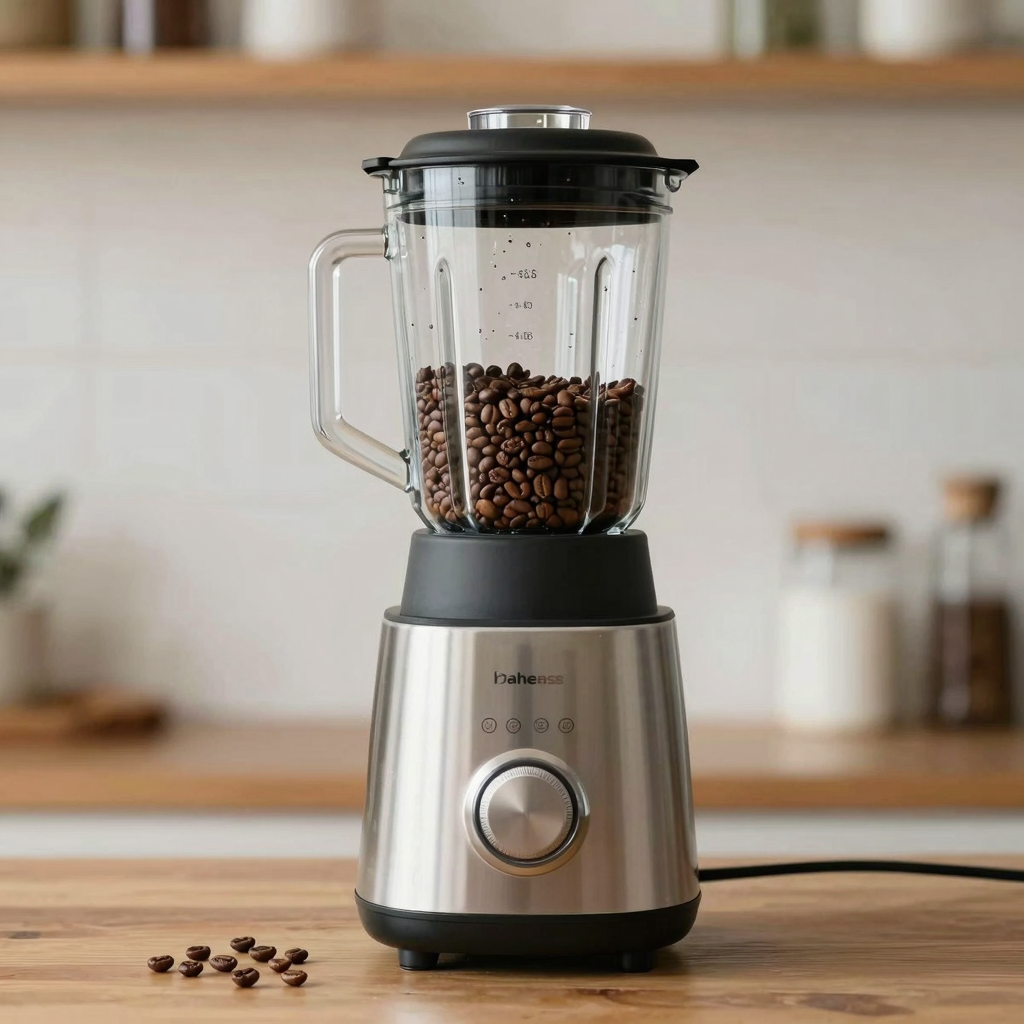
For busy business owners, coffee is more than just a beverage; it’s a vital part of daily productivity. The rich aroma and invigorating taste of freshly ground coffee can provide that much-needed boost during a hectic workday. Many entrepreneurs are discovering the joy of grinding their own coffee beans at home, especially using a blender-a versatile kitchen tool. Not only does this method offer the convenience of enjoying boutique coffee flavors without the cost of frequent café visits, but it also ensures freshness that pre-ground coffee simply can’t match. In this article, we’ll explore whether a blender can effectively grind coffee beans and the associated benefits for your daily routine. Enjoying great coffee isn’t just about the taste; it’s about fueling success and enhancing your overall well-being.
The Importance of Grinding Coffee Beans Fresh for Flavor
For business owners in the coffee industry, understanding the significance of freshly ground coffee beans can be a game changer. Grinding coffee beans just before brewing is not just a matter of freshness-it’s crucial for unleashing the full spectrum of flavors and aromas inherent in quality coffee.
When coffee beans are roasted and subsequently ground, they undergo significant changes. Volatile aromatic compounds, which contribute to coffee’s enticing fragrance and taste, begin to degrade as soon as the beans are exposed to air. In fact, studies indicate that up to 60% of a coffee’s aroma can dissipate within just 15 minutes of grinding. This means that grinding in advance can lead to a flat and stale cup, diminishing the potential of even the highest quality beans.
Moreover, freshly ground coffee has been shown to have higher extraction efficiency due to the preservation of its cell structure and volatile compounds. If beans are ground too far in advance, carbon dioxide that normally enhances flavor escapes too early, leading to uneven extraction during brewing-often manifesting as a sour or bitter taste. To achieve the best cup possible, grind your coffee just before brewing to maintain its complex flavor profile.
To improve the quality of the coffee you serve, consider investing in a quality burr grinder and emphasize the importance of grinding fresh for your customers. Good coffee isn’t just about the beans; it’s about how you treat them from bean to brew. Learn more about the importance of freshness and the science behind coffee grinding.
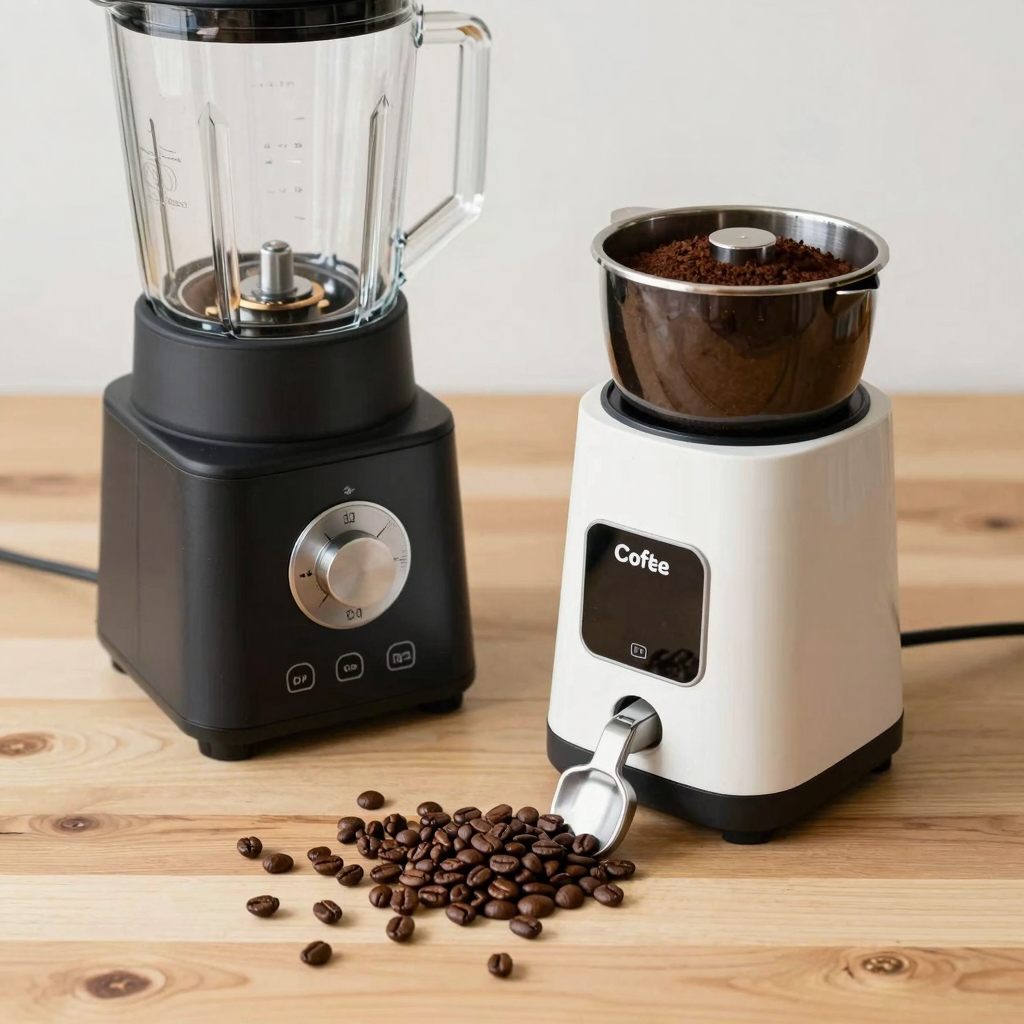
Coffee Grinder Comparison: Blade, Burr, and Blender
When it comes to grinding coffee, the choice of grinder can significantly affect the quality of your brew. In this section, we compare the most common coffee grinding options: blade grinders, burr grinders, and blenders.
| Feature | Blade Grinder | Burr Grinder | Blender (for coffee) |
|---|---|---|---|
| Grind Consistency | Low – produces uneven particle sizes due to random chopping by spinning blades. Results in a mix of fine and coarse grounds. | High – crushes beans uniformly between two abrasive surfaces (flat or conical burrs), ensuring consistent particle size. | Very Low – highly inconsistent; large variations in particle size due to high-speed, turbulent blending action. |
| Flavor Impact | Poor – uneven extraction leads to over-extraction of bitter compounds and under-extraction of sour notes, compromising overall flavor. | Excellent – uniform grind enables even extraction, maximizing flavor clarity and highlighting the nuances of high-quality beans. | Very Poor – inconsistent grind causes significant over- and under-extraction, resulting in harsh, unbalanced flavors. |
| Price Range | $10-$50 | $50-$300+ (depending on quality and type) | $20-$100 (for standard kitchen blenders) |
| Usability & Convenience | Simple to use; quick grinding with minimal setup. Often compact and easy to store. | Requires more time per grind and may need cleaning after each use. Some models have adjustable settings but require a learning curve. | Extremely convenient for bulk processing; however, not designed for grinding coffee and requires thorough cleaning to avoid cross-contamination. |
| Heat Generation | High – friction from rapid blade spinning heats the beans, potentially scorching delicate flavors. | Low – slow, controlled crushing generates minimal heat, preserving aromatic compounds. | Moderate to High – prolonged blending can generate significant heat, degrading flavor. |
| Special Features | None specific to coffee grinding. | Adjustable grind settings (fine to coarse), precise control over particle size, built-in timers, some models offer dose control. | No features tailored to coffee; no grind size control; limited to raw blending capacity. |
| Recommended For | Occasional use, budget-conscious users. | Serious home brewers, espresso enthusiasts. | Not recommended; use only if no other option exists. |
Using a blender to grind coffee is possible, but the results are much less satisfactory than using dedicated grinders. Blenders create a very inconsistent grind, leading to poor extraction, which can negatively affect the taste of your coffee. For optimal results, investing in a good burr grinder is advisable for those who prioritize flavor and quality.
For more insights on how to achieve the best coffee brewing techniques, you might want to learn more about the different types of grinders and how to grind coffee effectively.
Using a Blender for Grinding Coffee
Grinding coffee beans in a blender is a practical solution for coffee enthusiasts, especially for business owners seeking efficiency. Here’s how to do it properly:
Step-by-Step Guide:
- Choose Quality Beans: Start with whole coffee beans of your choice. Freshness is key for the best flavor.
- Measure Beans: Use about 1/4 to 1/2 cup of coffee beans, depending on how much you need.
- Prepare the Blender: Ensure your blender is clean and dry. Avoid blending food residues to maintain the coffee’s flavors.
- Pulse Technique: Use the pulse feature of your blender in short bursts (5-10 seconds) rather than blending continuously. This method prevents overheating and helps achieve a more consistent grind without turning your coffee into powder.
- Check Consistency: After pulsing, check the grind. For French press, you’ll want a coarse grind; for espresso, aim for a finer consistency.
Tips for Best Results:
- High-Speed Models: Use high-speed blenders for better results. Models like the Vitamix 5200 (1500 watts) produce excellent consistency, while the Ninja BL610 (1000 watts) is a versatile and cost-effective option.
- Avoid Over-grinding: Continuously blending may lead to a dusty texture, which can enhance bitterness in your brew.
Using Household Equipment for Grinding Coffee Beans
When it comes to grinding coffee beans, many business owners are seeking convenient methods that do not compromise on flavor. A blender is a versatile piece of kitchen equipment that can successfully grind coffee beans, making it a great option for those who may not have a dedicated coffee grinder.
How to Use a Blender for Grinding Coffee Beans
- Select Your Beans: Choose high-quality coffee beans that suit your taste preferences.
- Measure the Quantity: Depending on the type of coffee you’re brewing, measure out the appropriate amount of beans.
- Blend: Place the beans in the blender and pulse in short intervals for a coarse or fine grind, depending on your brewing method.
Using a blender for this purpose not only saves space but also allows for a quicker cleanup. In the long run, this can be an efficient choice for small businesses or coffee enthusiasts looking to save on equipment costs.
For more tips on optimizing coffee preparation, check out our blog!
User Experience
The experiences of business owners who incorporate blenders into their coffee grind process illustrate the transformative potential of custom blends. Here are a few testimonials that highlight their successes:
-
Sarah Chen, Roast & Reveal, Portland, Oregon: Sarah has developed her brand identity around the unique flavors achieved through blending. She merges Ethiopian Yirgacheffe and Colombian Supremo beans to create a distinct profile that has garnered substantial customer praise. According to Sarah, “Using a blender to grind my coffee beans enhances the freshness and inconsistency of flavors. Customers keep coming back for that unique coffee experience.”
-
James Reed, Grounds for Change, London: James emphasizes the role of customer feedback in shaping his blends. He started hosting tasting events where patrons can vote on new combinations. “Blending isn’t just about taste; it’s about storytelling and community,” James shared. His customers appreciate the engagement, which strengthens loyalty and enhances satisfaction.
-
Maria Lopez, Brew Collective, Austin, Texas: Maria credits her business’s extraordinary 40% growth to the introduction of custom blends. She explains, “Our ‘Sunset Blend,’ a mix of Guatemalan and Brazilian beans, feels personal to our customers. They return because they want to relive the experience of that specific flavor.”
-
Ben Carter, Bean Theory, Manchester: Ben shows how seasonal blends can increase foot traffic. The launch of his “Autumn Ember” blend, developed from community suggestions, resulted in a staggering 60% increase in customers during its launch week. He noted, “Blending allows us to respond quickly to trends and maintain a connection with our clientele.”
-
Maya Singh, Sip & Savor, Seattle: Maya adapts her blends based on market trends, ensuring her offerings remain fresh. Her ability to adjust without changing suppliers allows her to meet the increased demand for low-acidity, chocolate-flavored coffees effectively.
These insights reveal how using blenders for grinding coffee beans not only enhances flavor but also engages customers in a meaningful way.
Tips for Grinding Coffee with a Blender
Here is a list of practical tips for business owners on effectively grinding coffee with a blender:
-
Select the Right Blender: Ensure that your blender has a sufficient power rating (at least 500 watts) for grinding coffee beans. A high-quality blender with a strong motor will yield better results.
-
Use Short Burst Settings: Rather than running the blender continuously, use short burst settings (3-6 seconds at a time) to grind the beans. This technique helps prevent overheating and ensures a more uniform grind.
-
Monitor the Consistency: Open the lid and check the consistency of the grind frequently. This helps you avoid over-grinding, which can lead to bitter coffee.
-
Avoid Overloading: Grind coffee in small batches (approximately 1/4 to 1/2 cup at a time) to maintain efficient grinding and reduce heat buildup that can affect flavor.
-
Pulse Grinding: Utilize the pulse feature, if available, to achieve more control over the grind size. This method allows you to process the coffee beans gradually and monitor the texture closely.
-
Keep it Clean: Regularly clean the blender blades and container to avoid contamination of leftover flavors from previous ingredients. Use a brush to clean out the residue effectively.
-
Consider Cooling Breaks: If you have a large batch to grind, take breaks between bursts to let the motor cool down, ensuring consistent flavor extraction.
-
Ideal Grind for Brewing Methods: Use a coarser grind for brewing methods like French press and medium-fine for pour-over. Avoid using a blender for espresso as it requires very fine and uniform grounds.
-
Immediate Use: Grind your coffee just before brewing to preserve freshness and flavor. The volatile compounds in coffee begin to dissipate quickly after grinding.
These techniques will help you grind coffee effectively using a blender while maintaining the quality of your coffee. For additional reading on professional methods, check out Coffee Grinding with a Blender: Tips for Businesses and Pros and Cons of Using a Blender for Coffee Grinding.
With these practical tips, business owners can ensure that they achieve the best possible coffee experience for their customers even when using a blender.
When it comes to grinding coffee beans, many business owners may consider using a blender due to its convenience and price. However, consulting with coffee experts reveals significant reasons to reconsider this approach.
Advantages of Using a Blender
- Multi-functionality: Blenders are versatile appliances capable of performing various tasks such as making smoothies or crushing ice, which could potentially save space in a small kitchen setup.
- Initial Savings: Purchasing a blender is often cheaper than investing in a dedicated coffee grinder.
Disadvantages of Using a Blender
Despite these advantages, experts caution against using blenders specifically for grinding coffee due to the following reasons:
-
Inconsistent Grind Size: Blenders cannot achieve the consistent particle size required for optimal extraction. This inconsistency can lead to an uneven brew, resulting in either a sour or bitter taste in the final product. According to a research report by the Specialty Coffee Association, coffee brewed using beans ground in a blender showed a 42% higher variation in extraction yield.
-
Excessive Heat Generation: Blenders produce heat during extended running times, which can degrade the aromatic compounds in coffee. A dedicated burr grinder operates cooler and allows for precise adjustments, ensuring the aroma and flavor profiles remain intact.
-
Higher Long-Term Costs: While blenders may seem like an economical choice, they lead to increased waste from improperly extracted coffee and potential customer complaints about flavor consistency. The operational costs increase due to the need for more coffee beans to achieve the desired flavor profile.
“Using a blender to grind coffee beans is not advised for businesses aiming for quality. The lack of precision leads to uneven extraction and customer dissatisfaction. Investing in a professional grinder is crucial for maintaining brand reputation and ensuring customer loyalty.” – Coffee Expert, Barista Magazine (read more here)
Conclusion
For business owners aiming to provide high-quality coffee, resorting to a blender for grinding beans is a risky move. The higher upfront cost of a dedicated grinder is outweighed by the benefits in flavor consistency, operational efficiency, and overall customer satisfaction. Investing in proper equipment is essential for business success in the coffee industry.
In conclusion, while blenders may serve multiple purposes in a café setting, they fall short when it comes to grinding coffee beans appropriately. For more insights on enhancing customer experience through quality coffee, consider exploring our article on choosing the right coffee equipment for profitability.
Conclusion: Blend Your Way to Success
In conclusion, incorporating a blender into your coffee grinding process can significantly enhance your business operations. Blenders offer a versatile solution for grinding coffee beans efficiently while maintaining the freshness and flavor of your brew. As discussed, utilizing a blender provides benefits such as speed, ease of use, and the ability to blend other ingredients simultaneously, making it an excellent investment for coffee shops and businesses that prioritize quality. For instance, learn about the advantages of using blenders.
Moreover, employing a blender not only streamlines your coffee preparation but could also reduce operational costs in your kitchen. As highlighted, blenders can deliver consistent results, ensuring your customers enjoy the same great taste with every cup.
Now, as a business owner, this is an opportune moment to explore innovative solutions that drive efficiency and enhance customer experience. Consider how adding a blender can elevate your offerings. Speaking of unique business opportunities, don’t forget to check out the enticing world of pizza trucks. Explore how pizza trucks can diversify your food business. Embrace these modern tools to power your success!
Alternative Coffee Brewing Methods
Exploring innovative coffee brewing methods can greatly enhance the experience of your clientele and inspire further creativity in your coffee business. Beyond the traditional drip coffee, consider integrating the following popular brewing techniques that work remarkably well with blended beans:
- French Press: This method allows the coffee oils to remain in the brew, creating a rich and full-bodied flavor that is particularly appealing to coffee enthusiasts.
- Pour Over: Ideal for showcasing the nuances of blended beans, the pour-over method provides control over the water flow, resulting in a clean and bright tasting cup.
- Aeropress: A favorite among many for its versatility, the Aeropress can deliver espresso-like drinks and is compact for easy transport.
- Cold Brew: Gaining popularity for its smooth taste and low acidity, cold brew could be your go-to during warm months, attracting those who prefer a refreshing coffee option.
Integrating these diverse brewing methods can not only appeal to a wider customer base but also encourage innovative offerings. Explore more about creative solutions in business that can set your coffee shop apart.