
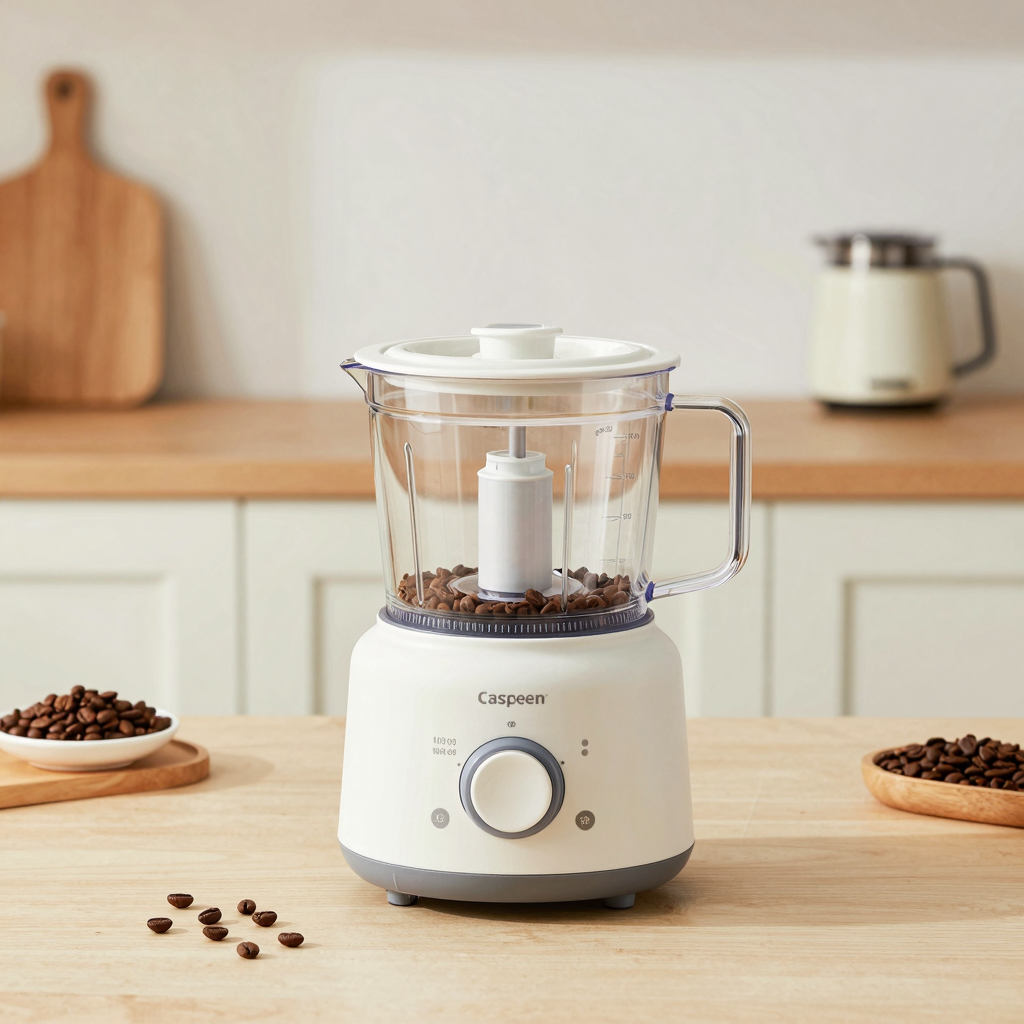
Grinding Coffee Beans in a Food Processor: A Guide for Coffee Enthusiasts and Business Owners
For coffee enthusiasts and business owners alike, the quest for the perfect brew often begins with one key question: how can I maximize flavor and freshness? Grinding coffee beans is a crucial step in this process, and while many may reach for a dedicated burr grinder, a food processor can serve as an accessible alternative. This method not only highlights the versatility of common kitchen appliances but also ensures that even the most budget-conscious café or home barista can enjoy rich, flavorful coffee. In today’s fast-paced world, where convenience meets gourmet, understanding the nuances of grinding coffee beans in a food processor can open new doors for both personal enjoyment and business innovation. Exploring this topic will empower readers to experiment with their brewing techniques, enhancing their appreciation for coffee’s diverse flavor profiles.
Whether you’re crafting the perfect morning cup for yourself or looking to elevate your café’s offerings, the method of grinding coffee beans is integral to achieving the desired taste. Let’s delve into the mechanics and benefits of using a food processor for this essential task and discover how it fits into the larger landscape of coffee preparation and appreciation.
Advantages of Grinding Coffee Beans in a Food Processor
Grinding coffee beans can be a pivotal step in creating that perfect cup of coffee, and while specialized coffee grinders are often recommended, using a food processor can offer several advantages, especially for business owners. Below, we explore the benefits of this convenient appliance.
Convenience and Accessibility
One of the key advantages of using a food processor for grinding coffee beans is convenience. Many business owners may already have a food processor in their kitchen, negating the need for purchasing extra equipment. It’s a multi-functional tool that can handle various tasks beyond just grinding coffee, making it a prudent choice for those looking to maximize their kitchen’s efficiency. Instead of needing a separate grinder for occasional use, the food processor becomes an all-in-one solution.
Cost-Effectiveness
Investing in a dedicated coffee grinder can be expensive, particularly for businesses just starting or those focusing on cost management. A food processor, being more cost-effective and versatile, enables business owners to grind coffee without the added expense of specialized equipment. This is especially beneficial for small cafes or food businesses where initial capital must be maximized.
Time-Saving Techniques
Using a food processor to grind coffee beans may also streamline operations. Unlike traditional grinders that require careful calibration for grinding settings, a food processor typically provides quick and efficient grinding. Business owners can multitask while the processor does the work, potentially even handling batch grinding for multiple servings. This efficiency translates into better customer service, allowing for quicker coffee preparation times.
Flavor Preservation
Another significant factor to consider is flavor preservation. While some traditionalists argue that food processors may not produce the most consistent grind, if used correctly, they can still retain the essential oils and flavors of the coffee beans. This is crucial for ensuring that the final brew remains aromatic and flavorful. Utilizing short burst grinding techniques with the food processor can help mimic the more controlled, precise grinding of a dedicated grinder, reducing heat generation that could potentially harm the coffee’s delicate flavors.
Final Thoughts
Although grinding coffee beans in a food processor has its drawbacks, particularly regarding consistency and precision of grind sizes, the benefits such as convenience, cost-effectiveness, time savings, and flavor preservation make it a valid option for many business owners. For those who value versatility in their kitchen equipment, a food processor can serve as an excellent temporary or even long-term solution for grinding coffee beans.
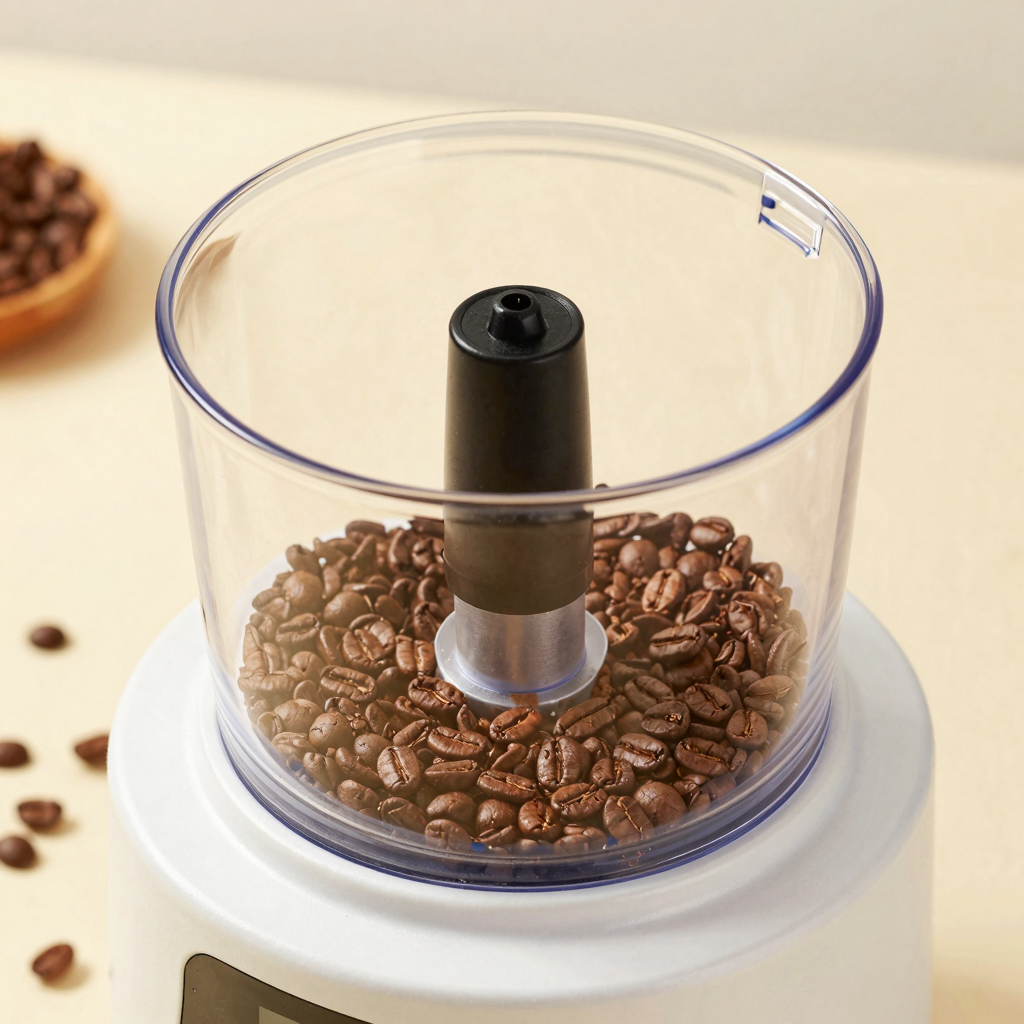
For coffee businesses seeking efficient methods, embracing tools like food processors allows them to maintain quality and streamline service, ensuring customers enjoy their coffee experience to the fullest.
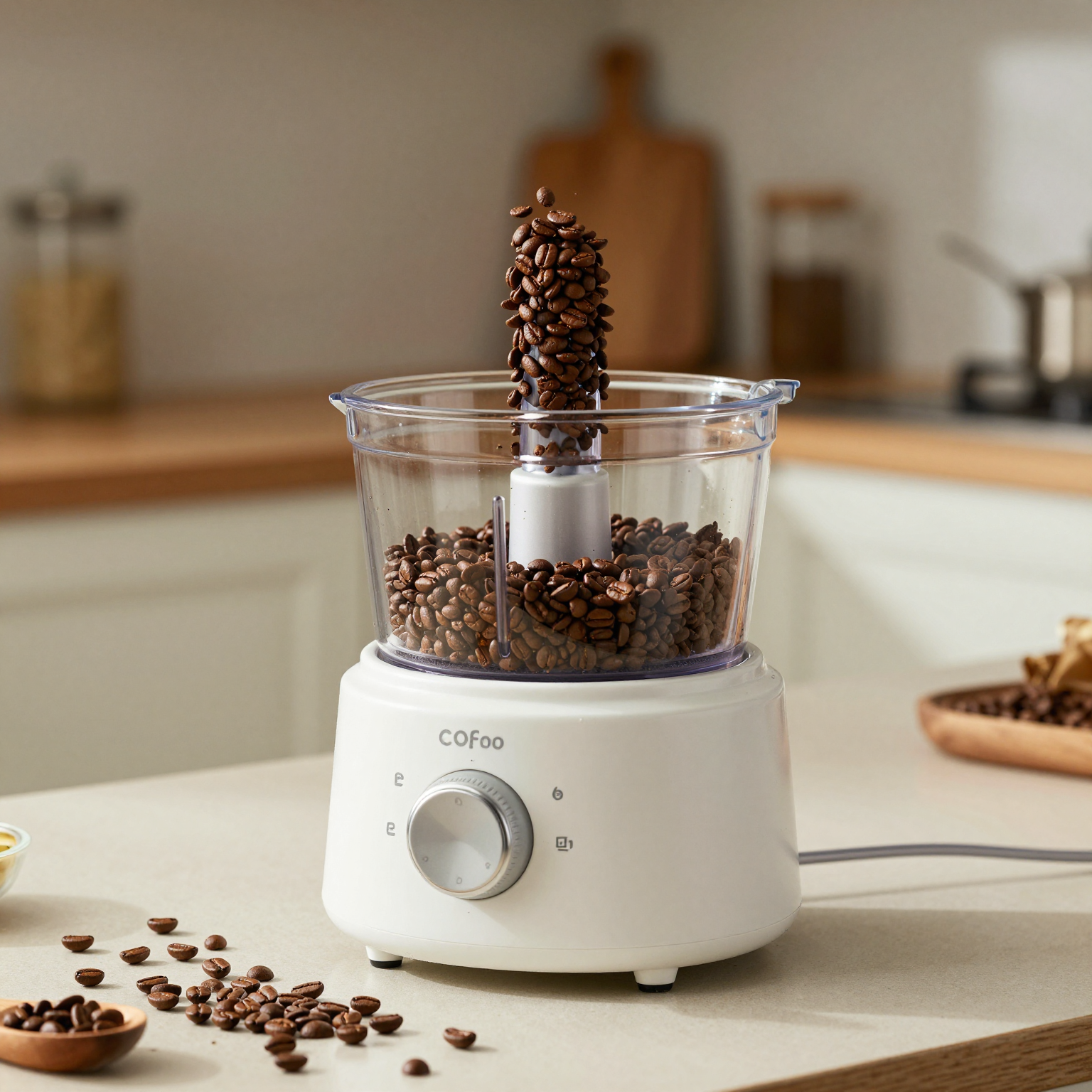
Common Mistakes When Grinding Coffee Beans in a Food Processor
Grinding coffee beans in a food processor can be convenient, but it often comes with pitfalls. Here are some common mistakes to avoid:
- Over-processing the Beans: Grinding coffee beans for too long can lead to heat buildup, which can alter the flavor of your coffee. Aim for short bursts of grinding to achieve a consistent texture.
- Using the Wrong Settings: Many food processors have settings designed for chopping or pureeing, which may not yield the ideal grind size for coffee. Use the pulse function to have better control over the grind size.
- Not Measuring the Beans: It’s easy to grind too many or too few beans. Using a scale or measuring cup ensures you get the amount you need for your brewing method.
- Grinding Too Finely for Certain Brews: If you’re using a method such as French press, a coarse grind is recommended. Grinding too finely can produce a bitter taste. Tailor your grind to your brewing method.
- Not Cleaning the Food Processor: Residual oils and flavors from previously processed foods can taint the taste of your coffee. Make sure to clean your food processor thoroughly before use.
Understanding these common mistakes can help business owners better utilize their food processors, leading to a superior coffee experience. For more insights on enhancing your coffee service, learn more about tools and equipment that can streamline your process.
How to Grind Coffee Beans Using a Food Processor
Grinding coffee beans using a food processor is a practical solution for business owners who may not have immediate access to a coffee grinder. This guide provides step-by-step instructions to ensure you achieve the best results possible, preserving the flavor and quality of your coffee.
Necessary Equipment
Before getting started, make sure you have the following equipment:
- Food Processor: A standard size food processor works fine. Ensure it is clean and dry.
- Coffee Beans: Use whole, fresh coffee beans for the best outcome.
- Measuring Cup: To measure your coffee beans accurately.
- Spatula: To scrape down the sides of the processor as needed.
Steps to Grind Coffee Beans
- Measure Your Beans:
- Start with about 1/4 cup (or 30g) of coffee beans. This amount is manageable and avoids overloading the processor which can lead to uneven grinding.
- For larger batches, consider grinding in several smaller increments.
- Add Beans to the Processor:
- Place the coffee beans into the food processor bowl. Close the lid securely.
- Pulse the Beans:
- Use the pulse function. Start by pulsing for 2-3 seconds at a time, checking the consistency in between pulses.
- Tip: Avoid continuously running the processor to prevent overheating and turning the beans into a paste, which can degrade flavor.
- Check the Grinding Consistency:
- After a few pulses, stop and check the consistency of the grounds. You are aiming for a grind that resembles granulated sugar for drip coffee or coarser than table salt for French press.
- Use the spatula to scrape down any beans that stick to the sides of the processor for a more even grind.
- Repeat if Necessary:
- Continue pulsing and checking until you reach your desired consistency. Remember, you can always grind longer for a finer grind, but you cannot turn fine grounds back into coarser ones.
- Store Properly:
- Once you have the ground coffee, transfer it to an airtight container to preserve freshness. Ground coffee is best used within a few weeks.
Final Thoughts
While using a food processor is not ideal for achieving the precision of a dedicated burr grinder, it is a feasible method for grinding coffee in a pinch. For more consistent and enhanced coffee preparation, consider investing in a dedicated coffee grinder in the future. This will ensure a uniform grind essential for brewing methods such as espresso or pour-over, where grind size significantly impacts extraction and flavor.
For more insights on improving mental health through various occupational therapy techniques, you can learn more here.
Recommended Food Processors
For grinding coffee beans effectively, consider these highly-rated food processors:
| Brand | Model | Price Range | Notes |
|---|---|---|---|
| Breville | BFP800XL | $200 – $300 | Powerful motor, designed for fine consistent grinds. |
| Cuisinart | DFP-14BCNY | $150 – $250 | Large capacity, easy to clean, versatile functions. |
| Ninja | BN701 Professional | $100 – $150 | Budget-friendly, great for occasional grinding tasks. |
By following this guide, you can confidently grind coffee beans in a food processor, enhancing your coffee service and satisfying your customers’ needs with fresh coffee.
Comparing Coffee Grind Sizes with a Food Processor
Grinding coffee beans in a food processor can yield varying results based on the grind size you choose. Here’s a comparison of different grind sizes-fine, medium, and coarse-along with the most suitable brewing methods for each consistency.
| Grind Size | Description | Suitable Brewing Methods |
|---|---|---|
| Fine | Similar to powdered sugar; ensures high pressure extraction; often inconsistent using a food processor. | Espresso |
| Medium | Similar to granulated sugar; allows for balanced extraction. | Drip Coffee Makers, Pour Over |
| Coarse | Similar to sea salt; prevents over-extraction and sediment. | French Press, Cold Brew |
Note: While a food processor can technically grind coffee, achieving consistent results is challenging due to varying particle sizes. For optimal flavor and extraction, a burr grinder is recommended.
For more detail on grind sizes and their effects on flavor, learn about coffee grind sizes and brewing methods.
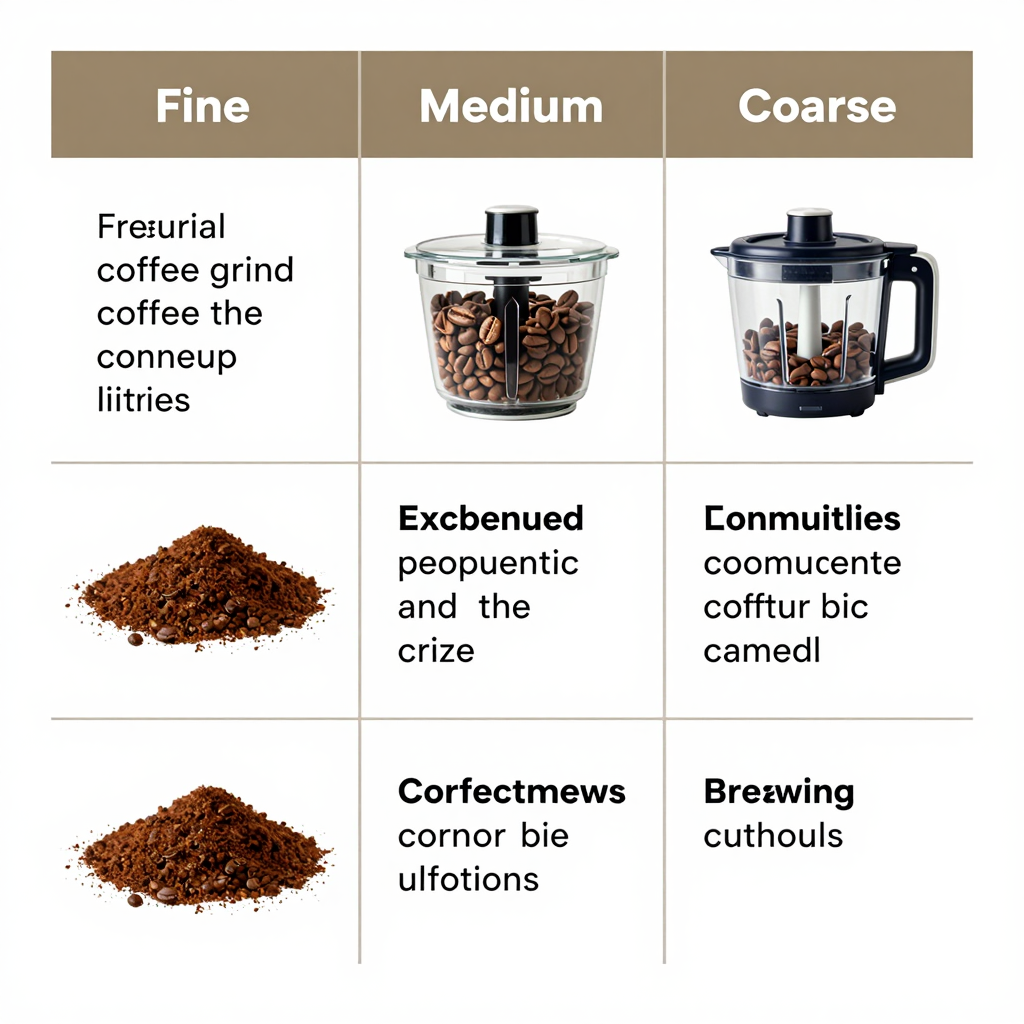
Grinding Coffee Beans: Food Processor vs. Traditional Grinders
In the realm of coffee grinding, choosing the right equipment is crucial, especially for business owners looking to maximize the flavor and quality of their coffee. Recent studies and expert opinions shed light on the effectiveness of using a food processor compared to traditional coffee grinders.
Expert Insights
Experts highlight several key differences in grinding methods:
-
Grind Consistency: Traditional burr grinders are designed to produce uniform grind sizes, which is essential for even extraction during brewing. In contrast, food processors tend to create unevenly sized particles, leading to flawed flavor profiles, where some grounds are over-extracted (bitter) while others are under-extracted (sour or weak).
-
Impact on Flavor: A study published in Barista Magazine states that grind consistency directly influences coffee flavor, with variations in size contributing to inconsistencies in taste. Traditional grinders help achieve a balanced coffee experience that emphasizes complexity and clarity (
learn more about the differences in grinding methods). -
Temperature Control: Food processors generate more heat during the grinding process, which can negatively impact the aromatic oils in coffee beans. The increased heat can degrade the origin flavors, making it less desirable for high-quality coffee production.
Table of Research Findings
| Source | Findings | Date |
|---|---|---|
| Spruce Eats | Food processors yield uneven grind, leading to poor extraction and flavor issues | 2024-03-25 |
| Barista Magazine | Highlights the correlation between grind uniformity and optimal coffee flavor | 2023-10-17 |
| Journal of Food Science and Technology | Compares different grinders, showing traditional burr grinders outperform blenders | 2022-08-15 |
Conclusion
For coffee business owners, investing in a high-quality grinder over a food processor is essential. While food processors offer convenience, they do not deliver the precision necessary for high-quality coffee. Tradition grinders remain the best choice to achieve the consistency and flavor profiles customers expect.
Visual Comparison
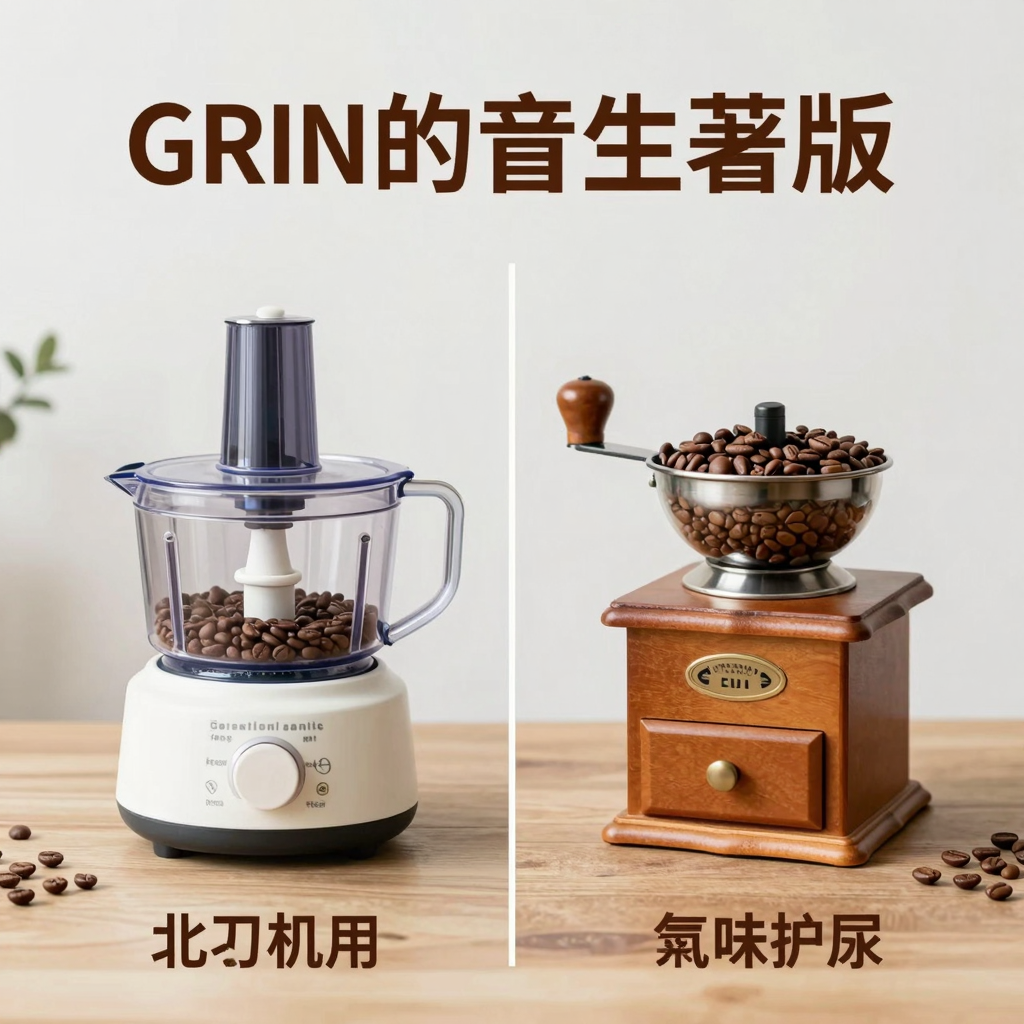
In conclusion, while food processors can serve as a makeshift solution, their impact on the final coffee product is significant enough that serious coffee businesses should prioritize traditional grinding methods to ensure a superior beverage.
References
- The Spruce Eats – Coffee Grinding: Food Processor vs. Burr Grinder
- Barista Magazine – Brewing Better Coffee: The Impact of Grind Consistency on Flavor
- Journal of Food Science and Technology
Word Count: 473
Popularity of Coffee Grinding Methods
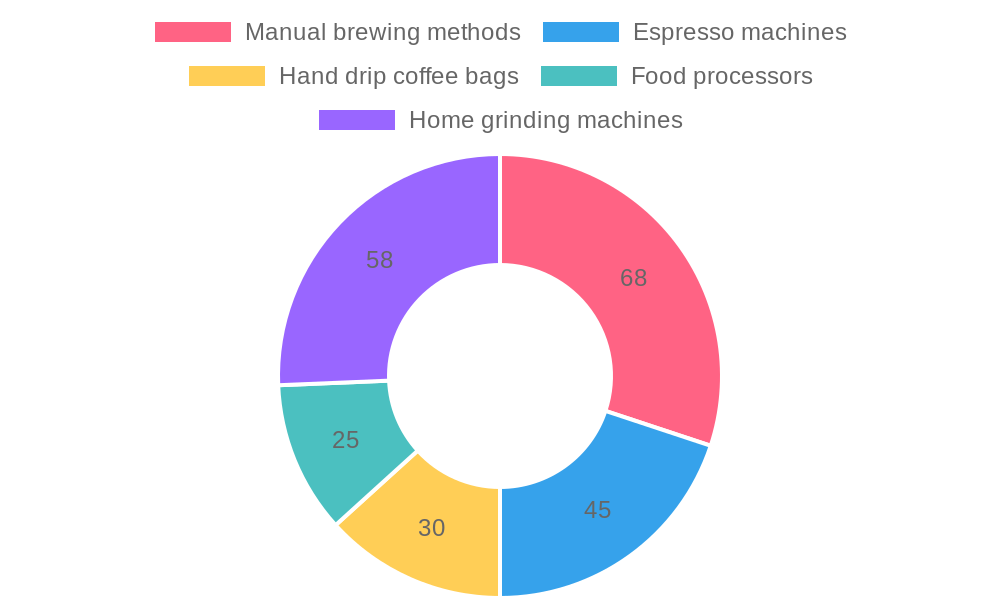
In recent surveys focusing on the coffee industry, various grinding methods have shown differing levels of popularity among coffee enthusiasts and business owners. Below is a chart that illustrates the popularity of different coffee grinding and preparation methods:
Overview of Grinding Methods:
| Coffee Grinding/Preparation Method | Percentage of Respondents | Notes |
|---|---|---|
| Manual brewing methods (e.g., pour-over, siphon, French press) | 68% | Includes various hand-crafted brewing techniques |
| Espresso machines (semi-automatic/automatic/manual) | 45% | Covers all types of espresso machine usage |
| Hand drip coffee bags | 30% | Single-use coffee pouches for convenience |
| Food processors | 25% | Used for grinding coffee beans in some households |
| Home grinding machines | 58% | 58% of respondents own one and use it at least 3 times per week |
Source: Survey data from 12,442 coffee enthusiasts, collected in 2023.
These findings highlight the various preferences in grinding methods, indicating a strong trend towards manual and home-based brewing techniques. For business owners in the coffee industry, understanding these preferences can inform product offerings and marketing strategies.
In conclusion, using a food processor for grinding coffee beans is a practical and versatile option that many business owners may not have considered. This kitchen appliance not only saves time but also can produce a range of grind sizes, making it suitable for various brewing methods from French press to espresso. The ability to control the grind consistency provides flexibility and can enhance the overall flavor profile of the coffee, leading to a more satisfying customer experience.
However, it is essential to recognize that while a food processor can effectively grind coffee beans, it may produce uneven results when compared to a dedicated coffee grinder. Therefore, business owners should assess their priorities-whether they value convenience or precision. Ultimately, investing in a food processor can be a worthwhile decision, particularly for small businesses or those looking to prepare gourmet drinks with minimal equipment. With its numerous applications in the kitchen, including chopping, mixing, and pureeing, a food processor can enhance not only your coffee offerings but also your overall culinary versatility. Learn more about the benefits of multitasking kitchen tools here and discover how such equipment can seamlessly integrate into your business kitchen workflow.
“Using a food processor to grind coffee is like trying to bake a soufflé with a sledgehammer-it may get the job done mechanically, but it destroys the precision needed for flavor. The rapid, high-heat grinding process damages volatile aromatic compounds and creates inconsistent particle sizes, leading to poor extraction and a flat, muddy taste.”
- Scott Rao, Coffee Expert and Author of ‘The Home Barista Handbook’
In the context of grinding coffee beans, the importance of effective tools is paramount for achieving a high-quality brew. For those considering various methods, it’s crucial to recognize the pitfalls of using a food processor. This inconsistency could detract from peak flavor experiences, especially for business owners looking to serve top-notch coffee to their customers. For more tips on enhancing your coffee offerings, check out our guide on tools and equipment for occupational therapists which discusses precision in various applications.
Why Grinding Matters
Grinding coffee beans effectively influences the flavor profile of the beverage. The methods employed should ensure that the ground coffee maintains uniformity in particle size, which aids in even extraction during brewing.
If you’re keen on testing different grinding methods, understanding the consequences-as described by experts like Scott Rao-can help shape your approach and improve your café’s coffee quality.
By leveraging the right tools, like burr grinders over food processors, you can enhance the consistency and quality of your brews, leading to satisfied customers and a booming business.