Are Coffee and Espresso Beans the Same?
Have you ever wondered if coffee and espresso beans are the same? This question is essential for business owners who are venturing into the coffee product market. Although both originate from the coffee plant, they have distinct characteristics that set them apart. Understanding the differences between coffee beans and espresso beans is crucial for tailoring your offerings to meet customer preferences. Coffee beans are typically roasted to varying degrees, affecting their flavor profiles, while espresso beans are often roasted darker and ground more finely to create a rich, concentrated shot of espresso. Knowing these nuances can help business owners maximize their product range and attract coffee enthusiasts, enhancing their competitive edge in the booming coffee market. For further insights on the importance of engaging with consumers, learn more about effective marketing strategies that can benefit your coffee business.
Coffee Beans
Coffee beans are the seeds of the Coffea plant and are pivotal in the coffee industry, with significant implications for sourcing, marketing, and flavor profiles. The primary types of coffee beans are Arabica and Robusta, each with distinct characteristics and origins.
Origin and Types
-
Arabica (Coffea arabica): Originating from Ethiopia, Arabica beans account for approximately 60-70% of global coffee production. They are cultivated in high altitudes, which contributes to their nuanced flavor profiles. Arabica beans typically present smooth, sweet flavors with notes of fruit, berries, chocolate, and nuts, along with a higher acidity that adds to their complexity.
-
Robusta (Coffea canephora): Primarily grown in Vietnam and other tropical regions, this bean comprises about 30% of global production. Robusta beans are known for their earthy, woody flavors, and higher caffeine content (around 2.7%), which results in a harsher taste. They are often favored for espresso blends and instant coffee due to their cost-effectiveness and higher yield.
There are also lesser-known varieties like Liberica and Excelsa. Liberica has a unique, smoky flavor with floral notes, while Excelsa adds a bright, tangy character to blends, helping to create more complex coffee styles.
Flavor Profiles and Business Context
Understanding the flavor profiles of these coffee bean types is crucial for businesses sourcing coffee. For instance, cafes marketing specialty coffee often emphasize Arabica’s rich flavor and aroma. Sourcing strategies should align with these profiles; for instance:
- Arabica beans are sought after for premium blends, making them ideal for high-end cafés and specialty stores.
- Robusta beans can be marketed for their cost-effective nature and bold flavor, appealing to those seeking strong coffee experiences like espresso.
Employing this knowledge in marketing materials can enhance a business’s connection with consumers, showcasing the unique qualities of different coffee offerings. For more detailed insights on the business implications of sourcing materials, check out this overview.
Espresso Beans
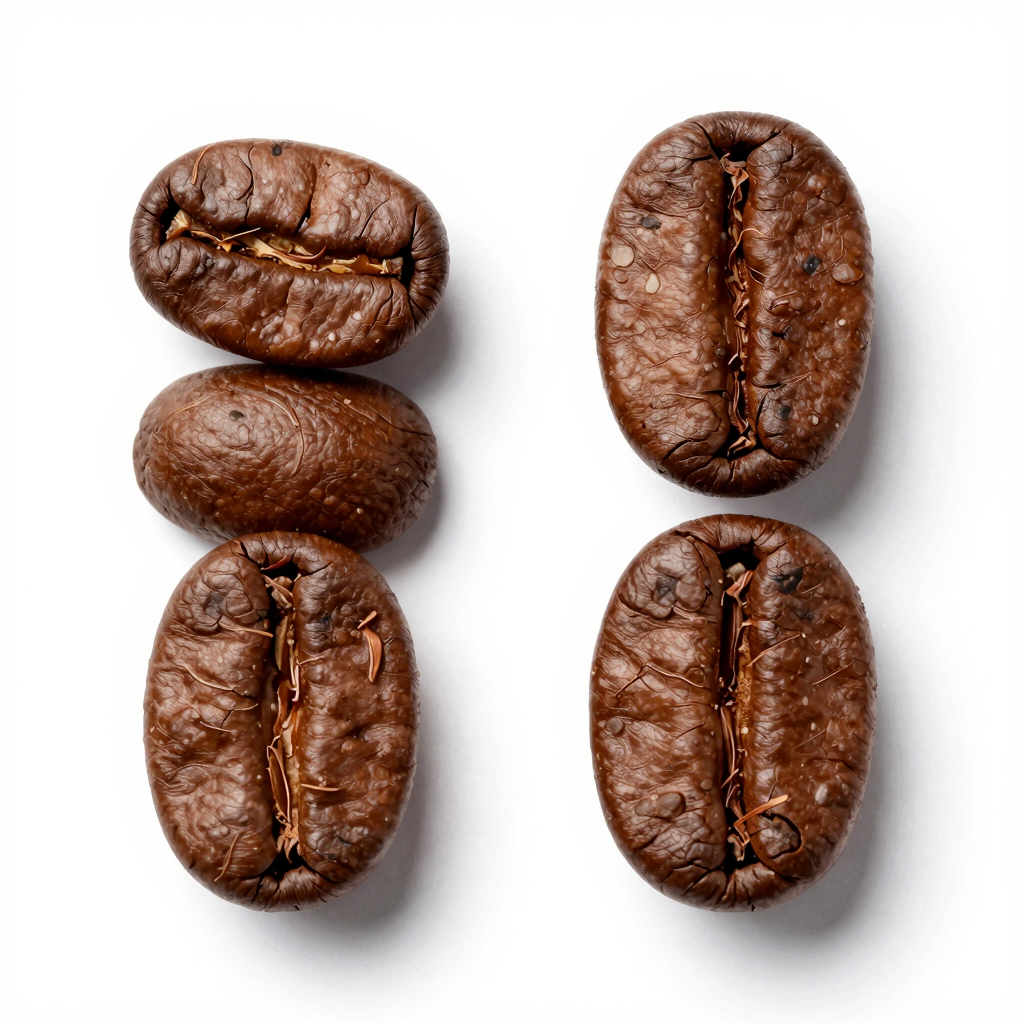
Espresso beans are not a distinct type of coffee bean but rather refer to the preparation method involving roasted coffee beans, typically either Arabica or Robusta. The key difference lies in how espresso beans are prepared compared to other coffee beans. Espresso preparation involves the finely ground beans being extracted under high pressure (approximately 9 bar) for a short duration of about 25 to 30 seconds. This process produces a concentrated shot of coffee that ranges from 25 to 40 mL and is characterized by a rich crema, full-bodied flavor, and intense aroma. In contrast, regular coffee is generally brewed using coarser grounds with lower pressure and longer extraction times, resulting in milder flavors and larger volumes ranging from 200 to 400 mL.
Unique Characteristics of Espresso Beans
- Grind Size: Espresso requires a finer grind than regular coffee to facilitate optimal extraction during the high-pressure process.
- Flavor Profile: The intense brewing conditions enhance cell wall breakdown, allowing for a rapid extraction of soluble compounds, resulting in a complex flavor profile with rich notes not commonly found in standard brewed coffee.
- Brewing Temperature: Espresso is brewed at higher temperatures (88-92°C), ensuring a faster extraction that highlights its distinct flavors and aromas.
Business Implications
When it comes to consumer preferences, espresso aficionados often seek strong, bold flavors, which means businesses must invest in high-quality espresso machines and expertly roasted beans to meet customer demands. The need for specialized equipment, such as espresso machines over traditional coffee brewers, is essential in meeting the expectations for espresso preparation. Additionally, as demand for espresso-based drinks grows, understanding brewing techniques and customer preferences can influence menu design and marketing strategies for coffee businesses. As noted by this analysis, focusing on consistent quality and efficient service is vital for retaining customers in the competitive coffee market.
Health Benefits of Coffee and Espresso
Coffee and espresso have long been celebrated not just for their rich flavors, but also for the multitude of health benefits they offer. Recent studies have reinforced the positive effects of moderate coffee consumption on various health metrics, making it a compelling topic for businesses seeking to market coffee-related products effectively.
Key Health Benefits
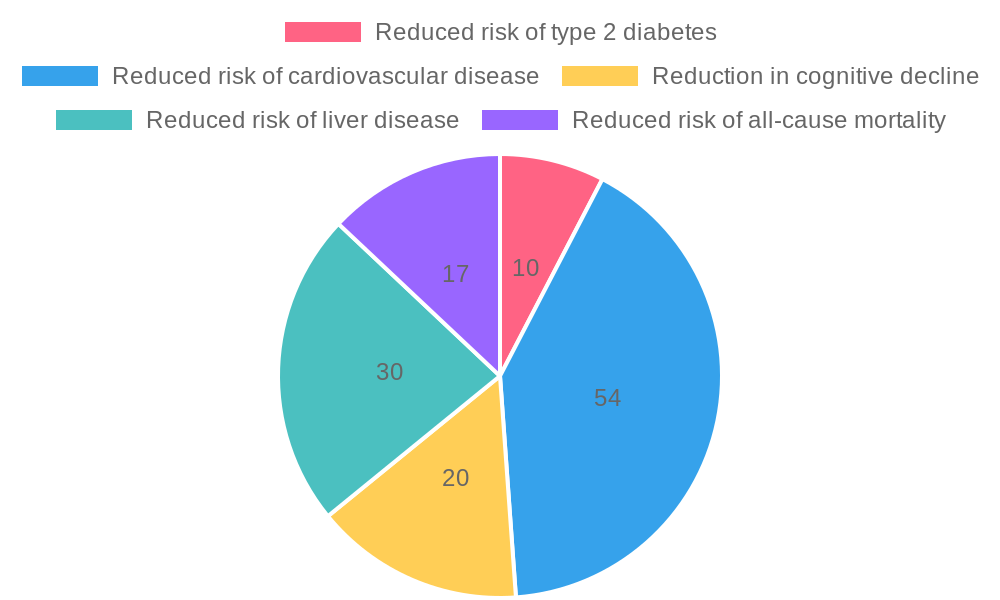
- Reduced Risk of Type 2 Diabetes: Studies show that each additional cup of coffee can reduce the risk of developing type 2 diabetes by approximately 10%. This benefit is primarily attributed to the presence of antioxidants and caffeine, which improve insulin sensitivity and metabolic health.
- Source: Harvard Health Publishing
- Lower Cardiovascular Disease Risk: A larger cohort study found that drinking 2-3 cups of coffee daily is associated with a remarkable 54% lower risk of cardiovascular disease death. This protection is linked to the antioxidants in coffee that enhance heart health and improve endothelial function.
- Source: British Journal of Nutrition
- Cognitive Function Improvement: Regular coffee drinkers may enjoy a 15-20% reduction in the risk of cognitive decline and diseases like Alzheimer’s and Parkinson’s. The critical role of caffeine and polyphenols in enhancing cognitive function has been widely recognized in scientific literature.
- Liver Health: Coffee consumption is linked to a 30% lower risk of liver disease, including liver cirrhosis and liver cancer. The protective effects of coffee are likely due to its anti-inflammatory properties and the presence of beneficial compounds that support liver function.
- Source: Mayo Clinic
- Reduced All-Cause Mortality: Evidence suggests that individuals consuming 2-3 cups of coffee daily have a 17% lower risk of all-cause mortality compared to non-drinkers. This statistic underscores the importance of coffee as a viable health-promoting beverage.
- Source: European Journal of Epidemiology
Conclusion
For business owners in the coffee industry, emphasizing these health benefits can significantly enhance marketing strategies. By presenting coffee and espresso not just as pleasurable consumables but as components of a healthy lifestyle, businesses can attract a broader customer base. This approach aligns well with consumer trends leaning towards health and wellness in their dietary choices.
Comparison of Brewing Methods for Coffee and Espresso
When discussing whether coffee and espresso beans are the same, it’s essential to understand the distinct brewing methods and their effects on flavor and preparation.
Brewing Methods Comparison Table
| Brewing Method | Preparation Time (minutes) | Taste Profile | Necessary Equipment |
|---|---|---|---|
| Espresso | 3-5 | Bold, Concentrated, Rich, Intense | Espresso machine, Grinder, Tamper, Portafilter |
| Drip Coffee | 5-8 | Smooth, Balanced, Clean | Automatic coffee maker, Coffee grinder, Filter, Water |
| French Press | 4-6 | Rich, Full-bodied, Earthy | French press (plunger pot), Coffee grinder, Kettle |
| Pour-Over | 3-5 | Bright, Clear, Delicate, Complex | Pour-over cone (e.g., Hario V60), Filter, Kettle |
| Cold Brew | 12-24 (steeping), 2-3 (filtering) | Smooth, Low Acidity, Sweet, Mellow | Large container, Coffee grinder, Fine mesh filter, Strainer |
Source: Based on recent data from reliable sources including Coffee Brewing Methods Compared – 2026, Best Coffee Brewing Methods – 2026, and Manual Brewing Methods – 2026.
This table clearly illustrates the variations in preparation time, taste profile, and necessary equipment, helping business owners make informed decisions based on their preferences and customer needs.
Customer Demand Trends in Coffee and Espresso
As the global coffee culture continues to evolve, understanding current trends in customer demand for coffee and espresso is crucial for business owners. Recent insights reveal significant shifts in consumer preferences and buying patterns, particularly in the wake of the pandemic and a growing focus on health and wellness.
Current Trends
The coffee market in 2023 showcases several notable trends:
- Quality Over Quantity: Consumers are increasingly prioritizing high-quality coffee. A recent report indicated that the coffee industry in China, for example, saw a staggering 15% increase in demand compared to the previous year, with new coffee shop openings soaring by 58% (source: Xinhua). This trend signals a shift from merely consuming coffee for its caffeine content to appreciating its rich flavors and premium sourcing.
- Health-Conscious Choices: There’s a rising demand for health-oriented coffee products. This includes options like low-sugar beverages and functional coffees infused with vitamins or probiotics, catering to a health-conscious demographic that values wellness benefits.
- Personalization: Customers increasingly seek personalized experiences, from custom flavor profiles to options for non-dairy milk alternatives, such as oat and almond milk. This trend reflects a blend of individual preferences and dietary needs, particularly among younger consumers.
Market Implications
These evolving preferences present both challenges and opportunities for coffee businesses:
- Business Opportunities: Brands that can adapt to the demands for quality, health, and personalization are likely to thrive. Investing in high-quality beans, crafting unique blends, and offering innovative brewing methods create opportunities to stand out in a competitive market.
- Competitive Advantage: Businesses can gain a competitive edge by leveraging online platforms to reach broader audiences, enhancing customer engagement through personalized marketing and loyalty programs. As businesses embrace an omnichannel strategy, they can better align with consumers who increasingly shop both online and offline.
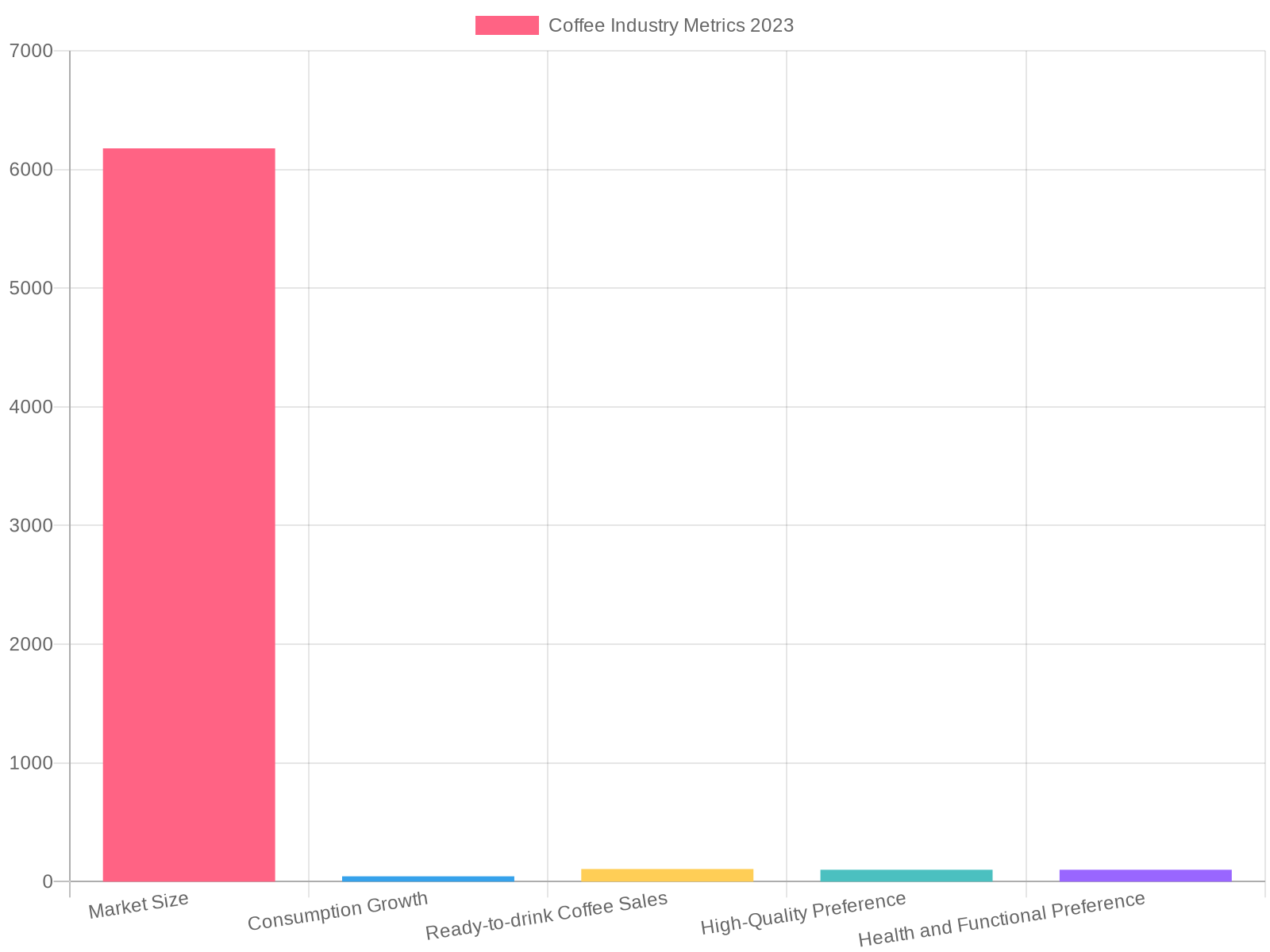
Conclusion
In conclusion, understanding coffee demand trends and espresso market insights is vital for business success. Business owners must stay updated on these trends and align their strategies accordingly, ensuring they meet the evolving expectations of today’s coffee consumers.
Coffee vs. Espresso: Insights from an Expert
To understand the nuances between coffee and espresso, it’s crucial to hear from industry experts. Sarah Lin, Chief Coffee Analyst at the National Coffee Association, shares valuable insights:
“In modern coffee shops, offering both espresso and drip coffee isn’t just about product variety; it’s a core business strategy. It allows coverage of a wide range of consumer scenarios, from quick lattes to all-day pick-me-up drinks. Statistics show that cafes with dual systems see an average customer’s dwell time increase by 27%, and an 18% boost in average ticket size. This demonstrates that providing both types of coffee not only attracts different customer segments but also enhances customer retention and revenue capabilities.”
This quote emphasizes the significance of providing both coffee types in maximizing business potential.
You can explore more about the business implications of coffee varieties here.
Additionally,
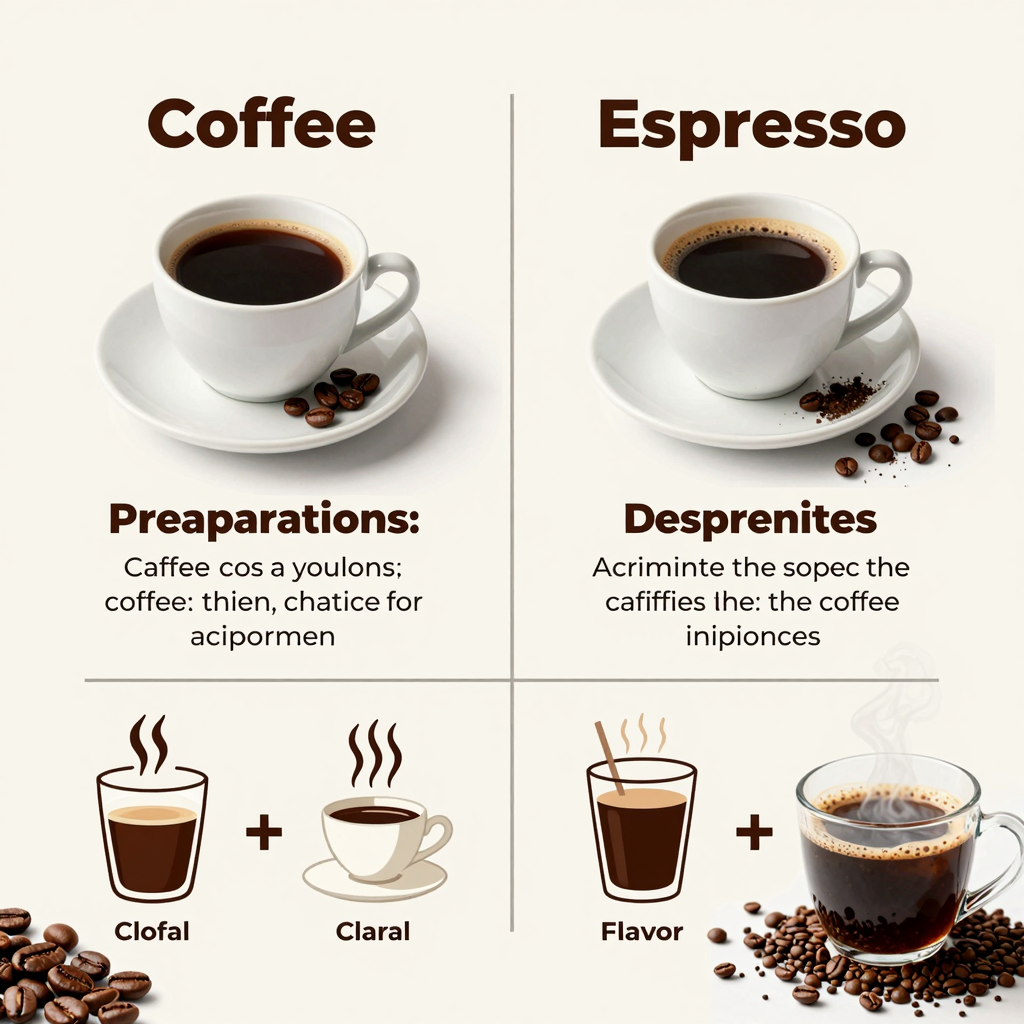
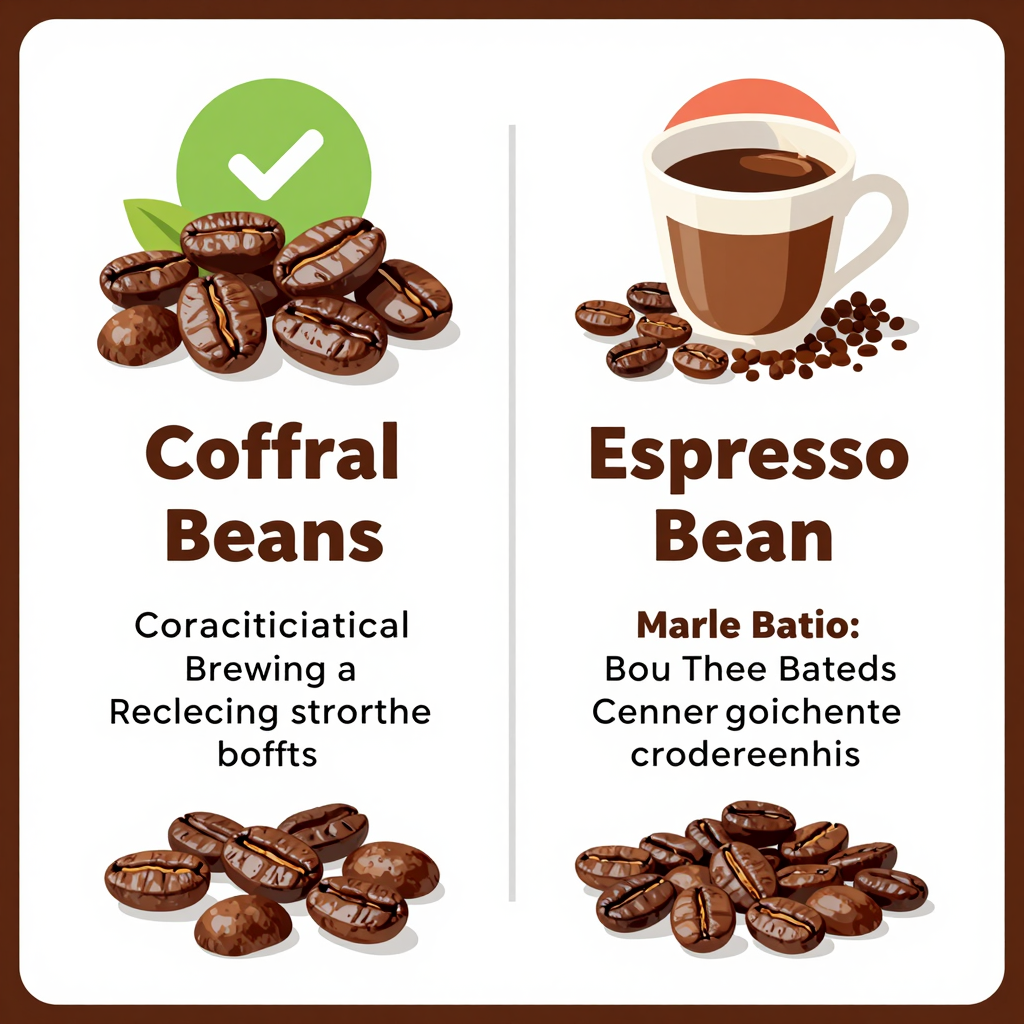
this infographic visually represents the differences between coffee and espresso, enhancing your understanding.
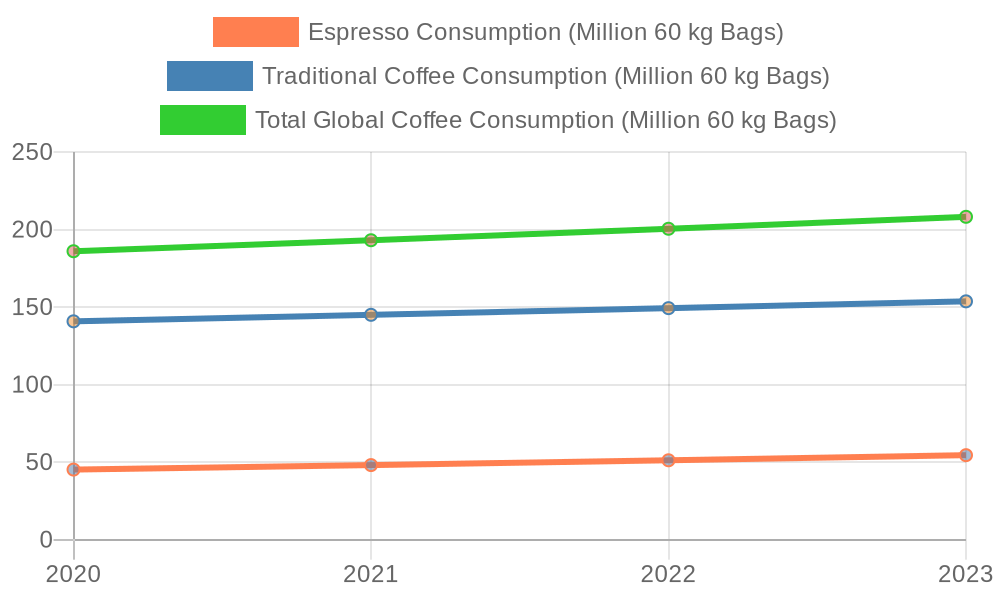
The chart above illustrates the trends in global coffee consumption from 2020 to 2023. It highlights the significant growth in espresso consumption compared to traditional coffee. The growth in espresso consumption, particularly, has been noteworthy-rising at a compound annual growth rate (CAGR) of 6.8%, while traditional coffee saw a modest growth of 3.2% over the same period. This data serves as valuable insight for business owners looking to make informed decisions in the coffee sector.
Conclusion
In conclusion, while both coffee and espresso beans originate from the same plant, their differences in processing, flavor profiles, and brewing methods can significantly impact business potential in the food industry. Coffee beans are typically roasted for a longer duration, resulting in a milder flavor, and are well-suited for various preparation methods, such as drip brewing or French press. In contrast, espresso beans are roasted for a shorter time, contributing to a bolder and richer flavor, ideal for espresso machines.
Understanding these distinctions enables entrepreneurs to cater more effectively to their target audience, whether it’s through specialty coffee shops or unique espresso blends. With the global coffee market forecasted to rise significantly, now is an excellent time for business owners to consider expanding their offerings.
By exploring the appeal of both coffee and espresso to different customer bases, you can create a more diverse and attractive menu that meets consumer demands. Remember, the initial hook of this discussion underscores the exciting potential in distinguishing your products to stand out in a competitive market.
For those looking to expand their food business, exploring innovative partnerships, such as with mobile food units like Truck Pizza, can further enhance your café’s offerings. Get inspired by unique mobile food concepts.