
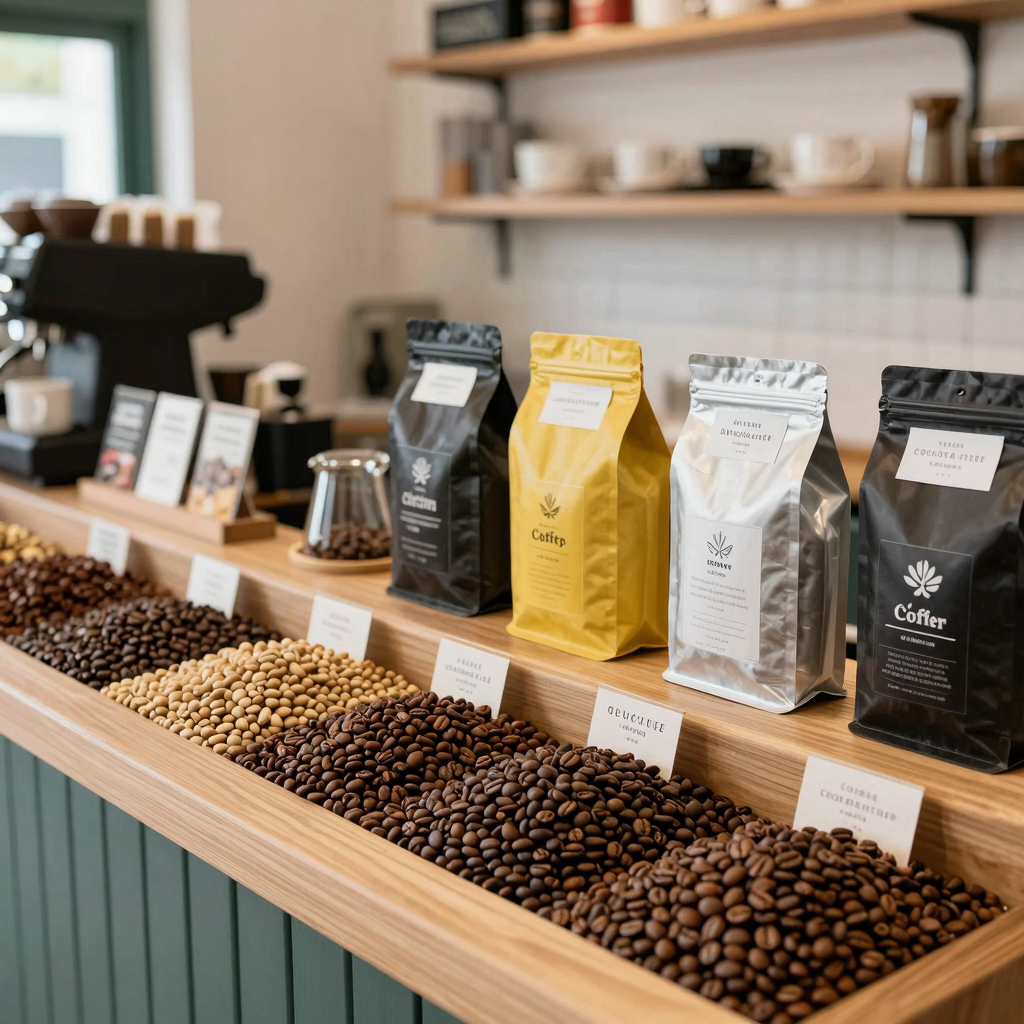
Introduction to “Hill of Beans” Coffee
In the bustling food industry, every detail counts, and one aspect that can significantly influence customer satisfaction and business success is the quality of coffee served. Enter the concept of “hill of beans” coffee, a term that not only highlights the abundance and diversity of coffee beans available but also emphasizes the importance of selecting the right beans for your establishment. For business owners in the food sector, understanding the essence of high-quality coffee can make a world of difference. Not only does it enhance the dining experience for customers, but it can also become a key differentiator in a competitive market. By exploring the intricacies of coffee selection, roasting processes, and brewing methods, business owners can unlock the potential of exceptional coffee to elevate their brand and attract a loyal clientele. Join us as we delve into the multifaceted world of coffee and discover how making informed decisions about your coffee offerings can lead to increased customer satisfaction and, ultimately, a thriving business.
Learn more about quality coffee’s impact on customer experience and stay tuned for practical insights that will help you brew success in your establishment.
Overview of Popular Coffee Beans for Business Owners
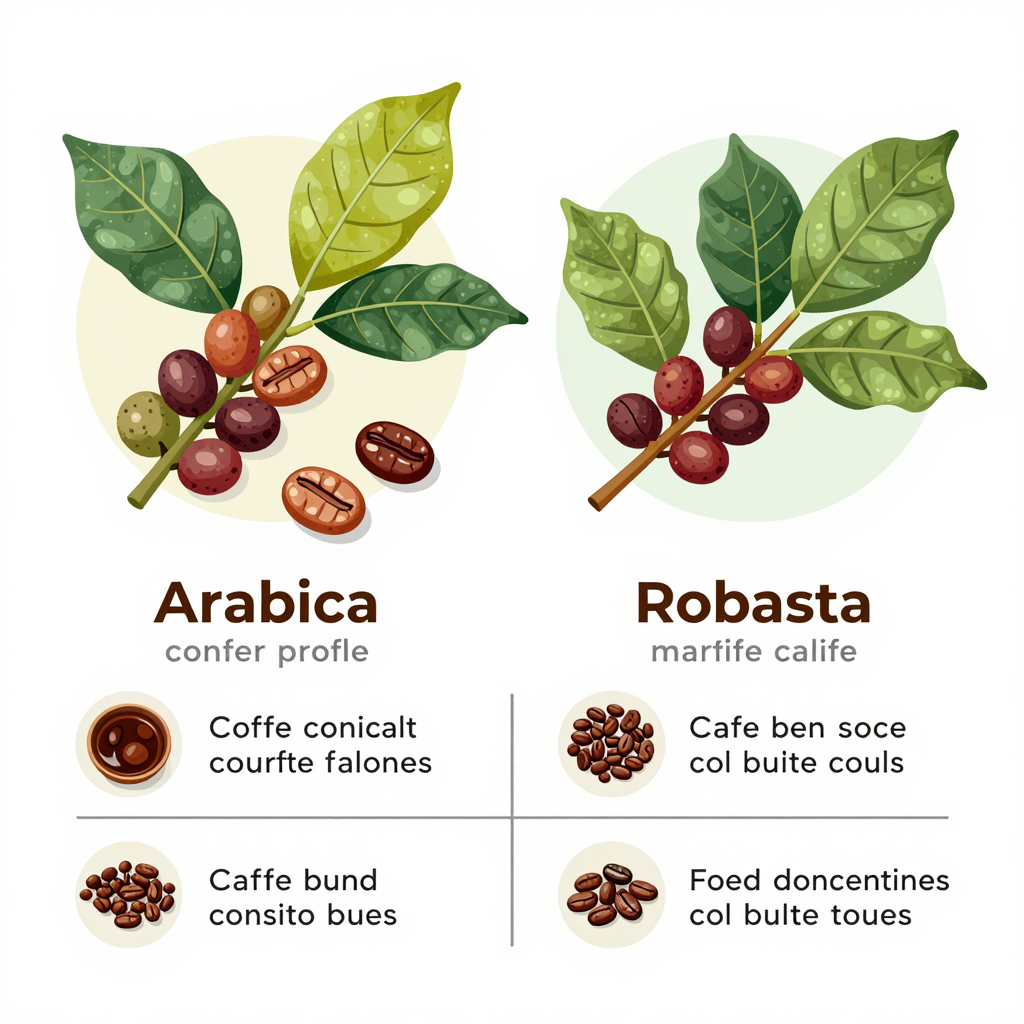
When it comes to sourcing coffee, understanding the different types of beans is crucial for business owners in the food and beverage industry. Two of the most popular varieties are Arabica and Robusta, each with unique characteristics and market implications.
Arabica Coffee Beans
Arabica beans are considered the gold standard in coffee, accounting for about 70% of the world’s coffee production. They are known for their smooth and complex flavors, often described as:
- Fruity
- Floral
- Chocolatey
- Nutty
Arabica beans typically have a lower caffeine content of around 1.5%, providing a more palatable option for sensitive drinkers. These beans thrive in high altitudes (1,000-2,000+ meters), enhancing their flavor profile and making them highly sought after in specialty coffee markets. Popular Arabica varieties include Typica, Bourbon, Caturra, and Gesha, which can attract customers looking for premium options. Businesses leveraging high-quality Arabica can differentiate themselves in a competitive market.
Robusta Coffee Beans
Robusta beans constitute about 30% of global coffee production and come with a higher caffeine content of approximately 2.7%. These beans are typical in instant coffee and espresso blends due to their stronger and more bitter flavor, often described as having nutty or chocolaty undertones.
- Characteristics:
- Strong, harsher taste
- More resistant to pests and diseases
- Lower cost, making it a favorite for many commercial brands
Though less popular in specialty markets, their ability to create rich crema in espresso makes them valuable for cafes and restaurants offering mixed coffee beverages.
Market Trends
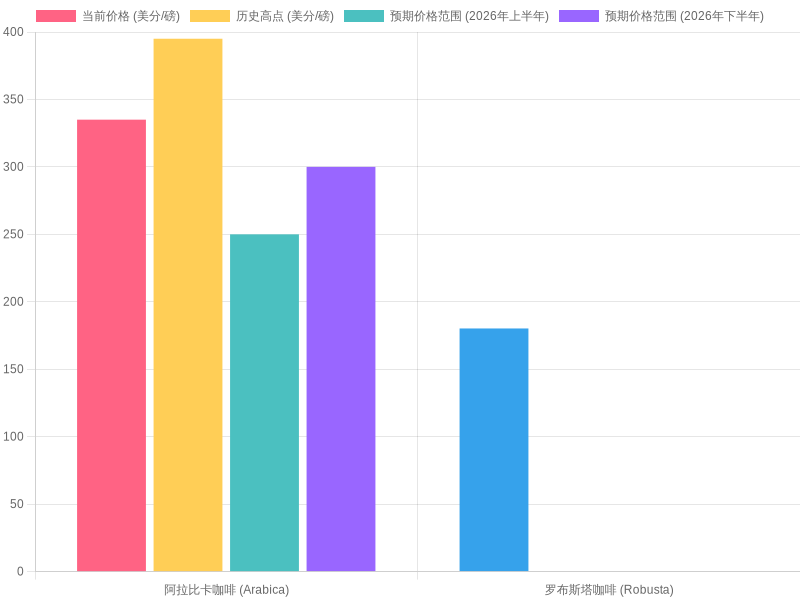
Recent market trends indicate that Arabica beans are maintaining a pricing premium, often trading around 334.99 cents per pound, while Robusta hovers at 180.23 cents per pound. Investing in specialty Arabica can appeal to health-conscious consumers interested in unique flavors and sustainable practices. Learn more about market trends.
The bar chart below visualizes the price differences and trends in Arabica and Robusta coffee beans, showing their relevance for business strategies in 2026.
Understanding these bean types ensures that business owners can meet customer demands and navigate the competitive coffee landscape effectively.
Benefits of Serving Quality Coffee in Restaurants and Food Trucks
Serving quality coffee in your establishment can significantly enhance customer experience and drive business success. Here are some key benefits:
- Increased Customer Loyalty: High-quality coffee can create memorable experiences, encouraging repeat visits from satisfied customers.
- Enhanced Brand Image: A reputation for serving excellent coffee helps position your brand as premium and sophisticated, appealing to a discerning clientele.
- Higher Average Transaction Values: Restaurants and food trucks that offer specialty coffee can increase average tickets by as much as 35%, as customers are willing to pay more for a quality product.
- Product Differentiation: In competitive markets, serving unique or specialty coffees can set your business apart, making it more memorable to customers.
- Expanded Menu Appeal: Quality coffee can complement a diverse food menu, enhancing the overall dining experience and encouraging customers to explore more offerings.
By integrating quality coffee into your menu, you not only elevate customer satisfaction but also create unique selling propositions for your business. This strategic move could significantly contribute to your revenue growth and customer base expansion. To dive deeper into how coffee can enhance your business, learn more about its impact on the food industry.
| Coffee Bean Type | Flavor Characteristics | Caffeine Content | Common Uses |
|---|---|---|---|
| Arabica | Complex, bright acidity, floral, sweet | 0.9% – 1.5% | Specialty coffee, hand-brewed |
| Robusta | Strong, bitter, nutty, chocolate | 2.0% – 4.0% | Espresso blends, instant coffee |
| Liberica | Unique, woody, smoky, earthy | ~1.23% | Special blends, high-end single origin |
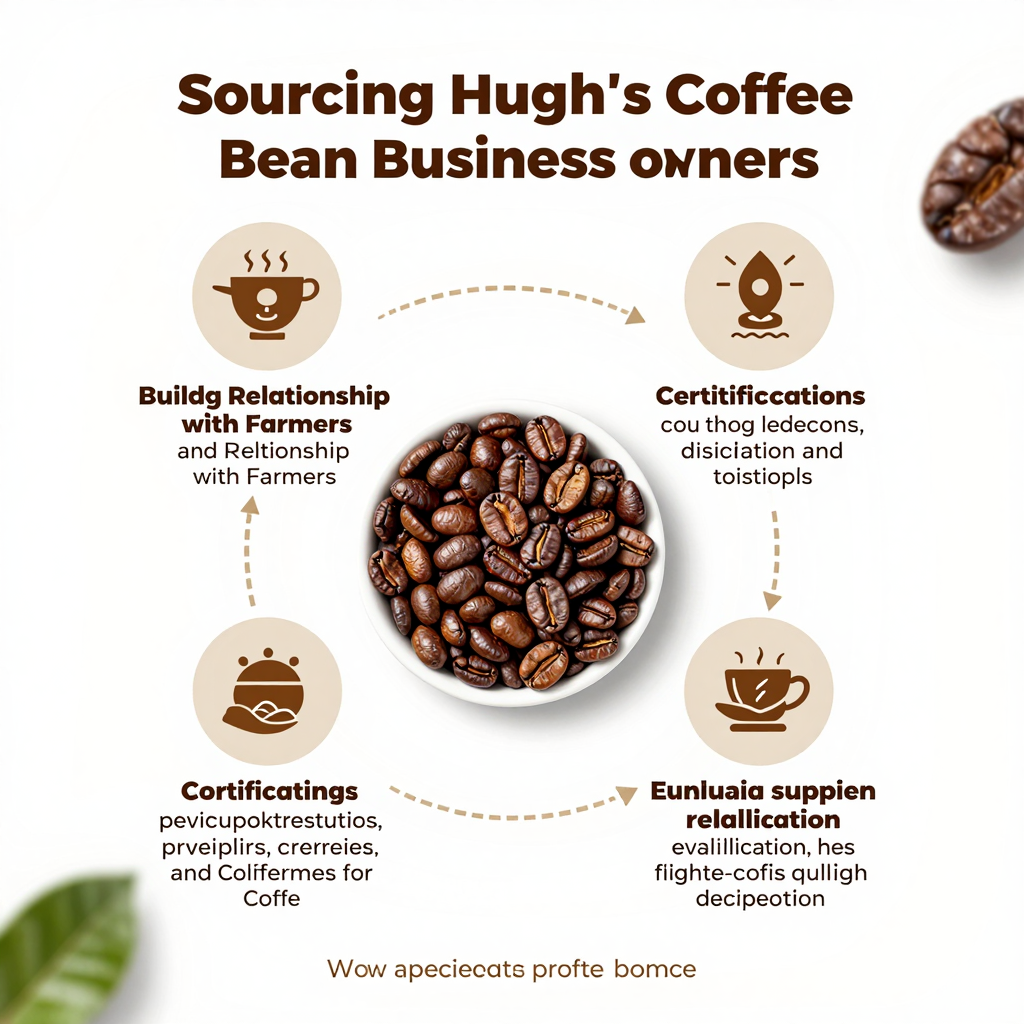
Sourcing Quality Coffee Beans
For business owners in the coffee industry, sourcing high-quality coffee beans is crucial for success. Here are some effective strategies and tips to consider:
1. Build Direct Relationships
One of the most effective ways to secure quality coffee beans is to establish direct relationships with certified farms or cooperatives. Programs that focus on ethical sourcing can facilitate direct contact with suppliers who prioritize quality and sustainability.
2. Select Suppliers Wisely
When selecting suppliers, look for those that offer transparent origin details and roast profiles. Certifications such as Fair Trade, Organic, or Rainforest Alliance can be indicators of quality and ethical practices. Conduct thorough research on potential suppliers using platforms like ImportYeti for verification of their export history and market reputation.
3. Understand Coffee Bean Freshness
Freshness is key to quality coffee. Beans should ideally be sourced within a year of harvest. Suppliers should provide information about the harvest date, processing method, and transportation conditions. Conducting sample tastings can help determine if the flavor meets your standards.
4. Conduct Quality Tests
Before making large transactions, it’s advisable to request detailed lot information and recent lab test reports to ensure the beans meet international quality standards. Look for moisture content and defect levels as vital metrics.
5. Use Digital Tools
Leverage digital procurement platforms to manage contracts efficiently, track shipments, and streamline ordering processes. These tools can enhance transparency and make your sourcing process more efficient.
Implementing these strategies not only helps in maintaining a consistent supply of high-quality coffee beans but also builds trust with your suppliers, fostering a long-term business relationship. For further insights on related topics, check out our blog on supporting mental health through occupational therapy.
Procurement Preferences
The Impact of Quality Coffee on Customer Satisfaction and Loyalty
Quality coffee not only enhances individual customer experiences but also plays a significant role in fostering long-term loyalty. As noted by experts in the field, the relationship between coffee quality and customer satisfaction is profound.
“Excellence in every step-from bean selection to brewing-creates a consistent, superior product that fosters deep customer satisfaction and loyalty.”
- illycaffè, Quality: A History of Excellence
By investing in high-quality coffee, business owners can expect to see improved customer retention and positive word-of-mouth, ultimately benefiting their brand in a competitive market. For more insights, you can learn more about the importance of customer satisfaction.
Quality coffee is more than a product; it’s a philosophy that has helped numerous businesses thrive in a competitive market. The “hill of beans” metaphor captures both the simplicity and the depth of the coffee industry. Below are notable case studies of successful businesses that prioritize high-quality coffee, illustrating how their commitment has led to remarkable success.
1. Luckin Coffee (瑞幸咖啡)
Luckin Coffee has taken the Chinese coffee market by storm by focusing on superior quality and innovative offerings. The brand emphasizes global sourcing of high-quality coffee beans from renowned regions such as Brazil and Ethiopia. By establishing a robust supply chain that spans over 20,000 stores across China, they have succeeded in creating a reputation for quality. Their consistency is validated by winning multiple gold medals at international competitions. This focus on quality allows them to position their products affordably without compromising on flavor, drawing in more customers and boosting sales performance (source).
2. Cudi Coffee (库迪咖啡)
Cudi Coffee champions the principle that “good coffee comes from good ingredients.” The company has formed long-lasting partnerships with key coffee-producing countries like Colombia and Rwanda, ensuring a steady supply of high-quality beans. Their commitment to sourcing excellence has allowed them to expand globally, maintaining a positive brand reputation. Their success illustrates that an unwavering focus on quality can significantly enhance a company’s market reach (source).
3. Starbucks
While considered a coffee giant, Starbucks has continually refined its approach to deliver high-end coffee experiences. Focused on sourcing ethically-produced Arabica coffee beans, Starbucks has established itself as a leader in the premium coffee market. Their strategy is not only about exceptional coffee but also about creating a community culture. By resisting price wars and instead investing in quality, they have managed to grow their presence in China to over 7,000 stores and plan to expand to 9,000 by 2025 (source). This strategy underscores the importance of quality over pricing in maintaining customer loyalty and driving growth.
Conclusion
These case studies highlight that a commitment to quality coffee can define success in the beverage industry. Businesses that prioritize sourcing high-quality beans, create innovative coffee products, and build strong community connections often see positive impacts on their growth and customer engagement. For business owners, Embracing this philosophy could lead to a more sustainable and rewarding enterprise. If you’re interested in more business strategies, you might want to learn more about successful career strategies.
These examples demonstrate that whether you are an established name or a new contender, prioritizing quality can not only differentiate your brand but also resonate profoundly with consumers.
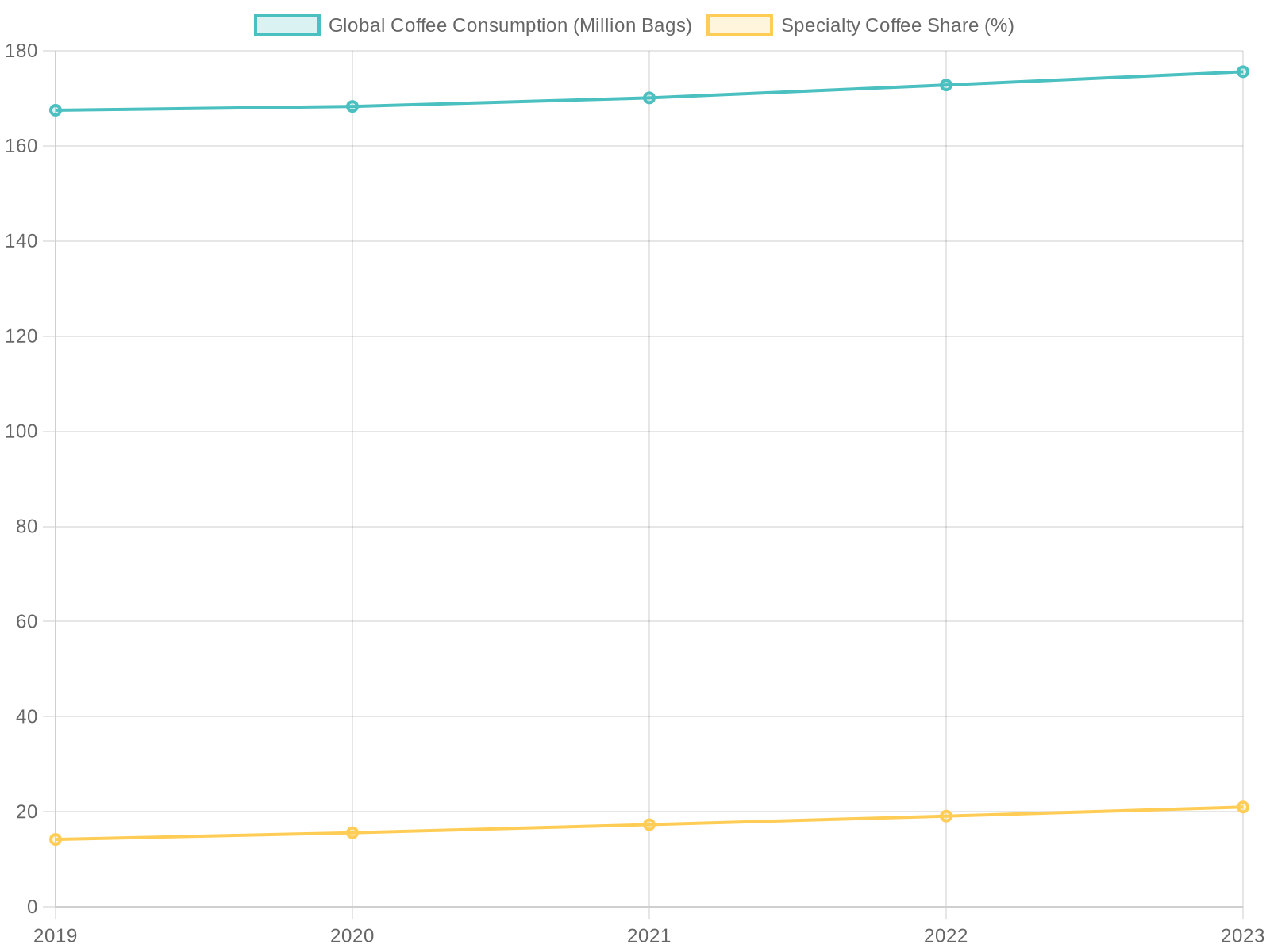 \n\nHere is an insightful chart illustrating the trends in global coffee consumption over the past few years, emphasizing the significant growth in specialty coffee. This data is vital for business owners looking to tap into the lucrative specialty coffee market.\n\n| Year | Global Coffee Consumption (Million Bags) | Specialty Coffee Share (%) | Growth Rate of Specialty Coffee (%) |\n|——|——————————————|—————————-|————————————-|\n| 2019 | 167.5 | 14.2 | – |\n| 2020 | 168.3 | 15.6 | +10.6% |\n| 2021 | 170.1 | 17.3 | +10.9% |\n| 2022 | 172.8 | 19.1 | +10.4% |\n| 2023 | 175.6 | 21.0 | +10.0% |\n\nNote:\n- Global coffee consumption data is based on FAO and International Coffee Organization (ICO) estimates.\n- Specialty coffee share reflects the proportion of specialty-grade beans in total global coffee trade, as reported by the Specialty Coffee Association (SCA).\n- Growth rate of specialty coffee is calculated year-over-year percentage increase in its market share.\n\nExplore more about how the growing trend of specialty coffee can impact your business in the coffee industry by visiting our coffee blog.
Conclusion
In summary, investing in the quality of coffee is more than just a choice; it’s a strategic business move that can significantly enhance customer satisfaction and drive sales. With 78% of customers declaring coffee quality as a primary factor in their café experience, and cafes that prioritize premium coffee witnessing a 32% increase in sales, it is clear where the focus needs to be.
Moreover, high-quality coffee directly correlates with customer loyalty-those rating their coffee experience “excellent” are 4.5 times more likely to return. This emphasis on quality not only meets customer expectations but sets your business apart in a competitive market.
If you’re considering diving deeper into the world of quality coffee for your business, learn more about starting your pizza venture at truckpizza.net. Take that next step toward crafting an exceptional coffee experience for your customers!