
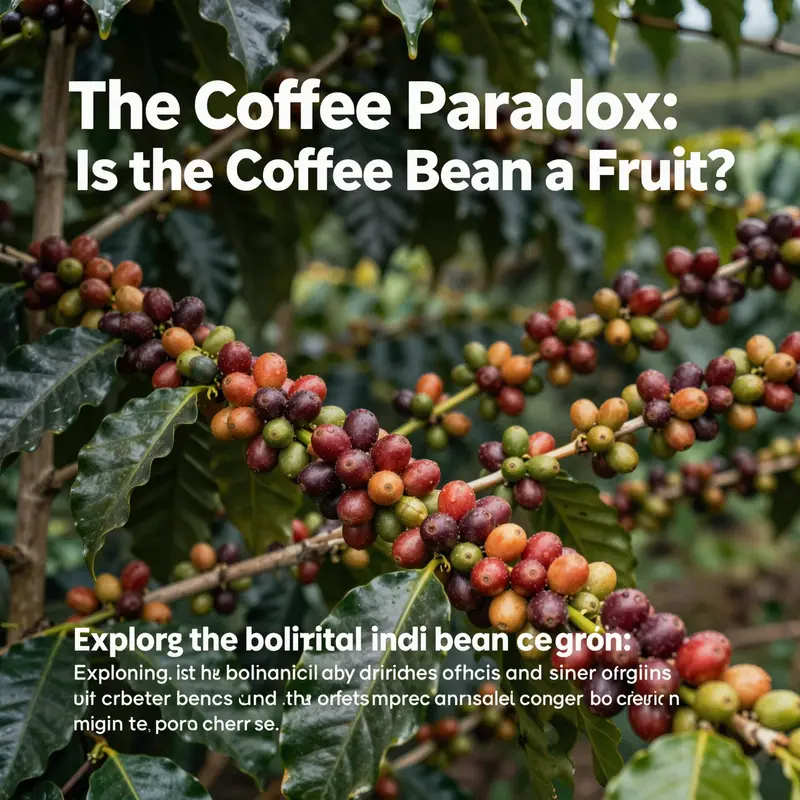
Coffee is one of the most beloved beverages in the world, yet its origins are often misunderstood. At the core of this confusion is the question of whether the coffee bean is actually a fruit. To clarify this, we must delve into the anatomy of the coffee plant and understand its floral offering: the coffee cherry. In doing so, we will gain insight into its role as both a fruit and a seed, as well as explore the taste profiles that come from this unique coffee cherry. Each chapter will provide a deeper understanding of the relationship between coffee beans and coffee cherries, ultimately leading to a holistic view relevant for coffee enthusiasts, business owners, and consumers alike.
From Cherry to Seed: The Fruit at the Core of the Coffee Bean
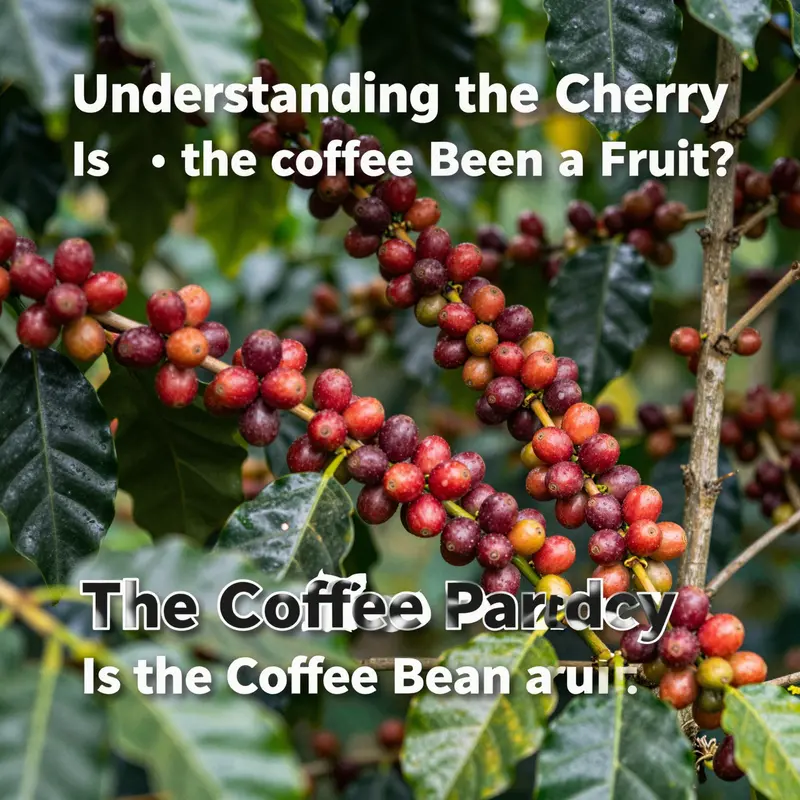
The question of whether the coffee bean is a fruit invites a quiet look at plant life and how we name what we drink. In botanical terms the fruit is the coffee cherry, a fleshy berry that houses the seed we come to know as the bean after processing. The seed is born inside the mature ovary, and its fate is tightly linked to the fruit that carries it from flower to harvest. The distinction matters because it clarifies what is edible in nature and what becomes the foundation of a beverage.
Inside the cherry the seed sits as a hard inner structure with two flat faces pressed together. In most cherries you will find two seeds, giving the familiar two eyed look of a classic coffee bean. A peaberry occurs when only one seed develops and fills the fruit cavity, a variation that some tasting notes attribute to roasting and flavor differences. Botanically these seeds are still seeds, not fruit themselves.
Processing removes the fruit pulp through mechanical or wet methods. The mucilage around the seeds is fermented and washed away in many regions, leaving the parchment and the seeds. The seeds are dried, hulled, and then roasted. Through this sequence what began as a cherry with pulp now arrives as the seed that becomes the roasted bean. Language often travels with the seed into markets and kitchens, where the word bean continues to denote the seed even as science reminds us it is not a fruit.
The fruit also leaves a mark. The sugars and acids in the flesh can influence fermentation dynamics and microbe activity, subtly shaping the seed before it ever leaves the farm. Even after the pulp is removed the seed carries a chemical memory of the cherry, which contributes to aroma and body in the cup.
The binomial of fruit and seed is a useful lens for growers and tasters. The seed is the raw material that farmers dry and roasters heat, while the cherry tells the story of climate, altitude, and farming practice. The name bean endures in markets, bars, and recipes, acting as a bridge between botanical terms and culinary culture.
In short the coffee cherry is the fruit and the seed inside is the bean in common language. Recognizing the distinction helps ground discussions of processing, flavor, and quality, while appreciating how language travels alongside nature to shape our everyday coffee rituals.
Between Berry and Bean: Tracing the Coffee Seed Back to the Fruit That Fuels It
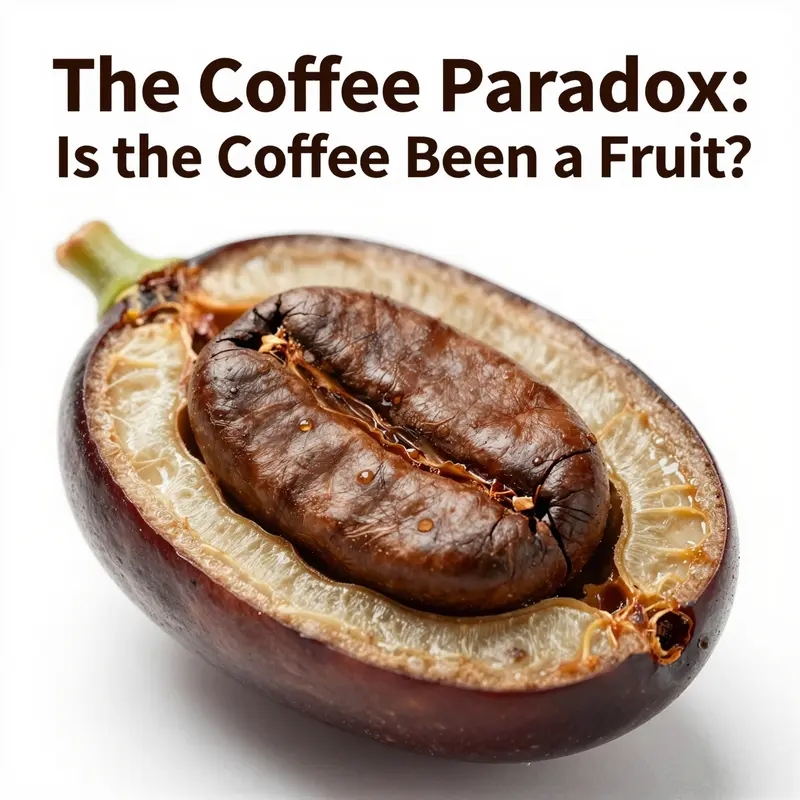
Few questions in everyday coffee lore are as persistent as the simple one: is the coffee bean a fruit? The answer, when read through the lens of botany and the chain of coffee cultivation, is nuanced but clear. The plant that most of the world knows as the coffee tree—whether in the shades of Latin American plantations or the highlands of Africa and Asia—produces a fruit that resembles a berry. This fruit, known to growers and processors as the coffee cherry or coffee berry, is the edible outer layer that surrounds the seed. Inside this bright, sometimes red or yellow fruit, there lie the coffee beans we grind, brew, and savor. The bean itself is not a fruit; it is the seed contained within a fruit, a distinction that carries both botanical accuracy and practical significance for how we understand coffee from plant to cup. In this sense, the journey from fruit to bean mirrors a classic horticultural pattern: the fruit protects and nourishes the seed until conditions are right for propagation, and those seeds, when harvested, processed, and roasted, acquire the aroma and flavor that define coffee for millions of drinkers. The broader picture, then, is one of continuity from fruit to seed to beverage, with a few botanical twists that can surprise the uninitiated.
To grasp the structure, imagine the coffee cherry as a small, glossy capsule that conceals not a single pit but two seeds. The typical coffee cherry holds two seeds with their flat sides facing each other, much like a tiny pair of beans pressed together. This pairing is a hallmark of the most common coffee varieties. There are exceptions in which a cherry contains only one seed, a configuration that specialists call a peaberry. Peaberries account for roughly ten to fifteen percent of harvested beans and are often discussed in tasting circles as offering a distinct, sometimes more concentrated, flavor profile. Whether a cherry yields two seeds or one, the botanical core remains consistent: the seed is the embryo’s future home, and the seed’s interior is packed with the tissues needed for the next generation of coffee plants.
In common parlance, people speak of coffee beans to describe these seeds, but the word “bean” is a colloquial shortcut rather than a precise botanical term. The seed inside the coffee cherry is a part of a fruit, and in botanical terms, the berry-like fruit itself is the unit that contains that seed. The terminology matters because it frames our understanding of how the seed develops, how it is processed, and how flavor begins its journey. Like many seeds that lie at the heart of edible crops, the coffee seed is primarily an endosperm—the nutrient-rich tissue that provides sustenance to the developing embryo. The seed’s white or pale interior, when roasted, becomes the familiar brown grain people grind. The outer protective layers—the fruit’s pulp and the seed’s parchment-like exocarp and endocarp—are stripped away at different stages of processing, but their existence is a reminder that the “bean” cannot be separated from its origin within a living fruit.
That origin matters for more than nomenclature. The fruit surrounding the seeds is not merely a container; it plays a pivotal role in shaping flavor and aroma through the harvest-to-drying sequence. Coffee cherries are picked when they reach a ripe sweetness that is often described as fruity and bright. The ripening color—red or yellow, depending on the variety—signals the sugars and acids present in the pulp. After harvest, the fruit’s fate diverges depending on the processing method. In a washed process, the pulp is mechanically removed, and the seeds undergo fermentation, washing, and drying. In natural or dry processing, whole cherries are dried with their pulp intact, allowing the sugars and flavors of the fruit to influence the beans more directly. In both pathways, the fruit’s sugars and acids leave an imprint on the final flavor profile, even though the pulp is typically removed long before the beans reach the consumer. This link between fruit and seed is why tasters often describe coffee with a spectrum of fruity notes, yet the edible fruit itself is rarely consumed in the same way as a grape or a peach. The cascara, a beverage made from dried cherry husk, does remind us that the fruit itself holds value beyond its seed, albeit in a different form and market niche.
From a structural standpoint, the coffee seed is a seed—the botanical seed that, with proper germination, could give rise to a coffee plant. The seed’s interior, the endosperm, is the principal edible component that roasts into the familiar coffee bean. The embryo within the seed sits as a tiny future plant, waiting in suspended animation until conditions in the soil and climate signal a chance to sprout. The endosperm’s composition—carbohydrates, lipids, and proteins—provides the energy needed for the seed to germinate and grow. When we roast and grind the seed, we are transforming a seed’s stored resources into aroma compounds and flavors that can travel through water and steam to reach our senses. Thus, the seed is not simply a byproduct of the fruit; it is a complex organ that carries both genetic information and metabolic potential, ready to be released as coffee’s sensory experience through heat and extraction.
The distinction between seed and fruit receives further nuance when we consider the seed’s two-seed arrangement inside most cherries. The flat faces of the two seeds are oriented toward each other, a geometric detail that influences how the fruit’s interior spaces are utilized during development. When the cherry is fertilized and the seeds mature, the surrounding pulp swells with sugars and acids that eventually become what coffee drinkers recognize as the fruit’s ripe presence. In some cultivars, a grape-like enlargement of the fruit’s pericarp coincides with the seeds’ maturation, and this co-development is what keeps the seed’s nutrient supply in balance with the fruit’s energy needs. The interplay between fruit and seed also has practical implications for agronomy and harvest decisions. Farmers and processors gauge the fruit’s ripeness and the seed’s development together, because the timing of harvest affects both fruit quality and seed readiness. In a sense, the seed’s destiny—whether it becomes a robust roasted bean or a peaberry with a different flavor nuance—begins with the fruit’s color, sweetness, and texture.
It is easy to overlook the physical reality that the fruit surrounding the seed has a practical life outside the farmer’s field. The fruit’s pulp and mucilage influence fermentation, a step that helps remove the mucilage and clarifies the beans before drying. Fermentation, in turn, can leave behind subtle trace flavors that coffee enthusiasts sometimes describe as fruit-like, winey, or even fermented. These notes are not ingredients added later; they are signatures of how closely the seed’s development and the fruit’s chemical composition interact with microbial activity during processing. In this sense, the fruit’s vitality remains part of the seed’s legacy, long after the mucilage has been washed away or dried into a stable form ready for roasting. The relationship between the fruit and its seed thus carries forward into the cup, shaping not only aroma and taste but the very expectations coffee lovers bring to a new harvest.
To extend this understanding, consider a simple botanical analogy that resonates with many edible seeds: the peach. The peach is the fruit, and the pit contains a single seed. By contrast, the coffee cherry is a berry that often houses two seeds pressed together. The peaberry phenomenon—a single seed within a cherry—offers a reminder that nature does not always conform to tidy patterns. When this single seed forms, its surface and internal geometry can alter how heat penetrates during roasting and how flavors emerge during extraction. Coffee professionals often describe peaberries as having a slightly different density and surface area, which can translate into perceptible differences in aroma and sweetness, though many tasters insist that the variation is subtle and context-dependent. The bottom line remains: the seed’s identity as a seed is not diminished by its potential to deliver a distinct flavor experience. Rather, it underscores the nuanced biology that underpins the coffee that tastes so familiar yet never quite the same from one harvest to another.
If we zoom out a little, the broader significance of the seed-fruit relationship becomes a lens for understanding how agricultural crops are shaped by both biology and culture. The coffee plant reproduces through seeds that are embedded in a fruit designed to attract animals, which then disperse the seeds. In human cultivation, that biology is harnessed and guided by careful harvesting, processing, and roasting practices. The fruit’s role evolves from an arboreal reward for animals to a controlled substrate for human craft. The seed inside, with its endosperm and embryo, becomes the focal point of industrial-scale production, artisanal roasting, and the global ritual of morning coffee. Yet the seed does not shed its botanical identity just because humans have found a way to extract flavors so effectively. It remains a seed—the embryonic plant’s potential—inside a fruit that humanity has learned to2 value, process, and transform.
One might pause here to reflect on the educational value of clarifying these terms. In everyday conversation, a “bean” sounds like a legume or a tiny vegetable, a seed that might sprout into a plant. Yet in coffee, the S-shaped journey from seed to cup requires a recognition that the seed’s life begins within a fruit. This recognition matters not only for scientists and farmers but for consumers who want to understand what they are tasting and why. When a cup tastes bright, fruity, or even wine-like, it is a reflection not only of the seed’s chemistry but of the fruit’s history within the seed’s development and the processing decisions that followed harvest. The fruit’s sugars, acids, and secondary metabolites leave imprints that linger even after the parchment is peeled away and the green bean is ready for roasting. In that sense, every cup is a narrative of a berry’s life, condensed and transformed through heat, water, time, and human expertise.
We can also acknowledge the cultural and economic dimensions that surround this botanical fact. The coffee supply chain traverses far more than agricultural fields. It spans cooperative farmers who select cultivars suited to their climate, millers who optimize processing to highlight desired flavors, roasters who calibrate heat to unlock aroma, and baristas who translate that chemistry into sensory experiences. The seed that began its life within a fruit has become a commodity that travels continents, a narrative of geography and taste. The mere fact that a coffee cherry is a fruit does not change the craft in the slightest, but it does illuminate why certain processing methods are chosen, why certain flavor profiles appear in specific regions, and why the same species can yield markedly different cups depending on harvest year and handling. In the end, the seed’s botanical reality anchors a larger conversation about how humans interact with living systems to produce something as simple and as beloved as a daily cup of coffee.
If the question still lingers in the mind, the answer can be summarized with clarity: the coffee fruit exists; the coffee bean is its seed. The seed’s existence is what becomes coffee through roasting, grinding, and extraction. The fruit’s existence is the cradle of the seed, the medium through which sugars, acids, and nutrients are stored until the plant’s future is realized in seed dispersal and plant propagation. The two are inseparably linked in both biology and practice, and their relationship helps explain why coffee, unlike many other staple beverages, carries such a complex, evolving, and deeply researched profile. The seed’s biology underpins not only how coffee tastes but how coffee is grown, harvested, processed, and valued around the world. As researchers and scholars continue to document the minute details of coffee bean structure and development, the central truth remains: the bean is a seed drawn from a fruit, the coffee cherry, which itself holds a storied place in human culture and agricultural science. The distinction remains precise, even as the sensory experience of coffee captivates millions who might never pause to parse botanical terms. In the end, understanding this fruit–seed relationship enriches the experience of coffee as both a plant’s reproductive strategy and a globally shared ritual.
External reference for further reading on the seed and fruit structure of coffee: https://www.extension.iastate.edu/agronomy/crop-news/2023/03/coffee-bean-structure-and-development
null
null
From Berry to Brew: The Dual Identity of the Coffee Seed in Culinary Culture
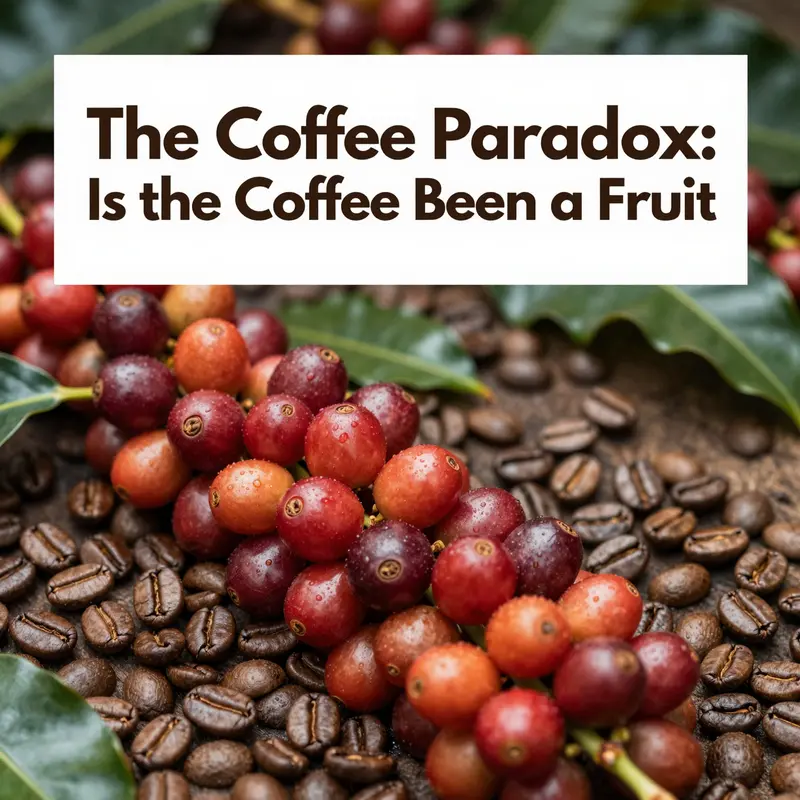
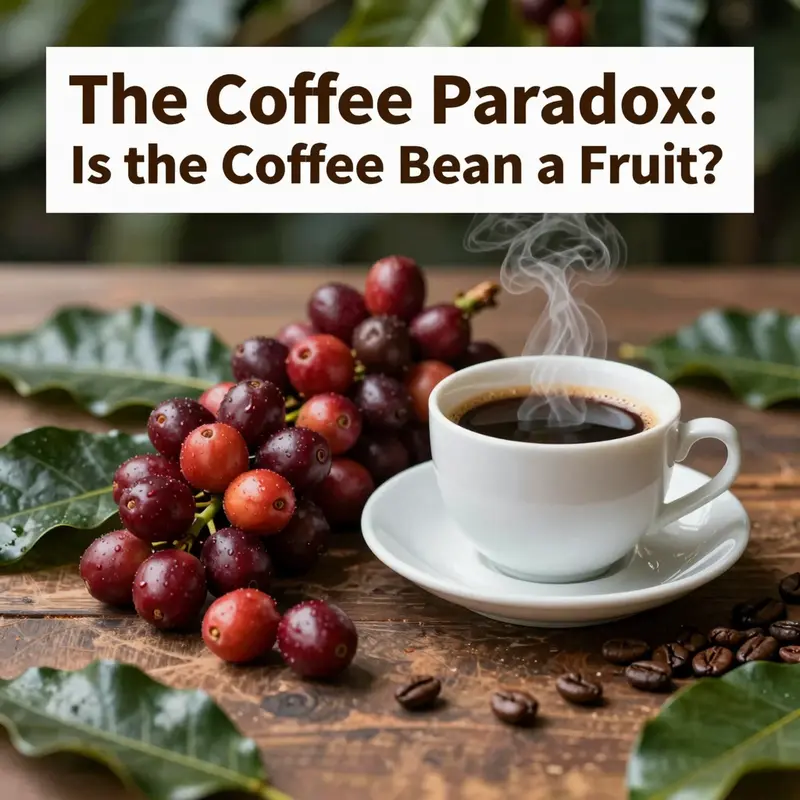
The question at the heart of this chapter—whether the coffee bean is a fruit or a seed—opens a window onto a broader conversation about how science, cuisine, and culture intersect in everyday life. People reach for a cup of coffee with a sense of ritual, memory, and preference, often without pausing to parse the botanical facts that underlie the beverage’s origins. Yet the distinction matters, not only for taxonomy, but for how we imagine the plant, the harvest, and the experience of flavor that unfolds from seed to cup. Botanically, the Coffea plant produces a small, fleshy fruit commonly called a coffee cherry or coffee berry. Inside this cherry are typically two seeds that press together along their flat sides—the jostling little disks that, after processing, roasting, and grinding, become the familiar roasted coffee beans. In this sense, the entire cherry is the fruit, and the edible, commercially valuable component—the part that is transformed through roasting and brewing into coffee—remains the seed inside.
This layered truth—fruit on the outside, seed on the inside—shapes more than taxonomy. It influences language, culinary practice, and cultural symbolism. The term coffee bean endures precisely because the seed resembles a bean in its dark, compact form and in the way it occupies its own narrative of preparation: harvest, dry processing or wet processing, fermentation, sun-drying, milling, and finally roasting. The resemblance to beans from legumes is a misdirection of sorts, a testament to how common names in cooking and commerce can outpace precise botanical categories. The seed is not a fruit in itself, yet it inherits the fruit’s journey and its flavors, and it becomes a focal point for culinary imagination and social ritual.
The botanical distinction is straightforward enough. The coffee plant makes a fruit that ripens to red or yellow hues, depending on variety and climate. Each fruit typically houses two seeds, which are the product most often referred to, in tasting rooms and markets, as “green beans” before they are roasted. The outer pulp of the cherry provides the raw material for cascara, a beverage derived from the fruit’s skin and flesh that some cultures have embraced as a separate refreshment. But the widely consumed product—the roasted seed—anchors the global coffee economy and the spectrum of sensory experiences that coffee offers. In this sense, the seed is the backbone of a crop that travels from highland plantations into urban cafes, from smallholder plots to industrial roasters, and into kitchens and homes around the world.
The way people talk about coffee also reveals the social and cultural weight carried by this seed. The language around coffee—terms like bean, roast, grind, and brew—frames a culinary narrative that is as much about technique and artistry as it is about biology. The seed’s journey from a hard, protective coat to a fragrant, aromatic, and flavor-rich particle ready for extraction is a story of human ingenuity in processing and taste development. Roasting, in particular, is a cultural act of transformation. It is not merely a culinary step but a ritual that yields a spectrum of aromas—nutty, chocolatey, fruity, or floral—each linked to the seed’s origin, its degree of roast, and the method by which it is prepared. This alignment of seed and sensory memory helps explain why the seed’s label persists in common speech, even as the botanical reality remains clear: the coffee fruit is the source, and the seed is the vessel, the one that carries flavor through heat, time, and human craft.
The journey of the coffee seed from cherry to cup is as much about geography as it is about chemistry. The terroir—the altitude, soil, rainfall, and microclimate where the Coffea plants grow—imbues the seed with distinctive aromatic profiles. Beans harvested from high-elevation estates often carry brighter acidity and more nuanced floral or citrus notes, while those from lower elevations may deliver heavier body and chocolatey or caramel tones. Each harvest becomes a narrative about place, just as wine tells a story about its vineyard. Yet even with such geographic specificity, the seed’s transformation remains a common thread: a pulp-laden fruit yields the seed; the seed is processed, dried, milled to remove its parchment, stored as green beans, and eventually roasted to reveal its internal chemistry—the Maillard reactions, the caramelization, the volatilization of terpenes and chlorogenic acids that shape aroma and mouthfeel.
Of course, the culinary life of the coffee fruit is not limited to the seed’s fate. In some coffee-growing cultures, the fruit itself is not a neglected byproduct but a component of diet and tradition. In Ethiopia, for instance, the cherry can be consumed fresh or used in traditional beverages and desserts. The husk and flesh may be utilized in cascara drinks, providing a different sensory experience than the roasted seed. These practices underscore a broader point: even when the global emphasis is on the roasted seed, the fruit retains cultural value in its own right. It is a reminder that the botanical label—seed, not fruit—does not erase the fruit’s role in local cuisines, markets, or ceremonial gatherings. When we look at coffee through this dual lens—seed as primary product, fruit as culturally significant byproduct—we glimpse how deeply intertwined science and society can be in the everyday act of making and sharing coffee.
The processing chain itself reinforces the seed’s central place in cuisine and culture. After harvest, the coffee cherries are often pulped to remove the outer fruit layer. In the dry or natural method, the entire cherry is laid out to dry in the sun, and the fruit’s sugars and flavors soak into the seed before the hull and parchment are removed. In the washed or wet method, the fruit flesh is removed earlier, leaving a wetter seed that is then fermented and dried. Each method influences the seed’s eventual flavor profile, underscoring how a seed’s identity becomes a cuisine-driven narrative of fermentation, drying, and roasting. The roasting step then serves as a kind of culinary alchemy. Heat unlocks new dimensions of aroma, integrating lipid references, fruity esters, and roasted notes that can range from cocoa and caramel to wine-like acidity and fruit-driven brightness. The seed’s chemistry—the composition of sugars, acids, oils, and proteins—responds to time and temperature in a way that translates into taste and aroma, turning a botanical seed into a sensory passport from region to cup.
The conversation about calling the product a bean or a seed also intersects with the social life of coffee. The seed’s laboratory-like precision—green, roasted, ground—meets the street-level rituals of making coffee: the grind size, the water temperature, the brewing method, and the cadence of seconds or minutes that yield the perfect extraction. This is where the seed’s identity becomes a cultural artifact. People speak about a “good bean” or a “strong roast” as if the seed’s inner qualities were a personal attribute of the drinker themselves. In many cultures, coffee is a catalyst for community, a reason to gather and exchange news and companionship. It is through these social rituals that the seed achieves its most enduring form: not merely as a botanical object but as a symbol of hospitality, timing, and shared experience. The seed thus anchors a global array of rituals, from quiet morning rituals at home to bustling cafes that act as social hubs in cities around the world.
Yet the cultural prominence of the coffee seed does not erase the fact that, in botanical terms, a seed is a seed, a fruit is a fruit, and the two occupy different categories in a scientific sense. The cherry is a fruit with its own edible pulp, and the seed is the object of value for roasting and brewing. The distinction matters for education, conservation, and agricultural science, where understanding the plant’s biology helps farmers optimize harvest times, post-harvest processing, and disease management. It matters for the markets and for consumers who seek to trace flavor profiles to their origins. But the way people experience coffee—through aroma, taste, mouthfeel, and remembered moments—often transcends strict taxonomy. The seed’s culinary journey is inseparable from the cultural stories that give coffee its meaning. The cherry’s sweetness, the seed’s resilience in roasting, the brew’s warmth in social spaces—these elements combine to shape a global cuisine where science and culture mingle fluidly.
In tracing the life of the coffee seed, we can see how language and practice co-evolve. The term bean persists as a convenient shorthand, a vernacular handle for the roasted seed and all its associated rituals. It is a semantic artifact, a bridge between the plant’s biology and the drink’s social life. At the same time, food writers, botanists, and roasters increasingly remind us of the fruit’s origin, and of cascara and other fruit-derived products that can diversify the way people experience the harvest. The seed and the fruit are not adversaries in a debate but partners in a larger cultural ecosystem that rewards taste, craft, and storytelling. The seed’s role in flavor development, its place in supply chains, and its centrality to global social rituals all speak to a shared human impulse: to transform natural bounty into communal experience.
Ultimately, the question—Is the coffee bean a fruit or a seed?—may be answered with nuance rather than absolutes. The coffee cherry, the fruit, is the source of the seed. The seed, in turn, becomes the coffee bean that is roasted, ground, and brewed into a beverage that travels across borders, languages, and customs. This dual identity—fruit outwardly, seed inwardly—offers a richer understanding of why coffee has become so deeply woven into human life. It invites us to appreciate both the plant’s biology and the social craft that turns a seed into community. It invites readers to see how scientific categories can illuminate processes, while culinary and cultural practices illuminate the human meanings that attach themselves to those processes. And it invites us to recognize that the value of coffee lies not only in its chemistry or its aroma, but in the way it acts as a catalyst for memory, conversation, and shared time.
For those wishing to explore the science behind the plant and its fruit in greater depth, a reliable overview is available through Britannica’s Coffee Plant entry, which situates the species, its fruiting habits, and cultivation within a broader botanical framework: https://www.britannica.com/plant/coffee-plant
Final thoughts
Understanding whether the coffee bean is a fruit involves a deeper appreciation of the coffee plant’s structure and its output, the coffee cherry. By dissecting the botanical definitions and the culinary implications, business owners and coffee enthusiasts can better appreciate the rich connection between the fruit and its seed. This exploration also opens up discussions about flavor profiles and cultural significance, underscoring the coffee bean’s dual identity as both a beloved seed and an essential part of culinary experiences worldwide.