
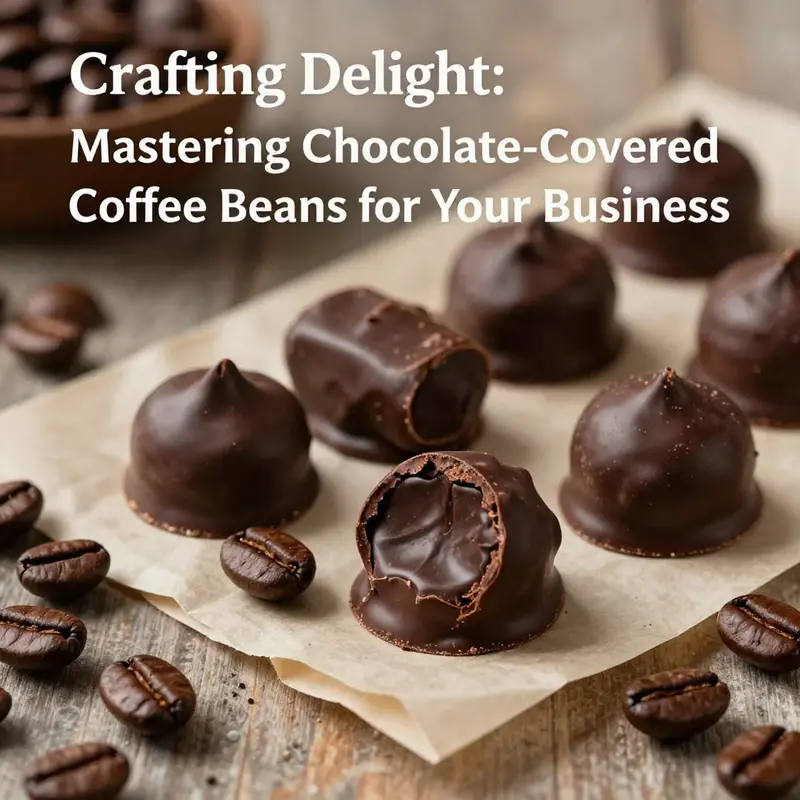
Chocolate-covered coffee beans are not just a delectable treat; they can also enhance your business’s product offering and elevate customer experience. This guide is designed to provide business owners with a detailed roadmap to making these treats—from understanding the ingredients to mastering the technique. Each chapter addresses critical aspects that will equip you to produce high-quality chocolate-covered coffee beans, catering to the growing demand for unique and indulgent snacks. By the end, you’ll appreciate the essential equipment needed, the step-by-step instructions for making your own, valuable tips for success, and a glimpse into the science behind this delightful confection.
null

null
The Tools Behind the Shine: Mastering Equipment for Perfect Chocolate-Covered Coffee Beans

Equipment is the quiet engine behind the chocolate-covered coffee bean. In a small kitchen or a boutique roastery, the right tools translate heat and patience into a glossy shell and a crisp snap. The process unfolds in two movements: coaxing roasted beans to the perfect, low oiling temperature, then coaxing chocolate into a velvet coat that holds its shine as it cools. In a home setting, the schedule is forgiving but not forgiving; the margins for error tighten when the beans are warm or the chocolate is overheated. The first sight of a well-executed batch is the uniform sheen on each bean, a small mirror of discipline in the kitchen. It’s not magic; it’s the equipment doing its work behind the scenes.
Roasting is the foundation. A roasting pan or baking sheet on a hot stove or a conventional oven can suffice; a true home roaster offers more even heat and a controlled profile. The key is consistent contact with heat and a chance to stir or tumble. You want the beans to crackle with aroma but not scorch; the surface oils will begin to surface as they darken. The pan should be shallow to promote even heat and easy transfer to a cooling rack. A sturdy spoon or spatula keeps you from bruising the beans. If you’re using a dedicated roaster, you can dial in a profile that suits the beans’ origin and roast level; if not, a careful, medium-to-medium-dark roast with short rests between sessions yields a robust flavor foundation that won’t overpower the chocolate.
Tempering is the art that turns good beans into something with professional quality. In a professional setup, a chocolate tempering machine precisely marches chocolate through melting, holding, cooling, and crystallization. The crystal structure of cocoa butter is delicate; the steady temperature dance creates a snap and a gloss that resist bloom. For home cooks, the double boiler or heatproof bowl over simmering water is the common conductor. You melt slowly, stir constantly, and watch for the right range: around 115–120°F for dark chocolate, a little lower for milk or white. A thermometer is essential; eyes alone can mislead, especially when the chocolate thickens or loses sheen during dipping. A small amount of vegetable oil or coconut oil is a helpful ally if the chocolate seems stiff, enabling a smoother pour and a brighter finish. It’s important to maintain gentle heat; overheating drives cocoa fats away and leaves a murky, dull surface instead of crisp brilliance.
Coating is a ritual of patience. Using a fork or tongs, lift a bean and submerge it into the glossy pool, twirl to ensure even coverage, then turn and scrape away excess. The ritual is simple, but the result depends on temperature management and timing. Immediately after dipping, a light dusting of sea salt can lift the sweetness and the coffee’s bitterness into a balanced bite. The salt must be tiny and symbolic, not a crash of flavor. On a parchment-lined sheet, the coated beans rest to set. Room temperature is gentle, while a brief chill in the fridge speeds setting. Do not freeze; condensation causes dull surfaces, which defeats the crisp finish you sought.
Let the glaze cure fully before handling; the shell hardens as the chocolate’s temper locks in. A cooling rack above a tray gives air circulation around the surfaces and reduces sticking. Once set, store in an airtight container in a cool, dry place away from direct sunlight. Dedicating a small jar or tin for the beans keeps their aroma from mingling with other ingredients. This is where equipment matters again: a simple, clean environment prevents moisture from creeping in and compromising texture during storage.
The choice of equipment is not merely about convenience; it shapes texture, aroma, and the overall eating experience. In this world, precision matters more than bravado. The goal is a consistent, glossy shell that resists melting in a warm hand, a bean whose inner coffee note remains distinct yet harmoniously coaxed by chocolate. Even when a batch is small, the discipline to control heat, to keep surfaces dry, and to manage timing translates into a predictable result. A home kitchen can deliver near-professional results when the process is understood and the tools are chosen with care. The oven, the pan, the thermometer, and the cooling surface are not mere accessories—they are partners in the craft, giving you predictable performance and the joy of repetition.
If you’re thinking about the spectrum of gear beyond the basics, you’ll notice how equipment families mirror other meticulous crafts. A chocolate tempering machine, for instance, embodies a philosophy of constant heat control, repeatable cycles, and a steady hold-and-crystallize phase. For a home cook, this can become a practical dream if you anticipate larger batches or a commitment to consistent shine. The more modest setup—sturdy double boiler, accurate thermometer, and a fan-forced drying rack—still yields extraordinary results when used with patience. Temperature probes placed in the melted chocolate and near the cooling surface become trusted allies, turning guesswork into data you can rely on. It’s not about chasing a pro kitchen’s arsenal; it’s about translating those principles into tools that fit a domestic space.
There is a quiet rhythm to working with chocolate that rewards the careful observer. The chocolate’s surface should be smooth and without streaks, a finish that invites a bite with intention. When the beans are dipped, the excess chocolate leaves a thin coat that hardens into a shell, not a soggy cap. The timing of the set matters: too warm and the shell remains soft; too cold, and the shell can crack or trap a rough texture inside. The parchment paper is a simple stage where the drama unfolds; it prevents sticking and makes transfer easier once the coating has firmed. Over the course of a few batches, your intuition grows—the crackle of the shell when you bite, the way the surface catches the light, the balance between the bitter edge of the coffee and the sweetness of the chocolate.
Within this narrative of tools, you’ll also discover a principle worth carrying into other kitchen experiments: the alignment of heat with texture. The beans’ surface moisture, the chocolate’s viscosity, and the ambient humidity all mingle to shape results. A dry room is as crucial as a clean pan. A slightly reseasoned parchment, a warming tray to keep the coating from seizing during dipping, and a cooled rack to accelerate setting all contribute to a seamless flow from melt to coat to snap. The equipment you choose should support this flow rather than impede it. In time, you’ll be able to scale up confidently, knowing your setup can deliver consistent results batch after batch.
For those curious about how precision in equipment translates across crafts, consider the broader conversation about specialized tools. You can explore a wider spectrum of guidance on sensitive tool use in other meticulous professions through this example: Tools and equipment for occupational therapists. The thread is simple: reliable, well-maintained tools enable reliable outcomes. In the kitchen, the same truth holds, whether you’re roasting a handful of beans or tempering chocolate for a small line of treats. And if you want to delve deeper into the science and standards that govern tempering at scale, a comprehensive resource on tempering machinery offers practical, technical detail that can elevate your practice, even in a home setting: https://www.chocolateequipmentguide.com/chocolate-tempering-machine-guide.
All of this centers on a single idea: equipment is the enabler of taste. The right pan, the right heat, the right cooling, and the right handling turn raw ingredients into a refined, joyful confection. The equipment makes you more confident, lets you focus on flavor balance, and rewards patience with that familiar, satisfying snap. The next chapter will move from the hardware to the heart of the process—how to source high-quality beans and chocolate, how to pair roasts with coatings, and how to tune the balance so every bite sings. But the truth remains simple and enduring: great chocolate-covered coffee beans start with thoughtful, methodical gear that respects both components and their distinct personalities.
null

null
null

null
null

null
Final thoughts
Bringing chocolate-covered coffee beans into your product line can provide a unique experience for your customers and create a memorable impact on your brand. By following the chapters outlined in this guide, you can effectively learn the importance of quality ingredients, the right equipment, and precise techniques. Embrace the art and science behind crafting these delightful confections to not only enhance your offerings but also to grow your reputation in the culinary industry. With proper execution, chocolate-covered coffee beans can become a signature treat that stands out in your business.