
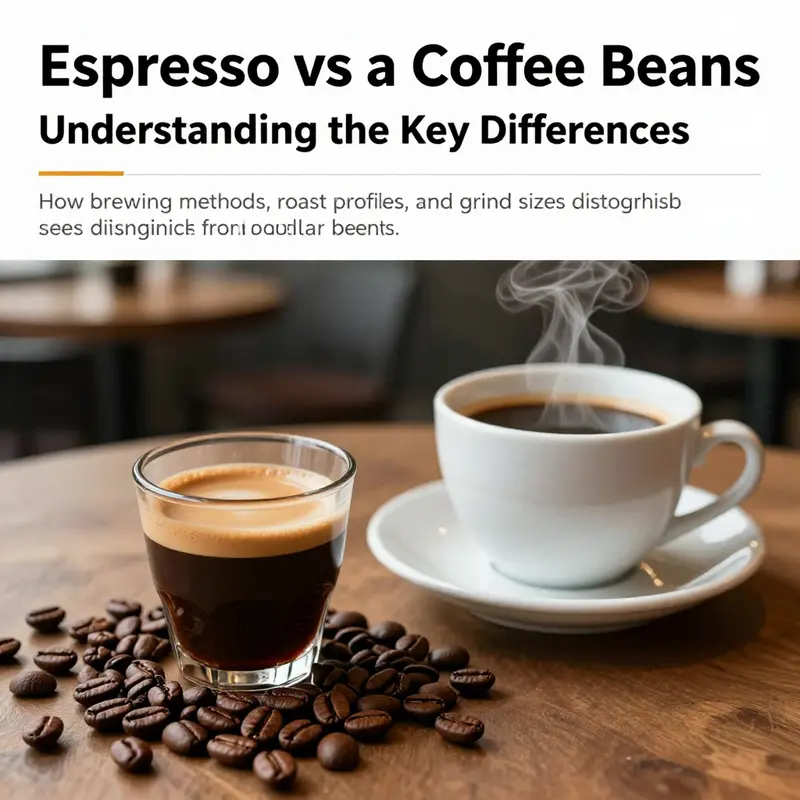
Understanding the distinctions between espresso beans and regular coffee beans is crucial for business owners in the coffee industry. While the type of bean is not the primary differentiator, the differences in brewing methods, roast profiles, and grind sizes can greatly affect the flavor and quality of the final product. This article explores three vital chapters: brewing methods, roast profiles, and grind size and freshness. Each chapter focuses on how these elements contribute to the overall identity of espresso and coffee beans, equipping business owners with the knowledge to optimize their coffee offerings.
Under Pressure and Roast Depth: Demystifying Espresso Beans and Regular Coffee Beans

For many cooks and baristas, the term espresso comes with assumptions. Some imagine a secret bean variety reserved for café machines, others think that the word espresso signals a completely different species of coffee. The truth is far more pragmatic and, in the long run, more helpful for home brewers and professionals alike. There is no botanical or genetic split between espresso beans and regular coffee beans. The real difference lies in three intertwined choices: how the beans are roasted, how they are ground, and how they are brewed. Each choice tweaks the flavor, aroma, body, and even the visual cue that many associate with a great shot. When you inhale a bowl of aroma from a freshly ground batch and then watch a shot pour with a thick, caramel-hued crema on top, you are witnessing a precise orchestration of technique rather than the emergence of a totally different coffee species. The drama resides in method, not in biology, and that distinction matters because it empowers anyone who loves coffee to shape their cup with intention rather than rely on a label alone.
To begin, the roasting narrative is central. Espresso beans are typically roasted longer and often darker than beans intended for other brewing methods. The longer roast develops a deeper suite of flavors that can stand up to the high-pressure extraction that defines espresso. Darker roasts tend to release oils more readily, which is part of why they contribute to that glossy, shimmering surface on the crema. The crema is not just a cosmetic flourish; it is a physical manifestation of the oils, emulsified compounds, and tiny bubbles produced by the pressure of extraction. A well-formed crema invites aroma to linger in the nose as you sip and aids in delivering a perception of sweetness and intensity that can balance the inherent bitterness of a concentrated shot.
The roasting profile for espresso is not a universal rulebook, though. Some roasters purposefully craft what is called an espresso roast that aims to yield a broad, chocolatey, caramel-laden perception with a certain resilience against over-extraction. Others push a lighter profile that still yields a strong crema but preserves delicate fruity or floral notes that might be overwhelmed by a very dark roast in a quick, high-pressure brew. The choice depends on the origin of the beans, the intended blend, and the preference of the person who will drink the shot. In practice, what you often encounter in an espresso blend is the interplay of roasts designed to balance sweetness, acidity, and body when subjected to pressure. This is why single-origin beans can appear in espresso roasts as well as in light-to-medium roasts designed for pour-over or drip. The distinction is not fixed by the bean but by the recipe that roasters apply to the bean for the final use.
Grinding is the second axis of difference. Espresso requires a very fine grind, one that creates enough resistance for the pump or lever to extract flavor and oils within a compact time frame. The grind size is not merely a matter of making the surface area larger; it is about achieving a uniform density that prevents channeling. Channeling occurs when water finds a path of least resistance through a puck, extracting unevenly and producing a watery shot with harsh or flat flavors. A uniform, finely tuned grind helps ensure that water saturates all the grounds more evenly during the typical 20 to 30 seconds of contact time. Because of this precise requirement, espresso beans are almost always ground immediately before brewing rather than ground far in advance. Once beans are ground, their exposed surface oxidizes and aromas drift away quickly, so the window between grinding and extraction becomes the most crucial moment in the preparation.
That immediacy is part of the allure and part of the caution. Ground espresso loses its brightness, becomes duller in taste, and can accumulate staleness quickly if left unbrewed. Home setups that lack a high-end grinder may still achieve respectable results by investing in a consistent grinder with fine-tuning capability, yet the principle remains: espresso demands a finer grind than any other standard method because of the way hot water is driven through the grounds with pressure. For many drinkers, this is the moment when a misstep in roast or grind becomes visible. If the roast is too dark and the grind too coarse, the shot can feel thin and bitter; if the roast is light and the grind fine, the shot can become sharp, tart, or overly acidic, with a fragile crema that disappears quickly. The craft, in this sense, is a balancing act where roast level, grind fineness, and dose (the amount of coffee packed into the portafilter) must harmonize with the machine’s pressure, temperature, and flow.
Brewing method, the third pillar, completes the equation. Espresso is not simply a matter of putting coffee through hot water; it is a precise method that uses high pressure to force water through tightly packed grounds. The equipment matters almost as much as the beans. A robust espresso machine can extract flavors that other methods can only tease out. It is this pressure, combined with a short contact time, that yields the concentrated shot known as espresso. The resulting beverage can be a stand-alone round, balancing dark roast sweetness with a touch of bitterness, or it can be the foundation for milk-based drinks such as lattes and cappuccinos, where the crema and balancing milk create complex layers of aroma and texture.
In contrast, regular coffee brewing embraces a broader family of techniques, each with its own tempo and chemistry. Drip, pour-over, French press, and cold brew all rely on longer contact times between water and grounds, cooler or warmer water depending on the technique, and less or no pressure. The grind is usually coarser for drip and pour-over because the water needs to pass through the grounds at a controlled pace. For French press, a coarse grind and a longer steep produce a heavier body. Cold brew uses a completely different pathway, steeping grounds in cool water for many hours, extracting flavors that emphasize smoothness and a relative sweetness with lower perceived acidity. These methods reveal different facets of the same beans: acidity in a light roast might be bright and tart in a pour-over, while the same beans roasted darker may yield a chocolatey, syrupy sweetness in a French press. The key difference is speed and environment: slower brewing, less agitation, and lower pressure place different demands on the roast and grind.
This is why the idea of espresso beans as a separate species falls away under scrutiny. The beans themselves do not carry a secret lineage that makes them inherently espresso-ready. A given batch of beans can become an espresso bean simply by adopting a roast tailored for pressure, a grind fine enough to build a tight puck, and a brewing process that uses a machine capable of delivering the necessary 9 bars of pressure and a precise temperature window. Conversely, the same batch can yield a compelling pour-over or a clean, bright drip with a lighter roast and a coarser grind. The fluids of flavor do not come out of species; they emerge from context—the roasting intention, the grind distribution, and the method of extraction. This insight opens a practical doorway: you can experiment with one bean in multiple ways to understand how roast and grind transform its character. Instead of searching for a mysterious bean type, you learn to tune the variables so that the cup expresses the intent you desire.
To appreciate the full texture of this distinction, consider the sensory arc a drinker experiences as a cup is poured. An espresso shot carries an aroma that lingers, a density that coats the tongue, and a crema that introduces a creamy perfume of roasted sugars before the liquid even touches the lips. The first sip can present a powerful sweetness or a balancing bitterness depending on the roast, with a body that feels almost syrupy because the high concentration exercises the perception of viscosity. A regular cup, whether a drip or pour-over, tends to unfold more gradually: acidity and sweetness reveal themselves in a wave, the mouthfeel can vary from light to medium to full depending on the roast and grind, and the aroma rides on a steady stream as the hot water flows through the grounds. The contrast is not merely in taste, but in how the drink carries and releases aroma and how the texture interacts with the palate. The same beans, treated with different methods, offer entirely different experiences, which is why it is more accurate to talk about roast profiles and grind settings than to classify beans as inherently espresso or regular coffee.
The lifecycle of the bean from harvest to cup also intersects with this discussion. Freshness matters profoundly for espresso, where the oils released during roasting contribute to crema and to the depth of flavor that forms within those short extraction times. Ground coffee oxidizes quickly; hence, espresso grounds are often used and discarded within a narrow window to maximize crema and aroma. For regular coffee, freshness remains important, but the timeline for grinding can be more forgiving, especially with methods that do not exploit such intense extraction. Whole beans, stored properly, can preserve their character for weeks; once ground, the clock speeds up significantly. This reality shapes how roasters label beans for espresso versus those meant for other brewing methods. The labeling reflects not a difference in the bean species but a set of recommendations about how best to unleash its potential in a given technique.
The flavor implications of these choices are nuanced. A dark roast selected for espresso often yields chocolatey, caramelized notes, sometimes with a whisper of smoke, providing a robust platform that holds up well against milk in a cappuccino or latte. The oils carried by the dark roast help stabilize the crema, which not only looks appealing but also preserves aroma in the cup. A lighter roast preferred for pour-over can reveal brighter acidity, fruit-forward or floral notes, and a cleaner finish. The longer contact time of drip or pour-over emphasizes sweetness and clarity; the bean’s origin notes—like berry, citrus, or even earthy tones—can be more audible. In practice, many roasters create blends that straddle both worlds: a base that stands up to milk and a spectrum of delicate notes that can come forward in a clean, single-origin pour-over. The interplay between origin, roast, and method is where the artistry of coffee making emerges. For someone seeking consistency, the espresso route offers a dependable, bold profile; for someone chasing nuanced flavors and a lighter touch, the regular brew path can be equally rewarding.
From a practical standpoint, choosing beans for espresso versus pour-over or drip often comes down to flavor goals and equipment reality. If your aim is a comforting, immediate impact with that recognizable espresso mouthfeel and a crema crown, you will likely favor beans roasted with a longer profile, ground finely, and prepared with a machine capable of delivering stable pressure. If your aim is a delicate, nuanced cup that can highlight the origin and terroir of a bean, a lighter roast with a coarser grind used in a manual pour-over or a careful drip setup might be preferable. Yet the lines between these paths are not rigid. A home enthusiast can work with a mid-roast, a moderate grind, and a well-designed workflow to produce a beverage that sits comfortably on the border between espresso intensity and pour-over clarity. The essential skill is not in memorizing a rule about which bean is “espresso” but in cultivating a sense of what variables you want to tune to achieve your preferred cup profile.
In the end, the distinction between espresso beans and regular coffee beans is a matter of technique, not taxonomy. It is about the intentional use of roast depth to coax sweetness and body, about grinding to a consistency that preserves extraction efficiency, and about brewing under conditions that shape the way flavor compounds emerge from the grounds. When you grasp this, the label on the bag becomes less a badge of identity and more a guide to how you can coax the most from a batch. You begin to see the espresso bean not as a secret variety, but as a bean that has been prepared to perform in a specific setting that emphasizes concentration, sweetness, and aroma at the moment of extraction. And you begin to understand that the regular coffee bean, far from being inferior or dull, can carry the same potential in a different costume. The same bean can be adjusted, within reason, to reveal an entirely new character, simply by changing the roast target, the grind fineness, and the brewing method.
For readers who crave a concise picture to carry into the kitchen, here is the practical takeaway: if you want a shot with depth and intensity that can stand up to milk and deliver a rich crema, consider a roast level and grind appropriate for espresso, then employ a high-pressure machine with steady water temperature. If you want a cup that emphasizes brightness, clarity, and the distinctive flavors of the bean’s origin, explore a lighter roast, a coarser grind, and a slower brewing method like pour-over or drip. The two journeys are parallel explorations of the same ingredient, guided by disciplined technique rather than a hidden difference in the bean type. This perspective strips away the mystique and invites curiosity: a bean is a voice, and roast, grind, and brew are the accents that shape how that voice is heard. When you learn to listen, your cups reveal their stories in ways that are as predictable as they are surprising.
For deeper reading on how these principles come together in practice, you can consult external resources that synthesize the core differences between espresso and regular coffee. One concise overview you may find helpful discusses how espresso extracts concentrated coffee under high pressure and how the grind, roast, and method interact to produce the signature crema and intense flavor. This resource helps bridge the gap between theory and practice, offering a clear framework for understanding why the same bean can yield an espresso shot and a different daily cup depending on technique. https://www.hugo.coffee/whats-the-difference-between-coffee-and-espresso
Roast as the Quiet Architect: How Espresso-Specific Profiles Shape a Bold Shot and a Clear Cup
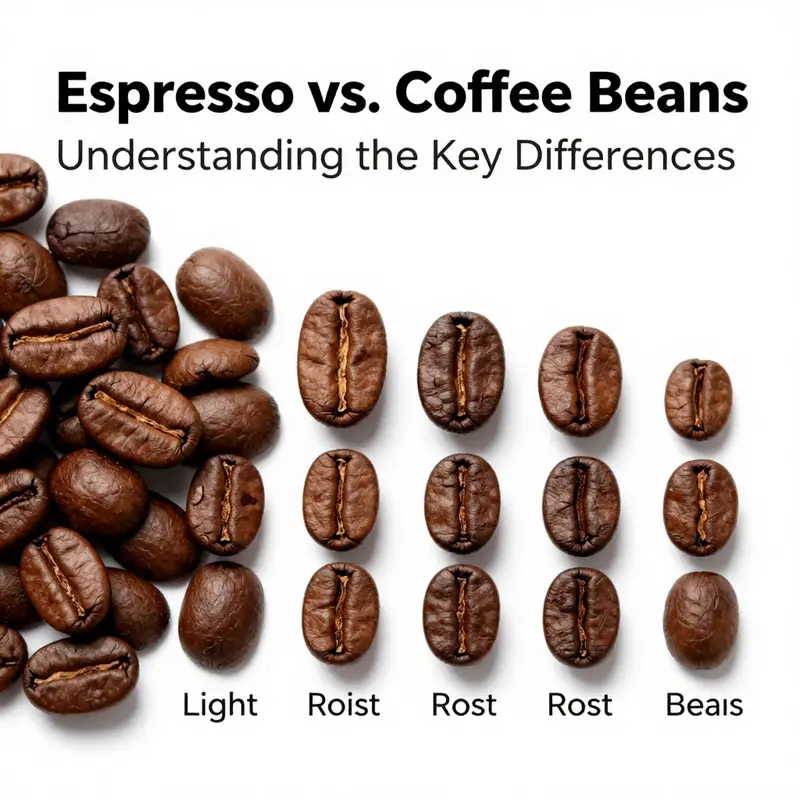
Espresso is often treated as a category of coffee rather than a mode of preparation, and that distinction matters. The common misunderstanding is to assume that espresso beans are a different species or a special kind of bean. In truth, what many roasters and baristas mean when they talk about espresso beans is not a different plant or origin but a deliberate choice of roast and grind tuned to a brewing method that uses high pressure, precise water temperature, and a very short extraction window. The beans themselves can come from any origin or farm; what sets them apart in practice is how the roast develops flavor and how that roast interacts with the espresso machine. This is where the idea of a quiet architect becomes most visible. The roast manages the structure beneath the sheen of aroma, the balance between sweetness and bitterness, and the ability of the ground coffee to resist and then release when subjected to the force of a pump and a narrow channel. To understand the difference between espresso beans and regular coffee beans, one must begin with the brew, not the bean alone. The espresso process imposes constraints that are almost mathematical: high pressure, hot water, and a short contact time demand a roast that provides body, sweetness, and stability. Without that roast, the extraction would either run too fast and taste hollow or push toward burnt, resinous notes that overwhelm the shot. A good espresso roast is, in essence, a careful negotiation between the coffee’s inherent sugars, acids, and aromatic compounds and the mechanical demands of the machine. It is not a transformation of the bean itself so much as a refinement of its potential under pressure.
The brewing method is the stage on which the roast performs. Espresso requires a proper balance between solubility and structure. The water in an espresso machine is not kept at a single, pure temperature; instead, it is delivered in a pulsating flow that creates a barrier and a push, forcing oils and colloids to emulsify into a crema that sits atop the liquid. The water temperature, typically around 90 to 96 degrees Celsius, shapes how quickly different sugars caramelize and how tannins soften. The extraction time, usually around 25 to 30 seconds, compresses a wide spectrum of flavors into a compact, concentrated frame. This interplay means that even a coffee that shines in a drip or pour-over might read differently when pressed into a two-ounce shot. The roast must therefore provide enough body to carry through the high-pressure extraction while preserving a sweetness and acidity that keep the shot from tipping into heaviness or bitterness. This is why many espresso-focused roasters choose roasts that emphasize caramelization and oil development, producing a glossy body and a stable crema that lingers with a gentle sweetness. Yet there is nuance here too. The world of espresso roasts is not monolithic, and modern specialty roasters are increasingly experimenting with roasts that sit closer to a medium level. By dialing back the dark edge, they reveal origin traits that might otherwise be masked by a heavier roast. A lighter, cleaner profile can still yield a balanced shot if the grind is precise and the extraction time is managed with care. In this sense, the roast is not a blunt instrument but a finely tuned instrument that shapes not only flavor but also texture and aroma as the shot travels from portafilter to cup.
Espresso beans have historically leaned toward medium-dark and dark roasts because those levels promote the kind of sweetness that can balance the bitterness that comes with a concentrated extraction. The sugars that caramelize in the roasting process are a key ally here; they soften the bite of high acidity and lend a syrupy mouthfeel that can stand up to the dense density of a concentrated shot. This is where the crema, that delicate golden foam on top of an espresso, begins its life. The oils released during roasting rise to the surface and create an emulsion that is stable enough to resist immediate collapse. The crema is not merely a cosmetic feature; it contributes to aroma and perception of sweetness in the early mouthfeel and helps hold volatile aromatics long enough for the drinker to experience the full arc of flavor. It is easy to think crema is the sole mark of a successful espresso, but crema is actually one small piece of a larger system. A well-crafted crema depends on roast, grind, freshness, and technique. A coffee roasted dark enough to bring out oil can yield a robust crema that stands up to the pressure, but it can also fall into a heaviness if the roast has crossed into burnt or smoky territory. A skilled roaster calibrates the roast to maintain balance, ensuring the shot remains lively and not one-note. This balance is what makes espresso a unique vessel for flavor: a concentrated form of a cup that emphasizes sweetness, body, and a lingering aftertaste that invites the next sip.
Yet the landscape is changing. Modern specialty roasters are increasingly embracing medium roasts for espresso, a move that signals a broader willingness to reveal the origin stories behind the beans. When a medium roast is applied to espresso, the caramelization is less dominant, and the natural floral, fruity, or wine-like notes of the bean can surface beneath the crema. This shift challenges the stereotype that all espresso flavors must be heavy and chocolatey. It invites a broader palate to experience a spectrum of profiles in a compact shot. The decision to roast to a medium level for espresso is not a rejection of tradition but a celebration of nuance. It asks the drinker to consider how origin, processing method, and terroir interact with the mechanical demands of espresso to produce a balanced sensory experience. In practice, a medium roast for espresso can produce a shot with clearer acidity, more pronounced fruit or floral notes, and a finish that reads with precision rather than opacity. The barista then becomes a curator of these flavors, guiding the drinker through a tasting journey that moves beyond the familiar chocolate and caramel notes toward brightness and complexity. The evolving approach to espresso roasts mirrors the broader shift in coffee culture toward transparency and specificity. It acknowledges that the best espresso can express a well-defined origin profile while still delivering the structural confidence that the method demands. The one constant remains: the roast is the architect of the shot, shaping how the beans respond to pressure, heat, and time, and ultimately how we perceive the coffee in the cup.
What about regular coffee beans, the kind used for pour-over, French press, or cold brew? The contrast helps illuminate the espresso equation. For those brew methods, roasters often favor a lighter to medium roast range to emphasize acidity, clarity, and the bean’s intrinsic terroir. A light roast can illuminate citrus, berry, or tea-like notes that reveal the bean’s origin and the processing method. Medium roasts can offer a balanced profile with a gentle acidity and a fuller body that remains clean on the palate. Darker roasts are less typical for these methods because their smoky, roasted characteristics can overwhelm delicate flavors and flatten acidity. That does not mean dark roasts are off-limits; they simply require a different purpose. In methods that rely on longer contact time and gentler extraction, such as pour-over or French press, the roast can be dialed toward a level that complements the brewing strategy rather than competing with it. A darker roast in pour-over may produce a syrupy mouthfeel and a more forgiving texture when the grind is coarser and the brew time is longer. But the key difference here is the interplay between roast and brew method: for regular coffee, the emphasis is on clarity and origin expression, with the roast acting as a voice that supports or softens the bean’s natural character rather than a tool to push through high-pressure extraction. The result is a beverage that can brighter, more delicate, and more reflective of where the bean came from, whereas espresso aims to compress a signature into a concentrated, structured, and multi-layered shot that balances sweetness, acidity, and bitterness into a compact palate image.
If one looks closely, the key differences between espresso beans and regular coffee beans come down to a few functional relationships rather than a fundamental botanical distinction. Espresso demands a roast that enhances structure, crema, and intensity, while other brewing methods prioritize clarity, nuance, and origin expression. The two approaches are not mutually exclusive, but they require different calibrations of roast level, grind size, and extraction control. A roaster who understands this triad constructs a profile that serves the brewing method, the equipment, and the drinker’s expectations. The result is a line of beans that, while shared in origin and cultivar with those used for nonespresso methods, reveal their character under different conditions. The experience of tasting a shot of espresso made from a medium roast that has retained some origin character can be dramatically different from a straight dark roast that delivers a dense sweetness but sacrifices aroma complexity. The same fundamental bean can be coaxed into several different personalities depending on how it is roasted and how it is brewed. In this way, the espresso bean is less about a category of bean and more about a crafted dialogue between bean, roaster, and machine. The craft lies in choosing a roast profile that respects the brew method while still allowing the bean to tell its origin story through aroma and flavor notes that emerge in the cup.
Freshness is the unsung partner of all these decisions. For espresso especially, beans are best when consumed within a window that preserves their CO2 and volatile compounds. Most roasters recommend using beans within two to six weeks of roasting to retain crema formation and aromatic brightness. Grinding immediately before brewing is not merely a preference; it is a practical choice that preserves flavor integrity. The moment coffee is ground, its surface area increases dramatically, and the oils and aromatics are exposed to air. In a few minutes, this surface begins to oxidize, dulling brightness and muting delicate notes. With espresso, where the target is a lively crema and a compact, balanced shot, even a small delay in grinding can be perceptible in the cup. The insistence on freshness is not a snobbish demand but a chemist’s reminder that aroma compounds are light and volatile. The oils released during roasting help build the crema, but once ground, those oils begin to evaporate or become oxidized and lose their vibrancy. This is why many baristas insist on grinding just before pulling a shot. They believe the nose matters as much as the palate, and the two senses work in concert when the espresso is at its freshest. The same principle applies to regular coffee brewing, though the impact may be less dramatic because those methods often involve longer contact times and different extraction mechanics. Still, freshness and grind size matter across the board, shaping body, aroma, and the clarity of flavor that emerges as the coffee meets hot water and the server’s cup.
In the final analysis, the distinction between espresso beans and regular coffee beans is a matter of context. The bean remains the same creature in many cases, with its origin and processing leaving an imprint that can be coaxed into remarkable expression under the right conditions. The roast is the script that directs that expression. For espresso, the script emphasizes structure, sweetness that survives high extraction pressure, and a crema that acts as a fragrant bridge to the sensory experience that follows. For regular coffee, the script often aims for transparency and nuance, inviting the drinker to notice the bean’s terroir and its journey from farm to cup. The best practice for any enthusiast is to align roast choices with the brewing method and to remain open to experimentation. A roaster who understands that balance is not about diluting boldness but about giving it a scaffold will produce coffees that feel complete and satisfying whether they are poured in a single shot or savored in a slowly enjoyed cup. As the technique evolves and as roasters push toward more expressive roasts, the line between what counts as espresso beans and what counts as regular coffee beans becomes a spectrum rather than a boundary. The espresso experience remains a concentrated art, and the role of the roast is always central to shaping that experience. For readers seeking a deeper dive into the science and the craft of choosing the best roast for espresso, a detailed guide is available at a trusted culinary resource on espresso roast profiles: https://www.seriouseats.com/what-is-the-best-roast-for-espresso-7943085
Brewing Truths: How Roast, Grind, and Freshness Shape Espresso Beans Versus Everyday Coffee Beans
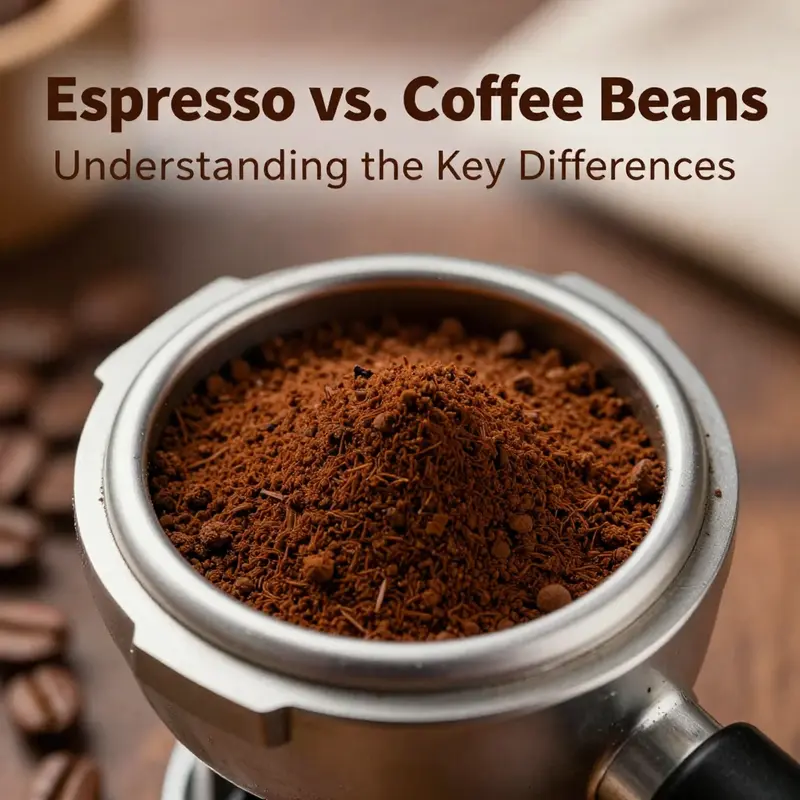
When people ask about the difference between espresso beans and regular coffee beans, they often expect a magical species-level distinction or a secret bean variety. The truth is more pragmatic and, in many ways, more revealing: the difference rests not in what the bean fundamentally is, but in how we treat it before and during brewing. The same robust crimson or deep brown seed that becomes a morning cup via a simple pour-over can turn into a velvety, high-pressure shot if we choose the right roast, grind it appropriately, and pull it under the conditions that an espresso machine expects. The distinction, then, is a product of process—how the bean is roasted, how finely it is ground, and how quickly or slowly water and pressure extract its flavors. It is a story of preparation, discipline, and a little chemistry, not a difference in plant biology.
Begin with the mechanics of the brew itself. Espresso is not merely a stronger, smaller version of coffee; it is a brewing method, a method defined by physics as much as by taste. In a typical espresso procedure, hot water at roughly 90 to 96 degrees Celsius (195 to 205 degrees Fahrenheit) is forced through a compact puck of finely ground coffee at about nine bars of pressure. The extraction time is brisk—usually around 25 to 30 seconds for a standard shot. Within those seconds, the water interacts with the coffee in a way that concentrates oils, sugars, and aromatic compounds that would disperse more slowly in other brewing methods. The environment is intense: higher pressure, shorter contact time, and a need for a grind that creates sufficient resistance to water without stalling the machine. This is where the roast profile and grind size become decisive terms in the same sentence. A bean roasted for espresso is typically dark enough to release a robust, less acidic core while preserving enough sweetness and body to shine under the quick, high-pressure extraction. The oils that bloom during roasting contribute to that characteristic crema—a bronze to goldenfoam that crowns the shot and signals a certain balance of viscosity, sweetness, and aromatics. The presence and stability of crema hinge on how the bean’s surface oils and roasted compounds interact with pressure and extraction dynamics. In contrast, beans slated for drip, pour-over, or shorter, slower methods tolerate a broader range of roast levels because those brewing methods emphasize different aspects of flavor: clarity, brightness, and nuanced acidity across a more extended contact time.
To understand why a darker roast often accompanies espresso, it helps to consider how heat transforms the bean’s chemistry. Roasting drives off moisture, breaks down complex carbohydrates, and caramelizes sugars, all while developing a spectrum of aromatic compounds. For espresso, roasters often push these changes a touch further to create a dense, syrupy sweetness that can stand up to the concentration of flavors in a shot. The dark roast yields a richer body, a softer perceived acidity, and more pronounced bitter-sweet notes such as chocolate, caramel, or sometimes a hint of smokiness. These traits are not mere preferences; they are practical adaptations. In a dense shot, bright acidity can become piercing or unbalanced when scaled to a small volume. A darker roast tames harsh edges, providing a stable platform for the crema to form and for the coffee’s oils to carry the pronounced mouthfeel. The result is a shot that feels both bold and round, with a persistent finish that lingers without the sharp tang that can overwhelm a quick extraction.
But roast level is only part of the equation. The grind size and consistency are equally crucial because espresso depends on how finely the coffee resists water as it is forced through. A very fine grind—almost powdery in texture—creates the necessary surface area and resistance. If the grind is uneven, water can travel faster through some paths and stall through others, a problem known as channeling. Channeling leads to under-extraction in some parts of the puck, where flavors can taste thin or sour, while other parts over-extract, delivering bitter notes. Uniformity in grind size helps water navigate through the grounds evenly, drawing out the intended balance of sweetness, body, and aroma. Freshness compounds this already delicate balance. Once coffee is ground, the surface area becomes instantly vulnerable to oxidation and volatilization. Aromatic compounds begin to oxidize, and flavorful oils can degrade or lose their sheen. For espresso—where the window between peak aroma and diminished flavor can be measured in moments—the practice of grinding just before brewing is not merely ideal; it is essential. A few minutes’ delay can nudge a shot toward flatness or dullness, especially when attempting to reproduce a specific profile across multiple attempts or when adjusting to subtle changes in air temperature or humidity.
The relationship between roast, grind, and freshness also explains why many people encounter a sense of separation between “espresso beans” and “regular coffee beans.” The terms are shorthand, a way of signaling a recommended starting point rather than a strict botanical distinction. Espresso beans are simply the beans roasted and sometimes ground in a way that aligns with espresso extraction. They are chosen for flavor profiles that maintain balance under pressure and that respond well to the quick, high-heat environment of an espresso machine. They are not a different species; they are beans roasted with a particular goal in mind and ground to a fineness that makes sense for the intended brewing method. The beauty of this arrangement lies in its flexibility. A bean that shines in a slow, oxygen-rich brew might transform into a compact, richly layered espresso with the right roast and grind—and conversely, beans that produce a bright, delicate cup in a pour-over may become too aggressive when forced through a pressurized extraction. This adaptability is a testament to the interdependence of roast, grind, and technique.
Consider the sensory journey of an espresso shot versus a standard cup of drip coffee or a long, slow cold brew. Espresso is a study in immediacy: the aroma unfurls within seconds, inviting the drinker to notice how the roast’s sugars have caramelized into toasty sweetness and how the oils coat the tongue with a velvety texture. The crema on top—an emulsion of oils and colloids—acts as a prelude to the flavor journey, carrying nuanced notes from the bean into the mouth and making the first impression linger longer. A properly pulled shot with a dark roast in the espresso range often presents a chocolatey or caramel backbone, with a subdued brightness that supports the intensity rather than competing with it. The finish can be long and syrupy, sometimes nuanced by roasted nut or smoky undertones, all of which repeats with a certain clarity that makes espresso uniquely satisfying.
In contrast, regular coffee, depending on its roast level, emphasizes a different spectrum of flavors. A lighter roast may reveal bright acidity, floral or citrus notes, and a crisp, clean aftertaste. Medium roasts tend to offer balance—moderate acidity with a rounded body and a wider range of flavor notes from fruit to spice. Dark roasts, while capable of producing bold cups, often emphasize chocolatey, toasty, or earthy characteristics with a smoother acidity and a sense of density in the body. The extraction method—drip, pour-over, French press, or cold brew—shapes how these flavors reveal themselves. A slower, less pressurized extraction allows acids and aromatics to bloom over seconds or minutes, weaving together subtler notes that might flatten under pressure. The bean itself is not inherently espresso or non-espresso; it becomes one through how we guide water, time, and heat to interact with the grounds. That is the practical takeaway for anyone curious about the difference: you do not need a different plant to make an espresso; you need a bean chosen for espresso’s demands and a process tuned to extract its best possible flavors within a short timeframe.
As anyone who has experimented with home espresso will tell you, the journey hinges on planning and precision. The grind size must be measured and consistent, ideally using a grinder that offers precise micrometer adjustments. The dose—the amount of coffee in the basket—matters because too little coffee will yield a weak shot, and too much can create an overly dense puck that resists water flow. Temperature stability is another critical factor; a steady boiler temperature translates into consistent extraction. The water itself can also influence outcome, as mineral content shapes extraction dynamics and perception of flavor. A shot that tastes flat on a mineral-rich water profile might offer more dimension with softer or more balanced mineral content. Each variable—roast, grind, dose, temperature, extraction time, and water quality—works in concert to define a shot’s character. This is why the espresso experience often feels like a craft rather than a recipe: you need a voice and a tuning fork for every bean you work with.
A practical implication of this interconnected system is that the label “espresso beans” is best understood as guidance rather than a declaration. It signals that those beans are suitable for espresso machines and designed with roast levels and aroma profiles that complement a short, high-pressure extraction. It does not imply exclusivity to espresso; it implies compatibility with the method’s constraints and an expectation that the roast will support the necessary balance of sweetness, body, and crema. Some roasters will offer espresso-specific preparations that optimize crema formation and oil stability under pressure, while others market beans that lend themselves to a broad range of brewing methods but still perform well as espresso when ground finely and extracted under proper pressure. Either way, the bean itself remains the substrate, and its ultimate fate—whether it becomes a crisp pour-over cup or a lush espresso shot—depends on the interplay of roast, grind, and technique.
For the home enthusiast, the decision-making process can feel intricate, but it follows a clear logic. If your goal is to enjoy a quintessential espresso experience—its crema, its intensity, its immediate aromatic profile—start with a darker roast that has been chosen for espresso use and grind it very finely. Treat the grind as a fresh ally; grind moments before brewing to preserve aroma and flavor compounds. Pay attention to the dose and tamp with even pressure to create a uniform puck. Observe the shot’s flow rate and adjust the grind or dose to bring the extraction into the coveted 25–30 second window. If the crema is thin or absent, you might need finer grinding or a touch of higher pressure. If the shot tastes sour or under-sweet, you may be extracting too quickly or not letting the roast’s sweetness emerge, which could indicate a need for a slightly coarser grind or a lighter roast level that preserves acidity without being harsh.
But there is a caveat worth acknowledging: the home environment is not a professional lab. Weather, humidity, and even the age of the equipment can nudge a shot in surprising directions. A barista’s precise calibration—adjusting grind size, tamp pressure, and extraction time to match a particular bean’s temperament—takes practice and a readiness to taste, adjust, and taste again. In this sense, the espresso bean is less a fixed product and more an invitation to a method-driven dialogue between bean and brewer. The same bean that sings in a stovetop moka pot might reveal a different but equally compelling voice when coaxed through a high-pressure machine. The essence remains the same: the bean’s identity is not a rigid category but a set of attributes shaped by roast, grind, and the speed at which water and heat coax flavor out of the seed.
From a flavor perspective, the darker espresso-oriented roasts carve out a space where sweetness can carry the day even as the coffee asserts its presence with a trace of bitterness. Chocolate, caramel, and toasty notes become reliable anchors, and the mouthfeel benefits from the oils released during roasting. The crema, that silky ring of head atop the shot, acts as a sensory bridge between aroma and taste, offering a tactile introduction to the flavors yet to come. It is not simply a cosmetic flourish; it is a signal of balance achieved through careful roast development and appropriate grind. Regular drip or pour-over methods can reveal a different facet of the same bean: a lighter roast may bring out fruitier notes, heightened acidity, and a cleaner finish, revealing a spectrum of flavors that espresso might mask behind its intense, concentrated profile. In other words, the same bean can offer multiple personalities depending on how it is treated.
This broader perspective invites a more nuanced approach to selecting beans. If you want a reliable espresso experience, you should look for roasts labeled for espresso or roasts that emphasize body, sweetness, and crema-friendly oils. If you crave a bright, nuanced cup in a slower brew, you may prefer a lighter or medium roast with a profile that highlights acidity, floral notes, and a clean finish. And if you adore experimentation, you can start with a medium roast and compare how it tastes in an espresso shot versus a pour-over, noting how the same bean unfolds through different brewing paradigms. The beauty of coffee lies in its versatility; the bean simply presents a vocabulary of flavors that hum differently when the method changes.
All of this points to a practical takeaway: when you see a bag labeled espresso beans, you should hear two clarifying notes in your mind. First, these beans have been chosen or roasted with an eye toward espresso’s demands—control over bitterness, a balanced sweetness, and oil-rich flavors that can deliver crema and body in a short extraction. Second, you should remember that any bean can be used to make espresso, provided you align the roast level, grind size, grind freshness, and brewing technique with the method’s requirements. The bean is not inherently restricted by the label; the brewing method is the architect of the final flavor profile, and the roast and grind are the tools that shape that architecture. This is why a thoughtful espresso ritual feels like a crafted experience rather than a hurried convenience. It invites you to tune variables, to taste deliberately, and to appreciate how a seemingly simple bean can reveal a spectrum of sensory possibilities under pressure.
For those who want to deepen their understanding beyond just the practical steps, consider how the roast’s chemistry interacts with the water you use. Water chemistry can tilt the perceived sweetness or acidity of the shot. Minerals that emphasize sweetness can cushion bitterness, while certain mineral profiles may sharpen acidity, altering how the crema forms and how the oils carry aroma. The espresso experience is, in effect, a delicate negotiation between bean characteristics and the water that carries them into your senses. This is why two shots pulled with the same bean but using different machines, grinders, or temperature settings can taste disarmingly different. The secret lies in consistency and an awareness that the espresso path transforms flavor not only by what you grind and roast but by how you water the beans into a final, concentrated expression.
If you seek a practical mental model to navigate this landscape, imagine a spectrum that places roast level and grind fineness at one end and extraction speed at the other. Espresso sits toward the corner where dark roast meets fine grind and rapid extraction. Drip or pour-over sits toward the corner featuring lighter to medium roasts with moderate grind and a longer, gentler extraction. The beans themselves do not declare a fixed destiny; they accept a destiny shaped by method. Understanding this helps explain why a bag of beans labeled as espresso can yield a spectacular shot, while the same beans can offer a different, perhaps more luminous experience when brewed as a long, slow cup. It also clarifies why home enthusiasts often experiment with roast levels, grind sizes, and brew methods as a way to discover their own preferred flavor profile rather than seeking a universal rule.
Ultimately, the distinction between espresso beans and regular coffee beans is a practical one grounded in technique and taste. It is about recognizing that espresso is a brewing method with specific demands and that the roast and grind are tuned to meet those demands. It is about respecting freshness, because freshly ground beans carry florals and aromatics that degrade swiftly once exposed to air. And it is about embracing flexibility: the same bean can yield multiple personalities, depending on how you guide water, time, heat, and pressure through the grounds. As you refine your palate and your process, you’ll discover that your favorite espresso may come from a bean you initially reserved for a different brewing journey, or that a so-called espresso roast can surprise you in a pour-over by revealing a new dimension of acidity and brightness. The journey from bean to cup is not a straight line but a conversation between the seed and your method, a dialogue that invites you to taste, adjust, and listen to what the flavors tell you about the craft of brewing.
For readers who want to explore more about how grind size affects extraction and taste, a deeper technical read is available at Serious Eats, which carefully frames the differences between espresso beans and coffee beans in practical terms. This external resource can offer a complementary perspective to the experiences described here, helping you connect the theory to your own brewing experiments.
External reading: https://www.seriouseats.com/what-is-the-difference-between-espresso-beans-and-coffee-beans
Final thoughts
In summary, distinguishing between espresso beans and coffee beans extends beyond the surface. The brewing method, roast profile, and grind size all contribute to the unique characteristics of coffee enjoyed by consumers. Armed with this knowledge, business owners can make informed decisions in crafting their coffee offerings, optimizing flavors and enhancing customer satisfaction. By understanding these differences, you can elevate your coffee business and create enviable products that resonate with coffee lovers.