

As a business owner in the coffee industry, understanding how to preserve coffee beans is vital to maintaining their freshness and exquisite flavor profile. Proper storage not only enhances the taste but also ensures customer satisfaction and reduces waste. In this comprehensive exploration, we will delve into five key chapters: sealing beans tightly, keeping them in the dark, storing them cool and dry, buying fresh and small, and best practices for preservation. Each section builds on the last, delivering crucial knowledge to help you manage your coffee inventory like a pro.
Sealed for Freshness: The Quiet Science of Preserving Coffee Beans
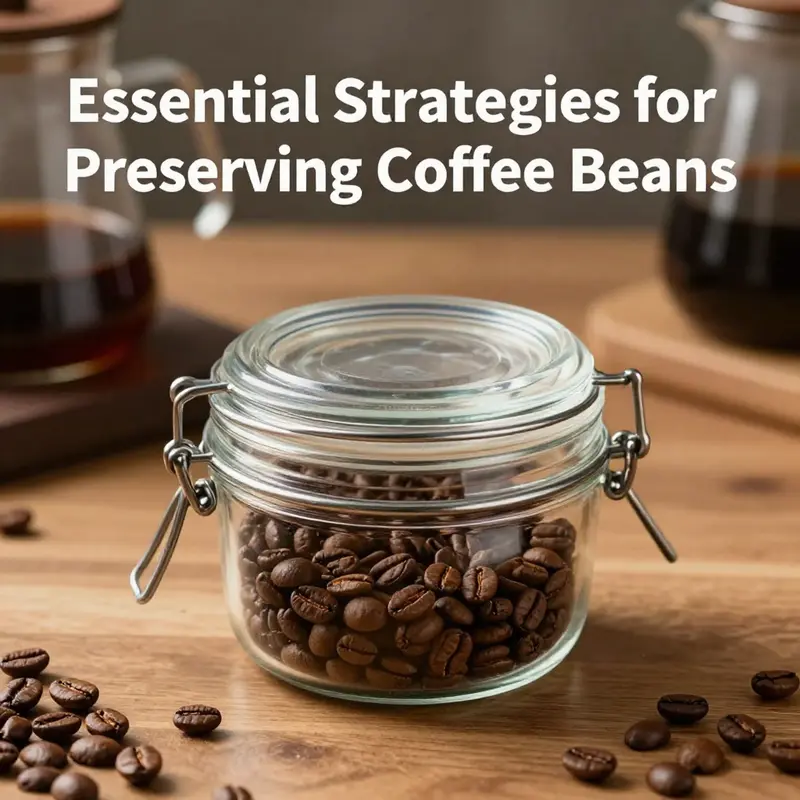
The moment you crack a bag of freshly roasted coffee, you begin a subtle race against time. Aroma drifts away with every breath of air, and flavors—those delicate oils and nuanced compounds that define a roast—start to degrade as oxygen nudges them toward staleness. The simplest, yet most powerful, move in this ongoing contest is to seal the beans tightly. Yet sealing is more than just closing a lid; it is a careful choreography of materials, light, temperature, and timing that preserves the bean’s character long enough to brew a cup that still tastes like the day it was roasted.
Oxygen is the primary adversary. When you break the seal, the beans reveal their porous interior, and oxidation begins. The remedy is to remove as much air as possible and keep air from returning. This means choosing an airtight container that fits snugly and maintains its seal over time. Vacuum-sealed containers do the heavy lifting by actively removing air and slowing oxidation to a crawl. If you prefer a bag with a valve, make sure it is a high-quality one-way valve that lets carbon dioxide escape while blocking new air from slipping in. Some people transfer beans from their original bag to a jar or another container with a reliable seal. Either way, the goal is to minimize the volume of air the beans sit in for any extended period. Glass jars with rubber gaskets can be excellent when the lid forms a true seal. The common plastic bag, especially if it has already been opened, is not the best guardian for freshness, as oxygen can seep in over time.
Light is another stealthy foe. The oils and aromatic compounds in coffee are sensitive to UV exposure, which can alter flavor and mask the delicate nuances of a coffee’s origin. A well-sealed ceramic, tin, or dark glass container blocks most light. If you must store in clear glass, position the container in a dark cupboard or pantry so the light cannot reach the beans directly. The aim is a stable, dark environment that keeps the oils intact and the aroma vibrant. In this regard, the simplest choices often beat the most elaborate setups: a dark, tight-sealing container stored away from windows.
Moisture is a thief as well. Beans are best kept in a cool, dry environment, away from humidity that can encourage mold or off-flavors. Room temperature in a cupboard or pantry is usually sufficient for short-term storage. The fridge is not a friend to whole beans; the combination of fluctuating temperatures and high humidity can lead to moisture absorption and odor cross-talk from the surrounding foods. Freezing has its adherents and its risks. If you ever contemplate freezing, proceed with caution: portion the beans into small, vacuum-sealed portions, and only what you will use within a short window. Thaw slowly at room temperature, and use the beans promptly to minimize quality loss from the thaw process. The reality is that freezing can alter the bean’s structure and flavor profile, so it is a tool for specific, limited scenarios rather than a default approach.
The timing of purchase matters almost as much as how you store. Buy fresh in small quantities, ideally matching your consumption pace. Freshly roasted beans begin to peak in flavor within a narrow window after roasting, typically two to four weeks, with the sweet spot often cited as within the first couple of weeks for many roasts. This reality makes a habit of buying what you will consume in a week or two particularly effective for everyday brewers. When you do open a bag, seal immediately—preferably back into an airtight container or the original packaging if it retains a reliable seal. Ground coffee, with its increased surface area, oxidizes even faster, so grind only what you need just before brewing. This habit, simple as it sounds, is one of the most powerful moves you can make to preserve aroma and flavor.
The seal itself is a small, enduring ritual. After opening a new bag, the moment you have measured your beans for storage, close the cap as tightly as possible. The difference between a good seal and a marginal seal can translate into noticeable flavor over a week. A high-quality airtight container becomes a quiet partner in your morning routine, and its performance matters more than the brand name. The leverage of a one-way vent, where available, is subtle but real; it allows the coffee to rest for a few days after roasting by letting excess CO2 escape while not inviting new air to rush in. In time, the rest period the beans experience—while still sealed—can help preserve the very oils that carry the fragrance and flavor notes you seek in a cup.
There is a mindfulness to this practice that extends beyond the kitchen. It mirrors careful habits found in other disciplines that depend on routine, precision, and respect for materials. The discipline of maintaining a stable environment for coffee beans—the right container, darkness, and a cool, dry place—can echo steady practices found in fields that prioritize consistency and care. Consider this connection as you cultivate your own approach to preservation; the science behind it is simple, but the behavior around it compounds the results. For readers who are curious about how disciplined routines translate into outcomes in other domains, see the discussion on habit formation in health-related practices that intersects with broader workplace and daily-life routines: occupational-therapy-and-mental-health.
As you weave these principles into habit, you also reinforce the idea that the best practice is often the simplest one: keep beans whole, seal them tightly, and store them in a place that remains cool, dark, and dry at room temperature. Whole beans retain their integrity longer than ground coffee, and the act of grinding immediately before brewing ensures you taste what the beans can truly offer at their freshest. A thoughtful storage routine is not about chasing the absolute peak of a roast indefinitely; it is about aligning your handling with the bean’s natural timeline so that every cup tastes as vibrant as possible given the roast and origin. In practice, that means rotating stock in a way that prevents an older bag from lingering too long, buying in quantities that you can finish within a month or two, and resisting the urge to rely on large quantities of coffee that will slowly lose its brightness before you finish it.
The practical takeaway is compact: store whole beans in an airtight, opaque container at room temperature in a cool, dry, dark place; prefer smaller purchases to keep the roast-date window relevant; and, if you must consider freezing, do so only in carefully portioned, vacuum-sealed packs and with a plan to use the beans quickly after thawing. This approach slows oxidation, minimizes moisture ingress, and keeps light exposure at bay, all of which preserves the aroma and flavor that make coffee more than a simple beverage. When you combine these elements—tight seals, darkness, and mindful quantity—the result is a coffee experience that remains faithful to the bean’s origin and roast long after it left the roaster.
External reference: for a broader, science-informed perspective on food storage and oxidation that informs these recommendations, see an external resource such as https://www.scaa.org/.
The Dark Shield: How Darkness Protects Coffee Beans from Flavor Decay
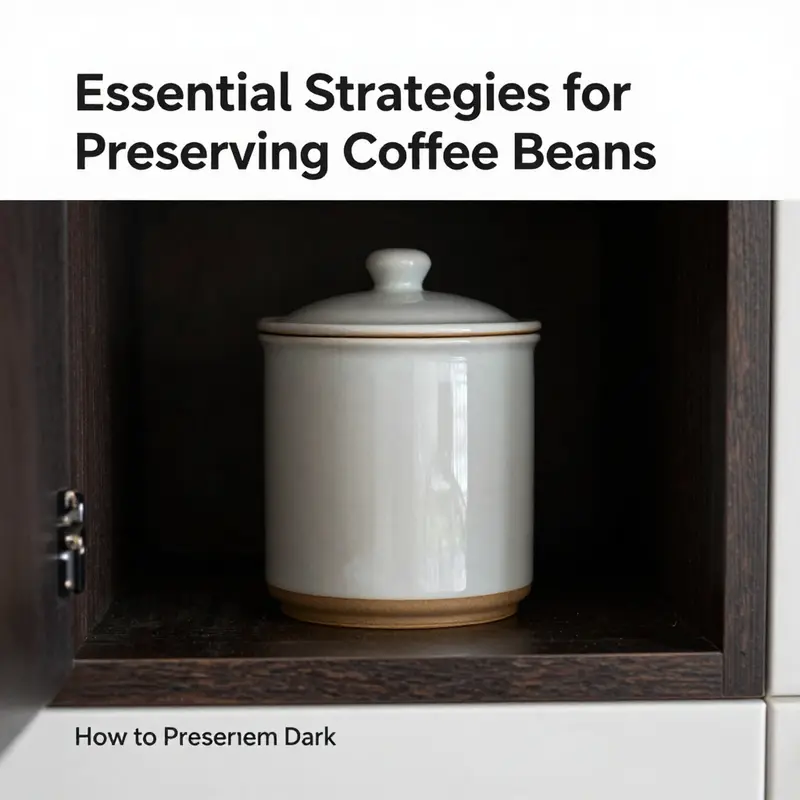
Preserving coffee beans starts with a simple premise: light is a relentless ally of change, and change is the enemy of fresh aroma. In sensory terms, exposure to light—especially ultraviolet rays—nudges the beans toward oxidation, a cascade that dulls the floral perfumes, caramel notes, and the clean snap of acidity that defines a good roast. Recent peer‑reviewed work confirms that UV light accelerates oxidative degradation in coffee beans, a reminder that darkness is not merely a preference but a preservation method. When you choose to store beans in a dark environment, you are slowing the chemical reactions that strip away the very qualities that drew you to a bag of beans in the first place. The practical upshot is straightforward: if you want coffee with a vibrant nose and a lingering aftertaste, make darkness your default setting, then layer other protections on top of it. Darkness sets the table; the other safeguards finish the job.
The most direct way to embody this principle is to select an opaque container and keep it sealed. An airtight vessel acts as the first line of defense against oxygen, the principal foe of freshness. In practice, the best options are containers made from materials that block light and air alike, such as ceramic, metal, or dark glass with a tight seal. If you must use a transparent container, the rule remains the same: store it in a place where light cannot reach, ideally in a cabinet or pantry that remains shaded throughout the day. The goal is continuous protection, not just occasional shield when you remember to close the lid. Oxygen is invisible, but its effects are visible in the coffee’s aroma and palate over weeks. A bag with a one‑way valve can help too, because it allows the beans to vent CO2 while keeping air out. When you transfer beans to another bottle, choose a jar that has an airtight gasket and a lid that closes with equal certainty.
But the seal is only part of the equation. Light is merciless when it can sneak in around a loose cap or through a thin edge. Even the best seal will fail if the container itself fails to block light. This is why opaque materials matter. Ceramic, tin, and darkened glass perform two critical tasks at once: they keep out light and, depending on construction, maintain a more stable microclimate inside the container. A clear glass vessel may be aesthetically pleasing, but it invites photons to mingle with the aroma compounds unless you store it away from windows and direct sun. Darkness is not just about shielding the beans; it is about maintaining a consistent, protective environment that prevents the kind of light‑driven oxidation that erodes aroma before you brew.
The second pillar in this chapter is oxygen management. Even a seemingly trivial amount of air can gradually alter the bean’s surface chemistry. That is why the best practice centers on keeping the beans in a sealed, opaque container at a temperature that is calm and predictable. Room temperature is often ideal for short‑term storage—roughly 18 to 25°C (64 to 77°F)—and a cool, dry corner away from ovens, heaters, or any source of heat that might create micro‑warming cycles. Moisture is another risk; it travels easily and can invite mold or staleness if the environment is humid. Darkness and dryness work hand in hand: without light‑driven reactions, keeping the air as still as possible gives the beans time to preserve their original character rather than morph into a less expressive version of themselves.
One practical consequence of embracing darkness, then, is a shift in how you buy and store. The old habit of purchasing large quantities and keeping them for extended periods runs counter to the science of freshness. The most effective strategy remains simple and surprisingly direct: buy what you will consume in a short span, preferably within one to two weeks of roasting. Check for a clearly visible roast date, and prioritize whole beans over pre-ground coffee. The surface area difference is not just a matter of taste; it is a matter of chemistry. Ground coffee oxidizes quickly, exposing more of the interior to air and accelerating flavor loss. By grinding just before brewing, you minimize a major exposure pathway and preserve more of the bean’s inherent complexity. Darkness supports this approach by ensuring that even the ground coffee, once exposed, does not swiftly surrender its character to light or heat.
For longer horizons, a careful approach to freezing can be considered, but it is a technique with caveats. If you must freeze a surplus, portion it into small, vacuum‑sealed quantities and store them in the cold with as little air as possible. Only thaw a portion when you are ready to use it, and do not refreeze after thawing. The bean’s structure and flavor profile can shift under freezing and thawing cycles, so this method should be reserved for situations where fresh consumption within a month is unlikely. Even then, the guidance remains: darkness, dryness, and oxygen control must accompany any freezing practice. Do not treat freezing as a first resort; treat it as a calculated exception rather than a routine.
Beyond airtightness and darkness, the daily workflow around beans benefits from a disciplined, almost ritual approach. Store the beans in a stable corner of the kitchen that remains consistently cool and out of direct sunlight. Avoid repackaging into flimsy plastic bags or containers that do not offer a tight seal, as these introduce both air and moisture. In practice, a small, opaque container with a reliable closure is a superior solution to a larger, exposed bag that sits on a countertop. When you reach for beans, you should feel confident that what you are grabbing has already been protected from the two most destructive forces—light and air—for as long as possible since roasting.
An additional, often overlooked cadence is the rhythm of consumption itself. Freshness is not a static state but a dynamic, time‑sensitive quality. You can optimize flavor by coordinating purchase, roast date, and brewing timing so that a batch moves from bag to cup within a window where aroma and body are most expressive. The wisdom of keeping quantities small enough to finish before they degrade is particularly poignant in households that value precise, nuanced cups over convenience. In this light, the dark shield concept becomes less a passive preference and more an active practice. By orchestrating light exposure, oxygen ingress, and temperature stability, you guide the coffee from the moment of roasting to the moment you press the brew button with greater assurance that the end cup will reflect what the roaster intended.
To tie this approach back to the sensory experience, consider how a well‑protected bean opens in the cup. When darkness does its work as a shield, the aromatic compounds resist volatilization and retain the delicate balance of fruit and cocoa notes, of brightness and depth. The cup remains coherent rather than unfolding into a muted echo of its former self. In this sense, darkness is not a single tactic but a continuous guardrail that keeps the entire preservation system intact—from the moment the beans leave the roaster to the first aromatic ping of a fresh pour. The other protections—oxygen control, moisture avoidance, and temperature stability—work in concert with darkness to sustain aroma and flavor over weeks rather than days.
For readers seeking a compact reminder, the core message is straightforward: store whole beans airtight and opaque at a stable, cool room temperature, shield them from light at every turn, and buy small quantities aligned with your weekly or biweekly rhythm. Freezing remains an option only in carefully controlled circumstances, and even then it should be used sparingly. The science aligns with practical wisdom: darkness protects, but it must be paired with careful handling of air and heat to realize the full potential of a coffee’s aroma and taste.
External resource: For a deeper technical discussion of how light exposure impacts coffee bean quality, see the peer‑reviewed source on light and oxidation at https://www.sciencedirect.com/science/article/pii/S030888302400067X.
Guarding Aroma: The Power of Cool, Dry Storage for Fresh Coffee Beans
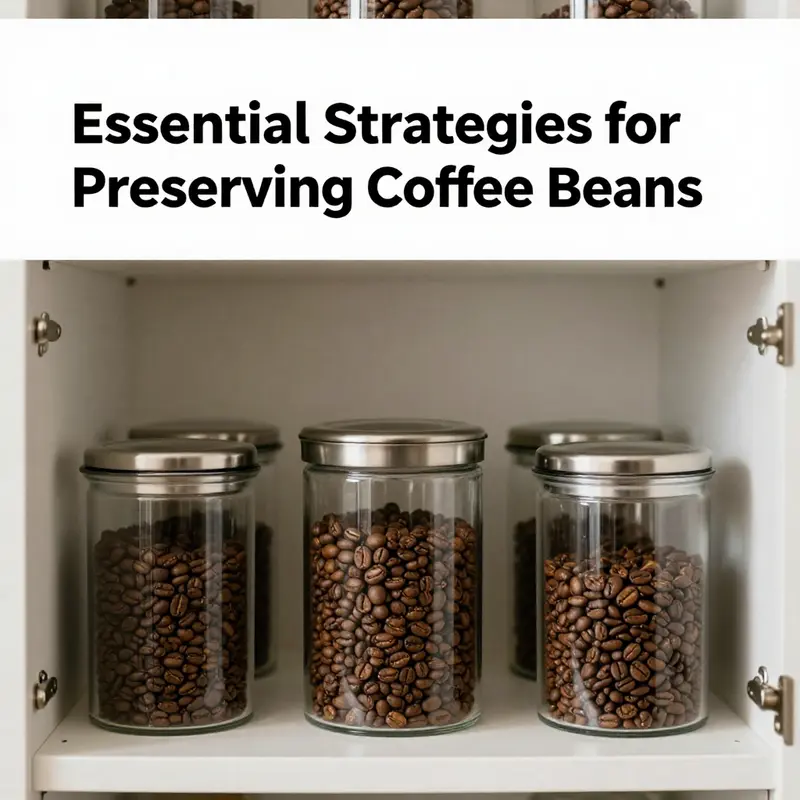
Preserving the vibrant character of roasted coffee starts with the environment around the beans themselves. Temperature, humidity, and exposure to light form a triad that can push flavor and aroma toward decline the moment the beans leave the roaster. When you store coffee beans, you are choosing a climate that remains cool, dry, and dark enough to slow oxidation, deter moisture absorption, and minimize chances of off odors seeping into your stash. The goal is a stable microclimate where the beans hold their top notes and body for as long as possible. A calm climate translates into more forgiving brewing sessions, where the cup reflects the roast and origin rather than the storage drama in your pantry.
A cool, dry environment is a practical strategy that keeps volatile compounds intact. Ideal storage temperatures sit in roughly 15 to 25 degrees Celsius (59 to 77 degrees Fahrenheit). Beyond that range, beans lose zest more quickly, and humidity can become a silent thief. Kitchens swing between warm bursts when the oven or stove is in use and cool evenings when the room dampens, so a dedicated corner away from heat sources is worth prioritizing. Look for a spot that stays steady, away from direct sunlight, steam from the sink, or a vent that might introduce sudden shifts in humidity. The aim is a safe, predictable climate where the beans can hold their shape and aroma without daily fluctuations.
The container you choose matters as much as the room you place it in. An airtight, light-proof vessel is essential. Vacuum-sealed canisters and one-way valve bags that can be transferred into a sturdy, airtight jar—or metal or ceramic containers with tight gaskets—protect against oxygen, moisture, and light. In this realm, transparent plastic and cheap clear glass become liabilities because even a sliver of light exposure can start to degrade delicate aromatic compounds. If you must use glass, it should be opaque or stored in a shaded cabinet. The emphasis is on minimizing air exchange and sealing the container promptly after each use, keeping the lid secure. Each time you open the container, you invite oxygen back in, and oxygen accelerates aging. A simple discipline—open only when you need beans, then reseal—goes a long way toward maintaining freshness.
Light is not merely a cosmetic nuisance for coffee; it saps aromatic vitality. UV rays break down volatile compounds that give your cup its signature fragrance and flavor. Favor opaque packaging; if you store beans in a clear glass jar, tuck them into a dark cabinet or shelf as soon as you close the lid. The moment the beans are roasted, their aroma begins a slow retreat, and any light exposure—even brief—accelerates that retreat. This is especially true for households with windows that catch the afternoon sun or kitchens that face south. In those environments, a compact, dark container on a shelf out of direct light is a simple, effective rule.
Humidity is another stealthy factor. Coffee beans are hygroscopic; they readily absorb moisture from the air. When moisture finds its way into the beans, flavors become muted, and mold becomes a serious risk. The dry corner of a pantry or a cupboard that stays dry most of the day suits best. If your home tends to be humid, consider placing the storage container on a high shelf away from the sink or any area with standing water. The goal is consistency—the consistency of temperature, humidity, and exposure will preserve more of the beans’ integrity than the occasional perfect brew from haphazard storage. And when you combine a cool, dry setting with a sealed, light-proof container, you create a protective cocoon that helps the beans hold their complexity longer while still allowing you to enjoy fresh coffee with each grind.
For households that must consider longer-term options, the chapter on cold storage offers safeguards, though the default recommendation remains simple: prioritize short-term freshness. Freezing and refrigeration occupy a controversial middle ground. The refrigerator’s humidity and odor transfer are well documented, and condensation when moving beans between cold and warm environments can ruin texture and flavor. If freezing becomes unavoidable, break the stash into small portions and seal tightly in vacuum or airtight bags, then thaw gradually at room temperature. Use the beans promptly once thawed and avoid leaving them exposed to room temperature for extended periods. This is not a recommendation to stockpile frozen beans; it is a caution that freezing carries risks and should be reserved for specific circumstances where quantities are large and consumption is unlikely within a reasonable window. For most home brewers, cool, dry, room-temperature storage remains the simplest and most reliable path to consistent quality.
Another practical principle is to minimize air exposure. Every time the container is opened, some oxygen enters and accelerates oxidation. A simple, yet highly effective habit is to decant only what you will need in the next several days into a small daily-use container, keeping the larger supply sealed tight. This approach balances accessibility with protection, ensuring that the main stash remains in a stable, low-oxidation condition. It also helps avoid the temptation to regrind more coffee than needed, since ground coffee oxidizes far more quickly than whole beans due to increased surface area. Grind only what you plan to brew in the immediate future, and seal the rest away again. In practice, this means building a routine where you assess your consumption pace weekly and adjust the size of the decanted portion accordingly, rather than letting the container sit open and vulnerable for too long.
Ultimately, the success of cool, dry storage rests on a quiet, disciplined routine. It asks you to respect the beans’ need for stability and to recognize how easily small shifts can color a brew. When done well, these practices yield a cup that carries the roast’s intended character—the same aroma that greeted you at the grinder and the same nuanced flavors that roasters crafted during the roast. The balance is delicate but achievable: a steady temperature, low humidity, and a solid, light- and odor-proof seal. Keep the environment consistent, avoid the temptations of the refrigerator, and resist large stockpiles that keep beans in storage beyond their peak window. In the end, cool, dry storage is not a separate technique but a fundamental frame for your entire coffee routine. It supports freshness, flavor, and reliability, letting you approach each brew with confidence that the beans you grind have not drifted far from their origin’s intent.
Fresh at the Source: Preserving Coffee Beans by Buying Small, Frequent Batches
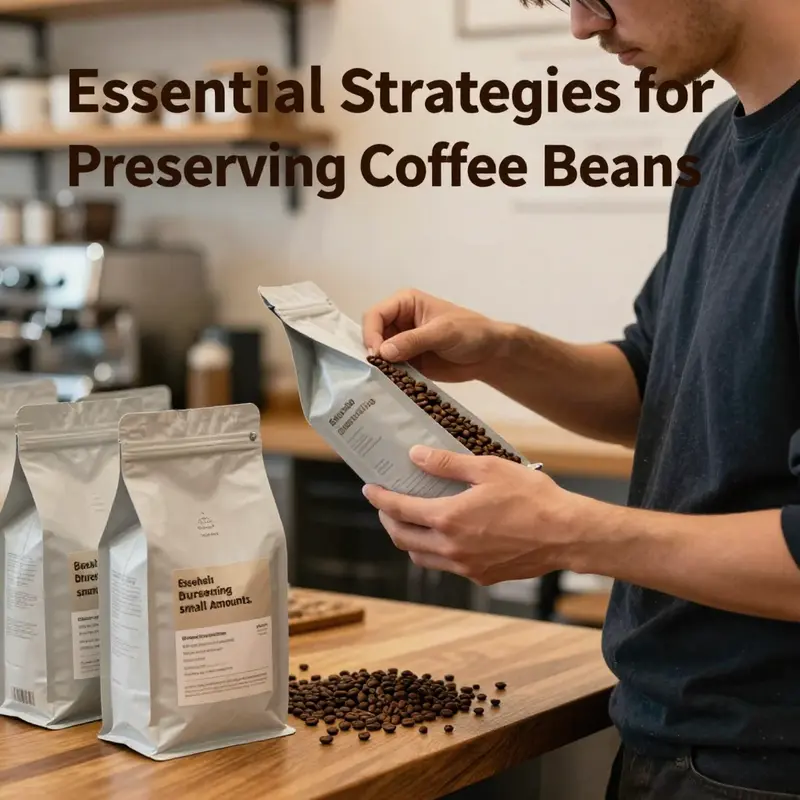
Fresh coffee begins the moment the beans leave the roaster, and every hour after that erodes a part of what made them remarkable. In a way, flavor is a race against time, and the pace picks up as oxygen and heat begin their quiet work. The most effective, simplest strategy to win that race is to buy coffee in fresh, small quantities and drink it while it still wears its best bloom. This approach is not about a single gadget or ritual; it is a lifestyle choice that aligns purchase habits with the natural arc of a bean’s aroma and complexity. When you buy small batches, you set yourself up to enjoy the best flavors that roasted beans offer, without the burden of complicated storage gymnastics. The idea is straightforward, but its impact is profound: fewer beans sitting idle means less time for oxidation to dull delicate floral notes, cocoa, and fruit-like brightness that once danced in the design of a roast. In practice, it translates into a simple rhythm—purchase what you will use in the near term, and grant each bag a clear expiration in your coffee routine rather than in your pantry.
The core logic behind this approach rests on a reality most roasters and baristas acknowledge: the peak flavor window after roasting, when the aroma is most vibrant and the balance of acids, oils, and aromatics is most harmonious, typically spans a couple of weeks to a month. For many households, that window is best realized when the daily cup is grounded in beans roasted within the last two weeks and consumed within the next one to two weeks. By constraining your intake to smaller quantities, you shorten the interval between roast and brew, which means you naturally protect the beans from prolonged exposure to air and to temperature shifts. In turn, you reduce the burden of preserving freshness, and you avoid letting a large bag linger long enough to drift into the realm where flavor fades or becomes inconsistent.
This strategy matters because ground coffee is even more vulnerable. The surface area exposed to air multiplies the rate of oxidation, so grinding just before brewing is an indispensable companion to buying small. Whole beans offer more resilience, but once ground, the clock starts ticking rapidly. Thus, a minimum viable path to flavor consistency is to pair small-batch purchases with daily grinding only when you are ready to brew. In other words, the simplest path to long-term flavor reliability is not to overstock, but to stay in rhythm with your own drinking pace. This is where the habit of buying fresh becomes a practical virtue rather than a theoretical ideal.
The risk of large bags is not only the passage of time but the sheer difficulty of maintaining strict control over air, moisture, and light once the seal is broken. A kilogram bag, once opened, demands a level of vigilance that is unfamiliar to many kitchens: consistent air exclusion, stable humidity, and a shielded dark environment. Even with the best containers, large bags are prone to gradual staling, and the moment a bag is breached, every day counts against flavor how it should be. A short, direct, and repeatable routine—buy small, store simply, and brew with intention—minimizes these variables. You can rely on a familiar cadence: when the roast date is clearly visible and the quantity aligns with your typical weekly consumption, you are less likely to let coffee drift into a stale period.
Choosing small packages also acts as a built-in schedule for freshness. If you regularly purchase 200 grams or less, you create a natural boundary that mirrors your consumption pace. This is not merely about avoiding waste; it is about aligning your coffee routine with what your palate needs and when it needs it most. When you buy in small increments, you can check the roast date and aim to drink from that batch within a period where its flavors are most expressive. A bag that sits too long becomes a gamble: can you still detect the nuanced acidity, or will the cup slide toward a dull, one-note profile? Realistically, many enthusiasts discover that the best approach is to treat coffee more like wine than a staple pantry item—consume while the bouquet remains vivid, and restock with a fresh purchase when the aroma begins to soften.
The practical upside of small purchases is also a daily convenience. It eliminates the need for elaborate freezing protocols or the anxiety of maintaining dozens of sealed containers that each must be vigilantly safeguarded from light and moisture. When you keep to modest quantities, you can keep them in a single, sturdy, opaque container at room temperature, away from heat sources. The posture is simple: store beans in a cool, dark corner, grind only what you will brew, and enjoy the aroma as it blossoms with each grind. This approach harmonizes with the general preservation principles—sealing tightly, protecting from light, and staying dry—because the smaller the batch, the easier it is to maintain a consistent environment around the beans.
Of course, the wisdom of small purchases naturally dovetails with the roast date. In the best-case scenario, you purchase beans that have been roasted recently and plan to use them while they remain at their flavor peak. Being able to verify a roast date makes a meaningful difference. It converts a bag from a potential time bomb of stale flavors into a commitment to freshness. Even if you cannot recall the exact day, selecting beans with a roast date within the last two weeks makes the preservatives around flavor more likely to work in your favor. That clarity is empowering: it signals that you are not simply storing beans, but actively orchestrating a series of short, flavorful engagements with coffee.
Another practical dimension is the comparison with pre-ground coffee. Ground coffee loses freshness even more quickly than whole beans, because the greater surface area accelerates oxidation. The small-batch approach complements this reality by encouraging you to grind only what you need for a single brew. When you pair this practice with small quantities, you naturally reduce the odds of tasting stale coffee. The result is a more honest expression of the roast’s intended character—whether it carries bright citrus, chocolatey sweetness, or a delicate floral aftertone. If your week is busy and you recognize that you may not finish a larger bag in time, the smart move is to pause, reassess your needs, and opt for a fresh, smaller container next time. The reward is not only better flavor but also a cleaner, more predictable brewing routine.
The simplicity of this approach also invites less waste and more enjoyment. If a batch sits past its prime, you can still salvage the experience in useful ways. For instance, older beans can be repurposed into cold brew concentrates or used in forms that tolerate a broader flavor drift, though these options lack the precise brightness of a fresh roast. The key is to view each bag as a finite dialogue with your taste buds, rather than a seemingly endless supply. This perspective helps you avoid the common pitfall of overbuying in hopes that a magic period of freshness will appear. It doesn’t, in most kitchens, occur by accident. It happens when your purchasing pattern is aligned with how quickly you drink coffee.
In the end, the argument for buying fresh and in small quantities is not a rigid system but a practical creed. It respects the bean’s life cycle, reduces the complexity of storage, and keeps flavor within reach of the everyday brewer. The chapter you are reading is not just about a single habit; it is about a philosophy of coffee that honors aroma, preserves nuance, and places a premium on drinking soon after roast. There is room for exception—occasional larger purchases when you know you will drink them in a limited time frame, or a foray into long-term storage under strict conditions—but those are the exceptions rather than the rule for most home setups. The overarching truth remains: buy fresh, buy small, and enjoy the clarity of coffee at its peak. This foundational principle can guide you through the rest of your preservation journey, setting a steady pace that keeps your beans vibrant and your mornings reliably delightful.
As you move forward, carry this habit with you, and let it anchor the more technical practices that follow. The interplay between roast freshness and storage discipline is not a hurdle but a harmonized rhythm. When you embrace small quantities, you automate a reliable cadence that makes it easier to seal, shield, and savor what you brew. The next steps—how to seal properly, where to store, and when freezing might be appropriate—will feel less like workaround and more like natural extensions of a simple premise: stay close to the roast, keep what you will drink soon, and let your cups tell the story of your everyday coffee ritual.
null
null
Final thoughts
To thrive in the coffee business, understanding the preservation of coffee beans is crucial. By sealing them tightly, keeping them in the dark, storing them in a cool and dry environment, and buying small amounts of fresh beans, you’re ensuring the rich flavor and aroma your customers crave. Implementing these strategies will not only reduce waste but also enhance customer satisfaction, as they enjoy fresh, flavorful coffee tailored to their preferences. Make preservation a priority, and watch your coffee business flourish with every cup served.