

The world of coffee can be incredibly complex, especially when it comes to distinguishing between espresso and coffee beans. Business owners in the café and restaurant industry may find themselves navigating the misconceptions around these bean types, which can influence product offerings and customer satisfaction. The belief that espresso beans are fundamentally different from coffee beans can lead to confusion, particularly for those looking to optimize their coffee menu. In this exploration, we will break down the nuances across three key areas: the bean perspective, roasting techniques, and brewing methods. Understanding these elements will empower you to enhance your coffee offerings, strengthen customer loyalty, and ultimately drive profitability.
Roast, Not Species: Demystifying Espresso Beans and Regular Coffee Beans
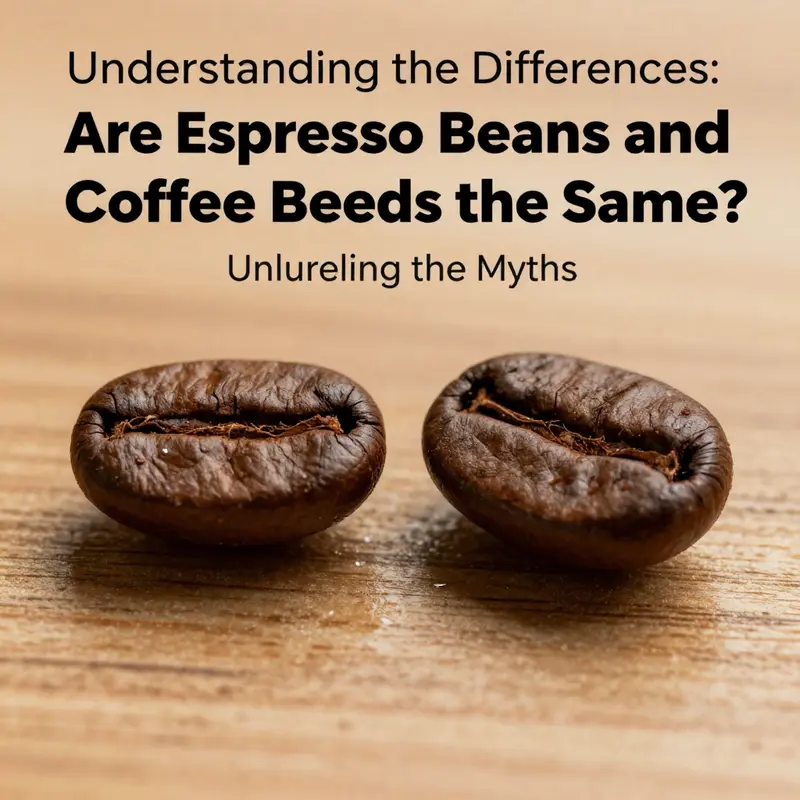
When people ask whether espresso beans are somehow different from ordinary coffee beans, the instinct is to search for a secret lineage, a hidden species, or a magic farming technique that sets one apart from the other. The truth is surprisingly less mysterious and more practical: there is no inherent bean that is “espresso” and another that is not. Both espresso and regular coffee can come from the same coffee plant species, most commonly Coffea arabica or Coffea canephora (robusta). What separates an espresso experience from a drip-brewed cup is not the biology of the seed alone but a carefully orchestrated combination of roast level, grind size, extraction pressure, and the brewing method used to coax flavor, aroma, and texture from the bean. Understanding this distinction helps listeners and readers move beyond marketing labels and into a more precise conversation about how to achieve the cup they want, whether that cup is a concentrated shot in a cafe-style espresso or a bright, clean cup from a slow pour-over at home.
From a botanical standpoint, the seed that becomes your morning coffee is part of a plant that shares most of its identity with its cousins across the cacao-like family of beverages. The Arabica and Robusta species are the principal players on the global stage, and either can be turned into a shot of espresso or a pot of drip coffee, depending on the roaster’s intent and the barista’s technique. The bean’s journey begins long before it reaches the grinder: soil, altitude, climate, and harvest timing all contribute to the aroma precursors and chemical balance present in green beans. But once the beans are harvested and green, the decisive alterations occur in how they are roasted and how they are eventually prepared. A darker roast is often associated with espresso because it tends to emphasize body, sweetness, and a robust, cocoa-like finish that responds well to the intense pressure of espresso extraction. It is precisely this reaction—caramelization and oil development—that helps produce crema, the delicate golden foam that sits atop a well-pulled espresso shot. Yet crema is not a proof of superior beans; it is a byproduct of a few physical and chemical dynamics that align when grinding, temperature, pressure, and extraction time come together just right.
The notion of a distinct “espresso bean” arises most loudly in marketing and consumer messaging. Roasters and retailers sometimes label certain blends or single-origin beans as “espresso.” This labeling often signals a roasting profile and a grind suitability that are optimized for espresso machines and their high-pressure extraction, but it does not imply that the bean is biologically different from one used for drip coffee. The practice makes sense: a darker roast tends to yield a more consistent, fuller-bodied espresso with a smoother sweetness and a lower perceived acidity, qualities that many espresso lovers prize. However, if you pulled the same dark-roasted beans through a drip brewer or a cold-brew system, you might discover a different balance—more bitterness from over-extracted oils, a thicker mouthfeel, and a different set of perceived flavors. In short, the same cup could taste dramatically different depending on how it is brewed, which underscores why roast level and grind size matter more than any supposed bean subtype.
A practical way to visualize this is to consider grind size and brew pressure as the two hands of a tightrope walker balancing flavor. Espresso relies on a very fine grind and high pressure to extract flavors quickly. The grounds are packed into a compact puck, and hot water blasts through them in roughly 25 to 30 seconds. This rapid, forced extraction favors sweeter compounds formed during the darker roast and locks in a concentrated form of flavor that we recognize as espresso’s bold character. In a drip or pour-over method, the grind is coarser, the water’s contact time is longer, and gravity does the work rather than pressure. The resulting extraction tends to preserve more delicate acids, fruit-like notes, and floral aromas that might be overwhelmed or altered by a very short, highly forced extraction. It is not that the beans are different; it is that the extraction method reveals different facets of the same bean.
This interplay hints at a broader truth: roast level is the painter, and the brewing method is the frame. A coffee bean roasted to a deep, syrupy balance can still yield an elegant, even bright cup when brewed through slow, low-temperature techniques if the roast profile has enough acidity to balance non-sugar components. Conversely, a lighter roast can be coaxed into a fuller-bodied, slightly sweeter profile when subjected to the high-pressure, quick extraction of an espresso machine. The same bean, roasted differently, may produce two distinct tasting experiences. Roasting, not origin, often dominates the sensory character we attribute to a drink when we label it as “espresso” or “drip.” The difference in taste arises from how the bean’s inherent chemistry is unlocked by time, temperature, and the apparatus used to deliver hot water to the grounds.
To anchor this discussion in sensory terms without getting lost in jargon, think of the roast as a map of flavor evolution. A darker roast tends to promote caramelization compounds—browning sugars that build a sense of sweetness and body while muting some of the more delicate fruity acidity. Oils inside the bean migrate toward the surface during roasting, creating a richer mouthfeel and often a more chocolatey or caramelly profile. These effects amplify under pressure in espresso, where the fast, intense extraction magnifies the roasted character, sometimes at the expense of brightness. A lighter roast preserves the bean’s intrinsic varietal notes—stones of fruit, citrus, and florals—that can present a lively acidity and a nuanced aroma when brewed with gentler methods. For a drip brew or pour-over, that brighter, more volatile profile invites a clean, expressive cup where the origin’s terroir might be more evident. The roasted bean thus becomes a palimpsest: the physical act of roasting writes a new layer over the bean’s natural DNA, and the brewing method ethically scratches off different parts of that layer to reveal a spectrum of flavors.
In the real world, the best espresso and the best drip coffee are not produced by magic bean types but by mastery of roast and grind, water quality, extraction time, and machine or equipment calibration. The espresso shot’s signature crema is a visible wink to this mastery, signaling a successful balance of dissolved oils, sugars, and proteins under pressure. Crema forms when emulsified oils and colloids interact with carbon dioxide released during roasting and the agitation of high-pressure extraction. That creamy layer is not the ultimate measure of quality, but it often correlates with a well-timed extraction that has preserved sweetness while developing body. A crema that looks thin or pale can signal under-extraction or coffee that is too fresh to have released all its soluble compounds. On the other hand, a crema that is overly dark or oily may indicate over-extraction or a roast that has shifted too far into the bitter, burnt realm. These observations reinforce the crucial point: the bean’s identity is less important than how it is roasted and how the extraction is carried out.
For everyday drinkers, this means all coffee beans—the same varieties that grace morning rituals—can serve as the backbone for both espresso and drip coffee. If someone wants to craft a home espresso that bears a chocolatey backbone with a touch of caramel sweetness, selecting a darker roast and grinding just before brewing makes sense. If another person prefers a crisp, bright cup with citrus notes and a clean finish, a lighter roast with a slower pour might be the better route. The choice between these paths is a choice about flavor profile and the desired sensory experience, not a requirement to search for a mythical espresso-specific bean. This point often helps demystify the kitchen or cafe ladder—why there is no exclusive class of beans labeled strictly for espresso. It is a matter of roast, grind, and technique working in concert to produce the drink we want.
The practical implications extend to beginners who want to experiment at home. Start with the concept that you can pull espresso from almost any bean if you are prepared to adjust your grind and extraction time, and you’ll likely discover a range of flavors that you might not have anticipated. If you begin with a medium roast and a standard espresso grind, you may experience a well-rounded shot with a balanced sweetness and a medium body. If you lean into a darker roast, you can coax a deeper, more cocoa-like sweetness, with reduced acidity and a velvety texture. If you prefer a brighter coffee, a lighter roast and a longer, slower extraction can yield more perceived acidity and a tea-like clarity in the cup. The overarching lesson is that the label on the bag is less revealing than the roast level and the brew parameters when it comes to predicting taste and mouthfeel. The bean itself carries a spectrum of potential flavors; the labors of roasting and brewing reveal which part of that spectrum shows up in your cup.
An additional layer of nuance concerns grind size. Espresso grind is finer than what many drip methods require, not because the bean is categorically different, but because finer particles increase surface area and allow the high-pressure system to extract rapidly enough within a short window. For those brewing with a traditional manual pour-over or a standard drip machine, a coarser grind reduces the risk of over-extraction, which otherwise would pull harsher notes and desert the cup of its nuanced sweetness. If you experiment with a single bag and try multiple methods, you can observe how the same roast can yield multiple personas. A batch roasted for espresso, when ground coarse and brewed as a drip, will yield a different experience—likely brighter and more acidic, with less of the robust body associated with an espresso shot. The inverse is also true: a lighter roast designed for pour-over can be disadvantaged when forced through the high-pressure, fast extraction of espresso, potentially producing an underdefined body and a lean profile. The practical takeaway is not to vilify the roast or the grind, but to align them with your preferred brewing method and flavor goals.
Another factor that sometimes gets folded into the conversation is freshness and grind timing. Espresso demands a certain freshness because the brief but intense extraction can reveal flaws more readily if the beans have stale oils that have oxidized. Drip coffee can tolerate a little more latitude because longer contact with water can help mellow some flaws, though freshness remains a virtue for both methods. In both cases, grinding just before brewing is a reliable habit. The aroma that rises when the beans are ground is a live preview of the cup to come, a sensory reminder that you are about to unleash the bean’s potential in a controlled environment. The coffee you end up tasting is the product of a continuum: soil and plant biology, harvest conditions, the roast that transforms its chemical balance, the grind that adjusts surface area, the water and its temperature, and the pressure and time that drive extraction. Each link in that chain matters, but no single link is the sole determinant of quality. The glory is in the orchestration, not in a single magical bean type supposedly designed for one method alone.
There is also a cultural dimension worth acknowledging. Espresso, in many parts of the world, has come to symbolize a particular ritual—a method of how we pace our day, how a café culture organizes conversations, and how a barista’s craft can elevate a simple seed into an experience. That cultural narrative can make the term “espresso bean” feel obligatory, almost authenticating the idea of a distinct category. Yet the chapter we’ve sketched out reveals that the same seed carries the potential for many personalities, and the final beverage is the result of a collaboration between seed, roast, grind, water, pressure, and human intention. The bean, in other words, is less a passport with a fixed destination and more a canvas whose destination is chosen by the barista, the home brewer, and the equipment that steers the extraction toward a flavor profile that pleases the palate.
If the reader takes one takeaway from this discussion, it should be this: never let a label trap your curiosity. The distinction that matters lies in how you treat the bean in its journey from green seed to brewed cup. A bean labeled as “espresso” can deliver a magnificent espresso when the roast, grind, and technique align with the characteristic demands of high-pressure extraction. The same bean, brewed with a gentler hand and a slower rhythm, has every chance to express other facets—perhaps more acidity, more fruitiness, or a cleaner finish. The reverse is also true: a bean roasted darker for espresso can be made to sing in a drip method with the right grind and a stable, moderate extraction. The reality is that the bean is a flexible instrument, not a predetermined instrument. The artistry lies in choosing the right combination of roast, grind, and method to craft the cup you want, rather than seeking a mysterious, unchanging bean identity that promises one perfect brew.
For educators and caffeine enthusiasts who want to navigate this landscape with more confidence, the practical approach is to test a single bag across a few different brewing styles. Start with a medium roast that leans toward balance, grind it fine enough for espresso but not so fine that it chokes the machine, and then pull a few shots with careful attention to dose, yield, and time. Then adjust the grind slightly finer or coarser and observe how the flavor shifts. Repeat with a different brewing technique, such as a pour-over, using a similar roast to compare how the extraction reveals or suppresses different notes. The aim is not to lock yourself into a single narrative about a bean but to learn how you as a brewer respond to the bean’s inherent potential when different doors are opened for its expression.
This chapter would be incomplete without acknowledging that taste is subjective and experience-dependent. People come to coffee with unique preferences, memories, and expectations. A drink that seems overly bitter to one could feel perfectly balanced to another who is chasing a strong, comforting morning ritual. The language we use to describe coffee—creamy, bright, chocolatey, fruity, wine-like—arises from the complex interplay of roast chemistry and extraction dynamics. The more we learn about the mechanics behind espresso and drip coffee, the more we can tailor the cup to satisfy a given desire, whether that desire is for a bold morning jolt, a nuanced afternoon sip, or a comforting ritual that invites a pause. In this sense, the bean remains constant, but the flavor’s journey depends on the method’s demands and the roaster’s choices. In that sense, coffee is less about a fixed category of beans than about a shared craft—one that invites experimentation, patience, and a willingness to let the flame and the grind reveal what lies hidden in the humble seed.
For those who want a grounded, usable takeaway, remember this: there is no essential bean that only exists for espresso. There are beans, and there are roasts, and there are methods. The better you understand how roast levels influence sweetness and acidity, how grind size alters extraction, and how pressure accelerates or temperates flavor development, the more precise your coffee practice becomes. You can use the same batch of beans to chase an espresso-style shot with a velvety body and a sweet finish, or you can transform the same batch into a lively, bright cup through a slower, cleaner extraction. Your preferences will guide the choices that follow, not a myth about a bean’s origin. In that spirit, the question should shift from “Are espresso beans different?” to “How can I best unlock the potential of this bean for my preferred method?” The answer lies not in a label but in the artistry of roast and brew.
If you are curious to explore a more technical perspective while keeping a practical frame, consider reading through independent analyses that compare espresso and drip extraction at the chemistry and sensory levels. These explorations often emphasize the same core idea: the bean type is only part of the equation; the roast, grind, and technique are the levers that shape the final experience. To take a deeper dive into this framework, see the detailed discussion in sources that examine how crema forms, how extraction variables interact, and how taste perception shifts with changes in roast and brew conditions. For a broader context that expands beyond the simple espresso-versus-drip dichotomy, you may want to explore literature that outlines how temperature, pressure, and contact time interact with different roast levels to produce a spectrum of cup profiles. Such resources illuminate the science behind a practice that has long captivated coffee lovers: turning a humble bean into a precise, personal ritual.
For readers who want a concrete pointer to a broader technical comparison, a well-regarded guide on the subject can offer a structured overview of espresso versus coffee beans, including how the roast level and grind size influence crema formation and extraction dynamics. This resource provides a useful, in-depth look at how roasters balance sweetness and body in espresso while preserving the origin’s character in other brewing styles. It helps demystify the notion of distinct bean categories and invites a more applied approach to selecting and preparing coffee.
In the end, the simplest, most accurate takeaway is this: espresso beans are not a defined race of beans; they are the same beans that can appear in many forms, each transformed by the hands of the roaster and the barista. The magic lies not in the seed’s lineage but in the choreography of roast, grind, and brew that makes a cup come alive. With this understanding, you can approach your next bag of coffee with curiosity rather than categorization, experiment with confidence, and savor the nuanced flavors that emerge when the right combinations align. If you ever feel tempted to classify beans as strictly espresso or strictly drip, pause and test. Grind size, extraction time, and water temperature can rewrite the bean’s potential in a single session, revealing flavors you might have missed in other contexts. The bean is a passport, and the method stamps the visa. Together, they define the journey from green seed to cup in a way that honors both science and craft.
For readers seeking a more technical arc into how these differences play out in practice, a thorough external reference offers a detailed exploration of the espresso-versus-coffee-beans dialogue. It clarifies the chemistry of darker roasts, the development of crema, and the impact of pressure on extraction, while also acknowledging that the same beans can yield diverse outcomes across brewing styles. This resource can serve as a reliable companion as you refine your own at-home or professional practice, complementing the intuitive understanding that the roast level and method are the critical levers, not an imagined bean taxonomy. [External resource: https://www.coffeegeeks.com/espresso-vs-coffee-beans/]
null
null
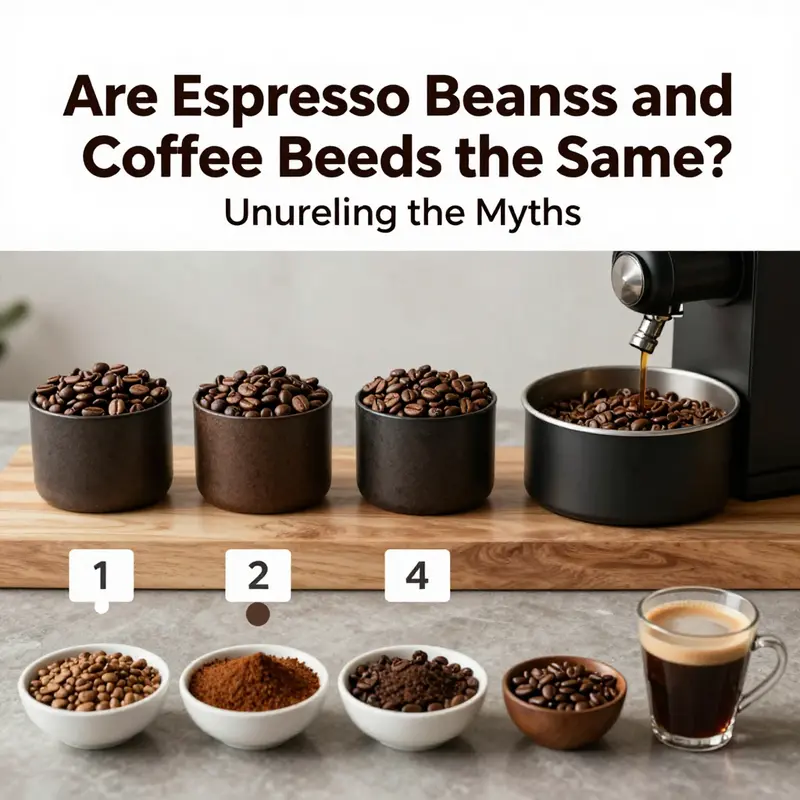
Roast, Grind, and Pressure: How Brewing Method Turns Coffee Beans into Espresso
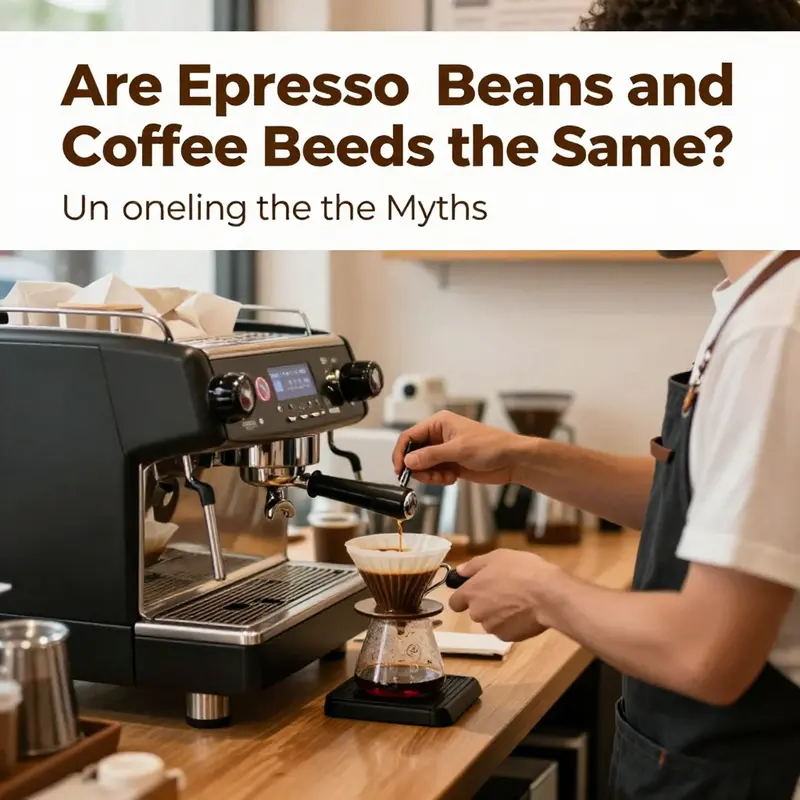
How roast, grind and pressure change usage
Espresso and regular brewed coffee start from the same source: beans harvested from Coffea plants. That common origin fuels a lot of confusion. People hear the term “espresso beans” and picture a separate species or varietal. In reality, the distinction is functional. The roast profile, the grind, and the brewing variables transform the same green bean into very different drinking experiences. This chapter follows that transformation. It explains why roasters label blends “espresso,” why espresso shots taste bold, why crema appears, and why a light-roasted single-origin can sometimes thrill as an espresso.
At the roastery, decisions made during roasting determine how the bean will behave under pressure. Roasting is a controlled chemical process. Heat drives off moisture, breaks down complex carbohydrates, and triggers the Maillard reaction. Sugars caramelize and proteins rearrange, producing the aromas and colors we associate with coffee. Roast degree—light, medium, or dark—changes acidity, perceived sweetness, and body. Darker roasts push the flavors toward caramel, chocolate, and roasted notes. They reduce bright acidity and increase oil migration toward the bean surface. Those traits suit the concentrated, fast extraction of espresso.
Why does roast matter for espresso specifically? Espresso is high-pressure, short time, and small volume. The machine forces hot water through a compact puck of finely ground coffee at roughly nine bars of pressure. Extraction time is typically twenty to thirty seconds. In that brief window, soluble compounds dissolve quickly. A darker roast produces compounds that dissolve effectively in a short time. The sugars and caramelized products add viscosity and sweetness that cut through the intensity. Darker roasts also present lower acidity, so bright citrus notes do not overwhelm a nine-second crema-first extraction. That creates the balanced, bold, thick shot many people expect.
By contrast, lighter roasts preserve volatile aromatics and bright acids. These delicate flavors release more slowly and shine when contact time is longer. Pour-over, drip, and immersion methods allow gradual extraction. They highlight floral, fruity, and tea-like notes. A light roast brewed as espresso can taste sharp, sour, or underdeveloped because the fast extraction misses some aromatics and emphasizes acids that are more water-soluble early in the shot.
Grind size is the next crucial variable. Espresso demands a very fine grind. Smaller particles increase surface area and slow water flow through the puck. That controls extraction time and creates the resistance pressure needs to build. If you use a coarser grind designed for drip coffee, the water gushes through too fast. The result is under-extraction and sour, thin flavor. Conversely, if you use espresso-roasted beans but grind too coarsely and brew with an immersion method, the cup can taste flat and heavy, with bitter notes dominating. The grind must match the brewing method for balance.
Extraction dynamics also shape crema, the golden foam on top of a well-pulled shot. Crema forms when high-pressure water emulsifies coffee oils and suspends microbubbles of CO2 and vaporized compounds. Darker roasts generally produce more surface oil and release CO2 readily, which helps crema formation. Freshness matters too. Beans degas after roasting. Too-fresh beans can generate excessive crema and uneven extraction. Too-old beans may lack crema entirely. But crema is not the only measure of quality. It signals the extraction process, not the flavor guarantee.
The functional outcome of roast and grind decisions appears in the cup. An espresso shot concentrates aromatics, acids, sugars, and bitter compounds into a few ounces. The roast profile influences which of those compounds dominate. Darker roasts mute bright acids and amplify roasted sugars and caramelized bitterness. That matches the brief, intense extraction of espresso. Lighter roasts keep acids bright and volatile aromatics intact. Those traits reward longer methods that emphasize clarity and nuance. Yet coffee is flexible. Skilled roasters and baristas experiment with roast development to create light roasts that work in espresso. They slow development after the first crack, retain more acidity, and adjust the roast curve to balance under high-pressure extraction. Single-origin espressos with floral or citrus notes are increasingly common in specialty cafés.
Blending is another tool roasters use to craft espresso beans. A blend mixes origins and roast levels to balance acidity, body, sweetness, and crema. An espresso blend might combine a bright, acidic bean with a naturally chocolaty bean. Roasters then roast the blend to a degree that produces a unified, pleasing shot. That approach differs from single-origin offerings where a roast seeks to highlight origin-specific traits. Whether to use a blend or single-origin for espresso depends on the desired flavor profile and consistency.
The brewing variables inside the machine also interact with the bean’s roast and grind. Dose, tamping pressure, water temperature, and extraction ratio all influence the result. Dose controls the overall strength, while tamping creates an even surface for water flow. Water temperature affects which compounds dissolve first. Slightly higher temperatures extract heavier, more bitter compounds; lower temperatures emphasize acids and delicate aromatics. With darker roasts, baristas often use slightly lower temperatures to prevent over-extraction of bitter compounds. For lighter roasts, higher temperatures and longer shots may be necessary to coax out sweetness and reduce sourness. All these adjustments tailor the same bean to the espresso method.
Storage and freshness affect the outcome too. Roasted coffee releases CO2 and other gases for days after roasting. That degassing changes how evenly water flows through the puck. Fresh beans—roasted within a few days—tend to be lively and produce more crema. However, extremely fresh beans may cause uneven extraction because trapped gases create channels. Many baristas wait several days after roast for the beans to stabilize. As beans age further, volatile aromatics fade and the shot loses clarity. Proper storage—cool, dry, and sealed from oxygen—extends flavor stability and helps each brewing method perform consistently.
Using espresso-roasted beans for other methods can lead to predictable results. A dark roast brewed as pour-over or French press often yields a heavy, sometimes bitter cup. The strong roasted flavors dominate subtle origin notes. But some drinkers prefer that rich, chocolate-forward character. It’s a matter of taste. Conversely, brewing light roast beans as espresso may reveal interesting, crisp flavors. Yet it can also produce sourness if the shot is under-extracted. To avoid this, baristas adjust grind to finer settings, increase dose, or extend extraction time to balance the flavor.
A practical way to think about beans is in terms of intent. When you buy coffee labeled “espresso,” the roaster intends it to be used under pressure in short shots. That label signals roast decisions and blending choices favoring espresso extraction. It does not mean the green bean came from another plant. You can use regular beans in an espresso machine, and you can use espresso-labeled beans in a drip brewer. The outcomes differ. The label is guidance, not a rule.
For home baristas, the best approach is experimentation guided by a few simple rules. Grind fresh, adjust grind size one step at a time, and taste between adjustments. If a shot tastes sour, grind finer or increase extraction time. If it tastes bitter, grind coarser or shorten extraction. Try slightly different temperatures and doses to find the sweet spot for each bean. When brewing drip coffee, use beans roasted lighter to medium for clarity and complexity. For shots, start with beans roasted specifically for espresso and then explore single-origin options.
Professional cafés that push the boundaries often blur traditional distinctions. They roast single-origin coffees with espresso in mind yet maintain brightness. They dial in brewing parameters to showcase origin notes while still producing a balanced shot. Those practices demonstrate that roast, grind, and machine variables can be tuned to coax different qualities from the same bean. The result is not a magic transformation but careful manipulation of chemistry and physics.
Beyond flavor alone, practical considerations also matter. Darker roasts extract more quickly, which can improve throughput in busy settings. They also tend to provide more consistent crema and body across variations in grind and tamp. Light roasts require more precise control to avoid sourness and channeling. That is why many high-volume cafés favor blends and darker roasts for espresso. They prioritize reliability and a flavor profile that satisfies most customers consistently.
Understanding the relationship between roast and method also helps with troubleshooting. If your espresso lacks crema, check grind size, tamp, dose, and freshness. If it tastes thin or sour, the grind is likely too coarse or extraction time too short. If it tastes overpowered or flat when brewed as drip, try a lighter roast for more brightness. Keeping a tasting log and recording changes helps you link roast and method to flavor outcomes.
Finally, know that preference plays the central role. Some people adore dark, syrupy espressos and the heavy steam of roasted notes in milk drinks. Others prefer bright, acidic shots that celebrate terroir. Your ideal espresso depends on personal taste, equipment, and skill. The technical differences—roast degree, grind, pressure, and extraction—explain how the same coffee bean can become dramatically different drinks. But they do not create a biological distinction.
If you want to explore further, a solid introduction reviews the practical distinctions between espresso and coffee beans used by roasters and baristas. That resource provides clear comparisons and accessible guidance on roast and usage. https://www.thespruceeats.com/espresso-beans-vs-coffee-beans-1779642
Final thoughts
In conclusion, the distinctions between espresso beans and coffee beans primarily stem from roasting techniques and brewing methods, rather than the beans themselves. This understanding is essential for business owners aiming to refine their coffee selections and meet the diverse preferences of their customers. By employing the right roasting techniques and brewing methods tailored to your offerings, you can elevate the coffee experience in your establishment, creating loyal customers who appreciate the quality of well-paired espresso and coffee. Familiarize yourself with these nuances to emerge as a knowledgeable and trusted coffee provider in a competitive market.