

Roasting coffee beans is not just a culinary process but an essential art for any coffee business owner aiming to differentiate their offerings. In a market saturated with ready-to-brew options, the ability to roast your own beans allows for unparalleled freshness, quality, and versatility. This guide will lead you through the nuances of the roasting process, introduce effective home methods, help you understand how to achieve desired roast levels, and highlight significant benefits of roasting your beans, ensuring you grasp everything needed to enhance your business with exquisite brews.
From Green to Aroma: The Roasting Process That Transforms Coffee Beans
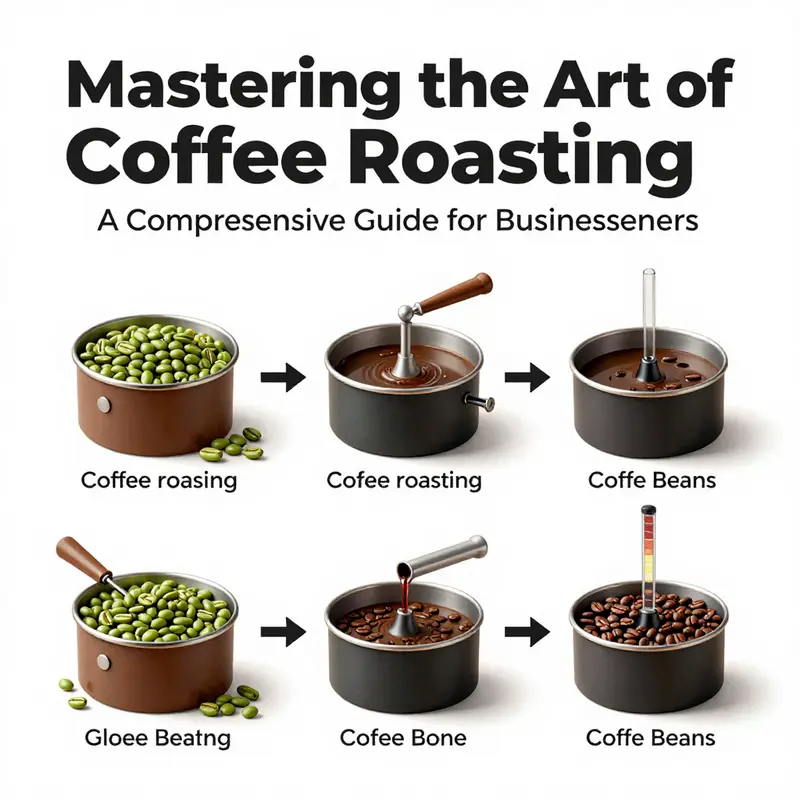
Two broad families of roasting equipment frame the practice: drum roasters and hot air or fluidized bed roasters. Drum roasters enclose beans in a rotating cylinder heated by gas or wood. The beans tumble under the influence of the drum, gradually absorbing heat as they move in a circle. The result tends to be a balanced, more axis-aligned development of flavors. In contrast, hot air roasters suspend beans in a stream of hot air. The grains float and roll as they heat, often producing a cleaner, brighter cup with a hint of increased acidity. Each method leaves its imprimatura on the final cup; the choice depends on your palate, your space, and how much you wish to coax nuance from a given origin. As a roaster, you become a conductor who tunes the drum speed, the air velocity, and the timing of temperature increases to shape a specific profile. The process rewards patience and repeated listening to the coffee’s evolving cues—the crackles, the aroma, and the subtle changes in texture that travel from the roasting chamber to the air outside it. In practical terms, this means understanding the roast profile as a living script you read and revise with every batch. The profile integrates bean origin, initial moisture, and the desired flavor outcome into a temperature curve and a timeline that guides your hands during the roast.
The roast profile is the blueprint behind the cup. It defines when heat is introduced most aggressively and when you ease off to coax development without tipping into the next stage too far. In small-scale operations, the typical journey runs from a gentle beginning to a midpoint where development is deliberate. The heat you apply—whether you push it quickly for a lively cup or hold it steady for a richer body—acts in concert with the beans’ natural moisture and their inherent flavors. The shape of this curve matters as much as its peak. If you rush the early rise in temperature, you risk underdeveloped aromatics and muted sweetness. If you push too far into late development, you may invite heavy body, bitterness, or an oily sheen that masks delicate notes. The art lies in balancing these pressures while preserving the coffee’s origin story in the cup.
From a scientific standpoint, a typical roast for small batch equipment unfolds across a duration that can range from 15 to 30 minutes and temperatures broadly spanning 180°C to 250°C. Some roasters move through a brisk drying phase, then press into a rapid ascent toward the first crack, a sonic signal that the beans have shed much of their moisture and initiated the development stage. The first crack marks a threshold: the beans have expanded and released steam, their structure no longer entirely rigid. It is here that flavor can be set free, if the roast master chooses a light, medium, or dark path. If the roast continues beyond the first crack, you venture into the development phase where aroma compounds, sweetness, and body evolve more deeply. A second crack often appears at higher temperatures, signaling a more aggressive transformation that yields deeper, more bitter and roasty notes, with increased oil on the surface. The moment you hit cooling, the beans are arrested at their chosen state, locked in with a snap of cold air that preserves the intended profile.
The sensory outcome—whether a cup leans toward brightness and fruitiness or toward chocolatey, caramel sweetness—follows logically from how the roast is managed. Light roasts tend to preserve varietal brightness and higher acidity, often highlighting floral and fruity notes. Medium roasts present a balance where sweetness and body align with a moderate acidity. Medium-dark roasts push caramelized sugars into a fuller body with lower acidity, bringing roasted, nutty, and toasted characteristics to the fore. Dark roasts, with their deeper browns and visible oils, reveal bold, roasted flavors and a leaner acidity, sometimes edging toward bitterness if not monitored carefully. These flavor tendencies are not universal, but they provide a useful compass when you begin to map roast outcomes to particular origins. The origin matters, too. A bean from one region may reveal more delicate fruit at light levels, while another may offer a sturdier cocoa baseline at medium-dark levels. The interplay between origin and roast profile creates the cup that becomes your signature.
The journey from green to aroma is not a reckless experiment but a disciplined practice. Good roasters keep a close eye on the bean’s behavior at each stage. They listen for the first crack and monitor how long development lasts after it. They observe the smell in the roaster, noting when it shifts from grassy, vegetal notes to a toasted, caramel, or chocolatey bouquet. They watch the color change with a steady eye, understanding that even a minute’s difference in the development stage can tilt a cup from bright and lively to heavy and roasted. The science is not merely in the chemistry but in the repeatable control that allows a roaster to reproduce a beloved flavor profile batch after batch. Thus, roasting becomes a method of translation: the green beans speak in their native hints, and the roaster translates those hints into a cup that rivals or surpasses what any other method can offer.
In the home kitchen or a small studio setup, the act of roasting is often a tactile, sensory exercise. You begin with high-quality green beans and a plan. You set a target roast level, a color spectrum that you associate with a flavor goal, and you prepare for the inevitable variations that come with every batch. You lay out a well-ventilated space, because roasting can release smoke and aromas that spread quickly. You keep a timer and a thermometer within reach, but you also need a trained ear and a keen nose. The first crack’s timing is a critical reference point. It is not merely an audible cue but a signal that the beans are ready to reveal more of their character if you choose to prolong development. The second crack, when it occurs, offers a different set of choices: end the roast for a darker, more robust cup, or pull back to preserve some of the sweetness and acidity that lighter development still holds. The cooling phase follows immediately, as heat continues to push reactions forward even after the flames have died down. Cooling halts the roast’s progression and locks in the profile you have chosen. You can use a fan or a simple air bath to bring the beans to room temperature, ensuring their aromas settle and their surface oils become a controlled sheen rather than a runaway slick that masks flavor.
The craft extends beyond the roast itself. After roasting, the beans need a period of rest or degassing. Aromas continue to develop as carbon dioxide escapes from the porous structure. A short rest period, often a day or two, can help unify the flavors and soften any harsh edges that appear immediately after roasting. Storage matters as well. An airtight, opaque container kept away from light, heat, and moisture preserves flavor longer. Do not refrigerate or freeze roasted beans; they can absorb odors and moisture, which dulls the very notes you labored to reveal. The cycle of roasting, resting, and grinding just before brewing creates a ritual that many coffee lovers treasure. The aroma that fills the kitchen is the warm invitation to taste, reflect, and adjust for the next batch.
Roasting is, at its core, a practice of listening. It rewards those who can hear the beans’ cues—the change in aroma as moisture leaves, the color progression that mirrors flavor development, and the crack patterns that mark major milestones. It invites experimentation, not reckless deviation, because each origin has a voice that asks to be heard at a particular point in the roast. A careful roaster will keep a log, noting the time, the temperature, and the audible signals for each batch. Over time, those notes form a map—a guide that makes future roasts more precise and more expressive. Even with the best intentions, no roast is exactly the same as the last, but with patience and a disciplined approach, you move closer to the cup you set out to achieve. The science clarifies the path, while the artistry fills in the texture, fragrance, and emotional resonance that a good roast can deliver. In this shared practice, roasted coffee becomes more than a beverage. It becomes a narrative told through color, scent, and taste, a story that starts in the green bean and ends in the cup of someone who invested a moment of attention to bring it to life.
For readers seeking a deeper dive into the science behind roasting, the exploration goes beyond practical steps into the realm where chemistry and sensory experience converge. A detailed treatment of coffee roasting, including the physics of heat transfer, the chemistry of flavor development, and an expanded set of roast profiles, can be found in scholarly resources that map this craft to its underlying science. This material helps explain why certain beans demand gentler development while others respond best to a stronger push of heat. The recurring lesson is that flavor emerges from a balance of moisture removal, browning reactions, and the precise timing of each stage. When approached with curiosity and careful discipline, roasting becomes a reliable route to craft and personal expression in the cup.
References to the broader literature on roasting science reinforce the view that even small adjustments can yield meaningful differences. The more you learn about how heat, time, and interaction with bean structure influence aroma and flavor, the better you can predict outcomes and refine your approach. While the landscape of coffee roasting is diverse—ranging from artisan methods in small roasteries to precise, large-scale commercial operations—the core idea remains the same: heat must be applied with intention, and the beans must be read with taste and aroma as your guides. This integrated perspective helps explain why many roasters insist on keeping a detailed roast log, why cupping sessions are essential for calibrating profiles, and why the search for the perfect roast is an ongoing, evolving practice rather than a one-off achievement.
As you continue to explore the art and science of roasting, you will discover that the journey from green to aroma is a story about control, patience, and perception. It is about how the beans respond to heat and how your palate responds to flavor. It is about translating the bean origin into a cup that captures the essence of a place, a harvest, and a farmer’s care, all through the rhythm of a roast. The process is intimate and repeatable, offered to those willing to listen to the bean and to refine their method until a favorite profile emerges as reliably and delightfully as a well-brewed cup itself. For a more expansive treatment of the science underpinning roasting and its implications for flavor, consult the science-focused literature on coffee roasting available in professional resources.
External reference for deeper study: https://www.sciencedirect.com/topics/food-science/coffee-roasting
From Green to Aroma: Mastering the Home Oven Roast to Unleash Coffee’s Character
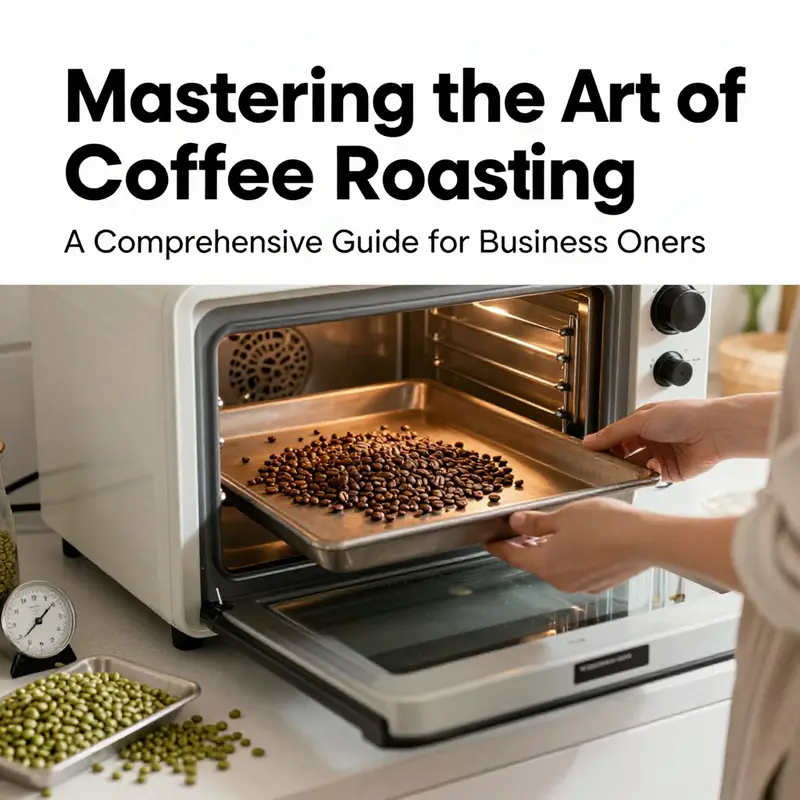
The home oven method for roasting coffee beans opens a doorway to flavor exploration right in the heart of the kitchen. It is a method that demands attention to heat, timing, and the subtle shifts in aroma as green beans shed their grassy bite and accumulate the nutty, caramel, and chocolate notes that make coffee so personal. While professional drum roasters offer precision, the oven approach remains a practical, economic entry point for beginners and a satisfying testing ground for seasoned hobbyists. The dance happens in a few clear stages: the beans heat, moisture escapes, a first crack punctuates the moment when body and aroma begin to reveal themselves, and the roast settles into a profile that suits your palate. Understanding the science behind these moments—the Maillard reaction, the caramelization of sugars, and the careful management of time and temperature—helps you guide the roast rather than simply chase a color or a sound. The aim is not to reproduce a café profile overnight, but to cultivate a personal sensory map of how heat transforms green seeds into a cup you can call your own.
Starting with the right setup is essential. Preheating the oven to a reliable heat, using a perforated or at least an evenly heated tray, and laying the beans in a single layer are the foundation. The more uniform the surface, the more even the heat distribution and the more predictable the roast trajectory. The moment you slide the tray in, the kitchen begins to smell different—from raw grassy hints to toasted echoes of malt. This aroma is not just pleasant; it is a signal that the volatile compounds are moving toward the surface, carrying with them the flavor compounds you will taste in the cup.
Temperature control matters more than it might appear from the outside. A typical starting point for a home oven roast is in the mid-range of heat, around 220–230°C (425–450°F). This range helps initiate the drying phase, when moisture leaves the bean and the color shifts from green to pale, then to a pale brown. Unlike a dedicated drum roaster, the home oven requires deliberate, frequent observation. The tray should be rotated or gently shaken at intervals to encourage even exposure to heat and to disrupt any hot spots that could threaten uneven development. Within a few minutes, the beans begin to darken ever so slightly, and a faint toasty scent emerges as the maize-like grassy aroma mellows into something more bakery-like.
The drying phase, sometimes described as the turning yellow stage, is not about color alone but about removing water content and waking flavors from the cellular structure of the bean. In the oven, you will often see the beans progress from bright green to a yellow-tinged shade, and the scent will evolve from herbaceous to nutty. Patience here pays off later because an uneven start can cascade into uneven development after first crack. This is where watching, not just timing, becomes essential. A well-timed stir ensures that all beans have access to heat and that the drying process does not stall in pockets of cooler air.
First crack marks a turning point in any roast, and in the oven method it usually lands when the beans approach a medium-dry to medium-brown state and begin to crack with audible pops. The sound itself is a guidepost, but in a home oven the visual cues and aroma are equally informative. The first crack confirms you have begun the development stage, where the true personality of the roast starts to emerge. At this stage, pausing or continuing depends on your desired outcome. A light roast may end shortly after first crack, preserving brightness, acidity, and a floral or citrusy character. A medium roast will want a touch more time to round out sweetness and body. And a darker roast, which some home roasters pursue for espresso-style profiles, will push beyond first crack toward second crack, where oils may begin to surface and the cup takes on caramelized sugars, cocoa, and deeper roast notes, sometimes with a trace of smoke.
To navigate beyond first crack with reliability, treat the oven as a platform for controlled development rather than a one-size-fits-all heat source. After first crack, keep a gentle watch. Open the oven door only when necessary to check color, smell, and sounds, because each door open moment cools the oven and can extend the development time unpredictably. If your goal is a lighter roast, aim for a few minutes of development after first crack—just enough to deepen aroma and sweetness without letting acidity slip away. For a medium roast, you might allow a bit longer—enough to flatten the lift of acidity while preserving brightness and roundness. For a dark roast, the second crack usually becomes your signal to push the beans to the brink of oiliness and a deeper, roasty profile. The precise moment will depend on your oven’s quirks and the bean origin, so note the times you hit first crack and the color you end up with after development.
Cooling is the other critical moment in the oven method. Once you reach the target color and aroma, transfer the beans to a metal colander or a tray with good airflow and spread them out in a thin layer to cool rapidly. The goal is to stop the beans from cooking further with residual heat. A quick swing of the colander or a fan can accelerate this process. If you miss the early cooling window, the beans may continue to darken, losing some of the delicate aromatics you worked to capture. After cooling, allow the beans to rest for a period of degassing. This rest is not mere formality; it helps volatile compounds settle and can sharpen or smooth the aroma and flavor in subsequent cups. A common window is 12–24 hours, though many roasters discover personal preferences that suit their beans and roast levels.
A practical habit worth cultivating is keeping a simple roast log. Note the date, bean origin or batch, the weights, the starting oven temperature, any temperature readings you tracked with a thermometer, the moments you heard first crack and second crack, the color you aimed for, and how the aroma and flavor evolved in a cup test. This log becomes your personal guidebook for future roasts and helps mitigate the kitchen’s natural variability. Temperature accuracy is a frequent point of variance in home ovens, so using an oven thermometer to confirm real heat is invaluable. A modest investment in time here pays off as you refine your intuition for the oven’s quirks.
The flavor payoff of a home oven roast is inseparable from two simple yet powerful truths: you can coax a wide spectrum of flavors from relatively humble green beans, and you can tailor a roast to your taste with a method you control. Light roasts tend to emphasize acidity, brightness, and a more pronounced origin character—think citrusy tangs, floral notes, and a lighter body. Medium roasts balance sweetness and acidity, often revealing nutty, chocolatey, and caramel tones with more body. Medium-dark roasts lean into caramelization, toasty notes, and a fuller body, while dark roasts emphasize roasty, bitter, and smoky cues with diminished acidity. These descriptors match the sensory map you begin to build in your kitchen as you observe color changes, aromas, and the first and second crack’s cues. The evidence in science supports this progression: controlled heat fosters the Maillard reactions and caramelization that craft aroma, flavor, and color. Even in a home oven, these chemical transformations unfold when time and heat are managed thoughtfully.
If you want to push consistently toward reliable results, treat every roast as a data point and a taste experiment. Start with a conservative batch—100 to 200 grams in the early trials—so you can observe how your oven and your method respond without risking waste. Record the visual cues with your notes, such as when the beans first show signs of color shift, the first crack’s timing, and your chosen endpoint. After a few roasts, you’ll notice your sense of when to stop improves as your palate and your log harmonize. At this point, you can begin to experiment with slightly different development times after first crack, or with modest warming steps in the early stage to see how they influence sweetness and body. It is a careful, iterative process, but its rewards accumulate with each batch.
The decision to roast at home often grows from a desire for freshness, customization, and a more personal connection to coffee’s journey from farm to cup. Freshly roasted beans deliver a window of flavor that is at its peak within two to four weeks post-roast, a window that begins to narrow as oxidation progresses. The oven method makes it feasible to chase that peak, especially if you relish the ritual of roasting and the opportunity to adjust profiles to suit your mood, the bean’s origin, or the coffee you plan to brew. It also invites you to expand your curiosity about origins, roast levels, and brew methods, because every roast is tied to a specific plan for how you will grind and extract. The aroma alone—the moment when warm sugars drift from the kitchen into air—is a sensory reward that makes the practice attractive, even for those who enjoy morning rituals or weekend experiments.
Beyond the sensory satisfaction, roasting at home encourages a closer relationship with the beans themselves. You can experiment with light or dark profiles to see how different beans respond to heat. You can explore how a particular origin’s acidity shifts with development time or how the sweetness of a chocolatey profile emerges when you push a roast slightly longer after first crack. You begin to notice how even small changes in temperature, exposure, and handling can influence the outcome, a realization that transforms the way you think about coffee in all its forms. The home oven method, while humble, thus becomes a vehicle for education as much as for flavor, inviting you to taste the science behind your favorite morning cup and to refine your approach with patience and curiosity.
For those eager to deepen their understanding, it helps to acknowledge the broader context of roasting science. The core transformations—Maillard reactions, caramelization, and the evolution of volatile compounds—are universal, whether you use a drum roaster, a hot air popper, or an oven. The key is to control the variables you can control: time, temperature, and airflow in the simplest form, plus the ritual of cooling and resting that follows. The oven method, in its beauty and its challenge, demonstrates that delicious coffee does not require an expensive machine, just attention, a willingness to taste, and a method you can repeat with increasing confidence.
If you are starting out, a practical workflow can help you move from curiosity to consistent results. Begin with a modest batch of beans, as noted earlier, and preheat to 220–230°C. Place the beans in a single layer on a perforated tray or on a standard metal tray with careful arrangement to avoid crowding. After sliding the tray into the oven, monitor every 5–7 minutes and gently rotate the tray to promote even exposure. Listen for the first crack and then decide how long to develop beyond that moment to reach your desired level. When the roast is complete, quickly cool the beans and let them rest for a day or two before a full tasting. This rest allows aromatics to settle and flavors to align for a cleaner cup profile.
As you reflect on your journey with the home oven method, you may notice that your sense of timing becomes more intuitive. The first crack’s timing is not only a sound cue but a milestone that anchors your development decision. The development window will depend on how aggressive you want the roast to be and how your beans respond to heat. Your log will reveal patterns: a particular origin might require shorter development after first crack for a brighter cup, while another may lend itself to a longer window that yields more body. The goal is to develop a personal signature roast that suits your preferred brew method and your palate’s evolving preferences.
For a deeper dive into hands-on oven roasting with tested guidance, many readers turn to established, well-researched resources that describe practical temperature ranges, common questions, and troubleshooting insights. These guides provide a reliable compass as you navigate your own kitchen roaster journey. If you want to explore a comprehensive, externally validated guide to oven roasting, see the detailed guidance offered by industry-focused sources that distill field experience into approachable steps. You can find additional practical context and tested practices in the broader literature on coffee roasting and home experimentation.
In the end, the home oven method is about more than producing a cup of coffee. It is about restoring agency over flavor, turning curiosity into a tangible craft, and building a gentle confidence that grows with every batch. The roast you end up sharing with friends or family becomes a small declaration of personal taste and a playful invitation to explore the coffee bean’s journey from green seed to aromatic comfort. If that invitation resonates, start with a modest batch, trust your senses, and let the kitchen become your tasting room. And when you’re ready to compare notes across roasts and beans, remember that flavor—the most honest feedback you can receive—will guide your next roast more surely than any timer. For a deeper, tested guide on oven roasting beyond the basics, consider extending your reading with widely respected sources that compile practical experience into step-by-step guidance.
External resource for further reading: https://www.perfectdailygrind.com/roast-coffee-at-home-oven/
Roast Level as Compass: Navigating Flavor from Bright to Bold in Home Coffee Roasting
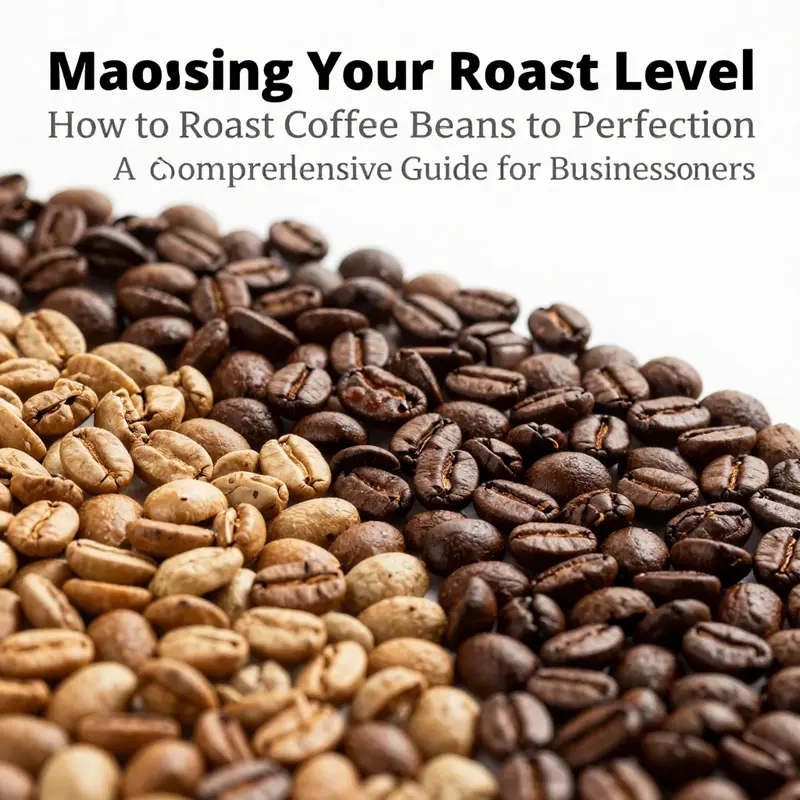
Choosing your roast level is less a final verdict and more a personal compass pointing your cup toward the flavors you care about most. It’s the moment where origin, processing, and your preferred brewing method converge into a taste memory you can refine over time. In the broader arc of roasting, the roast level sits at the heart of flavor development. It determines how much of the bean’s intrinsic character you preserve and how much you coax forward through caramelization, oils, and the deeper answers that heat can unlock. Think of it as a negotiation between the bean’s natural profile and the heat you apply, a dialogue that evolves with your palate, the bean’s origin, and the way you drink your coffee every morning.
To understand roast levels—light, medium, and dark—start with the idea that each stage is a signal of how far down the development path you traveled after the first crack. The roasting process begins with a drying phase, as moisture evaporates and the bean becomes more malleable to heat. Then the first crack arrives, a dramatic moment when the beans pop and release a veil of steam, announcing that real flavor development has begun. After that, the development phase is in your hands. It’s here you sculpt the cup’s brightness, body, and sweetness by extending or trimming the roast. If you push further, you’ll reach the second crack, where oils rise to the surface and the cup tends toward a heavier, more robust character. Since you’re reading this chapter, you’re likely curious about how to position your roast to match the beans you’re using and the brew you love.
Light roasts preserve more of the bean’s original characteristics. They shimmer with brightness, often revealing florals, citrus, and berry-like notes that carry the fingerprints of origin. The acidity tends to be higher, which can translate into a crisp, sometimes tea-like cup if the bean’s balance is delicate. This level is especially favorable when you’re exploring origins whose personality shines through only when lightly roasted. Ethiopian coffees, for instance, often present vivid fruit and floral notes at light profiles, a reminder of the region’s altitude, moisture, and processing style. When a bean’s inherent acidity and aromatic complexity are the star attractions for you, a light roast becomes a thoughtful choice rather than a compromise.
Medium roasts strike a balance between the bean’s native character and the migration of sugars into the cup that roasting enables. Here, you’ll typically encounter a well-rounded profile with moderate acidity and a smoother body. Nutty undertones and gentle caramel notes often emerge, echoing the developmental arc of the roast without tipping into excess bitterness. Beans from Central America can be particularly at home in this zone, where the sweetness and balance offer everyday versatility. The medium roast is often a reliable default for daily drinking because it mirrors a broad spectrum of pairings—milk or black, hot or iced—without demanding a specialized brewers’ knife-edge precision in timing.
Dark roasts push toward deeper, bolder flavors. Chocolate, spice, and a smoky edge become more pronounced as you cross into this territory. The cup usually presents with lower perceived acidity and a fuller mouthfeel, sometimes approaching a roasted, even burnt-sugar character. Oily surfaces on the beans are a familiar sign of this stage, and the roast’s intensity can veil some origin nuances that remain delicate at lighter levels. Dark roasts are well-suited for those who prefer a robust, assertive brew, where body and persistence carry the entire cup. For espresso, many enthusiasts lean toward this range to achieve the strength and crema that define a classic pull, but the same profile can be enjoyed in a slow, contemplative pour-over if the grind and brew ratio are tuned to balance the deeper flavors.
Understanding these categories in practice means recognizing how the roast level responds to the bean’s origin and processing. The origin contributes a map of acidity, brightness, and aromatic potential, while processing can modify sweetness, body, and the way sugars caramelize during heat exposure. The interplay of origin and roast level becomes a practical guide to thinking about what you want from a cup before you even grind. For example, Ethiopian beans, with their hallmark brightness and fruity notes, can maintain a lively edge in a light roast but also reveal bold, nuanced sweetness in a medium profile when the roast is balanced with careful development. Central American beans, known for their nutty undertones and cleaner sweetness, often shine in a medium roast where the sweetness and clarity are allowed to emerge. The same beans, roasted darker, can yield a different proposition: more roast-driven sweetness, lower acidity, and a heftier mouthfeel, which can be desirable for certain brewing styles or personal preferences.
A practical route to mastering roast levels is to connect the dots between the bean’s journey and the scent, color, and crack signals you observe during the roast. The drying phase gradually shifts the beans from green to a pale tan, developing a full aroma as moisture leaves and internal chemistry shifts gears. The first crack—often described as a popcorn-like pop—signals the beginning of real aroma and flavor formation. At this point, you control the pace of development. Shorter windows after the first crack tend to preserve brightness, yielding a light to light-medium profile. Extending that window intensifies caramelization and reduces acidity, guiding you toward medium profiles and, with a longer extension, dark profiles as oils pool and the cup takes on a resinous, roasted sweetness.
But the road to perfection isn’t a single trip from A to B; it’s a series of small experiments that teach you what you like and how to coax it from different beans. This is where mindful tasting becomes a companion practice to your roasting. After every roast, let the beans rest briefly and brew with your usual method. Note how the aroma hits the room, how the cup evolves as it cools, and how the acidity and body balance with the inherent sweetness of the bean. Keep a mental or written record of the time and temperature you used, the crack times, and the color you observed—these cues become a personal roast profile that you can refine or repeat. The goal isn’t to replicate a single best roast but to arrive at a series of profiles that consistently pleasure your palate and align with your preferred brewing routine.
Origin and roast level become even more meaningful when you begin tracking and comparing results across small batches. If you suspect a bean’s brightness is getting lost in a darker roast, you can back off on developing time or shorten the post-first-crack window. If an espresso you pull at home feels too sharp or sour, a longer development or a slightly darker profile may offer the balance you crave. The beauty of this approach lies in iterating with intention rather than chasing a moving target. You can roast a batch to a light level to capture a particular floral note or a medium level to underline caramel sweetness; then you can repeat with another origin to see how the same roast level behaves across different bean profiles. It’s a mindful practice of listening to the bean’s voice and adjusting your expectations accordingly.
The world of roasting rewards patience, curiosity, and a willingness to compare. As you experiment, you’ll discover that there is no universal best roast—only a best roast for each bean, each brew method, and each moment of your day. Taste memory grows with your sensory awareness. You’ll begin to detect the delicate citrus lift in a light roast today and the chocolate-glow comfort of a medium roast tomorrow. You might notice that a Central American bean, when roasted medium, offers a comforting balance that supports a long, reflective afternoon cup, while an Ethiopian bean might spark a brighter morning ritual when prepared as a lighter brew, keeping you alert without overpowering your senses. The journey, in essence, is a dialogue between your equipment, the bean’s character, and your evolving palate.
To navigate this dialogue effectively, the practical habit of logging your roast profiles proves indispensable. Record the bean origin, approximate moisture content, and recommended agitations during roasting, as well as first and second crack timings, final roast color, and your chosen development time after first crack. This data becomes the backbone of refined, repeatable results. You can also compare how different roasts translate through your chosen brew method—whether you favor a precise pour-over, a robust moka pot, or a compact home espresso setup. The key is consistency in your notes and a willingness to revisit older roasts with fresh ears and taste buds. If a profile yields a less desirable result, you’ll often discover the root in a specific stage of development, such as underdeveloped sweetness or an overly aggressive bitter edge that emerges from extended development. In such cases, you’ll adjust, retest, and gradually cultivate a set of practices that yield reliable outcomes across a variety of origins and roasters.
As you move forward, keep your approach flexible rather than dogmatic. Your equipment—the oven you used, the air in your kitchen, the size of your batch—will influence how a light roast translates into aroma and flavor. A home oven, a popper, a small drum roaster, or a dedicated machine each offers a different path to achieve similar roast levels. The shared thread is that deeper flavor comes from thoughtful development, not from chasing a single time or temperature. When you taste with focus, you’ll begin to hear the subtle differences among a light, a medium, and a dark roast even within the same origin. You’ll notice how acidity shifts in the cup as you extend development, how sweetness appears as caramelization intensifies, and how the overall balance shifts with the oiliness and body that accompany darker roasts. The journey to perfection is not a sprint but a carefully orchestrated set of flights—each roast a rehearsal for the cup you want to savor.
In the end, choosing your roast level is about aligning your craft with your taste. It’s about reading the bean’s story through color, aroma, crack signals, and the way it sings when it meets heat. It’s about recognizing that light roasts can reveal a bean’s bright, delicate side, while medium tones can carve a comfortable, versatile sweetness, and dark roasts can deliver a bold, comforting finish. As you practice, you’ll learn to fit the roast level to the brew method and to the moment. This fluency—knowing when to stop development after first crack, how long to ride the roast toward second crack, and how to calibrate color to aroma—will become your most trusted compass in home coffee roasting. And with each batch, you’ll refine your palate and deepen your appreciation for how heat, time, and bean origin collaborate to craft a cup that is unmistakably yours.
External resource: For a deeper dive into the science and structure behind roasting, see the Specialty Coffee Association’s Roasting Guide at https://www.specialtycoffee.org/learn/coffee-roasting-basics. This guide offers foundational context for the cues you observe, the stages you ride, and the decisions that shape your daily ritual.
Roasting at Home: Freshness, Flavor, and a Personal Coffee Craft

Roasting coffee at home transforms a simple pantry staple into a living process of aroma, timing, and discovery. From green beans to a fragrant, cuppable experience, home roasting invites you to participate in the chemistry and artistry that shape flavor. The moment the beans hit heat, you begin a conversation with the bean—watching color change, listening for cracks, and tasting as the roast develops. Freshness matters because volatile compounds begin to fade as soon as roasting ends; by roasting on demand you capture more nuance, brightness, and personality in your cup.
Beyond aroma, home roasting offers a sense of mastery. You learn to tune heat, airflow, and roast duration to coax out desired sweetness, acidity, and body. The practice becomes a form of personal expression: a way to align origin, roast profile, and brew method with your preferences. This control also opens possibilities for cost savings and a broader pantry, since you can source beans in bulk and roast what you need when you need it.
There is a communal dimension as well. Sharing roasts, comparing notes, and inviting friends to taste sessions turns coffee into a social ritual rather than a solitary habit. Keeping a simple roast log—recording time, temperature, and your impressions—helps you refine your approach over time and build a library of profiles you trust.
If you are curious to dive deeper, start with foundational guidelines on heat management and sensory cues, then experiment. Small adjustments in temperature ramp, crack timing, and development hold the key to discovering a personal flavor map that evolves with your palate.
Final thoughts
Roasting coffee beans in-house offers a remarkable edge for business owners, providing unmatched flavor and fostering a unique brand identity. By understanding the intricate roasting process, employing effective home methods, and discerning roast levels, you can make your coffee stand out in a crowded market. Embracing this journey not only enhances your product quality but also connects you with your customers through the shared experience of quality coffee. Equip yourself with this knowledge, experiment, and watch your coffee business flourish.