

Maintaining the freshness of coffee beans is integral to delivering exceptional flavor and aroma. For business owners, the quality of coffee can significantly impact customer satisfaction and loyalty. Understanding how to best preserve beans ensures your offerings remain vibrant and appealing. This guide covers best storage practices, the detrimental effects of air and light, and the benefits of buying smaller quantities and grinding fresh, equipping you to maximize the quality of your coffee products.
null
null
Guardians of Freshness: How Air and Light Shape the Life of Your Coffee Beans

Fresh coffee is a volatile, living product that changes the moment it leaves the roaster. From degassing to the moment you grind and brew, oxygen, light, moisture, and temperature shape flavor. This chapter explains practical storage principles to preserve aroma and balance.
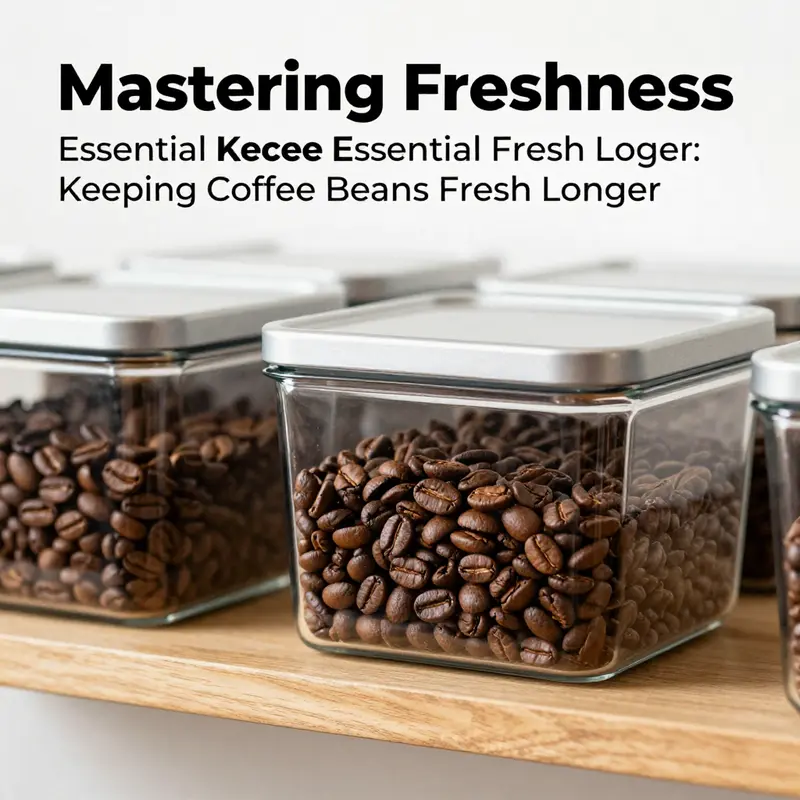
Oxygen is the primary enemy. Oxidation dulls aroma and brightness, and the more surface area you expose, the faster the decline. Whole beans stay safer until just before brewing, and containers that limit air exchange help preserve aroma while still allowing CO2 to escape during degassing.
Light accelerates degradation through photochemical reactions. The oils that carry aroma can be damaged by ultraviolet and even bright visible light. A storage vessel that is opaque and airtight provides a simple, reliable defense.
Moisture and temperature are the quiet amplifiers of oxygen and light damage. Condensation on a humid surface and repeated temperature swings invite off flavors. A cool, dark, stable environment minimizes these risks; avoid a fridge for everyday storage and resist frequent freezer cycling. If long‑term storage is necessary, portion beans and freeze them with airtight sealing, thawing gradually before use.
Practical actions: choose an airtight, opaque container; avoid clear plastic or glass that lets light reach the beans; keep beans in a cool, dark place away from heat and strong odors; brittle temperature shifts should be minimized. Buy in modest quantities so beans remain within their peak window after roasting; grind only when you brew. If you must pre‑grind, store grounds in an airtight container and brew within a week for best aroma.
Senses can guide ongoing assessment. A vibrant aroma, a stable crema when brewing, and balanced flavor are signs beans are still within their peak. When notes fade, or flavors taste flat or sour, it is a cue to rotate stock and adjust storage habits.
In sum, effective coffee storage is a disciplined, repeatable practice: airtight and opaque containers, a cool, stable environment, limited exposure to air and light, and a purchase cadence that keeps beans close to their roast date. These steps translate roasting science into everyday enjoyment.
Preserving Peak Flavor: The Quiet Science Behind Buying Small, Grinding Fresh, and Thoughtful Storage
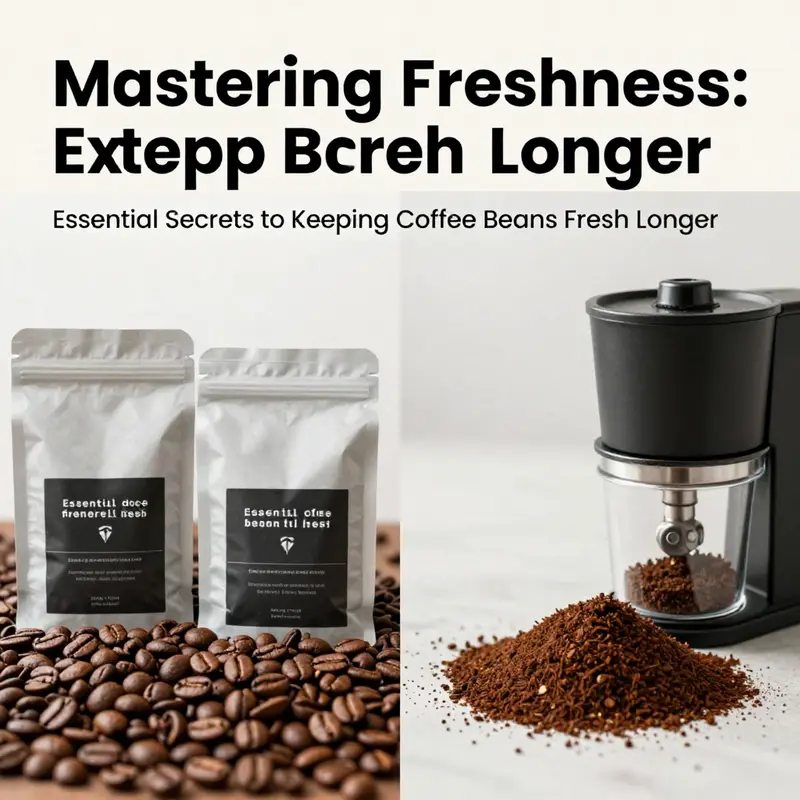
A great cup begins long before hot water touches the grounds. It starts with a choice you can make every time you buy, every time you grind, and every time you stash your beans. Fresh coffee is a living balance, a negotiation between what’s in the roaster’s drum and what your kitchen can protect from the elements. At the heart of this balance lie four relentless antagonists: oxygen, light, heat, and moisture. They work in concert to steal both aroma and vitality, flattening what could be a bright, nuanced cup into something dull and one-note. Yet two core practices emerge with startling clarity when you look at long-term freshness with an honest eye. First, buy in small quantities you can finish while the coffee is still at its peak; second, grind only as you brew. These two choices act like a shield wall for the bean’s most fragile treasures and align with a broader, science-informed approach to storage that keeps the other variables in check as well. The fascination lies not in a single trick but in a quiet discipline that stitches together packaging, temperature, timing, and routine into a coherent rhythm of daily coffee care.
To understand why these two practices matter so much, it helps to picture the bean’s life after it leaves the roaster. Once the beans cool and seal is broken, oxidation begins. Oxygen pounces on volatile oils and aromatics, the very compounds that give coffee its brightness, floral notes, fruit-like acidity, and chocolatey depth. Light compounds the problem by degrading oils through photo-oxidation, while heat accelerates chemical changes that alter flavor, and moisture nudges the beans toward staler textures and inconsistent extraction. In this setting, the simplest, most accessible step is to reduce exposure. That is why the recommended storage philosophy begins with the container: an airtight, opaque vessel that minimizes both the ingress of oxygen and the escape of volatile compounds. A container made of ceramic, metal, or any darkened glass—one without a transparent window that invites light—becomes more than a practical choice. It becomes a guard, a small act of daily stewardship that preserves a nuanced coffee’s personality from roast to cup. The best practice here is not merely “keep it in a sealed jar”; it’s “keep it sealed and keep it dark.”
Yet even the strongest seal benefits from a thoughtfully chosen resting place. Room temperature is a practical default because it minimizes condensation and avoids the temperature leaps that can occur if beans are placed in a sunny corner or near a heat vent. Condensation is a sneaky foe; when you bring cold beans into a warmer kitchen, moisture tends to weep into the surface grains, inviting staleness and even mold in poorly ventilated spaces. The front-line decision is thus to store in a cool, dark cupboard away from heat sources and light, keeping the beans shielded from radiant warmth and from the kitchen’s daily bustle. It’s a small habit—yet it forms the foundation of flavor preservation. The conversation about storage would be incomplete without acknowledging the sometimes tempting but hazardous shorthand of refrigeration. The instinct to chill coffee for extended storage is common, but it invites a cascade of issues: humidity inside the fridge travels with each opening and closing, and temperature fluctuations can cause condensation that prematurely ages the beans. The crowding together of different foods also opens the door to flavor transfer and stray aromas.
Freezing, on the other hand, can extend the window of usability—if handled with care and restraint. The principle here is to treat freezing not as a daily convenience but as a last-resort strategy for large quantities you cannot reasonably use within a defined period. If you choose to freeze, portioning becomes essential. Divide beans into compact bags of about 100 to 200 grams, remove as much air as possible, seal, and tuck the portions into the freezer. The cold should be below freezing, and when you’re ready to use a portion, you thaw it at room temperature for 15 to 30 minutes before opening the bag to minimize condensation that could drip into the storage vessel. One critical caveat follows: repeated opening and closing of freezer bags invites air and moisture back into the contents. The best practice, then, is to rely on small portions and to minimize access until you’re ready to brew. Even with this disciplined approach, freezing remains a compromise rather than a standard, a measure reserved for those with more beans than they can use in a few weeks.
The story of freshness also travels through choices about how much to buy and how fast to consume it. The conventional wisdom among many roasters and researchers is that the freshest flavors manifest when the beans are closest to their roast date, with a practical window for peak flavor that often lands in the realm of three to four weeks after roasting. That said, a growing body of collaborative research emphasizes a slightly tighter window for the full spectrum of brightness and aromatic complexity: many connoisseurs find the most reliable results when beans are consumed within one to two weeks of roasting, especially if you are chasing delicate fruit notes or high sweetness. The truth sits between these poles, depending on the roast level, roast freshness, and how stringently you guard storage conditions. The key takeaway is not a precise number but a practice: buy smaller quantities in cadence with your actual consumption, so you can drink the beans while they still sing. The logic is simple and persuasive. The larger the bag, the longer the period before you approach the coffee’s peak, and the more time the beans accumulate oxidation, losing their aromatic punch in quiet, almost imperceptible ways. A smaller, well-tended supply reduces this risk and makes the rest of the routine much easier to manage.
Grinding is the other side of the same coin. The moment you grind, the aromatic envelope begins to shed. The surface area of the grounds expands dramatically, exposing the volatile oils to air. Studies and expert testimony drawn from sensory research emphasize a striking rate of aroma loss: a substantial portion of a bean’s volatile aromatics can escape within minutes after grinding. It’s a dramatic, practical reminder that the best coffee often carries the day’s most vibrant aromas in the moment—brewed from beans that have just been ground. The implication for daily practice is direct: grind only what you intend to brew in a short window. If you must store ground coffee, keep it in a tightly closed container and use it within about a week to preserve more of the delicate notes. Whole beans do a better job of holding their mystery and character between uses, but even they do not perfectly resist time. The longer they sit, the more their oils drift toward equilibrium with the air, and the more their signature becomes a memory rather than a living expression of origin and roast.
A crucial companion to the storage and grinding equation is the way you shield beans from smells. Coffee beans are porous and porous in a way that makes them vulnerable to the odors that float around the kitchen—onions, garlic, spices, citrus zest, and even the aromatic residues of cleaning products. The oils and compounds that give coffee its character are not hermetically sealed away; they are soft, living, and a little mischievous. If you keep the beans anywhere near strong odors, you will notice a conversation in your cup that is less about origin and roast and more about the surrounding environment. The simple remedy is to choose a storage location that is free of strong scents and to seal the beans in an airtight, odor-impervious container. In practice, this means a dedicated pantry shelf with a closed door or a cupboard far from the pantry’s most pungent ingredients. If you must keep different spices in your kitchen, ensure they don’t lean on the same storage solution as your beans, and consider rotating containers so the flavors don’t have a chance to cross-pollinate.
Even with diligent storage, freshness is a dynamic quality, and there are telltale signs that the beans have passed their prime. A vibrant, inviting aroma in the bag is a hopeful indicator; when that scent becomes flat, dusty, or muted, freshness is slipping away. In the cup, the absence of crema or bubbles when you pre-wet or pre-infuse—especially with espresso—can signal that the coffee has lost CO2 and is aging. Taste is the ultimate barometer; a sour, flat, or musty note is a warning that the beans have moved beyond their best. These signs do not necessarily spell disaster, but they do suggest adjusting expectations or preparing a new batch, particularly if you aim for the high notes that defined the roast and origin stories. Observing these cues becomes part of a reliable routine, a personal quality-control check that helps you decide when to buy, when to grind, and when to rotate stock.
The most persuasive part of this guidance is its practical, everyday nature. It’s not about chasing a perfect, laboratory-grade freshness every single day, but about creating patterns that consistently deliver a bright, balanced cup. The two foundational practices—buying in small quantities and grinding just before brewing—are the linchpins that anchor the rest of the approach to storage, temperature, and timing. They respond directly to the enemies of freshness by limiting exposure and preserving a bean’s volatile compounds until the moment of extraction. When you apply them with care, you reduce waste and sharpen the flavor trajectory from roast to cup. You also avoid the temptation of “one-size-fits-all” approaches, recognizing that different roasts, grinds, and brew methods bring their own rhythm to freshness. A light-roast bean may reveal vulnerability to oxidation faster than a dark-roast bean, while a finely tuned immersion method can accentuate the need for grinding closer to brew time. The overarching message, then, is clear: treat the bean as a living, breathing ingredient whose best expressions emerge when you honor its needs with intention and patience.
In practice, this philosophy translates into a simple, repeatable kitchen rhythm. When you bring home coffee, you plan a buy-and-use cycle that aligns with your weekly or biweekly cadence. You select a roast date or a “days since roast” window that suits your palate and your schedule, aiming to keep the supply small enough to finish within the recommended window. You then prepare a coffee routine that minimizes the distance between grind time and brew time. That means pulling whole beans from the storage container, loading the grinder, and heading straight to the kettle or espresso machine. It means using a scale, a timer, and a routine that reduces the temptation to multitask with a stored bag that has lingered too long. It also means resisting the urge to stash multiple roasts in a single container, each with a different flavor profile, and instead choosing a smaller selection that you can truly enjoy while it remains at peak complexity.
The science here, and the practical habits that flow from it, are not about a single silver bullet but about a comprehensive, integrated approach. You protect the beans with an airtight, opaque container and a cool, dark corner. You limit exposure by buying only what you can drink within a few weeks. You preserve aroma by grinding only what you will brew soon. You guard against off-flavor transfer by keeping the storage space free from pungent neighbors. And you stay alert to signs that your beans have begun to age, so you can adjust your buying and brewing schedule before taste consistency starts to slip. This is not a rigid set of rules but a flexible framework that accommodates the realities of daily life—the late coffee run, the surprise guest, the morning rush—and still delivers a consistently satisfying cup.
The interplay between these choices extends beyond flavor alone. It touches the routine of the kitchen, the forethought of shopping, and the way a household negotiates time. In that sense, freshness becomes less about a date on a bag and more about a set of habits that keep the daily ritual honest, enjoyable, and repeatable. If you want a check-in point, imagine your kitchen as a small laboratory where one constant experiment is the life of a bag of beans. Every time you select a bag, you run a mini-test: Are the beans still bright, or have they started to dull? Do you still perceive a bloom of aroma when you break the seal, or has that aroma receded? Do you smell or taste any off-notes that suggest moisture intrusion or oxidation? Answering these questions with a calm, practiced approach reinforces your ability to enjoy coffee at its best—and to avoid the disappointment of a stale cup.
In the spirit of this approach, consider a simple, practical routine you can implement this week. When you bring home a new bag, rotate it into a dedicated, opaque, airtight container sized to hold roughly 200 to 500 grams, matching the portion you expect to drink in about four weeks. Keep this container in a cool, dark spot, away from heat sources. Note the roast date on the bag and set a personal reminder to use the beans well within a two- to four-week window, depending on your roast level and the brew method you favor. Plan your grinding just before brewing, and resist the temptation to grind in advance for the week unless you must have a specific habit that you know works for your routine. By letting the coffee talk to you in this intimate, small-batch way, you honor the origins, the roast, and the craft of the roaster—while ensuring that every cup expresses the care you invest in its preservation.
In closing, the path to longer-lasting freshness is a quiet discipline rooted in two simple habits but supported by a broader, sensible storage philosophy. Buy smaller quantities that you can consume while the beans are still at their best. Grind only what you need for the moment’s brew. Store in an airtight, opaque vessel in a cool, dark place. If you must extend shelf life beyond your typical window, freeze small portions carefully and thaw without introducing condensation. These steps do not guarantee a perfect match to every bean’s character, but they maximize the likelihood of capturing a coffee’s origin, roast, and craft in a way that remains faithful to the cup you love. They are practical, sustainable, and compatible with the rhythms of most households, turning freshness into a habit rather than a revelation. And when you align your kitchen routines with this philosophy, the act of brewing becomes less a gamble with time and more a confident, repeatable ritual that consistently reveals a coffee’s best possible self.
For readers who want to extend their understanding beyond practice and into the science that informs these choices, a reliable reference point remains the official guide on coffee storage from organizations dedicated to quality and standards. It offers a clear, accessible overview that complements the experiential wisdom described here. See the official guidance on coffee storage for further reading and deeper nuance. how-occupational-therapy-supports-mental-health
External reference: For additional scientific and industry-backed guidance on storage and freshness, the Specialty Coffee Association’s storage guide is a valuable resource. https://www.sca.coffee/learn/how-to-store-coffee-beans
Final thoughts
In summary, the freshness of coffee beans is crucial not only for flavor but also for maintaining customer satisfaction. By following best storage practices, understanding the detrimental effects of air and light, and committing to buying smaller quantities and grinding before brewing, you can significantly enhance the quality of your coffee offerings. These strategies are essential for any business looking to provide the best coffee experience to its customers.