

Properly storing coffee beans is crucial, especially for business owners seeking to provide consistently great products. The longevity of coffee beans significantly affects not only flavor but also customer satisfaction. Understanding how long you can store coffee beans, including freshly roasted, pre-ground, and unroasted green beans, can improve your offerings and cost management. This article delves into optimal storage practices, the effects of grinding, and long-term solutions to help your business thrive in the coffee market.
From Peak Aroma to Quiet Longevity: A Practical Guide to Storing Freshly Roasted Coffee Beans
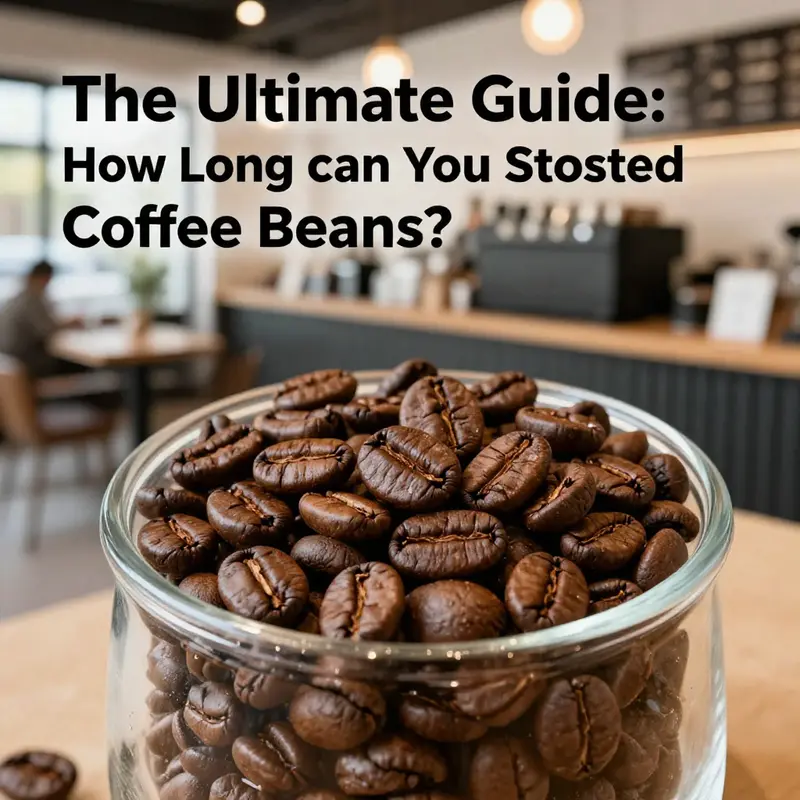
Exploring how long freshly roasted coffee beans stay at their best means balancing chemistry and daily practice.
Coffee is not a static product; it evolves after roasting, and storage conditions shape how long its aroma and flavor stay bright. There are two overlapping lifecycles to consider: the peak flavor life—the moment when aroma, acidity, sweetness, and body align most vividly—and the broader safety window in which the beans remain drinkable, even as intensity fades.
The peak window is commonly described as roughly 30-45 days after roast. During this period, beans have released a large portion of its initial CO2, which helps protect against rapid oxidation. In this window, many varieties express their most distinctive character, the floral notes, caramel sweetness, fruity brightness, and balanced sweetness that define the roast.
After that window, flavor will continue to evolve and gradually fade, but the beans remain safe to drink for a much longer time when stored properly. The key change is sensory vitality: aroma and complexity decline while the underlying roast notes remain, producing a cup that is reliable but less vibrant.
For practical storage, the first rule is to minimize exposure to air and light. Use an airtight container with a one-way valve so CO2 can escape but oxygen stays out. Place the container in a cool, dark spot away from heat sources. Stability is more important than rigid humidity control, so avoid places with temperature swings such as near the stove or windows.
Ground coffee loses flavor much faster than whole beans, so grind only when you plan to brew and use it within a short period. If you must store ground coffee, keep it in a tightly sealed, opaque container at room temperature and temper expectations about flavor.
For longer-term storage, freezing can be considered in small portions (for example 50-100 grams) sealed tightly in vacuum bags. Thaw the portion completely before opening and do not refreeze. Freezing slows chemical changes but presents risks of moisture migration; use this option only if you need to store beans for months.
Green (unroasted) beans are more stable and can be stored much longer under cool, dry conditions. Green beans may be kept for extended times if kept away from moisture and heat and if you roast them when you are ready to drink them. The bottom line is to align storage with your anticipated consumption pace and buy only what you will use within the peak window whenever possible.
In short, the best flavor comes from intentional storage: keep beans in a sealed, cool, dark environment, grind close to brewing, and tailor purchases to how quickly you expect to drink them. The 30-45 day peak window serves as a practical guide, while proper handling extends safety and drinkability beyond that period.
null
null
Guarding the Green: The Long-Term Storing of Unroasted Coffee Beans and What It Means for Future Roasts
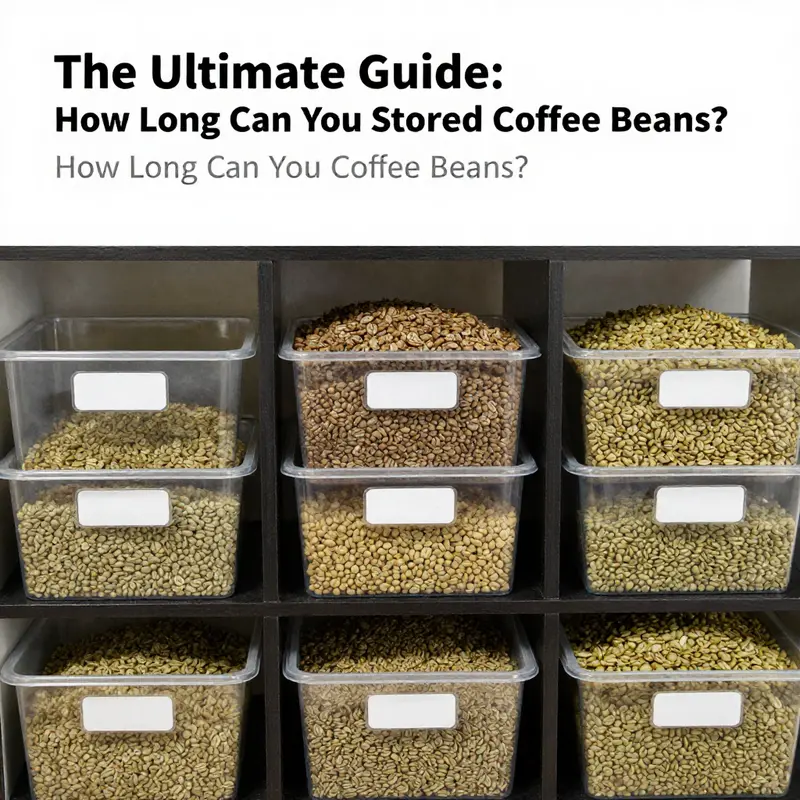
Green coffee beans are often described as the quiet stock of the coffee world—less flashy than roasted beans, perhaps, but capable of significant flavor potential if kept under the right conditions. This chapter follows the logic of lengthened storage not as a mere countdown of freshness, but as a careful choreography of environment, material, and timing. The journey begins with understanding what makes green beans different from their roasted counterparts. Green beans are in a state of relative dormancy. They haven’t yet undergone the rapid chemical reactions that accompany roasting, reactions that unlock aroma compounds and flavor precursors but also hasten aging once heat is introduced. Because of that, green coffee beans can endure longer periods in storage, provided the conditions are stable and protective. The clock, in other words, does not tick as loudly for green beans as it does for roasted beans. Yet time still moves, and without attention, the flavor envelope can slowly degrade. Green beans are living in the sense that they respond to environment and time, even if they do not actively degas in the way roasted beans do. The difference is subtle but critical: while roasted beans push their flavors forward through a roasting-induced transformation, green beans preserve potential that will only reveal itself when heat and water awaken their chemistry. If you want to roast with purpose years after harvest, you must treat the storage environment as a partner in the process, not as an afterthought. The aim is not to freeze time completely but to slow its effects to preserve the seed’s integrity long enough to deliver a clean, vibrant roast when you finally decide to crack the bag.
The core question—how long can you store unroasted beans—doesn’t have a single universal answer. It depends on what you value most: the absolute longest possible storage window, or the most reliable peak flavor within a practical horizon. The research landscape, including guidelines from leading specialty organizations, tends to place green beans in a more forgiving category than roasted beans. With careful handling, many green coffees can ride the shelf for 18 months to two years and still offer a stated level of quality when they are roasted. In some cases, under exceptional conditions, storage can stretch to two to three years, but those scenarios come with caveats about flavor drift and the likelihood of slower, subtler changes rather than crisp freshness. The practical takeaway is that green coffee storage is about balancing ambition with realism: you can plan for a longer arc, but you should expect some gradual changes in aroma, brightness, and acidity as time passes.
Temperature is the most influential variable in this equation. A cool, steady environment slows respiration-like processes and microbial activity that might otherwise nudge the beans toward staleness or off-flavors. The recommended ceiling for temperature is modestly cool: around 50°F to 60°F (10°C to 15°C). This range minimizes the risk of condensation, reduces the rate of moisture migration within the bean, and keeps the beans from drifting toward the kind of thermal stress that accelerates aging. Temperature stability matters almost as much as the temperature itself; frequent swings—from a warm kitchen to a chilly cellar, for example—can invite moisture shifts that promote clumping, mold risk, or aroma migration. A stable microclimate acts as a quiet steward, preserving the beans’ internal structure and aromatic potential until you’re ready to roast.
Humidity, too, deserves careful management. Green beans hold a relatively small, but crucial, amount of moisture within their seeds. The target range for relative humidity tends to be below 60%, with desiccants or selective packaging doing much of the heavy lifting to maintain that environment. In high humidity, moisture can migrate into the bean or into packaging, encouraging clumping, density changes, and subtle microbial activity. In persistently dry conditions, the beans seem inert but can become brittle or prone to cracking if they are handled aggressively during transfer. The right humidity level supports a quiet, measured aging process that preserves flavor precursors without inviting mold or staling aromas. Desiccants, oxygen barriers, and careful packaging help keep humidity in check, especially when the surrounding air changes with the seasons or with facility-level climate controls.
Light is another signal that green beans must learn to ignore. Exposure to direct light can catalyze chemical reactions that you would rather not awaken before you plan to roast. Opaque, sealed containers shield beans from harmful photons that would otherwise alter their internal chemistry, contributing to unwanted notes and a shorter perceived shelf life. The packaging choice matters here as well. Vacuum sealing or nitrogen-flushed packaging reduces oxygen exposure, limiting oxidation reactions that can gradually dull the beans’ original character. In the end, light protection is less about one dramatic catastrophe and more about avoiding the slow creeping of off-flavors that can accompany prolonged exposure to light in any form.
Oxygen—the invisible driver of much of the aging process—deserves explicit attention. Green beans are less reactive than roasted beans in some respects, but oxygen still visits the seed and participates in slow oxidative changes. The most effective strategy is to shrink the bean’s exposure to air as much as possible. Vacuum sealing or nitrogen flushing are common, practical approaches at home and in professional settings. They are not just about keeping oxygen out; they’re about creating a stable, low-activity environment in which complex biochemical pathways proceed at their natural pace without being abruptly accelerated by oxygen ingress. Once the packaging is opened, the long-term plan should shift toward maintaining a well-sealed environment inside a dedicated storage vessel. Re-sealing after use, choosing a container with a reliable seal, and keeping the storage location free from strong, permeating odors—all of these details compound to protect the beans’ flavor integrity.
The sensory outcomes of storage are not predictable with precision, but patterns do emerge. Flavors can drift toward muted sweetness, reduced brightness, or a general flattening of the cup profile as the beans age. This is not a binary phenomenon where beans suddenly become undrinkable; rather, it’s a slow rebalancing of aromatic compounds, oils, and sugars that present as a gentler, perhaps rounder cup with diminished clarity. For many specialty-minded roasters and home enthusiasts, this drift is a reminder that quality at origin and harvest date matters. Beans from a more recent harvest will more reliably deliver the bright, nuanced profiles you expect, while older green beans will still roast well and can produce excellent coffee, but with a different character than their earlier selves. The degree of drift will also be shaped by the initial moisture content of the green beans, the variety, and the processing method used at origin. A higher-quality, tightly controlled harvest tends to retain its intended flavor notes longer under the same storage conditions, which is why many roasters plan their stocks around harvest calendars and projected roast schedules.
If you’re aiming for the longest storage window possible, the practical horizon is typically set at two years, with two to three years as a theoretical maximum under optimal conditions. Most practitioners who work with green beans at scale emphasize a practical threshold of 18 months to two years for ensuring that the final roast maintains a flavorful, recognizable profile. This recommendation is not a hard line but a pragmatic guideline that balances the desire to preserve bean quality with the realities of supply, demand, and the inevitable variability of harvests. It also aligns with what many in the specialty coffee community consider best practice for maintaining high-quality inputs while still allowing for a flexible roasting schedule. Specialty roasters, in particular, often align their procurement and roasting plans to harvest windows, ensuring that the beans in their inventory carry a freshness that translates into consistent quality in the cup. The goal is to steward the green beans in a way that supports a high-quality roast when it finally happens, rather than simply storing them for the sake of storage itself.
From a practical standpoint, how does one implement a storage plan that respects these principles without becoming a full-time logistics exercise? The first step is to invest in airtight, opaque containers that can be sealed tightly and, ideally, small enough to portion out. The logic behind dividing larger bags into smaller portions is straightforward: it minimizes the volume of beans exposed to air each time you access the supply, reducing overall oxygen exposure and limiting moisture migration. A common approach is to portion the beans into 50–100 gram units, chosen to suit a single roast or a small batch, so that each opening exposes only a small fraction of the total stock. When you do open a portion, the rest remain undisturbed in their sealed state, preserving the integrity of the unrevealed beans. If you choose vacuum-sealed bags, a simple, repeatable workflow can make the difference between consistent results and a variable experience. Vacuum sealing protects against oxygen ingress during storage and, crucially, during thawing if the beans have ever been frozen. However, freezing is a more contentious practice for green beans than for roasted beans and requires careful discipline to avoid condensation on the bean surface when removed from the freezer. The cleanest and most predictable route for most home stowaways is to avoid freezing altogether and to rely on stable room temperature storage with a robust barrier against moisture and air.
There is also a philosophical angle to long-term green bean storage: the importance of harvest knowledge. So much of what determines a green bean’s future flavor potential lies in harvest timing, processing method, and post-harvest handling. When possible, track harvest dates and origin details, and prefer beans from recent harvests that suit your roasting profile. By maintaining an inventory system that couples storage conditions with harvest data, you can identify which lots respond best to longer storage and which are best roasted within a shorter window. This kind of data-driven approach—though it may feel meticulous—pays off by enabling you to roast with intention rather than as an act of chance. The practice also lends itself to thoughtfulness about the flavor journey you want your beans to take, respecting the work of farmers and processors who have prepared the green seeds for roasting in the first place.
The advice offered by recognized guidelines, such as those from the Specialty Coffee Association, supports a disciplined approach. They emphasize stable environmental controls, oxygen management, and light protection as the foundational elements of green bean longevity. They don’t promise immortality for any green coffee; instead, they describe a manageable path to sustaining quality across the normal lifecycle of green stock. In that sense, the long-term storage of unroasted beans becomes less about defying time and more about guiding it: creating conditions where the beans remain expressive enough to reveal their character when finally roasted, rather than dull or inconsistent due to avoidable storage mistakes. The practical voice of the guidelines remains clear: prioritize freshness by aligning purchase with consumption timelines, protect the beans from moisture, heat, light, and odor, and treat packaging as a key tool for maintaining equilibrium in the bean’s environment.
When we translate these principles into everyday practice, we also arrive at a balanced view of risk and reward. The risks of improper storage—copious moisture leading to mold, heat accelerating unwanted reactions, light eroding volatile compounds, and oxygen blanching flavors—are well understood. The rewards of good storage are equally straightforward: a broader window to plan your roasts, the possibility of incorporating diverse origins into your lineup, and the satisfaction of keeping the imaginative promise that green beans hold until you decide to awaken them with hot water and the ritual of the grind. The specific storage durations are not absolutes; they are anchors that help roasters and home enthusiasts assemble a coherent, reliable plan for building a coffee program that respects origin, harvest, processing, and the ultimate moment of flavor development that happens only in the brew. In this sense, long-term storage of green beans becomes both a science and an art—science in the sense of temperature, humidity, and oxygen control; art in the sense that each batch carries its own story, its own terroir, and its own journey toward transformation once heat touches the surface of the bean.
To bring these ideas into a practical frame, consider how a small coffee library might be organized. Imagine you have a shelf where each bin or tub is dedicated to a specific harvest year, origin, and processing method. Each bin is kept in a cool, dark corner of the room, sealed with a quality lid or vacuum-capable bag, and accompanied by a sachet of desiccant or a small nitrogen cartridge. On a calendar, you cycle through lots with an eye toward their optimal roasting window. You rotate in new stock as soon as the prior stock approaches its recommended age, leaving the most forward-facing beans for the roaster who wants to capture vibrant notes from a given origin. The effect is not just practical; it is a reflection of a mindful approach to coffee as culture, agriculture, and craft. It recognizes the time that green beans spend in storage as part of the coffee life story rather than a mere hurdle to flavor. And it makes room for the inevitable variability of sources—the fact that no two harvests are identical, and yet the coffee you cup in your own kitchen or in a cafe can still deliver memorable experiences when nurtured with care.
In closing, the long-term storage of unroasted coffee beans is not a simple question of shelf life. It is a framework for thinking about what you buy, where you store it, how you protect it, and when you roast it. It is about acknowledging the difference between potential and performance and choosing procedures that honor both. If you walk away with one clear directive, let it be this: store green beans in a cool, stable environment, in airtight, light-proof packaging, with minimal oxygen exposure, and with a plan that respects the harvest date and origin. Under those conditions, you can extend the useful life of your green stock and keep the door open to a wider range of roasts and flavors without sacrificing the reliability of your brew. The journey from green bean to cup remains one of transition and transformation, and good storage is the quiet partner that keeps that journey on track rather than letting it drift toward dullness or inconsistency.
For anyone who wants to verify the specifics behind these guidelines or to explore official recommendations in depth, the Specialty Coffee Association green coffee storage guidelines provide a trusted foundation. They include precise ranges for temperature, humidity, packaging practices, and the rationale behind each choice. Reading these guidelines can help both professionals and enthusiasts calibrate their warehouses, roasteries, or home storage setups to support the taste profile they seek in the final cup. As with any practical craft, starting with a solid understanding of the constraints and possibilities gives you the best chance of achieving consistent, high-quality results when you finally roast the stored beans.
External resource: Green Coffee Storage Guidelines
Final thoughts
Understanding how long you can store coffee beans is vital for business owners looking to deliver the best quality coffee to customers. By mastering the art of storage, whether dealing with freshly roasted, pre-ground, or unroasted beans, you can significantly enhance flavor retention and customer satisfaction. Prioritizing proper storage practices not only helps maintain quality but also ultimately supports your business’s success in a competitive market.