
Coffee is not just a beverage; it’s an experience that can significantly impact customer satisfaction, especially for those in the food and beverage industry. Understanding how long you can keep coffee beans without compromising their flavor can enhance your product quality and customer loyalty. This article provides essential insights into the optimal storage durations for coffee beans, ranging from peak freshness to long-term storage strategies. Each chapter will explore these elements in detail, offering your business the knowledge to make informed purchasing and stocking decisions that will delight your clientele.
The Window of Freshness: Unlocking Peak Flavor in Coffee Beans Within 3–4 Weeks

The first whiff of a bag of coffee beans after a roast is a moment of potential. The aroma promises a spectrum of flavors—the citrus brightness of a single-origin, the chocolatey depth of a balanced blend, the nuanced florals that only reveal themselves when the beans are still fresh. That promise, however, rests on a simple, practical truth: coffee beans have a surprisingly specific window of peak flavor, and that window is typically 3 to 4 weeks after roasting when stored under ideal conditions. Beyond that window, the beans don’t instantly sour or go rancid, but they do begin a gradual retreat from their full aromatic personality. The quality you harvest from your grinder and your cup depends as much on how you store them as on the beans’ original roast level or origin. In other words, the clock starts when the beans are roasted, and how you handle them in the days and weeks that follow largely determines how vibrant your cup will taste.
The science behind this isn’t magic; it’s chemistry. Coffee beans carry volatile compounds that give us aroma and flavor. Once they exit the roaster, these compounds slowly react with oxygen in the air. Each exposure to air nudges out some of the original brightness and allows certain oils to oxidize. The Specialty Coffee Association (SCA) has documented that whole bean coffee stored under ideal conditions retains its peak freshness for roughly three to four weeks after roasting, with a gradual but noticeable decline after that period. In practical terms, that means the peak flavor profile you expect from a freshly roasted batch—its balance, its aroma, its ability to express the roast’s intended profile—will be most alive during that early window. If you miss it, you can still brew a good cup, but the magical interplay of acidity, sweetness, and body starts to flatten.
Alongside this window, the counterpoint is equally important: how you store the beans. The factors that erode freshness are predictable and avoidable—air, light, heat, and humidity. When any one of these elements fluctuates, the beans start to lose aromatic intensity. In the worst cases of neglect, studies and practical experience show that exposure to air can strip a significant portion of aroma in a short span; some estimates cite up to a 50 percent reduction in aromatic intensity within about ten days if beans are left inadequately protected. The difference between a bright, expressive cup and a dull or flat one often comes down to a few minute choices in your storage routine.
If you’re aiming for that optimal flavor window, a straightforward plan helps. First, choose a storage vessel that does more than just hold beans. An airtight, opaque container is essential. Light penetrates flavors and activates chemical reactions that can dull aroma, so a container that blocks light is as important as one that blocks air. The best practice is to keep beans in a cool, dark, dry cabinet or pantry—away from stoves, dishwashers, and sinks that can introduce heat or humidity shifts. This is not a matter of luxury; it’s a practical discipline. Temperature stability matters as much as humidity control. Frequent fluctuations, even within a pleasant room temperature range, can contribute to staling at a pace comparable to higher fixed temperatures.
The advice is direct but doable: move the beans out of their original bag once you’ve brought them home or after you’ve opened a bag that isn’t a resealable monster. The original packaging with a one-way valve can be a reasonable short-term solution for a couple of weeks, but for longer storage, transferring to a dedicated, airtight container is the move that makes sense. The goal is to minimize air exposure while shielding the beans from light and moisture. If your plan is to keep a bag around for more than a handful of days, the transfer is not a step backward; it’s a step toward preserving the coffee’s character.
Another often-overlooked factor is the relationship between whole beans and ground coffee. Whole beans retain their aroma more effectively over a longer period than ground coffee because grinding increases surface area and accelerates oxidation. If you want to maximize freshness, grind only what you’ll brew in that immediate session. This isn’t merely a preference for control; it’s a practical acknowledgment of how quickly aromas can dissipate once the surface area is exposed to air. In the days following a roast, grinding on demand helps you extract more nuanced flavors from the beans you’ve chosen.
For those who need to store beans beyond the 3–4 week window, conditioning matters still. Freezing can preserve beans for longer periods, but it must be done with care. If you must stockpile beans for months, freezing in airtight, vacuum-sealed bags is the most effective option. The key is to freeze whole beans and only thaw what you will use within a relatively short period after removal. Repeated cycles of freezing and thawing invite condensation and moisture intrusion, which can compromise both aroma and flavor. In short, freezing is a tool for long-term storage, not a daily practice for the casual coffee drinker who drinks their beans within a few weeks.
From a practical standpoint, the best approach remains simple: buy in small quantities and plan for a steady rotation. When you purchase fewer bags more frequently, you naturally keep your supply within that peak 3–4 week window. It’s a straightforward way to ensure you’re brewing with beans at their freshest without the overhead of maintaining a large, less-fresh reserve. A well-managed rotation also reduces the risk of forgetting a bag at the back of the shelf, only to discover it months later and wonder what flavor you might have lost.
The human side of this conversation is equally important. For many home brewers, the ritual of brewing is tethered to the senses—aroma, touch, and even the memory of a cup’s first impression. When flavor fades, that ritual can feel diminished. The path back to reliability isn’t complicated; it’s about aligning your storage regimen with the beans’ natural course after roasting. The idea that a roast’s most expressive moments lie within a few short weeks is a reminder that flavor, like other living things, benefits from a steady, careful environment. The more you protect that environment, the more you’ll, in turn, protect the coffee’s personality.
There is comfort in the science that backs these practices, and there is a practical elegance in the rituals that keep your beans in their best shape. Consider the environment you curate for your coffee as analogous to the careful spaces professionals create for people who need consistent, supportive surroundings. In fact, this parallels a broader principle found in many fields: control the surroundings first, and the product or outcome often follows. How occupational therapists assist in adapting environments for patient needs—creating stable, supportive spaces—offers a useful lens here. Adapting environments for patient needs is a concept that translates well to kitchen storage: you’re shaping the space so that the most important elements—the beans’ aroma and flavor—remain unspoiled as you move from roast to cup. For a concise discussion of this concept and its broader implications, explore the linked idea of adapting environments for patient needs. How occupational therapists assist in adapting environments for patient needs.
In practical terms, this perspective nudges you toward a simple checklist that aligns with the science: store in an airtight, opaque container; keep in a cool, dark, dry cabinet; avoid placing near heat sources or areas with temperature or humidity fluctuations; and resist the temptation to leave beans in open packaging or framed by light. If you still have questions about the precise conditions that maximize freshness, the official storage guidelines from the Specialty Coffee Association provide a grounded reference point. They lay out the exact kinds of containers, the ideal temperatures, and the rationale behind why these choices matter. For more details on best practices, visit: https://www.sca.coffee/learn/storing-coffee-beans.
The narrative of freshness isn’t about rigid rules; it’s about cultivating a thoughtful routine that respects the beans’ lifecycle. It’s about recognizing that the moment you roast a batch marks a brief moment of heightened flavor that’s worth protecting. It’s about choosing a storage vessel that acts as a guardian against the elements, a cradle that keeps the beans’ oils and delicate aromatics in balance. It’s about understanding that whole beans behave like a small natural archive: their integrity accumulates value when kept intact, shielded from light, air, and moisture, and accessed with an intentional, nearly ceremonial grind just before brewing.
If you’re building a household habit around this idea, start with a single step: transfer your beans into a non-transparent, airtight container soon after you bring them home. Place that container in a cool, dark cabinet, away from any source of heat or humidity. Label bags with roast dates so you can practice first-in, first-out rotation. The rest will follow: better control over oxidation, more consistent flavor, and a routine that respects the beans’ natural peak. And when you do reach that peak window, it’s not just about a brighter cup; it’s about the confidence that comes with knowing you’re sipping coffee at its most expressive, as intended by the roast and the farmer who produced it.
External resource: SCA Coffee Storage Guidelines—https://www.sca.coffee/learn/storing-coffee-beans
The Quiet Window: Understanding Acceptable Coffee Quality and the Three-Month Benchmark for Whole Beans
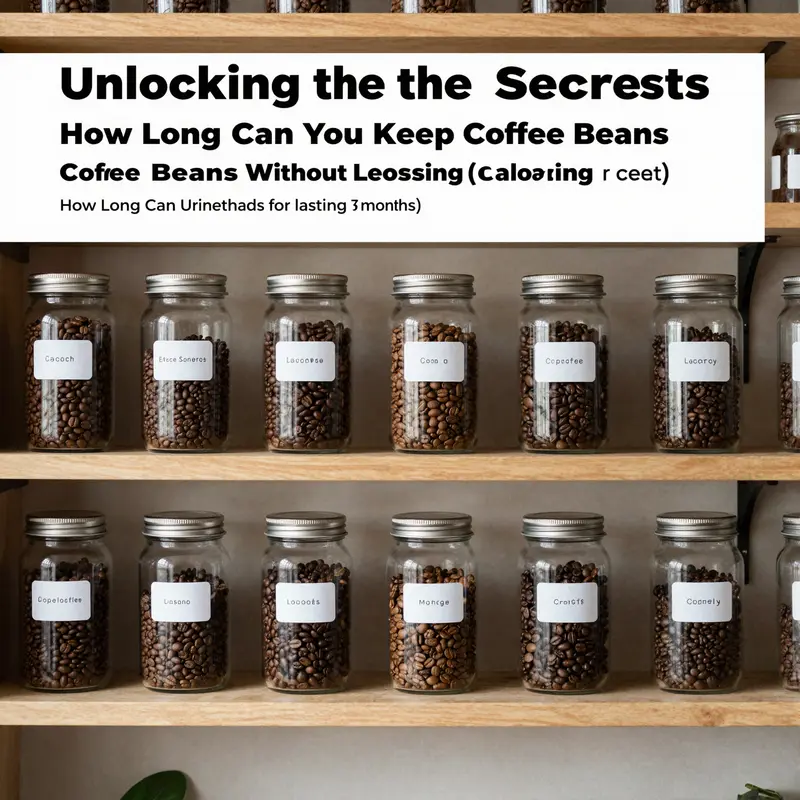
People often ask, how long can you keep coffee beans before they lose their charm? The honest answer is not a single date on a calendar, but a window shaped by how the beans were roasted, how they are stored, and how picky you are about flavor. When we talk about acceptable quality—not peak brilliance, but a coffee that still tastes like coffee—the commonly cited rule is that whole beans stay usable for up to about three months after roasting if you treat them right. That three-month mark is less a hard law than a practical threshold: it marks the point at which the freshest, most complex flavors begin to retreat, even though the beans themselves remain safe to brew. Understanding why this window exists helps you get the most out of each purchase without wasting good beans or chasing an ever-elusive level of aroma you won’t reach again after the roast is past its prime.
What happens after roasting is as predictable as it is microscopic. Once coffee leaves the roaster, it begins a slow, inevitable drift toward staler flavors. The key culprits are air, light, heat, and moisture. Each factor nudges the beans away from their pristine state and toward a more muted, less nuanced profile. Oxygen starts to oxidize the surface oils, those delicate compounds that give coffee its perfume and complexity. Light can drive off some aromatics, especially if a container isn’t truly opaque. Heat invites faster chemical reactions that accelerate staling, while humidity can carry unwanted flavors from the environment into the storage vessel. The result is a gradual, almost imperceptible shift from vibrant, layered notes—something like fruit, chocolate, citrus, and a whisper of flowery sweetness—to a more straightforward, sometimes flat cup with diminished aroma and less lift in the cup.
The moment of peak flavor is a moving target with a clear timing: within the first two to four weeks after roasting, many beans show their best balance of aroma, sweetness, acidity, and body. In that window, the oils and aromatics are fresh enough to deliver the whole spectrum of flavors. After that, the clock keeps ticking. By about a month, the sugar/acid balance begins to change in a way that can mute brightness and shorten the finish. By three months, you’re more likely to notice staling on the mid-palate and a flatter overall impression, especially if the storage conditions aren’t ideal. It’s not that the beans suddenly become unsafe to drink; it’s that the cup begins to lose its complexity and the full personality that Roasted Coffee embodies.
With that in mind, the recommended practice is simple, almost dutiful: store the beans in a way that minimizes exposure to air, light, heat, and moisture, and buy in quantities you can use within a few weeks. A practical approach is to treat the three-month mark as a rough ceiling for keeping beans at their best, not as a deadline after which all flavor collapses. If you have a deeper love for coffee or a palate that prizes the widest possible flavor range, you’ll notice the difference more quickly as the clock runs, and you’ll adjust your buying habits accordingly. This is not about paranoia but about stewardship—the daily discipline of protecting freshness so you can taste what the roaster intended.
To translate this into daily practice, start with storage containers. The container should be airtight and opaque, because the moment you crack the seal, even once, the beans begin to lose their battle against oxygen. Ceramic and stainless steel are excellent options here because they tend to be non-reactive and can be made opaque to light. Avoid clear glass for the long-term storage of beans, even if it’s pretty on a shelf, because light exposure accelerates flavor degradation. The lid should seal tightly to keep air out, and the container should be kept in a cool, dark place. Peering into a sunny pantry or a cabinet above the stove may feel convenient, but warmth—near ovens, kettles, or a sunny window—invites faster staling. The ideal spot is a cool, dry cupboard or pantry, away from heat sources and away from places with high humidity, like above the sink.
This is a moment to debunk a common myth: refrigerating coffee beans is almost always a step in the wrong direction for maintaining flavor. The refrigerator is a factory for condensation and fluctuating temperatures. When you remove beans from a cold fridge to brew, you invite moisture to condense on the surface, which can invite off-flavors and alter the bean’s oil balance. The same goes for the freezer, which, while sometimes suggested for long-term storage, requires meticulous handling. Freezing can preserve the beans for longer, but it introduces a risk of moisture entering when the bag is opened and the condensation cycle repeats. If you truly need to store for several months beyond what you’ll use in a few weeks, freezing can be an option, provided you freeze in airtight, vacuum-sealed portions and thaw only once. The flavor cost is higher, and the ritual is more complicated, so many coffee lovers prefer to keep everyday beans at room temperature in a proper container and reserve freezing for beans you’ll never drink within six months.
The amount you buy matters as much as how you store it. The advice to “buy small quantities” is rooted in the same logic that governs fresh vegetables and dairy: the more days you pile onto the shelf, the more risk you introduce of flavor drift. If you frequently roast or brew daily, you’ll quickly discover that a two- to four-week supply is more faithful to the original roasting profile. If you live in a household that brews less often, a smaller purchase means you won’t have to stare at a bag that has already started to drift away from its original freshness. And when you do grind, do so as close to brewing time as possible. Ground coffee loses its aroma much faster than whole beans because grinding dramatically increases the surface area exposed to air. The moment ground coffee is exposed to air, you’ve shortened what little freshness remains, so a basic rule is: grind only what you will brew within the same day or the next.
Roasting dates are a more reliable compass than some vague “best by” label. A bag without a clear roast date invites guesswork about freshness. The absence of a roast date makes it far easier for a consumer to misjudge when the beans were actually roasted, and therefore how close they are to their peak. If you’re serious about flavor preservation, seek out beans that clearly display a roast date and a best-by window aligned with your consumption pace. When in doubt, err on the side of sooner consumption rather than later; three months is a realistic cap for optimal flavor, but even within that window you’ll notice pricing and sourcing variables that can tilt your experience—bean origin, roast level, and processing method all color the flavor in subtle but meaningful ways.
Beyond these practicalities, there is a more philosophical note about how we relate to freshness. The romantic image of the “perfect” roasted bean is transient. The beans you buy today will still brew a drinkable, enjoyable cup in three months, but you’ll be sipping something that lacks the electric lift of a recently roasted batch. The idea of using up beans within a few weeks is less a constraint and more a mindset about maximizing the sensory thrill each time you press the brew button. If you savor the aroma as you grind, the first whiff of solvent-like roasty sweetness, the chorus of aromas that greet you as liquid coffee blooms in the cup, you’ll likely prefer to keep a leaner stock and rotate beans with your palate’s taste for the moment. The best approach keeps your ritual simple and joyful: buy what you can use within a few weeks, store it properly, grind thoughtfully, and brew with intention.
For those curious about deeper storage science, the evidence points to a practical conclusion: you can preserve acceptable quality for up to about three months with discipline. After that, the flavor profile drifts toward a more generic coffee note, even if the caffeine still delivers a reliable kick. The path to maximum freshness, however, remains steady and repeatable. Choose a cool, dark home for your beans, invest in an airtight, opaque container, and resist the temptation to overbuy in a moment of coffee enthusiasm. If you plan to keep beans longer than a few weeks, segment portions into smaller quantities and keep them sealed until you’re ready to use them. And when you want to push the envelope for longer-term storage, freeze only when you have carefully prepared portions and a clear plan to use them without repeated thawing.
This approach aligns with the broader craft of coffee appreciation: it’s about balance between timing, technique, and care. The three-month benchmark gives you a practical baseline for planning your purchases and your roasting cadence. It doesn’t demand you turn your kitchen into a laboratory; it invites you to treat your coffee as a living product that benefits from thoughtful handling. In the end, the question isn’t simply how long you can keep coffee beans, but how well you can capture the story the beans tell in the moment they’re roasted. By respecting that window, you allow your daily cup to stay aligned with the intent of the roaster, the origin’s character, and your own evolving palate.
For a more in-depth, step-by-step guide to preserving coffee bean freshness at home, see the authoritative resource linked here. It consolidates the practical tips into a clear framework you can apply without second-guessing your storage choices: https://www.seriouseats.com/coffee-bean-storage-guide
Preserving Possibility: Navigating Six Months and Beyond When Storing Coffee Beans
Long after the roast has cooled and left the roastery’s warm glow, coffee beans begin a patient, almost quiet countdown. The clock doesn’t stop when you seal the bag; it continues to erode flavor, gently, with oxygen, moisture, and light sneaking into the storage fortress. The question “how long can you keep coffee beans” goes beyond a simple arithmetic of days on a shelf. It’s a dance with chemistry and environment, a negotiation between practicality and the pursuit of a moment when the cup will still surprise you with its aroma and its complex, chocolatey, fruity notes. When we talk about long-term storage—six months or more—we’re really talking about preserving the possibility of a good cup long after the roast has left the roaster’s hands.
The most important truth stays simple: beans don’t spoil in the sense of becoming dangerous overnight. They dry out, oxidize, lose volatile compounds, and drift toward a flatter profile. The peak freshness you experience within the first two to four weeks after roasting is not just a taste; it’s a window during which the beans hold on to their most intricate flavors. Some sources set a slightly wider frame, noting optimal flavor in the first three to four weeks. Either way, after that window closes, the aromas begin to fade, the oils lose their sparkle, and the cup tends toward a quieter, more muted character. Yet even as the brightness dims, the coffee can stay drinkable and enjoyable for months if stored with restraint and care. The guidance is practical: treat six months as a reasonable ceiling for quality if you insist on keeping beans beyond that window; anything longer invites more pronounced flavor loss.
What matters most is the environment. Oxygen is the villain of freshness, a relentless oxidizing force that gradually mutates aroma compounds and oils the beans contain. Heat accelerates that chemistry, while light can degrade delicate pigments and oils that contribute color and flavor. Humidity is a stealthy saboteur, inviting moisture into the tiny pores of the beans and creating a damp, musty backdrop that lingers on the palate. The goal, then, is simple in theory: minimize air exchange, shield beans from light, keep them cool, and keep moisture out. A sturdy, airtight, opaque container at room temperature in a cool, dark cabinet is the standard approach for long-term storage in many home setups. When you follow this recipe, your beans can stay within an acceptable quality range for up to six months, and sometimes a touch longer if conditions are extra favorable. The caveat is important: even under ideal storage, you are letting time do its work, and the flavor will gradually degrade.
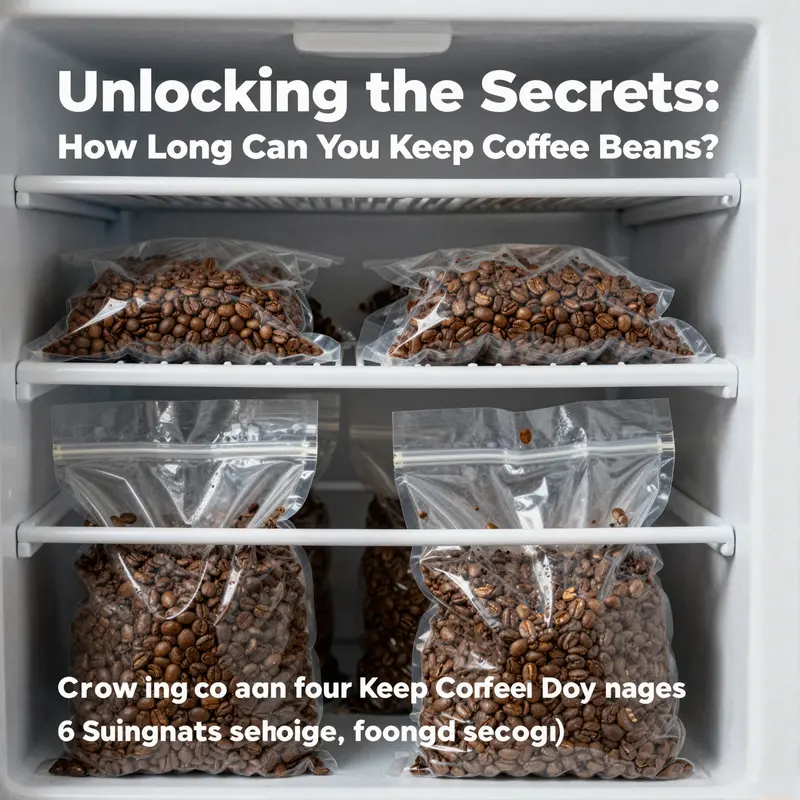
Given that reality, freezing becomes a rational option for those who truly want to stretch the calendar. Freezing does not stop time; it slows the clock. It slows the chemical changes that degrade quality, a distinction that matters to anyone chasing depth and nuance in the cup. The idea sounds almost too simple, and yet the practical steps matter as much as the theory. If you decide to freeze, use proper packaging to minimize the risk of condensation upon thawing. The recommended method is airtight, vacuum-sealed packaging that reduces exposure to air and moisture. Divide the beans into small portions—enough for a week or two of daily brewing—and freeze each portion separately. This segmentation is crucial; thawing a whole bag multiple times invites condensation, which can lead to soggy beans and a stale aroma before you even grind. When you thaw, do not leave beans at room temperature for extended periods. If you can, move a portion to the grind-ready state and brew within the day, avoiding repeated freeze-thaw cycles. The psychology of home storage often tempts people to keep the bag in the freezer and keep taking from it indiscriminately, but the best practice is to minimize exposure. Once a portion has thawed, resist reopening the bag multiple times; instead, grind and brew as needed and reseal if possible.
Even in freezing, the beans’ sensory peak remains a moving target. Dr. Christopher Hendon, a scholar who has written about the chemistry of coffee, notes that “roasted coffee is at its sensory peak within two to four weeks post-roast. Freezing slows—but doesn’t stop—the chemical changes that degrade quality.” That sentence carries two key ideas for the long-term keeper. First, there is a window of peak aroma and taste in the early life of the roasted bean, before oxidation settles in. Second, freezing, while valuable, cannot suspend the clock indefinitely. The best strategy combines sensible portioning, airtight packaging, and disciplined thawing.
If you plan to navigate storage beyond six months, you cannot ignore the potential of air exposure during the initial roasting-to-bag interval. The moment you seal the bag, you set a clock for how much life remains in the beans. If your goal is the maximum possible longevity with the least compromise, aim to use your beans within six months of roasting. This is a practical compromise: you still preserve most of the fragrance and structural compounds, while avoiding the most noticeable drift that time imposes. Keeping beans at room temperature, away from heat sources and direct sunlight, with minimal air contact, remains the cornerstone of this approach. A simple, widely practiced method is to transfer roasted beans into an airtight, opaque canister or a sealed bag that blocks light and shields the contents from temperature fluctuations. In such a setup, beans that have rested for several weeks can still deliver a satisfying cup, with the aroma bright enough to remind you of their origin and roast profile. The risk profile shifts as time passes: scents can flatten, and the cup can reveal a more bread-like or stale note if the storage environment has any moisture infiltration or inconsistent temperature.
For those who want every possible advantage, there is a nuanced rhythm to bean storage. Do not buy in bulk for future use at the expense of freshness. The shorter the chain from roast to grind, the better. When you stock up, you should ensure that your plan aligns with your actual consumption rate. If you cannot guarantee that you will drink the beans within a few weeks, consider freezing as described, but do so with a clear limit in mind. The practical art is to couple mindful purchase habits with careful, repeatable storage steps. The goal is not to chase perpetual freshness, but to preserve a level of coffee quality that you can recognize and enjoy when the beans finally meet the water. In other words, you preserve options, not guarantees; you safeguard the possibility of a bright, well-balanced cup rather than clinging to a vitality that inevitably fades over time.
Within the long-term frame, there is also a question of what happens to flavor as the beans age. Coffee contains many volatile compounds that contribute aroma and flavor. When these compounds dissipate or transform, the character of the brew changes. The body may feel thinner, the acidity may shift in tone, and the bouquet may go from lively to mellower and, at times, more caramelized or roasted-nutty. Some beans, especially those with lighter roasts, can lose their nuanced floral notes and fruit brightness more quickly than darker roasts, which often maintain a comforting roast-forward fullness even as other elements fade. These changes are subtle at first and become more pronounced with time, especially when moisture or heat breaches the seal. The sensory journey of six-month storage is not a single moment of failure, but a gradual shift that requires attentive brewing to rescue what remains. A grind released into hot water is, in effect, a test of time’s effects. You may find that a brew after six months carries a cleaner profile in some days and a duller one on others; the variability is real and something experienced home roasters and brewers come to anticipate.
Brewing strategy matters, too. When beans are older, grind size, water temperature, and extraction time subtly influence the perception of freshness. A slightly coarser grind can diffuse the perception of staleness, while a hotter water temperature can coax out remaining brightness. But there is a limit to what technique can recover when the fundamental aromatic compounds have declined. This is where honesty about storage history meets taste, and where the decision to continue with beans for months longer becomes a matter of practicality and preference rather than a guarantee of quality. If the aroma in the bag or the ground is faint, you may still achieve a decent cup by emphasizing a roast that is known for maintaining body and sweetness. Conversely, if you notice a sharp sourness or a flat, cardboard-like aroma, that is often a signal that oxidation has taken its toll and it may be time to move on to fresher beans.
In a broader sense, long-term storage is a negotiation between the value of the bag of coffee and the realities of time. For some households, keeping beans for six months makes sense because they roast in large batches or because their consumption fluctuates with the seasons. For others, it makes more sense to adopt a just-in-time approach: buy small quantities, roast or grind frequently, and treat every roast as an occasion rather than a ritual of stockpiling. The practical takeaway is not a universal rule but a philosophy of stewardship: handle the beans with respect for their journey from green to roast to cup, and treat storage as a living process rather than a passive stumble through a shelf life.
If you want a concise framework for how long your beans can reasonably remain usable, it might look like this: up to six months of good quality when stored in a cool, dark, airtight, opaque container; beyond that, freezing offers the best option for extending the window, though flavor will inevitably drift with time. And even then, the quality you extract depends on how well you control the storage variables: air, moisture, light, and heat. The better your seal and the cleaner your environment, the longer you can preserve the potential of your beans. Yet the general sentiment remains clear: the longer you hold beans, the more you should not expect them to taste as vibrant as the day of roast. The best approach remains to aim for consumption within six months of roasting and to use freezing with careful discipline if you must push beyond that mark.
In the end, the art of storing coffee beans long-term is an exercise in disciplined simplicity. It asks you to respect the chemistry inside each bean, to honor the limits of the container, and to recognize that time is not your ally but a condition you manage. It invites you to strike a balance between convenience and quality, between the imperative to stock up and the wisdom to keep your stock fresh. If you apply the guidelines with patience and a touch of curiosity, your coffee will continue to offer a rewarding cup, and your storage habits will reflect a thoughtful approach to the many small decisions that define the aroma in your kitchen.
External resource for further depth: For more detailed guidance on shelf life and storage, see Serious Eats’ Coffee Storage Guide. https://www.seriouseats.com/does-coffee-go-bad-complete-storage-guide-shelf-life-tips-1083597
The Timelines of Freshness: Mastering Coffee Bean Longevity Through Smart Storage
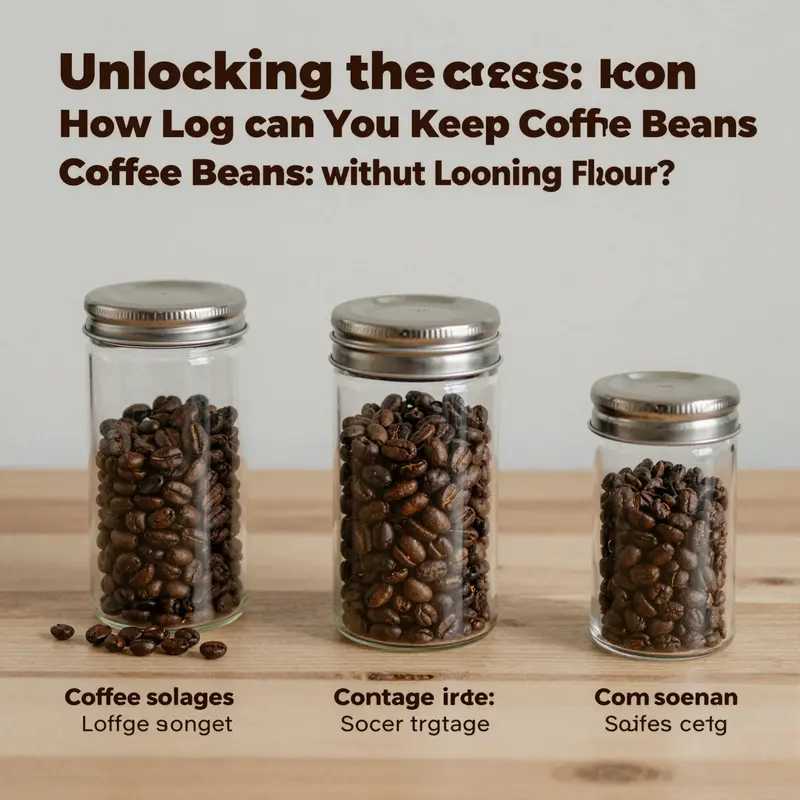
The question of how long coffee beans stay fresh sits at the crossroads of science and daily ritual.
Roasted coffee carries a delicate balance of aromatics, oils, and volatile compounds that give each cup its character. The roast date marks the starting point, but the journey from bag to cup hinges on how well the beans are shielded from air, moisture, heat, and light.
A practical understanding helps explain why a bag can taste vibrant for a few weeks and then fade, even if it remains safe to drink. The key is to separate safety from peak quality and to recognize that storage choices either preserve or hasten staleness.
From the moment coffee leaves the roaster, the surface is a map of gases and aromas. Fresh beans offer brightness and clarity, but they begin to lose measurable sensory quality under ordinary kitchen conditions. The window for peak flavor is often three to four weeks after roasting for many home setups, though origin, roast level, and brewing routine matter.
Ground coffee loses freshness much faster due to increased surface area; grind only what you plan to brew that day, or store ground coffee in a way that minimizes air exposure.
Longer-term storage, when necessary, benefits from freezing in small portions—airtight, thawed slowly at room temperature before use. Avoid repeated thawing and avoid freezing again after thawing.
The triad of enemies is air, moisture, and heat; light can also contribute through photo-oxidation. The simplest defense is a robust, airtight, opaque container and a cool, dark storage place away from heat sources.
In practice, buy in small quantities, store in an airtight opaque container, and reserve freezing for true long-term needs. Label roast dates and plan usage to align with the bean’s natural timeline. The ultimate judge is the cup: if aroma and brightness remain lively, the storage method is doing its job.
Final thoughts
Maximizing the shelf life of coffee beans is crucial for any business that serves or sells coffee. By understanding the optimal durations for freshness and quality, alongside effective storage recommendations, you can significantly enhance the overall coffee experience for your customers. Improve your purchasing practices, maintain high-quality offerings, and delight your patrons by applying these principles in your daily operations.