
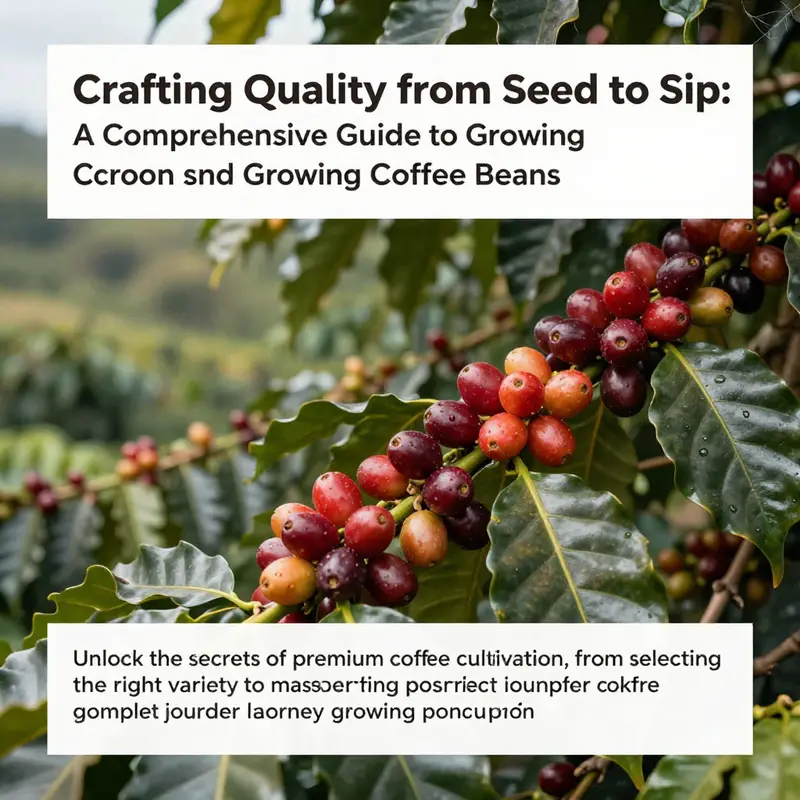
Growing coffee beans is more than just an agricultural endeavor; it’s a journey rich in scientific understanding and artisan skill. Business owners venturing into coffee cultivation need to consider various factors to thrive in this competitive market. This guide will explore essential stages—from selecting the ideal coffee variety that aligns with your local climate and soil conditions, to ensuring robust germination and nurturing seedlings for healthy growth. Along the way, we will cover field management techniques that sustain your plants and ultimately lead to a bountiful harvest. Finally, we will delve into post-harvest processing, a critical component that influences the flavor profile of your beans. Each chapter reinforces the interconnected elements of coffee cultivation, providing a roadmap to success in growing premium coffee beans.
Choosing the Best Coffee Varieties: Aligning Flavor, Climate, and Resilience for Sustainable Harvests
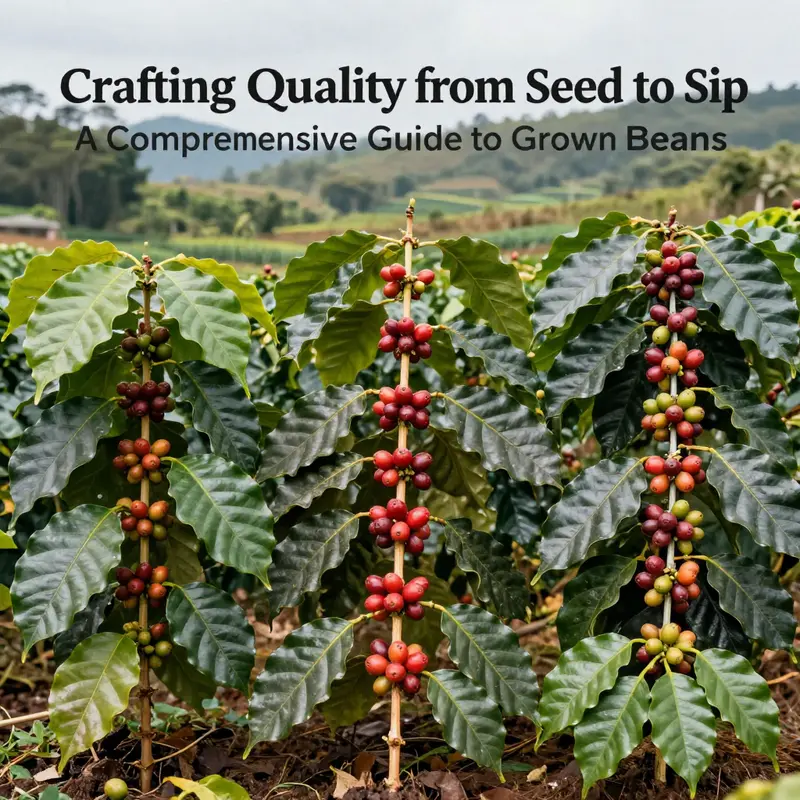
Selecting the right coffee variety is the compass that guides an entire cultivation journey. It sets the flavor trajectory of the beans, narrows the range of climatic risks a farm must weather, and shapes the long-term management plan from seed to harvest. In practice, choosing a variety demands a holistic view that blends climate and altitude, soil characteristics, disease pressures, and the market you aim to serve. The conversation begins with a simple truth: there is no one-size-fits-all answer. The world of coffee offers a spectrum of options, each with its own strengths, vulnerabilities, and potential rewards, and a thoughtful farmer learns to read the land as carefully as a cup is read for its aroma and acidity.
Arabica beans have long held the crown for flavor and aroma. They are the taste of high-quality, specialty-focused beverages, and many farmers prize them for the nuanced notes they can develop—bright acidity, floral hints, and a sweetness that lingers on the palate. Yet the same features that drive Arabica’s reputation also make the variety more sensitive to stress. Arabica thrives at higher elevations, typically from about 1,200 to 2,000 meters above sea level, in climates where temperatures hover roughly between 15°C and 24°C. In those cool, misty conditions, the plant forms a more intricate flavor profile, but it also faces a higher susceptibility to pests, diseases, and microclimatic shifts. For farmers whose land can reliably deliver those conditions, Arabica offers a premium market position and a path to premium pricing, particularly in markets that prize terroir and cupping quality. The challenge is managing vulnerability: the plant’s health hinges on steady rainfall patterns, careful shade management, and vigilant pest control.
Robusta, by contrast, represents resilience and practicality. It tolerates heat and humidity more readily and can flourish at lower elevations—below 1,000 meters—where conditions may be too intense for Arabica. The flavor profile tends toward a stronger, more bitter cup, with higher caffeine content and a sturdier body. This makes Robusta well suited to blending programs, espresso bases that demand punch, and markets that prize cost-efficiency and consistent supply. Robusta’s hardiness is not merely a matter of climate fit; it also translates into fewer losses from pests and disease, enabling farmers in challenging environments to maintain productivity where Arabica might struggle. The trade-off, of course, is flavor complexity. For many commercial producers, Robusta serves as a reliable workhorse that underpins blends and industrial coffee products, while Arabica remains the aspirational line for premium contracts and direct-to-consumer specialty roasts.
Between these two poles lies a family of hybrids and specialty varieties that increasingly populate coffee landscapes around the world. Hybrid varieties—such as those developed through deliberate breeding programs—offer a compelling middle path. They aim to fuse the best attributes of resilience with the refined flavor traits that consumers expect from high-quality coffee. Mundo Novo, a well-known example in some regions, emerged from breeding programs that combined Bourbon and Typica lineages. The result is a plant that can deliver robust yields and improved tolerance to drought and disease, especially under varying climate conditions. For farmers facing erratic rainfall, heat spikes, or disease pressure, hybrids can provide a more stable production window while still delivering a cup that appeals to buyers seeking consistency and value. In many developing and transitioning regions, hybrids have become a practical instrument for achieving scale without sacrificing quality, allowing farms to bridge the gap between traditional varieties and the realities of a warming, more volatile climate.
Specialty and less-common varieties also deserve a place in the decision matrix. Excelsa, often discussed in the same breath as Liberica, introduces flavor dimensions that are distinct from the familiar Arabica and Robusta profiles. Its cups can present fruity, tart, and sometimes smoky characteristics that appeal to niche markets and to roasters seeking to differentiate blends. While Excelsa can be more challenging to cultivate consistently and may require particular processing approaches to showcase its best qualities, it adds depth to a portfolio by widening flavor possibilities. The key with specialty varieties is market alignment and processing flexibility. Some soils and processing regimes reveal the most compelling expressions of these beans, but misalignment among climate, soil, and post-harvest techniques can mute what could otherwise be a distinctive offering.
The overarching decision framework for variety selection rests on several critical factors that farmers routinely weigh. The local environment—climate patterns, altitude, soil type, and microclimates within a farm—defines the technical feasibility of a given variety. Some regions consistently deliver cool nights and steady diurnal temperature ranges that favor Arabica’s nuanced flavors; others experience heat surges and erratic rainfall that stress high-altitude varieties. Altitude is not merely a number; it translates into temperature gradients and humidity profiles that shape growth rates, flowering regularity, and cherry development. Soil chemistry, reflected in pH and texture, also moderates nutrient availability and root health, influencing vigor and resilience. The second axis is market demand: where a farm sits in the production spectrum—from commodity-grade beans to single-origin micro lots—determines whether the goal is sheer yield and cost efficiency or the premium pricing that a well-curated flavor profile can command. Third is processing compatibility. Some varieties align naturally with washed methods that emphasize brightness, while others pair well with natural or honey processing that enhances body and sweetness. The processing choice, in turn, affects flavor outcomes and the category of buyers to which a farm can appeal. Finally, disease and pest dynamics are not static. They shift with climate pressures and regional contexts, so variety selection must remain adaptable, with a plan for transition or diversification if conditions change.
In practical terms, farmers should assess both the land and the market when selecting a variety. For land that is cooler and well-watered with reliable shade, Arabica remains a compelling option, provided there is a robust program for pest and disease monitoring, along with a shade-management strategy that sustains a delicate balance of sun exposure and protection. In regions where heat, humidity, and soil depth pose pronounced challenges, Robusta or resilient hybrids may be more appropriate. The decision about hybrids should weigh not only drought tolerance and disease resistance but also the long-term availability of planting material, the predictability of yields, and the kinds of buyers who will value the grapes of a farmer’s labor over a specific flavor profile. As the market continues to diversify, there is growing interest in blends that combine the steadiness of robusta with the aromatic complexity of arabica-desired hybrids and specialty varieties, a strategy that spreads risk while opening doors to broader consumer palettes.
Shade management emerges as a subtle but essential thread in this narrative. Shade-grown coffee has been shown to influence bean chemistry in meaningful ways. In some studies, shade can boost sugar content in beans by up to about 1.5 percent compared to full sun exposure. That increase, while seemingly modest, can translate into sweeter cups, more intrinsic fruit notes, and greater acceptance in markets that prize nuanced flavor development. Shade is not a universal panacea, however. It interacts with soil moisture, transpiration rates, and microbial dynamics in the root zone. Successful shade management requires selecting trees that fit the microclimate and do not compete excessively for soil resources. In commercial farms, shade is often provided by tall trees such as banana or mango species, which deliver the dual benefits of canopy protection and a structurally diverse agroforestry system. The idea is to craft a microclimate that keeps the coffee bushes within an optimal thermal envelope while contributing to soil conservation and biodiversity.
Beyond shade, diversification through agroforestry and intercropping can bolster resilience. A few regions have experimented with intercropping coffee with nitrogen-fixing or deep-rooting trees to stabilize soil structure and improve nutrient cycling. These systems not only buffer against climatic extremes but also support long-term orchard health by promoting root depth and preventing soil erosion. When contemplating diversification, farmers should consider water use, nutrient balance, and labor demands. The goal is a stable, resilient complex that supports steady production. In practice, this means choosing varieties that respond well to partial shade and are compatible with the local agroforestry design. A well-constructed system can improve soil organic matter, support beneficial insect life, and foster a healthier ecosystem around each coffee plot.
The chain from variety choice to harvest is not a single leap but a continuum. The variety informs propagation choices, seedling vigor, and nursery management. It shapes transplant timing and spacing, because different varieties have different vigor and canopy architecture. It guides fertilizer regimes, as nutrient uptake can vary with growth patterns and disease pressures. It also informs pruning, harvest timing, and post-harvest processing options because the flavor path begins in the cherry’s development and continues into how the beans are dried and stored. In short, variety selection is the foundation of an integrated cultivation plan. It influences the pace of development, the quality potential of the cups, and the stability of production across a farm’s annual calendar.
For farmers seeking a balanced, future-facing approach, the strategic choice often lies in diversification. Planting a mix of varieties—Arabica for premium markets, a resilient hybrid for baseline yields, and a specialty option for niche products—can create a flexible portfolio that can adapt to shifting climate risks and evolving market demands. This approach also buffers a farm against a single point of failure: if one variety faces disease pressure or market volatility, others can keep the operation financially viable while farmers adjust cultural practices and post-harvest strategies. Diversification is not without its complexities. Different varieties can require distinct pruning regimes, spacing decisions, and pest-management plans. Yet with careful planning, it can yield a richer, more resilient landscape that sustains a farm through years of climate variability and market change.
When farmers ask how to begin, the answer rests with local conditions and available knowledge. Engage with regional agricultural extension services or research institutions that monitor climate trends, soil health, and disease cycles. They can help map which varieties consistently perform under local stressors and which seed sources provide true-to-type planting material. The aim is to align plant biology with agronomic practices and market opportunities in a way that preserves flavor integrity while delivering reliable yields. As climate patterns evolve, this alignment becomes even more critical. The best choices today should be those that keep an operation adaptable tomorrow—without sacrificing the distinctive character that defines a farmer’s brand and a cup’s memory.
The topic of variety selection intertwines with the rest of the cultivation journey. From seed germination to field establishment, and from shade management to harvest timing, every decision is colored by the starting choice of variety. The journey from seed to cup is long and intricate, but it begins with a decision that honors both science and taste. The farmer who understands the spectrum—from Arabica’s delicate aromas to Robusta’s fortified resilience, and from the hybrid’s practical performance to the specialty’s adventurous flavors—builds a cultivation plan that can weather climate volatility while remaining faithful to the flavor profile that buyers crave. In the end, the right variety is not merely about yield or price. It is about cultivating a living system that sustains soil, climate, and community, while inviting the world to discover a cup that reflects the land’s unique rhythm.
External resource for further reading: For a comprehensive overview of coffee bean varieties, growing conditions, and industry applications, consider consulting the official guide maintained by a leading coffee research resource. This external reference provides updated context on how varieties perform across climates and how producers can optimize their planting and management strategies to achieve both quality and resilience. https://www.coffeeinstitute.org/coffee-beans/
From Seed to Sapling: Germination as the Quiet First Act in Growing Coffee Beans
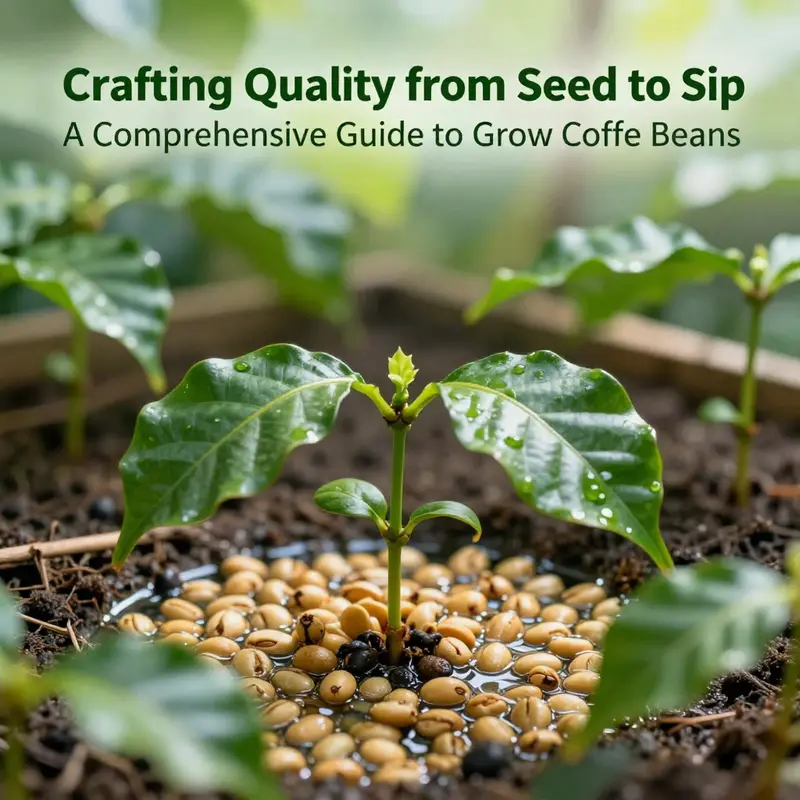
The journey of a coffee bean begins long before a farmer spots a leaf unfurling from a shoot. It starts with a seed, a tiny vessel carrying the potential of flavor, resilience, and aroma. In the world of coffee cultivation, germination and seedling nurture are not merely mechanical steps; they are the critical opening act that sets the tone for the tree’s vigor, the plant’s ability to resist stress, and ultimately the coffee that ends up in the cup. Getting this stage right is a blend of science, intuition, and careful tailoring to local conditions. It is where the art of growing coffee beans begins to shape the science of quality, and where even small decisions ripple through the landscape for years to come.
Choosing viable seeds is the first step in this delicate sequence. Growers often begin with properly selected green coffee beans or well-sourced seeds that promise high germination rates. Seed viability matters more than many other early decisions because a strong start reduces the risk of dampened growth later. In the field, the seeds may be sourced from well-managed trees that express desirable traits: robust vigor, disease tolerance, and a steady pace of development. To gauge viability, a simple germination test can be done in controlled conditions, where seeds are placed in a damp, warm environment and observed for sprouting. The diligence invested here pays off later as seedlings emerge with uniformity, a trait that makes subsequent field management far smoother.
Within the spectrum of germination science, researchers have been exploring methods that move beyond traditional timing and temperature controls. One such avenue is anaerobic germination, a technique in which green coffee beans germinate under oxygen-deprived conditions. This approach has sparked interest not only for its potential to speed up the initiation of growth but also for its influence on the beans’ chemical makeup. Studies indicate that anaerobic germination can lower certain undesirable compounds, such as caffeine and acrylamide, while enhancing some flavor-related attributes that are detected in sensory evaluations. The changes observed are nuanced and depend on precise control of germination time and conditions. When overstepped, however, the same process can push the beans toward fermentative and vegetal notes that may not align with desired profiles. In practical terms, this means that the same technique that offers quality rewards also requires a careful eye, rigorous timing, and an understanding of how these early shifts might translate into the cup years later.
Traditional germination practices occupy a contrasting space in the spectrum of innovation. In many farming systems, germination occurs as a natural extension of the processing environment. Beans stored in moist, warm environments during post-harvest periods begin the germination process, leveraging the moisture and warmth they already possess. Farmers who work with traditional approaches keep a close eye on moisture levels, warmth, and choices that protect seeds from pathogens. The aim is not to force speed but to create reliable conditions under which the seeds can awaken with steady vigor. For seedling development, this translates into shaded nursery settings where consistent moisture and warmth are maintained, shielding young plants from heat stress and disease pressure. The shade is not simply a concession to the tropical sun; it becomes a microclimate that nurtures delicate root systems and supports balanced shoot growth. When the nursery is well managed, the resulting seedlings come from a bed of gentle, controlled conditions rather than a harsh field environment from day one. The difference is palpable in terms of seedling uniformity, resilience, and the subsequent ease of field transplanting.
Nursery management then becomes the bridge between seed and field. Here, the seed’s potential is translated into sturdy root systems and well-formed shoots. A hallmark of successful nurseries is the use of a well-aerated, moisture-retentive medium. A combination such as a peat-like substrate, coconut coir, and perlite provides the dual benefits of nutrient retention and air porosity, supporting robust root expansion without waterlogging. The shade level, often around 70 percent, helps keep temperatures within the favorable range of roughly 20 to 25 degrees Celsius. This warmth mirrors the ecological niche of many Arabica varieties, which appreciate gentle warmth rather than scorching heat in their early stages. Seeds or transplanted seedlings thrive when the environment encourages steady root exploration, shallow but vigorous root branching, and a shoot system that remains compact but strong enough to resist wind and minor disturbances.
Seed preparation often includes a pre-treatment to improve germination performance. A practical approach is soaking high-quality seeds in warm water—around 50 degrees Celsius—for about 24 hours. This step can help soften the seed coat and initiate the imbibition process, which primes the seed for faster and more uniform sprouting. After soaking, a quick germination test can reveal which seeds are likely to perform well under nursery conditions. Once viability is established, seeds are sown in the shaded nursery bed or in propagating pots filled with the prepared medium. The combination of moisture, warmth, and shade supports germination while protecting seeds from pathogens that can seize a moment of vulnerability as the seed coat ruptures.
Transplanting is the moment when the plant moves from its protected nursery cocoon toward a more expansive setting. After three to six months, when seedlings typically bear two to four true leaves and measure roughly 30 to 40 centimeters tall, they are readied for field transfer. The transition is not a single event but a careful process of acclimatization, often called hardening off, during which seedlings gradually adjust to exogenous light and fluctuating humidity. Individual pots or larger nursery beds keep the young plants supported as their root systems stretch into the new environment. Spacing becomes a consequential decision here because it determines air movement, light interception, and root exploration. The numbers for Arabica versus Robusta reflect different growth habits and management needs. Arabica often benefits from more open spacing, while Robusta can tolerate somewhat denser planting. The choice influences future yields and the ease with which shade can be managed to optimize growth and disease resistance.
Shade remains a central theme as the plant moves from nursery to field. Coffee trees thrive with partial shade, and the shade strategy often blends with farm-level design. In practical terms, many commercial farms plant tall shade trees such as banana or mango to provide a living canopy. Shade is not merely a passive veil; it shapes the microclimate, moderates daytime heat, and influences water use and nutrient cycling. The quality implications can be subtle but meaningful. Some research in tropical contexts indicates that shade-grown coffee can exhibit higher sugar content in the beans, a factor that can contribute to perceived sweetness and balance in the final cup. The nuance lies in balancing shade with airflow to minimize moisture buildup and disease risk. For producers, the shade decision becomes a practical lever to tune both plant health and eventual cup quality, rather than a one-size-fits-all strategy.
The first three years of field management build on the sturdy foundation laid in the nursery. Watering, fertilization, weed control, and pruning become the routine rhythm that shapes the young trees into resilient producers. Regular watering during dry spells is essential, but overwatering must be avoided to prevent root oxygen deprivation and fungal issues. A drip irrigation system, when available, offers precise water delivery that supports uniform growth without waste. Fertilization follows a staged approach: young trees benefit from higher nitrogen levels to promote lush leaf and stem development, while flowering and fruiting stages require increased phosphorus and potassium to support the formation of robust inflorescences and a healthy fruit set. This nutrient cadence aligns with the plant’s changing physiology, helping ensure that energy flows into the right tissues at the right times.
Weeding and mulching contribute to a thriving root zone. Manual weeding or organic mulches—rice husks, wood chips, or leaf litter—keep weed competition at bay, conserve soil moisture, and gradually enrich the soil with organic matter as the mulch breaks down. Chemical herbicides are generally avoided in these early stages to preserve soil biodiversity and the delicate microbial balance that supports nutrient availability. Pruning plays a complementary role: training the young tree by shaping the main stem to encourage branching keeps the canopy open for air movement, light penetration, and disease prevention. As the plant matures, pruning evolves into a maintenance practice that removes dead or diseased wood and preserves vigor. Each cut is a deliberate decision that affects the tree’s architecture, the fruiting structure, and the microhabitat that surrounds the plant.
Harvesting remains distant at this stage, yet the seedling’s early onset of vigor foreshadows how it will perform at bearing height. A robust, well-spaced, shaded stand is more likely to enter harvest with uniform fruit development and a reduced incidence of pest and disease pressure. The seedlings’ root systems, their tolerance to environmental fluctuations, and their capacity to form a strong, structured canopy will all translate into steadier yields and more predictable management in the years ahead. In this way, germination and seedling nurture become more than a technical requirement; they become the seed of consistency, a quiet promise that the subsequent chapters of cultivation will unfold in a more controllable, more quality-focused manner.
There is room for experimentation within this framework. Some farms pursue anaerobic germination as a research-driven trial to observe how it shifts the seedling’s performance and position in the field. When implemented with careful control, this technique can yield seedlings with a distinct biochemical fingerprint that aligns with targeted flavor objectives and sensory expectations. Yet it also demands meticulous monitoring to avoid unintended sensory drift toward vegetal or fermentative notes. The growing environment—temperature, humidity, air exchange, and timing—must be understood as a holistic system. The seedling’s first months influence its root architecture, its shoot-to-root ratio, and its capacity to withstand the heat and pests it will meet in the field. This is why germination is not a standalone task but an integrated part of a chain that links soil, climate, plant physiology, and future quality.
For farmers and researchers alike, the seedling stage is a time to observe how the plant negotiates its local landscape. It is a period of learning, adaptation, and delicate adjustments. Whether the approach is traditional, experimental, or a measured blend of both, the goal remains the same: produce healthy, vigorous trees that can carry coffee through decades of harvests. The seedling’s early trajectory often predicts how the orchard will respond to pruning regimes, how well it will establish mycorrhizal partnerships in the root zone, and how consistently the trees will yield in subsequent seasons. The capacity to translate that early vitality into durable productivity is one of the most reliable indicators of a well-executed growing program.
In this light, germination and nursery nurture become more than a preliminary chapter in the story of coffee beans. They are a foundational narrative—one that ties seed quality to soil health, from shade architecture to water management, and from mineral balance to long-term flavor outcomes. The work of germination is, in a sense, the craft of setting a stage where future flavor can emerge with clarity and depth. That stage is not universal; it must be adapted to climate, altitude, and cultivar. Yet the underlying principles—viable seeds, gentle initiation of growth, careful environmental control, and thoughtful transition to field conditions—resonate across ecosystems and farming systems. When these principles are honored, the probability of a thriving orchard rises, and the journey from seed to cup becomes a traceable, accountable path. This is the quiet but essential truth that anchors the entire enterprise of growing coffee beans: the start matters, and its care reverberates through every cherry that ripens, every harvest, and every sip.
As researchers continue to map how germination timing, oxygen levels, and microbial interactions shape seedling vigor, growers have new levers to pull. The evolving evidence supports the idea that even tiny shifts in early stages can ripple forward, altering biochemical pathways that influence aroma, sweetness, and balance in the cup. The challenge is to balance innovation with practicality, to translate laboratory insights into field-ready practices that respect local soils and microclimates. In practice, this means calibrating germination strategies to feed the soil, nurture the roots, and support a resilient canopy. It means protecting young plants from disease while enabling enough airflow and light to prevent overcrowding. And it means recognizing that every seedling carries a story—of origin, of care, of environment—and that story unfolds over years as the plant grows toward maturity and the beans begin their life again in another seed, ready to begin this journey anew.
For readers who want to explore the science behind anaerobic germination and its potential to refine Arabica quality, the research body offers detailed insights into how controlled oxygen deprivation can reshape flavor profiles and reduce certain unwanted compounds. This growing edge in germination science provides a compelling example of how agronomic practice and sensory outcomes intersect, inviting growers to consider how even their seedling stage could contribute to a more nuanced, expressive cup. As with all experimental approaches, careful management, documentation, and a willingness to adapt are essential. The seedling phase remains a place where curiosity and discipline meet, and where the next chapters of growing coffee beans begin to take shape. For a deeper look at this technique and its implications, see the referenced external study, which outlines the potential quality enhancements and the caveats of over-sprouting that practitioners must heed: https://doi.org/10.1016/j.crfs.2023.100461
Fieldcraft for Flavor: Mastering the Ground Rules of Growing Coffee Beans
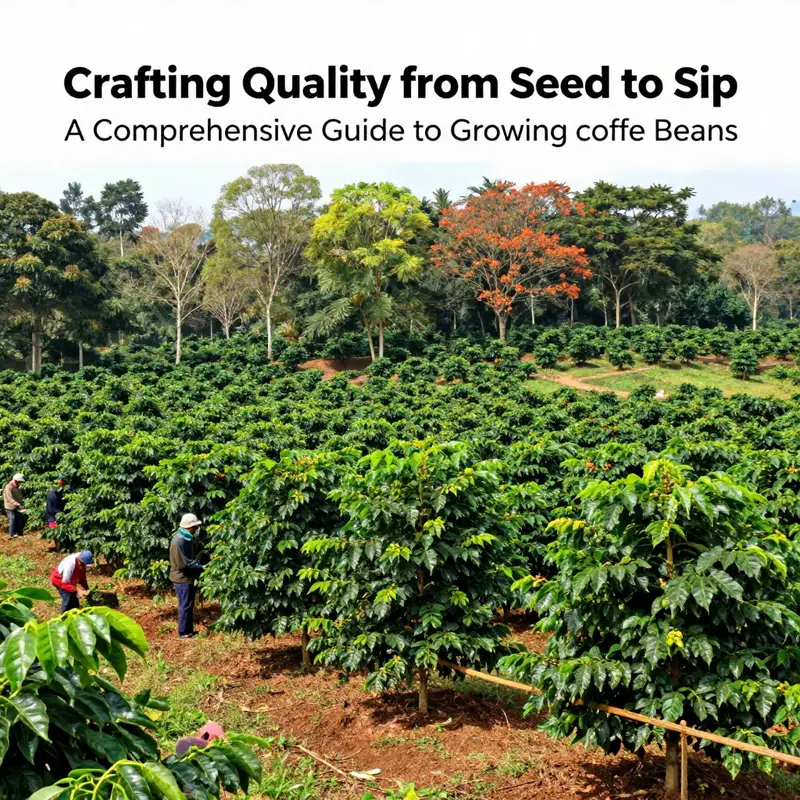
Field management in coffee cultivation is a quiet, patient discipline that begins long before first buds appear and continues through every harvest year. It is the art of shaping conditions so the plant can do its best, not by force, but by guiding its growth with intention. The research on field management emphasizes a deliberate sequence: prepare the site for at least a year before planting, clear competing vegetation, manage weeds, contour the land to control erosion and promote drainage, and enrich the soil so young seedlings meet a living, breathing bed of nutrients. This foundation matters because coffee plants, particularly the high-value Arabica varieties, are finicky about where they take root. They require well-drained soils, a slightly acidic pH, and a microclimate that protects them from extremes. When these conditions are met, the plant can invest energy in leaf production and root development, not in simply surviving. The planting bed becomes a living engine that will power years of growth, fruiting, and, ultimately, the flavor profile of each harvest.
Clearing vegetation is more than clearing space; it is choosing a balance between competition and ecological harmony. Coffee seedings must contend with other plant roots that siphon moisture and nutrients, so the initial weeding focuses on reducing competition without stripping away all life from the soil surface. A dense mulch layer after planting then acts as a reservoir, moderating temperatures and maintaining steady moisture. Yet the work does not end with clearing. Contouring—shaping the land to create gentle slopes that slow runoff and improve water infiltration—remains essential. In regions where heavy rain can wash away topsoil, terracing or contour ridges become an inexpensive defense against nutrient loss. Where water is scarce, contouring guides the limited precipitation toward the root zones. The analysis of field management shows a direct link between soil condition and the vigor of young trees; a robust early growth stage reduces vulnerability to pests, increases initial yields, and accelerates the transition into a steady, long-term production cycle.
Soil enrichment is the quiet revolution at the heart of field management. Organic matter—compost, well-rotted manure, or green manures—acts as both a slow-release fertilizer and a soil conditioner. It feeds microbial life, improves soil structure, and enhances holding capacity for moisture. In practice, this means the long, patient process of integrating organic matter into the planting beds, then monitoring how the soil responds to the first cycles of irrigation and rain. The aim is not merely more nutrients but a living soil that can buffer weather fluctuations and sustain steady growth over a decade of production. Regular soil testing, a practice already common in professional operations, provides the map of what the soil needs and when. It helps growers tailor nutrient inputs to the plant’s developmental stage, reducing waste and environmental impact while keeping the canopy vigorous and productive.
Field management also calls for vigilance against pests and diseases, a reality that becomes more acute as the plantation expands. Kenya, a country repeatedly cited in field-management discussions, illustrates how pests can intensify when conditions are favorable for insects and fungi. The coffee berry borer, thrips, leaf miners, yellow-headed borer, white borer, green scales, Kenya mealybugs, and Antestia bugs are among the challenges growers face. The response framework for these threats is integrated pest management (IPM), a layered approach that blends cultural methods, biological controls, and careful chemical interventions when necessary. Cultural controls include pruning to increase air movement and sunlight penetration, sanitation to remove fallen material that harbors pests, and sanitation practices that limit reservoirs for pests in the canopy and understory. Biological controls rely on natural predators and parasitoids, which require habitat for their own survival—hence the value of diverse shade trees and surrounding vegetation that support a balanced ecosystem. Chemical applications are used judiciously, aimed at targeting specific pest populations while safeguarding beneficial organisms and soil health. The overarching principle is to minimize disruption to ecological networks while keeping pest pressure at a level that does not threaten yield or quality.
A cornerstone of field management is the careful selection of shade and the management of microclimates under that shade. Partial shade is not simply a shield from heat; it is a regulator of photosynthesis, flowering, and fruit set. Shaded coffee tends to mature more slowly, a condition that can translate into better bean development and a more nuanced flavor profile. The research notes that shade-grown systems can improve bean chemistry, including sugar content, which can influence sweetness, body, and perceived balance of aroma and acidity in the cup. The shade strategy often involves tall, long-lived trees that also contribute to soil health through leaf litter and root systems that help bind the soil. In commercial systems, shade can be achieved with a mosaic of native trees or with carefully selected agroforestry species. Beyond ecological benefits, shade also reduces temperature stress on the canopy, helps conserve soil moisture, and creates a more hospitable habitat for pollinators and natural enemies of pests. This integrated approach to shade management enhances resilience and supports a more consistent harvest across the year.
Irrigation and water management form another pillar of field management. Coffee plants rely on even moisture to avoid stress that can stall growth or trigger susceptibility to disease. In areas with irregular rainfall, a well-planned irrigation system, ideally drip-based, delivers water with precision to the root zone. The emphasis is not on saturating the soil but on sustaining a steady supply during dry spells. Drip irrigation also reduces weed growth by limiting water available to opportunistic plants around the base of the trees. The interconnection between soil health, moisture, and microbial life is clear: when the soil is well-structured and full of organic matter, it can hold more water and release it gradually to roots, buffering the plant through drought conditions and enabling a more reliable development cycle.
Pruning and tree maintenance are ongoing, year-to-year tasks that shape the structure of the whole canopy. Pruning helps direct growth to productive stems and improves air circulation, reducing the risk of fungal disease. When done correctly, pruning removes dead or diseased branches and opens the canopy to sunlight, which then supports even fruit development and easier harvests. Pruning is not a one-time event but a recurring practice that aligns with seasonal cycles of growth, flowering, and fruiting. For young trees, a specific approach is recommended: train the main stem to about 60–80 cm before allowing branching to develop. This establishes a well-spaced scaffold that can carry future yields without overloading any single limb. As trees mature, pruning shifts toward removal of deadwood and the maintenance of an open structure that supports good air movement and easy access for harvesters. The discipline of pruning extends to sanitation after harvest, when prune cuts help prevent overwintering of pests and reduce disease inoculum in the canopy.
Field establishment practices in origin regions offer a window into combining tradition with modern science. In places like Ethiopia, Arabica coffee fields have evolved through generations of intercropping and careful compost use. The traditional model, with its emphasis on biodiversity and soil enrichment through compost rather than synthetic inputs, demonstrates how sustainable practices can align with long-term productivity. This traditional wisdom coexists with contemporary research that supports integrated nutrient management and soil restoration as central to field success. That synthesis—intercropping to build resilience, composting to feed soil biology, and selective use of inputs—appears repeatedly in field-management narratives across coffee landscapes. The modern interpretation is not a rejection of tradition but an elevation: a system that preserves ecological integrity while delivering reliable yields and high-quality beans.
The practical implication of this integrated approach is that field management is not about isolated acts but about a living, responsive system. It involves a cycle: prepare and enrich the soil, establish a shade-enabled microclimate, plant with careful spacing, protect the canopy from pests through cultural and biological means, irrigate as needed, prune to maintain structure and airflow, and adapt with ongoing soil and plant nutrition based on monitoring results. Intercropping with biodiversity-friendly species, including tree canopies that anchor soils and slow erosion, becomes a core strategy rather than an afterthought. Intercropping offers multiple benefits: diversified pest pressures, improved microclimate, enhanced soil health, and potential yield stability across seasons. The long-term payoff is a plantation that is not only productive but also resilient to climatic variability and better for the broader ecosystem in which it operates.
An important, practical nuance lies in the balance between shade density and light requirements for the coffee varieties in question. Arabica, with its preference for altitude and moderate light, tends to respond positively to partial shade. Robusta, being more tolerant of heat, may tolerate less shade but can still benefit from a canopy structure that reduces heat stress and supports a more stable soil environment. The field-management plan therefore must tailor shade, irrigation, and nutrient inputs to the variety and the local climate, recognizing that one-size-fits-all strategies rarely achieve optimal results. In this sense, field management becomes a collaborative practice: growers, extension agents, and researchers co-create site-specific strategies that reflect soil type, altitude, rainfall patterns, pest pressures, and market goals.
Finally, the value of patience should not be understated. Coffee field management is a long horizon craft. A well-tended field can produce beans for 20–30 years, and sometimes even longer when soil health is maintained and pest pressures are kept in check. This longevity underscores the importance of sustainable practices, gentle stewardship, and continuous learning. The field acts as a teacher: the more you understand its rhythms, the better you align your inputs with the plant’s needs, the easier it becomes to predict outcomes, and the more consistent the harvest quality becomes over time. The cumulative effect of thoughtful field management shows up in the cup as consistent aroma, balanced acidity, and a nuanced sweetness that reflects a well-cared-for garden rather than a harvest driven by inputs alone.
For readers seeking a deeper, research-based understanding of field establishment and management practices in Arabica coffee, the Ethiopian context provides a detailed, peer-reviewed foundation that reflects both traditional wisdom and modern agronomic principles. See the external resource for a comprehensive review of field establishment, management, and soil health considerations in Ethiopia: https://www.researchgate.net/publication/361845720CoffeeCoffeaarabicaLFieldEstablishmentandManagementPracticesin_Ethiopia
From Cherry to Cup: The Quiet Art of Post-Harvest Coffee Processing
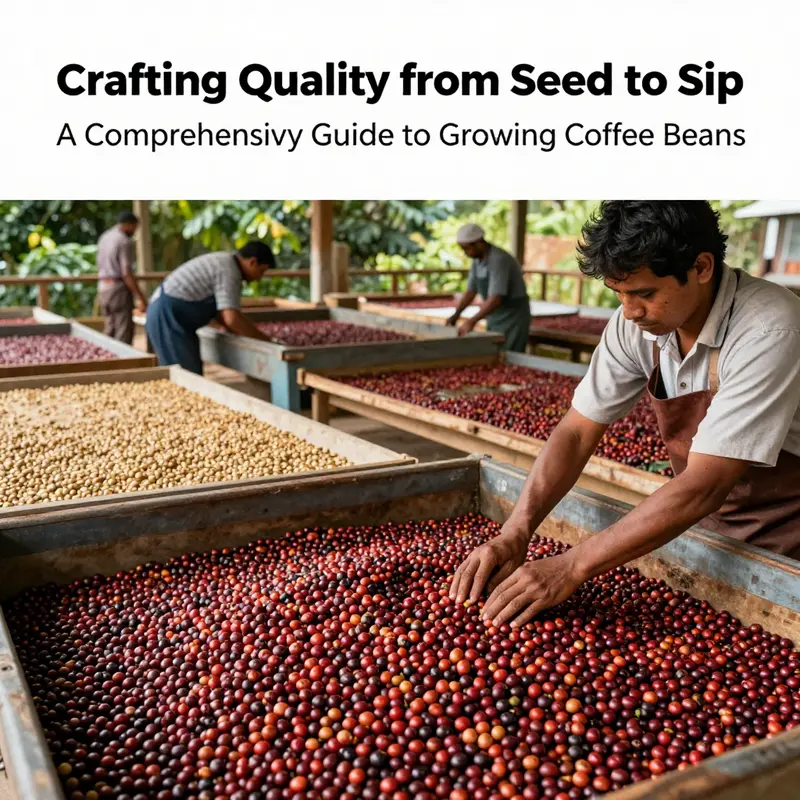
Post-harvest processing stands as a hinge in the journey from field to cup. It is where the harvested fruit is transformed into the green beans that carry aroma, acidity, and the potential for a distinctive regional signature. The objective is to remove the fruit and dry the beans to a stable moisture level, but the practical paths vary widely. The three common routes natural dry processing, washed or wet processing, and honey or semi-washed processing each offer a unique set of advantages, risks, and flavor trajectories. The target moisture content is typically between 10% and 12%. Achieving that requires environment control, timing, and a nuanced sense of how different processing choices interact with harvest maturity. The choice of method often reflects a farm’s climate, water availability, labor capacity, and the flavor profile a producer hopes to accentuate. The interplay between these factors is rarely linear; it is a dynamic balancing act that begins the moment the cherries are picked and extends through the drying yard, the husk removal, and the first steps toward green coffee storage. As with cultivation, the broader objective is consistency—an ability to deliver reliable quality year after year while respecting the terroir of the region and the expectations of buyers. The post-harvest window is narrow and unforgiving: too little drying leaves beans vulnerable to mold and moisture swings, while over drying can flatten acidity and mute nuanced notes. The craft lies in monitoring microclimates, adjusting procedures to daily weather, and keeping a careful ledger of moisture readings, fermentation progress, and signs of bean health. In practice, let us walk through the primary methods and the practical implications they bring to the table, recognizing that each path has a distinct sensory fingerprint and logistical footprint.
Natural or dry processing begins with ripe cherries laid out to dry with the fruit still attached. This method speaks to the fruit-forward, sometimes wine-like character that many observers prize in certain regional profiles. The operation hinges on surface area exposure and consistent turning to prevent fermentation pockets and mold. Raised beds, patios, or screen floors are commonly used to maximize air flow and sun exposure. The drying period can span from 10 to 20 days, depending on sun intensity, humidity, and the depth of the cherry layer. As the fruit ferments around the bean, mucilage gradually dries and adheres to the parchment. The risk profile for dry processing is particular: if the cherries are overripe or exposed to moisture-rich nights, fermentation can veer toward muddiness or off-flavors. Conversely, meticulous turning, humidity management, and vigilant mechanical checks can yield a vibrant sweetness with a fuller body and a pronounced fruit profile that some flavor seekers chase. The flavor implications of natural processing are profound. Beans often carry bright, fruity notes, with a wine-like complexity that can translate into blueberries, stone fruit, or tropical tones depending on origin and cultivar. The sensory payoff comes with careful curation of the drying environment, because the same cherries can produce a completely different cup if the drying is too fast, too slow, or uneven.
Washed or wet processing represents a different philosophy of cleanliness and flavor clarity. In this approach, the aim is to remove the fruit pulp before the mucilage adheres to the bean, then to gently ferment the remaining sticky layer in water to break down mucilage and reduce its adhesiveness. The essential steps begin with pulping and washing, using mechanical pulpers to separate the fruit from the bean. After pulping, the beans and their attached mucilage enter fermentation tanks or tanks of water. Fermentation time is carefully controlled; it can range from as little as 12 hours to as long as 48 hours, depending on ambient temperature, mucilage thickness, and the target acidity. Once fermentation reaches the desired state, thorough washing removes fermentation byproducts and any residual mucilage, and the beans proceed to drying. The technical demands of the washed process are significant. It requires a reliable water supply, attention to waste management, and precise control of fermentation time to avoid over-fermentation and the growth of undesired flavors. The flavor profile of washed coffees is often described as brighter and cleaner, with heightened perceived acidity and a greater sense of clarity in the cup. The aroma can be more citrusy, winey, or tea-like, with less of the heavy fruitiness sometimes associated with dry-processed lots. Drying in washed coffees is still essential, but the drying curve tends to be shorter and more uniform due to the reduced fermentative load.
Honey processing, sometimes labeled semi-washed or semi-dry, sits between these two extremes. The outer skin is removed, but some portion of the mucilage remains on the bean during the drying phase. The result is a remarkable balance between body and sweetness, with a flavor profile that often carries nuanced fruit character, honeyed sweetness, and a smoother finish. The level of mucilage left on the bean is a deliberate variable; producers monitor the rate at which moisture is released from the mucilage during drying, the intensity of mucilage adhesion, and how evenly the drying surface behaves in sun and shade. Honey processing calls for careful moisture management, because too much mucilage can prolong drying and invite fermentation defects, while too little mucilage can push the cup toward a leaner, drier perception. The flavors produced by honey processed coffees can be rich and complex, showing notes akin to caramel, stone fruit, and subtle wine-like elements, yet often with more balance and less acidity than some fully washed lots. The variability inherent in honey processing can be a strength: it allows micro-regional identity to emerge through how mucilage interacts with temperature, airflow, and drying surface. Yet it also demands a disciplined approach to drying speed, mucilage management, and quality checks to prevent stuck fermentation or moisture pockets.
Across these methods, several common threads bind the practice together. First is moisture control. Regardless of method, the objective is to bring green beans to a stable 10% to 12% moisture content. This target ensures storage stability and roasting consistency, enabling the beans to survive transit and handling until they are roasted and brewed. Second is timing and environmental awareness. The post-harvest window is sensitive to daily weather patterns, and the most successful producers read the sky almost as closely as they read their equipment meters. They track daily moisture readings, surface temperatures, and the integrity of the drying surface. Third is sanitation and quality assurance. From depulping equipment to hulling machines, every step benefits from clean surfaces, well-maintained machinery, and careful handling to avoid mechanical damage to beans and the introduction of mold or bacterial contamination. The aggregate impact is visible in the cup: the same bean lot can express dramatically different profiles based on how the post-harvest phase was executed, as well as how rigorously drying and storage were managed. The broader farming system, including pre-harvest decisions, can influence the post-harvest options that make the most sense in a given place. Climate, rainfall patterns, and altitude shape not only when cherries ripen but also how quickly and uniformly they dry after harvest. Shade management, bin design, and canopy structure may affect how sun and air circulate around drying beds, while water availability can determine whether a fully washed approach is feasible year-round or if a hybrid approach that combines partial mucilage removal with sun drying offers a better balance of cost and quality. Even small adjustments to the post-harvest workflow—such as rotating bed surfaces to equalize drying, or calibrating fermentation tanks to a narrower temperature band—can yield noticeable improvements in stability and flavor expression from one season to the next. This is the integrative nature of coffee production in action: agronomy informs harvest timing, harvest timing informs processing choices, and processing choices determine how the field’s unique profile translates into the cup.
For farmers looking to grow consistent, high-quality beans, the post-harvest phase is not a standalone finale but part of an ongoing craft. It demands attention to the microclimate of the drying yard, discipline in equipment maintenance, and a thoughtful approach to the market’s expectations for cup quality. In regions where water is plentiful and labor is abundant, the washed process often yields a clean, bright cup with exceptional clarity and acidity. In arid or semi-arid zones, natural or honey processing can leverage the environment to create distinctive, sometimes fruit-forward profiles, provided that drying is controlled with vigilance. Each farm ultimately writes its own post-harvest story, one that intersects with soil health, shade strategy, and the resilience of the cropping system as a whole.
As you consider your own journey from seed to cup, recognize that post-harvest processing is a field where craftsmanship meets science. The methods discussed here are not rigid formulas but flexible frameworks that can be tuned to local conditions, market preferences, and the farmer’s ambition for flavor. The ultimate measure is not the elegance of the machinery or the complexity of the process alone, but the reliability of the final product—the green coffee that roasts evenly, reveals its identity in aroma and taste, and travels a path from farm to consumer with minimal waste and maximal respect for the environment. In the end, this is where the agricultural art of growing coffee beans matures into the sensory art of coffee tasting. The journey from cherry to cup, though technical at its core, remains a human-scale practice rooted in observation, patience, and a commitment to quality at every turn.
External resource for deeper technical context on processing equipment and drying technologies: https://www.example.com/coffee-dryer-technical-details
Final thoughts
Mastering the cultivation of coffee beans involves a deep understanding of each phase from seed selection to post-harvest processing. By carefully choosing the right variety, nurturing seedlings, executing precise field management, and implementing effective post-harvest techniques, business owners can cultivate premium coffee that stands out in a competitive market. Each aspect of this complex process contributes to the overall success of coffee production, ensuring not just a sustainable yield but also beans that boast rich flavors, catering to diverse consumer preferences. As you embark on this aromatic journey, remember that each cup of coffee you offer encapsulates the thoughtful labor and dedication invested from start to finish.