
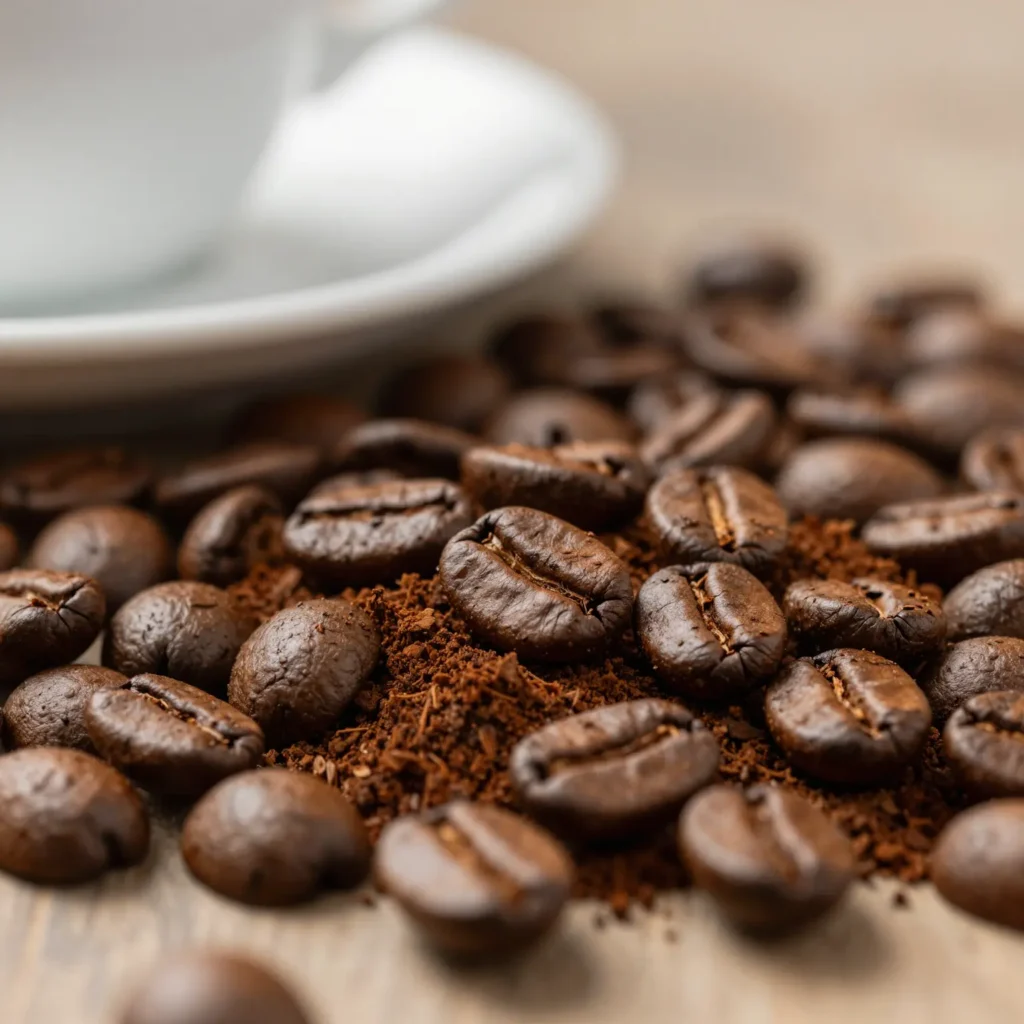
In the competitive world of the coffee industry, the key to providing an unparalleled customer experience lies in one crucial aspect: proper grinding of coffee beans. Imagine walking into a café where the aromatic scent envelops you, igniting your senses and beckoning your taste buds. This experience largely hinges on the quality of the coffee, which starts at the very beginning of the brewing process-grinding. For business owners, understanding the nuances of how to grind coffee beans can be the difference between serving a mediocre cup and one that leaves customers eagerly returning for more. The grind size affects not only the extraction time but also the flavor profile of the coffee, influencing whether the resulting cup delights or disappoints your clientele. With a well-executed grind, you can enhance the richness of the beans, unlocking their full potential and delivering a delightful beverage that keeps customers coming back for their daily fix. As we delve deeper into the art of grinding coffee beans, we’ll explore various techniques and tools that can elevate your coffee offerings and solidify your brand’s reputation for quality. So, let’s get started on this journey to coffee excellence and ensure your business stands out in a crowded marketplace!
Benefits of Grinding Coffee Beans for Business
Grinding coffee beans on-site not only enhances the overall quality of your product but also significantly boosts customer satisfaction. Freshly ground coffee offers several key benefits that can help coffee-related businesses thrive.
Improved Taste and Quality
-
Freshness and Flavor: The most significant advantage of grinding coffee beans just before brewing is the preservation of freshness. Coffee beans contain volatile compounds that contribute to flavor and aroma, which start to degrade shortly after being ground. By offering freshly ground coffee, businesses can ensure that customers experience a richer and more aromatic cup, akin to what experts refer to as a “blooming” effect during brewing.
-
Control Over Grind Size: Different brewing methods require different grind sizes. By allowing customers to choose, businesses can cater to nuanced preferences, which can lead to an improved flavor profile and overall satisfaction. This customized experience not only enhances the product but also fosters customer engagement as they explore various options.
-
Enhanced Flavor Extraction: Grinding increases the surface area of the coffee, allowing water to extract oils and flavors more efficiently during brewing. The result is a more robust cup of coffee that satisfies the palate.
Impact on Customer Satisfaction and Sales
-
Consumer Expectations: Modern consumers, especially coffee aficionados, are increasingly knowledgeable about coffee quality. Providing freshly ground coffee aligns with consumer expectations for quality and freshness, enhancing customer loyalty and encouraging repeat visits.
-
Boosting Brand Reputation: Coffee quality directly impacts how a brand is perceived. Offering freshly ground options can elevate a business’s reputation in a competitive market. Customers often share their experiences, so a strong emphasis on quality can lead to organic growth through word-of-mouth.
-
Profit Margins: Freshly ground coffee can often command higher prices. Customers are typically willing to pay a premium for a superior experience, which can elevate profit margins for coffee shops and businesses.
-
Market Trends: Trends indicate a rising demand for higher-quality coffee experiences. By providing freshly ground options, businesses position themselves favorably within this market shift, potentially increasing sales and expanding their customer base.
In conclusion, grinding coffee beans can significantly enhance the taste and quality of coffee, leading to heightened customer satisfaction and an uptick in sales. With these benefits in mind, business owners should consider integrating on-site grinding as part of their offerings to meet the increasing demand for quality coffee experiences.
Types of Coffee Grinders
Coffee grinders come in various types, each with unique features, advantages, and disadvantages. Understanding these can help business owners choose the right grinder to enhance their coffee offerings. Below are the primary types of coffee grinders:
1. Blade Coffee Grinders
Description: Blade grinders use rapidly spinning blades to chop coffee beans into smaller pieces. They resemble blenders in design.
- Pros:
- Inexpensive and widely available.
- Suitable for quick grinding of small batches.
- Easy to use and clean.
- Cons:
- Produces uneven grind sizes, which can affect flavor extraction.
- Generates heat, potentially affecting the coffee’s taste.
2. Burr Coffee Grinders
Description: Burr grinders crush coffee beans between two abrasive surfaces, providing a more uniform grind size.
- Pros:
- Consistent grind size, which is crucial for optimal brewing and flavor extraction.
- Available in manual and electric forms; manual grinders are often more portable.
- Better suited for various brewing methods (espresso, drip, etc.).
- Cons:
- Generally more expensive than blade grinders.
- Can be bulkier and require more maintenance.
3. Manual Coffee Grinders
Description: These grinders require physical effort to operate and are often compact and portable.
- Pros:
- Allows for precise control over the grind size.
- Typically quieter than electric grinders.
- Ideal for specialty coffee enthusiasts who value the grinding process.
- Cons:
- More labor-intensive and time-consuming.
- Limited capacity compared to electric options.
4. Electric Coffee Grinders
Description: Electric grinders automate the grinding process, allowing for quick and consistent results.
- Pros:
- Fast and efficient, perfect for high-demand scenarios.
- Often come with multiple grind settings for versatility.
- Minimal physical effort required.
- Cons:
- Can be noisy compared to manual grinders.
- May take up more space and be less portable.
How to Choose the Right Coffee Grinder for Your Business
When selecting a coffee grinder for your business, consider the following factors:
- Target Customer Base: If you serve high volumes of coffee, a quality burr grinder may be necessary. If you have a lower volume or a more casual café, a blade grinder may suffice.
- Volume Needs: For a café that needs to grind coffee for many customers throughout the day, an electric burr grinder with a larger capacity is recommended (see the pros and cons of various grinders).
- Brew Methods: Different brewing methods require different grind sizes, so look for a grinder with multiple settings.
- Budget: Factor in your budget and the expected ROI; higher-quality grinders will cost more initially but could lead to better customer satisfaction and repeat business.
Conclusion
Choosing the right coffee grinder is essential for any coffee business. Burr grinders are generally favored due to their consistency and quality, but depending on individual business needs, smaller or more affordable options may also be viable. Always conduct thorough research and read reviews before making a purchase to ensure that the grinder suits your operational needs. For additional insights on wellness in business settings, you might find this article on how occupational therapy supports mental health helpful.
Coffee Grinder Comparison Table
Here’s a comparative table featuring the key characteristics of different types of coffee grinders:
| Grinder Type | Price Range | Grind Consistency | Ease of Use | Maintenance |
|---|---|---|---|---|
| Blade Grinders | $10 – $50 | Inconsistent | Very easy | Low (occasional cleaning) |
| Burr Grinders (Flat) | $30 – $200 | Very consistent (excellent for espresso) | Moderate | Moderate (cleaning and burr replacement) |
| Burr Grinders (Conical) | $30 – $300 | Good consistency (versatile) | Moderate | Moderate (cleaning and burr replacement) |
Details Explained
- Price Range: A key factor for many business owners looking to invest in coffee equipment, with blade grinders being the most budget-friendly.
- Grind Consistency: Essential for the quality of coffee produced; a must for cafes and serious coffee drinkers.
- Ease of Use: Important for those who prioritize quick brewing without complex setup.
- Maintenance: Necessary to ensure the longevity of the grinder and optimal coffee flavor.
For more on choosing the right tools for your coffee shop, learn more about coffee grinder types.

Grinding Techniques and Their Impact on Brewing Methods
The technique used for grinding coffee beans plays a crucial role in the final flavor and richness of the brewed coffee. Here’s an overview of various grinding techniques and how they affect popular brewing methods including espresso, drip coffee, and French press.
Understanding Grind Size
The size of the coffee grind-ranging from fine to coarse-significantly influences extraction rates. The finer the grind, the larger the surface area exposed to water, leading to faster extraction of flavors. Conversely, coarser grinds expose less surface area, slowing extraction. This is vital to understand, as different brewing methods require specific grind sizes to optimize flavor and minimize undesirable tastes.
Impact on Brewing Methods
- Espresso
- Grind Size: Espresso requires a very fine grind, similar to the texture of powdered sugar. This fine grind is crucial as it allows the coffee to form a tight puck within the portafilter, creating the necessary resistance to extract flavors effectively under high pressure. A grind that is too coarse will lead to watery, under-extracted shots, producing sour flavors where the desired rich profile is absent.
- Drip Coffee
- Grind Size: For drip brewing, a medium grind similar to granulated sugar is typically recommended. This size allows water to flow evenly through the coffee grounds, facilitating optimal extraction without clogging the filter. If the grind is too fine, it can create excessive resistance, resulting in a bitter extraction. Conversely, a grind that is too coarse may produce weak coffee with under-extracted flavors.
- French Press
- Grind Size: French press methods benefit from a coarse grind, akin to sea salt. This grind size allows the coffee to steep fully in water without causing over-extraction that leads to bitterness. Fine grinds can result in a gritty texture and muddy taste, detracting from the pleasant experience of French-pressed coffee.
Conclusion
In conclusion, understanding the impact of grind size on different brewing methods can enhance the quality of coffee served in any establishment. Business owners should consider investing in adjustable grinders to cater to the requirements of various brewing techniques, ensuring they meet customer preferences effectively. For further insights on how occupational therapy can support mental health, learn more about the topic.
By carefully selecting grind sizes for methods like espresso, drip coffee, and French press, not only can you improve the flavor profile of your coffee but also provide a better overall customer experience.
This nuanced approach to grinding techniques can make a significant difference in coffee quality served to clients and customers, ultimately enhancing satisfaction and loyalty in any coffee business.
Importance of Grind Size in Brewing Coffee
“Grind size is critical in brewing coffee because it determines how quickly water can extract flavor compounds. A finer grind increases the surface area of the coffee, allowing for faster extraction, while a coarser grind slows it down.”
- Trade Coffee
This quote from Trade Coffee illustrates the fundamental role that grind size plays in the brewing process. Understanding and controlling grind size is essential for achieving the desired flavor profile in coffee, making it particularly important for business owners who aim to serve high-quality beverages.
Common Mistakes in Grinding Coffee Beans
Grinding coffee beans is a crucial step in ensuring a great cup of coffee. However, many business owners make mistakes that can affect the quality of their brew. Here are some common mistakes to avoid:
-
Not Grinding Fresh Beans: Coffee beans start to lose their flavor soon after being ground. It’s essential to grind only the amount you need just before brewing to ensure maximum freshness and flavor.
-
Using the Wrong Grind Size: Different brewing methods require different grind sizes. For instance:
-
Coarse grind for French press
-
Medium grind for drip brewing
-
Fine grind for espresso
Using an incorrect grind size may lead to over-extraction or under-extraction, resulting in bitterness or a weak flavor. -
Over-Grinding or Under-Grinding: Grinding beans for too long can create heat, altering the flavor and resulting in a bitter taste. Conversely, under-grinding leads to a lack of flavor extraction. Finding the right balance is essential for optimal taste.
-
Inconsistent Particle Size: A uniform grind size is crucial for even extraction. Blade grinders often yield unevenly ground coffee, leading to a mix of over-extracted and under-extracted grounds. Investing in a burr grinder can help achieve a consistent grind.
-
Ignoring Grind Time: The amount of time you grind the beans can also affect flavor. Too short can result in weak coffee, while too long can create a bitter brew. Monitor your grind time according to the desired brew method.
-
Not Cleaning Equipment: Residue from previously ground coffee can contaminate the flavor of new batches. Regular cleaning of your grinder will help maintain the purity of flavor and ensure a better cup of coffee.
By avoiding these common mistakes, business owners can significantly enhance the coffee experience for their customers. To further enhance your coffee preparation techniques, learn more about best practices for brewing delicious coffee.
In conclusion, the significance of coffee bean grinding cannot be overstated for business owners in the coffee industry. Throughout this article, we’ve highlighted key aspects of why grinding coffee beans is crucial to achieving an exceptional cup of coffee. Not only does grinding enhance flavor extraction by increasing the surface area of beans, but it also ensures that freshness is preserved more effectively than if the beans are pre-ground and stored. To achieve optimal taste, it’s essential to grind the beans just before brewing, as this practice maximizes aroma and flavor notes. Moreover, understanding the importance of uniform grind size allows for consistent extraction, which is vital for different brewing methods such as espresso, French press, or drip coffee.
For business owners, prioritizing coffee bean grinding can significantly impact the customer’s perception of quality, leading to increased satisfaction and repeat business. Additionally, innovative approaches like pairing high-quality coffee with mobile pizza trucks can create a unique marketplace experience, something modern consumers are eager to relish. Learn more about maximizing your business with unique food pairings and elevate your service offerings. Emphasizing the grinding process can set your coffee offerings apart, ensuring that every cup served is nothing short of excellence.