
Have you ever wondered how much caffeine is hidden within those delightful chocolate coffee beans? As the coffee business continues to evolve, the appeal of innovative products like chocolate coffee is becoming harder to ignore. For business owners contemplating the addition of chocolate coffee beans to their offerings, understanding their caffeine content is crucial. Customers are increasingly interested in where their caffeine comes from and how it affects their day-to-day life. Not only do these products provide a unique flavor profile, but they also cater to a discerning audience that values transparency in their food choices. This opens up opportunities for coffee shops and cafes to diversify their menu, differentiate themselves in a competitive market, and ultimately enhance customer satisfaction. If you’re considering expanding into this sweet, caffeinated realm, knowing what to expect-and how to educate your customers-will be the key to your success.
Caffeine Basics
Caffeine is a naturally occurring stimulant found in over 60 plants, most notably coffee beans, tea leaves, and cacao pods. Its primary role in the body is to enhance alertness by blocking the actions of adenosine, a neurotransmitter that promotes sleep and relaxation. When you consume caffeine, typically through beverages or foods like chocolate coffee beans, you may experience increased focus, improved mood, and a boost in physical performance. This stimulant can lead to elevated heart rates and increased blood pressure, making it essential for business owners to understand its significance both in marketing and product formulation.
Understanding caffeine’s content in products is crucial for several reasons:
- Consumer Awareness: Modern consumers are increasingly health-conscious. Providing clear information about caffeine levels in your chocolate coffee beans can help customers make informed choices regarding their caffeine intake, particularly for sensitive individuals, like those pregnant or with certain health issues.
- Market Appeal: Caffeine enhances the sensory experience; its bitter notes complement chocolate richness, enhancing the flavor while also providing a mild energy boost. Thus, incorporating caffeine strategically can strengthen your product’s appeal and differentiate it in a competitive market.
- Health Considerations: Excessive caffeine consumption can lead to adverse effects, including anxiety, insomnia, and digestive issues. Being transparent about caffeine content not only builds trust but also helps customers avoid overconsumption. Research indicates that five chocolate-covered coffee beans can contain as much as 50-100 mg of caffeine, comparable to a regular cup of coffee, which may lead to unintended consumption if not properly labeled.
For business owners, knowing the caffeine content in your products is not just a regulatory requirement; it’s an opportunity to enhance your brand’s reputation, cater to health-conscious consumer trends, and ultimately, boost sales. Learn more about the health aspects of caffeine here. Additionally, managing how you present caffeine information can keep your customers engaged and loyal to your brand, encouraging repeated purchases.
Caffeine Content Comparison
When considering the caffeine content in various coffee products, it’s essential for business owners to understand how chocolate coffee beans stack up against traditional options like espresso, regular coffee, and decaffeinated coffee. The following table provides a clear visual comparison to assist in making informed decisions regarding product offerings:
| Product | Average Caffeine Content | Serving Size |
|---|---|---|
| Chocolate-Covered Coffee Beans | 10-20 mg per bean | 1 bean |
| Espresso | 63-75 mg | 1 oz (30 ml) |
| Regular Coffee | 95 mg | 8 oz (240 ml) |
| Decaf Coffee | 2-15 mg | 8 oz (240 ml) |
Source: Healthline – Caffeine Content in Common Foods and Drinks
Additionally, for a graphical representation of the data, refer to the bar chart below:
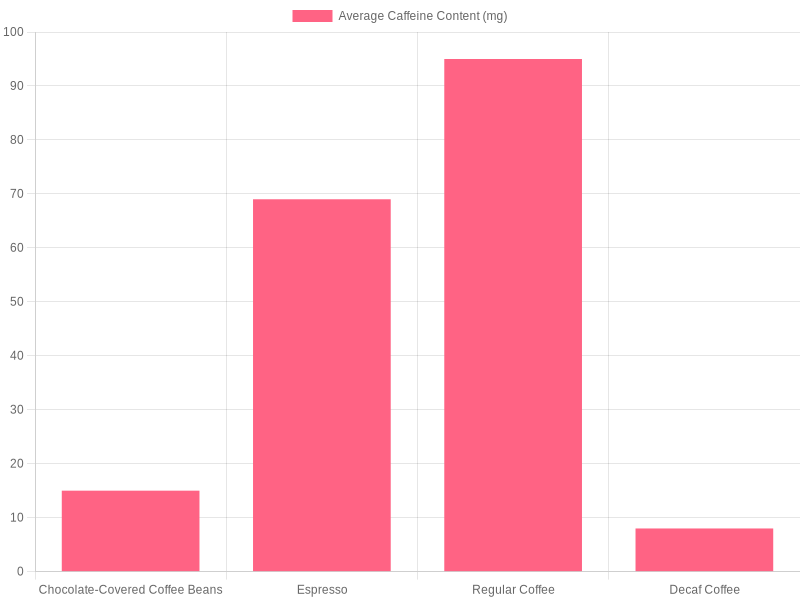
This comparison not only highlights the relative caffeine levels but also aids in assessing potential marketing strategies for chocolate coffee beans versus traditional coffee products. Understanding these differences can enhance product development and customer education initiatives.
Benefits of Chocolate Coffee Beans
Chocolate coffee beans offer a unique blend of flavor and potential health benefits that can significantly appeal to customers. When you consider incorporating them into your product offerings, understanding these advantages is key to attracting buyers.
Health Benefits
Chocolate coffee beans combine the benefits of both chocolate and coffee, providing a plethora of health advantages:
- Rich in Antioxidants: Both chocolate and coffee are known for their high antioxidant content, which helps combat oxidative stress and reduce inflammation. The antioxidants, such as polyphenols and flavonoids, can lead to a healthier heart and potentially lower the risk of chronic diseases (Healthline).
- Caffeine Content: These beans retain the caffeine found in coffee, which can enhance alertness, improve cognitive function, and boost metabolism. This makes chocolate coffee beans an ideal snack for anyone looking for an energy boost during their day (Harvard T.H. Chan School of Public Health).
Business Potential
From a business perspective, they present multiple opportunities:
- High-Profit Margins: Chocolate coffee beans can command higher prices than standard coffee or chocolate products, making them a lucrative addition to your inventory.
- Market Differentiation: Their unique flavor profile allows for product innovation, helping brands stand out in a competitive market. You can create attractive packaging or promotional campaigns that highlight this novel offering.
- Brand Loyalty: By offering a unique product like chocolate coffee beans, businesses can enhance customer loyalty. Collaborations with local cafes or chocolatiers can also extend your reach and visibility in the marketplace.
In conclusion, incorporating chocolate coffee beans into your product line not only enhances flavor offerings but also provides health benefits that could attract health-conscious consumers seeking an indulgent yet beneficial snack.
User Adoption Trends of Chocolate Coffee Beans
In recent years, the coffee industry has seen an interesting shift towards flavored products, notably chocolate coffee beans. The growing preference for unique and personalized tastes has been particularly evident among younger consumers (ages 18-35), who now constitute a significant portion of the coffee-drinking demographic. This trend reflects a broader consumer inclination towards premium, artisanal, and specialty coffee products.
Market Reception and Popularity
-
According to a report by FoodTalks, in 2023, the Chinese coffee market continues to expand, with a remarkable 22.6% growth in ready-to-drink coffee products, highlighting a significant shift towards convenient yet high-quality coffee solutions. As part of this trend, chocolate-flavored coffee products are gaining traction, especially in casual consumption settings like afternoon teas and as a daily indulgence.
-
Furthermore, the 2023 market analysis reveals that chocolate and coffee styles appeal to overlapping consumer bases, enhancing their combined market potential. Notably, chocolate-flavored coffee appeals to consumers looking to enhance their coffee experience with sweeter undertones, making it popular in various settings, including workplaces and social gatherings.
-
The integration of chocolate flavors within coffee products leads to a compelling taste that resonates with the growing demand for diverse, customizable options in coffee consumption.
Conclusion
As the coffee industry’s focus on flavor profiles continues to evolve, the adoption of chocolate coffee beans is poised for further growth, particularly among younger consumers eager to explore innovative coffee experiences. For industry stakeholders, this presents new opportunities for product diversification and market expansion.
Learn more about the coffee industry trends.
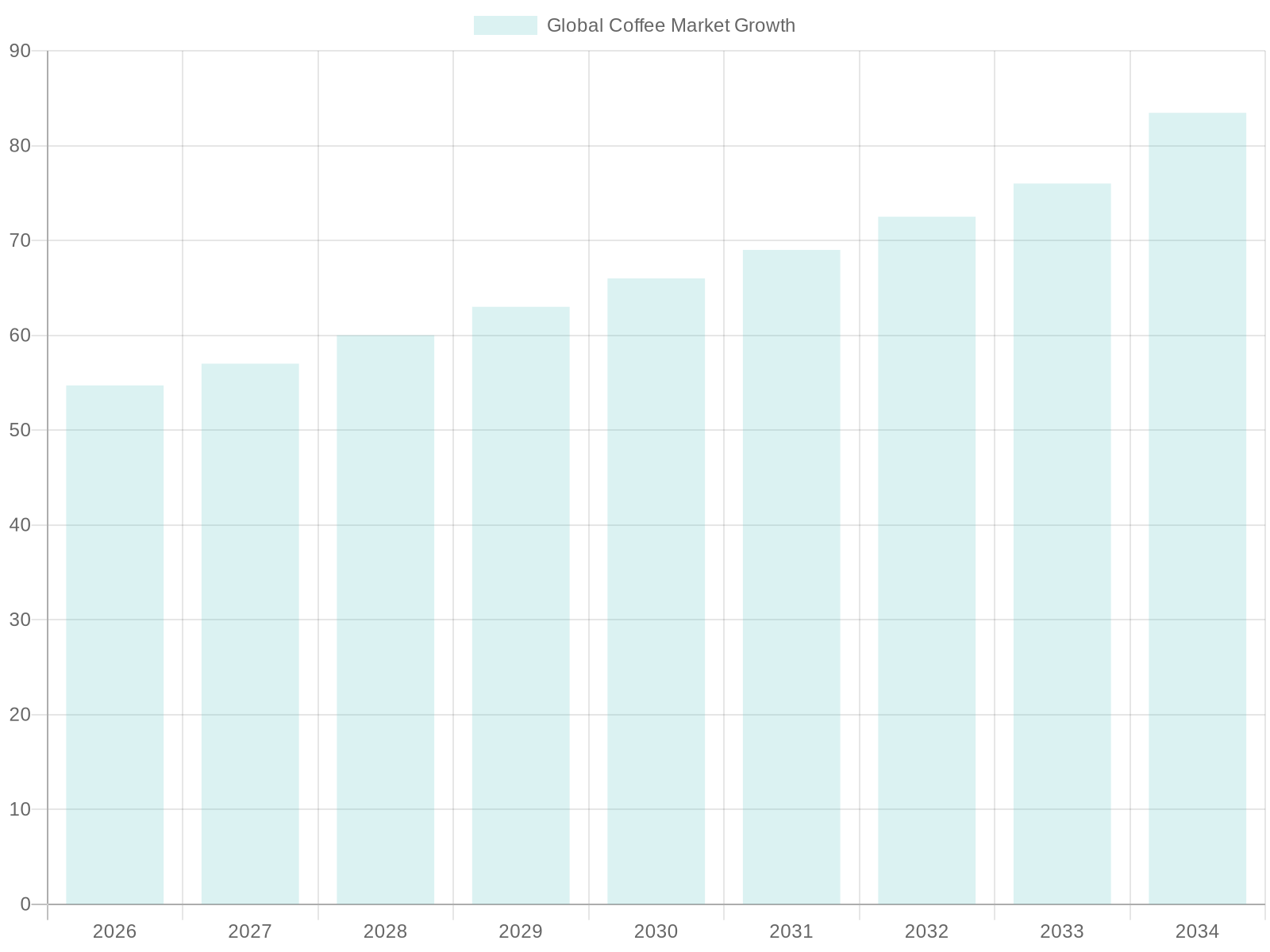
Source: 2023 Global Coffee Industry Analysis
Customer Preferences for Chocolate Coffee Beans vs Regular Coffee Beans
The coffee market has expanded significantly with diverse offerings, including chocolate coffee beans, a unique flavor combination that has captured the attention of coffee enthusiasts. Understanding the differences in customer preferences between chocolate coffee beans and regular coffee beans is crucial for business owners looking to optimize their product offerings and marketing strategies.
Demographics and Trends
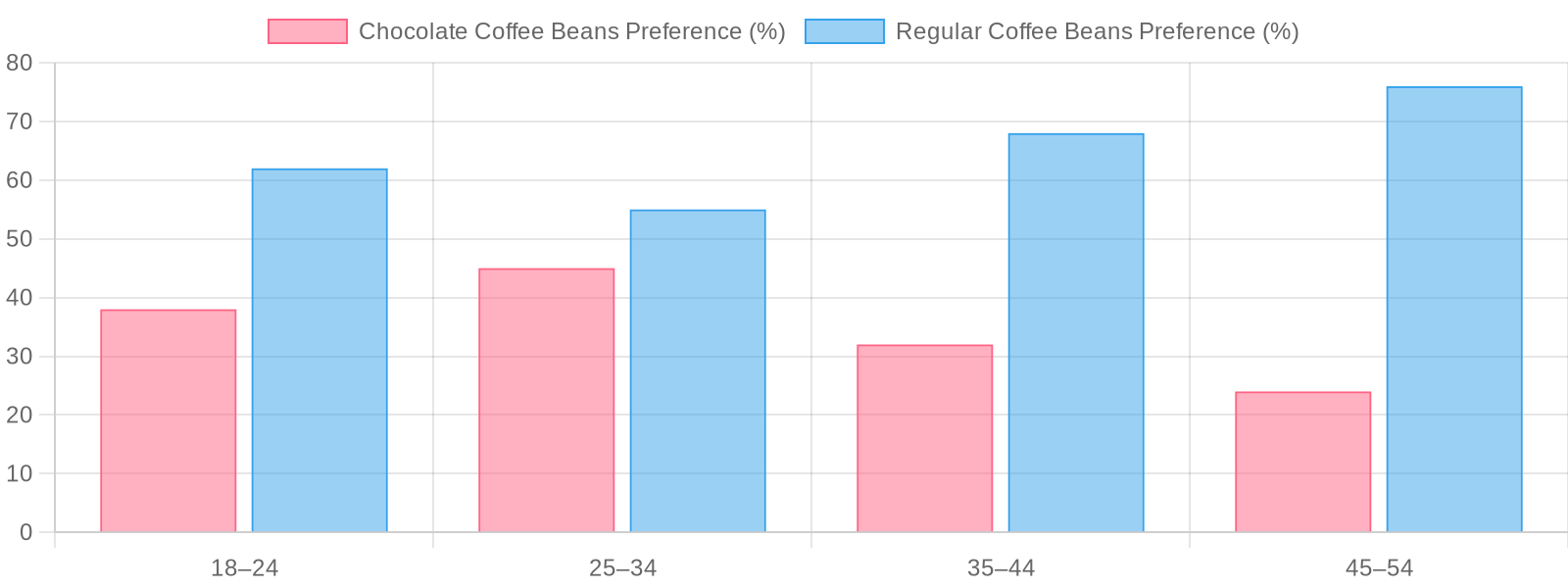
Recent studies indicate that younger consumers, particularly those between 25 and 34 years, exhibit a strong preference for chocolate-infused coffee, with 45% favoring this option over regular coffee. As outlined in the table below, preferences for chocolate coffee beans decrease with age:
| Age Group | Chocolate Coffee Beans Preference (%) | Regular Coffee Beans Preference (%) |
|---|---|---|
| 18-24 | 38% | 62% |
| 25-34 | 45% | 55% |
| 35-44 | 32% | 68% |
| 45-54 | 24% | 76% |
Source: Statista Global Consumer Survey, 2023
The data reflects self-reported preferences among coffee consumers in various regions, including North America and Europe.
Purchasing Behavior
The rising trend towards flavored coffees, particularly those that integrate chocolate, is driven by a demand for novelty and unique taste experiences. Business owners in the coffee industry should take note of the following trends:
- Premiumization: Consumers are increasingly willing to pay more for high-quality, specialty coffee products, particularly those with innovative flavors like chocolate.
- E-commerce Growth: Platforms such as Amazon and specialty coffee roaster websites are becoming key sales channels where flavored coffees, especially chocolate blends, are gaining traction.
- Healthy Lifestyle Consideration: Consumers are also gravitating towards healthier options. There is a growing preference for low-caffeine alternatives that include chocolate flavors without compromising their health goals.
Market Growth
Sales for chocolate coffee beans have shown significant growth, with a 12% year-over-year increase in 2023 vs. only a 2% increase for regular coffee beans. This shift highlights an evolving consumer palate that seeks new and exciting coffee experiences.
Conclusion
Understanding customer preferences between chocolate coffee beans and regular coffee beans can help business owners identify niche opportunities in a competitive market. As consumers continue to prioritize flavor diversity, the demand for innovative products such as chocolate coffee beans is expected to surge. Adapting marketing strategies to highlight the unique flavors and health benefits can yield successful engagement with this emerging consumer base. For a deeper insight into market demands, check out this report on coffee consumption demographics.
The Appeal of Chocolate Coffee Beans
Chocolate coffee beans offer more than just a unique flavor; they come with numerous health benefits that appeal to the modern consumer. As Dr. Joseph L. Biederman, a neurologist at Harvard Medical School, emphasizes:
“Studies show that the combination of caffeine and flavonoids in chocolate-flavored coffee beans significantly boosts alertness and mental clarity. This makes chocolate coffee beans an ideal choice for professionals seeking sustained focus without the crash associated with high-sugar energy drinks.”
This synergy not only enhances cognitive function but also presents a promising marketing angle for business owners looking to differentiate their product offerings in a competitive market. For more insights on the potential health benefits of chocolate coffee, check out Healthline’s article.
Incorporating chocolate coffee beans into your product line can cater to the growing demand for healthier, functional beverages.
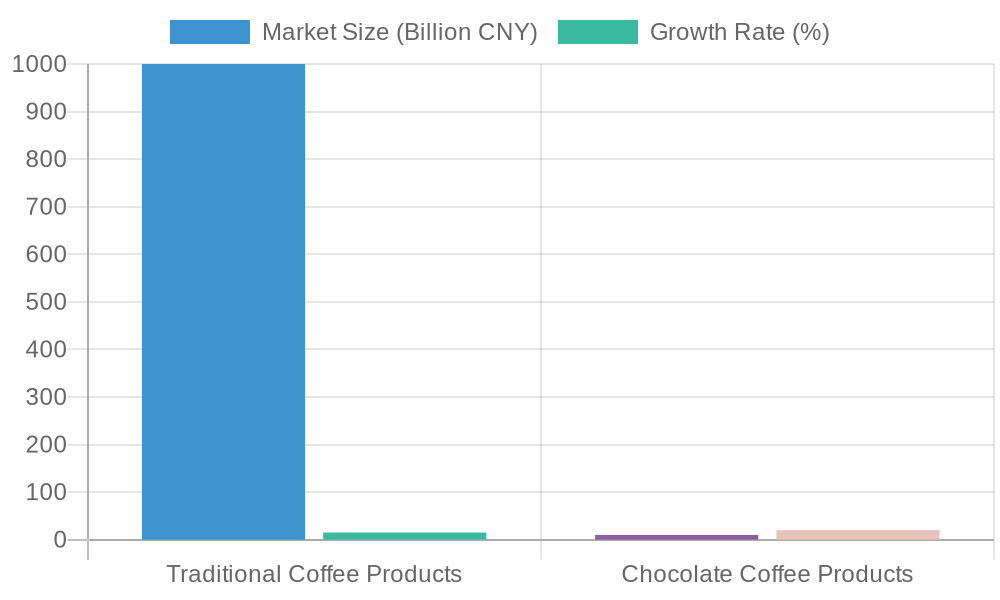
Sales Trends of Chocolate Coffee Products vs Traditional Coffee Products in 2023
This chart illustrates the 2023 market comparison between chocolate coffee products and traditional coffee products, showcasing the growth potential of the chocolate coffee segment.
Key Insights:
- Market Size: Traditional coffee products have a market size of approximately 1000 billion CNY, compared to 10 billion CNY for chocolate coffee products.
- Growth Rate: Traditional coffee is growing at a rate of 15-20%, while chocolate coffee is experiencing a surge with a growth rate of 20% due to changing consumer preferences towards healthier options.
As business owners, recognizing this trend can help in capturing the emerging market through innovative offerings. For further insights on consumer preferences, you might find this article on health trends in coffee valuable.
Conclusion and Call to Action
In summary, chocolate coffee beans offer a delightful combination of flavors and a notable caffeine boost, with each chocolate-covered espresso bean containing about 10 to 20 mg of caffeine. This aspect is crucial for business owners in the beverage industry who are looking to cater to customer preferences while leveraging the stimulant effects of caffeine. Understanding caffeine’s role not only enhances the product offerings but also improves customer engagement, potentially increasing sales in a competitive market.
As you explore the exciting world of chocolate coffee beans, consider enhancing your offerings to draw in more customers. For innovative solutions tailored to your business, visit TruckPizza.net today and discover how you can elevate your pizza truck experience!