
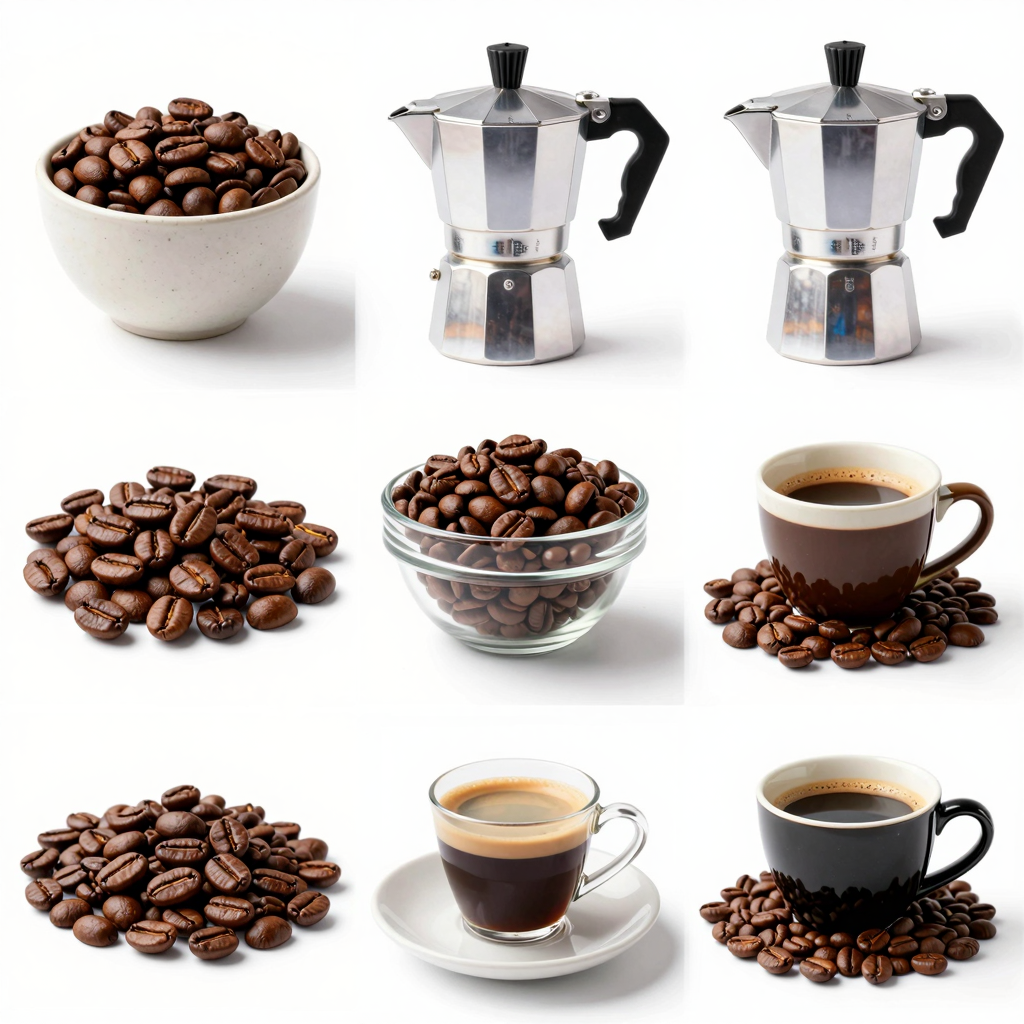
The Truth About Espresso: Debunking Common Coffee Misconceptions
Espresso, often regarded as the quintessential coffee experience, unleashes a rich, concentrated flavor that ardent coffee lovers crave. Yet, many people entertain a common misconception: that only specific coffee beans can be used to brew this beloved beverage. In reality, espresso is more about the brewing method than the beans themselves! The diverse array of coffee beans available, from Arabica to Robusta, can be transformed into a delicious espresso with the right equipment and expertise. For business owners in the coffee industry, understanding this versatility not only enhances your coffee offerings but also invites customers to explore more than just the typical options. By dispelling the myths surrounding espresso, you can better engage your clientele and inspire a new appreciation for this intricate craft. So, let’s dive deep into the world of espresso and discover how any coffee bean can find its place in your next cup of joy!
Understanding What Makes a Coffee Bean Suitable for Espresso
Espresso is a concentrated form of coffee brewed by forcing hot water through finely-ground coffee beans. The quality and characteristics of these coffee beans significantly impact the flavor, aroma, and overall experience of the espresso shot.
1. Bean Type
The type of coffee bean is crucial in determining whether it’s suitable for espresso. Here are the primary types:
- Arabica: Generally considered to produce a higher-quality espresso due to its complex flavors. Arabica beans have a sweeter, softer taste and often showcase fruity and floral notes.
- Robusta: Known for its strong, bold flavor and higher caffeine content. While it can produce a thicker crema (the golden layer on top of espresso shots), it may not have the same depth of flavor as Arabica. Some espresso blends include a small percentage of Robusta to enhance body and crema.
2. Roast Level
The roast level affects the flavor profile of the coffee, and this is vital for espresso extraction.
- Medium to Dark Roasts: Most espresso blends use medium to dark roasts. Darker roasts tend to bring out rich, bold flavors and lower acidity. This is important because the espresso brewing process emphasizes the coffee’s body and sweetness.
- Light Roasts: While some specialty coffees are lightly roasted for espresso, they might have higher acidity and different flavor notes that may not suit all palates for espresso preparation.
3. Grind Size
The grind size is essential in espresso preparation, as it influences the extraction process.
- Fine Grind: Espresso requires a fine grind to create sufficient resistance during extraction, allowing for the desired pressure and time. A grind that is too coarse will result in a weak and under-extracted shot, while a grind that is too fine may lead to over-extraction and a bitter taste.
- Consistency: A uniform grind size is crucial for even extraction and preventing channeling (where water flows unevenly through the coffee), which can ruin the flavor.
Conclusion
If you’re considering offering espresso in your café or business, focus on selecting high-quality Arabica beans, pay attention to roast levels that complement espresso brewing, and ensure your grind size is fine and consistent. The right combination of these factors will enhance the espresso experience for your customers.
By understanding these elements, business owners can better select coffee beans that produce exceptional espresso shots. For more insights into coffee and mental health, learn more here.
This information should help you make informed decisions about the coffee you serve in your establishment, elevating the overall quality of your offerings.
Comparing Coffee Bean Types for Espresso
When considering which coffee beans can be used for espresso, it’s important to understand the differences in flavor profiles and characteristics between the main types of coffee beans: Arabica, Robusta, Liberica, and Excelsa.
Here’s a comparison table that highlights these differences:
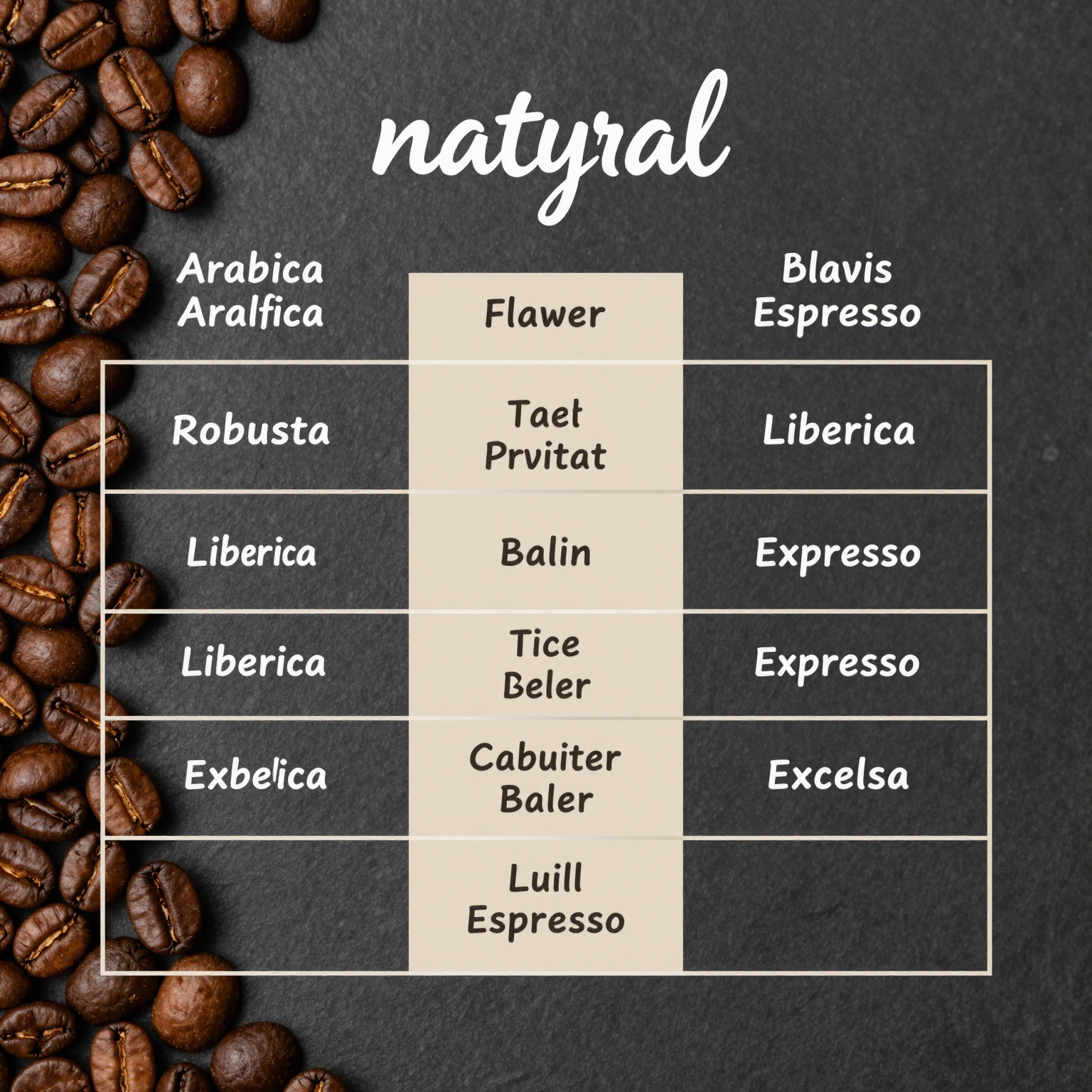
- Arabica: Known for its smooth flavor and often sweet, fruity notes, Arabica is the most popular coffee bean type and is well-suited for espresso.
- Robusta: With a stronger, more bitter taste and higher caffeine content, Robusta beans typically produce a thicker crema, making them a favorite choice for espresso blends that require a bold flavor.
- Liberica: This type offers a unique and complex flavor profile, described as woody or floral, which is less common in espressos but can add an interesting twist.
- Excelsa: Often used in blends for its tartness and fruity tones, it typically complements the deeper flavors of other beans, but is less commonly featured in traditional espresso.
Understanding these flavor profiles can help business owners select the right beans for their espresso offerings. Learn more about coffee bean characteristics.
When selecting coffee beans for espresso, it’s crucial to consider their roast and blend characteristics. According to experts from Coffee Review, “The ideal espresso bean is typically a medium to dark roast blend. This roasting level enhances sweetness, body, and crema production while tempering acidity.” Conversely, light or very dark roasts may produce undesirable flavors under the high pressure of espresso extraction. Professionals recommend using fresh, well-balanced blends specifically crafted for espresso to achieve optimal flavor profiles, emphasizing the importance of freshness and appropriate roast levels in the espresso-making process.
Current Trends in Coffee Consumption for Espresso
Coffee consumption continues to rise globally, reflecting shifting consumer preferences and innovative trends in the coffee market. According to a recent report by the National Coffee Association (NCA), 65% of American adults drink coffee daily, with significant growth in espresso consumption. Interestingly, the demographic driving this trend is predominantly aged 25-39, highlighting a youthful enthusiasm for espresso-based drinks, including lattes and cappuccinos.
Consumer Preferences
Business owners in the coffee sector are increasingly aware that quality will dictate consumer loyalty. Consumers within this demographic are showing a pronounced preference for specialty coffee beans, primarily Arabica, known for its smooth flavor profile compared to Robusta, which has more bitterness and is also prevalent. According to market analysis:
- Arabica beans now account for approximately 60% of the espresso market, emphasizing the demand for quality over quantity.
- Robusta beans, while less favored, still hold about 40% of the market due to their cost-effectiveness and caffeine content.
Moreover, the trend toward sustainable sourcing and organic certifications is influencing purchasing decisions; quality-conscious consumers are now inclined to opt for brands that provide transparency about their bean origins and ethical practices.
Through social media platforms, many business owners report increased consumer engagement as customers share their personalized coffee experiences. This indicates a shift toward community engagement, integrating customer feedback into product offerings-from bean selection to brewing methods. For example, many consumers are choosing to invest in at-home equipment for brewing espresso, which aligns with a growing preference for convenience without compromising on quality.
To sum up, the coffee industry must adapt to these evolving preferences by emphasizing quality, sustainability, and community involvement in their offerings. For further insights on occupational therapy’s support for business and mental health, learn more about the topic here.

Espresso Preference among Coffee Drinkers
Overview of Espresso Brewing Methods
Espresso is a concentrated form of coffee prepared by forcing hot water through finely-ground coffee at high pressure. The process involves several brewing methods, each with its own impact on flavor, aroma, and overall coffee experience. Below, we explore the different espresso brewing methods and how they interact with various coffee bean types, considering essential factors like pressure and temperature.
Common Espresso Brewing Methods
1. Traditional Espresso Machines
- Pressure: 9 bars
- Temperature: 85-95 °C
- Extraction Time: 25-30 seconds
- Flavor Profile: Rich with a hazelnut-brown crema, can range from fruity-to-chocolatey depending on the beans used. This method is the most relentless in terms of pressure, offering consistency and control, enhancing compound extraction and oil profile.
2. Ristretto
- Pressure: 9 bars
- Temperature: 85-95 °C
- Extraction Time: 15-20 seconds
- Flavor Profile: More concentrated, often sweeter and less bitter, as it uses less water than a standard espresso, drawing out only the essential oils.
3. Lungo
- Pressure: 9 bars
- Temperature: 85-95 °C
- Extraction Time: 30-40 seconds
- Flavor Profile: This longer extraction yields a more diluted brew, often leading to a slightly bitter taste due to over-extraction of undesirable compounds.
4. Moka Pots
- Pressure: Less than 2 bars
- Temperature: Variable, influenced by heat source
- Extraction Time: 5-10 minutes
- Flavor Profile: While not true espresso, Moka pots produce a strong coffee that has some espresso traits but lacks the crema and intensity of a machine-brewed espresso.
Interactions with Coffee Beans
Each brewing method tends to favor different coffee bean profiles:
- Latin American Beans: Often yield bright, fruity flavors and are best suited for traditional methods to enhance the qualities.
- African Beans: Typically exhibit floral or citrus notes, performing well in shorter extractions like Ristretto.
- Asian Beans: Known for earthy, spicy flavors, might work less effectively in high-pressure methods, which emphasizes floral notes.
Understanding the unique interactions between brewing methods and bean types is essential for producing optimal espresso. This enables coffee shops to cater to various customer preferences and to tailor their offerings effectively. For resources on espresso methods and their implications on flavors, you can learn more about espresso techniques here.

The chart above illustrates the growing popularity of specialty coffee share among various espresso types from 2022 to 2026. As indicated, specialty coffee has gained significant traction, increasing from 38% share in 2022 to 45% in 2026. This upward trend reflects a shift towards higher-quality and diverse espresso-based beverages, marking a notable evolution in consumer preferences towards more artisanal and flavorful options. For business owners in the coffee industry, this data signals the importance of adapting to emerging trends to meet customer demand.
Conclusion
In summary, while various coffee beans can be used for espresso, the choice of bean will influence flavor, aroma, and overall experience. Espresso typically requires a brew ratio of 1:2, with a dosing range of 18-20 grams of coffee resulting in 36-40 ml of beverage, emphasizing the importance of both the quality and type of beans used. Understanding these metrics not only helps in creating a quality espresso but also opens opportunities for business owners to innovate with coffee variations in their menus.
As a business owner, incorporating a coffee offering can enhance customer experience and draw in more clientele. If you’re looking to diversify your offerings further, consider exploring the exciting option of a pizza truck! Imagine pairing gourmet coffee with freshly baked pizza to create a unique dining experience. Learn more about how to spice up your business or get in touch with us to explore exciting pizza truck options that would complement your coffee sales beautifully!