
Introduction to Old Coffee Beans
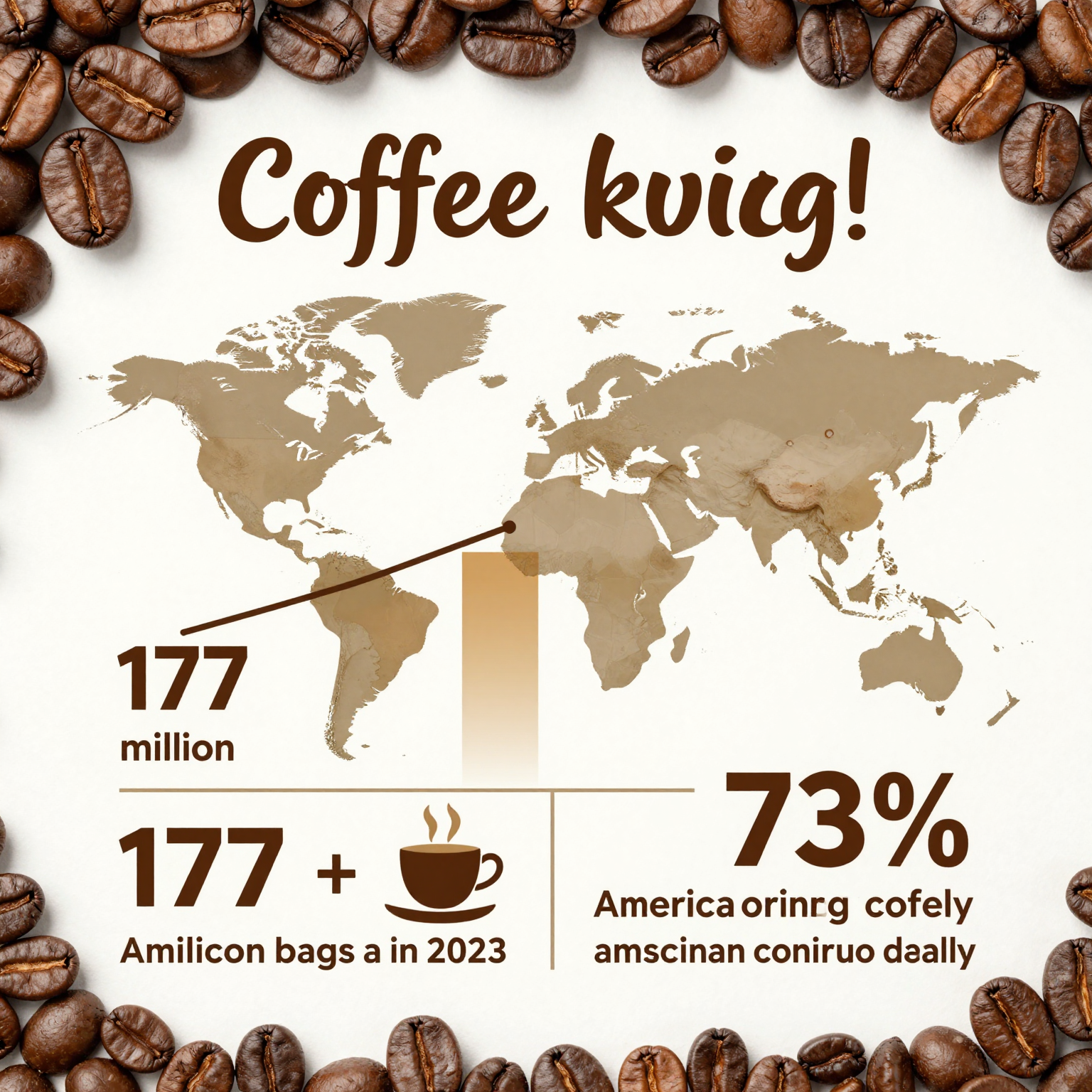
In the thriving coffee industry, understanding the lifecycle of coffee beans is crucial for business owners. With coffee consumption on the rise, statistics show that global demand reached approximately 177 million bags in 2023, with more than 73% of American consumers enjoying coffee daily. This prevalent habit not only illustrates coffee’s place in our daily routines but also presents a unique opportunity for businesses to maximize their resources. Old coffee beans, once considered waste, can be repurposed in various innovative ways-ranging from creating flavorful blends to developing eco-friendly products. By considering these uses, business owners can reduce waste and create new revenue streams while appealing to environmentally conscious consumers. This article will explore practical applications and benefits of reusing old coffee beans, ensuring that your business not only thrives but also contributes positively to the environment.
Environmental Impact of Improper Coffee Bean Disposal
Improper disposal of coffee beans, particularly spent coffee grounds (SCG), poses significant environmental risks. Alarmingly, approximately 98% of coffee consumed globally ends up as waste, primarily discarded as SCG. Unfortunately, only about 19% of coffee waste is recycled or composted, leaving the overwhelming majority to be buried in landfills or dumped openly. These disposal methods not only contribute to landfill overflow but also result in the release of methane, a potent greenhouse gas with a global warming potential many times that of carbon dioxide.
For instance, a mere 15 grams of coffee beans translate to roughly 0.4 kg of CO₂ equivalent emissions during its lifecycle, comparable to driving a car for about 2 kilometers. Such statistics underline the staggering carbon footprint emitted from practices that disregard coffee waste recycling.
Fortunately, recycling coffee grounds can turn this situation around. With a single tonne of wet coffee grounds yielding significant by-products, such as up to 970 kg of natural soap and 371 kg of biomass, businesses can look beyond mere disposal. The growing trend toward upcycling coffee waste has led to increasing investment in green technologies, promoting the recovery of valuable resources from what was once considered trash.
Benefits of Recycling
Recycling coffee grounds not only mitigates waste but can also support various industries. For example, through effective collection and recycling initiatives, businesses can tap into a lucrative market projected to grow at a CAGR of 12.6% from 2025 to 2031. Adopting sustainable practices not only benefits the environment but also can enhance brand reputation and customer loyalty as society increasingly favors environmentally responsible businesses.
By prioritizing the recycling of coffee waste, business owners can significantly contribute to reducing their environmental impact, making a positive difference in their community and beyond. For more information on enhancing sustainability, check out this Nespresso report on coffee ground recycling and learn about upcycling initiatives.
Creative Uses for Old Coffee Beans
As business owners, finding innovative ways to repurpose old coffee beans can not only reduce waste but also enhance your product offerings or services. Here are five creative uses for old coffee beans:
-
Composting
Old coffee beans make excellent compost material. They add nitrogen to the compost pile, which helps accelerate the breakdown process. Utilizing waste this way not only benefits the environment but can also be an appealing marketing point for your eco-conscious customers. -
Natural Air Fresheners
The rich aroma of coffee is perfect for creating natural air fresheners. You can use old coffee beans in sachets, which can be placed in various areas, such as the office or restrooms. This can create a pleasant environment that enhances customer experiences and employee satisfaction. -
Beauty Products
Coffee beans have exfoliating properties that can be beneficial in beauty products. Consider developing scrubs or masks that incorporate old coffee beans. This not only promotes sustainability but can also attract clients interested in natural skincare solutions. Learn more about beauty products. -
Flavor Enhancements
Old coffee beans can be used in culinary applications, such as flavoring baked goods or sauces. Infusing oils or spirits with coffee beans adds a unique flavor profile that can distinguish your offerings from competitors. -
Craft Projects
Utilize old coffee beans in craft projects, such as creating decorative centerpieces, or they can be used in art pieces. This can be an engaging way to market your brand as creative or eco-friendly. Engage with local artists to showcase these creations, enhancing community relationships.
By finding these creative uses for old coffee beans, you not only reduce waste but also engage your customers in unique ways. Innovating around sustainability can strengthen your brand’s identity and appeal to a broader audience.
Always consider how such initiatives can integrate with your overall business strategy, ensuring they align with your company’s values and message.
- For more tips on occupational therapy and enhancing workplace environments, check out how occupational therapists collaborate with other healthcare professionals.
User Experiences with Repurposing Old Coffee Beans
In recent years, many businesses and individuals have discovered innovative ways to repurpose old coffee beans and grounds, transforming potential waste into valuable resources and inspiring others in the process. Here are some notable user experiences:
Creative Repurposing
One user shared on social platforms how they utilize old coffee grounds for gardening, effectively mixing them into compost to enrich soil. They reported seeing significant improvement in plant growth and overall garden health. Another individual described using coffee grounds as a natural deodorizer for their refrigerator and as a gentle exfoliant in homemade body scrubs. These shared experiences highlight the versatility of repurposed coffee beans, with many individuals turning to social media to showcase their unique uses.
Community Involvement
Businesses like Starbucks and independent coffee shops have initiated programs to give away used coffee grounds for community use, encouraging gardening and recycling. Customers report feeling a sense of pride in participating in these eco-friendly initiatives, sharing anecdotes of how their local coffee shop’s efforts positively impact their communities. Workshops focusing on the recycling of coffee grounds for use in potting plants or crafting also foster stronger customer relationships and enhance brand loyalty.
Sustainable Practices
Companies like Nespresso and Bio Bean are leading the charge in effective recycling strategies. Nespresso collects millions of used capsules, with clientele expressing satisfaction from participating in a closed-loop system that turns old materials into new products. Bio Bean converts spent coffee grounds into biofuel, with various cafes disclosing that adopting these sustainable practices has made them more appealing to environmentally conscious consumers.
These examples showcase how creativity and community engagement can effectively breathe new life into old coffee beans, offering inspiration for business owners looking to reduce waste and enhance sustainability.
Comparison of Disposal Methods for Old Coffee Beans
When it comes to disposing of old coffee beans, business owners have several options at their disposal. Below is a table that compares three common methods: recycling, composting, and throwing them away. Each method has its own set of pros and cons that can impact both business practices and environmental sustainability.
| Disposal Method | Pros | Cons |
|---|---|---|
| Recycling | – Reduces landfill waste by repurposing materials. |
- Especially effective for aluminum capsules.
- Can be incorporated into eco-friendly business practices.| – Requires participation and education for proper recycling.
- Not all coffee waste is recyclable.
- Limited to specific brands and types of packaging.|
| Composting | – Enriches soil, promoting sustainability. - Reduces methane emissions from landfills.
- Supports organic gardening practices.| – Requires specific conditions to be effective (aerated, balanced mixture).
- Not all businesses have access to composting facilities.
- May create odors if not managed properly.|
| Throwing Away| – Quick and easy solution without additional steps. | – Contributes to landfill waste and greenhouse gas emissions. - Not a sustainable or responsible option.
- Does not utilize any potential benefits of the coffee waste.|
Understanding these disposal methods can help business owners make informed choices that align with their commitment to sustainability. By considering recycling and composting, there’s an opportunity not only to reduce waste but also to promote environmentally friendly practices within their establishments. Learn more about recycling coffee waste.
Legal Considerations for Disposing of Old Coffee Beans
Disposing of old coffee beans involves various legal considerations that business owners should be aware of to ensure compliance with local regulations and to minimize environmental impact. Here are some key points to consider:
Regulations and Compliance
-
Local Waste Management Regulations: In many jurisdictions, waste management laws dictate how food waste, including coffee grounds and expired coffee beans, must be handled. Some cities, such as San Francisco and Seattle, mandate composting for all organic waste. Therefore, business owners should review their local regulations to avoid potential fines or penalties that can arise from improper disposal practices. For more insights on waste management practices, check the National Restaurant Association (NRA) guidelines.
-
Composting Requirements: The U.S. Environmental Protection Agency (EPA) emphasizes the importance of composting coffee grounds rather than sending them to landfills, as this practice promotes sustainability and reduces greenhouse gas emissions. Businesses should consider collaborating with certified composters or local composting facilities to ensure compliance with these regulations (EPA Coffee Grounds Disposal Guide).
Best Practices
-
Documentation: Maintaining accurate records of waste disposal practices is essential. Businesses should log disposal methods and quantities to demonstrate compliance with environmental regulations.
-
Staff Training: Educating staff about proper disposal methods for coffee waste can significantly reduce non-compliance risks. Training may include guidance on separating coffee waste for composting and the hazards of pouring coffee grounds down sinks, which can cause plumbing problems.
-
Responsibility to Consumers: If old coffee beans are donated or sold as animal feed, businesses must comply with food safety regulations, ensuring that the products do not mislead consumers regarding freshness or safety.
Expert Insights on Sustainability in Coffee Business
“Sustainable coffee production is fundamental to ensuring supply chain resilience and enhancing brand value. Technology plays a critical role in achieving transparency, from blockchain tracing origin information to IoT monitoring of water usage on farms. These innovative tools enable businesses to manage their environmental impacts accurately and convey genuine sustainable commitments to consumers.”
This quote underscores the necessity for coffee businesses to adopt sustainable practices not only for environmental reasons but also for maintaining competitiveness in the market. As the industry evolves, integrating innovative technology and forging responsible business models will be vital for long-term success.
By focusing on sustainability, coffee businesses can not only address important environmental concerns but also build stronger relationships with their customers, who increasingly favor brands committed to ethical practices.
Cost Savings from Repurposing Old Coffee Beans
Repurposing old coffee beans can be a significant cost-saving strategy for businesses, particularly within the coffee and food service industries. Here we outline several methods through which companies can turn waste into savings:
1. Composting Old Coffee Beans
Composting is an environmentally friendly way to utilize old coffee beans. Instead of sending them to landfills, businesses can transform them into compost, which is highly sought after in gardening and landscaping.
- Cost Savings: Research indicates that companies can save between $150 and $300 per ton on waste disposal costs when they compost instead of discarding old beans. By composting the coffee waste, businesses not only decrease their waste bill but also contribute positively to their community and the environment.
2. Producing Biodegradable Packaging
Another innovative way to repurpose old coffee beans is through the creation of biodegradable products. Companies can use the spent coffee grounds to develop eco-friendly packaging materials. This approach addresses both waste management and product cost reductions in the long run.
- Cost Savings: Brands leveraging this technique have reported annual savings averaging $10,000 through reduced raw material costs and improved corporate sustainability branding, which attracts environmentally conscious consumers.
3. Refreshing Stale Coffee Beans
A less commonly recognized method is revitalizing stale coffee beans through specific roasting techniques that restore some flavor. This method is beneficial for cafes and restaurants.
- Cost Savings: Stale beans can be restored with minimal loss in quality. By doing so, businesses can avoid losses that might range from $2,000 to $5,000 annually in inventory waste.
Summary Table
| Method | Cost Savings Estimate | Source |
|---|---|---|
| Composting old coffee beans | $150-$300 per ton | Source |
| Producing biodegradable packaging materials | Average savings of $10,000 per year | Source |
| Avoiding inventory loss by refreshing stale coffee | $2,000-$5,000 annually | Source |
These strategies not only contribute to significant cost savings but also enhance a business’s reputation as a sustainable and eco-friendly operation. As customers become increasingly environmentally conscious, implementing practices to minimize waste can also drive customer loyalty and attract new clientele. For more on how sustainability can impact your business positively, check out our detailed insight on eco-friendly practices in the coffee industry.
Coffee Consumption Trends Over the Past Decade
To understand what to do with old coffee beans, it’s essential to grasp the changing landscape of coffee consumption. Here are some key trends:
-
Global Coffee Consumption Growth: From 2014 to 2024, coffee consumption has grown consistently at an annual compound growth rate (CAGR) of 2.1%. By 2023, total global coffee consumption reached 173 million tons, marking a significant increase in demand. The United States remains a key player, contributing to the second-largest consumption, after Europe, which holds 35% of the global market.
-
Specialty Coffee Segment: Consumers have shifted towards specialty coffee, which has risen from 12% of the market in 2014 to 28% in 2024. This growth, primarily driven by millennials and Generation Z, reflects a growing preference for quality over quantity.
-
At-Home Brewing: More than 65% of Baby Boomers now brew coffee at home, highlighting a shift towards convenience and familiarity. This trend is supported by an increase in sales of home brewing equipment and instant coffee products.
-
Sustainability and Quality: There is an escalated interest in organic and fair-trade coffee, with major retailers expanding their offerings considerably in recent years.
Here’s a visual representation of some of these trends:

Note: As trends evolve, business owners can find opportunities to repurpose old coffee beans by aiming for sustainability and consumer preferences in mind. Learn more about sustainable coffee practices.
In conclusion, the utilization of old coffee beans presents a plethora of opportunities for business owners to enhance their operations and sustainability efforts. By exploring various uses such as composting, flavor enhancement in food offerings, and engaging in eco-friendly practices, businesses can not only minimize waste but also improve their marketing appeal. For instance, repurposing used coffee grounds into unique culinary creations can attract customers and increase sales. Furthermore, implementing these creative strategies supports environmental responsibility, a value increasingly embraced by today’s consumers.
As you consider incorporating old coffee beans into your business model, don’t forget about the intriguing world of pizza trucks. If you’re thinking about launching a food truck that serves delicious pizza, learn more about pizza truck business inquiries. Together, we can transport your passion for food into a successful venture!