
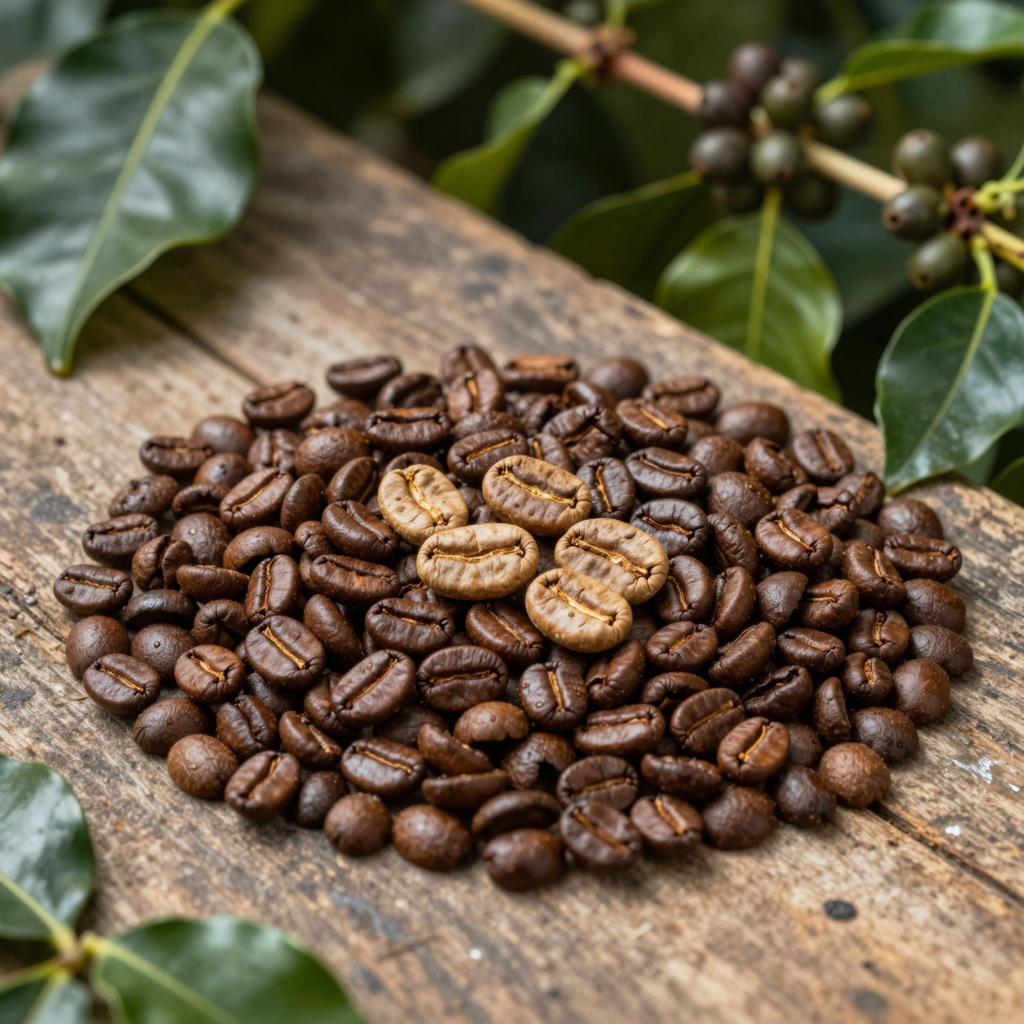
Coffee is more than just a beverage; it’s a global phenomenon that supports economies, culture, and connections among people. At the heart of this industry lies the Arabica coffee bean, renowned for its smooth flavor and complex aroma. Understanding Arabica coffee beans is crucial for anyone interested in entering or elevating their role in the coffee market. Premium coffee blends often feature Arabica beans, making them highly sought after by consumers for their rich taste. This opens up various business opportunities in coffee selling, whether you are a roaster, retailer, or café owner. By learning about Arabica, you not only enhance your product offerings but also foster a deeper connection with your clientele, which can lead to increased sales and customer loyalty. Discover the fascinating world of Arabica coffee and how it can elevate your business to new heights.
Key Characteristics of Arabica Coffee Beans
Arabica coffee beans are cherished for their unique qualities that set them apart from other coffee varieties. Here are some important characteristics:
- Flavor Profile: Arabica beans typically boast a smooth, complex flavor with notes including sweetness, floral aromas, chocolate, and citrus. They exhibit a clean cup with a balanced acidity that often makes them desirable for specialty coffees.
- Caffeine Content: Compared to Robusta beans, Arabica beans contain about 60% less caffeine, contributing to their smoother taste.
- Plant Characteristics: Arabica coffee plants are more delicate and require specific altitudes (usually between 1,000 to 2,000 meters) to thrive. They prefer cooler climates and rich, well-drained soils.
- Cultivation Difficulty: Arabica plants are prone to pests and diseases, which makes them more challenging to cultivate than Robusta.
- Maturation Period: These beans take longer to mature, which aids in developing their nuanced flavors. The longer growth period often results in a richer and more sophisticated taste.
- Varietals: There are several distinct types of Arabica, such as Typica and Bourbon, each producing different flavor profiles.
For further insights into coffee characteristics, you can learn more about related topics.
The Rich History of Arabica Coffee
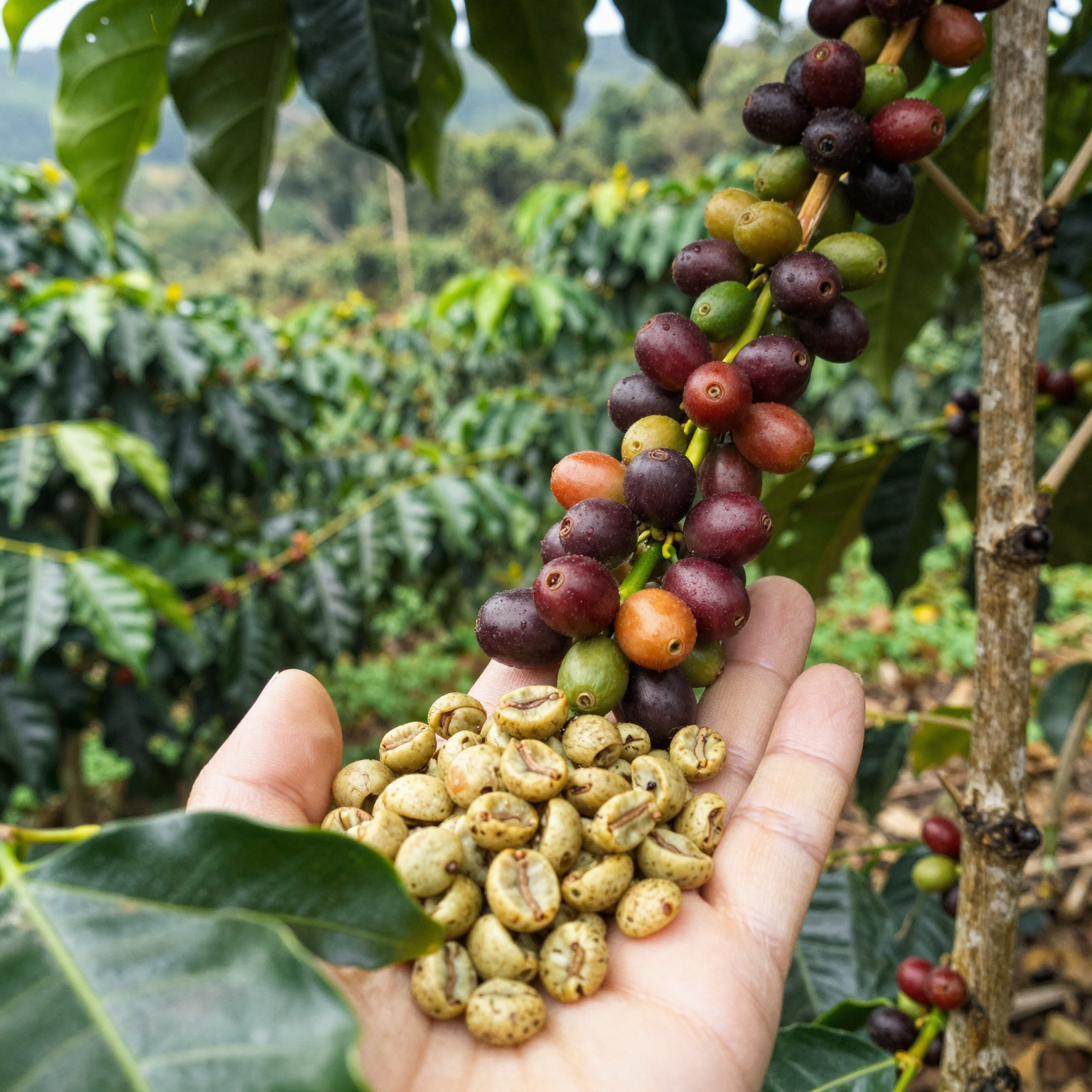
Arabica coffee (Coffea arabica) boasts a fascinating lineage that traces back to the highlands of southwestern Ethiopia. Its origins can be vividly illustrated through the stories of the Oromo people, who first consumed the coffee beans as a stimulant, noticing its energizing effects long before it garnered global fame. The tale begins around 1000 BCE, with legends claiming that it was the goats of a shepherd named Kaldi who provided the initial hint toward its invigorating qualities-they became hyperactive after munching on the berries from coffee shrubs.
Cultivation in Yemen
Fast forward to the 15th century, coffee cultivation transitioned from wild foraging to a more structured agricultural practice. The Arab world embraced coffee as a central part of social and religious life, particularly in Yemen, where Sufi monks brewed coffee to stay alert during long nights of prayer. The beverage’s stimulating effects quickly led to the establishment of coffeehouses (qahveh khaneh), which became cultural hubs for intellectual discussions and a place for social interaction.
The Spread Across the Globe
The global journey of Arabica coffee began in earnest when Yemeni traders started exporting the beans, leading to coffee’s introduction to Persia, Turkey, and North Africa. By the 16th century, coffeehouses sprouted throughout the Middle East, igniting a passion for the drink that sprawled into Europe. With the likes of Venetian traders bringing coffee to Italy, it soon captured the European palate, sparking a rich tradition that included the famed espresso. European coffeehouses evolved into salons of enlightenment, where revolutionary ideas were brewed alongside coffee.
Cultural Significance
By the 17th century, the social significance of coffeehouses was undeniable. Cities like Istanbul, Paris, and London saw their own versions of coffee culture emerge. In these spaces, people from different backgrounds mingled-fostering discussions that impacted art, literature, and politics. The drink became associated with sophistication and conviviality; for instance, the Italian espresso ritual soon became a cornerstone of daily life, embodying Italy’s national identity.
Today’s Legacy
Today, Arabica coffee accounts for roughly 60-80% of global coffee production, making it a staple beverage worldwide. Its cultural importance prevails, symbolizing hospitality and connection across diverse societies: from the ceremonial Ethiopian coffee rituals involving roasting and serving in an elaborate fashion to the casual afternoon coffee breaks in European cafes.
Each serving of Arabica coffee now carries a rich narrative woven from centuries of cultivation, trade, and cultural exchange-reflecting not only the tastes of individuals but also the ethos of their communities. Surrounded by craftspeople and agriculturalists who cultivate unique terroirs from Colombia to Kenya, coffee continues to be more than just a beverage; it represents a cherished global tradition and a connection to heritage.
| Coffee Variety | Flavor Profile | Caffeine Content | Growing Conditions | Market Price (USD per kg) |
|---|---|---|---|---|
| Arabica | Mild, aromatic, sweet | 1.2% – 1.5% | High altitudes (600-2200m), cool temperatures, and shade | $5.65 – $6.12 |
| Robusta | Strong, bitter, earthy | 2.2% – 2.7% | Low altitudes, warm climates, and resistant to pests | $4.65 – $5.12 |
| Liberica | Unique, fruity, floral | 1.0% – 1.5% | Typically grown in West Africa, prefers humid conditions | $8.00 – $10.00 |
| Excelsa | Dark, fruity, exotic | 1.5% – 1.7% | Grown in Southeast Asia, prefers a humid and tropical climate | $7.00 – $9.00 |
What are Arabica Coffee Beans?
Arabica coffee beans are one of the most celebrated varieties in the coffee market, known for their superior flavor profile and general quality. As per the International Coffee Organization, they account for approximately 60-70% of global coffee production and dominate the specialty and premium markets.
“Arabica is the gold standard in coffee quality. Its demand continues to grow, especially in emerging economies and among millennials seeking artisanal experiences.” – Dr. Elena Martinez, Senior Market Analyst at the International Coffee Organization.
Importance in the Market
Arabica beans are not only popular for their taste but also command higher prices due to their quality. The Specialty Coffee Association emphasizes that these beans define the $100 billion global specialty coffee market, highlighting their unique flavors and ideal brewing methods.
For business owners looking to enter or expand within the coffee industry, understanding the significance of Arabica beans is crucial. To delve into more topics related to coffee and how it intertwines with health and occupational therapy, you can learn more about the role of an occupational therapist in schools or explore occupational therapy techniques for stress relief.
Cultivation of Arabica Coffee
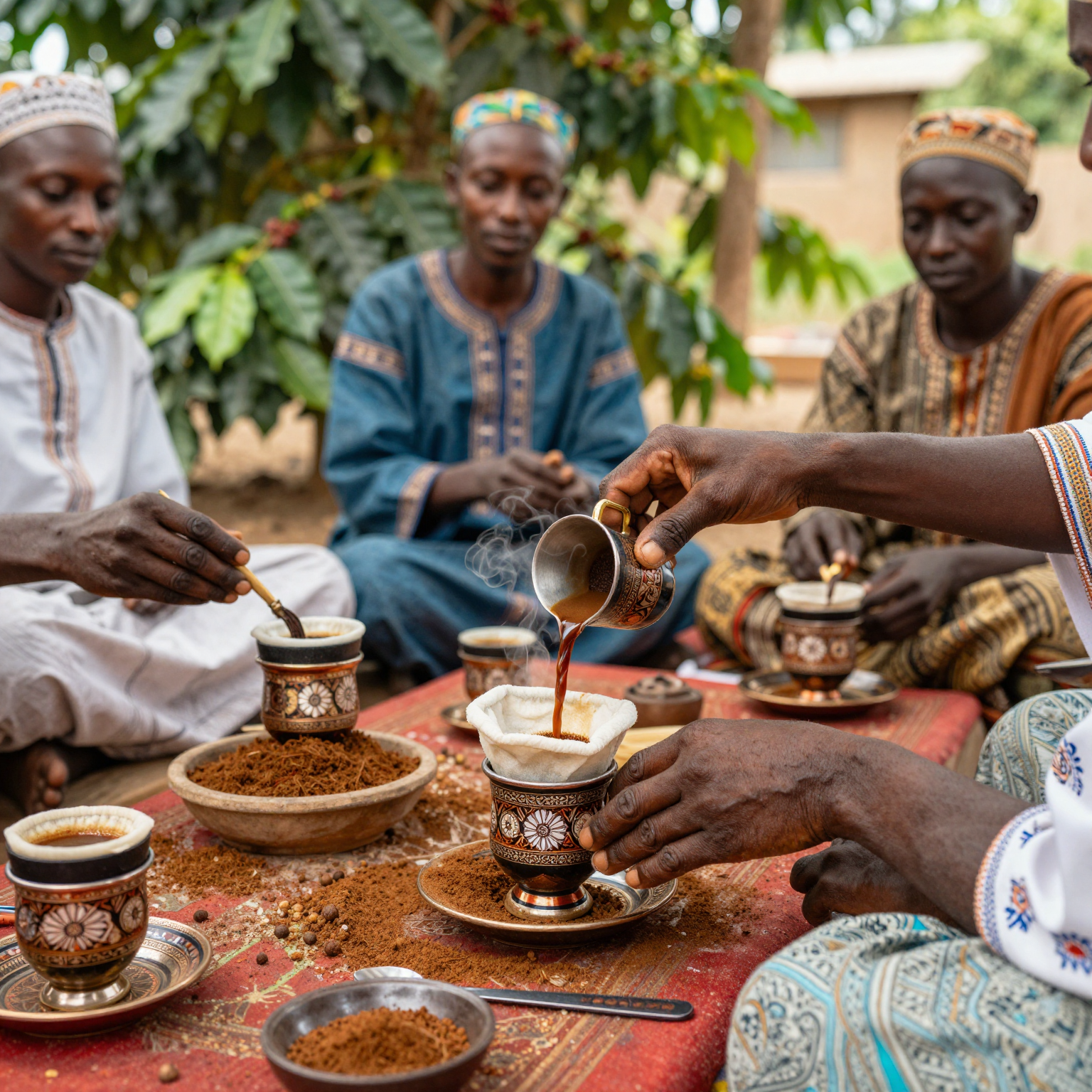
Arabica coffee, known for its smooth flavor and aromatic properties, requires specific conditions for optimal growth. Cultivation primarily occurs in tropical and subtropical regions at elevations between 800 and 2000 meters, where the climate is stable. Ideal temperatures range between 18°C to 24°C, with diurnal temperature variations of 8°C to 10°C that enhance sugar accumulation in coffee beans. Rainfall is equally important, with annual precipitation needs between 1500 mm and 2000 mm, preferably distributed between wet and dry seasons.
Geographic Locations
The leading Arabica coffee-producing countries include Brazil, Colombia, Ethiopia, Guatemala, Honduras, and Yemen. Each of these regions features unique characteristics favorable for Arabica coffee cultivation:
- Brazil: The largest producer, featuring vast plantation lands especially in Minas Gerais.
- Colombia: Famous for its high-quality beans, especially from the Antioquia and Quindío regions.
- Ethiopia: Regarded as the birthplace of coffee, it offers diverse varieties from Sidama and Yirgacheffe.
- Honduras: Known for its quality Arabica beans, particularly in higher altitudes.
- Yemen: Offers unique, ancient coffee-growing traditions, especially in the Haraz region.
Yunnan Province in China is also emerging as a significant producer due to its favorable volcanic soils and high altitude, exhibiting similar conditions to established coffee regions.
Cultivation Practices
Sustainable cultivation practices play a critical role in Arabica coffee farming. Key practices include:
- Shade-Grown Coffee: Cultivating coffee under tree canopies promotes biodiversity and reduces pests.
- Soil Management: Using compost and organic fertilizers maintains soil health.
- Selective Harvesting: Picking only ripe cherries enhances coffee quality.
- Irrigation and Pest Management: Employing precision irrigation and integrated pest management techniques help reduce impact on the environment.
Certification programs like Fair Trade and Rainforest Alliance incentivize sustainable and ethical practices, bettering the lives of smallholder farmers who produce over 60% of global coffee supply.
Challenges and Impacts on Business Owners
Arabica coffee faces numerous challenges, particularly from climate impacts and diseases. Research indicates that rising temperatures may reduce suitable growing areas by up to 50% by 2050. Coffee rust (Hemileia vastatrix), a significant disease, can cause yield losses up to 80%, imposing acute threats, particularly to smallholder farmers.
Farmers in regions like Yunnan, China, have already experienced reductions in yield due to drought and chill stress, which lower bean quality and size. Adaptation strategies such as developing heat-tolerant varieties and switching to higher planting elevations are crucial.
In conclusion, while Arabica coffee cultivation thrives in specific conditions with established global practices, the increasing impact of climate change and diseases presents serious implications for business owners in the coffee industry. Effective adaptation and sustainable practices will be vital to ensure resilience and continued success in this sector.
Market Trends and Consumer Preferences for Arabica Coffee
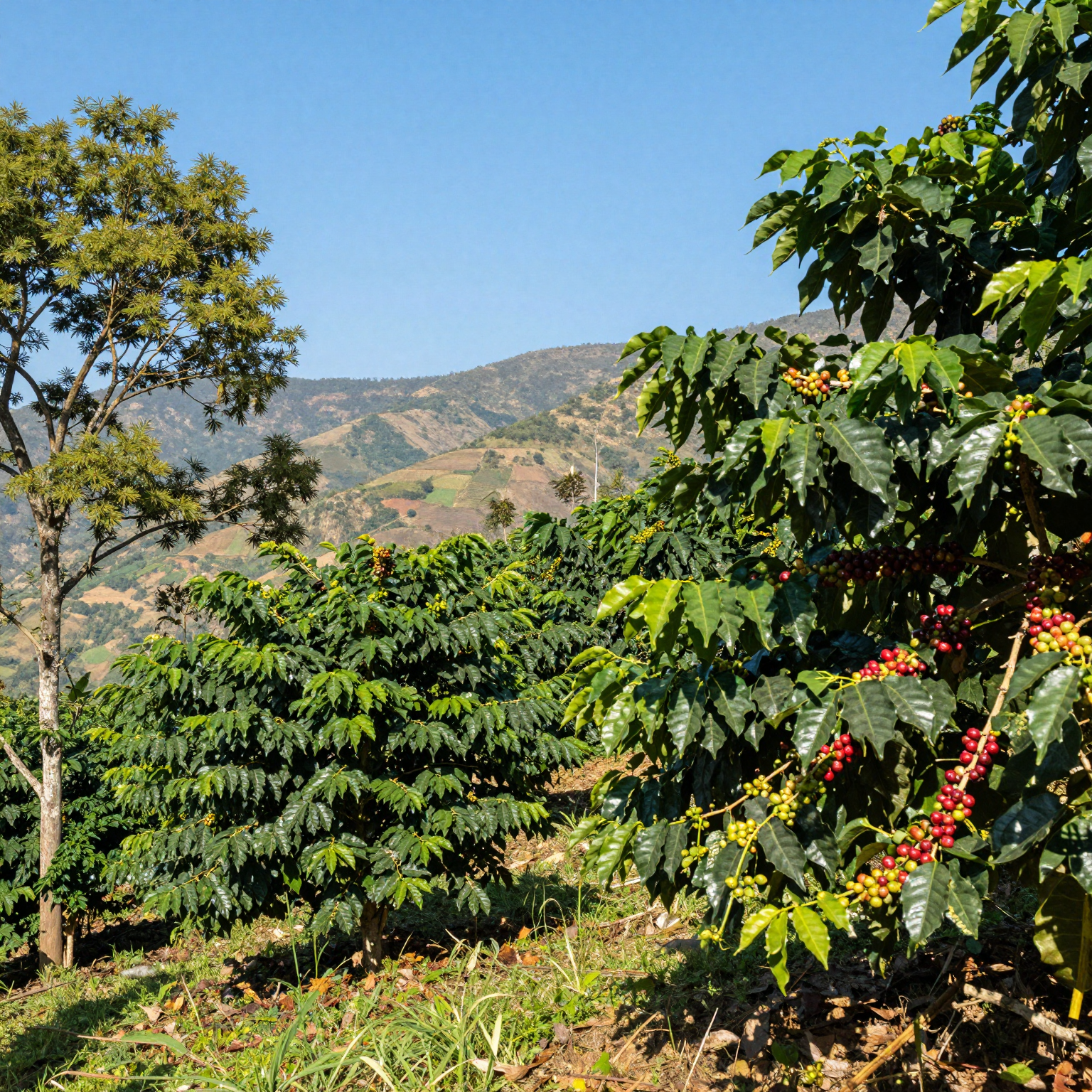
The Arabica coffee market has been experiencing significant trends and changes, particularly in 2023. Here’s a detailed summary focusing on demand, pricing, and sustainability initiatives:
Demand Trends
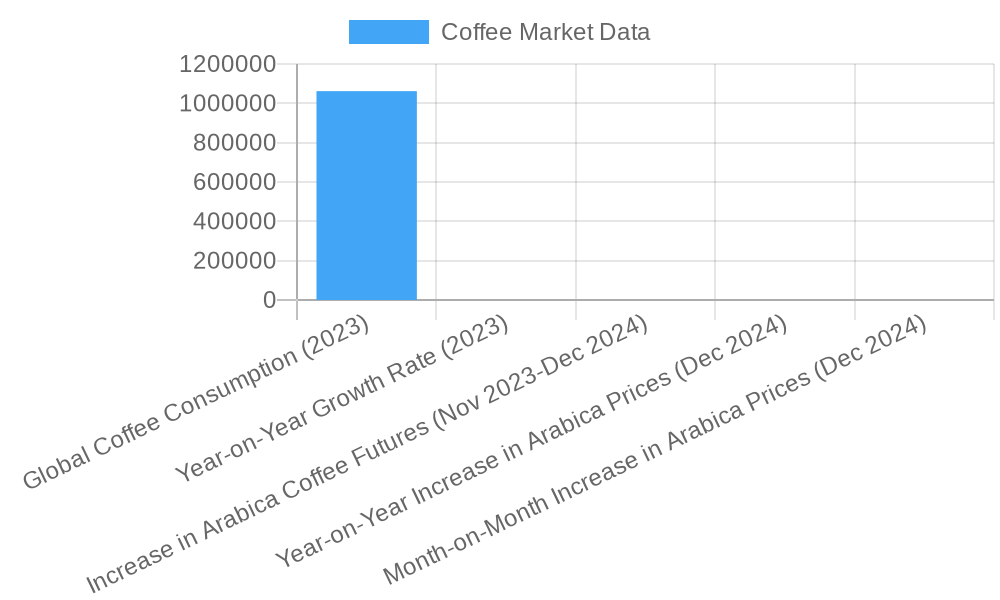
- Global Growth: The global Arabica coffee market is expanding, with an increase in consumption driven mostly by younger demographics and changing lifestyles. The total coffee consumption in 2023 is projected at around 1,062 million kilograms, reflecting a year-on-year growth rate of approximately 2.2%.
- Emerging Markets Influence: Countries like China are seeing exponential growth, with coffee consumption expected to surpass 1 trillion yuan by 2025. The growing preference for high-quality specialty coffee is evident, as consumers look for unique and premium options in their coffee experience.
Pricing Dynamics
- Current Pricing: As of now, Arabica coffee futures have shown a notable decline, with prices around $2.8680 per pound as of early March 2023, though they remain elevated due to various market pressures including climate impacts and supply chain issues.
- Price Volatility: Prices are projected to remain volatile in 2023, influenced by factors like international trade dynamics and shifting consumer preferences. The price sensitivity of consumers is also a noteworthy aspect that businesses must consider while pricing their products.
Sustainability Initiatives
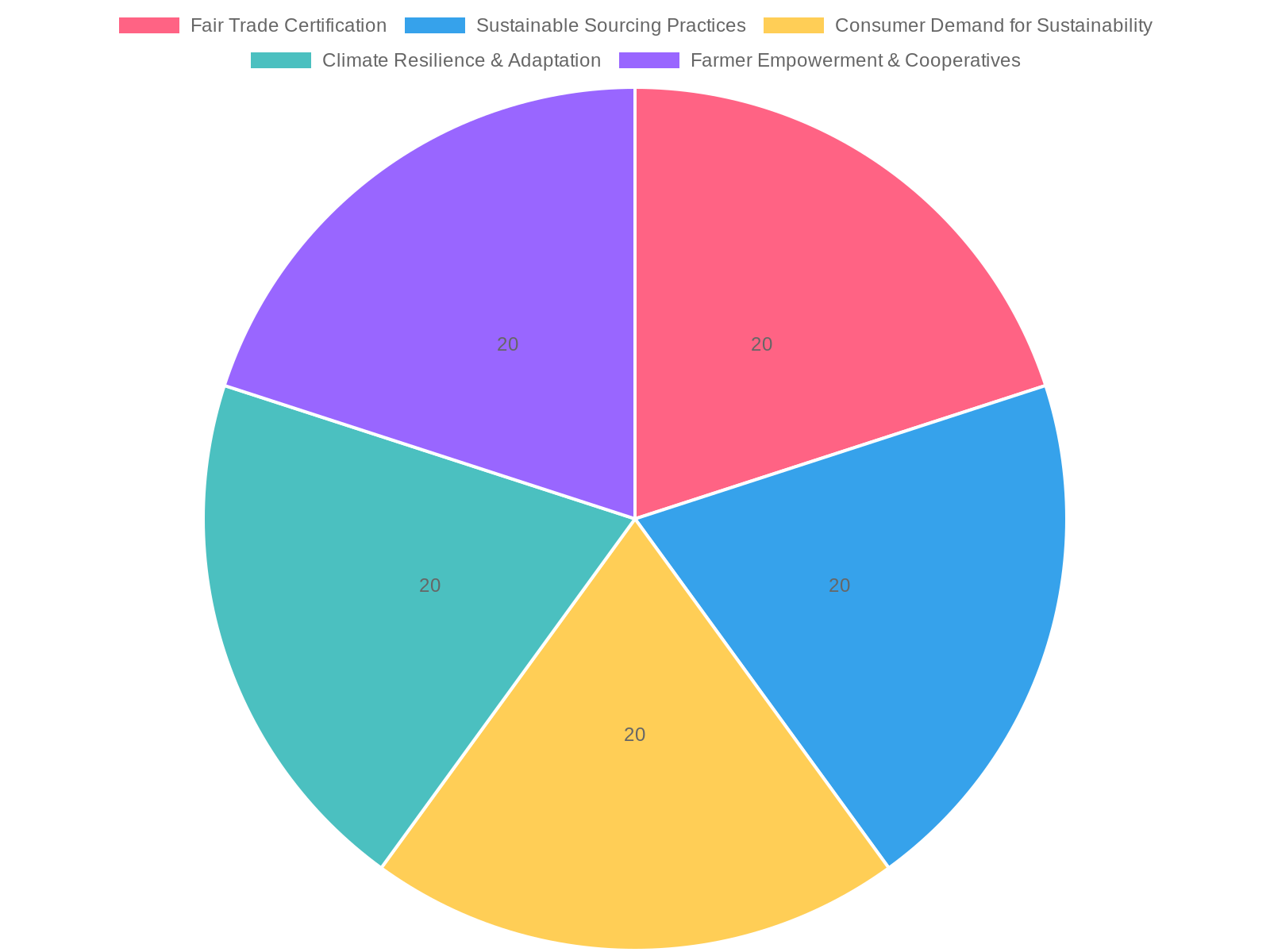
- Consumer Preferences for Sustainability: Modern consumers are increasingly prioritizing sustainability in their purchasing decisions. There’s a strong movement towards coffees that are certified fair trade or sustainably sourced, encouraging brands to adopt greener practices. Approximately 70% of consumers will choose brands that support sustainability.
- Corporate Responsibility: Major players in the coffee industry, including Starbucks and Nestlé, are adopting sustainable sourcing policies aimed at reducing environmental footprints and enhancing the livelihoods of farmers. This includes implementing fair trade practices and involving farmers in profit-sharing initiatives, making sustainability a core component of business strategies.
The Future of Arabica Coffee
With the rising global consciousness about sustainable practices, the future of Arabica coffee looks promising. Companies embracing this shift and aligning their strategies accordingly position themselves well to capture market share and appeal to environmentally-minded consumers.
Additional Data Visualizations
Market Trends Over Time
Key Sustainability Factors Influencing Arabica Coffee
For more insights on consumer behavior and market dynamics, consider exploring additional resources on coffee consumer trends and sustainable practices in coffee sourcing.
In conclusion, Arabica coffee beans are not only the preferred choice for coffee enthusiasts but also a crucial asset for business owners in the coffee industry. Their unique flavor profiles and high-quality standards are vital for establishing a premium brand identity in a competitive market. With their health benefits, such as antioxidant activity and cognitive support, Arabica beans can significantly enhance product offerings and cater to the growing demand for functional beverages. Additionally, by embracing the sustainability and ethical sourcing aspects that accompany Arabica coffee, businesses can attract environmentally aware consumers, thereby maximizing profit margins. As you position your business for success, consider the exceptional qualities of Arabica coffee beans to differentiate your products.
To further enhance your food business, why not explore innovative food pairing opportunities like premium pizza trucks? Discover how you can elevate your culinary offerings by visiting truckpizza.net. It’s time to bring something extraordinary to your customers!
Coffee Consumer Preferences: Arabica vs. Robusta
Understanding the consumer preferences for different types of coffee is essential for business owners in the coffee industry. Below is a simple chart that highlights the key attributes of Arabica and Robusta coffee beans, including their popularity, flavor profile, and price points.
| Attribute | Arabica Coffee | Robusta Coffee |
|---|---|---|
| Popularity (Consumer Preference) | 42% | 18% |
| Flavor Profile | Sweet, mellow, well-balanced; notes of caramel, citrus, mild chocolate | Strong, bitter, more neutral taste |
| Price Per Kg | Higher | Lower |
| Growing Elevation | High (1,000-2,000 meters) | Lower elevations, more resilient to pests and disease |
Note: The popularity percentages are based on aggregated consumer preference data from recent market research (2025-2026).
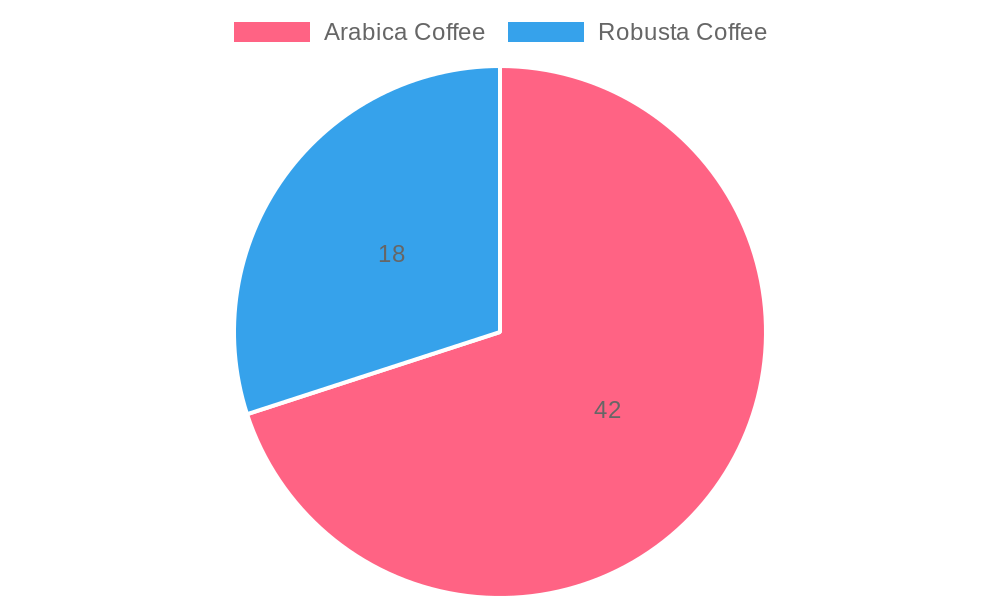
This visual representation illustrates the significant differences in consumer choices between Arabica and Robusta coffee, showing a strong preference for Arabica due to its flavor and quality. For business owners, aligning product offerings with consumer preferences can lead to increased customer satisfaction and loyalty.