

Coffee beans are much more than mere seeds; they serve as the backbone of a global industry that fuels countless businesses. Recognizing the characteristics of coffee beans—from their botanical origins to the intricacies of their roasting processes—can directly influence the quality and appeal of coffee offerings. In the chapters ahead, we will explore the botanical details and processing methods of coffee beans, delve into the diverse varieties and their flavor profiles, and analyze the economic and cultural significance of coffee in today’s marketplace. This comprehensive understanding will empower business owners to make informed decisions that resonate with consumers and enhance their brand in an increasingly competitive landscape.
From Berry to Brew: The Hidden Life of a Coffee Bean
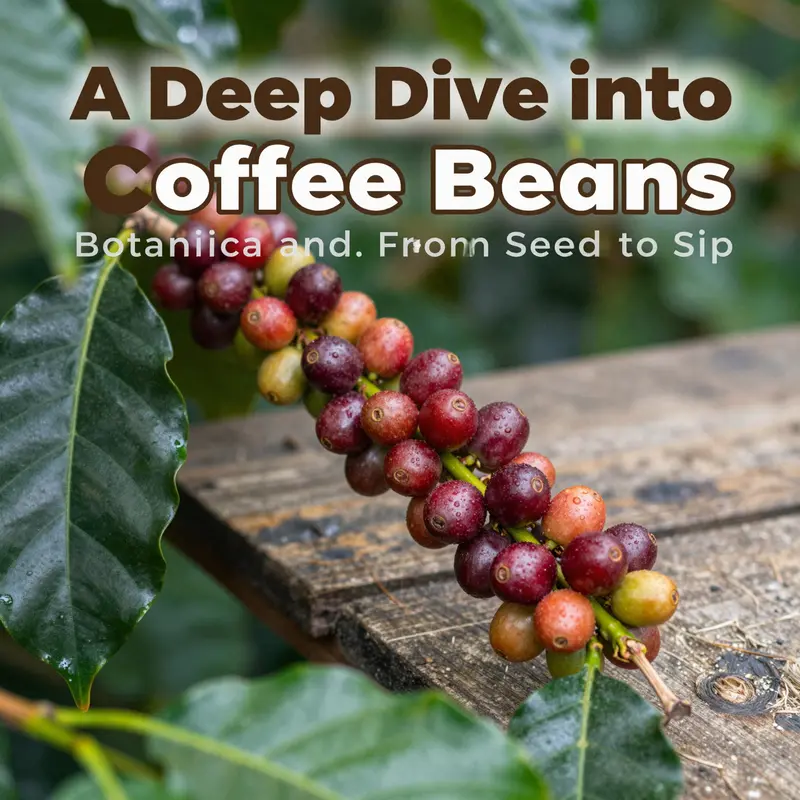
When you cradle a coffee bean between your fingers, you are cradling a seed that has traveled a long, almost alchemical journey from tropical tree to morning cup. The phrase coffee bean often misleads us into thinking of a simple legume or a true bean. In botanical terms, however, the seed sits inside a bright red cherry on a plant belonging to the Coffea genus, a member of the Rubiaceae family. The seed itself is shaped and sized in a way that has invited language to call it a bean—flat and oval, often held up to the light as a miniature coin. Yet the seed is not a legume, nor a true nut; it is a carefully protected embryo whose fate is inseparably tied to climate, altitude, cultivation practices, and a complex chain of processing steps that begin long before the bean ever meets the roaster. This seed becomes coffee only through human ingenuity, patience, and a nuanced understanding of nature’s rhythms. To grasp what a coffee bean is, we must first acknowledge the botanical reality: the fruit that bears it is a berry, commonly called a cherry, and the plant that nurtures it belongs to a small family of tropical trees that have, over centuries, adapted to a wide range of microclimates. Within the cherry, most of the time, lie two seeds pressed together, their flat faces kissing along a central seam. This bilateral symmetry is one reason the seeds resemble little beans, and it helps to explain why the term “bean” persists in everyday speech. A small but meaningful variation occurs in a subset of fruits when only one seed develops, producing what is called a peaberry. While not ubiquitous, peaberries invite curiosity because some tasters insist they deliver a slightly different, sometimes more concentrated flavor profile; the seed, after all, is the outcome of a very particular set of developmental choices in the plant’s ovary and subsequent fruit formation. The seed’s appearance, yes, matters, but more consequential is what lies beneath the surface: the seed’s internal architecture and the layers that cradle it during growth and after harvest. Botanically, the seed is largely endosperm, an energy-rich tissue that feeds the tiny embryo until it is planted in soil or, in human terms, roasted and ground for brewing. The seed is encased in a parchment-like seed coat, and outside that, a mucilaginous layer and a soft pulp. Each layer has its job: the pulp offers nutrients to the developing seed in the fruit, the mucilage protects the seed and influences the very texture of the fruit as it ripens, and the parchment protects the delicate interior through drying and storage. When the fruit is ripe, harvesters pick it at its peak, a decision that requires skill and discernment. The best cherries are plucked with care so that only the choicest fruit becomes the seed that will eventually become coffee. This careful selection is not merely about yield; it is about preserving flavor potential. The journey from cherry to bean begins here, in the fields where farmers read the color of ripeness and the plant’s subtle signals—the way a tree branches in shade, the roughness of the fruit’s skin, the way a cluster perches on a twig. After harvest, the next act unfolds in processing facilities that transform a sweet, juicy fruit into a seed capable of carrying flavor across continents. There are two broad paths in processing, each with its own chemistry and its own flavor philosophy: the washed, or wet, method and the natural, or dry, method. In the washed method, the fruit’s pulp is mechanically removed, and the beans—with their mantle of mucilage—are fermented in water for a time, then washed and dried. The goal is to minimize residual fruit flavors and allow the inherent character of the bean to emerge, revealing a brighter acidity and a cleaner profile that often pairs with the intrinsic soundness of the bean’s origin and variety. In the natural method, the whole cherry is laid out to dry under sun and shade, the fruit and its mucilage slowly dehydrate around the seed. What remains inside is a bean that has absorbed a different spectrum of flavors from the fruit it rested within—the result is often fruit-forward, sometimes heavier in body, with a sweetness that mirrors the cherry’s own sugar-rich profile. Both methods require meticulous management of time, humidity, and temperature. If the fruit is dried too quickly, the seed can crack or lose its delicate balance of sugars; if it dries too slowly, the risk of mold and fermentation shifts toward undesirable flavors. The roasting stage then transforms these green, unroasted beans into the familiar brown, aromatic kernels that smell and taste of coffee’s history. The chemistry here is a blend of art and physics: heat drives moisture out, triggers Maillard reactions that brown sugars and amino acids into new flavor compounds, and allows volatile aromatics to coalesce into the cup’s signature aroma. The profile one experiences in the cup is a product of many threads woven together: the bean’s variety, the altitude at which it was grown, the soil chemistry that fed the plant, the maturation rate dictated by microclimate, and the processing method that gently steeps or dries the fruit’s influence into the seed. Among cultivated coffee, two species dominate global production: Coffea arabica, commonly known as Arabica, and Coffea canephora, referred to as Robusta. Arabica beans are widely celebrated for a smoother, more nuanced flavor with bright acidity and a wider range of aroma notes—think floral, fruity, and citrusy tones that hint at their high-altitude origins. Robusta beans, by contrast, are hardier and better suited to hotter climates; they tend to carry more caffeine, a bolder mouthfeel, and a bitterness that some describe as earthy or chocolate-like. The caffeine content is not merely a boastful statistic; it is part of the plant’s defense strategy and ecological niche. Robusta plants, more resilient to pests and drought, lend a different energy to the cup, often delivering a strong, rustic backbone that some tasters relish when centrifuged through a medium to dark roast. The flavor arc of a coffee, from the tiniest seed, to the roasted bean, to the final brew, is a story of how origin and processing meet human intention. A single origin—say a mountain region with volcanic soil—can yield beans with a clean sweetness and a pronounced acidity, while a blend from multiple origins might balance those sharp edges with deeper chocolate notes and a fuller body. Altitude matters as much as variety. Higher elevations slow the maturation of the coffee cherry, allowing more complex sugars and aromatics to develop in the cherry and, later, in the bean’s endosperm. This slow maturation translates into beans with a more delicate, often more nuanced flavor, where citrusy brightness and jasmine-like aromatics can surface when roasted to a light or medium level. Lower-altitude farms, exposed to more heat, can yield beans with a fuller body and sometimes a more chocolatey or nutty profile, though their acidity may be less pronounced. Processing method continues to leave an imprint on flavor, particularly in the way it interacts with roast level. Washed coffees are known for clarity and brightness, with a sharper definition of fruit and a cleaner finish. Natural coffees can present a lush sweetness and a fruit-forward profile, sometimes at the expense of the pristine, almost crystalline acidity that a well-executed washed process can deliver. These general tendencies invite careful tasting and a patient vocabulary, because flavor is not a fixed attribute. It shifts with roast level, water quality, grind size, brewing method, and even the poetically mutable weather of the harvesting year. The seed’s journey from green to brown to brewed cup is also a journey through time. Fresh roasted beans begin to lose their peak aroma and flavor within weeks after roasting as they oxidize and degas. This is why storage, packaging, and the choice of roast date matter as much as the origin and processing. The modern coffee industry embraces that truth by designing packaging that protects flavor for as long as possible, often by limiting exposure to oxygen and light in the moment of packaging. Even so, a consumer’s best experience comes from using beans within a reasonable window after roast, a window that can be shortened by long storage in warm or humid environments. The bean’s physical state—green before roasting, brown after roasting, and then ground or kept as whole beans—also shapes the speed at which flavors are extracted during brewing. Ground coffee, with its increased surface area, releases aromas and tastes more quickly, which is why grind size, water temperature, and contact time with the grounds become critical variables in achieving balanced flavor. A change in any one variable can shift a cup from clean to cloying, from bright to flat. For some purists, the distinction between Arabica and Robusta is not just about caffeine or sweetness but about the stories each bean tells. Arabica’s flavor range is generous and often described as delicate, with a complexity that invites the taster to identify floral, fruity, or herbal notes at different roast levels. Robusta, though sometimes dismissed for a stronger, more bitter profile, can add depth and body to blends, offering a backbone that supports espresso and other concentrated brews where a robust crema and a stout mouthfeel are prized. The bean’s life, in other words, is not only about what the seed is, but about what the seed can become under human care. Technically, a peaberry represents a curious deviation in the plant’s reproductive outcome. Instead of two flat-sided seeds pressed together within the cherry, a peaberry results when the genetic and physiological conditions of development favor a single, rounded seed. Some tasters believe peaberries carry a more concentrated or concentrated-like flavor, though results can vary by lot and producer. The notion that peaberries consistently outperform standard two-seed beans is a topic of debate among cuppers; what remains indisputable is that peaberries remind us of the variability that exists within nature and the way a slight deviation in development can become a hallmark in the cup. The capacity to transform a humble seed into a beverage that can stir memory, mood, and social ritual reveals how deeply culture is entangled with agriculture. Coffee is a crop grown across continents, and its seeds carry with them the fingerprints of their place of origin—the altitude, the climate, the soil minerals, and the microfauna that interacts with the tree and the fruit. The roasting philosophy adopted by roasters is itself a cultural artifact, reflecting regional tastes as well as a global marketplace hungry for both consistency and novelty. A light roast may preserve the bean’s terroir, letting acidity and nuanced aromatics shine through. A darker roast can coax chocolatey and roasted notes that feel comforting and defiant of the bean’s origin story. The best beans do not necessarily align with the boldest roast; instead, they align with a balance that respects the bean’s inherent character while amplifying its most pleasurable attributes through careful extraction. In this sense, a coffee bean is more than a culinary ingredient; it is a vessel of story, science, and craft. Its entire life—seed, fruit, harvest, processing, drying, trading, roasting, and finally brewing—maps a chain of human relationships that cross borders, languages, and time zones. The seed’s resilience and adaptability have allowed coffee to become one of the most widely consumed beverages across the globe, a daily ritual that still embodies the same early measures of patience and care that farmers practice when they select ripe cherries and farmers’ markets curate the right heat and humidity in a drying patio or a fermentation tank. To understand what a coffee bean is, then, is to recognize that the seed is not an isolated object but a link in a long chain—a chain that begins in tropical soils and ends in the sensory memory of a single, well-brewed cup. This perspective invites a different kind of appreciation: not only for the flavor of the coffee we drink but for the delicate balance of botanical biology, agricultural craftsmanship, and culinary technique that makes that flavor possible. It invites readers to linger on the idea that a bean, a seed, a tiny seed with a coat and a lineage, can unlock a world of aroma, texture, and emotion. And it reminds us that every brew carries a trace of a cherry’s life and a farmer’s labor, threaded together by the hands of roasters, baristas, and home enthusiasts who treat the humble seed as a living bridge between plant and palate. For anyone curious about the science and the elegance behind the everyday cup, tracing the journey from berry to brew offers more than facts; it offers a way to listen to the plant’s memory in the aroma that rises from the cup and the story that lands on the tongue with each sip. In this sense, the coffee bean is less a commodity than a narrative—one that begins with a cherry, passes through the kiln of heat and time, and ends with a shared moment of warmth and reflection. Further reading: The Coffee Guide’s authoritative exploration of coffee bean botany and processing insights can deepen this understanding: https://www.thecoffeeguide.com/coffee-beans-botanical-and-processing-insights
From Seed to Sip: A Comprehensive Tale of Coffee Beans, Their Varieties, and the Flavors They Bring

A coffee bean is more than a simple seed found inside a small red or ruby-hued fruit. It is the seed of the coffee cherry, a fruit borne on shrubs of the Coffea genus. When we describe what a coffee bean is, we are really tracing a lineage—from botany to terroir, from seed to cup. The seeds we roast and grind to brew coffee come from two dominant species that dominate global production: Coffea arabica, known commonly as Arabica, and Coffea canephora, known more familiarly as Robusta. Arabica seeds are prized for their smoother, more nuanced flavors and a gentler acidity, while Robusta seeds carry a bold, vigorous profile and a higher caffeine content. Yet even within these two broad groups, flavor is not a single monolith. The bean’s character is shaped by its place of origin, altitude, the soil that feeds it, how the fruit is processed after harvest, and how the bean is then roasted. In this sense, a bean is a small vessel carrying a complex blend of genetics, environment, and craftsmanship, with each stage offering an opportunity to alter the taste trajectory of the final cup. The term coffee bean remains a common shorthand, even though, botanically speaking, it is merely a seed that has been coaxed into a beverage’s aroma and body through human technique.
The two principal species dominate the global palate for good reasons. Arabica’s appeal lies in a broader spectrum of flavors and a generally cleaner acidity, lending a cup that can read as bright, citrusy, floral, or tea-like depending on the origin and processing. Robusta, meanwhile, contributes a certain depth and a punch of caffeine that can lift blends and deliver a robust crema in espresso. It is in the blending and roasting of these beans that roasters and baristas sculpt a drink that can feel both rooted in its terroir and reimagined through the heat of the roast. The flavor profiles that emerge are not only a function of species but also of cultivation conditions and post-harvest choices. The same Arabica plant grown at different altitudes can yield cups that feel like they belong to different worlds, and the same processing method can reveal or mute certain flavor notes. This is why the study of coffee beans often reads like a guide to sensory geography, tracing how elevation, climate, soil mineral content, and water quality translate into flavors we recognize as bright, silky, fruity, nutty, smoky, or chocolatey.
Among Arabica cultivars, a few names recur with affectionate familiarity in the cupping room and on plantation maps. Typica stands as one of the oldest and forms the genetic backbone for many other varieties. It is often associated with clean, bright acidity and a balanced cup that can carry citrus or tea-like notes depending on the terroir. Bourbon, a natural mutation of Typica, tends to be sweeter and fuller-bodied, with notes that might evoke caramel, stone fruit, or chocolate. The mutation known as Caturra is prized for its higher yield and reliable cup quality, a practical choice for commercial cultivation in many regions, though its resilience can waver against certain pests and diseases compared with other varieties. Each of these Arabica lines is not merely a label but a flavor map, offering a starting point for what a cup might reveal when roasted and brewed with care. Robusta, in contrast, is valued for its sturdiness and its higher caffeine content. Its flavor tends to be bolder, with earthy, woody, and sometimes even burnt-note tendencies that can contribute a sense of depth and structure to a blend or a shot of espresso. Robusta’s cultivated tolerance to warmer climates and lower altitudes makes it a dependable workhorse in blends, where its strength can anchor and sharpen the lighter edges of Arabica components.
There is also Liberica, a more mysterious and less widely grown species. Liberica beans are larger and often asymmetrical in shape, and they carry flavor notes that can feel floral, fruity, or smoky, with a mouthfeel that can be distinctly full-bodied. Liberica’s relative rarity adds an element of discovery for a palate seeking something outside the more familiar Arabica-Robusta spectrum. Its profiles remind us that the plant world offers more variety than the current market share suggests, and that exploration can yield cups that feel exotic without sacrificing balance.
The flavor profile of a coffee bean cannot be distilled to a single origin or species; it is a product of multiple interacting factors. The variety provides an inherited flavor framework—Bourbon’s sweetness, Typica’s brightness, Robusta’s intensity—while the environment offers a climate-inspired seasoning. Elevation, for instance, matters profoundly. High-altitude farms tend to slow the maturation of cherries, producing beans with a higher degree of acidity and a finer dried fruit sweetness. Lower-altitude farms often yield beans with more body and earthier, cacao-like notes. The soil itself—rich with minerals such as phosphorus, potassium, and trace elements—imparts subtle cues in the cup, contributing to a sense of rock, fruit, or mineral brightness that a taster might perceive as a hint of black currant, almond, or stone fruit.
Processing after harvest further diversifies the flavor landscape. Washed, or wet processing, cleans the fruit away from the bean and tends to emphasize clarity and brightness, making acidity more pronounced and allowing the origin’s character to shine through with a cleaner finish. Natural or dry processing leaves the beans to ferment with the fruit skin on, preserving fruity sweetness and often producing heavier cups with wine-like or berry-like fruit notes. Honey processing, which sits between washed and natural, leaves some mucilage on the bean, creating a balance of sweetness and acidity and often a warmer cup with caramel tones. Each method alters the bean’s chemistry in a measurable way, affecting sugar compounds and aromatic precursors that contribute to aroma and flavor when roasted.
Roasting is where a bean’s latent characteristics are unlocked, amplified, or softened. Light roasts generally preserve the bean’s origin traits—the floral aromatics, the citrusy brightness, and the tea-like finish—while turning down the earthy and caramel notes that often emerge in darker roasts. Medium roasts strike a balance, letting acidity and body meet in a chorus of caramel sweetness, nutty notes, and chocolate hints. Dark roasts emphasize deeper chocolate, smoky, and sometimes ashy tones, sometimes masking the bean’s origin traits in favor of a more universal, roast-driven profile. The interplay between roast and origin is not a competition but a negotiation: how much of the bean’s inherent character do we want to carry into the cup, and how much do we want the roast to create a sense of place through the session’s aroma and palate feel? Baristas and roasters adjust these variables with intention, crafting experiences that range from bright and tea-like to rich and resinous, depending on the brewing method, water, and personal taste.
What does all this mean for the everyday coffee drinker? It means that a single bag of beans can reveal a spectrum as broad as the world’s wine regions. A lighter roast from a high-altitude Arabica may yield a cup that tastes like citrus zest, dried apple, and a whisper of jasmine, painted on a clean, crisp body. A medium-roasted blend of Arabica and Robusta might present a structured profile with chocolate overtones, a touch of nuttiness, and a creamy mouthfeel that stands up to milk in a latte or the intensity of an espresso. A darker, single-origin Robusta shot can deliver a bold, earthy backbone with a burnt sugar sweetness that lingers on the palate. And beyond the cup, the very act of selecting a bean—its origin, its processing path, the roaster’s approach—becomes a form of storytelling. Each choice encodes a narrative about where the plant grew, how people cared for it, and how skilled hands coaxed it into a drink that can be both comforting and surprising.
In discussing varieties and flavor profiles, it is helpful to consider how the sensory experience may unfold over the life of a bean. A high-quality Arabica sourced from a mountain estate could begin with bright aromas of citrus and flowers, followed by a cup that presents a light to medium body with a crisp acidity and lingering sweetness—many tasters describe this as a tea-like or winy finish when the roast and grind align to highlight the bean’s delicate acids. A well-chosen Robusta component in a blend often contributes a robust crema and a chocolatey, toffee-like richness that can anchor the cup’s structure, providing contrast to the more delicate aromatics of Arabica. The Liberica example can surprise with tropical fruit notes and a smoky backbeat, delivering a cup that feels resinous and full without tipping into heaviness. This spectrum exists because beans carry the fingerprint of their genetic makeup and their environmental upbringing, then are shaped by human technique at every step—with the roast acting as an interpreter who emphasizes or softens certain lines in the story.
The practical implications for someone choosing beans are straightforward enough: recognize that flavor precedes origin, but origin strongly influences flavor. Those who crave a brighter, more delicate cup should seek Arabica cultivars from higher elevations and pay attention to processing methods that favor clarity, such as washed processing. For an espresso-focused or bold-leaning profile, a blend with Robusta can provide the necessary body and crema, while a single-origin Arabica can offer a lucid sweetness and complex aromatics worth exploring in a pour-over or a careful extraction. Those curious about something outside the mainstream may encounter a Liberica or a rare regional hybrid, discovering flavors that defy quick classification and invite a slower, more contemplative tasting approach. In every case, the roast level matters. The same origin can shift dramatically from a bright, tea-like cup at light roast to a chocolate- and spice-forward profile at a deeper roast. The brewer’s choice, the grind size, the water temperature, and even the freshness of the beans all join the conversation, guiding how the flavor compounds emerge and evolve in the cup.
The journey from seed to sip is thus a continuous loop of decision and discovery. The bean’s life begins on a plant with its own climate and soil, proceeds through harvest and processing choices shaped by culture and economy, and ends in roasting and extraction that reveal how the bean has traveled through time to become a drink we recognize as coffee. This integrated view helps explain why coffee, though it can be described with standard notes like fruity, nutty, chocolatey, or earthy, always remains a product of particular choices. The flavor you taste is not simply a function of the bean’s species but a composite signal: the plant’s genetics, the altitude at which it grew, the soil’s mineral diet, the processing method that freed it from fruit, the roast’s tempo, the grind’s fineness, and the brew method’s water chemistry. When a cup carries a sense of place and craft at once, you are tasting the intersection of many stories told through flavor.
Beyond the sensory and agricultural considerations, there is also a broader human dimension to the coffee bean. The choice of variety and processing method reflects the labor, knowledge, and stewardship of the farmers who cultivate these beans. It reflects the cooperatives that select and breed certain varieties to suit local climates and market demands. It reflects roasters who, through careful testing and cupping, decide how to bring out the most compelling aspects of a particular lot. It reflects baristas who translate these choices into the ritual of extraction, a ritual that rewards patience and attentiveness with a cup’s evolving aroma and taste. In such a way, the coffee bean becomes a mediator between geography and palate, a seed that travels through a chain of care and skill to arrive as a beverage capable of shaping mood, memory, and moment.
For readers who want to explore this terrain further, think of the bean as a map rather than a fixed destination. Each varietal’s potential is not exhausted by a single preparation. A Caturra from a sun-warmed hillside may yield a bright, clean cup, while the same genetic line grown under slightly different shade and harvested at a different moment could become sweeter and heavier in body. The same holds true for processing choices: a washed coffee can expose delicate florals, while a natural process might reveal bolder fruit notes. The roast then acts as the guide who helps you navigate from the map’s edges toward the central city of flavor you most want to inhabit. And in tasting, you refine your own map—learning to discern which notes align with your memories, which aromas evoke a sense of place, and which textures encourage you to linger over the cup a moment longer.
In sum, a coffee bean is a seed with a passport. It carries the genetic tendencies of its species, the environmental signature of its terroir, and the human fingerprints of farmers, processors, roasters, and brewers who coax its personality into the cup. Arabica and Robusta may dominate the market, but within them lie a spectrum of varieties and processing pathways. The result is a world of flavor that can be bright and delicate, bold and earthy, or exotic and floral, all shaped by choices made long before the first sip. The next time you encounter a bag labeled with origin, variety, and processing method, you will know that you are meeting not just a bean but a composite narrative: genetics meeting climate, meeting culture, meeting craft. The journey from seed to sip is a narrative of care and precision, one that invites continual tasting, learning, and appreciation.
For readers who wish to explore related topics beyond coffee yet recognize the value of careful selection and adaptation in craft, consider this resource discussing how professionals approach complex, individualized needs in a field focused on daily practice and well-being: https://coffee-beans.coffee/blog/occupational-therapy-geriatrics/ . This internal link invites a parallel reflection: just as a barista selects the right bean, roast, and extraction to suit a drinker’s preference, a clinician tailors environments and interventions to suit a patient’s goals and context. The metaphor speaks to the broader idea that success—whether in preparing a satisfying cup or supporting a person’s daily functioning—rests on understanding diversity, making informed choices, and honoring the subtle differences that each situation brings to light.
For a concise overview of coffee’s biology and history, see https://en.wikipedia.org/wiki/Coffee
Seed, Trade, and Ritual: The Global Life of the Coffee Bean
A coffee bean is the seed of a plant in the Coffea genus, most commonly from the species Coffea arabica and Coffea canephora. It sits inside a small, cherry-like fruit, and though the term “bean” is how people generally refer to it, botanically the seed is what remains after the fruit’s outer layers are removed. This seemingly modest seed holds a remarkable power: it links tiny farm plots to bustling city streets, quiet kitchens to roaring cafes, and local economies to global markets. When green, the beans are compact and pale; when heated, they transform, expanding to nearly twice their original size and changing in color, density, and aroma as a cascade of chemical reactions unfolds. Among these reactions, the formation of melanoidins from the precursor trigonine stands out as a key step in developing the beverage’s familiar color and complex flavor. The roasting process does not simply brown the beans; it unlocks a spectrum of compounds that readers and tasters recognize as acidity, sweetness, fruitiness, earthiness, and a lingering aftertaste that can be as delicate as tea or as bold as dark chocolate. In this sense, the humble seed is the starting line of a sensory race that stretches across continents and cultures, each variable—origin, altitude, processing method, and roast level—altering the final cup in measurable and meaningful ways. Yet the science and the flavor are inseparable from the bean’s economic and cultural reach, which reshapes lives, livelihoods, rituals, and cities as surely as the roasting drum reshapes each seed’s chemistry. The difference between a seed grown at high altitude with care and a seed from a farm facing drought or pests can become a difference in price, in opportunity, and in the stories people tell about their daily rituals around coffee.
To understand the broader significance of the coffee bean, we must trace its journey from field to cup. Coffee is among the world’s most traded agricultural commodities, a status earned through centuries of cultivation, trade routes, and evolving consumer taste. It is not simply a beverage; it is a material that carries value, hope, and risk in equal measure. In many producing regions, coffee livelihoods are woven into family histories and community structures. Across more than fifty countries, coffee farming sustains the incomes of millions of families, helping households weather shocks, fund schooling, and preserve cultural practices tied to harvest and flavor profiles. The global market’s scale—where coffee sits among the most actively traded agricultural products—means prices, futures, and certifications ripple through rural economies, affecting decisions about land use, investment in new plant stocks, and adherence to sustainability standards.
The modern coffee economy has evolved into a tapestry of product quality and consumer desire. The grower’s choice of bean is no longer a merely agricultural decision; it becomes an economic strategy. The rise of the specialty coffee movement—an emphasis on high quality, distinctive flavor profiles, and transparent farming practices—has created opportunities for producers who invest in forest shade, soil health, selective harvesting, and careful processing. In this landscape, a bean from a specific origin or even a single farm can fetch premium prices when its terroir and handling are well documented and tastefully presented to discerning buyers. Innovations in brewing and service—such as precise temperature control, variable grind sizes, and attention to water quality—complement these bean-level decisions, enabling a broader audience to appreciate subtle differences in flavor that originate in the seed and its birthplace. The result is a market that rewards storytellers who can connect flavor to place, and places where aging coffee beans evolve into richer, more expressive cups. In turn, this premium segment drives investment back to farming communities, encouraging quality improvements and sustainable practices, which compound across generations as new farmers learn from the successes and challenges faced by their predecessors.
The typicity of flavor and the reliability of supply depend on climate, altitude, soil, and husbandry. Arabica and Robusta beans offer different sensory palettes and different risk profiles. Arabica generally carries smooth, nuanced flavors with greater acidity and sweetness, often described as bright and chocolatey, while Robusta tends toward a stronger body and a higher caffeine content, delivering a more bitter, robust edge that some consumers prize for its intensity. These distinctions are not simply tasting notes; they affect market dynamics and price structures, and they influence how farmers choose varieties, how cooperatives negotiate with buyers, and how roasters balance blends to achieve desired profiles. The appeal of single-origin offerings—often associated with clean, well-defined acidity and a sense of place—has grown dramatically in the last decade, supported by logistics that enable reliable supply chains and traceability that consumers increasingly demand. A parcel of Typica grown in a highland microclimate in Yunnan may exhibit a bright, clean acidity and a balanced sweetness that distinguishes it from other origins, and its rise in the market illustrates how origin-specific beans can command premium pricing and cultivate consumer excitement around “what this place tastes like.” In effect, origin becomes a language that transmits information about climate, soil chemistry, elevation, and farming practices, and when this language is paired with careful processing and roasting, it allows buyers and drinkers to read a map of origin in the cup.
Roasting remains the hinge on which origin, processing, and consumer enjoyment pivot. The green coffee bean, when heated, undergoes a dramatic metamorphosis. Loss of moisture concentrates flavors, sugars caramelize, and volatile compounds bloom into aromas that range from fruity to nutty to smoky. The Maillard-type reactions, controlled through time and temperature, sculpt the cup’s perceived sweetness and depth. Melanoidins, the brown polymers formed during roasting, contribute to body, mouthfeel, and color, while behaving as markers of roast level. The journey from seed to roasted bean thus encodes both art and science, with roasters calibrating heat and time to accentuate a bean’s intrinsic characteristics. This calibration matters economically because roast profile influences the bean’s appeal in different markets. A light roast may emphasize citrus and floral notes prized by specialty consumers seeking clarity and terroir, while a darker roast might amplify chocolatey and earthy traits that appeal to broader audiences or to blends marketed on consistency and boldness. Each roast profile, in turn, interacts with brewing methods, from pour-over to immersion, shaping the final flavor impression and, by extension, the bean’s value in the marketplace. The bean’s physical expansion during roasting—up to nearly double in volume—also affects yield in roasting facilities and the efficiency of packaging and storage, all of which contribute to the beans’ economic footprint.
The economic gravity of coffee is vast. It is a global commodity whose trade reflects a web of producers, traders, exporters, importers, roasters, retailers, and consumers. Coffee’s position as one of the most traded agricultural commodities—second only to oil in some measures of global trade volume—tests the resilience and adaptability of entire national economies and village economies alike. For more than a hundred million people, coffee represents a livelihood that supports families, funds education, and sustains local institutions through cash income and access to markets. In many coffee-growing regions, households diversify their income by selling other crops or by providing labor during harvest seasons, yet coffee remains the backbone of rural economies, shaping seasonal rhythms and community schedules around harvest, processing, and marketing windows. The specialty coffee market, with its emphasis on provenance, quality, and sustainability, has accelerated this dynamic. It rewards investments in quality at the farm level and in the supply chain, which many communities undertake through cooperatives, farmer groups, and partnerships that promote transparency about farming practices and social responsibility.
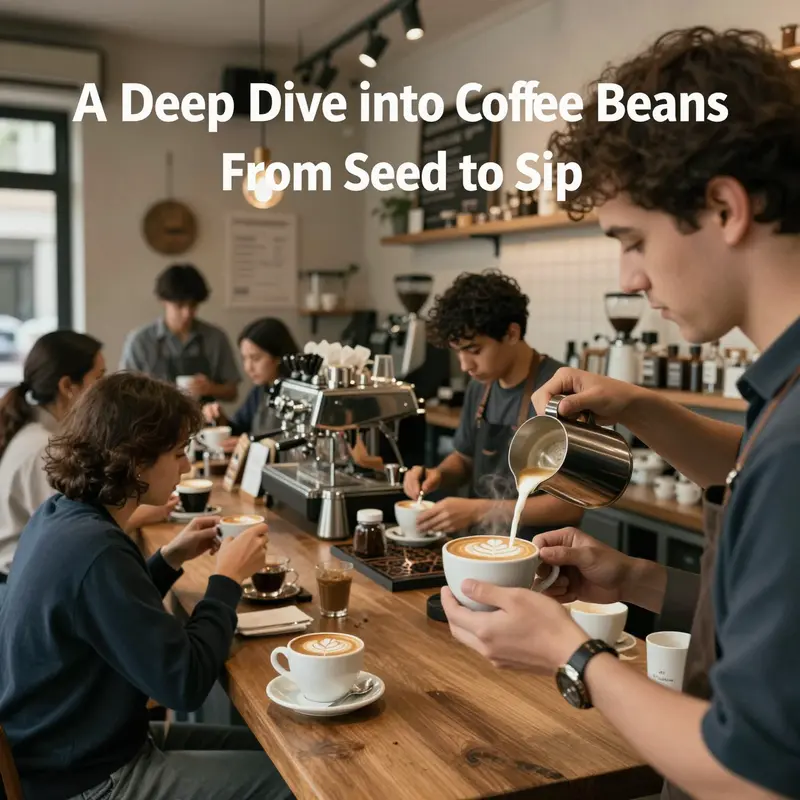
The cultural significance of the coffee bean extends far beyond its economic value. Across the world, coffee is woven into rituals, social rituals, and daily routines that define communities. In parts of the Middle East and the Caucasus, traditional coffee ceremonies emphasize hospitality and conversation, turning the act of serving coffee into a social event that strengthens ties among neighbors and guests. In East Africa and the Horn, communal gatherings around processing and sharing coffee can be moments of collective memory and identity, where the bean’s origin and the family’s labor are celebrated through ritualized preparation and sharing. In Europe and the Americas, the ritual of coffee reveals itself in the cadence of morning routines, the cadence of work life, and the social spaces that coffee shops have come to inhabit. Cafés function as nodes of exchange—of ideas, of collaboration, of listening—that reflect broader cultural values about independence, creativity, and community. The coffee shop, in many cities, is more than a place to drink; it is a space where people meet to think, to argue, to write, to plan, to listen, and to reflect. The bean, once harvested and dried, roasted and ground, serves as a catalyst for human connection, transforming a seed into a shared experience and turning a local crop into a global conversation.
Alongside ritual and sociocultural value, consumer interest has grown in the accessibility of knowledge about origin and production. Increasingly, drinkers seek transparency about how a bean traveled from soil to cup, and about the environmental and social costs embedded in each link of the supply chain. This demand for traceability has spurred innovations in processing methods, certification schemes, and collaborative farming models that emphasize sustainable land use, soil health, and fair compensation for farmers. The result is a more accountable market in which the bean’s value is inseparable from the story of its production: the farmer’s skill, the cooperative’s governance, the processor’s care, the roaster’s artistry, and the barista’s craft all co-create the flavor profile and the experience of the cup. The cultural impact of such stories is profound; it elevates coffee from a simple caffeine delivery system to a medium through which communities express pride, stewardship, and a shared appreciation for the ecosystems that sustain them.
The interplay of economics and culture also reveals some of the challenges facing the coffee world. Climate variability, pests, and diseases threaten yields and quality, particularly for smallholders who lack access to diversified risk management. Price volatility can destabilize family incomes and investment in long-term improvements, including shade-grown cultivation, precision agriculture, and cooperative governance. Some regions have responded by strengthening producer organizations, investing in post-harvest processing infrastructure, and pursuing certifications that can attract premium markets. Yet the benefits of such arrangements depend on stable demand and equitable distribution of value along the supply chain. In many places, the bean’s journey from seed to cup remains precarious, requiring ongoing collaboration among farmers, traders, researchers, and policymakers to ensure that the economic rewards of a global coffee market do not outstrip the social and environmental costs borne by producers. In this sense, the bean’s significance is not only measured by price or flavor, but by resilience—the capacity of communities to adapt, to preserve cultural traditions, and to sustain ecological systems while continuing to share the fruits of this remarkable crop with the world.
The coffee bean’s story, then, is a testament to how a seed can carry more than potential flavor. It carries tradition, labor, and aspiration. It acts as a hinge between rural landscapes and metropolitan cafes, between farm-level decisions and urban palettes, and between local ecosystems and global networks. The seed embodies a chain of value generation that encompasses agronomy, processing, logistics, and marketing, as well as memory, ritual, and aesthetic discernment. Its cultural significance is inseparable from its economic impact; each contributes to the other in a dynamic that shapes how societies value labor, how they express hospitality, and how they imagine a sustainable future for farming communities. In the pages of markets and in the rhythms of daily life, the coffee bean remains a compact yet potent messenger: from the highlands where farmers tend fragile trees to the steaming cups that punctuate conversations in bustling cities, the seed’s life is a continuous thread weaving together science, commerce, and culture.
For readers curious about a broader synthesis of origin, market dynamics, and the quality process, a detailed overview is available in the scholarly literature, which provides deeper context for the economic and cultural dimensions described here: https://www.mdpi.com/2306-5729/10/4/118. This resource situates the bean within a global framework, highlighting the interdependencies that connect farmers, traders, researchers, roasters, and consumers in a shared, evolving story of flavor, value, and responsibility.
Final thoughts
Understanding coffee beans, from their botanical origins through to their vast variety and cultural implications, can significantly enhance business strategies. Choosing the right coffee beans and understanding their processing can influence product quality, customer satisfaction, and ultimately, a café’s success. By appreciating the complete journey of coffee from seed to cup, business owners can position themselves effectively in a competitive marketplace, catering to evolving consumer tastes and preferences. Investing in knowledge about coffee beans will not only refine your offerings but also deepen your connection with your customers—transforming every cup of coffee into an experience.