
For coffee business owners, understanding the longevity of whole bean coffee is essential for delivering quality products to customers. The rich aromas and flavors of coffee are intricately linked to its freshness, which is predominantly dictated by its roast date. In this exploration, we will delve into the optimal freshness duration of whole bean coffee, examining key factors that affect its shelf life. By grasping these concepts, you can ensure that your customers enjoy coffee at its peak quality, fostering loyalty and enhancing your brand’s reputation in the competitive coffee market.
The Freshness Window: How Long Whole Bean Coffee Stays at Its Best
Fresh coffee isn’t anchored to a single date on the bag. Its best aroma and flavor live in a window that starts at roast and narrows with time, storage, and grinding timing. In general, most guidance points to peak flavor within about two weeks after roasting. Whole beans retain more aroma than ground coffee, but grinding exposes more surface area and accelerates flavor loss, so grind as close to brewing as possible.
Beyond two weeks, you can still drink good coffee for several weeks to a couple of months if kept in airtight, opaque containers away from heat, light, and moisture. However, flavor will fade progressively rather than drop off abruptly. The safety aspect isn’t the issue—coffee remains safe longer—but the sensory experience declines.
Storage is the practical lever. Use an airtight canister, keep beans whole until you’re ready to brew, and avoid heat and sunlight. Freezing can extend life but introduces risks of moisture when thawed, so many people avoid it unless storing for more than a month. Buy in quantities that suit consumption and rotate stock to keep freshness fresh in your routine.
The take-home: roast date is your anchor; storage is your shield; grind timing is your accelerator. If you want the boldest, most nuanced cup, buy beans roasted within two weeks and grind just before brewing. If you’re stocking up, accept a longer flavor window but temper expectations about aroma and brightness.
In short, whole bean coffee is best within the first two weeks after roasting, with safe, slower decline for the following weeks and months in proper storage. The goal isn’t a calendar deadline but a practical rhythm: protect the beans, grind for freshness, and brew when the cup is at its peak.
Breath, Light, and Temperature: How Storage Realities Sculpt the Shelf Life of Whole Bean Coffee
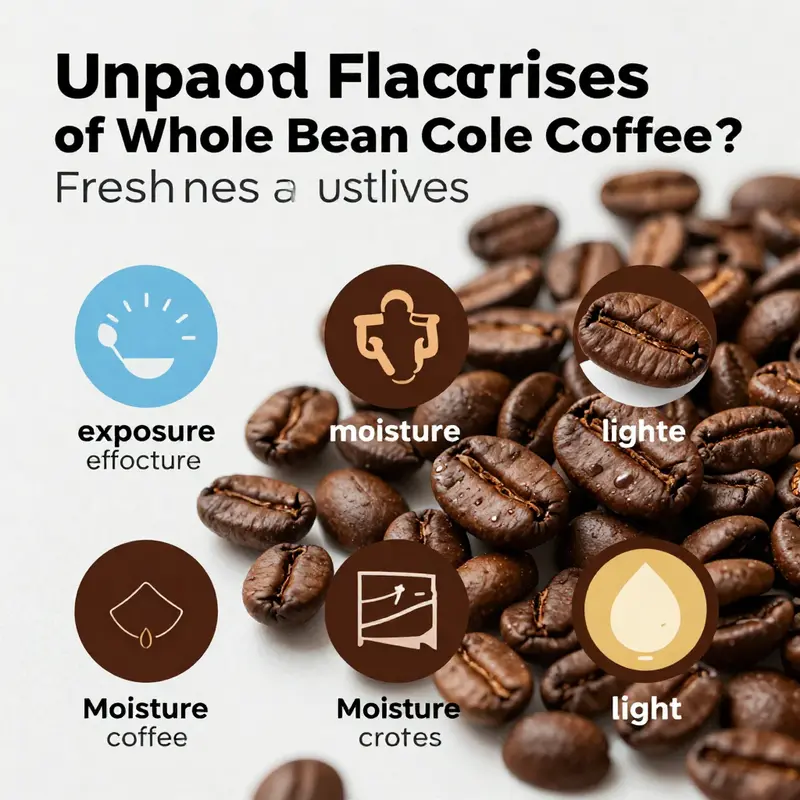
The moment a green bean becomes a roasted coffee, a clock starts ticking. Not a clock you read on a bag’s warranty, but a clock that measures freshness in flavor compounds, aromatics, and the overall sensory experience of the cup. For many coffee lovers, the quest is not a single number but an understanding of what preserves or drains those delicate notes we chase in every grind. The answer is not a fixed date; it is a nuanced dance among oxygen, moisture, light, and temperature, all filtered through the container that shields the beans from air’s quiet assault. This is shelf life in practice: the quality window you experience when you brew is shaped by how the beans have been handled, stored, and aged in your kitchen.
Oxygen is the fiercest antagonist. When air touches roasted coffee, oxidation begins and aromatic compounds start to fade. The aroma that gives floral brightness, fruit hints, and chocolate depth slowly declines, more a gradual drift than a sudden collapse. Proper storage matters: an opaque, airtight vessel limits air exchange and slows degradation. The ritual becomes a habit of limiting air exposure rather than hiding beans from sight.
Moisture completes the triad. Humidity invites trouble: it can feed mold and alter the balance of volatile compounds, producing a stale, cardboard-like note. Moisture can condense on the surface when you move beans between fridge and counter, or when a hygroscopic container wicks moisture into the bag. The effect is a creeping aroma decline and a flattening of sweetness over time.
Light is a saboteur. Ultraviolet rays break down flavor compounds and accelerate aging. Even in a sealed container, light intrusion matters if the container is transparent. The rule is simple: keep beans in a dark place, in an opaque vessel, away from direct sun.
Temperature fluctuations amplify the effect. Roasted coffee tolerates heat poorly, and repeated warming and cooling can release and then lose aromas. A steady cool, dry microclimate helps preserve aroma longer than a kitchen that swings with the seasons. Temperature is about volatility, not a single degree.
Best practices follow naturally: nest the beans in an airtight, opaque container that blocks air and light; store it in a cool, dry, dark corner away from heat sources; rotate batches with a first-in, first-out routine and label roast dates; and if you freeze, do so in small portions and minimize thaw cycles.
Ground coffee is even more sensitive and benefits from the same principles, but always protect whole beans until grinding. The everyday brewer can maximize freshness by buying in smaller quantities, roasting with intent, and brewing with the current state of the beans in mind. The general window for peak flavor tends to be a couple of months after roasting for many beans, though much depends on the roast level and storage conditions.
In short, shelf life hinges on environment as much as the bean. A well-sealed, opaque container in a cool, dry, dark place with minimal air contact and thoughtful rotation can stretch the time between roast and cup without sacrificing the experience. Flavor drift is normal, but with discipline you can keep the cup expressive for longer.
For context and practical guidance, references to storage resources emphasize the same core idea: air, moisture, light, and temperature govern flavor more than any fixed date. An external reference such as https://www.brewbabe.com/coffee-bean-storage/ provides a concise, research-informed frame that aligns with everyday routines.
Final thoughts
Maintaining the quality and freshness of whole bean coffee is a crucial aspect of running a successful coffee-focused business. From understanding the 1 to 2 months optimal consumption window post-roast to recognizing the factors like air, moisture, and light that can affect flavor longevity, these insights equip you to enhance your coffee offerings. By mastering these elements, you not only provide the best experience for your customers but also strengthen the credibility and appeal of your brand in the competitive coffee landscape.