

Ensuring coffee beans retain their freshness is a critical task for business owners in the coffee industry. Freshness not only affects the flavor profile but also influences customer satisfaction and repeat business. Understanding the lifecycle of coffee beans post-roasting reveals their peak freshness timeline, typically ranging from 2 to 4 weeks. However, this window is susceptible to various factors, such as storage and grinding methods. This guide is designed to equip you with substantial insights into maintaining coffee bean freshness, featuring key topics like the freshness window after roasting, the significance of storage conditions, the impact of grinding on coffee quality, and expert tips to ensure every cup served is at its best.
Roasted Date, Fresh Flavor: Navigating the Freshness Window for Coffee Beans
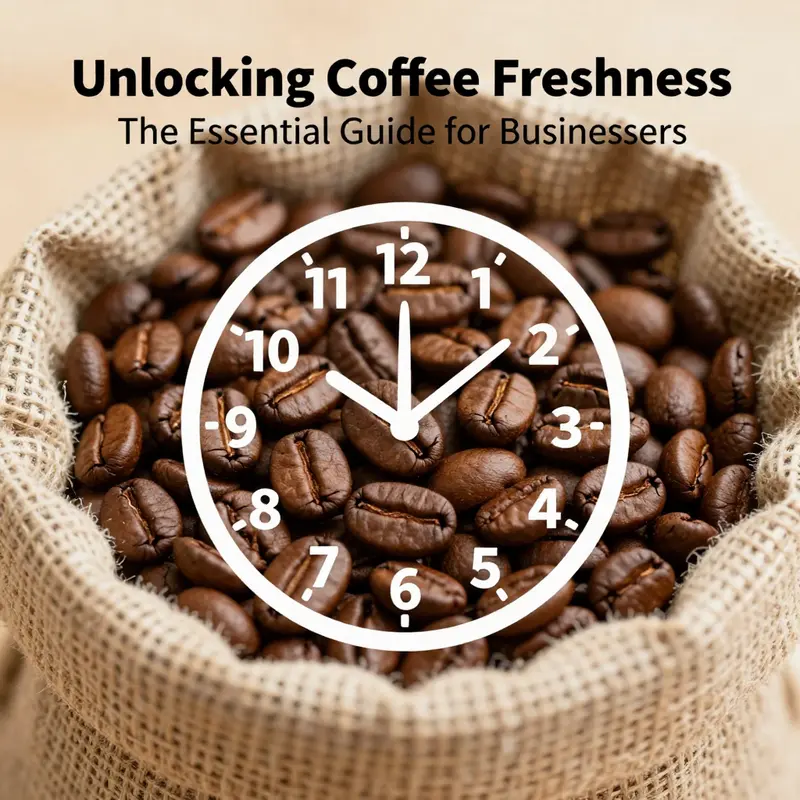
Coffee beans do not stay the same forever after they leave the roaster. Their scent, body, and sweetness begin a subtle shift as soon as the heat fades and they settle toward ambient air. That shift is a rolling curve defined by chemistry, environment, and how quickly you bring the beans into contact with water and heat. The idea of a universal, long-lasting freshness window is a simplification. In practice, the most expressive flavors appear during a relatively tight span after roasting, a window that many researchers and roasters describe with overlapping numbers. What remains constant is this: once the beans cool from their roasty peak, time becomes a variable you can influence, and the flavor you taste in your cup depends as much on storage as on roasting. Understanding this window helps every coffee lover decide when to grind, how to plan grind sessions, and how to calibrate expectations for aroma, acidity, and sweetness in each cup.
The heartbeat of freshness is a process called degassing. Freshly roasted beans carry a lot of carbon dioxide, trapped in the porous matrix created by heat. They are dynamic little reservoirs that release gas over time. In the first days after roasting, the beans shed most of this gas, creating space for volatile compounds to move and mix in ways that produce a bright aroma and a clean cup. Degassing is essential for flavor balance, yet the very compounds that contribute vibrant aroma can begin to dissipate as oxygen diffuses in and heat, moisture, and light begin to do their work. The result is a delicate balance: you want enough remaining volatile compounds to carry a lively bouquet and a flavorful profile, but you also want to avoid accelerating staling by exposing beans to environmental stressors. The timing of that balance, or the freshness window, emerges from studies and roaster experiences, and it often maps to a practical rule of thumb: the best flavor emerges most clearly in the days immediately after roasting, but a well-kept batch can still be enjoyable a little later—if you manage storage with care.
If you chart flavor over time, you would likely see a fresh peak that coincides with the early degassing phase and the retention of volatile compounds. A common interpretation places peak freshness within roughly the first week to two weeks after roasting, with some sources extending that peak by a few extra days, especially for beans kept in ideal conditions. In more precise terms, a frequently cited window is about the first 7 to 14 days post roast for optimal flavor complexity, aroma, and body. During this period, beans typically display a lively sweetness, a well-defined acidity, and a balance that many home brewers chase when they chase a “fresh” cup. Beyond that, the rate of flavor loss begins to accelerate as oxygen penetrates more deeply and the remaining volatile compounds begin to fade. The intensity of aroma cools, and some of the nuanced notes that make a single-origin or a delicate roast shine may become muted. It is not that the beans suddenly become inedible; rather, they lose the exuberance that defined their early cups.
To complicate the picture, the overall shelf life—or how long the beans stay usable—depends heavily on how you store them. If you kept a bag of beans in a transparent, non-airtight container on a sunny shelf, the clock would tick much faster. The light, air, heat, and moisture that are enemies of freshness would dull aroma and flatten flavor in a matter of days. Conversely, if you transfer roasted beans into an airtight, opaque container and place them in a cool, dry corner away from direct sunlight and temperature swings, you can slow decay enough that the beans remain usable and reasonably flavorful for a longer stretch. The literature typically suggests that even with careful storage, whole beans begin to show noticeable quality decline after about two weeks. When kept optimally, some guidance proposes that whole beans may stay within an acceptable sensory range for up to 3–4 weeks. This distinction matters: the difference between “drinkable” and “delivered as intended by the roaster” can hinge on storage discipline. In other words, you can extend your window, but the depth of flavor—its brightness, its balance, its aroma—will still drift with time.
The case for ground coffee is more urgent. Once you grind the beans, you increase the surface area exposed to air, and oxygen, light, and heat begin to act on the grounds immediately. In fact, some studies point to losses of a substantial portion of volatile aroma compounds within minutes of grinding. A figure often cited is that ground coffee can lose a large share of its aromatic compounds within a short time, sometimes described as up to about 70 percent of volatile aroma within 15 minutes after grinding. That drop helps explain why many enthusiasts insist on grinding just before brewing. Ground coffee not only loses flavor quickly; it is also more sensitive to moisture and odors from the surrounding environment. The practical takeaway is clear: if you can, grind on demand for the most faithful reflection of the roast’s character. If you must pre-grind, smaller doses stored for a day or two in a truly airtight container will still produce decent results, but peak aroma and brightness will be more elusive.
In terms of recommendations, the standard approach for most home brewers is to aim for beans that are as fresh as possible within the peak window, ideally using them within the first two weeks after roasting. This aligns with industry guidance that emphasizes roast-date transparency as a signal of freshness. If the beans are kept in a sealed, opaque container and away from light, heat, and moisture, many professionals would still consider them usable for up to about four weeks after roasting, though flavor quality declines as weeks pass. It is also worth noting that market trends around freshness have pushed roasters and retailers to post roast dates and ship beans quickly after roast. The aim is to bring customers beans at or near their peak, rather than after they have lost vitality in transit or on a shelf. The practical implication for the consumer is straightforward: seek beans with the roast date clearly labeled, and plan to use them within the two-week to four-week window, depending on how strictly you wish to pursue peak vibrancy.
A careful observer might note how the storage environment interacts with the original roast level and bean origin. Lighter roasts tend to preserve more of the aromatic compounds in their unoxidized state, and can reveal a more dramatic drop in aroma if stored poorly. Darker roasts, with stronger roasted sweetness, can mask some early aromatic loss, letting the cup retain liveliness longer in some cases. Single-origin coffees, prized for their nuanced aromatics and specific flavor notes, may reveal staling more quickly when stored under suboptimal conditions, because delicate compounds can be overwhelmed by oxygen and moisture. These differences do not negate the central message about freshness; they simply remind us that not all beans age at the same rate, and that tasting experiences will reflect roast profile, origin, and storage.
Beyond storage, there is a broader context that consumers increasingly consider. The industry has seen a push toward roast-date transparency and near-term shipping timelines, particularly in premium segments. Packaging—one-way degassing valves on bags, foil linings, and nitrogen flush—plays a substantial role in keeping oxygen at bay during transport and storage. When you add in the ritual of decanting into an airtight canister once home, the picture becomes a practical protocol rather than a solitary decision. The net effect is a culture that treats freshness as a continuous practice: buy well, store properly, grind close to brew, and taste with awareness of how time has shaped each cup.
With these principles in mind, how should a coffee lover approach the weekly ritual of buying, storing, and brewing? The anchor point remains the roast date. Begin by selecting beans with a recent roast date and a reliable storage plan. When you open a bag, consider transferring the beans to an airtight, opaque container and keeping them in a cool, dry place away from sunlight and heat sources. If you can, plan to use most of a batch within the first two weeks for peak brightness; if you must stretch to three or four weeks, recognize that the flavors will loosen and some notes may recede. And for daily practice, reserve grinding for the moment you brew, or, at minimum, grind only what you need for a session. If your schedule requires pre-ground coffee, remember the caveat: you will be operating in a reduced freshness window, with limited aromatic resilience. In the end, you are not chasing a mythical long life for beans, but a reliable rhythm of use that aligns with the natural arc of freshness and your own taste memory.
The broader takeaway is simple and actionable. Treat the roast date as a guiding star, store beans in a dark, cool, dry environment in airtight, opaque containers. Grind as close to brew as possible to maximize aroma and flavor. Expect the strongest cup in the first week and the second week, with a gentle decline by the third and fourth weeks if storage conditions are optimal. Ground coffee, as a general rule, should be used much sooner—preferably within minutes to hours after grinding when possible. And remember that the freshness window is not an immutable law but a living practice that depends on how carefully you control the space around your beans, how soon you reach for your grinder, and how attentively you tune your brew to the beans you have in hand.
For readers seeking deeper context on freshness and storage, the Specialty Coffee Association provides a detailed framework that supports these practical guidelines. Their work underscores the importance of the early post-roast period for aroma and flavor, and it offers further nuance on how storage choices influence sensory outcomes over time. To explore a broader perspective on freshness maintenance and the science behind aroma retention, see the external resource below. Specialty Coffee Association (https://www.sca.coffee/)
Preserving Peak Flavor: How Storage Conditions Shape the Freshness Window for Coffee Beans
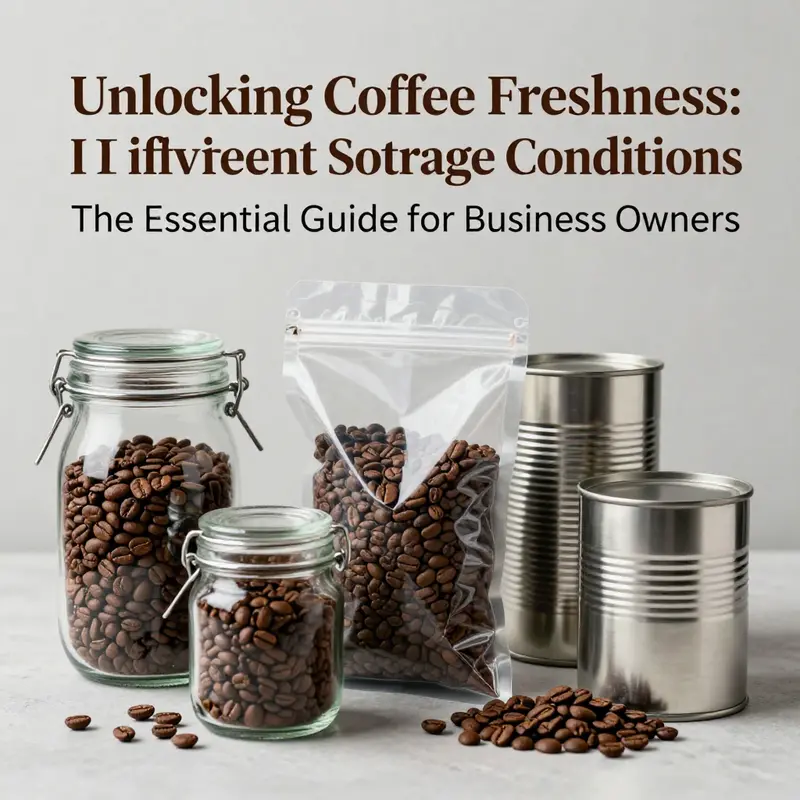
Fresh coffee starts long before it hits the grind. It begins the moment the beans leave the roaster’s heat and enter the world in their protective shell. The journey from roast to cup is governed as much by chemistry as by habit, a subtle dance of aromas, oils, and volatile compounds that give coffee its character. The core message across recent research is both simple and nuanced: the beans you buy can go a long way toward remaining usable, but the flavor you actually taste is most vibrant during a defined window that shifts with how you store them. In practical terms, the freshness window is not a single stopwatch that ticks through every bag; it is a map that shifts depending on whether the beans are unopened, opened and sealed, kept cold, or kept frozen. The distinction between peak freshness and maximum allowable freshness is essential. Peak flavor tends to be a transient, lively phase when the aromatic compounds are still abundant and evolving, while maximum freshness refers to how long the beans can technically retain their aroma and structure under specific conditions. In the real world, both clocks matter, but they run at different speeds depending on storage choices.
That framework helps explain why the chapter on storage conditions reads not as a single rule but as a set of nuanced guidelines. For unopened coffee beans kept in packaging designed to battle oxygen, the science points to a notably longer window of potential enjoyment, even as the aromatic fireworks of a freshly roasted batch fade. For beans that have already been exposed to air, the clock shortens dramatically. Ground coffee compounds this effect; once it is ground, aromas begin to disperse immediately, altering the experience even before brewing begins. Understanding these timelines helps coffee lovers plan purchases, grind strategically, and savor the most expressive iterations of their favorite beans.
When we talk about storage, we are really talking about a preservation problem. Oxygen is the chief antagonist, sneaking into any crack or seal and carrying away the delicate volatile compounds that contribute brightness, fruitiness, and depth. Light exerts its own pressure, nudging oxidative reactions along when it reaches the beans. Temperature acts as a catalyst, accelerating or decelerating chemical processes, and moisture can invite mold or cause the beans to clump and grind unevenly. The interplay of these four factors—oxygen, light, heat, and moisture—sets the stage for how long your beans stay usable and how long they remain at their best.
To translate this into a practical map, researchers have delineated certain storage states and their respective flavor windows. Unopened beans, snug inside a single-direction valve packaging, are described as having a best flavor window around three months, with a maximum freshness duration extending to roughly a year. The valve serves a crucial purpose: it allows CO₂ to escape, which is a natural part of the post-roast process, while limiting oxygen ingress that would otherwise accelerate flavor loss. This combination helps preserve the bean’s aroma and overall profile for an extended period, provided the environment remains cool, dry, and dark—ideally around 15°C. All of this underscores a principle that applies across home storage: keep the beans in a place where temperature and light are controlled, and where air exchange is minimized.
Opened beans tell a different story. Once the canister is breached, even the best seal can only slow down oxidation rather than stop it. The best flavor window for opened beans is typically one to three weeks. After that, the aromatic compounds begin to fade, and the flavors can drift toward a flatter or duller profile, even if you avoid heat sources and light. The practical implication is simple: once you’ve opened a bag, transfer the beans to an airtight, opaque container with a tight seal and use them promptly. Room temperature storage, away from direct light and heat, remains the default approach for most households. The key is to limit air exposure and keep the environment steady so the oxidation process progresses slowly enough to preserve a meaningful aroma during those critical weeks.
There is also a distinct recommendation for those who must extend the shelf life further by using refrigeration. Notably, refrigeration is not generally advised for short-term storage; it is better reserved for longer-term plans only if done with care. When used, beans should be sealed in a double-layered airtight container to minimize moisture exchange and odor transfer; temperature fluctuations after removal from cold storage can cause condensation, which may degrade quality. If refrigeration is part of your routine, allow the beans to come to room temperature before opening the container to prevent surface moisture from forming and compromising the surface integrity of the beans. In a kitchen where light and temperature swings are common, this approach helps maintain a more even flavor trajectory during the week or two you aim to keep beans on hand.
For longer-term storage beyond a few weeks, freezing becomes the preferred method for many enthusiasts who plan ahead. Freezing can extend freshness up to about six months, but with a caveat: divide the beans into single-use portions and seal them in vacuum-sealed bags or airtight containers. Freeze at a temperature of -18°C or lower, and when you need to use a portion, let it thaw completely at room temperature before opening. Repeated freezing and thawing are precisely what to avoid, because ice crystals can damage the cellular structure of the bean and disrupt the delicate balance of aromas inside. The goal is to preserve the integrity of the oils and aromatic compounds by minimizing the number of temperature transitions the beans endure.
With these storage states in mind, a coherent strategy emerges. The best possible quality is achieved when unopened beans remain in a cool, dark, dry environment and are consumed within a three-month window for peak flavor, if possible. Once opened, beans should be moved into an opaque, airtight container and used within one to three weeks to preserve the brighter, more nuanced notes. If longer-term storage is required, refrigeration or careful freezing can be employed, but each option comes with its own discipline: moisture control, temperature stability, and an awareness that flavor will drift away from its peak as time passes. These basic prescriptions align with the broader understanding that the aroma and taste of coffee are anchored in the integrity of its oils and volatile compounds, and that those compounds are highly sensitive to their surroundings.
This nuanced approach to storage also resonates with the broader principles of careful handling found in other disciplines that emphasize controlled release and preservation of delicate substances. For those who want a cross-disciplinary perspective, a side reference worth considering is the idea of balancing containment and release, much like professionals who design systems to protect valuable elements while allowing necessary transformation. How professionals in fields such as occupational therapy coordinate care and manage environmental conditions can be a reminder of the careful, often incremental adjustments we make in the kitchen to safeguard aroma and flavor. How occupational therapists collaborate with other healthcare professionals
how occupational therapists collaborate with other healthcare professionals. This link illustrates the broader theme of thoughtful collaboration and environmental control, a mindset that translates well to home storage practices where small, consistent actions accumulate into better flavor outcomes. While the example comes from a different field, the underlying principle—careful control of the environment to preserve value—resonates with home coffee storage.
Returning to practical habits, there is a natural tension between wanting to maximize the number of days you can keep coffee beans on hand and wanting to drink coffee at or near the peak expression they offer. The research makes it clear that while unopened beans can retain usable quality for several months, the peak flavor is most reliably observed within the initial weeks to a few months, particularly if the beans have not yet released their built-up CO₂ and have not been exposed to oxygen for extended periods. The moment you crack the seal, the clock starts ticking on the window of optimal flavor, a window that narrows further with exposure to light and heat. Ground coffee, by contrast, begins its aroma exodus almost immediately; studies indicate that a significant portion of volatile aromatic compounds may be lost within mere minutes after grinding. The implication is straightforward: grind only what you plan to brew in the near term and keep the remainder sealed and unground until its moment arrives.
These guidelines offer a pragmatic framework for decision-making. If you buy in bulk, you may want to treat your unopened stock as a reserve—plan to drink the beans within a three-month horizon, while keeping a current bag for daily use. If you are a daily brewer, you will naturally operate in the shorter, opened-bean window, and your practice should emphasize a tight, opaque container at room temperature, away from sunlight, heat sources like stoves or lamps, and air drafts from nearby windows or doors. A sturdy airtight container goes a long way toward preventing oxidation, while a dark cabinet or pantry minimizes light exposure. If your living space experiences temperature swings, storing beans in a cabinet that remains relatively constant in temperature can help preserve the aromatic profile for the entire week or two you typically keep beans before grinding.
The practical art of coffee storage, then, is about translating these timelines into daily routines. Think of the bag’s roast date as a timestamp running in the background of every brew. A forward-looking approach—planning purchases in smaller, more frequent quantities—can help ensure that a batch is reaching its peak early, rather than aging in a bag for longer than it should. It is a subtle shift, but a meaningful one, because aroma compounds do not exist in a vacuum. They need a stable stage to perform, and the kitchen is that stage. In a sense, maintaining freshness is about staging the coffee for optimal performance, much as a theater director manages lighting, sound, and timing to deliver the intended impact of a performance. The best results come when you respect the environment you have, know the clocks you are working with, and adjust your habits to match the beans’ natural tendencies.
In closing, the journey from roast to cup is a story of careful stewardship. The storage conditions you choose set the tempo for flavor, guiding whether the beans deliver a bright, chocolatey, or fruit-forward cup on any given day. Unopened beans can remain within a broad window of opportunity if kept cool and out of light, while once opened, the flavor’s radiance is best captured within a shorter span, kept crisp in a sealed, opaque vessel. For longer-term needs, refrigeration and freezing offer safety nets, but they demand discipline: airtight seals, temperature consistency, and an awareness that the aroma will gradually drift with time. The math behind freshness—oxidation plus environmental exposure—is a reminder that good coffee always rewards intentional storage. So, whether you are a casual weekend brewer or someone who savors a daily ritual, the path to a consistently great cup begins with where and how you store your beans. And it ends, every time, with a decision that honors the beans’ own clock.
External resource: Coffee on Wikipedia
The Window of Freshness: Why Grinding Moves the Clock on Coffee Beans and How to Hold onto Flavor
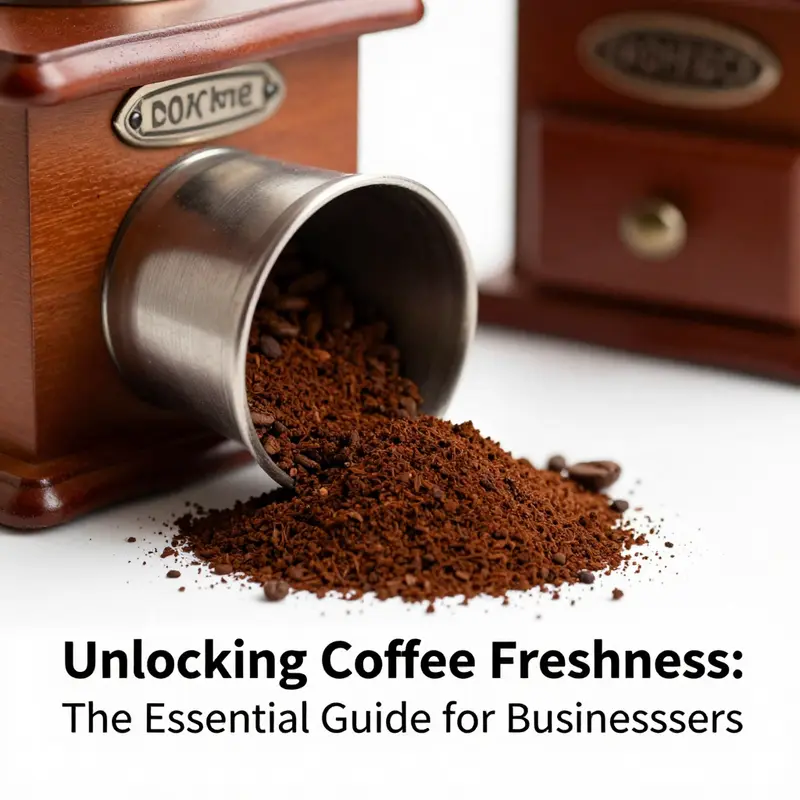
Fresh coffee lives in a delicate balance between the chemistry inside the bean and the air that surrounds it. Roasting awakens a complex blend of oils and volatile compounds that define aroma and taste. In the hours and days after roast, those compounds unfurl, infusing the beans with their signature perfume and the beans with the potential for a nuanced, vibrant cup. But that vitality is not infinite. The research on freshness makes two clear points that matter most to any home brewer or café enthusiast: first, the window for peak flavor stretches roughly over the first two to four weeks after roasting; second, once the beans move beyond that window—especially if exposed to light, air, heat, or moisture—their aroma and flavor gradually dull. The freshness clock starts the moment the roaster lets the beans sing, and every choice in storage and preparation nudges the hands of that clock forward or backward. The most stubborn truth is that the pathway to a truly fresh cup is built on discipline as much as desire. The aroma that fills a room when you crack open a bag of freshly roasted beans is a fleeting warning that what you are about to drink is alive with character. It is the evidence of oils and delicate aromatic compounds that have not yet escaped, evaporated, or degraded. The longer those compounds stay intact, the more likely your coffee will present a cascade of flavors—bright citrus, cocoa, stone fruit, floral notes, and a sense of depth that makes a cup feel present rather than one-dimensional. The flip side is stark: once grinding exposes more surface area to air, the function that preserves those delicate aromas—the barrier between coffee and atmosphere—begins to falter. The science is clear and sobering, yet it is not a verdict that condemns casual coffee routines. Rather, it is a roadmap for making smart choices that preserve aroma and flavor from roast to cup.
A key distinction emerges early in the discussion: whole beans and ground coffee do not share the same fate the moment they leave the roaster. Whole beans are comparatively stable, and under ideal conditions they can retain their freshness for a substantial period after roasting. The detailed results put a practical number on that stability—approximately up to two weeks post-roast when stored properly. What constitutes proper storage is simple in principle but demands discipline in practice: a container that is airtight and opaque, kept away from direct sunlight, heat sources, and sudden temperature fluctuations. Importantly, even in this scenario the clock is ticking. The two-week figure represents a best case under controlled conditions; in the real world, many households encounter variations in light exposure, humidity, and temperature that shave days off that window. Yet the same fundamental idea applies: whole beans offer a buffer against quick deterioration because the oils and volatile compounds remain largely encapsulated within the bean’s structure until you grind them free.
Grinding, however, is the moment when the clock accelerates. When you break the bean apart, you dramatically increase the surface area that comes into contact with air. The Journal of Agricultural and Food Chemistry details what happens next: ground coffee loses nearly 70 percent of its volatile aroma compounds within just 15 minutes of grinding. That astonishing decline is not merely about aroma escaping; it is about oxidation and diffusion stealing the essence that makes the cup sing. The larger the exposed surface area, the more oxygen touches those oils and aromatics. What you smell as a freshly ground espresso or filter grind is a short-lived, delicate bouquet that dissipates quickly if not brewed promptly. The implication is straightforward and pragmatic: to enjoy the fullest spectrum of flavor, grind as close to brewing time as possible. In practice, this means planning a grind-by-need routine, ideally grinding only what you will brew for that day or session.
The durability of whole beans—and the rapid demise of ground coffee—does more than shape brewing habits. It also reshapes the conversation about buying, storage, and ritual. If your aim is a deeply flavorful cup with a nuanced aroma, the math is simple: purchase in a rhythm that aligns with your roasting cycle and consumption pace, store in a way that minimizes exposure to oxygen and light, and grind on demand rather than in bulk. The emphasis on on-demand grinding is not merely a matter of preference but a reflection of the bean’s chemistry after roast. With whole beans, you are investing in a larger, more forgiving time frame, but once those beans are ground, you are confronted with a substantially shorter horizon. The practical consequence is that many enthusiasts adopt a daily or every-other-day grind schedule, adjusting the portion size to their anticipated brew needs while keeping the beans themselves protected in an opaque, airtight vessel. Even with the most careful storage, the fact remains: once you grind, you begin the countdown toward peak flavor and aroma, and the clock accelerates with every second of exposure to air.
These insights do not imply that ground coffee becomes undrinkable after a short period. It would be incorrect to frame this as a binary; rather, it is a question of quality, intensity, and vibrancy. The aromatics that make a cup complex—the fruity brightness, the spice, the roasted sweetness—do not vanish instantly. They fade gradually as volatile compounds dissipate and oxidation occurs. The best approach is to align your grinding and brewing routine with the bean’s natural rhythms. For maximum flavor, plan to brew soon after grinding. If you must grind in advance, you can still optimize the result by controlling variables within your control: keep your storage container airtight and shielded from light, maintain a steady room temperature, and avoid moisture ingress. The overarching principle is subtle but powerful: exposure is the enemy, and timing is the ally. The more you respect the timing, the more you can coax from the beans the nuance of aroma and the layers of flavor that make each cup memorable.
A fuller appreciation of the timing also reframes how we discuss storage. The two-week post-roast benchmark for whole beans is not an arbitrary boundary but a reflection of the oils and volatile compounds’ vulnerability to oxygen and light over time. It sits alongside the broader insight that the peak flavor experience generally lies within the first two to four weeks after roasting. This dual window—two weeks for stability and two to four weeks for peak aroma and complexity—offers a practical guide for both home brewers and professionals. It encourages a simple, repeatable habit: buy in smaller quantities that you can consume or grind within a couple of weeks, store in a dark, stable environment, and grind just before brewing. If you do these things, you maximize the chances that your cup will present with the vividness, balance, and depth that roasted coffee can deliver. The guidance is not intended to foster a culture of haste but to promote a culture of attentiveness to the bean’s life after roast. When you honor that life—when you respect the timing between roast, grind, and brew—you unlock a purity of flavor that can be easy to miss in a more casual routine.
In the end, the answer to how long coffee beans stay fresh must be nuanced. The beans themselves carry a clock that begins ticking at roast. For whole beans under careful storage, a reasonable horizon exists of about two weeks, with the potential for longer periods depending on environmental control. Ground coffee, by contrast, carries a much tighter shelf life—minutes rather than days—before the aroma compounds begin their steady exodus. The best practice emerges from this knowledge: keep beans in a dark, airtight container away from heat and humidity, grind only what you will brew soon, and anchor your rituals to use-by dates and roast dates to guide decisions. This approach does not promise perpetual freshness, but it does offer a reliable path to consistently great coffee that preserves the essential aromatic and flavor signals that make each cup special. As you continue through the chapter to follow, you will see how this understanding of freshness intersects with practical choices about purchase, storage, and grind timing, shaping a brewing routine that respects the science while still inviting experimentation and personal preference.
For a deeper dive into the science behind freshness and grinding, see the study referenced in the Journal of Agricultural and Food Chemistry and summarized in recent research: https://www.sciencedirect.com/science/article/pii/S0022480423000986
Beyond the Roast: How Long Coffee Beans Stay Fresh and How to Guard Peak Flavor from Roasting to Brew
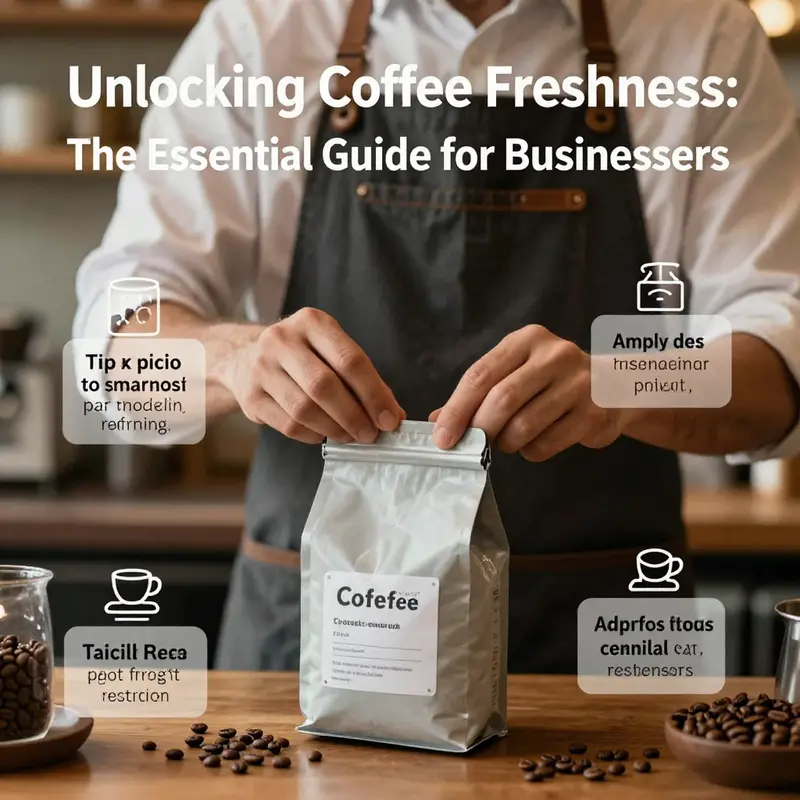
From the moment a batch of green beans meets the roaster, a subtle clock starts ticking. Freshness in coffee is not a fixed deadline but a window during which aromas are most vibrant and flavors most complex. This chapter weaves together the science of freshness with practical steps you can take to preserve as much of that aroma and those nuanced flavors as possible from roast to cup. The takeaway is clear: the clock starts with roasting, and how you manage storage after that moment determines how much of the roast’s character you actually taste when you finally brew.
The core truth about freshness is simple yet powerful: the best flavor and aroma peak within 2 to 4 weeks after roasting. Within this span, the coffee exhibits a balance of brightness, sweetness, and aroma that can be elusive once the clock marches past the four-week mark. Roast level—whether light, medium, or dark—does influence the flavor profile you notice, but the roast date itself is the more decisive factor. A bean roasted just two weeks ago will typically taste fresher than one roasted two months earlier, regardless of whether it’s a pale blue paquet or a glossy dark roast. This is not a call to chase a mythical perfect window, but a practical reminder that freshness is a moving target tied to time, not just bean color.
The enemy list is straightforward, and it is surprisingly simple to guard against most of them with disciplined storage: oxygen, light, heat, and moisture. Oxygen is the thief of aroma; it slowly oxidizes volatile compounds that define acidity, sweetness, and those delicate floral notes that can bloom in a freshly roasted bean. Light, especially direct sunlight or UV exposure, accelerates chemical changes and can foster uneven aging across the bean surface. Heat dries and accelerates chemical reactions, which is why a cupboard that stays cool and shielded from the stove or oven is preferable to a sunny shelf above the coffee station. Moisture is perhaps the sneak attack—humidity invites mold and can alter both aroma and flavor in unpredictable ways. Together, these factors erode the bean’s volatile compounds and flatten the bouquet we often chase when we grind and brew.
A striking statistic from food chemistry research underscores how quickly freshness can evaporate once grinding begins: ground coffee loses nearly 70% of its volatile aroma compounds within just 15 minutes of grinding. It’s a reminder that once you grind, you initiate a rapid march toward staling. Whole beans fare better by comparison, but they are not immune. Even properly stored, whole beans begin to lose the sharpness of aroma and the crisp edge of acidity as weeks pass after roasting. The key distinction is timing: whole beans carry a more forgiving delay in aroma, while ground coffee reveals the loss with almost immediate clarity in the cup. These realities shape how we plan and use our coffee stock, which is often the difference between a bright morning cup and a muted, flat experience later in the day or week.
With those limits in mind, the storage strategy should be as straightforward as the science allows. The widely recommended practice is to transfer beans from their original bag, which is often designed for freshness with a valve and limited air exposure, into an airtight, opaque container. The opaque container protects against light and helps minimize oxygen exchange, while an airtight seal also slows the rate at which air interacts with the beans. The best containers are those that stay constant in their internal environment, resisting expansion and contraction with temperature changes and preventing the tiniest draft of air from invading the coffee’s space. In practice, you’ll want to choose a container that is truly airtight and keeps out light. A cool, dark pantry or a cupboard away from heat sources such as the stove is ideal. This combination—opaque, airtight, and cool—creates a microclimate that slows oxidation and preserves aroma more effectively than leaving beans in the original bag or on a sunny shelf.
It is equally important to avoid the fridge or freezer for daily storage. Condensation and cross-odor contamination can dull or alter flavor, and temperature fluctuations from opening and closing these appliances can cause the beans to contract and expand, inviting moisture migration. The guidance is to store beans in a steady, cool environment rather than trying to stretch life by freezing. If you ever face a long-term storage need, you may encounter opinions suggesting freezing in small portions, then thawing to brew as needed. In the context of everyday coffee routines, however, the simplest and most reliable approach remains a cool, dark cabinet and a proper container that minimizes the bean’s exposure to air and light.
A practical ritual reinforces this approach. When you bring home beans, set aside a small portion for immediate use and reserve the rest for a weekly rotation that aligns with a roast date. Remember the roast date is the reference point, not the packaging or the level of darkness. Labeling the container with the roast date makes it easy to track where you are in the 2-to-4-week window. If you routinely purchase in larger quantities, consider breaking down larger bags into smaller portions for weekly use. The aim is to ensure your daily grind is as fresh as possible without placing the burden of aging on the rest of the stash.
In addition to storage, the grind itself plays a significant role in perceived freshness. The study on aroma loss makes clear that grinding accelerates aroma release and, by extension, flavor changes. A consistent grind size matters because uneven extraction can emphasize stale flavors in some parts of the coffee while leaving others underdeveloped. When optimizing flavor from beans that are approaching the end of their peak window, a uniform grind helps achieve more even extraction, which can translate to a more balanced, vibrant cup even if the beans have started to lose some of their peak aromatic freshness. This is not a magic fix for aging; it is a technique that helps you extract the best possible flavor from what you have left in the canister.
If beans do begin to lose their peak freshness, there is no reverse‑engineering fix for the chemical oxidation that has already occurred. However, you can still influence the cup’s final impression by focusing on the brewing parameters that maximize extraction of sweet, bright flavors while minimizing harsh notes. A well-calibrated grind that matches your brewing method, careful water temperature control, and an extraction window that avoids overbrewing can make a noticeable difference. In practical terms, once you know your beans are entering the tail end of their freshest period, dial in a grind that yields a clean, even particle size, and prioritize an extraction that highlights sweetness and body without forcing the flavor to fight through oxidation. In other words, you’re optimizing what remains of the flavor compounds by honoring the water and time relationship rather than fighting the clock with forceful brewing chemistry.
The aroma test remains a surprisingly reliable heuristic, especially for home brewers. Before grinding, give the beans a gentle sniff. A strong, sweet, and almost floral aroma often signals a bean whose aromatic compounds are still lively. If the scent is muted or dull, the cup may follow suit. Ground coffee offers a more immediate cue; the moment the coffee is ground, the fragrant chain begins to unwind. The sensory cue is not perfect, but it is a useful companion to the strict timing guideline of 2 to 4 weeks. A timed approach—grind only what you plan to brew within the hour, and keep a disciplined rotation of stock—helps preserve flavor clarity and aroma in daily routines.
Across these practical guidelines lies a simple philosophy: treat the roast date as a living deadline, not a fixed rule. The 2-to-4-week window marks the period when the bean’s aroma is most intense and its flavors most expressive. After that, the magic softens as volatile compounds dissipate and oxidation progresses. By choosing an airtight, light-blocking storage method, keeping beans away from heat, and maintaining a consistent grind and brew strategy, you extend the period in which your coffee can deliver a satisfying, nuanced cup. The goal is not to chase perfection beyond the window but to respect the chemistry of freshness and to design habits that make the most of the time you have.
Some readers may wonder about longer-term storage, whether it is possible to keep beans fresh for longer than the recommended window. The evidence and expert consensus favor short, repeatable cycles of purchase and use. The container and storage environment can extend freshness somewhat, but not indefinitely. Replacing the practice of long storage with a pacing approach—purchase in smaller quantities and rotate through a roast-date-aware routine—tends to yield better consistency across weeks and months. It also reduces the disappointment of discovering flat flavors after a long hold.
To synthesize: freshness is a two-step dance. First is timing—2 to 4 weeks after roasting represents the peak window. Second is stewardship—keep beans in an airtight, opaque container, away from light and heat, in a cool, stable space. Avoid refrigeration and repeated temperature swings, and resist the urge to grind far in advance of brewing. If you follow these guidelines, the cup you pour will more often reflect the bright, nuanced character of the roast rather than the distortions of aging. And if a batch has passed its apex, don’t despair: you can still coax a surprisingly enjoyable cup by refining your grind and brew technique to maximize the remaining aroma and sweetness. The aim is to celebrate the life of the bean as it unfolds, not to chase an ever-elusive ideal of perpetual freshness.
For readers seeking a deeper dive into the science and best practices of storage, the Serious Eats guide on coffee bean storage offers a thoughtful, practical companion that complements the considerations outlined here. It provides concrete recommendations for minimizing air exposure, protecting against light, and understanding how any slight changes in temperature or humidity can influence flavor over time. This resource is a valuable reference as you tune your own routines and rotate stock with confidence. https://www.seriouseats.com/coffee-bean-storage-guide
Final thoughts
Coffee freshness is an essential aspect of the coffee experience, directly influencing the flavor profile and customer satisfaction. By understanding the freshness window post-roasting, adapting storage methods, and recognizing the rapid deterioration that comes from grinding, business owners can ensure that their offerings are always at peak quality. Implementing expert strategies to maintain freshness will not only elevate the flavor of each cup but also enhance your customers’ overall coffee experience, leading to increased loyalty and repeat business.