

In the world of coffee, espresso holds a prestigious position, revered for its intense flavors and rich crema. But can any coffee bean be transformed into a delightful espresso shot? The process of creating espresso involves more than just the brewing technique; the characteristics of the coffee beans themselves play a crucial role. This exploration will delve into the diversity of coffee beans suitable for espresso, highlighting quality considerations, the advantages of single-origin versus blended beans, and how roasting levels affect the final brew. As business owners navigate the complexities of delivering high-quality coffee to their customers, understanding these factors will empower them to make informed choices about their bean selection, ensuring consistently outstanding espresso.
From Any Bean to Espresso: Navigating the Diversity of Origins, Roasts, and Techniques

Espresso is a brewing method, not a bean type. Any coffee can produce an espresso with the right grind, temperature, pressure, and timing, but results vary with origin, roast, and processing. This chapter outlines how beans’ origin and roast influence acidity, body, and crema; how moisture and density affect extraction; and how equipment, technique, and maintenance shape consistency. The goal is to guide practical experimentation: start with a reliable baseline blend, then vary one variable at a time, observe crema and mouthfeel, and document what works for your machine and taste. Through careful adjustments you can discover how different beans shine in espresso and build a repertoire rather than chasing a single perfect shot.
Pressure, Profile, and Potential: Brewing Espresso with Any Bean

Espresso is often framed as a test of technique — high pressure, short extraction, and a disciplined routine that turns a handful of beans into a concentrated, aromatic shot. But the real drama happens long before the machine rumbles to life. The bean itself sets the stage, carrying a signature that can either cooperate with or resist the demands of espresso. Understanding that signature—the roast level, freshness and age, moisture content, origin, and even how the beans were farmed—paints a clearer map for achieving a balanced, pleasing shot with any bean you choose. Espresso is not a magic formula that erases differences between origins or roasting; it is a precise conversation with them. When you approach beans with this mindset, the question can you use any coffee bean for espresso resolves into a more nuanced answer: yes, you can, but the result will hinge on how well the bean’s natural profile is coaxed into harmony with the espresso process.
At the core of that harmony lies the truth that espresso is a technique of extraction driven by pressure and time. Yet extraction is not a single number or a single knob you twist; it is the outcome of a chain of conditions that begin with the bean’s physical and chemical makeup. The origin of the bean whispers through flavor notes—the brightness of an East African lot, the chocolate and spice of a Central American, or the earthy, resinous tones often found in some Indo-Pacific varieties. These notes do not vanish when you force the grind finer or push a shot through a metal filter; they simply reveal themselves differently depending on how you manage heat, grind size, dosage, and the water’s behavior as it contacts the coffee. The best espresso from a non traditional choice—the single origin or the experimental lot—often comes when you approach the bean with a technique tuned to its strengths rather than a one size fits all expectation.
One of the most consequential realities is storage and freshness. Beans that were roasted recently carry a vitality that begins to fade as weeks pass. Freshness is not merely a matter of aroma; it governs how the bean behaves in the grinder and in the puck. When a roast is too old, the bean loses vibrancy and can feel dull in the cup; when it sits in a humid or fluctuating environment, its surface moisture can shift. That moisture is not inert. It changes how the beans grind, how fine or coarse the dust becomes, and how readily the oil on the surface interacts with the grinder’s burrs. Oil rich beans may be pleasurable in a filter brew, but in the higher pressure, higher compact environment of espresso, those oils can cling to grinder burrs, promoting uneven grind particles and, in turn, channeling and under extraction. The result is a shot that falls short of its potential: sour or weak, with a crema that fails to hold a stable crown.
Moisture and grind together shape extraction in decisive ways. The grinder becomes a stagehand that quietly scripts the shot: its blades or burrs produce a distribution of particle sizes that refines or ruins flow through the coffee bed. If the grind is too fine for the chosen dose and yield, the water meets a dense barrier and slows down. The longer contact time increases extraction of bitter compounds while diminishing the sweetness and aroma that give espresso its signature mouthfeel. When the grind is too coarse, the bed offers too little resistance, water rushes through, crema becomes thin, and the shot can taste underdeveloped, sour, and thin. The relationship between grind size and extraction is not isolated from the bean’s roast profile, age, and moisture; it is a living, interdependent system. A light roast bean, with its higher acidity and more delicate structure, may require a finer grind and perhaps a gentler ramp in temperature to coax out sweetness and body. A dark roast counterpart, with its reduced acidity but heightened oil content, may benefit from a slightly coarser grind and a steadier, slower extraction to avoid burnt flavors that masquerade as intensity.
The question of roast level itself invites a deeper look at what balance means in espresso. Light roasts often arrive with bright acidity and a nuanced array of fruity or floral notes. In espresso, those notes can sing, but they need restraint and support from the grinder and the machine. Without sufficient body, the shot can feel thin or spiral toward sourness, because bright acidity without a supportive sweetness becomes the dominant chord. Darker roasts, meanwhile, bring caramelization, chocolate, and spice to the fore, but their oils can pool in the portafilter and encourage uneven extraction if the tamping and distribution are not precise. The trick is not to shove every bean into a single paradigm but to recognize how roast level and origin interact with equipment. An espresso designed for a balanced classic profile—crema, body, sweetness, and a clean finish—emerges when the roast and the grind align with the machine’s capabilities. Some roasts benefit from a slightly higher dose and a gentle pour; others respond to a more streamlined, higher pressure extraction that respects their intrinsic strength.
Origin—the bean’s birthplace—offers another layer of complexity. Single origin coffees can deliver remarkable clarity when dialed in, revealing distinct fruit, wine like brightness, or earthy depth that a blend might obscure. The choice of origin can dictate the shot’s potential: a fruity Ethiopian or Kenyan bean may need more precise control over temperature and extraction time to prevent the acidity from dominating; a Brazilian or Sumatran bean with more body and chocolate notes can balance more easily with a standard espresso profile. Blends, on the other hand, have traditionally served as the scaffolding for espresso: a careful balance of sweetness, body, and crema. The blend approach is not a shortcut but a deliberate choice to create consistency—an anchor that helps home baristas and busy cafes alike manage the variability that comes with raw materials, harvests, and seasonal shifts. The art lies in selecting beans that complement one another and calibrating grind, dose, and temperature so that, collectively, they launch a shot with both structure and character.
Beyond the bean’s immediate flavor, agronomic practices at the origin echo through to the cup, albeit in more subtle ways. The care given to the coffee plant—shade management, pruning, fruit thinning, and even processing methods—affects the bean’s density, moisture content, and aromatic compounds. The journey from farm to roast is a chain of decisions that prioritizes bean integrity and consistency. Even small upstream choices can alter how a given lot responds to espresso preparation. Those choices become audible in the cup as sweetness, aroma retention, and a sense of balance that can be difficult to attain when beans travel far from their original context. This upstream influence reinforces a crucial point: the best espresso often begins long before the grinder or the portafilter. It begins with the bean’s life story and ends in the barista’s hands as a measured conversation about heat, pressure, and time.
When we consider any bean in the espresso equation, we also weigh the practicalities of getting reliable results at home or in a small cafe. Freshness windows matter. The general guidance that aligns with practice is to use beans roasted within two to four weeks and stored in a cool, stable environment away from air and humidity. This window is not a hard law but a practical guideline that recognizes the tempo of espresso. Fresh beans offer more vibrancy, but they also demand closer attention to grind distribution and shot timing. Overly old beans, even if well stored, gradually surrender their sweetness and nuance to a stale profile; they require more aggressive dialing in to coax pleasant extraction, which can introduce risk and inconsistency for the novice. For those who want immediate and forgiving results, blends designed with espresso in mind often deliver dependable crema, body, and balance. They are not a betrayal of flavor complexity, but a deliberate choice to create a reliable foundation that can then be customized with lighter or more complex modules from a single origin intention when technique permits.
To translate these ideas into a practical approach, the home barista can begin by acknowledging the bean’s personality as a partner in the extraction. Start with a plan that respects the bean’s roast level, origin, and age. If using a light roast, anticipate more pronounced brightness and a need for careful temperature control and a slightly finer grind to provide body. For a darker roast, prepare for a bolder baseline and a potential need for adjustments toward a coarser grind to avoid over extraction. Dose with intention; the relationship between dose, yield, and tamping pressure shapes the compression of the puck, which in turn governs water flow. The goal is to create a stable bed that yields a uniform extraction; a bed that resists chaotic channeling and helps heat and water interact with the coffee evenly. The espresso shot should emerge with a crema that supports the aroma and a mouthfeel that feels substantial rather than hollow. The flavor should evolve rather than collapse—moving from a brisk, aromatic entry to a finish that lingers on the palate with sweetness and a trace of lingering complexity.
In practice, this means embracing the variability that any bean brings while developing a robust dialing in discipline. It means selecting beans with a profile that matches your equipment and your palate, then observing how the shot responds to modest adjustments. A small change in grind size, a fraction of a gram in dose, or a slight variation in water temperature can reveal how a bean’s characteristic notes surface under pressure. For instance, a single origin lot with vibrant fruit notes may require a tighter control of extraction time and a lighter touch on heat to maintain balance. A well composed espresso blend may respond to a steady, repeatable routine that emphasizes crema and sweetness, while still offering the opportunity to explore subtle secondary notes with careful adjustments. The point is not to force a cookie cutter result but to sculpt a consistent experience from the bean’s inherent traits. In this sense, any bean can produce an espresso, but the espresso will be as faithful to the bean as the barista’s understanding of that bean’s profile allows.
The narrative of espresso from any bean, therefore, is a narrative about listening as much as it is about applying pressure. It recognizes that a bean’s origin, roast, moisture, and freshness do not simply vanish behind a portafilter; they shape how water moves through the coffee bed, how quickly aromas volatilize, and how the final cup presents itself. This is not an argument for faddish experimentation without technique; it is a roadmap for responsible exploration. When you approach a new bean with a readiness to adapt—adjusting grind, tweaking temperature, rethinking dose, and calibrating extraction time—you honor the bean’s potential. You also acknowledge the crucial boundary that keeps espresso from becoming a distorted echo of its ingredients: the equilibrium between strength and sweetness, brightness and body, intensity and clarity. In the end, the best espresso from any bean is the espresso that most accurately conveys the bean’s own voice while remaining pleasurable, balanced, and drinkable in the cup.
For readers seeking a more technical path to refinement, the science behind grind size and extraction—while nuanced and context driven—offers a practical compass. Fine tuning grind size in relation to dose, yield, brew time, water temperature, and tamping pressure remains the central act. A well dialed in shot respects these relationships and yields a sensory result that can be described as harmonious rather than hierarchical. The interplay of variables—bean quality, roast profile, freshness, and brewing parameters—determines whether an espresso achieves its full potential. With attention to freshness, careful storage, and wise choices about origin and roast, any bean can become a conduit for the espresso experience you seek. The challenge and opportunity lie in recognizing a bean’s particularities and letting technique translate those traits into a cup that is expressive, consistent, and, above all, satisfying.
External resource for deeper exploration ends here, offering a detailed look at the practical realities of grind size, extraction, and the bitterness that can arise when dialing in espresso: https://www.brewcoffee.com/espresso-bitter-grind-size-dial-in/.
Choosing Between Single-Origin and Blended Espresso Beans

Espresso can be a bridge between origin and technique. The choice between single-origin and blended beans shapes aroma, sweetness, crema, and how the shot behaves with milk and in busy service.\n\nSingle-origin espresso highlights terroir: bright acidity, fruit and floral notes, and a sense of place. But seasonality and variability can challenge consistency in high-volume settings, so roasters often pair origin with roast profiles that preserve brightness while maintaining body. The roast tends to sit lighter to mid, with careful development to avoid underdeveloped sweetness.\n\nBlended espresso beans are crafted for balance and reliability. A well designed blend aims for a cohesive extraction where sweetness and body stay constant even when grind, dose, or water quality change. The crema tends to be generous, and the shot can tolerate a wider range of technique, which is valuable in busy cafés and for home brewers who want predictability.\n\nThe choice is not binary. Many programs run both paths, offering single origin options for flavor exploration while also stocking a flagship blend for everyday service. Roast level and grind size remain practical levers to harmonize bean character with espresso demands: lighter roasts accentuate origin flavors but require tighter control over extraction; medium roasts offer balance; darker roasts emphasize chocolatey depth but can mask delicate notes if over extracted. The real art is matching roast, grind, dose, and timing to the bean’s profile and the drink’s context.\n\nIn practice, start with a clear goal: do you want a window into a region or a consistent, milk-friendly workhorse? Then select beans with that purpose in mind, taste critically, and adjust. The best espresso outcomes come from a framework that embraces both flavor curiosity and operational reliability.
Roast as a Sculptor: The Impact of Level on Espresso—Can Any Bean Truly Be Effective?
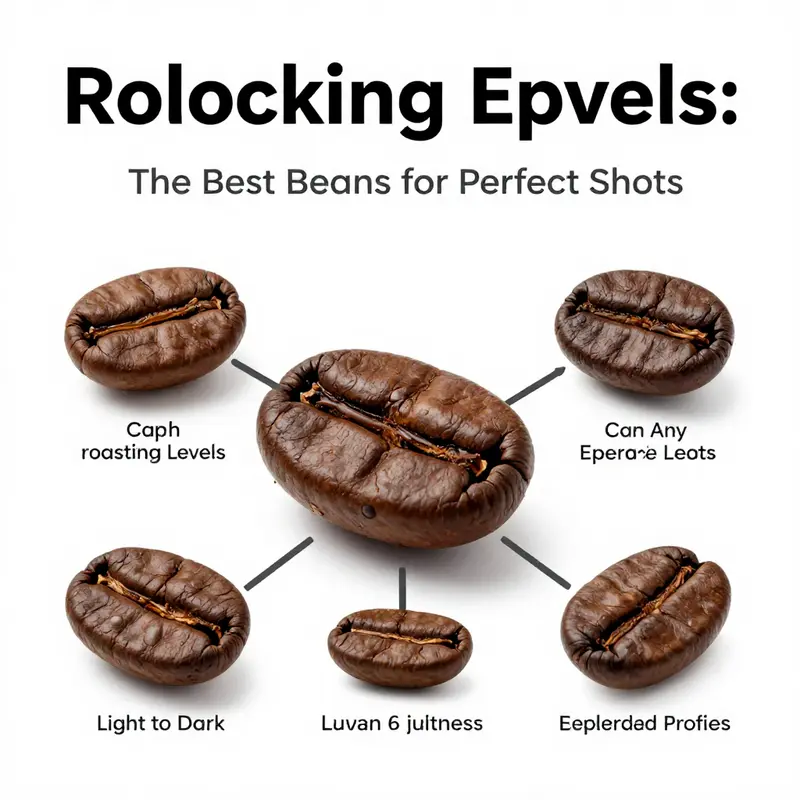
Espresso is less a bean’s destiny and more a confluence of technique and timing. It is a brewing method that uses high pressure, a brief contact time, and a carefully tuned grind to coax flavors from the bean that might lodge in the background during gentler pours. In that sense, the question—can you use any coffee bean for espresso?—has a nuanced answer. Technically, yes. Any bean can pass through an espresso machine and yield a shot. Practically, the journey from bean to cup is shaped decisively by the roast level, the bean’s intrinsic character, and the way those traits interact with the demands of high-pressure extraction. The result can range from a bright, delicate shot with a focused aroma to a dense, chocolatey cup that wears its body like a cloak. Understanding how roast level redefines what a given bean can do helps explain why roasters and baristas often speak of “espresso roasts” as a category unto itself, even when they’re using beans that come from a broad spectrum of origins and processing styles.
To begin, it helps to recall what espresso is at its core. It is not a type of bean but a method: grind the beans finer, dose with intent, apply pressure, and extract for a carefully calculated window. The pressure accelerates extraction, drawing soluble compounds from the bean more rapidly than in a typical drip brew. The result is a concentrated beverage with a distinct crema, a layer of microbubbles that signals a healthy interaction between water and solids. Yet the crema’s composition and its stability are not solely a product of machine settings. They are deeply influenced by the roast level and the bean’s chemistry, including sugars, acids, and oils that are unlocked at different temperatures and times during roasting. When we consider “any bean,” we must acknowledge that a bean’s origin story—its altitude, soil, and climate—imparts a set of flavor notes that may either harmonize with espresso’s intensity or clash with it if the roast level is not aligned.
Arabica and Robusta, the two broad categories most people encounter, carry different expectations for espresso. Arabica beans are celebrated for nuanced aroma and complex acidity, often suggesting flavors of fruit, florals, and wine-like brightness. Robusta, historically less favored for specialty coffee, contributes higher caffeine content and a sturdier, more body-forward profile, with a resinous or earthy bite that can provide a backbone in blends. When these beans are roasted for espresso, the roast level becomes the translator of their intrinsic traits. A light roast on Arabica may preserve high-toned acidity and delicate aroma, yet it risks becoming thin and sharp under the consequences of pressure extraction. A dark roast on the same bean tends to smooth out acidity, deepen body, and bring out chocolatey or toasty notes, but it can also mute the origin’s subtler character if the roast pushes beyond a point where sweetness can balance bitterness. Robusta, roasted to a lighter shade, can deliver a bright, punchy cup with a brisk finish and a more pronounced crema; roasted dark, it can deliver a robust, chocolatey shot with a velvety mouthfeel, but the risk of overpowering bitterness grows as the roast darkens. In other words, any given bean has a spectrum of roast levels that can unlock or constrain its expressiveness in espresso, and the best choice often depends on what the drinker seeks in texture, sweetness, and aftertaste.
One of the practical consequences of this interplay is that light roasts, despite their appeal for brewed coffee, are not as commonly used in traditional espresso blends. The high-pressure, high-temperature environment of espresso tends to magnify acidity and vivacious origin flavors in light roasts, which can lead to a cup that feels angular or tart—especially if the shot is pulled in a brief window. Still, light roasts can find a welcome niche in certain specialty cafes where a bright, fruity ESPRESSO profile is desired, particularly when paired with the right grind size, dosing, and extraction time. These cups can be astonishing when all elements align, but achieving that balance usually requires a precise calibration and a willingness to accept more variability from shot to shot.
Medium roasts occupy a wide middle ground and are, in many setups, the default choice for espresso. They tend to preserve some origin character while enhancing sweetness and body, a combination that water and pressure can carry into a harmonious shot. The acidity remains present but often recedes into a livelier tone that contributes brightness without overwhelming the palate. From a practical perspective, medium roasts are forgiving enough to be used with diverse origin beans, making them an approachable option for cafes that want a stable, consistent espresso experience across a rotating menu of single-origin offerings. The same medium roast can also serve as a flexible base for blends, where the goal is to achieve a reliable crema, balanced mouthfeel, and a broad flavor ladder from aroma to finish.
Dark roasts, by contrast, are defined in part by the transformation they foster. The longer, hotter roasting process tends to reduce acidity and intensify body. The roast chemistry shifts toward deep, roasted sugars and bittering compounds that create a resonance of chocolate, caramel, and sometimes a smoky edge. Espresso lovers often gravitate to dark roasts for their bold aroma and the perception of a robust, full-bodied shot. Yet there is a caveat: over-roasting can flatten delicate origin notes and compress the aromatic range into a single, familiar character. When a bean is roasted too dark for espresso, the risk increases that the cup will taste burnt, ashy, or overly bitter if the grind size and extraction parameters are not meticulously tuned. The real challenge—and the real artistry—lies in calibrating grind size, dose, water temperature, and contact time to coax sweetness and balance from a roast that favors intensity over nuance.
Where roast levels meet the cup, there is also a conversation about blends versus single-origin beans. Espresso blends have long been favored because they offer a reliable balance of sweetness, body, and crema. The traditional approach often combines beans from different origins—often including a robust, earthy component from one region with a sweeter, more aromatic component from another. The interplay of these components under espresso extraction can produce a crema that is both persistent and velvety, with a flavor curve that travels from light aroma to a lingering finish. Singles, on the other hand, can showcase a bean’s distinctive fingerprint—its terroir, its fruit tones, its floral notes—but may require more careful control of roast level to avoid an overpowering acidity or a weakness in body. In practice, many roasters now offer single-origin beans expressly roasted for espresso, acknowledging that the method need not erase origin clarity; rather, it can present origin traits in a more concentrated, fast-extracted form.
The practical art of making espresso with any given bean, then, is a matter of alignment. The roast level should be treated as a creative bridge that connects a bean’s natural profile to the demands of espresso. A light single-origin bean might deliver a cup that dances with acidity and bright aromatics when extracted with a lighter, finer grind, or it might reveal a tartness that competes with the sweetness that espresso typically seeks. A medium roast can present a well-balanced spectrum, offering enough sweetness to counteract acidity while retaining some of the origin flavor’s personality. A dark roast might provide a comforting, chocolate-rich foundation that supports the shot’s body, producing a crema that glistens and a finish that lingers with roasted sweetness, provided the machine is tuned to avoid over-extraction or burnt notes.
Extraction is where these relationships become tangible. The espresso shot is a moment in time, and the timing is sensitive to many small variables. When experimenting with a new bean, baristas often start with a baseline—finesse the grind until the shot develops a stable crema, watch for a balanced aroma, and then adjust the dose to control strength and sweetness. If the roast leans toward brightness, a slight decrease in extraction time or a modest adjustment to grind fineness can help preserve sweetness and prevent sourness from dominating. If the roast emphasizes depth and chocolatey notes, a touch longer extraction, along with a careful eye on crema stability, can help carry those flavors forward without tipping into bitterness. The goal is not to force a bean to behave like a particular roast; it is to hear what the bean wants when subjected to espresso fundamentals and then guide it toward a harmonious alignment with the drinker’s preferences.
The broader takeaway is subtle but important. Any bean can be used for espresso, but not every bean is equally effective in that format. The most consistent, reliable espresso experience tends to come from beans roasted with espresso in mind—beans that are selected for their ability to form a balanced, cohesive, and aromatic shot under the shorter contact time and higher pressure of espresso extraction. That said, curious tasters can still push the boundaries. They can seek out light roasts from single origins to explore how origin notes ride on a sharp, crisp acidity; they can experiment with medium roasts to find a stable, drinkable, all-purpose profile; they can explore dark roasts for a deep, comforting, robust cup that still preserves a glimmer of origin character in the finish. The key is to approach each bean as a partner with its own preferences and to respect the way roast level shapes its behavior under pressure.
Within this framework, the concept of an “espresso blend” emerges as a pragmatic strategy. Blends are not about masking flaws; they are about weaving strengths. A good blend often uses a component that contributes body and crema, another that contributes sweetness and roundness, and perhaps a third that adds aroma or acidity as a spark. The result can be a more forgiving shot, one that maintains integrity across a range of equipment and water conditions. That does not mean a high-quality single-origin cannot shine as an espresso; rather, it acknowledges that a thoughtful roast profile and a deliberate blend can offer a more predictable, repeatable experience—an attribute many cafes prize when serving customers who expect consistency across daily changes in origin offerings. In the home kitchen or a craft café, it is entirely possible to craft an espresso program that celebrates the bean’s individuality while still delivering the sensory comfort of a well-structured shot. The emphasis is on intent: selecting beans whose natural sweetness, body, and aroma align with a roast level that makes them sing under pressure.
As a final reflection, the question of whether any bean can be effective for espresso invites a broader perspective on coffee as a living conversation between origin, processing, roast, grind, water, and machine. The relationship is not a fixed law but a set of variables that, when tuned with care, reveal a spectrum of possible experiences. A bean roasted light can offer a vibrant, high-energy cup that challenges the palate; a bean roasted medium can deliver a dependable backbone with a bright afterglow; a bean roasted dark can present a comforting, cocoa-rich cup that rewards patience and a deft touch with dialed-in settings. The espresso lover’s craft is not about forcing a bean into a predetermined mold; it is about listening to what the roast asks for and guiding coffee toward a cup that feels balanced, expressive, and personal.
For those who want to explore further, there is a practical map to navigate these choices. Begin with an understanding of your own equipment. The grinder’s fineness, the machine’s temperature stability, and the pressure profile all influence how a roast level translates into flavor. Then, taste as a finder, not a judge: compare a couple of beans roasted to different levels side by side, noting how the aroma changes in the portafilter as the shot pulls, how the crema holds up, and how the body supports the finish on the palate. Record your observations. Over time, you’ll notice patterns—some origins sing with a light touch; others are happiest when their sweetness is unlocked by a deeper roast. The aim is not to seek a universal recipe but to develop an instinct for what each bean can offer when subjected to espresso’s demanding and rewarding discipline.
In sum, any coffee bean can be part of an espresso experience, but the roast level is the interpreter. Light roasts can dazzle with brightness and aroma but require careful calibration to avoid a brittle cup. Medium roasts often strike the most versatile balance, delivering a coherent voice that translates across origins and blends. Dark roasts can provide a bold, comforting espresso with substantial crema and a chewy finish, yet they demand discipline to prevent excessive bitterness and a muted origin character. The best results come from beans that have been selected or roasted with espresso in mind, whether they are single-origin stars or thoughtfully composed blends. The craft lies in aligning the bean’s personality with the roast’s intent and the machine’s demands, so that the final shot speaks with clarity, balance, and a presence that invites the drinker to return and taste again.
For those seeking a structured reference as they begin this exploration, a respected guide on how roast levels influence espresso can provide a practical framework and terminology to guide experimentation. It offers insights into how the acidity, sweetness, and body shift across roast levels and how these shifts interact with espresso’s unique extraction. Whether you are a home enthusiast chasing a well-balanced daily espresso or a café professional curating a rotating menu of origin-inspired shots, the central idea remains constant: roast level is not a mere preference; it is a critical instrument in shaping espresso’s possible expressions. And while the journey can be deeply technical, it remains fundamentally human—the pursuit of a cup that tastefully conveys the story of the bean through the pressure of a well-tuned espresso ritual.
External resource for deeper exploration: https://www.sweetmarias.com/blog/espresso-roast-levels
Final thoughts
The journey into espresso brewing reveals that while technically any coffee bean can be used to create this beloved beverage, careful consideration of the bean’s origin, quality, and roast level is vital for achieving optimal results. As business owners strive for excellence in their espresso offerings, understanding the subtleties of different beans and their unique attributes will set them apart in a competitive market. By prioritizing quality and making informed selections, they can craft exquisite espresso that delights customers and builds lasting loyalty. In this pursuit, continuous learning and adaptation to customer preferences will be key components of success in the specialty coffee landscape.