
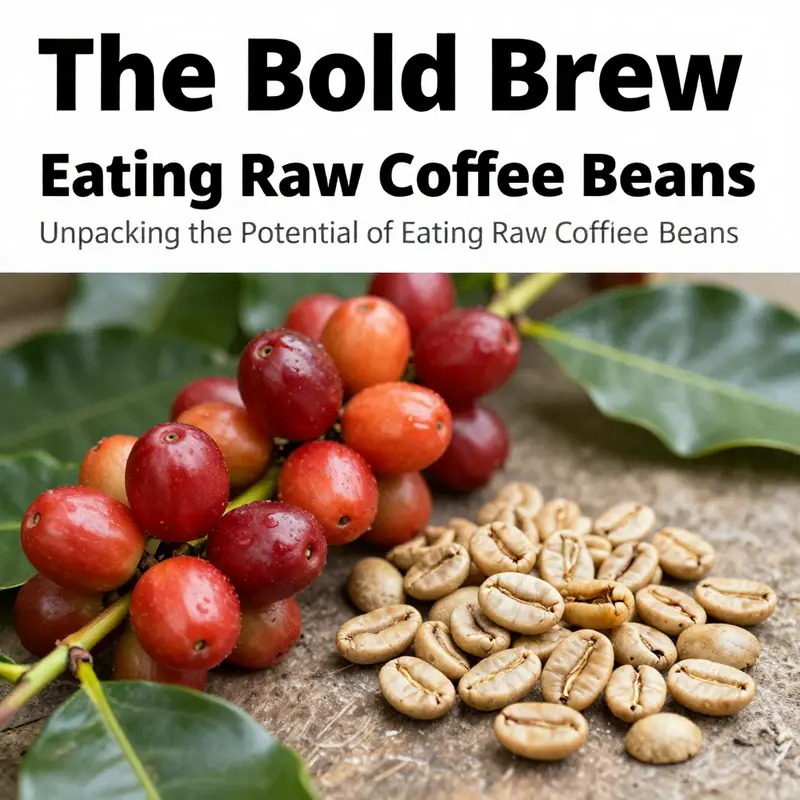
Raw coffee beans, the unroasted seeds of the coffee cherry, present an intriguing opportunity for health-conscious consumers and innovative businesses alike. While not commonly eaten due to their intense bitterness, understanding the implications of raw bean consumption is essential for coffee enthusiasts and entrepreneurs in the food and supplement sectors. This article delves into the safety and taste considerations of raw coffee beans, their nutritional profile, chemical composition, culinary uses, and the emerging market for these beans in dietary supplements. Each chapter sheds light on a different aspect of their consumption, equipping you with valuable insights to navigate this niche market.
Raw Coffee Beans Unveiled: Safety, Flavor, and Practical Realities of Eating Unroasted Seeds
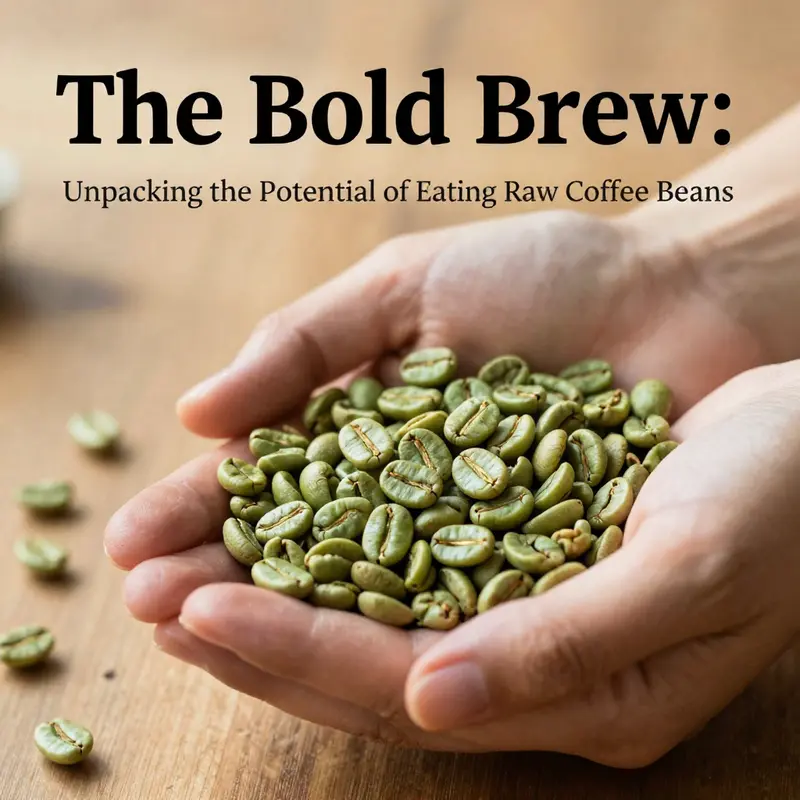
When people ask whether you can eat raw coffee beans, they often imagine the surprise of tasting something that looks familiar yet behaves surprisingly: a seed that carries the memory of a cherry and the stubborn bite of a raw, unregulated flavor profile. Raw coffee beans are indeed the unroasted seeds of the coffee cherry. They are technically edible in small amounts, but that modest fact sits beside a more stubborn truth: the experience is far from pleasant for most palates, and there are legitimate safety notes to consider. In the conversation about raw versus roasted, the distinction matters not only for taste but for how the bean’s chemistry interacts with the human body. The chapter that follows traces a coherent path from chemistry to consumption, from safety to sensory reality, and from practical cautions to broader use in functional ingredients. In short, raw beans exist in a grey area between curiosity and cautious experimentation, valued more for their bioactive potential than for casual snacking.
The safety landscape around raw green coffee beans rests on two prominent pillars: chemical composition and storage quality. On the chemical front, green beans retain a profile distinct from their roasted counterparts. They carry higher concentrations of chlorogenic acids and caffeine, compounds linked to antioxidant properties and modest energy effects. These constituents are part of what makes roasted coffee so beloved—aroma, depth, and a spectrum of flavors that shift with each roast level. But in their raw form, those same compounds contribute to a profile that can irritate the digestive tract. Chlorogenic acids, in particular, can provoke gastrointestinal discomfort when consumed in larger amounts. Caffeine, while familiar to most coffee drinkers, also has a more immediate presence in raw beans because roasting alters some of its availability. The result is a substantial, sometimes harsh experience if one tries to chew or swallow multiple raw beans in a single sitting. Even for those without sensitive digestion, the intensity is unmistakable: a bitter, grassy, and earthy bite that lingers rather than dissipates.
Contaminant risks also shape the safety conversation. Properly stored and processed raw beans should meet standard safety benchmarks, but the reality is that raw beans can harbor mold or mycotoxins if moisture control and storage conditions drift. The risk becomes more pronounced when beans are damaged, stored in humid environments, or exposed to temperature swings that encourage microbial activity. Reputable suppliers in the green coffee industry emphasize monitoring for moisture content, uniform grain size, and defects, which helps mitigate contamination concerns. For the individual consumer, these risk factors translate into a practical rule: if you are not obtaining raw beans from a trusted source with transparent quality testing, you should avoid eating them in any quantity. The same rule applies to attempting to reuse or rework leftover beans in unregulated ways. Given the potential for digestive upset and the possibility of contaminants, many people who are curious about raw beans end up preferring to work with roasted beans or with specially processed raw-bean products that have undergone controlled handling and further testing.
Taste, perhaps predictably, is where the raw bean story becomes most instructive. Flavor in raw coffee beans is not a celebration of terroir. It is, rather, a raw, uncompromising snapshot of what the seed contains before the kitchen’s heat and time transform it. The immediate impression is often grassy, slightly sour, and notably astringent. There is a resinous, almost medicinal quality that can feel medicinally persistent, which is why the sensory experience diverges so sharply from the familiar aroma and smoothness of a well-prepared cup. The bitterness is not merely a matter of preference; it reflects a balance of compounds that roasting deliberately shifts. During roasting, complex reactions break down some harsh constituents, while the volatile compounds multiply, creating the fragrance and multi-layered flavors that define coffee as a beverage. Raw beans, by contrast, present a static and unpolished palate. For someone who loves the dance of aroma, aroma, mouthfeel, and sweetness that a roast evokes, raw beans can feel like an unfinished draft—present but not fully expressive.
This sensory reality matters beyond mere taste tests. People who explore raw coffee products in the market often do so for reasons tied to specific bioactive constituents or for use in specialized dietary formats. For instance, green coffee extract, a widely discussed supplement in weight-management conversations, leans on the idea that certain compounds endure processing and can be delivered in a concentrated form. When raw beans are processed into powders or extracts, the preparation conditions—drying, grinding, and then extraction—are designed to stabilize and present consistent levels of active compounds. Yet even with such processing, the consumer-facing product remains fundamentally different from roasted coffee in aroma and mouthfeel. The shift from seed to tea-like powder or to a pill requires a different culinary and sensory expectation, and it underscores a central point: raw coffee is not a substitute for a good cup of coffee; it is a raw material that can be repurposed under controlled conditions for specific health or functional applications.
From a practical standpoint, what should a curious eater do with this knowledge? The first move is restraint. If the aim is casual snacking, roasted beans or a prepared coffee product is likely to deliver a more pleasant experience. The second move is to consider the context in which raw beans might be appropriate. Small, intentional experimentation—such as tasting a single heavily chewed bean to understand the immediate bitterness and to learn one’s tolerance—can be informative, but it should be approached as an experiential note rather than a daily habit. Anyone with caffeine sensitivity, a digestive disorder, pregnancy, or certain medications should treat the raw-bean option as off-limits or at least heavily cautioned. In such cases, the safer route is to rely on regulated products that are designed for consumption and carry clear labeling about caffeine content and potential interactions.
The safety and sensory realities also intersect with production quality. Raw beans that meet safety standards typically reflect careful handling: controlled drying, avoidance of mold-prone storage conditions, and consistent processing workflows that reduce the likelihood of contaminants. The conversation about moisture content, grain size, and defect testing—qualities emphasized in studies focusing on raw and roasted coffee quality—remains relevant even when the target use is not brewing but small-batch testing or formulation for supplements. These quality measures translate into a more predictable sensory and safety profile, which is precisely what researchers and product developers seek when they repurpose raw materials for health-oriented foods and nutraceuticals. In practice, this means looking for suppliers who provide clear documentation, batch testing results, and assurances about storage conditions, rather than relying on casual market encounters with random raw beans.
To weave together the ideas of safety, taste, and practical use, consider a reader who contemplates raw beans as a curiosity rather than a staple. The curiosity is understandable: it offers a direct link to the science of coffee and to the plant’s natural chemistry. The practical reality, however, is that the same chemistry that gives raw beans their potential antioxidative benefits also confers a raw-edged bitterness and a digestive load that most people are not prepared to manage. The difference between raw and roasted is not merely a culinary preference; it is a difference in how heat unlocks, reshapes, and moderates a seed’s chemistry. Heat invites transformation. It reduces certain harsh compounds, liberates others, and invites aroma into the kitchen. Without that transformation, the seed remains a robust, austere palate experience that serves as a reminder of the raw material at the heart of coffee production.
For those who want to explore the topic further while maintaining a safe boundary between curiosity and risk, the best strategy is to approach raw beans as an object of study rather than a snack. In this mindset, the focus shifts from “Can I eat this?” to “What does this seed reveal about its chemistry, safety, and potential uses in regulated products?” In that sense, raw beans become a lens into broader conversations about how food ingredients are sourced, tested, and repurposed. They illuminate the tension between natural bioactive compounds and the human palate, a tension that drives much of what we value in both nutrition science and culinary craft. The overarching message remains consistent: raw coffee beans are not a typical snack, and their consumption carries considerations that deserve respect and caution.
As you close this chapter and return to the wider discussion of coffee in daily life, a more nuanced appreciation emerges. Roasting is not merely a flavor enhancer; it is a deliberate, scientifically informed transformation that makes coffee digestible, aromatic, and inviting. Raw beans stand as a reminder of the seed’s true potential and of the careful engineering that turns a stubborn seed into a beloved beverage. If you ever attempt to engage with raw beans, do so with respect for their intensity and with attention to safety guidelines. Treat the seed as a raw material with a legitimate place in research, in product development, and in educational explorations about plant chemistry—and keep in mind that the most satisfying coffee experience for most people is still the product of heat, time, and refined technique.
External resource: For a comprehensive overview of safety, nutritional content, and sensory characteristics of raw coffee beans, see Healthline’s overview at https://www.healthline.com/nutrition/raw-coffee-beans
Raw Coffee Beans: Nutrition, Variability, and Practical Considerations
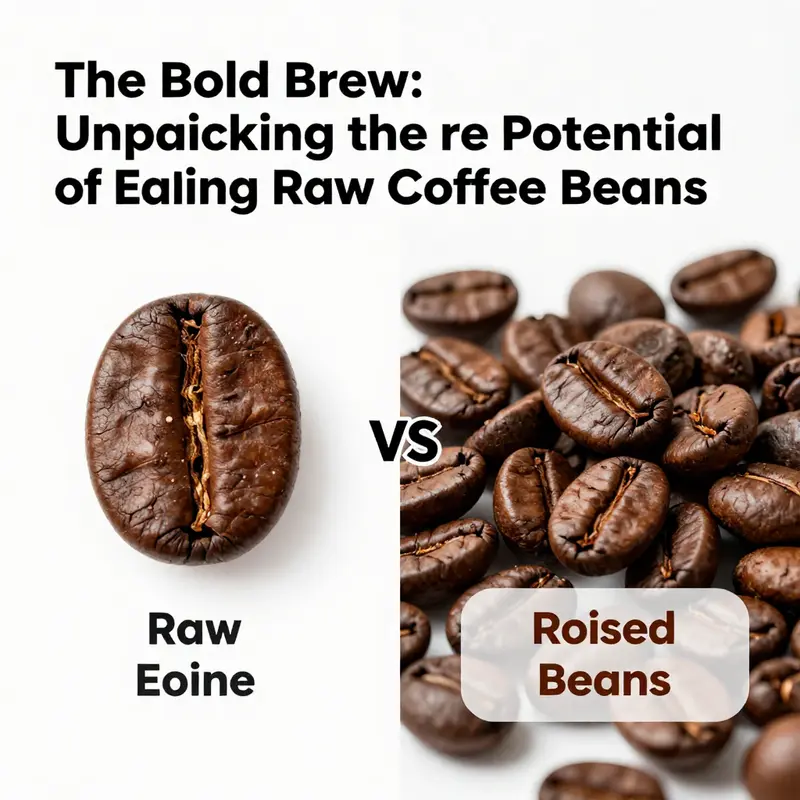
Raw (green) coffee beans are the unroasted seeds inside the coffee cherry. They are not a common dietary staple, but they can be consumed in small amounts and when properly stored. The raw bean contains a concentrated mix of energy, minerals, and bioactive compounds that differ from roasted beans. This chapter outlines the nutritional landscape of green beans, how farming choices shape what ends up in the bean, potential upsides of the natural constituents, and the risks that come with direct ingestion.
The nutritional profile of green beans includes a substantial portion of lipids and carbohydrates. In many Robusta sources, nitrogen, phosphorus, and potassium vary with agronomic practices; integrated nutrient management has been associated with approximately 3.1 percent nitrogen, 0.37 percent phosphorus, and 1.8 percent potassium in some studies, with organic systems showing shifts related to shade and irrigation. This variability underscores that mineral content is not fixed and can change with farming decisions, climate, and soil history.
Green coffee beans are rich in bioactive compounds, notably chlorogenic acids and caffeine. Chlorogenic acids contribute antioxidant activity and may influence metabolic signaling, while caffeine provides stimulant effects. Together they create a trade off: potential benefits from antioxidant activity and alertness, balanced by the stronger stimulant impact and the bitter, intense sensory profile of raw beans. Roasting reduces some of these compounds and reshapes flavor, so eating raw beans preserves a different balance of taste and chemistry.
The flip side includes practical safety concerns. Caffeine load can be high when raw beans are eaten in quantity, potentially causing insomnia, anxiety, or elevated heart rate in sensitive individuals. Storage quality matters too; poorly stored beans can harbor mycotoxins such as ochratoxin A, though modern processing and storage reduce this risk. If someone chooses to experiment with raw beans, it should be with small amounts, high-quality seeds, and careful storage away from moisture and heat.
From a practical standpoint, raw beans are best viewed as a niche raw material for nutraceuticals or culinary experimentation rather than a daily food. They illustrate how agronomy and chemistry intersect, and how farm practices can influence seed composition before roasting. For researchers and curious cooks alike, consider variability by sourcing and handling, and consult the broader scientific literature for context, including peer reviewed resources.
Raw Coffee Beans Under Pressure: The Unroasted Chemistry, Harsh Flavor, and Realities of Eating Them
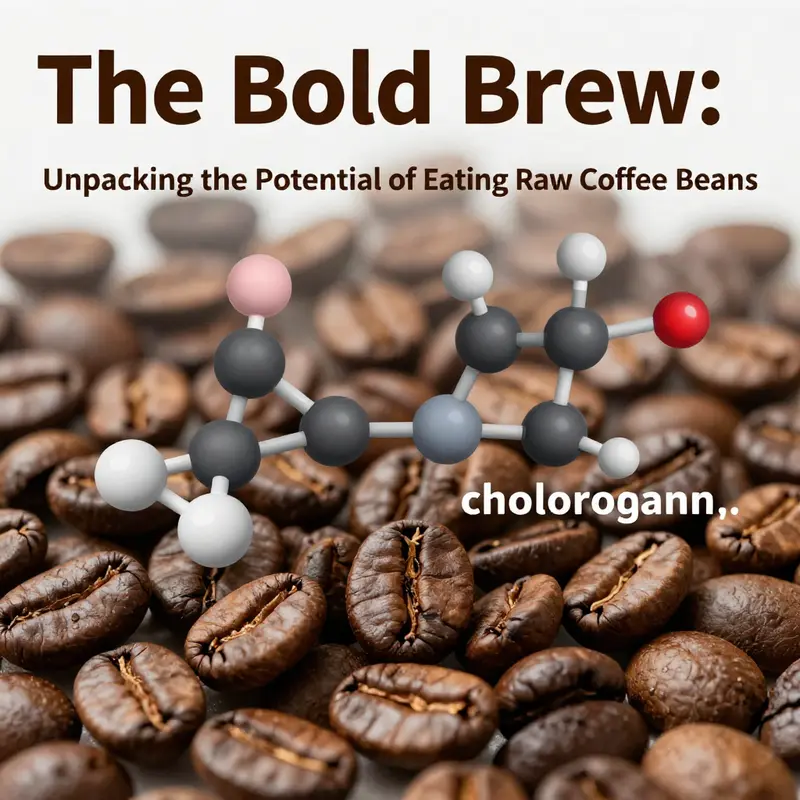
The chemical story of a raw coffee bean is, in many ways, a story of contrasts. It is a seed that contains the potential for energy and the capacity to support health through bioactive compounds, but it also houses a high-intensity repertoire of flavor and acids that throw a curveball at those seeking a pleasant bite. The composition of raw coffee beans is distinct from their roasted counterparts in several key ways. Caffeine sits at approximately 1 to 2 percent of the bean, a relatively modest fraction that nevertheless delivers a noticeable kick when consumed in the raw state. Tannins, primarily chlorogenic acids, account for roughly 3 to 5 percent. These compounds are partly responsible for the astringent, mouth-drying sensation that raw beans impart and for some of the acid-based reactions that can occur in the stomach. Proteins make up about 13 percent of the bean, a component that can influence texture and digestion. Solid oils, largely triglycerides, range from 10 to 15 percent, contributing to the bean’s mouthfeel and to the way fats interact with other constituents during chewing. The carbohydrate fraction is substantial—about 60 percent—dominated by sucrose along with other sugars and a measurable amount of dietary fiber. Taken together, these elements create a dense, chewy seed with a bold, earthy presence that reflects its raw state before roasting alters and streamlines the chemistry behind aroma and taste.
If you bite into a green bean, you are tasting a matrix that remains largely unaltered by heat. The absence of roasting means you preserve certain bioactive compounds in their native forms, which can influence how your body absorbs and responds to them. For some readers, this preservation translates into a perception of heightened bioavailability for certain antioxidants or other phytochemicals. For others, it translates into a stomach that reacts more readily to tannins and chlorogenic acids, especially in larger amounts. In practical terms, the unheated state can mean that the same compounds that are celebrated for potential health benefits may also provoke less comfortable responses in the gastrointestinal system if consumed in excess. The balance between benefit and discomfort often hinges on portion size and the individual’s tolerance for astringency, bitterness, and acidity.
From a flavor perspective, the raw bean brings a profile that is distinctly grassy, heavily vegetal, and markedly bitter. This is not the nuanced sweetness and floral complexity that roasts coax from the beans. Roasting triggers Maillard reactions and other chemical transformations that mellow bitterness, develop aroma compounds, and create the characteristic coffee flavor spectrum that fans recognize. In contrast, raw beans present a raw, unrefined taste: bold, tart, and astringent, with a lingering, somewhat mineral-like finish. The contrast between raw and roasted is not merely a matter of preference; it is a direct outcome of the chemistry that roasting induces. Those who explore raw beans often do so not for flavor but to observe how heat changes every dimension of the bean—from aroma and mouthfeel to the way caffeine and chlorogenic acids interact with the digestive system.
Understanding the caffeine story is essential when considering raw beans. Caffeine exists in a concentrated form in the green seed, around 1–2 percent, contributing to the potential for a rapid energy response. Yet the absence of roasting means there are no melanoidins and related compounds that, in roasted coffee, modulate absorption and metabolism to some extent. In practical terms, raw beans can deliver a more immediate, perhaps more intense, caffeine effect. The resulting energy spike can feel sharper, quicker, or more jittery than what many experience after drinking roasted coffee. For those who are accustomed to the smoother, more tempered effect of roasted brews, raw beans can be startling in their vigor. This difference underscores one of the broader lessons about raw versus roasted: temperature and processing do not only alter taste; they also alter the chemistries of absorption and the physiological rhythm that follows consumption.
Beyond caffeine, the chlorogenic acids and tannins that pepper the green bean have their own dual roles. Chlorogenic acids are often highlighted for their antioxidant properties, a feature that has spurred interest in green coffee as a dietary source of bioactive compounds. Tannins, while contributing to that characteristic astringency, also participate in complex interactions with digestive enzymes and the mucosal lining of the gut. The relative abundance of these compounds in raw beans means that chewing and swallowing can result in different exposures compared to brewed or roasted forms. Some individuals report mild nausea or stomach upset after chewing several raw beans, a reaction that aligns with the astringent and acidic nature of these compounds in their native state. It is not merely a flavor matter; it is a physiological signal about how a raw seed’s chemistry interacts with the digestive environment.
From an ethnobotanical and bioscience perspective, these observations have implications for how raw beans might be used in specialized contexts. For instance, the native profile of chlorogenic acids and related polyphenols can be attractive in the development of functional ingredients or dietary supplements where precise, concentrated phytochemicals are valued. However, for everyday consumption as a snack or quick caffeine source, the taste and potential for GI discomfort often push people toward roasted beans, where heat-induced transformations soften acidity and bitterness while delivering the familiar, comforting aroma that accompanies coffee culture. In the broader research landscape, scientists emphasize that the biochemical differences between green and roasted beans are significant. A comprehensive biochemical comparison highlights how caffeine, chlorogenic acids, sucrose, and trigonelline shift with processing, and how those shifts alter both health-related properties and sensory experiences. The parallel exploration of green versus roasted beans helps frame the central question of this chapter: what happens when you eat raw coffee beans, and is it a practice that should be encouraged, tolerated, or avoided?
For readers who want a well-grounded understanding of the chemistry, the literature points to a robust comparison of green and roasted beans. The available evidence suggests that while raw beans offer a package of bioactive compounds in their unaltered state, this package also comes with high concentrations of acids and tannins that many find unpalatable and potentially irritating to the gut. The flavor, to be candid, is far from the smooth, nuanced profile most people associate with coffee. It is a reminder that the value of a coffee bean is not just in its caffeine content but in the entire chemical symphony that roast processing unlocks. Those curious about raw beans may decide to sample in extremely small quantities, chew briefly, and withdraw if any discomfort arises. For anyone considering raw beans as a regular option, it is wise to weigh the stronger taste and the potential digestive response against the less obvious potential antioxidant benefits. The practical takeaway is clear: raw beans can be eaten, but the experience—taste, texture, and bodily response—varies substantially from the roasted norm, and moderation is essential.
For a deeper biochemical perspective on how raw (green) and roasted beans differ at a molecular level, see the detailed review on the biochemical composition of green and roasted coffee beans. This resource provides a thorough accounting of caffeine, chlorogenic acids, sucrose, and other key constituents as they shift with processing. External reference: https://doi.org/10.1016/j.foodchem.2020.127194.
From Seed to Spoon: The Culinary Possibilities and Cautions of Eating Raw Coffee Beans
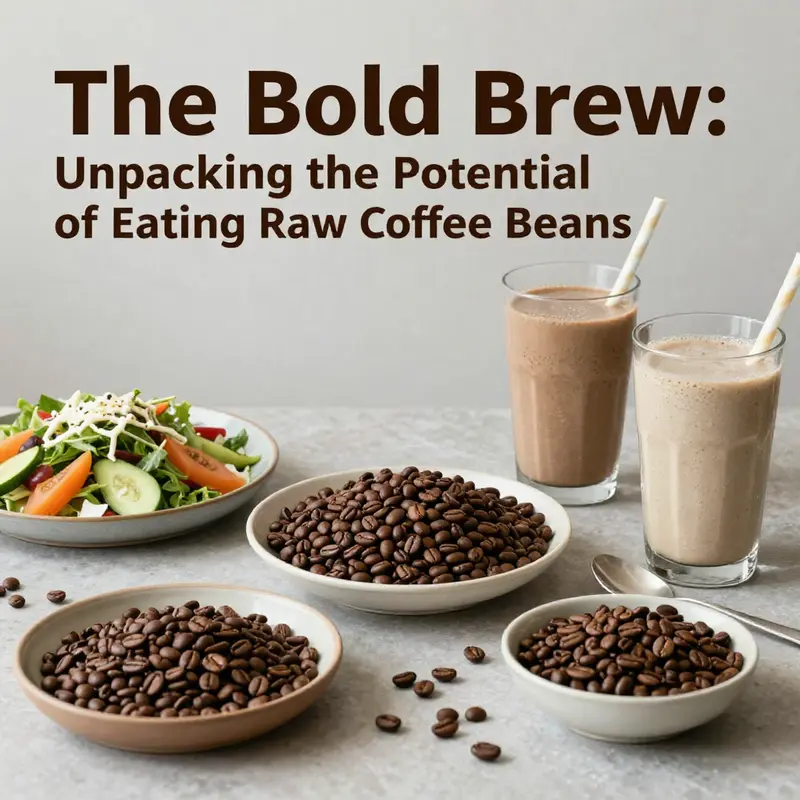
Raw coffee beans occupy a curious niche in the kitchen. They are the unroasted seeds of the coffee cherry, essentially green little beans that harbor a stubborn, earthy bitterness and a tightly structured texture. It is not common to eat them straight from the bag, yet their raw form invites a particular kind of culinary experimentation. People who explore them do so with the awareness that while they are technically edible in small quantities, the experience sits far from the familiar comfort of roasted coffee flavors. The reason is straightforward: roasting unlocks a bouquet of aroma compounds and mellows the harsh edges of the green bean. When untouched by that process, the beans retain a robust chemical profile—high in chlorogenic acids and other bioactives—that flavors and textures scholars and chefs alike find both challenging and intriguing. The practical takeaway, then, is not a promise of everyday consumption but rather a careful invitation to consider how raw beans might function as a specialized ingredient in the broader landscape of food innovation.
Taste and chemistry anchor this exploration. The bitterness of raw coffee beans is not merely a matter of personal preference; it reflects their composition. Chlorogenic acids, along with a range of phenolic compounds, give the beans their distinct, earthy character. These same compounds are often examined for antioxidant properties and potential health benefits, and they are the reason some researchers and culinary professionals view raw beans as more than a curiosity. Yet the same profile can overwhelm a dish if used in excess. Unlike roasted beans, which deliver a familiar coffee aroma and a smoother acidity, raw beans present a sharpness that can feel almost medicinal to the palate. And texture matters: the beans are hard and chewy, not ideal for direct gnawing unless handled with care or softened through a technique like soaking. Taken together, raw beans are a study in contrasts. They offer the possibility of a caffeinated kick and a distinctive flavor fingerprint, but they demand restraint and thoughtful pairing if they are to be integrated into food rather than simply consumed as a novelty.
Culinary experimentation with raw beans tends to follow a few practical paths. One common approach is to grind the beans into a very fine powder and fold that powder into specific, controlled applications. In smoothies, the powder can contribute a sly, nuanced bitterness that deepens fruit or dairy flavors rather than dominating the drink. In energy balls or bite-sized snacks, a pinch of ground raw bean can add complexity alongside dates, nuts, and seeds, providing a subtle backbone that echoes the aroma of coffee without turning the treat into a mug of espresso. In baked goods, the powder can be introduced in small quantities, such as muffins or brownies, where the sweetness or cocoa-like notes can balance the raw bitterness. The key is balance: the more intense the raw bean flavor, the more you must modulate sweetness, acidity, and fat to create a harmonious outcome rather than a one-note bitterness.
Another route is the soaking method. Soaking raw beans overnight softens them slightly and can make a broader range of culinary applications accessible. After soaking, the softened beans can be blended into sauces or dressings, where they contribute depth without the dense chew of whole seeds. Soaked beans can also become part of spreads, where their earthy notes mingle with dairy, herbs, or olive oil to form a complex base that other ingredients can brighten. The idea here is not to imitate roasted coffee but to reveal latent flavors that emerge when the bean’s matrix is relaxed through moisture and time. This approach might yield a coffee-scented dressing for roasted vegetables or a savory spread that brings a subtle, coffee-like warmth to bread or crackers. It is an invitation to experiment with how texture and bitterness can be manipulated to serve a culinary narrative rather than a caffeine-forward punch.
Flavoring agents offer another intriguing gateway. Infused honey is a particularly festive concept: a jar of raw coffee bean-infused honey can be used as a drizzle on desserts, stirred into yogurt, or swirled into warm cereals. The infusion captures a whisper of roasted aroma even though the beans themselves remain unroasted, providing a versatile accent that plays well with sweet or tangy elements. Ground raw coffee can also function as a garnish for certain savory dishes, where a tiny dusting over roasted vegetables or grain bowls can impart depth of flavor and a visual cue that signals something unusual and thoughtful in the plate’s composition. The trick with these methods is to treat raw beans like a spice or a potent herb rather than a primary ingredient, using small amounts to avoid overpowering other flavors and to maintain a sense of balance.
Yet the culinary path with raw beans is not without cautions. The bitterness that defines their character can easily dominate a dish if not carefully moderated. More importantly, raw coffee beans are not recognized as a standard food ingredient by major health authorities, and this status has practical consequences. Both digestive upset and cardiovascular effects are possible if large amounts are consumed, and caffeine overconsumption remains a real risk when raw beans are used immoderately. The safety framework around raw ingredients tends to err on the side of caution, and the scientific literature treats raw coffee as a niche interest rather than a mainstream component of the diet. For home cooks and professionals alike, the lesson is to approach raw beans with respect for their powerful profile and to treat them as greeting cards that announce a concept rather than as everyday staples. Small quantities, careful balancing, and an understanding of how their bitterness interacts with sweetness, acidity, and fat are essential ingredients to any successful experiment.
The broader context of these explorations includes recognition that raw beans are of interest primarily for their bioactive compounds and their potential, albeit tentative, health implications. While the antioxidant properties of chlorogenic acids are frequently cited, the strength and relevance of these benefits when the beans are eaten raw—especially in the context of a typical diet—remain subjects of ongoing research. In culinary terms, this translates to an emphasis on flavor innovation rather than health claims. The prospect of energy support or weight management is often cited in passing as a possible benefit, but any practical claims should be tempered by a cautious reading of current evidence and an awareness of caffeine content. This balance between flavor exploration and health considerations anchors responsible experimentation with raw beans in the kitchen.
For those curious to pursue this line of cooking, several guiding principles emerge. Start with very small experiments to gauge taste and digestion. When grinding, use a riser of a tiny amount to avoid overpowering a recipe. If you choose to soak, extend the soaking time only gradually and monitor the beans’ texture and aroma to prevent any unintended bitterness from seeping into the final dish. In baking, counterbalance the raw bean notes with generous sweetness or with complementary flavors such as vanilla, citrus zest, or cocoa to craft a well-rounded product. In sauces and spreads, aim for a smooth texture and a subtle depth rather than a pronounced coffee taste; this makes the ingredient more adaptable across different dishes. If you are integrating raw beans into a menu or a multi-course tasting, present them with context—giving diners a sense of what the raw form contributes to aroma, texture, and overall balance can transform a perceived risk into an intriguing experience.
In terms of practical sourcing and safety, treat raw beans as a specialized ingredient. Store them properly to prevent moisture-induced spoilage, and avoid long-term, high-volume use in any single dish. The culinary experiments described here are about discovery and nuance, not about creating a new standard pantry staple. And while the science behind the chemistry of raw coffee beans continues to evolve, the culinary truth remains stable: their strength lies not in replicating roasted coffee but in offering a bold, unique accent that can elevate a dish when wielded with restraint and imagination. For chefs and home cooks alike, the path is one of curiosity, measured caution, and an openness to the unexpected flavor profiles that raw beans can reveal when properly coaxed into the kitchen’s wider repertoire.
For readers who want a deeper scientific framing behind these culinary notions, peer-reviewed resources explore the chemistry and application of raw coffee in food systems, offering structured insights beyond taste and technique. This body of work supports the idea that raw beans can be considered a functional ingredient in niche contexts, rather than a universal substitute for roasted coffee flavors. As with all explorations at the intersection of taste and health, the best outcomes arise from thoughtful experimentation, clear boundaries for consumption, and a willingness to learn from both culinary trial and scientific observation. For those who wish to read more about the chemistry and potential applications, an established peer-reviewed source provides detailed analyses and findings: https://www.sciencedirect.com/science/article/pii/S096399692500187X
From Bean to Benefit: Market Trends Driving Raw Coffee Beans into Dietary Supplements and Health Products
For many people, the sensory profile of raw coffee beans makes them a unlikely staple for regular consumption. The very attributes that contribute to their robust, earthy taste—primarily high concentrations of chlorogenic acids (CGAs) and other polyphenols, along with caffeine and various bioactive compounds—also render raw beans less appealing as a snack compared to their roasted cousins. Yet taste is only one dimension of value. In the realm of dietary supplements and functional foods, taste can be managed through extracts, encapsulation, and blending with other botanicals, allowing the underlying chemistry to drive a different kind of appeal. Green coffee bean (GCB) extracts, in particular, have earned a foothold in product lines marketed for metabolic wellness, weight management, and antioxidant support. The science behind this shift rests on the CGA-rich profile of unroasted beans, which has been associated with antioxidant activity and potential improvements in insulin sensitivity and fat metabolism in various studies. While these relationships are nuanced and sometimes contested, they form a credible basis for product developers who seek natural, plant-based ingredients with a traceable bioactive portfolio.
The market dynamics behind this trend are multifaceted. A growing segment of consumers is turned toward plant-based functional foods and natural wellness solutions, seeking ingredients that are perceived as closer to nature and more aligned with preventive health goals. This consumer attitude favors raw or minimally processed sources that can be standardized into predictable, efficacy-oriented products. In response, manufacturers have advanced processing methods that extract and concentrate the desirable compounds from raw coffee beans or from coffee silverskin—the thin, protective layer shed during roasting. Silverskin, once viewed as a waste byproduct, is now recognized as a low-cost, sustainable reservoir of CGAs and related polyphenols. The circular economy implications bolster the appeal of green-coffee-derived ingredients from a sustainability standpoint, widening the scope of raw beans from a niche curiosity to a viable component of mainstream health solutions.
In this market, the scale of opportunity becomes clearer when we consider the historical size of the raw coffee beans sector. The global raw coffee beans market was valued at approximately USD 35 billion in 2019, driven by premiumization trends, the rise of specialty coffee culture, and the broader appetite for botanically derived ingredients. That baseline reflects not only roasting and brewing markets but also the embedded value of the bean’s unroasted chemistry as a raw material for supplements and functional foods. As consumer education around CGAs and caffeine-enabled metabolic support expands, more formulation space opens up for green-coffee-derived products, from capsule supplements to ready-to-mix powders and beverage enhancers. The premiumization narrative in coffee culture—where consumers are willing to pay for higher-quality, traceable origin and processing—translates here into willingness to invest in higher-purity green- coffee extracts and standardized CGA-rich fractions.
A critical driver in this transition is the broader push toward chronic-disease prevention through diet. CGAs have been associated with protective effects in a range of conditions, including markers of metabolic health, cardiovascular risk, and oxidative stress. While causality in human nutrition is complex and often context-dependent, the prevailing sentiment among researchers and product developers is that CGA-rich ingredients can contribute to a holistic approach to wellness when used within thoughtfully designed dietary strategies. This optimism feeds into consumer demand for products that offer tangible, observable benefits—weight management support, improved insulin sensitivity, and antioxidant defense—without relying solely on caffeine for energy. In turn, marketers emphasize the natural origin, the plant-based lineage, and the compatibility of these ingredients with other wellness-oriented components, creating a compelling story that resonates with health-conscious shoppers who want clean-label, minimally processed options.
The industry’s attention to quality and safety has matured alongside this growth. A key factor shaping the market trajectory is the recognition that regulatory oversight varies across regions, and that there is not yet a universally established safe and effective dosage range for many coffee-based supplements. A 2025 study highlighted a critical gap: while products abound, the standardization of formulations, dosing guidelines, and rigorous safety monitoring remain uneven. This reality pushes participants in the supply chain to pursue more robust analytical methods, better quality control, and clearer labeling. In practice, manufacturers increasingly rely on validated assays to quantify CGA content, caffeine, and other bioactives in finished products. Techniques such as HPLC-MS/MS are employed to identify and quantify active compounds, ensuring batch-to-batch consistency and enabling more precise claims about potential benefits. The emphasis on analytical rigor also supports regulatory trajectories, as authorities in some markets seek to tighten oversight around health claims and ingredient disclosures.
From a product development perspective, the raw coffee bean value proposition extends beyond simple extraction. Innovations in processing have unlocked new ways to harness the bean’s chemistry. For example, CGA-rich fractions can be isolated and integrated into capsules, tablets, or powders, allowing for standardized dosing that aligns with consumer expectations for predictable effects. At the same time, the by-product chain—such as silverskin—offers additional revenue streams and sustainability benefits. This diversification helps suppliers and brands manage costs, reduce waste, and expand the functional horizon of raw-bean derivatives. When assembled into multi-ingredient blends, green-coffee-derived components can complement other botanicals that support metabolic health, appetite regulation, or antioxidant protection, creating synergistic formulations that appeal to a broad audience seeking natural, plant-based wellness solutions.
Yet the path forward is not without its complexities. Consumer taste remains a practical barrier for direct ingestion of raw beans, given their bitterness and astringency. For many people, the idea of chewing or swallowing whole unroasted seeds raises questions about digestive comfort and palatability. In supplements, however, this issue is mitigated through formulation strategies that mask or balance bitterness, deliver accurate dosing, and optimize bioavailability. Encapsulation, microencapsulation, and desiccation techniques help maintain the integrity of CGA-rich fractions while users experience a convenient, palatable intake. Such approaches also support shelf stability and product safety, essential considerations in a market that lacks universal dosage standards. As regulatory conversations progress, these technical improvements may become standard expectations, ensuring that products entering the market meet consistent quality benchmarks and deliver on consumer promises.
The market is also evolving in its emphasis on sustainability and ethical sourcing. Coffee’s supply chain has long grappled with issues of labor, environmental impact, and price volatility. By leveraging raw-bean ingredients and by-products like silverskin, manufacturers can articulate a clearer sustainability narrative—one that emphasizes traceability, waste reduction, and value-added processing at every stage of the supply chain. This approach resonates with consumers who connect wellness with responsible production and who value stories of circular economy principals. In practice, suppliers are increasingly investing in roasting-byproduct valorization, cold-press or solvent-free extraction methods, and partnerships with responsible farming programs to ensure that the raw materials used in supplements reflect both efficacy and ethical considerations.
In discussing the trajectory of raw coffee beans in health products, it is important to acknowledge the contextual limits of direct consumption. While the question “can you eat raw coffee beans?” invites curiosity about culinary possibilities, the market reality centers on processed formats that translate the bean’s chemistry into reliable, regulated wellness ingredients. The bitter taste that makes raw beans less attractive for everyday snacking becomes an asset when it is harnessed in standardized extracts or precise-dose supplements. Consumers who explore these products often seek a balance: a natural, plant-based approach that offers metabolic support or antioxidant benefits without the intensity of a cup of espresso. For some, the appeal lies in gradual, measurable outcomes rather than rapid, transient stimulation. This nuanced consumer expectation shapes how products are marketed, labeled, and positioned within broader wellness ecosystems.
Looking forward, the industry faces a convergence of opportunities and responsibilities. On one hand, the expansion of CGA-rich and caffeine-containing ingredients from raw beans aligns with a broader consumer shift toward science-backed natural products. On the other hand, the lack of a universally established dosage framework and variable product quality point to an urgent need for standardized formulations and robust safety monitoring. Stakeholders across the supply chain—farmers, processors, formulators, regulators, and scientists—will need to collaborate to build shared benchmarks for purity, potency, and safety. Such collaboration would reduce market fragmentation, facilitate cross-border product development, and help consumers navigate claims with confidence. In this sense, the raw coffee bean story suggests a longer arc: from a niche curiosity tied to culinary experimentation to a structured, evidence-informed category of dietary supplements that embraces plant-based wellness as part of a preventive health toolkit.
In connecting back to the original question about direct consumption, the current market reality offers a pragmatic synthesis. Raw beans may be consumed in certain culinary contexts or studied as dietary ingredients, but most people will encounter their benefits through controlled, extract-derived formats. The direct-eating pathway, while not impossible, remains a minority route within a diversified landscape of products designed for dose-controlled intake, standardized bioactive content, and transparent safety profiles. The evolving narrative around raw coffee beans therefore reflects a broader trend in wellness: a movement from singular sensory experience toward integrated, science-informed strategies that respect both the chemistry of nature and the discipline of regulation. As consumers increasingly seek natural, ingredient-based solutions, raw coffee bean derivatives will likely become more visible in the wellness aisle, offered not as a replacement for coffee itself but as a complementary mechanism for supporting metabolic health, oxidative balance, and energy management in a holistic lifestyle.
For readers curious about the analytical backbone behind these products, the research community continues to refine methods that quantify active constituents and map their behavior in complex matrices. This work, including advanced chromatographic and spectrometric approaches, strengthens confidence in product claims and informs regulatory discussion. While the field still lacks a universal dosage standard, ongoing studies and industry-quality practices are moving toward clearer, more actionable guidance for consumers and clinicians alike. And as the story of green coffee-derived ingredients unfolds, it invites us to rethink the boundaries of what a coffee bean can contribute to health, beyond aroma, into a spectrum of nutritional possibilities that align with a plant-forward, preventive health paradigm.
External resource for further reading: https://pubchem.ncbi.nlm.nih.gov/compound/Carboxyatractyligenin
Final thoughts
The consumption of raw coffee beans, while unconventional, offers numerous avenues for exploration in the health and culinary sectors. With their distinct flavor profile and nutritional benefits, they can serve as a unique offering in dietary supplements and innovative recipes. As interest in health-focused products continues to grow, staying ahead of market trends by incorporating raw coffee beans could provide an edge for business owners. Understanding the balance between safety, flavor, and health benefits will be crucial in positioning these beans as a desirable option within the coffee culture.