

Understanding the nature of coffee beans is crucial for business owners and entrepreneurs within the coffee industry. While often called beans, these seeds originate from the coffee cherry, the actual fruit of the coffee plant. This article delves into the multifaceted nature of coffee beans, analyzing the coffee cherry’s essence, their botanical classification as seeds, and the economic implications surrounding their status in agriculture. Each chapter offers a deeper insight into these facets, providing necessary knowledge for informed business decisions in the coffee domain.
Unraveling the Mystery: The Coffee Cherry and the True Identity of Coffee Beans
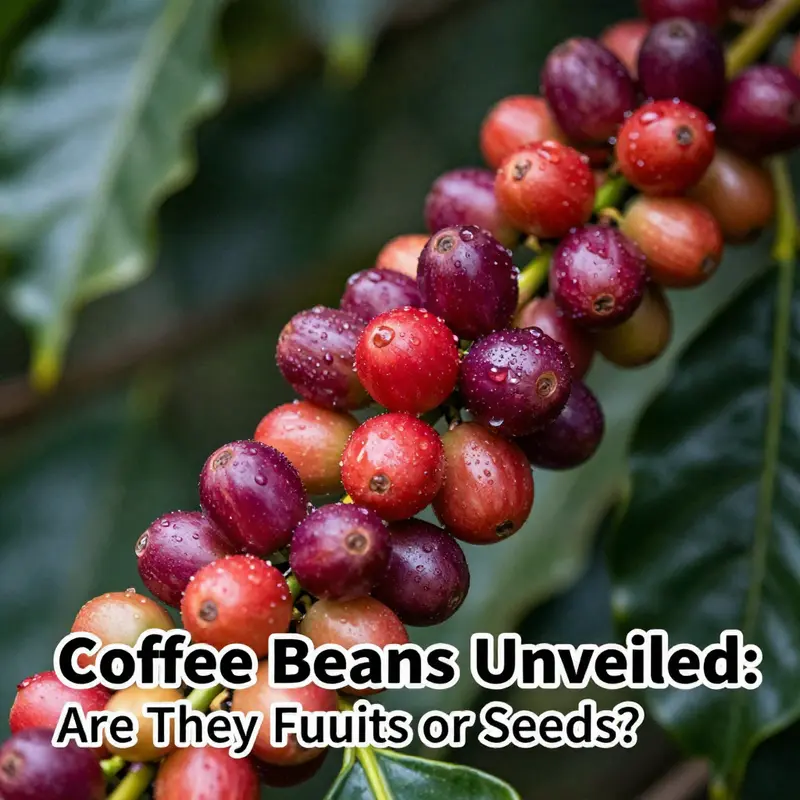
In the world of botany and everyday language, few topics spark as much debate as the true nature of coffee beans. Many people casually refer to coffee beans as if they were fruits, given their complex origin and the process through which they transform from a small, vibrant berry into the rich and aromatic brew that pervades our daily routines. However, understanding this transformation requires a deeper look at the coffee cherry—the fruit from which coffee beans, actually the seeds, emerge. This chapter embarks on a journey to demystify the relationship between the coffee cherry and the so-called coffee beans, ultimately highlighting that while coffee beans are not fruits in the botanical sense, they trace their lineage directly to the fruit of the Coffea plant.
To begin with, it is essential to understand the basic definitions used in botany. In common parlance, fruits are typically seen as the edible, fleshy parts of a plant that contain seeds. However, botanically, fruits are actually the mature ovary of a flowering plant, while the seeds themselves are the embryonic plants enclosed within this structure. In the case of the coffee apple—commonly known as the coffee cherry—the outward appearance is deceptive. The cherry, with its glossy red or purple surface, is indeed a fruit; it develops from the flower of the Coffea plant following pollination. Yet, nestled within this brightly colored fruit are one or two seeds, known in everyday language as coffee beans. This distinction is not merely academic but rather speaks to the intricate way nature organizes and presents its cycles of life.
The evolution of the coffee plant over centuries has given rise to a remarkable fruit. The coffee cherry is modest in size and bursts with color as it ripens. Each cherry, when fully developed, encapsulates the very essence of what makes coffee unique. In over 85% of coffee cherries, there are two seeds that share an intimate physical relationship; they are pressed together along their flat sides inside the protective pulp of the fruit. This condition is believed to be nature’s gift—a way to ensure that even if one seed does not germinate under less-than-ideal conditions, the other might carry the promise of a new generation. Intriguingly, a smaller, naturally occurring phenomenon known as the peaberry occurs in roughly 10% to 15% of the cherries, where only a single seed develops. Many aficionados of coffee assert that these peaberries possess a more concentrated flavor profile, attributing their unique taste to the singular, undivided nature of the seed.
It is worth noting that the culinary and commercial worlds have long perpetuated the misnomer of referring to these seeds as beans. Their flattened, oval shape bears a superficial resemblance to the legumes known commonly as beans, which adds to the confusion amongst those unfamiliar with botanical classifications. However, botanical precision reveals that these coffee “beans” do not belong to the legume family at all. Instead, they are more accurately described as seeds lodged within a berry fruit. The parallel can be drawn with other examples in nature. Consider almonds or the stone or pit found in peaches. Much like coffee beans, almonds are also seeds housed within a fruit. They undergo a transformation process in which the outer fleshy layers are discarded, leaving behind the seed that is then consumed. In the case of coffee, the process is similarly transformative; the coffee cherry is picked, processed, and eventually de-pulped to reveal the seeds inside, which are then roasted and ground into the beverage that millions enjoy each day.
This botanical journey from fruit to seed is not only fascinating from an academic perspective but is also crucial for understanding the way coffee is cultivated and processed. Coffee farmers, who have honed their techniques over generations, know that the quality of the final product is deeply interconnected with the ripeness and overall health of the coffee cherry. As the fruit ripens, its increasing sugar content and vibrant hues signal the perfect timing for harvest. Farmers must exercise great care during the picking process to ensure that only the most optimally ripened cherries are collected. This selective process is directly linked to both the flavor profile and the aromatic properties of the coffee seeds concealed within. When these seeds are later processed—through methods such as washing, drying, and ultimately roasting—the character of the coffee is largely predetermined by the starting material, the coffee cherry.
Beyond the immediate process of harvesting is the careful treatment of the coffee cherry in post-harvest processing methods. Once the coffee cherries are collected, they are taken through various stages that separate the outer layers from the seed itself. There are several methods in use, each of which can significantly influence the taste of the final coffee product. One common method is the washed process, where the pulp of the berry is removed mechanically and the seeds are thoroughly washed before drying. This method accentuates the intrinsic flavors linked to the berry’s ripeness and results in a cleaner, more vibrant cup. Alternatively, the natural, or dry process, involves drying the cherries with the fruit still attached to the seeds. This method allows the seeds to absorb additional flavors from the surrounding pulp, often leading to a richer, fruitier taste. The choice between these methods can impact not only flavor and aroma but also the consistency and quality of the brew produced from these seemingly innocuous seeds.
The narrative of the coffee cherry extends beyond mere agricultural practices; it is deeply woven into the cultures and economies of the regions where coffee is grown. In many coffee-producing countries, the coffee cherry holds cultural significance that transcends its role as a mere agricultural product. Local traditions often celebrate the harvest season, with communities coming together to celebrate the bounty of the coffee crop. This cultural salience underscores the importance of the coffee cherry not just as a botanical curiosity but as a vital component of the social and economic fabric of these regions. The careful cultivation and processing practices that have been passed down through generations are a testament to the reverence held for the coffee cherry, elevating it to a status of both a practical resource and a symbol of communal pride.
Furthermore, scientific research contributes significantly to our understanding of the coffee cherry and its transformation into the coffee seeds we cherish. Botanic studies have meticulously described the development of the coffee cherry from bud to maturity, providing insights into the genetic and environmental factors that influence the final quality of the coffee seeds. Researchers have analyzed the chemical composition of the fruit and its seeds, shedding light on how different compounds contribute to the flavor, aroma, and even the stimulating qualities of the coffee brew. This research is not only of academic interest but also serves as a roadmap for improving cultivation techniques. For those with a keen interest in the detailed biological and chemical aspects of the coffee cherry, the comprehensive work published by the University of Florida IFAS Extension offers a deep dive into the subject. Interested readers are encouraged to explore this external resource at the end of this section for further insights.
In addition to the scientific and technical aspects, the story of the coffee cherry resonates on a personal level with coffee enthusiasts worldwide. Coffee often serves as the energizing start to the day—a ritual imbued with moments of reflection and social interaction. Many enthusiasts ponder the origins of their favorite morning brew, taking pride in the journey that transforms a simple seed into an intricate, flavorful beverage. The paradox of coffee beans often being mistaken for fruits despite being seeds adds a layer of intellectual curiosity to this daily ritual. This curiosity not only enriches our everyday experience but also connects us more deeply to the natural world. Understanding that every cup of coffee comes from the nurturing process of growing, harvesting, and processing the coffee cherry allows us to appreciate the intricate blend of nature and human craftsmanship.
The distinctive cases found in the growth of coffee cherries, such as the emergence of peaberries, further enrich the narrative. The peaberry is a unique occurrence where the cherry produces only one seed that rolls freely within the fruit instead of developing in the common paired configuration. This irregularity, while not typical, sparks significant interest among coffee connoisseurs who often attribute a bolder, more concentrated flavor to peaberry coffees. Though the scientific community continues to debate the precise impact of this anomaly on flavor and consistency, its existence is a reminder of the variable artistry inherent in nature. The study of peaberries not only deepens our understanding of natural selection and plant reproduction in coffee plants but also underscores the subtle interplay between chance and cultivation in agricultural practices.
As we weave through the narrative of the coffee cherry, it is also valuable to consider the global impact of coffee cultivation on economies and ecosystems. The coffee industry is not just a matter of producing a popular beverage—it is a lifeline for millions of farmers and communities around the world. Coffee cultivation demands careful attention to the intricacies of the fruit and its seeds. Sustainable farming practices, which often take into account the ripeness and natural growth cycles of the coffee cherry, play a vital role in preserving local ecosystems. Agricultural experts and economists alike have noted that the quality and sustainability of coffee production are inextricably linked to the health of the coffee cherry. This realization has spurred efforts to adopt more environmentally friendly cultivation methods that honor the natural processes governing the growth of coffee cherries. Such practices not only ensure the longevity of coffee production but also support the livelihoods of those who depend on this remarkable fruit and its seeds.
In tracing the evolutionary history of the coffee cherry, one can appreciate the multiple layers of complexity that define this botanical marvel. The coffee plant, belonging to the Rubiaceae family, has evolved over millennia in response to diverse ecological pressures. Its unique reproductive strategy—encapsulating valuable seeds within an attractive and nutrient-rich fruit—is a strategy shared with many other plants in the natural world. This evolutionary strategy ensures that the seeds are both protected and distributed effectively, increasing the chances of propagation in environments where conditions may be less than ideal. In essence, the coffee cherry is a masterclass in natural design, combining aesthetic appeal with functional efficiency. It is this sophisticated interplay of form and function that makes the coffee cherry an object of both scientific inquiry and everyday admiration.
Beyond the realm of botany and agriculture, the story of the coffee cherry resonates with broader themes that touch on the philosophy of nature and the human quest for understanding. The intricate relationship between the observable characteristics of the coffee cherry and the hidden potential within its seeds invites us to reflect on the nature of transformation. Just as the coffee cherry holds within it the secret to the popular brew enjoyed around the globe, many aspects of our own lives contain hidden depths waiting to be discovered. Each morning, as people across the world sip their coffee, there is an unspoken acknowledgment of nature’s capacity to conceal complexity within simplicity. This simple act of drinking coffee becomes a daily reminder of the wonders that lie hidden in plain sight.
Moreover, the interplay between scientific research and traditional wisdom enriches our understanding of the coffee cherry. Farmers, with their generations-old practices and experiential knowledge, often possess insights that complement scientific studies. This convergence of traditional practices and modern agronomy illuminates the pathways toward improved cultivation techniques and better quality coffee seeds. For example, traditional methods of assessing the ripeness of coffee cherries—often based on subtle color changes and texture—are now being examined under the microscope using modern imaging techniques. This synthesis of old and new provides a fuller picture of what makes the coffee cherry such a vital component in the coffee production process.
It is important to recognize that the conversation around coffee beans and their controversial classification extends beyond academic debates and into everyday consumer perception. Many casual coffee drinkers might never ponder whether coffee beans are fruits, seeds, or something else entirely. For them, the allure of coffee lies in its robust flavor and energizing effects, which count far more than the botanical intricacies of its origin. However, for those with a keener interest in the natural world, the distinction is not only intellectually satisfying but also a segue into broader discussions about biodiversity, sustainable agriculture, and the interconnectedness of nature’s systems. Whether enjoyed in a bustling urban café or savored in the quiet moments of a rural morning, coffee carries with it a legacy of beauty, complexity, and careful cultivation that begins with the humble coffee cherry.
In drawing together the threads of this detailed narrative, one must return to the core question: Are coffee beans a fruit? The answer, viewed through the lens of botanical clarity, is a resounding no. Coffee beans themselves are the seeds contained within the fruit of the Coffea plant. This botanical truth is underscored by the careful evolutionary design of the coffee cherry, which balances the need for protection, attraction, and dispersal of its seeds. Recognizing this distinction enriches our appreciation of the coffee production process and highlights the intricate relationship between plant biology and the gastronomic culture that has developed around coffee over centuries.
To encapsulate, the story of the coffee cherry and the seeds within it is one of transformation, complexity, and hidden beauty. It illustrates the fact that what we often take for granted—the coffee beans used to brew our morning cup—is the product of an intricate natural process that begins with a small, vibrant fruit. As we explore the nuances of the coffee cherry, from its colorful appearance and varied internal structures to its cultural, economic, and ecological importance, we gain a deeper respect for the way nature orchestrates every detail in a continuum of life and flavor. The journey from coffee cherry to coffee bean is emblematic of the wonder found within natural systems—a reminder that behind every familiar cup of coffee lies an elaborate story written by evolution, nurtured by human hands, and celebrated across the globe.
For those intrigued by the deeper scientific exploration of the coffee cherry’s anatomy and its development, a comprehensive resource is available from the University of Florida IFAS Extension. Their detailed study provides further insights into the biology and processing techniques that shape the coffee we know today. You can explore this in-depth resource here: University of Florida IFAS Extension on the Coffee Cherry.
In summary, while popular language may blur the lines between fruits and seeds, the facts remain clear: the coffee cherry is the fruit of the Coffea plant, and the so-called coffee beans are, in fact, the seeds nestled within this fruit. This understanding not only informs better agricultural practices but also deepens our overall appreciation of the natural world. The evolution of the coffee cherry as a tiny package of potential encapsulates centuries of growth, human ingenuity, and environmental symbiosis, making each sip of coffee a tribute to nature’s enduring marvels. Even as consumer tastes evolve and production techniques modernize, the underlying relationship between the coffee cherry and the seeds hidden within remains a testament to the intricate dance of biology, history, and culture that defines our experience with coffee.
Seeds in Disguise: Unraveling the Botanical Mystery Behind Coffee Beans

Coffee provides a ritual, a sensory experience, and a daily respite for millions around the globe. Yet, behind every cup lies a botanical riddle that continues to fascinate both casual enthusiasts and scientific minds alike: are coffee beans a fruit? The answer is far more nuanced than a simple yes or no. While it might seem at first glance that coffee beans might be classified as a fruit due to their origin within a fleshy structure, a detailed botanical examination reveals that what we call the coffee bean is, in fact, a seed—one that is nestled within a fruit known as the coffee cherry.
The coffee plant belongs to the Rubiaceae family, a lineage known for its diverse species and exotic attributes. The coffee cherry is a small, vibrant berry that typically ripens to a shade of red or purple. On these colorful fruits, the true marvel of nature unfolds. Within each cherry lie one or often two seeds, which we harvest, roast, and grind to produce the beverage that has defined cultures and economies worldwide. The coffee bean, with its distinct elongated shape and complex flavor profile, is not the fruit itself but rather the seed contained within. This botanical differentiation might seem subtle, but it unravels fascinating insights into the way we perceive everyday objects and the vernacular that surrounds them.
When examining the fruit of the coffee plant, it becomes clear that the coffee cherry is a drupe – a type of fruit that consists of an outer fleshy layer and an inner hard shell encapsulating the seed. In the case of the coffee cherry, the outer skin is soft and prone to bruising, while beneath lies a structure that protects the delicate seed within. The pulp that surrounds the seed is rich in sugars and flavors, yet it is the seed itself that undergoes the transformative processes that ultimately result in that familiar, aromatic coffee we consume. This key botanical detail distinguishes the coffee bean as a seed emerging from within a fruit. Although the distinction might appear academic at first glance, it plays a critical role in understanding the life cycle of the coffee plant and informs broader agricultural, processing, and even marketing techniques.
In many ways, the debate surrounding the classification of the coffee bean mirrors other instances where nature blurs the lines between common categories. Consider the almond, for instance. When we think of almonds, we often refer to them as nuts; however, from a botanical standpoint, they are actually the seed of the almond fruit. Similarly, the pit found in peaches, cherries, and olives is not the fruit itself, but rather the seed ensconced within a protective covering. These examples help to illustrate that botanical classification is rooted in scientific criteria, not merely the everyday language or culinary traditions that have evolved over time. By understanding these botanical principles, we can begin to appreciate the intricate ways in which plant life is organized and the roles that these structures play in the propagation and survival of various species.
The process by which the coffee cherry develops further underscores the complexity of this botanical puzzle. From the moment a coffee flower unfurls, it sets the stage for what will eventually become one of the world’s most treasured beverages. The flower, which is small and white, blooms briefly before giving way to the formation of the cherry. As the cherry matures, it undergoes changes in coloration and texture, ultimately reaching a stage in which the ripe, sweet fruit is ready for harvest. During this period of maturation, the seed – the coffee bean – develops within the protective confines of the drupe, absorbing nutrients and essential compounds from the surrounding tissues. This intricate interplay between the seed and its fruit highlights not only the complexity of plant development but also the evolutionary advantages conferred by such protective structures. Encapsulation within a fruit ensures that the seed has access to a nutritional reservoir that can support its early stages of growth once it is planted, a recurring theme in the natural world that is evident in various fruit-bearing species.
It is important to delve deeper into why the coffee bean is classified as a seed rather than a fruit. Botanically, seeds are defined by their role in propagating new life. They contain an embryonic plant, a food reserve, and an outer protective coating. In the coffee cherry, the inner core is precisely that—a seed primed to develop into a new coffee plant. The surrounding cherry, while essential for providing nourishment and facilitating the dispersal of the seed, is separate in function from the seed itself. Thus, while the entire structure, including the fleshy outer layers, can be described as a drupe or a fruit, the component that serves as the foundation of new life is the seed.
This distinction between seed and fruit is further emphasized when considering the traditional process of coffee production. Once the cherries are harvested from the coffee plant, they typically undergo processes that remove the surrounding pulp. In some methods, such as the washed process, the pulp is removed soon after picking, leaving behind the parchment-covered coffee bean. Other techniques, like the natural or dry process, allow the cherries to dry in the sun before the bean is extracted. Regardless of the method, the end product is always the coffee bean, which, as we have seen through botanical scrutiny, is the seed. This processing journey not only enhances our appreciation for the complexities of coffee production but also reinforces the scientific reality that the bean itself—the star ingredient in our cup of coffee—is not a whole fruit but rather its seed.
Beyond the agricultural and production perspectives, the differentiation between fruit and seed invites us to reexamine our dietary categorizations and the language we use to describe food. In everyday discourse, we tend to conflate culinary names with botanical definitions. This is evident in the way we classify foods such as tomatoes, which are scientifically fruits yet are commonly treated as vegetables in culinary contexts. The coffee bean sits in a similar gray area because its common name and usage evoke the image of a bean as a legume, even though it is botanically categorized as a seed. Such examples reveal how common language and scientific terminology diverge, often leading to misunderstandings that persist despite the availability of clear botanical evidence.
In the realm of coffee appreciation and connoisseurship, the technical classification of coffee beans may seem like a minor detail compared to the nuanced flavors and aromas that define a great brew. However, it is this very detail that has spurred further research and experimentation among coffee professionals. Understanding that the coffee bean is a seed enclosed within a drupe encourages a closer look at how different processing methods affect the final flavor profile of the beverage. Variations in the ripeness of the cherry, the method of pulp removal, and the drying technique all contribute to subtle yet significant differences in taste. Some regions are known for their distinctive flavor notes, which are thought to arise partly from the unique conditions under which the coffee cherries mature and are then processed into beans. For those passionate about the intricacies of coffee production, recognizing that the bean is a seed highlights an essential aspect of its origin that ultimately influences every facet of the final cup.
Moreover, the botanical characteristics of coffee have broad implications for the study of plant biology and agriculture. The coffee plant, being a tropical species, thrives in environments that offer a specific balance of climate, soil, and altitude. The formation of its fruit and seed is finely tuned to these environmental conditions, which in turn affects the plant’s ability to adapt and propagate. Researchers have long been fascinated by how the coffee plant has evolved to produce fruit that not only appeals to animals—thereby aiding in seed dispersal—but also meets the rigorous demands of human cultivation. This delicate balance between natural evolutionary processes and selective human intervention is a testament to the resilience and flexibility of plant life, and it underscores the importance of understanding the fine details of plant reproduction.
In addition to its botanical significance, the coffee bean provides an interesting case study in economic botany. The coffee industry is built upon the cultivation, processing, and export of coffee beans, and this entire enterprise rests on botanical principles. Knowledge of the coffee plant’s anatomy and reproductive strategies informs best practices in cultivation, pest management, and crop improvement. For instance, the timing of the cherry’s ripening can significantly impact the optimal window for harvest. Since the flavor and quality of the coffee bean are directly influenced by the maturity of the fruit when picked, farmers must exercise careful judgment in determining the right moment for harvest. Such agricultural decisions are grounded in an understanding of the plant’s life cycle, including the development of the seed within the coffee cherry. This intricate interplay between biology and economics illustrates how scientific insights drive improvements in productivity and quality in a global commodity market.
As our understanding of the coffee bean’s true nature deepens, it encourages a broader reflection on how we interrelate with the natural world. Every time we savor a cup of coffee, we are indirectly engaging with a complex web of biological phenomena that spans from microscopic cellular processes to the ecological systems that sustain tropical ecosystems. Drinking coffee becomes, in a sense, an act of connection—an acknowledgment of the elaborate natural design that enables a seed to flourish within a fruit, be harvested, and transformed into a beverage that energizes and delights. This awareness invites us to consider not only the flavor profiles of our favorite brew but also the profound interconnections between plant biology, human culture, and economic activity.
Furthermore, the scientific classification of coffee as a seed within a fruit prompts important reflections on conservation and sustainable agricultural practices. Coffee plantations and smallholder farms are increasingly under pressure from changing climate conditions, pests, and diseases that threaten both yield and quality. A deeper understanding of the coffee plant’s reproductive biology aids researchers and cultivators alike in developing varieties that are more resilient to these challenges. Modern research in agronomy and plant genetics often seeks to exploit the inherent diversity within the Coffea species, with the hope of creating strains that can better withstand environmental stressors. Such endeavors are vital not only for preserving coffee’s cultural legacy but also for ensuring that the global industry can adapt to a rapidly changing world. It is precisely this need for sustainable practices that bridges the gap between academic study and practical applications in agriculture and commerce.
In exploring the botanical nuances of the coffee plant, one is reminded that science often lies hidden behind layers of tradition and common language. The everyday terminology we use—such as calling the seed a “bean” or referring casually to the coffee cherry—carries with it centuries of culinary and agricultural practice. However, peeling back these layers reveals a world where precision and nuance are paramount. By understanding that the coffee bean is, in fact, the seed of a fruit, we gain not only a more refined view of the plant itself but also a broader appreciation for the discipline of botany. This clarity enables us to connect scientific fact with everyday experience, enriching our understanding of the humble coffee plant and its journey from flower to fruit to the cup in our hands.
Beyond the science and economics, the story of the coffee bean embodies a symbolic narrative of transformation and resilience. Much like the transformative journey from seed to a thriving plant, the process of roasting coffee transforms an unassuming seed into a complex symphony of flavors and aromas. This transformation is emblematic of broader themes in nature, where simple beginnings yield intricate and multifaceted results. The narrative of the coffee bean reminds us that even the smallest elements of nature contribute to elaborate cycles of life that continuously renew and sustain ecosystems. In a way, every coffee bean is a miniature testament to the power of nature to innovate, adapt, and overcome the challenges faced within any environment.
Throughout centuries, coffee has inspired art, literature, and social gatherings, and its botanical underpinnings serve as a fertile ground for both scientific inquiry and cultural meditation. The blend of rigorous botanical research with the mystique of a globally revered beverage creates a dialogue that spans disciplines and eras. The coffee bean’s classification as a seed, hidden within the protective embrace of a fruit, is a metaphor for many hidden truths in life that demand closer inspection. Each cup invites not just a moment of pause, but an exploration into the origins of our sustenance and the interdependent web of life that facilitates its existence. In this sense, the coffee bean is more than an agricultural product; it is a living bridge between nature and culture, tradition and innovation.
Indeed, the journey of understanding the coffee bean is reflective of a broader human quest for knowledge. As we continue to unearth the intricacies of plant biology and improve our agricultural methods, we are reminded of the ever-present need to balance tradition with science. The microcosm of the coffee cherry, with its seed at the core, stands as a microcosm of nature’s complexity—a complexity that advocates for careful stewardship of natural resources and respect for the scientific processes that underlie everyday phenomena. In paying homage to this botanical marvel, we also pay tribute to the legacy of generations of farmers, scientists, and coffee enthusiasts who have sought to uncover the many secrets hidden within each harvest.
Given the scientific clarity that separates the seed from the fruit, one might wonder why the language surrounding coffee remains so enigmatic. In part, misnomers persist because cultural practices and historical naming conventions evolve independently of scientific taxonomy. Over time, the term “coffee bean” has become deeply entrenched in our lexicon, reflecting a rich history that predates modern botanical science. This enduring nomenclature is a reminder that while scientific classification seeks precision, language often functions as a keeper of tradition and shared experience. Hence, the allure of coffee is maintained not only by its chemical makeup and agricultural journey but also by the linguistic and cultural lore that envelops its every stage.
Recognizing that coffee beans are seeds hidden within a fruit encourages us to reflect on the remarkable ingenuity of natural design. The coffee cherry is not merely a vessel for the seed—it is an integrated, self-contained unit designed for survival and regeneration. The components of the cherry work in concert to protect the seed, provide nourishment, and facilitate its eventual dispersal. Observing these dynamics offers profound insights into plant evolution and adaptive strategies that have been refined over millennia. Such observations deepen our appreciation for coffee, transforming it from a simple commodity to a symbol of natural precision and evolutionary artistry.
This botanical journey also provides fertile ground for future explorations in sustainable agriculture and crop improvement. In an era marked by environmental uncertainty and climate change, understanding plant physiology is more crucial than ever. Advanced research in botanical science aims to harness the natural resilience encoded within the genetic makeup of species like Coffea, offering promising pathways for producing crops that are resistant to diseases and capable of thriving in changing climates. For researchers and cultivators alike, the humble coffee bean, as a seed, reminds us that even the smallest unit of life carries within it the potential for growth, adaptation, and transformation.
In reflecting on what we have come to learn about coffee, one realizes that the true magic of this beverage lies not just in its ability to invigorate the mind and spirit, but also in its complex origin story. There is a poetic allure in knowing that every sip of coffee you enjoy is steeped in an intricate natural process—a journey that begins with a delicate white flower and culminates in the transformation of a seed into the aromatic bean that forms the basis of one of the world’s most beloved beverages. This narrative of transformation, from flowering bud to mature fruit, encapsulates the remarkable interplay between nature and nurture, science and tradition.
While the question of whether coffee beans are fruit might provoke spirited debate among casual observers, the scientific consensus is unambiguous: the coffee bean is a seed, albeit one that is housed within a fruit. This distinction is more than a mere academic exercise; it underscores fundamental principles of plant biology that resonate across various aspects of life, from culinary practices and agricultural methods to cultural narratives and economic strategies. The realization that the bean we cherish is but one component of a larger, more elegant system invites us to ponder the myriad ways in which we classify, understand, and ultimately appreciate the natural world.
In summary, the botanical classification of the coffee bean reveals an enthralling tale of nature’s ingenuity. Far from being a simple fruit or legume, it is a seed meticulously encased within a drupe—a relationship that enriches our understanding of plant anatomy and the broader ecological context in which coffee is produced. However, the coffee cherry is not merely an inert vessel; it is a dynamic system that supports the development, protection, and eventual dispersal of the coffee seed. It simultaneously serves as nourishment for wildlife and a critical component in one of the most economically significant agricultural products on the planet.
For those interested in deepening their exploration of this topic, further insights can be gleaned by consulting scientific studies that detail the anatomy and classification of coffee plants. This botanical inquiry not only sharpens our perspective on the origins of coffee but also bridges the gap between scientific research and everyday experiences of flavor, aroma, and cultural significance. To delve further into the scientific aspects of this topic, you may wish to consult the comprehensive study available here: Botanical Classification of Coffee.
Through this journey, the coffee bean emerges as a symbol of nature’s ceaseless creativity—a small seed with the power to unite diverse fields of inquiry, from botany and agriculture to economics and cultural history. Each element of the coffee cherry, from its tender flesh to its resilient inner core, plays a distinct role in the lifecycle of the plant, ensuring that the gift of flavor and connection that coffee offers is preserved generation after generation. Embracing this detailed understanding enriches our daily encounter with one of the world’s most beloved beverages, transforming every cup into a celebration of life’s profound complexities and the delicate balance that underpins our natural world.
From Cherry to Cup: Unraveling the Economic Tapestry of Coffee’s Fruit-Derived Seeds
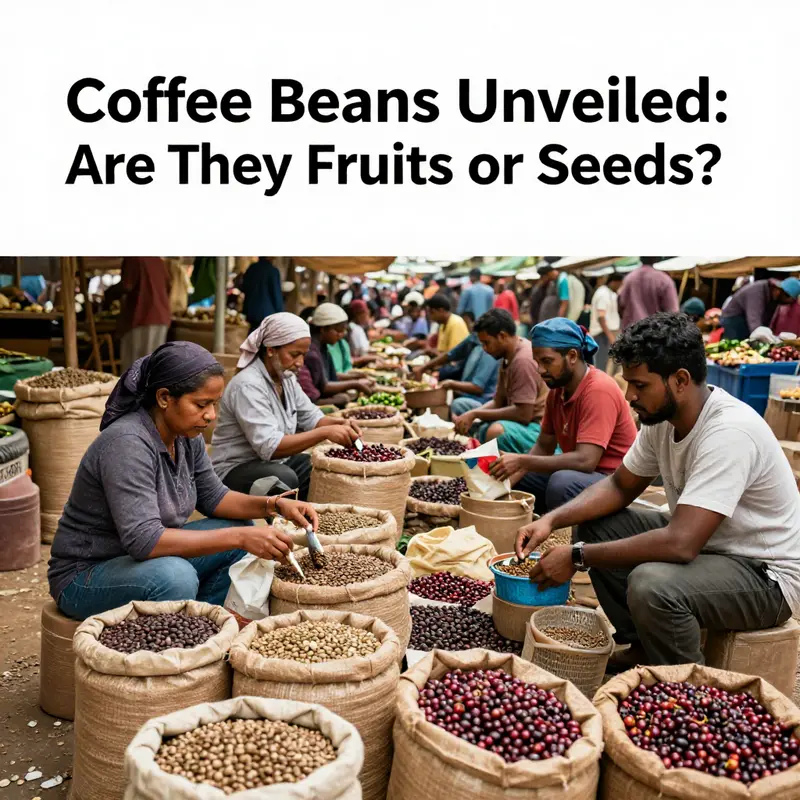
The journey of what we call a coffee bean begins with a small and unassuming fruit, the coffee cherry. Although these beans are widely known as “beans” due to their shape and appearance, they are in reality the seeds of a vibrant berry that grows on the coffee plant. In agricultural terms, the coffee cherry is the true fruit, and its quality, cultivation methods, and processing techniques ripple throughout the entire economic framework that underpins modern coffee production. This chapter delves into the intricate ways that the botanical nature of coffee beans—as seeds embedded within a fruit—shapes both the agricultural practices and the global trade mechanisms that bring coffee from smallholder farms to bustling urban cafes.
In many tropical regions, coffee constitutes more than just a beverage; it stands as a cornerstone of local economies. Coffee-producing countries have long understood that every step, starting with the growth of the coffee cherry on a tree, plays a significant role in determining the value of the eventual commodity. Producers invest careful attention into the cultivation of these fruits, knowing that the overall quality of the cherry is intimately linked to the success of the entire harvest season. Every element—from environmental conditions and cultivation methods to the timing of the harvest—has an economic impact on communities that depend on coffee as the principal source of income.
Farmers in coffee-growing regions often adopt a holistic approach that regards the coffee cherry as an integrated unit of production. The cherry is not simply a bystander in the farming process; it is the essential medium through which the potential yield and economic profit of a coffee plantation are realized. For instance, in regions where premium coffee fetches higher prices, the improvement of cherry quality becomes synonymous with increased income. The meticulous care given to each fruit influences the extraction method, whether it be wet processing, dry processing, or more innovative forms of post-harvest treatment. Each processing method, in turn, has specific demands and requirements that drive both local labor markets and the investment in new machinery and technologies.
The process begins with the careful hand-picking of the coffee cherries, a labor-intensive task that not every farming community can easily accommodate. Each cherry is meticulously selected to ensure that only the best fruits are processed, which directly affects the flavor, consistency, and overall market value of the bean. The separation of the bean from its surrounding pulp is an intricate task, and the efficiency of that process relies on the quality of the fruit itself. The physical characteristics of the coffee cherry—its firmness, color, and even sweetness—often provide the first clues regarding the potential for a high-quality bean. As such, farmers are incentivized not only to produce a crop in quantity but also to ensure that the fruit they harvest meets stringent quality standards which, in turn, drive the economics of the crop.
This emphasis on quality manifests itself in diverse agricultural practices that aim to enhance the natural properties of the coffee cherry. Many farmers adopt sustainable cultivation methods that involve the use of shade trees to protect the crop from harsh sunlight, preserve the soil, and foster a microclimate that benefits the fruit. Organic farming has also found a niche in coffee production, as an emphasis on natural fertilizers and pest management can improve the inherent qualities of the cherry. These practices often require an initial investment but can lead to long-term benefits in terms of improved bean quality, increased consumer demand, and the ability to demand higher market prices. The value chain thus expands beyond the basic sale of raw beans to include certifications, fair trade practices, and even branding that highlights the eco-friendly nature of the product.
In the global market, the economic impact of coffee cherries is profound. Coffee is one of the most internationally traded commodities, and its trade dynamics are influenced by factors that stretch from the local farm to the global market. Major coffee-producing nations, such as Brazil, Colombia, Ethiopia, and Vietnam, command significant roles in international trade networks, and the intrinsic quality of their coffee cherries often influences their negotiating power on the world stage. The direct connection between the health of the coffee fruit and the price of the end product creates a situation where improvements at the farm level have larger economic implications for entire regions. Buyers are not necessarily investing in unprocessed beans, but in the promise that comes from careful handling of a fruit that plays a pivotal role in flavor development and overall experience. Thus, economic strategies in coffee-producing regions are intrinsically tied to both the environmental conditions and the meticulous care invested in the cultivation of the coffee cherry.
Furthermore, the distinctive nature of coffee production has encouraged innovation at multiple levels of the supply chain. On the one hand, traditional practices are being modernized through technological advancements that allow for better sorting, grading, and processing of coffee cherries. On the other, local cooperatives and small-scale farmers increasingly adopt sustainable practices that set the stage for value-added products. Innovations in processing techniques not only ensure that the seeds are effectively extracted from the surrounding fruit but also optimize fermentation, sun-drying, and other methods that contribute to the final flavor profile of the coffee. This interplay between ancient agricultural traditions and modern technology has laid a fertile ground for research, development, and ultimately, a strengthened economic position in global markets.
The relationship between the coffee cherry and its seeds also plays a critical role in innovations tailored towards waste minimization and sustainability. The coffee cherry, with its pulp, husk, and other by-products, provides opportunities for recycling and conversion into valuable secondary products. In a world increasingly attuned to the principles of a circular economy, coffee by-products have been repurposed into compost, animal feed, and even biofuel. As these innovations gain traction, they offer an additional revenue stream for coffee farmers. The transformation of what was once considered waste into economic assets highlights the profound connection between the botanical characteristics of coffee and its broader economic implications. Sustainable practices in agriculture are not merely an environmental concern; they align with the long-term fiscal interests of communities that rely on the consistent production of high-quality coffee cherries.
The economic implications of the coffee cherry’s role extend even into the realm of international policy and trade negotiations. As coffee remains one of the most popular beverages worldwide, its economic significance is evident in the number of livelihoods it supports, from farm workers and processors to exporters and retail merchants. Trade agreements and market regulations often take into account the efforts made by coffee-producing countries to enhance the quality of the coffee cherry and ensure sustainable practices. By demonstrating adherence to environmental standards and quality control protocols, these nations position themselves to command better trade terms and secure premium prices for their produce. This dynamic creates a virtuous cycle where attention to the agricultural nuances of the coffee fruit directly translates into improved socioeconomic conditions for entire regions.
Likewise, the processing of the coffee cherry into market-ready beans has spurred the development of infrastructures that support the modernization of agriculture. Investment in better processing facilities, storage units, and transportation networks forms a crucial part of the economic equation. Regions that can invest in these infrastructures are better positioned to capitalize on the high demand for quality coffee. In many cases, these investments are driven by partnerships between the public and private sectors, as governments recognize the long-term economic benefits of a robust coffee industry. By fostering environments that are conducive to high-quality coffee production, these partnerships not only meet local employment needs but also contribute to the overall economic health of coffee-producing regions.
The influence of the coffee cherry even extends to consumer behavior and market segmentation. Specialty coffee markets, for instance, have emerged that reward producers for exceptional quality and distinct flavor profiles. Consumers in these markets are willing to pay a premium for beans that not only taste better but are also the result of environmentally sound practices. The narrative around premium coffee often emphasizes the journey from cherry to bean, highlighting the careful selection and processing that sets these products apart. Such market segmentation has led to an increased awareness among consumers about the origins of their coffee, ultimately pushing growers to invest further in quality improvements. The resulting upward pressure on prices benefits smallholder farmers, reinforces local economies, and helps secure the long-term sustainability of the coffee industry.
At the technological frontier, research and innovation in coffee agriculture continue to evolve. Novel techniques in crop management, irrigation, and pest control are being tested and implemented, with a view toward further improving the quality of the coffee cherry. These methods not only secure a better yield but also help maintain biodiversity, an essential element in ensuring that coffee ecosystems remain resilient over time. In some regions, genetic studies and experimental plantations are part of efforts to produce coffee cherries that are more resistant to changing climates and disease. The integration of such research into mainstream agriculture is often supported by governmental and international grants aimed at preserving the heritage and economic stability of coffee production nations. With these investments, the humble coffee cherry is elevated from a simple agricultural product to a symbol of innovation, sustainability, and economic progress.
While the shift toward sustainable practices and quality emphasis has widespread economic benefits, it also brings to light the challenges inherent in balancing tradition with modernity. Smallholder farmers, who have long relied on time-tested methods passed down through generations, face the challenge of adapting to technological changes while preserving the integrity of their crops. The need for education, access to modern tools, and training in innovative farming techniques is critical to ensuring that this transition is smooth. Agricultural extension programs and cooperatives are now frequently stepping in to bridge this gap. In this context, the economic narrative is not solely about trade and profit margins but also about human ingenuity, the transfer of knowledge, and community resilience. Investments in education and training yield dividends that go far beyond immediate financial gains, embedding sustainable practices into the cultural fabric of coffee-growing regions.
Moreover, market fluctuations and global economic trends add layers of complexity to the management and marketing of coffee cherries. A downturn in the global economy or a sudden drop in coffee prices can have devastating effects on the livelihoods of thousands of farming families. Price volatility is often linked to not only harvest yields and quality variations but also international market dynamics that are influenced by geopolitical events, currency fluctuations, and shifts in consumer demand. In response, many countries have begun to establish stabilization funds, provide subsidies, or engage in direct trade agreements designed to shield local producers from the most severe economic shocks. This proactive economic planning demonstrates the critical link between the inherent qualities of the coffee cherry and the broader financial networks that support the industry.
The economic ecosystem surrounding coffee production is, in many ways, a microcosm of larger global trade systems. It illustrates how the meticulous attention to the agricultural origins of a commodity can have profound reverberations in international commerce. At every level—from the initial steps of planting and cultivating the coffee cherry to the processing, branding, and international distribution of the bean—the economic stakes are high. The delicate interplay between quality, sustainability, and market forces ensures that every decision made on the farm echoes far beyond the local landscape. This dynamic creates a scenario where the fate of each coffee cherry contributes to a larger narrative of economic evolution and cultural exchange.
In the context of environmental stewardship, the focus on the coffee cherry has underscored the importance of integrating sustainable practices into every facet of production. As consumers become more environmentally conscious, they increasingly favor products that come with assurances of ethical sourcing and sustainable farming. Coffee growers who adapt to these consumer expectations by incorporating eco-friendly methodologies position themselves to receive not only higher prices but also a more loyal customer base. The direct link between the quality of the coffee cherry and the eventual flavor profile of the coffee highlights how environmental factors and sustainable practices have economic repercussions. The cost of implementing environmentally friendly practices is often offset by the premium that can be charged for a product known to be responsibly produced. In this way, the economics of coffee production become a balancing act between traditional methods, modern technological solutions, and the evolving tastes of international consumers.
Another important economic consideration is the social impact that the coffee industry has on rural and farming communities. In many coffee-producing regions, the success of the coffee cherry translates into improved standards of living, better access to education, and enhanced community infrastructure. As farmers earn higher incomes from superior quality coffee, they are more likely to invest in the future of their families and communities. These investments can range from improvements in local schools and healthcare facilities to better roads and communication networks that facilitate trade. Such improvements have a cascading effect that strengthens the local economy and increases resilience against economic downturns. The economic narrative of the coffee cherry, therefore, is also a story of empowerment and community development.
The evolution of consumer preferences has further fueled changes within the coffee industry. As specialty coffee shops mushroom in urban centers around the globe, the marketing narrative shifts toward emphasizing the artisanal nature of the product and the detailed care involved in producing high-quality beans. This trend has encouraged coffee producers to invest in certifications and quality accreditations that assure consumers of the excellence of the product from cherry to cup. By ensuring that only the best quality cherries are used to produce superior beans, coffee producers can secure a foothold in competitive markets where narrative and authenticity often determine market success. Such certifications are not merely labels, but markers of an entire production process that values tradition, quality, and sustainability equally.
In many respects, the economic model of the coffee industry is inherently adaptive. Farmers, processors, and exporters continually adjust their strategies in response to fluctuating market conditions, evolving consumer tastes, and emerging technological advancements. The recognition that the coffee bean is born from a fruit provides an early conceptual framework that influences every subsequent step. This acknowledgement guides investments in both quality-enhancing agricultural practices and in more efficient processing systems that safeguard the natural properties of the coffee cherry. The economic rewards of these investments extend well beyond immediate profit margins, influencing long-term sustainability and positioning coffee as a commodity that marries agricultural tradition with modern global markets.
The intricate balance between quality, sustainability, and economic gain has also led to a renewed focus on research and innovation in coffee production. Various stakeholders, including agricultural scientists, economists, and policy makers, are working together to develop strategies that benefit all participants along the supply chain. Research initiatives may explore new methods of pest management that are both effective and environmentally friendly or investigate the genetic diversity of coffee plants to identify variants that produce superior cherries. These collective efforts not only help stabilize coffee yields but also secure long-term economic benefits by reducing the risk of crop failure. The significance of the coffee cherry in this context cannot be overstated, as each innovation and improvement is ultimately aimed at enhancing the quality and resilience of the fruit from which the bean is derived.
As the convergence of traditional practices and modern technologies propels the coffee industry into the future, one constant remains: the coffee cherry is at the heart of it all. Its delicate balance of flavor, aroma, and nutritional content serves as both a challenge and an opportunity for those involved in the agricultural sector. Farmers who invest in the care required to nurture exceptional cherries are rewarded with beans that are not only coveted in local markets but also command respect and higher prices on the international stage. This high-stakes economic environment requires a nuanced understanding of every stage of production, from the initial growth of the fruit in the field to the final steps in processing, packaging, and branding.
The ripple effects of improvements in coffee cherry cultivation extend to every part of the production chain. Enhanced quality at the farm level paves the way for optimized processing techniques, which in turn, bolster the reputation of entire regions as premier sources of coffee. The prestigious image associated with certain coffee-growing areas is often built on the commitment to produce the finest cherries, a commitment that involves rigorous quality control measures, investments in sustainable practices, and a steadfast focus on innovation. The resulting economic advantages are multifaceted: producers earn premium prices, consumers receive a product that meets high expectations, and entire communities benefit from the stability and growth fostered by a thriving coffee industry.
Throughout this intricate process, the economic narrative of the coffee cherry underscores the significance of timing and precision. The harvest season, often marked by intense labor and meticulous attention to detail, is a period when the fruits of years of planning and hard work are finally realized. Every decision made during this critical period—whether it involves the use of modern machinery to aid in the picking process or the reliance on traditional hand-harvesting techniques—carries economic implications that can influence the entire cycle of production. As each cherry is carefully selected and processed, the combined efforts of countless individuals across the value chain coalesce into a product that is celebrated for its quality and complex flavor. This in turn reinforces the economic foundation of communities that rely on coffee as both a livelihood and a cultural cornerstone.
This chapter would be incomplete without acknowledging the broader implications of the coffee cherry’s economic impact. The global coffee market is an ecosystem in which decisions made at the level of a single farm can reverberate across continents and influence market trends in faraway cities. The interconnectedness of modern commerce means that a drop in the quality of the harvested coffee cherries in one region can lead to shifts in pricing and supply that are felt by consumers around the world. Conversely, improvements made in the cultivation practices of these small fruits can catalyze growth and foster stability in previously volatile markets. In this sense, the economic strength of the coffee industry is built, brick by brick, on the humble yet powerful foundation of the coffee cherry.
For those with a keen interest in understanding the deeper intersections between agriculture and global trade, the story of the coffee cherry presents both challenges and opportunities. Regions that have traditionally depended on coffee production are now harnessing innovative practices to capture higher market values and expand their influence beyond local borders. The pursuit of excellence in cultivating the coffee cherry is, at its core, a pursuit of economic empowerment, sustainability, and increased global competitiveness. In adopting these modern methods while still cherishing traditional practices, coffee-growing communities are not only preserving the heritage of their craft, but are also paving the way for a future that is both economically robust and environmentally sound.
This synthesis of agricultural heritage with modern economic imperatives lies at the heart of the coffee industry’s success. The journey of the coffee cherry—from the careful nurturing in the field, to its transformation into a marketable bean—illustrates how a deep understanding of botanical origins can drive large-scale economic progress. With each harvested cherry, there is a story of hard work, innovation, and an unwavering commitment to quality; these stories collectively contribute to an industry that is a vital component of global trade and cultural exchange. As the world continues to evolve, so too does the dynamic interplay between traditional farming practices and modern scientific advancements, all centered around the coffee cherry.
For further exploration of the agricultural processes that govern quality and sustainability in coffee production, see this external resource.
Final thoughts
In summary, coffee beans are not fruits but are indeed the seeds of the coffee cherry, the true fruit of the coffee plant. Understanding this classification is essential for business owners navigating the coffee market. Moreover, the economic implications of recognizing coffee beans as seeds allow for better agricultural practices and market strategies. By deepening your understanding of coffee’s lifecycle and classification, you can strategically position your business to thrive in the coffee industry. Remember, informed decisions fuel successful endeavors within this richly layered sector.