

Green coffee bean extract has gained popularity for its purported health benefits, particularly in weight management and metabolism. As business owners consider incorporating this supplement into their offerings, understanding its safety profile becomes paramount. This article delves into the safety assessment of green coffee bean extract consumption, examining potential health risks, especially for individuals with diabetes. Furthermore, specific guidelines for safe usage will be provided, ensuring a well-rounded understanding of this increasingly popular ingredient.
Under the Microscope: Safety, Dosing, and Practical Realities of Green Bean Coffee Extract

Green bean coffee extract has earned a place in the wellness landscape not as a miracle cure but as a botanical option with measurable bioactive components. Its appeal rests on chlorogenic acids and related polyphenols that derive from the green coffee bean itself, offering a profile different from typical roasted coffee. In practice, consumers encounter products that label themselves as standardized extracts, sometimes decaffeinated, sometimes with modest caffeine content preserved. The question at the heart of this chapter—whether green bean coffee extract is safe for everyday use—merits a careful synthesis of laboratory data, clinical observations, and real‑world dosing guidance. The emerging picture is cautious optimism: when used as directed, the extract is generally well tolerated for most people, with safety signals that appear manageable and dose dependent. Yet the same literature points to specific cautions that must guide users, particularly in certain medical contexts, such as diabetes management, where blood sugar dynamics can be altered by the extract’s active constituents. This balanced view matters because safety is not a single verdict but a spectrum shaped by formulation, dose, individual health status, and concomitant therapies. The conversation about safety thus begins with a basic premise: the product is not inert, and its effects hinge on how it is used as part of a broader health routine.
From a toxicological standpoint, the most informative signals come from standardized, decaffeinated green coffee bean extracts. A 2021 investigation into the acute and sub-chronic toxicity of a standardized decaffeinated extract, which contains about 50 percent chlorogenic acid, offers a robust piece of the safety puzzle. In these studies, researchers administered the extract to animal models across short and mid‑term timeframes and observed no significant toxic effects. The results are meaningful because they address core questions about organ-specific toxicity, systemic tolerance, and potential cumulative risks when the compound is consumed repeatedly over weeks or months. While animal models do not replicate every nuance of human biology, the absence of overt toxicity at typical supplement dosages provides a reassuring foundation for progressing to human studies and guided real‑world use. This line of evidence supports a safety profile that aligns with the broader narrative of dietary polyphenols: many components are well tolerated within reason, particularly when the preparation is standardized and the dosage remains within recommended ranges.
Clinical synthesis of evidence, particularly regarding efficacy for weight management, has shown that outcomes are variable. A comprehensive review from 2010 analyzing clinical trials on green coffee extract as a weight loss supplement concluded that efficacy tends to vary across populations and study designs. Importantly, the adverse events reported in these trials were generally mild and transient. When caffeine content was present—as in non‑decaffeinated formulations—participants more frequently reported effects such as gastrointestinal discomfort or insomnia. In contrast, standardized decaffeinated extracts tend to minimize these caffeine‑related adverse events, shifting the safety profile toward a more favorable margin for everyday use. This distinction matters for readers who value energy balance alongside safety, because it highlights how formulation choices interact with tolerability. The decaffeinated variant, by reducing stimulant exposure, tends to align better with individuals who are sensitive to caffeine or who must avoid sleep disruption due to late-day consumption.
The practical implications of these findings emerge most clearly in dose guidance and product labeling. The available safety literature underscores that dosage varies considerably across manufacturers, a reality that can be confusing for consumers aiming for consistent results. The prudent path is to follow the specific instructions provided on each product’s label, which typically recommend taking one capsule before a heavy meal, up to three times daily. This dosing framework mirrors the patterns used in many dietary supplement regimens, where ingestion is timed to coincide with meals to promote tolerability and to align with anticipated postprandial glucose fluctuations. In doing so, consumers align safety with intended benefits, minimizing abrupt exposures and potential spikes in caffeine intake or chlorogenic acid concentrations. It is crucial to approach dosing as a personalized component of a broader health plan rather than a standalone intervention. For individuals with metabolic conditions or those taking other medications, this personalization must be guided by a clinician who understands the patient’s full medical picture.
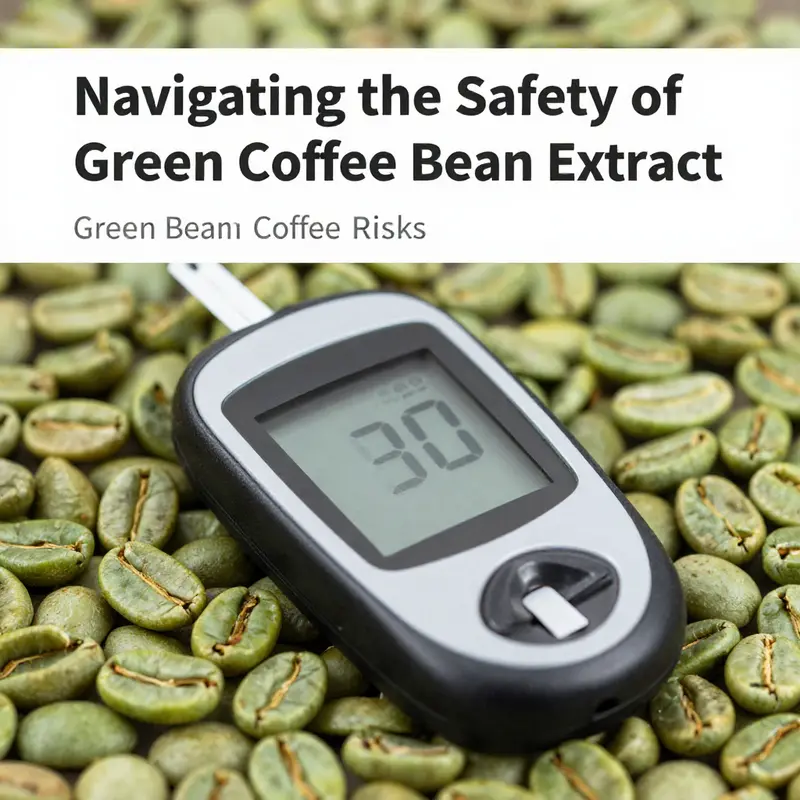
A central safety caveat that emerges from the evidence is the extract’s potential to lower blood sugar. Chlorogenic acids and related compounds have been shown to influence glucose metabolism in ways that may reduce postprandial glucose excursions. For most people without diabetes or with well-managed glucose control, this effect is modest and benign. However, for individuals with type 1 or type 2 diabetes who are already on glucose‑lowering medications, the extract could potentiate hypoglycemia if not monitored carefully. This is not a reason to categorically reject green bean coffee extract for diabetic individuals, but it is a reason to proceed with heightened caution. The safety narrative therefore includes a practical call to action: anyone with diabetes should consult a healthcare provider before starting supplementation, and those who do begin using it should monitor blood glucose levels more closely, especially during the first weeks of use or when changing other medications or meal patterns. In clinical practice, this means coordinating use with a clinician’s supervision, adjusting medications as needed, and establishing a plan for recognizing and addressing symptoms of low blood sugar.
The regulatory-like picture that emerges from the literature is one of responsible caution. The plants’ bioactive constituents are not new intruders in the realm of human nutrition; rather, they are components with well-documented biological activity. The decaffeinated extracts, in particular, appear to offer a cleaner safety slate because the reduction of caffeine mitigates a range of stimulant‑related adverse effects without erasing the extract’s metabolic interactions. The 2010 systematic clinical review’s emphasis on mild, transient adverse events points to a general tolerance if users adhere to recommended dosages and opt for decaf formulations when caffeine sensitivity is a concern. In this sense, decaffeinated green coffee bean extract can be viewed as the safer default for individuals seeking potential metabolic benefits with fewer stimulant-related side effects, provided that they also consider the broader health implications and the absence of long-term data in certain populations.
Long-term safety, while cautiously optimistic, remains an area with some gaps. The animal toxicity work provides a strong short-to-mid-term safety signal, but translating that confidently into long-term human safety requires continued surveillance and additional human studies. The absence of significant toxicity signals in the available studies supports an ongoing, long‑term use narrative that keeps safety front and center, particularly when exposure is planned for months or longer. In real-world terms, this means consumers should periodically reassess their need for the supplement, track any new health symptoms, and return to healthcare advice if any concerning signs emerge. It also means manufacturers bear a responsibility to provide transparent information about chlorogenic acid content, caffeine levels, and batch-specific characteristics that influence safety and tolerability. When safety data pools from toxicology studies, clinical trials, and post-market observations converge, the overall assessment becomes more robust: green bean coffee extract, especially in decaffeinated form, can be a safe addition to a balanced health strategy when used thoughtfully and with attention to dose and individual health status.
Beyond the science, practical use hinges on understanding who should approach the product with care and who can generally participate without special precautions. For most healthy adults, using the extract within the labeled dose ranges is unlikely to produce serious adverse events. Yet even among healthy adults, a few considerations deserve emphasis. First, caffeine-containing formulations can disrupt sleep, cause jitters, or provoke gastrointestinal discomfort in some people, particularly when taken in larger-than-recommended amounts or later in the day. Second, chlorogenic acids can influence gut physiology and carbohydrate absorption, which could interact with existing dietary plans and medications. Third, the variability in brand formulations means that a given person’s experience may differ when switching products, even if the stated chlorogenic acid content appears similar. This latter point underscores the need for mindful selection of products with transparent labeling and standardized content that aligns with one’s health goals and tolerability profile.
The safety story is not blanket reassurance but a reasoned, evidence-informed approach to use. For those drawn to weight management or metabolic support, the extract can be a component of a broader program that includes diet quality, physical activity, and medical oversight where appropriate. The evidence suggests that benefits are not universal and that any expected weight-related effects are modest at best, often accompanied by a tolerable side effect profile when decaf formulations are chosen. The same body of work invites a thoughtful risk–benefit calculation: the modest potential benefits should be weighed against the possibility of glucose-lowering interactions in diabetics, sleep disruption from caffeine, and gastrointestinal discomfort in susceptible individuals. In this light, the consumer’s pathway becomes a collaboration with health professionals, informed by careful reading of product labels, awareness of personal health history, and a willingness to adjust use if adverse signals arise.
In closing, the safety portrait of green bean coffee extract rests on a triad of consistency, context, and precaution. Consistency comes from using standardized, decaffeinated extracts when possible, as this formulation tends to offer a cleaner safety profile with fewer stimulant-related effects. Context matters because safety cannot be divorced from dose, the presence of diabetes or other metabolic conditions, and the overall dietary and medical landscape in which the supplement is used. Precaution remains essential because even with favorable data, the potential for blood sugar interactions requires attention, especially for those on glucose-lowering therapies. Taken together, the current body of evidence supports a generally safe use pattern for most individuals who follow labeled directions, choose decaffeinated options when feasible, and seek medical guidance when health conditions could alter risk. For readers interested in a deeper dive into the toxicological evaluation that underpins these conclusions, the original study provides a rigorous account of how decaffeinated green coffee bean extract behaves in controlled models: https://www.ncbi.nlm.nih.gov/pmc/articles/PMC8469738/.
null
null
Balancing Promise and Precaution: Safe Use of Green Coffee Bean Extract for Diabetes Management

Green coffee bean extract, rich in chlorogenic acids, has drawn sustained interest for its potential to support glycemic control while offering a relatively simple, plant-based approach to blood sugar management. The idea that a naturally occurring compound can modulate the way the body handles carbohydrates resonates with many who seek complementary strategies alongside established medical care. Yet for individuals living with diabetes, the promise of a supplement must be weighed against the realities of disease management, medication interactions, and the need for careful monitoring. The current evidence provides a nuanced picture: green coffee bean extract appears generally safe for most people when used appropriately, but the same properties that make it appealing can also necessitate vigilance for those whose glucose levels are already tightly controlled by medications. In diabetics, this means acknowledging the dual role green coffee bean extract can play as a helpful adjunct and as a potential source of fluctuation in blood glucose that requires proactive management rather than passive use. The practical takeaway is not a wholesale endorsement or a blanket warning; it is a framework for thoughtful, collaborative decision making that centers safety, individualized response, and ongoing dialogue with healthcare providers.
One of the central considerations is the mechanism by which green coffee bean extract can influence glycemia. Chlorogenic acids, the primary bioactive constituents in GCBE, have been studied for their capacity to interfere with digestion and absorption of carbohydrates. A notable point from the research is the inhibition of α-amylase activity, a digestive enzyme that breaks down starches into simpler sugars. In controlled observations, α-amylase activity can be reduced by a measurable margin, around 32.80 percent with a standard deviation of about 7.06 percent in some experimental settings. While this figure emerges from specific studies and formulations, it helps explain why GCBE can contribute to lower postprandial glucose surges when carbohydrates are consumed. Beyond absorption, there is also evidence suggesting improvements in insulin sensitivity in some models, which may translate into modest reductions in fasting glucose and better overall glycemic control for certain individuals. These effects are not uniform across all patients or all products, and they may be more pronounced or detectable in those who begin with higher postprandial glucose excursions or certain metabolic profiles. In short, the biochemical groundwork supports a potential role for GCBE as a supportive measure in managing blood sugar, but it also underscores why careful monitoring and personalized dosing are essential, especially for those on antihyperglycemic medications.
In the real world, the question for a diabetic individual considering GCBE is not only whether the supplement can help, but how it interacts with the broader diabetes regimen. The safety profile to date suggests that short-term use is generally well tolerated, with no widely reported ill effects in individuals who take GCB extract before meals when used according to product directions. However, this apparent safety must be interpreted with caution in the context of diabetes management. GCBE’s ability to lower blood sugar can be a double-edged sword for someone already taking medications such as metformin, insulin, or sulfonylureas. The same mechanism that dampens postprandial spikes could heighten the risk of hypoglycemia if dosed without medical oversight or if meals, exercise, or insulin regimens shift unexpectedly. For this reason, it is essential to maintain an ongoing dialogue with a physician or a registered dietitian who understands your diabetes history, treatment plan, and daily routines. The conversation should extend beyond whether GCBE is “safe” in a vacuum to how the supplement fits into individualized goals, how it might be titrated, and how monitoring plans can be adjusted in response to changing circumstances.
A practical, person-centered approach begins with professional guidance. Before starting GCBE, a diabetic individual should discuss the plan with a clinician who can assess current medications, kidney and liver function where relevant, and the overall cardiovascular risk profile. This consultation is crucial because GCBE does not exist in isolation; it interacts, directly or indirectly, with the medications that maintain daily glucose control. For instance, a patient on insulin or sulfonylureas may require more frequent blood glucose checks and potential medication adjustments if GCBE lowers glucose more than anticipated. The goal is to establish a starting point that minimizes disruption while still allowing the patient to explore potential benefits. In this sense, GCBE becomes part of a collaborative strategy that respects both the science and the lived experience of diabetes management.
Another cornerstone of safe use is vigilance in monitoring. Regular glucose monitoring is not merely a routine task but a protective measure when integrating any new supplement. If you choose to trial GCBE, plan for closer observation of fasting glucose levels and postprandial readings, particularly in the first weeks of use, to detect any downward shifts in glucose that could indicate hypoglycemia risk. This monitoring should be tailored to your usual meals, activity levels, and medication timing. Maintaining a simple daily log that tracks doses of GCBE, glucose values, meal composition, and physical activity can help you and your healthcare team identify patterns, determine whether adjustments are needed, and stay ahead of any potential complications. The overarching message is not to fear a modest improvement in glycemic control, but to recognize that changes in glucose dynamics can ripple through your daily regimen, requiring recalibration of doses, meal plans, or even timing of medications.
Product quality is the next factor that cannot be overlooked. When choosing GCBE, opt for products that are standardized to a known chlorogenic acid content, ideally in the range of 45 to 50 percent. Standardization helps ensure that different batches or brands deliver a consistent amount of the active compounds, which in turn makes it easier to predict responses and to compare experiences across days and weeks. The source material matters as well; products derived from USDA or EU-certified organic green coffee beans are generally preferable because they reduce the likelihood of contaminants and provide a higher degree of quality control. A key part of this guideline is to avoid lower-quality or unregulated supplements that may vary widely in composition, contain fillers, or introduce caffeine levels that can provoke jitteriness or sleep disturbances. Caffeine is a relevant consideration for GCBE products, because residual caffeine can aggravate nervousness, insomnia, or heart palpitations in sensitive individuals—a factor that becomes more pronounced when a person already manages diabetes with medications that influence energy balance and appetite.
Tied to quality is the careful consideration of dosage and how to start. A cautious, stepwise approach is recommended: begin with a relatively low daily dose, such as 200 to 300 milligrams, and observe how your body responds before increasing toward the commonly cited target of about 400 to 500 milligrams taken twice daily before meals. This gradual uptitration serves two purposes: it helps minimize any gastrointestinal discomfort that can accompany botanical extracts and provides a practical window to notice any unusual changes in blood glucose, appetite, or sleep. In diabetes management, where small differences can accumulate into meaningful clinical effects, this staged approach is prudent. It also provides an experiential counterbalance to the theoretical promise of GCBE, recognizing that individual responses vary and that one size does not fit all. With time, and under professional guidance, the dose can be tuned to optimize tolerability and the degree of glycemic support that aligns with a patient’s broader treatment plan. The emphasis remains on personalization and safety rather than speed or bravado.
As with any supplement that acts on metabolism, potential side effects deserve frank consideration. GCBE is generally well tolerated, but some individuals may experience mild adverse effects. Gastrointestinal upset, nausea, and, depending on the formulation, jitteriness or insomnia can occur, particularly if the product contains residual caffeine. For those who are sensitive to stimulants or who have had sleep disturbances related to caffeine in the past, opting for a decaffeinated GCBE formulation can preserve the chlorogenic acid content and its suggested metabolic benefits while avoiding stimulant effects. It is also important to be alert to any signs of hypoglycemia, especially when meals are skipped, exercise intensity increases, or if there are changes to medications. Even in the absence of symptoms, routine glucose monitoring remains the best safeguard in this context.
Integrating GCBE into diabetes management also calls for a broader lifestyle perspective. Supplements can complement but never replace proven strategies that affect lipid and glucose regulation. A balanced diet rich in fiber from vegetables, whole grains, and legumes, plus regular aerobic and resistance exercise, creates a foundation that supports glycemic targets and improves insulin sensitivity. GCBE should be viewed as a supplementary aids rather than a standalone solution. The complexity of diabetes means that a small, favorable shift in one pathway can have cascading effects, but it can also interact with other interventions in unexpected ways. Therefore, alignment with medical advice, attention to overall dietary patterns, and consistency in physical activity become essential companions to any GCBE use. The narrative here is not about chasing a magic bullet but about weaving together multiple strands of care into a cohesive, sustainable routine.
Certain situations warrant heightened caution. Individuals with liver disease, kidney impairment, or significant cardiovascular conditions should avoid GCBE unless a clinician explicitly approves its use. For pregnant or breastfeeding individuals, safety data remain insufficient, and GCBE is generally not recommended in those life stages. These warnings are not meant to scold but to protect, especially since nuanced interactions with organ function and hormonal states can alter both the risks and benefits of supplementation. In such scenarios, alternative strategies for glycemic support that are well established and individualized remain the safer course. The guiding principle is to respect both the science and the personal context in which diabetes is managed, acknowledging that health decisions are deeply personal and need to be anchored in professional guidance.
To deepen understanding of GCBE’s potential effects in diabetes, clinicians and researchers point toward human studies that have begun to map its impact on fasting glucose, insulin, and HbA1c in type 2 diabetes. While the evidence base continues to grow, these studies underscore the importance of personalized dosing and clinical supervision. They also highlight that while GCBE can contribute to glycemic control, its benefits are typically incremental rather than transformative, and they emerge within the broader architecture of diet, physical activity, and medical therapy. Given this context, patients should approach GCBE with curiosity and caution, seeking clarity about product quality, realistic expectations, and how to adapt their care plan should glucose targets shift. The available data encourage a careful, evidence-informed approach rather than a blanket endorsement or a blanket prohibition.
For readers seeking a broader lens on how health routines are formed and maintained, a related resource chapter on habit formation and therapeutic support offers useful perspectives. See the discussion on occupational health approaches and mental wellbeing here: occupational-therapy-and-mental-health. This reference can illuminate how people adapt to new routines, monitor responses, and collaborate with care teams to sustain health-enhancing behaviors over time. Such interdisciplinary framing helps clarify why GCBE use in diabetes must be embedded in a system of support that includes clinicians, dietitians, and reliable product selection.
In summary, green coffee bean extract represents a promising, though not miracle, adjunct for diabetes management. Its potential to moderate postprandial glucose and to improve insulin sensitivity exists within a complex landscape where dose, product quality, caffeine content, and individual physiology all matter. The safest path for diabetic individuals is one of informed, shared decision making that places ongoing glucose monitoring, dose titration, and lifestyle supports at the center of care. Taking GCBE before meals, as some regimens suggest, may be compatible with a well-structured diabetes plan when medical supervision is in place and when the patient remains vigilant for signs of hypoglycemia. The goal is to harness the potential benefits while minimizing risks through thoughtful dosing, high-quality products, and a robust monitoring plan. With those safeguards in place, GCBE can be considered a meaningful and individualized component of a broader diabetes management strategy rather than a standalone solution.
For those who wish to explore the evidence beyond practical guidelines, a relevant peer-reviewed study examining GCBE’s impact on glycemic indices in type 2 diabetes provides a clinical anchor for understanding these mechanisms and their potential real-world implications. See the PubMed link for further detail: https://pubmed.ncbi.nlm.nih.gov/30972895/.
Final thoughts
In summary, green coffee bean extract can be a beneficial supplement for many, yet business owners must approach its usage with caution, especially concerning diabetic individuals. By understanding the safety assessment, being aware of potential health risks, and following guidelines for safe use, you can confidently incorporate this extract into your offerings. Ensuring customer safety will not only foster trust but also enhance the reputation of your business.