
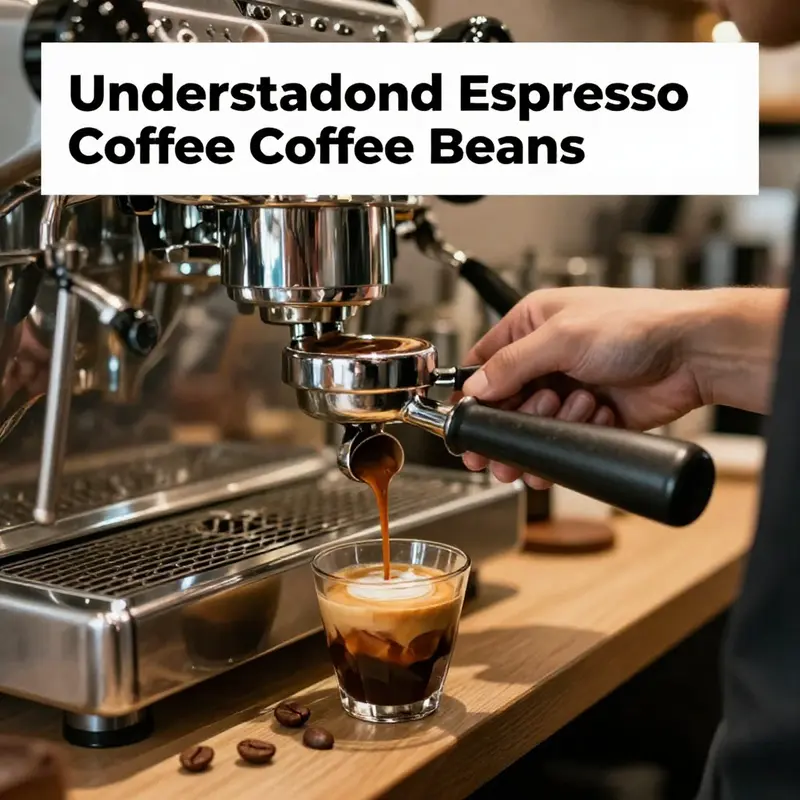
Espresso coffee beans are more than just a variation of regular coffee beans; they are specifically crafted and selected to provide an exceptional espresso experience. Business owners in the coffee industry must understand the nuances that differentiate espresso beans from standard coffee beans to maximize customer satisfaction and drive sales. This article unpacks the unique aspects of espresso coffee beans, from their distinct roast profiles to their unique flavor and consistency features. Each chapter delves into a critical element of what makes espresso beans special, ensuring coffee professionals have the knowledge to make informed purchasing and brewing decisions.
null

null
From Dark Hue to Rich Crema: How Espresso Beans Are Roasted for High-Pressure Perfection

Roast, aroma, and extraction—three elements that must move in lockstep to turn ordinary coffee into the concentrated, aromatic experience known as espresso. The heart of the matter is simple: espresso beans are different because they are chosen and roasted with a specific end in mind for a high-pressure extraction. Espresso relies on forcing hot water under high pressure through a compact, finely ground puck for a short duration, demanding a bean that can deliver a robust, balanced flavor while maintaining sweetness and acidity to prevent harshness. To achieve this, roasters fine-tune the roast, the blend, and the overall extraction strategy so the final cup presents a cohesion of body, crema, and aroma rather than a one-dimensional punch of bitterness. The roast profile is the most visible signature, with a common move toward a medium-dark to dark roast, a range sometimes labeled full city to dark in the industry. This choice is a deliberate one: it develops body and sweetness while producing crema that characterizes a great espresso shot. The darker roast brings chocolatey notes, toasted nuts, and caramel into focus, giving the espresso its backbone, and the roaster’s goal is a thick, unctuous mouthfeel that withstands pressure and rapid extraction without turning acrid. In a well-made shot, the crema is more than cosmetic; it signals emulsification of oils and colloids under pressure and often reflects roast freshness and grind evenness. A good crema can act as a temporary lid, preserving aroma and heightening the perception of body as the shot drains. The roast also interacts with the bean blend: espresso blends are often built from a careful mix of Arabica and Robusta, with Arabica contributing brightness, sweetness, and nuanced aroma, and Robusta providing caffeine kick, sharper bitterness, and a larger share of crema due to its oil content. The art lies in calibrating the ratio so the cup carries depth without roughness; too much Robusta can overemphasize bitterness and astringency, too little can leave the shot flat. Flavor focus then becomes the compass guiding roast level, blend composition, and development time, with a well-constructed espresso presenting a bold palate presence yet balanced; sweetness should be evident, acidity should uplift rather than dominate, and the overall profile should evolve as crema forms and the beverage cools. Extraction is where profile meets the machine’s realities: beans are roasted to extract consistently under high pressure, tight grind, and short contact time, yielding a shot that remains full and characterful shot after shot. Consistency is essential, so roasters emphasize processing methods and post-roast handling to preserve uniformity, including controlled roasting atmospheres and careful packaging to protect aroma, with encapsulation in capsules supporting freshness. The result is a cup that carries the roast’s intent into a short, intense extraction, with crema signaling freshness and indicating successful emulsification during the brew. The roasting process itself resembles choreography: end temperature and development time shape aroma compounds, acidity, and perceived sweetness; a precise end temperature locks the roast’s notes, while development time governs when volatiles emerge and settle. In capsule systems, encapsulation extends this precision by sealing aroma and guarding against oxidation until grinding and extraction. The goal is a beverage that tastes as intended, not as a byproduct of momentary variability, ensuring crema, body, and flavor remain accessible for the capsule’s shelf life. The practical answer is yes: espresso beans are different because they are selected and roasted for a particular extraction method, aiming for a complex, balanced cup that stands up to rapid, pressurized brewing while offering sweetness and acidity that linger. This is why roasters curate blends with a deliberate proportion of Robusta and Arabica and why roasts sit in the medium-dark to dark range, and why roasting is often done near packaging or encapsulation to safeguard aroma and ensure consistency from grind to brew. The contrast with other methods becomes clear when compared with long, slow pour-overs or lighter roasts that reward brightness and clarity but may sacrifice body. Espresso prizes a different balance – rich mouthfeel and crema that adds texture and a front-row seat to the aroma. In the end, the distinction is not a rigid dichotomy but a continuum of choices; the espresso profile is a refined endpoint reached through careful selection, roasting, and control, and while any bean can be used for espresso, the most satisfying results come from a profile optimized for high-pressure extraction. That intention explains what makes espresso beans different and why the pursuit of the perfect shot remains as much about roast as about grind and pull. For readers seeking a deeper dive into roast profiles and aroma development, a final resource on bean roasting and encapsulation is provided in this external reference: https://www.nespresso.com/uk/en/magazine/coffee-bean-guide
Espresso Beans Reconsidered: How Roast, Grind, and Pressure Create a Distinct Shot
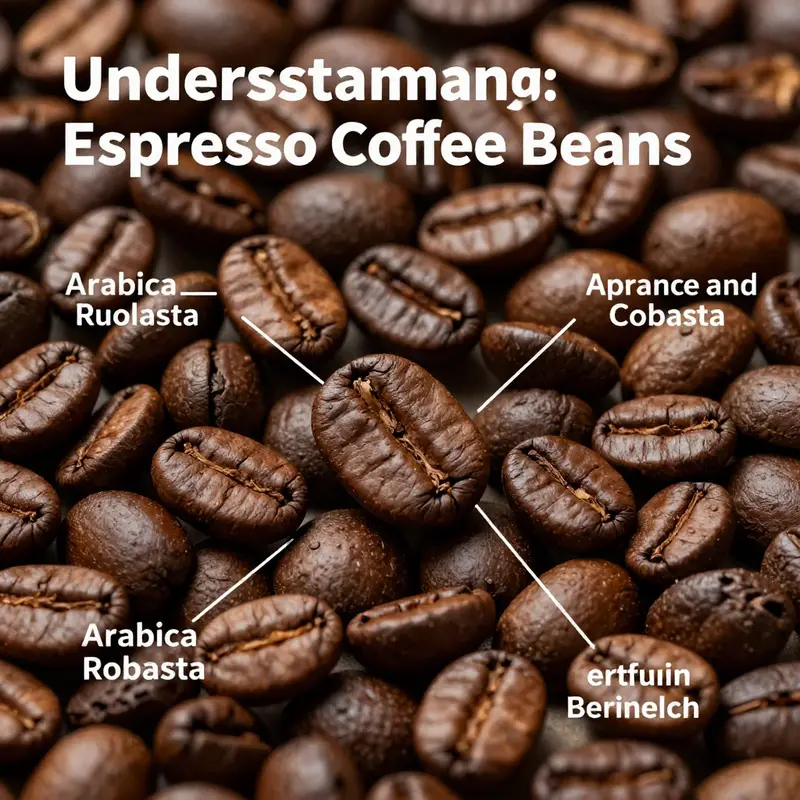
When people ask whether espresso coffee beans are truly different from other beans, the most accurate answer is nuanced. The bean itself does not arrive on the roasting drum with a secret, inherent espresso identity. Instead, espresso quality hinges on a carefully choreographed trio: roast level, grind size, and the dream-team pairing with a high-pressure extraction. In practice, any bean can be used to pull a shot of espresso, yet the beans that consistently deliver the fullest body, the most balanced crema, and the liveliest spectrum of flavors are those that have been selected and roasted with an espresso goal in mind. The result is a shot that can carry depth and sweetness under a quick, bracing pass through heat and pressure. This is why the distinction often cited by roasters and baristas is less about bean genetics and more about the way those beans are prepared for espresso’s unique demands. The journey from green bean to crema-rich shot is a study in precision, not a simple matter of darker is better. Yet it remains true that the often-artful balance of acidity, sweetness, and bitterness—or what roasters call the “flavor balance”—depends intensely on roasting decisions, and those decisions are distinctly tailored to espresso’s short, forceful extraction trajectory.
The roast profile is the most visible difference in the espresso equation. Espresso beans are almost never roasted to the same lightness typical of some filter coffees; instead, they trend toward a medium-dark to dark range. This doesn’t mean darkness in itself is the objective. Rather, the roast aims to bring forward body and mouthfeel, to unlock a density that survives and even thrives under high pressure, and to forge a crema that glows atop the cup. Darker roasts can emphasize bold, roasted flavors—notes of chocolate, caramel, and toasted nuts—but if pushed too far, the same roast risks flattening delicate origin characteristics and amplifying bitterness in a way that requires careful balancing by grind, dose, and timing. The art is to strike a rhythm where sweetness and acidity remain audible against the roast’s cocoa-like backdrop. In this sense, a well-balanced roast can reveal as much nuance in a coffee’s origin as a lighter roast does in a pour-over, but its tempo must harmonize with the rapid, concentrated extraction that espresso demands. The emphasis is not simply on dark caramel but on how the roast preserves sweetness and gives the shot enough substance to stand up to a brief contact time with hot water.
Blending also plays a nuanced role, though not as a hard label of an inherent bean type. Some blends combine Arabica and Robusta with a purpose: to modulate sweetness, acidity, caffeine content, and crema production. Arabica tends to contribute brighter acidity and a wider aromatic range, while Robusta can add body, stronger crema, and a sharper edge that some palates associate with espresso’s signature presence. The aim is a balanced profile that avoids harshness while delivering a robust impact in a small volume. Yet the key takeaway is not that espresso beans are a different species or a separate gene pool; rather, it is that the specific mix is engineered to withstand the stresses of high-pressure extraction and to emerge with depth and balance. This alignment of bean selection with roasting and blending strategy is what often marks a good espresso program: it looks beyond the bean’s origin and toward the shot’s final texture and finish.
A central technical lever in the espresso equation is the grind. The grind size must create enough resistance for the water to contact the coffee for a precise moment, without allowing the extraction to run away into sourness or bitterness. Espresso is not a long brew; it is a tightly timed process. The grind must be fine enough to slow water just enough that, in roughly 25 to 30 seconds, the water extracts the desirable compounds from the coffee puck. The result should be a shot with a thick, ropy mouthfeel and a crema that holds a delicate, golden-brown crest. The grind is, in effect, the metronome of the espresso experience. It is adjusted in tandem with dose and tamping pressure to maintain a stable extraction under the machine’s high pressure, typically around nine bars. If the grind is too coarse, the shot runs fast and underdeveloped; if too fine, it chokes, tasting over-extracted and metallic. The goal is a grind size that yields a balanced, full-bodied shot that carries sweetness with a bright, clean acidity rather than a bitter aftertaste. In this sense, espresso becomes less about a single secret bean and more about the precision with which a roaster and barista guide the grind, dose, and tamp to coax the right extraction envelope from the coffee.
In addition to roast and grind, freshness and processing play nontrivial roles. Espresso flavors are fragile, and the high-pressure, short-duration extraction magnifies small changes in freshness, grind, and even packaging. Some producers seal beans immediately after roasting in hermetically protected aluminum capsules to lock in aroma and minimize oxidation. This packaging detail isn’t a magical property of a bean by itself; it is a practical strategy to preserve the roast’s carefully developed balance until the moment of brewing. The essence remains that espresso is as much about retaining fidelity to the roast and the origin notes as it is about how the coffee behaves when water meets a tightly packed puck under pressure. The goal of this entire chain is a shot whose crema nods to freshness, whose body feels substantial on the tongue, and whose flavors reveal sweetness and acidity in harmony rather than at odds.
Despite the many variables that can influence a shot, the underlying truth about espresso beans is elegantly simple: the difference is in how the bean is prepared for espresso, not in the bean’s fixed chemistry alone. The intended brewing method, the grind, and the roast profile work together to maximize extraction under high pressure in a short window. This integrated approach helps ensure each shot offers consistency, depth, and a sense of coherence from aroma through finish. The result is a bold, yet balanced cup that can carry complex notes without tipping into harshness. A well-roasted, well-ground bean set for espresso can outshine a darker, ill-balanced espresso blend if the emphasis remains on equilibrium rather than sheer darkness. The emphasis on balance echoes farther than the cup. It mirrors a principle in teamwork and systems thinking: when multiple elements align—roast, grind, and technique—the final outcome becomes more than the sum of its parts. In a way, the espresso process exemplifies the same logic you see in collaborative fields, where coordinated effort creates results that neither component could achieve alone. For readers who want to explore this parallel, a related discussion on how teams coordinate diverse expertise offers a useful lens for understanding how careful preparation and execution shape complex outcomes how-occupational-therapists-collaborate-with-other-healthcare-professionals.
What this perspective invites is a subtle shift in expectation. When you hear someone claim “espresso beans are different,” you can test that claim against what espresso demands: speed, precision, and balance. The best espresso beans—whether from a single origin or a thoughtful blend—are not trying to be everything to every method. They are tuned to deliver their best under pressure, with a mouthfeel that preserves sweetness, an aroma that lingers, and a finish that invites a second shot without fatigue. The takeaway is not that regular coffee beans fail at espresso; it’s that they often do not reach the sweet spot that espresso seeks. And that is precisely where the craft thrives: in recognizing that the real differentiation lies in the approach to roasting, grinding, and brewing—how those beans are prepared for an espresso machine’s demanding workshop.
As you move through the chapter and into the broader discussion, you may notice that the conversation about espresso isn’t simply about “stronger coffee.” It’s about a tier of refinement, a concert of process and timing that allows a tiny measure of liquid to carry a large impression. The mechanics of espresso are a concentrated form of flavor engineering, where the roaster’s choices interact with the barista’s technique to create something that feels greater than the sum of its parts. This integrated view helps explain why many coffee lovers grow to appreciate espresso not for the intensity alone, but for the nuanced balance that emerges when every variable is tuned with intention. The beans themselves provide the raw potential; the roast, grind, and brewing approach unlock it in service of a shot that is at once powerful and harmonious. The content also includes a URL: https://www.caffeluxxe.com/the-difference-between-coffee-and-espresso-explained/
The Flavor Architecture of Espresso Beans: How Roast, Blends, and Extraction Create a Bold, Balanced Shot

Espresso flavor architecture unfolds as a deliberate plan of roast choice, blend composition, and extraction mechanics. Espresso is not a single bean or a magical flavor; it is a system in which roast level, texture, and pressure interact to shape a compact, high-intensity cup. The beans selected for espresso are chosen for how they respond to quick, forced extraction, emphasizing body, crema, and a balance that remains approachable when milk is added. Read with this perspective, espresso reveals that its signature character comes from the relationship between origin profiles, roast development, grind size, and the calibrated extraction time rather than a single dominant note.\n\nRoast profile sits at the heart of the architecture. Espresso beans are typically roasted to a medium-dark or dark level, a range often described as full city through dark. This roasting intensifies sweetness and body, building notes of chocolate, roasted nuts, and caramel while promoting a velvety mouthfeel. The Maillard reactions deepen flavors and help oils and solids emulsify under pressure, contributing to crema and a dense, syrupy liquid that clings to the palate rather than drying it out.\n\nCrema, the pale-gold crown of a well-pulled shot, serves as a visual cue of balance among aromas, sugars, and gases released during extraction. A good crema adds sweetness and a soft, creamy texture, and it is often helped by the emulsification of oils at higher roast levels. In well-designed espresso blends, crema is both a feature and a byproduct of roast and grind choices that enable efficient extraction under pressure.\n\nBlend composition forms a second pillar. Many espresso blends blend Arabica with Robusta to achieve warmth, sweetness, and aroma from Arabica alongside the extra body and crema support from Robusta. The goal is a balanced profile that holds up in milk-based drinks, delivering presence without bitterness. The interaction of beans under 9 bars of pressure yields a crema that carries aroma and flavor from start to finish, helping anchor the shot’s perception in a short, intense window.\n\nExtraction and grind size tie the elements together. A precise grind, dose, and tamp are tuned so that the shot pulls in a controlled 25–30 seconds, delivering a coherent flavor spectrum. Consistency of extraction translates into predictability: the same pull should taste like the last, ensuring the estimated balance of sweetness, acidity, and body is maintained the moment milk is added or the shot is enjoyed straight.\n\nFlavor focus centers on bold presence with approachable sweetness. The best espresso balances caramel and chocolate notes with a gentle acidity that keeps the cup lively even as the caffeine and crema carry the profile forward. When single-origin nuances exist, they can be more pronounced, but they remain integrated within the shot’s overall structure.\n\nIn sum, espresso beans are crafted for a purpose: to deliver a dense, cohesive flavor experience under pressure and in a brief extraction. The roast anchors sweetness and body; the blend strategy secures crema and balance; and the grind and extraction translate those elements into a shot that can stand up to milk while remaining expressive on the palate.
Consistency as the Quiet Engine Behind Espresso’s Signature Shot

Espresso has a reputation for drama: a velvet crema, a chorus of aromas, a bold, compact mouthfeel that seems to carry more intensity than the sum of its parts. Yet behind every prized shot lies an invisible, patient discipline—the pursuit of consistency. In the world of espresso, consistency is not merely a routine check; it is the backbone of identity, the stealthy force that shapes a café’s character, guides a barista’s hand, and ultimately conditions a drinker’s memory of what a perfect pull tastes like. The arc from bean to cup is long and exacting, and when each stage aligns—bean selection, roast, grind, and brew—the result is a familiar, reliable experience that can bear the pressure of a busy service and the scrutiny of a discerning palate. The very idea that espresso beans are different from other coffee beans hinges as much on their ability to deliver a repeatable performance as on their flavor profile. A bean that is crafted for espresso is chosen not only for its bold notes or its crema potential but for how predictably it behaves under high-pressure, short-time extraction. It is this predictability that turns a good shot into a signature one, day after day, cafe after cafe, across hundreds or thousands of servings.
Consistency begins where the roasting tin leaves its mark and the blend begins to tell its story. Espresso roasts are typically medium-dark to dark, a choice that serves several purposes at once. The roast locks in a set of flavors—deep chocolate, roasted nuts, caramelized sugars—that contribute to a dense body and a lingering sweetness that helps balance the brisk acidity common to espresso preparations. But more than flavor alone, this roast level anchors the shot’s body and its crema. Crema, that delicate, golden foam perched atop an espresso, is not merely a cosmetic marker of freshness; it is an index of how the grind particles, the heat, and the extraction timing cooperate. A consistent roast creates a predictable crema formation, a visual cue that the machine’s pressure and the grind’s particle size distribution are matching the roast’s intent. When roasters talk about consistency, they are often referring to a standardization of roast curves—how long the beans stay in the drum, at what temperature, and how quickly they release aroma and sweetness as they cool. If a batch drifts, the crema can pale or collapse, the acidity can swing, and the mouthfeel can lose its cushion. A café’s most valuable asset in this regard is a roast profile that travels faithfully from batch to batch, providing the same starting point for extraction.
The second pillar is the bean blend itself. Many espresso programs rely on thoughtfully constructed blends that bring together Arabica sweetness, acidity, and aroma with Robusta’s punch, bitterness balance, and, crucially, its crema-enhancing potential. Blends are designed not just for a single shot but for a stream of shots that share the same profile. The consistency goal here is to ensure that across volumes—whether a quiet morning pour or a high-traffic rush—the flavor remains within a narrow band. In a commercial setting, where large quantities move through, this means choices about the blend’s composition, the origin mix, and even the supply logistics that keep the same stock flowing over weeks and months. The aim is uniformity across shipments, so a brand can keep shelves and tables tasting the same, even when the raw materials hinge on seasonal harvests or supply dynamics. In practice, this often translates into blends that balance sweetness, body, and crema, while safeguarding against abrupt shifts in tone as beans travel from farm to roaster to grinder.
A central, often overlooked, theme in consistent espresso is not the composition of the beans alone but how those beans are prepared for brewing. The grind is the hinge on which the entire process turns. The Science of Grind Consistency underscores that an even particle size distribution is essential for uniform water flow through the coffee puck during extraction. When grind particles vary widely, water finds the path of least resistance, creating channeling. Channeling causes some portions of the bed to over-extract while others under-extract, producing shots with uneven flavor and a perceptible lack of balance. Consistency here means instructional, almost technical diligence: investing in grinders that can deliver repeatable particle size, maintaining burrs to reduce drift, and calibrating with regularity to keep the grind setting aligned with the roast profile and the machine’s pressure. It is not exciting in the way a new espresso blend can be, but it is the necessary quiet work that keeps a café’s service dependable. The barista’s skill, in this sense, is less about improvisation and more about replication—knowing that a dialed-in grind plus an exact dose will yield the same extraction time and the same crema plume shot after shot.
In truth, the espresso bean category exists to serve a demand for both intensity and reliability. Any coffee can be used to brew espresso, but the practical reality is that beans selected and roasted for espresso are engineered to perform under the machine’s precise conditions: 9 bars of pressure, short contact time, and the tactile choreography of grind, dose, and tamp. The goal is to extract a full-bodied, richly balanced shot with sweetness and acidity in harmony, rather than a single-note wake-up call. The consistent bean, roasted to a defined range, and ground to a predictable fineness, becomes a platform for the machine to express texture and aromatic complexity in a controlled way. With consistency as the bedrock, roasters can push the bounds of flavor within a safe, repeatable framework, offering a familiar outline that customers can trust even as they explore nuances across different offerings or seasonal changes.
From a café’s perspective, the daily reality of delivering repeated excellence hinges on the long arc of supply and process governance. For commercial buyers who scale up, the emphasis shifts from a single exceptional batch to a sequence of reliable shipments. The priority becomes a blend that maintains taste consistency after thousands of pounds are roasted, bagged, and shipped, with contracts and logistics designed to prevent drift. It is here that many operators accept a measured amount of cost trade-off in favor of predictability. The objective is a uniform sensory footprint across a retail case, a wholesale client’s cupping notes, and a consumer’s experience in a café. If a lot varies, the café’s identity erodes. The market becomes a mosaic of uncertain flavors and inconsistent crema, and trust with customers slowly dissolves. In such environments, the craft of consistency becomes not just a technical concern but a strategic imperative, guiding how the beans are sourced, blended, and packaged, and how relationships with suppliers are managed over long cycles.
The quiet engine of consistency also involves maintenance as an inseparable partner to quality. The grind, for one, demands regular attention. A grinder is not a one-off purchase but a long-term commitment to calibration, parts replacement, and routine cleaning. Without it, even the best espresso bean cannot reveal its intended body or crema, because uneven grind texture will disrupt extraction harmony. The simplest way to frame this is that consistency is an ecosystem: the bean, the roast, the grind, the machine, and the operator all must perform in concert. When one element slides, the others react, and the shot’s memory—the way it tastes and feels—will be affected. Recognizing this interconnectedness helps explain why the industry leans on standardized practices, routine QA cuppings, and disciplined maintenance schedules. It also clarifies why consistency is described as the hidden ingredient in many authoritative discussions of espresso quality.
This is not merely about repeating a flavor profile from one day to the next. It is about delivering the same sensory coordinates—crema height and stability, relative sweetness, balanced acidity, and a body that carries the drink without bitterness hijacking the finish. Such precision lets a café develop its own recognizable voice. That voice may emerge through a particular crema’s height or its chocolate-caramel undercurrent, but it is the consistent pathway from bean to cup that makes this voice credible and reliable. When a café can pull a precise shot eight, ten, or a hundred times in a row, it earns a kind of trust with its guests, who begin to anticipate a familiar signature in a sea of options. The idea of consistency, then, is less about sameness for its own sake and more about crafting a reliable stage on which the coffee’s character can perform without surprises.
In closing, the espresso bean is different in part because it is chosen to maximize a particular brewing method, but the deeper distinction rests in the steady, ongoing pursuit of reproducible excellence. Consistency binds the character of a café to the craft behind the bean, the roast, the grind, and the brew. It turns a strong cup into a memorable one, a daily ritual into a dependable experience, and a batch of beans into a trusted instrument of flavor. The long arc—from sourcing to service—rests on this principle, and it is the reason why the modern espresso landscape prizes not only bold profiles but also the quiet, unwavering discipline that keeps those profiles steady over time. For those seeking a deeper framework on how consistency functions as a core driver of espresso quality, an external perspective from industry thinking emphasizes the idea that consistency is the hidden ingredient behind a perfect cup. See the discussion on consistency as a central principle in espresso practice at the external reference: https://www.dallacorte.com/en/consistency-the-hidden-ingredient-for-a-perfect-coffee/.
Final thoughts
The differences between espresso coffee beans and regular coffee beans are significant, impacting the quality and experience of every espresso shot served. For business owners in the coffee industry, understanding these differences not only enhances product offerings but can also lead to improved customer satisfaction and loyalty. By investing in quality espresso beans, you ensure a richer, more consistent flavor profile that can become a trademark of your establishment. As the market continues to evolve, staying informed about espresso bean specifics and their implications will better position your business for success.