

In the coffee industry, many entrepreneurs grapple with the distinction between espresso beans and regular coffee beans. While both are derived from the same coffee plant species, their preparatory nuances can significantly impact taste, customer satisfaction, and profitability. This article delves into the differences, starting with a comparison of beans, followed by an exploration of brewing methods, flavor profiles, and roasting techniques specifically tied to espresso and coffee beans. By grasping these concepts, business owners can better cater to their clientele, maximizing their offerings and enhancing their brand’s coffee experience.
Are Espresso Beans Truly Different? A Closer Look at Roasting, Brewing, and Biology
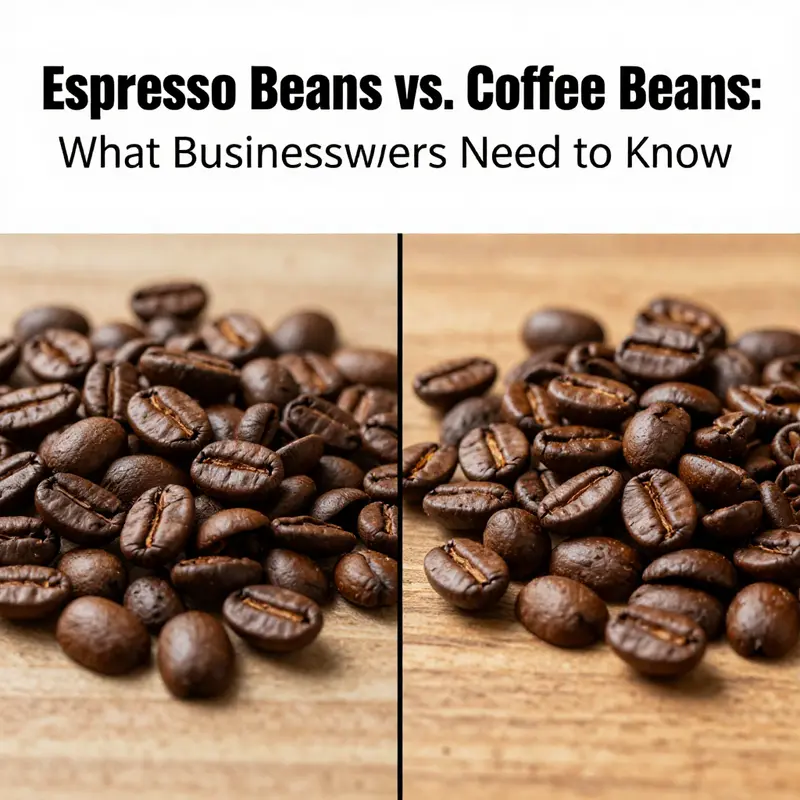
Espresso beans are not a different species of coffee. They come from the same Coffea arabica or Coffea canephora plants as beans used for drip coffee. The difference is in roasting and in how they are brewed. Espresso relies on pressure, a fine grind, and a short extraction time, which concentrates flavor and crema.
Roasting profile matters. Espresso roasters often favor darker roasts to increase body and to support crema during high pressure extraction. Darker roasts can bring notes like chocolate and roasted nuttiness while dialing down acidity. The roasting decision interacts with the grind and the equipment to shape the final cup.
Grinding and extraction. The espresso process uses a fine grind and high pressure water at a temperature just below boiling. The speed of extraction is fast and the brewer uses a short shot to capture intense flavors. If the grind is too coarse the shot will taste sour or weak; if too fine the shot may taste bitter and crema may fade quickly.
Origin and blends. Both arabica and robusta can appear in espresso blends. Arabica brings brighter aromatics and acidity, robusta adds body and crema. The choice is about how the flavors hold up under pressure and how they complement the roast goals. Blends aim to balance sweetness, body and crema.
Freshness and labeling. Freshly roasted beans ground just before brewing give the best aroma and flavor. Espresso marketed as dark roast is often a label cue about expected method, not a rigid rule about taste in all brewing contexts.
Practical takeaway. For best espresso start with beans marketed for espresso or specified for dark roast and grind just before brewing. You can experiment with lighter roasts and adjust grind and extraction to taste. The bean is a carrier of flavor, the roast and the brew method are the dial and the drum that reveal that flavor.
Conclusion. The main difference is technique not biology. The beans themselves remain seeds from the same plants, and espresso is a method that concentrates and focuses flavor through pressure.
Roast, Grind, and Pressure: The Truth About Espresso Beans and Regular Coffee Beans
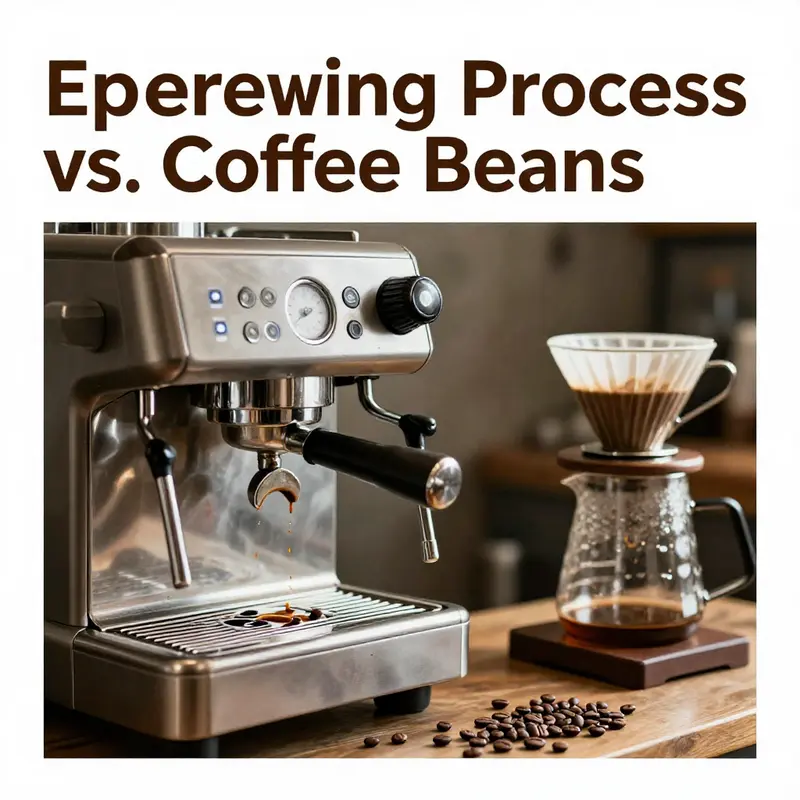
When people ask whether espresso beans are somehow fundamentally different from regular coffee beans, the simplest answer is often the most surprising: they are not a separate species, nor a different kind of plant. Beans don’t come with a built in label that says this batch is meant for espresso and that batch is not. The difference that most people notice in a perfect espresso shot comes from three moving parts more than from the bean itself: the roast profile, the grind size, and the brewing environment. In practice, the bean is the canvas, and the espresso machine, the grind, and the roast are the brushes that shape the final portrait of flavor. This chapter follows that idea through the kitchen and the cafe, tracing how a single bean can yield very different experiences depending on how you treat it from harvest to crema.
The most visible distinction on the shelf and in the cup is roast level. Espresso roasts are typically darker than those aimed at drip or pour-over. The dark roast tends to bring out body and sweetness while suppressing sharp acidity. Those traits matter in a high-pressure, short-extraction scenario. Under the relentless torque of an espresso machine, a bit of chocolatey bitterness and caramelized sweetness can balance the intensity of the shot, helping create a mouthfeel that feels thick and syrupy rather than thin. Darker roasts also coax oils and sugars to the surface of the bean, which participate in the formation of crema—a golden, creamy layer that sits atop a well-pulled shot. Crema isn’t the only measure of quality, but it is a sensory signal that something about the roast and the grind has aligned with the machine’s pressure and temperature to emulsify oils and gases into a stable foam.
That said, the espresso roast does not have to be a universal rule. There are well-regarded espresso blends and single-origin roasts that sit in the medium range, where a balance between brightness and body still shines through when the grind and extraction are carefully controlled. These roasts may preserve some acidity and distinct aromatics that are more audible under the espresso pull, especially when you aim for a shot that is short and concentrated but still lively. The choice often reflects a roaster’s philosophy: some lovers of espresso chase a deeply chocolatey, nutty, even bakers’-note profile; others seek coffee that retains a whisper of brightness and the memory of where the bean came from. In other words, the roast is a tool, not a passport, and a good espresso program uses this tool to coax a desired texture and balance from the beans.
On the other side of the spectrum are the beans commonly labeled for regular coffee or for pour-over and drip. These beans are frequently lighter to medium roasted. The goal here is different: to preserve a broader spectrum of delicate compounds that reveal floral notes, citrus brightness, or grape-like fruitiness when water flows slowly through a bed of grounds. The longer extraction times typical of drip and pour-over make subtle flavors sing in a way that the intense, compact shot might mask. Lighter roasts retain more of the bean’s original character because less sugar has caramelized and the bitter positives have not yet overshadowed the nuanced aromatics. In daily practice, the same origin can yield a completely different tasting experience depending on whether the coffee is brewed with a slow, gravity-fed method or a fast, pressurized one.
If you zoom in on the mechanics of extraction, the story becomes even more revealing. Espresso is defined by a short, intense contact between hot water and finely ground coffee under high pressure. The standard shot pulls around 25 to 30 seconds, though many approaches vary with dose and equipment. The grind for espresso is among the finest you will use, a size that creates a compact bed for fast extraction. The water, heated to near-boiling, is forced through the puck with a force that not only extracts flavors rapidly but also emulsifies fats and oils that would remain inert in a slower brew. When you think about it that way, the bean’s role evolves from simply being a source of flavor to becoming the building block for texture, density, and the emergent characteristics of crema. It is the pressure that makes certain aspects of the roast policy sing and others recede, so the same roasted bean can yield a shot that tastes like a chocolate parfait in one pull and a bright, citrusy espresso in another—if the grind and the machine cooperate.
There is a practical takeaway in this framework. If the aim is to maximize crema, body, and a certain chocolatey, syrupy sweetness, you will likely gravitate toward an espresso-oriented roast. If the goal is to illuminate nuanced fruit notes and floral aromatics, you may prefer a lighter roast that holds those elements steady through a longer extraction. Neither approach makes the bean fundamentally different; it simply asks different questions of the same raw material. The resulting cup reflects the dynamic interaction of roast, grind, extraction time, water quality, and machine behavior far more than it reflects any intrinsic separation of the bean into espresso dedicated vs non-espresso varieties.
The idea that the work of a barista or home brewer is to coax a specific response from the same material is where the art and science meet. Roasters develop profiles to suit a brewing method, then often blend beans to secure a reliable balance of sweetness, body, and aroma under espresso’s pressure. These blends can create a resilient shot, one that holds together across fluctuations in grind, dose, or tamping pressure. A single-origin bean used for espresso can deliver a vivid, expressive shot if roasted with an eye toward crema formation and a trajectory that preserves body while maintaining a friendly level of sweetness. Conversely, the same origin might reveal more delicate or fruit-forward notes in a pour-over or drip brew when treated with a lighter roast and a longer extraction. In both cases, the bean remains the same, but the cup tells a different story because the roasting and brewing are different instruments playing the same melody.
From a sensory standpoint, the differences we perceive—whether a shot reads as deeply chocolatey and velvety or bright and citrusy—are not just about flavor notes in isolation. They are about perception when applied to a specific technique. The crema on a shot, that ephemeral foam, acts like a cap that traps aromatics and directs the initial gust of flavor toward the palate. It is influenced by roast character, yes, but also by the bean’s freshness, the grind’s consistency, and the machine’s pressure stability. The more you understand this triad—roast, grind, pressure—the more you realize that espresso beans are not a separate species but a deliberate pairing of roast style with a method of extraction. And regular coffee beans are similarly crafted to suit other methods that expose a broader, often brighter, spectrum of flavors over a longer time frame.
As a practical matter, roasters often recommend beans that have been roasted specifically for espresso for those chasing an optimal espresso experience. The rationale is straightforward: a bean roasted with the intention of espresso tends to balance sweetness, body, and crema in a way that aligns with a short, intense extraction. Yet many coffee drinkers discover wonderful results by using non espresso-leaning roasts with the right grind, dose, and technique. The key lesson is not that one path is wrong, but that the path chosen determines which flavors rise to the top and which remain in the background. The same coffee can taste radically different when brewed as an espresso vs a filter coffee, and that translation depends on how the roast and grind are orchestrated to work with the brewing method.
To connect this with everyday practice, consider the role of freshness. Fresh beans emit more CO2, which can influence crema formation and overall aroma. Aging can mellow sharp edges and broaden the flavor profile, but it can also dull the vitality of an espresso shot. This is why many roasters emphasize grinding just before brewing, particularly for espresso, where the surface area presented to the water is at its peak. The relationship between freshness and grind is decisive in both espresso and regular coffee; the difference lies not in the bean’s identity but in how quickly the released gasses and oils interact with the water under pressure or in a slow pour. Even with the same bean, your timing and method can tilt the outcome from a shot with a sweet, if compact, finish to a cup that surprises with clarity and floral brightness.
If you step back and reflect on the bigger picture, the distinction between espresso beans and regular coffee beans looks less like a boundary and more like a spectrum defined by roasting and technique. The beans themselves are capable of producing a range of experiences, and skilled roasters and baristas exploit that range through careful choices about roast level, complementary blends, grind size, and extraction parameters. The espresso ritual—finely ground coffee moved through tightly packed grounds in a pressurized stream—imposes particular constraints and opportunities on flavor and texture. Regular coffee brewing, with its varied mechanisms and longer contact times, invites a different balance of acids, sweetness, and aromatic complexity. The underlying seed is the same; the final cup is a function of the method’s demands. In this sense, espresso beans are less a separate class and more a crafted subset of roast profiles designed to yield a confident, concentrated cup under pressure.
So, when you encounter a bag labeled espresso roast, you can read it as an invitation rather than a mandate. It invites you to think about the roast’s goals, the grind’s fineness, and the machine’s temperament. If you approach it with curiosity, you will discover that the same coffee you enjoy in a drip can transform into a different character when brewed as an espresso, and that the best espresso experience often comes from using beans roasted with espresso in mind, ground fresh, and pulled with careful attention to ratio, temperature, and pressure. But you will also discover that your everyday favorite beans, ground suitably and brewed with the right technique, can still give you a delightful espresso shot, especially if you calibrate grind size and extraction time to your equipment. The heart of the matter is not a rigid division between two kinds of beans but a nuanced conversation about how roasting choices and brewing methods sculpt flavor, body, and aroma. The more you understand this conversation, the more natural the idea becomes that the same seeds can produce very different cups, depending on how you invite them to perform.
For a concise guide that delves into how crema and body arise from roast and brewing dynamics, you can explore FrontStreet Coffee’s Espresso Beans & Brewing Guide, which offers practical insights into selecting beans and dialing in a shot. https://www.frontstreetcoffee.com/espresso-beans-guide
Espresso Beans vs. Regular Coffee Beans: Same Beans, Different Craft

Espresso beans are not a separate species or variety of coffee: they are the same beans that can be prepared in many ways. What changes flavor, aroma, and mouthfeel is how we roast, grind, and extract them. Espresso is a brewing method that forces hot water through a tightly packed bed of finely ground coffee at high pressure to produce a concentrated shot with crema. Regular coffee describes a range of brewing styles—drip, pour-over, immersion—each with its own ideal grind size, extraction time, and flavor emphasis. In practice, the distinction is about intention and technique rather than biology: roasters optimize profiles for espresso’s pressure-driven extraction, while filter-focused roasters highlight clarity and origin through different roast levels and grind settings. A bean can yield very different tasting experiences depending on roast level and brewing method, but the bean itself is not inherently “espresso.”
null

null
Final thoughts
Understanding the distinctions between espresso beans and coffee beans allows business owners to refine their product offerings and better serve their customers. Recognizing the brewing processes, flavor profiles, and unique roasting techniques helps ensure the best possible coffee experience. By investing in high-quality beans suited for your specific brewing methods and goals, you can elevate your coffee business and tap into the growing passion for quality coffee among consumers.