

A Hill of Beans Coffee Roasters shines as a local gem in Omaha, dedicated to enhancing the coffee experience. This article explores its journey, delving into its exceptional offerings that cater to coffee enthusiasts and the local community’s significance. The first chapter highlights how the roastery’s commitment to quality and customer satisfaction makes it a standout in Omaha’s coffee scene. Next, we uncover the delightful array of fresh coffee offerings that reflect their passion for perfection. Finally, the impact of this space on the community showcases how local businesses can thrive through dedication and connection, painting a vibrant picture of Omaha’s coffee culture.
Omaha’s Daily Roast: The Craft and Community of A Hill of Beans Coffee Roasters
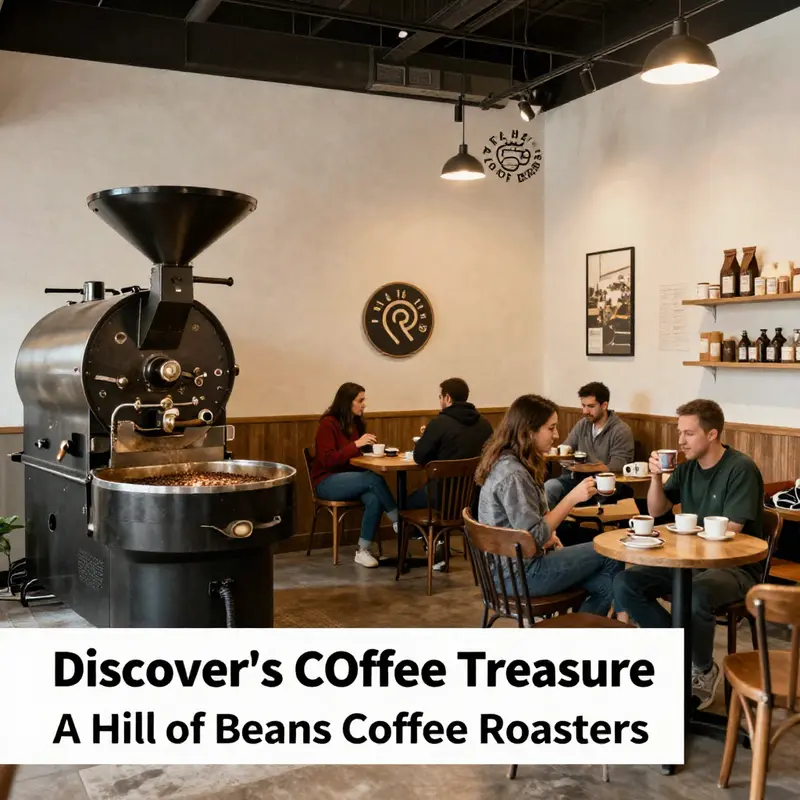
The first scent that greets visitors stepping into A Hill of Beans Coffee Roasters sits like a welcome mat at the door, a warm promise of what is to come. The roastery sits at 14512 W Center Rd in Omaha, a location that feels tucked into a quiet stretch of neighborhood life while still humming with the energy of a city that loves its coffee. The scene you encounter is simple and honest: a long, open room where coffee is not a mere commodity but a craft in motion. The windows admit light onto stainless steel, copper tones, and the quiet choreography of a small team that treats roasting not as a factory job but as a dialogue with beans from around the world. It is here that freshness takes its daily bow, because at A Hill of Beans, roasting happens every day in the Omaha facility. The rhythm is precise, almost musical, and it is this daily practice that makes the aroma linger long after you have stepped away. And it is more than aroma; it is the calm assertion that quality rests on a practice, not a promise. In this space, the roast becomes a character, and the character reveals itself in the cup with a clarity that feels both intimate and ambitious.
At the heart of the roastery’s philosophy is the Master Roaster, a title earned through decades of careful observation, patient trial, and a willingness to adjust. The Master Roaster walks the line between science and artistry, calibrating heat, airflow, and timing with a surgeon’s precision while listening for the subtle whispers of origin notes that speak through the bean. Arabica beans, chosen for their character rather than their convenience, are brought into the roastery in batches that are small enough to be treated as experiments but large enough to sustain a living, growing business. Each batch is roasted to reveal the beans’ own personality—the bright citrus of certain origins, the chocolatey depth of others, the subtle spice that comes alive only when the roast is allowed to finish with a gentle glow rather than a hard snap. The result is a lineup of coffees that consistently delivers a high-quality experience to the Omaha community, a community that has learned to associate the roastery with reliability and a sense of discovery.
This consistency comes from more than a good palate or a steady hand. It is rooted in a process that honors origin, avoids shortcuts, and respects the people who grow the coffees that fill the roaster’s trays. The roastery’s approach to sourcing is both selective and thoughtful, prioritizing quality and traceability. Green beans arrive with provenance notes, and the team reads each origin like a travel passport, imagining the landscapes, climates, and farm practices that shaped the beans. The Master Roaster translates those narratives into roast profiles that illuminate what the origin has to offer while avoiding overstatement. In practice, this means a conversation between bean and flame where the beans are never hurried through a stage of development they cannot carry with grace. It is this careful balance that keeps the coffee vibrant and nuanced, capable of standing up to the test of time on a shelf or in a cup where a long day meets a long week. The daily roast cycle is a performance that honors the beans’ journey, the roaster’s expertise, and the customer’s desire for a coffee that feels alive rather than manufactured.
Alongside the unwavering commitment to roasting is a recent expansion of the roastery’s offerings. A Hill of Beans has introduced a new menu that broadens the scope beyond straightforward brews to welcome a spectrum of blends and brewing techniques. The new menu is not a gimmick but a continuation of the roastery’s core belief that quality and curiosity can co-exist in a single cup. Each blend on the menu is a carefully composed marriage of origins, designed to present a particular mood, energy, or sensation. Some blends emphasize balance, others highlight brightness, and a few celebrate a creamy body that lingers in the palate. The brewing techniques on display range from classic methods to more experimental approaches, inviting customers to explore the same bean through different vessels and extraction styles. This is not just variety for its own sake; it is about teaching the palate to listen for differences in aroma, sweetness, acidity, and aftertaste. The menu invites exploration, but it does so with a respect for the fundamentals: a well-made cup should taste like the origin it came from, even when the brewing method introduces new textures or temperature profiles.
The atmosphere inside the roastery supports this educational ethos without feeling didactic. The space is designed to be inviting to both the casual scheduler of coffee runs and the earnest aficionado who wants to understand the story behind each cup. Customer experience here is not an afterthought but a guiding principle. Baristas work with a calm confidence, sharing tasting notes and offering brief briefings on roast level and origin when a guest is curious. The environment is not intimidating; it is inclusive, a place where questions are encouraged and observations are welcomed. In this way, the roastery becomes more than a storefront or a workspace; it becomes a neighborhood outpost that nods to Omaha’s coffee culture while contributing its own distinctive thread. The sense of community is reinforced by the way staff engage with customers after a purchase, from a quick cupping session to a talk about the difference between a light roast’s brightness and a medium roast’s body. This hospitality is a core element of the roastery’s reputation and one reason why locals keep returning.
Quality sourcing and meticulous roasting do not exist in a vacuum. They are embedded in a broader ethical framework that informs every decision, from which origins are chosen to how beans are stored and shipped, and how the team calibrates roast profiles for consistency across days and seasons. When the Master Roaster adjusts a profile to better highlight a bean’s origin, the care is not merely about achieving a particular flavor note; it is about remaining faithful to the beans’ story and the growers’ effort. That fidelity translates into a cup that tastes honest, unforced, and distinct. It is this integrity—the honest representation of coffee in its most essential form—that helps set A Hill of Beans apart within the Omaha coffee scene, a city that appreciates both the craft and the story behind what ends up in the cup. The freshness that patrons taste comes not only from the daily roast but from a culture that treats coffee as a living thing, one that benefits from repeated tasting, patient adjustments, and an ongoing commitment to improving both product and service.
The new menu also extends to accompanying foods and pairings that respect the same sensibilities. The roastery’s team understands that coffee and food live best when neither overwhelms the other. The kitchen concepts—small bites and pastries designed to complement rather than compete with the coffee—offer a practical demonstration of balance: a slightly sweet pastry with a citrus-forward coffee to refresh the palate; a chocolate-forward treat that harmonizes with a deeper, more roasted profile; a savory bite that contrasts with a bright and tangy brew. In this way, the menu becomes a culinary map, guiding customers toward a more complete experience of what the roastery does best. The goal is not to push novelty for novelty’s sake but to provide a living laboratory where flavors can be tested, understood, and refined through careful tasting and conversation. This approach invites customers to become participants in the development of the menu, to share preferences, and to anticipate new experiments as the roastery continues to grow.
The end result is a public face that feels intimate and accessible, even as the work behind the scenes remains precise and technically rigorous. The team’s daily rituals—checking bean origin notes, conducting fresh cuppings, logging roast times, and tasting together—function as a shared language that binds staff and customers. It is a language built on trust: trust that the beans will be treated with respect, that the roast will be consistent, and that the guest will leave with more than just a cup of coffee but an experience that lingers in memory. For the Omaha coffee scene, this blend of craft, hospitality, and thoughtful menu development marks a meaningful contribution. It provides a template for how a small roastery can maintain a distinct voice while staying connected to the rhythms of daily life—an anchor in a city that values craft without pretension and quality without compromise.
The roastery’s impact on local coffee culture extends beyond the walls of its own shop. By roasting daily and offering a menu that encourages exploration, A Hill of Beans becomes a reference point for what good coffee can be when hands-on expertise meets a curiosity about what comes next. The Master Roaster’s insistence on precise roasting is more than a technique; it is a stance against sameness, a quiet rebellion against the idea that great coffee must come from a single formula. In this sense, the roastery interacts with Omaha not merely as a supplier but as a partner in a broader conversation about taste, sustainability, and community. The tasting notes that emerge from each cup travel outward, guiding customers toward new origins, suggesting new brewing methods, and inviting them to consider how the environment—this city, its neighborhoods, and its morning routines—shapes what we crave when we drink coffee. The cafe scene in Omaha benefits from such a studio that treats coffee as a living, evolving practice rather than a fixed product. And because the roastery remains accessible to the public—open for visits, demonstrations, and casual discussions about roast profiles—this is not a distant craft but a daily companion for those who care about what they drink and why.
In the larger arc of the city’s coffee narrative, A Hill of Beans offers a readings-on-the-fly approach to quality that invites both tradition and invention to co-reside. The Master Roaster’s work is a reminder that expertise and curiosity can coexist, and that a well-made cup can be both a staple and an occasion. The environment invites regulars to become critics with a friendly cadence, guiding new visitors through a tasting journey that begins with aroma, then moves through sweetness, acidity, body, and finish. The result is an experience that reframes the act of ordering coffee as a moment of participation in a living craft rather than a simple transaction. When listeners and drinkers reflect on their time at the roastery, they often carry with them a sense that they witnessed a craft in progress, something that remains dynamic and human even as it relies on precise science. This is the heart of what makes A Hill of Beans a local gem: not merely the beans themselves or the equipment, but the way in which the space fosters conversation, curiosity, and a shared appreciation for the art of roasting.
For anyone visiting Omaha—or for locals who call the city home—this roastery serves as a reminder that coffee culture can be a place of learning, warmth, and mutual respect. The daily roast is more than a routine; it is a ritual that invites people to slow down, to listen, to taste, and to trust in the craft that makes that cup possible. In a world that often prizes speed and uniformity, the roastery’s approach champions nuance, patience, and character. It is a stance grounded in human connection as much as in the chemistry of heat and time. And because the new menu invites experimentation while preserving the integrity of origin, it proves that a small, local business can push the boundaries of what coffee experiences can be, even within a familiar city landscape. The chapter of Omaha’s coffee story that unfolds at this roastery is ongoing, inviting readers to return, to taste again, and to listen for the small changes that accumulate into a quiet revolution in the way the city thinks about coffee.
If you would like a snapshot of the current offerings and the atmosphere that frames them, a quick look at the roastery’s public reception adds color to this portrait. Customer reviews reflect a shared appreciation for freshness, service, and the thoughtful curation that accompanies each visit. They tell a story of a place where people come to gather, to learn, and to savor, not merely to purchase beans. The sensory memory of walking into the space—the bright gleam of the roaster, the whisper of the airflow, the scent of the coffee that has just left the grinder—becomes part of the larger narrative about what it means to value quality and craft in a city that is continually redefining its own sense of neighborhood. In this sense, the roastery’s work reaches beyond the shop, extending into the rituals and routines of coffee lovers who live in and pass through Omaha, enriching the city’s culture with a practice that is at once meticulous and generous.
For readers who crave a deeper dive into the menu’s evolution, the roastery’s latest offerings are best explored in person, where the eye and palate can meet the dynamic range of roasts and brews. The Master Roaster’s guidance—patient, informed, and full of stories about origin and technique—adds a layer of education that makes each cup more meaningful. The experience is not about finding a single perfect brew but about discovering how different origins, roast levels, and brewing methods interact to create a spectrum of enjoyment. It is the kind of place that invites visitors to become regulars, not because they must, but because they want to see what the next roast reveals and to participate in the ongoing craft that defines A Hill of Beans. In a city that values independent, thoughtful businesses, the roastery stands out as a beacon of how craft can be both disciplined and welcoming, how a local business can stay true to its origins while continuously inviting curiosity. It is a quiet achievement, but one with a tangible, growing impact on the daily coffee routines of Omaha residents and visitors alike.
External reference: For a current menu snapshot and hours, you can visit the roastery’s Yelp page, which offers up-to-date information and guest feedback that reflects the community’s ongoing engagement with this local gem. https://www.yelp.com/biz/a-hill-of-beans-coffee-roasters-omaha
From Fresh Roasts to Seasonal Stories: Immersing in A Hill of Beans Coffee Roasters’ Omaha Experience
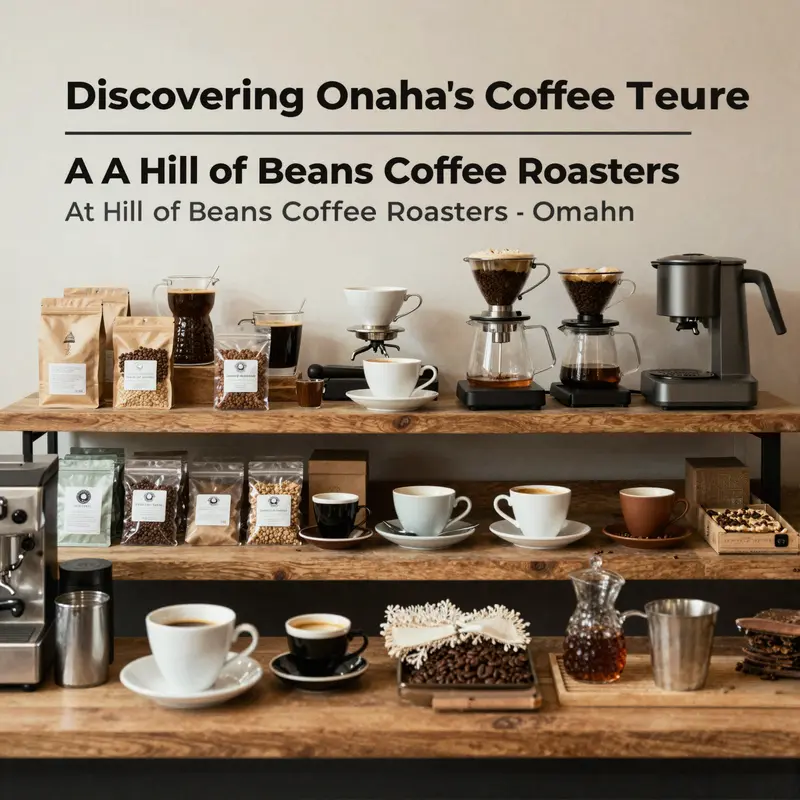
The first breath that greets a visitor at A Hill of Beans Coffee Roasters is not simply the scent of coffee but a memory in the making. The roastery sits along a well-traveled stretch of Omaha, its address at 14512 W Center Rd anchoring a space where the city’s caffeine enthusiasts drift in like old friends. Inside, the air holds a quiet, almost ceremonial energy—the kind that arrives when someone treats each batch as a conversation between farmer, roaster, and the cup. This is a place that isn’t in a hurry to push novelty; it is a space that cultivates patience, precision, and a clear respect for the journey a bean makes from plant to palate. The roastery’s approach centers on small-batch roasting, a discipline that rewards closeness to the source and a patient understanding of how heat, time, and airflow can coax out a coffee’s personality. When the roaster’s drum slows to a stop and the aromas settle, a story begins to unfold, not just about flavor but about the ethics and relationships that sustain it.
What makes A Hill of Beans stand out in Omaha’s growing coffee landscape is less a single turn of technique and more a steadfast, almost musical rhythm: select partners, a careful roasting profile, and a menu that shifts with the seasons to honor freshness. The emphasis here is on quality sourcing, with a commitment to ethical trade that respects both the farmers who cultivate the beans and the communities where they are roasted and enjoyed. In practice, this means a transparent dialogue with farmers and importers, a willingness to pursue direct relationships where possible, and an ongoing dedication to traceability. It is a philosophy that aligns with the best in specialty coffee, where a cup is more than a brief pleasure; it is the culmination of a chain of thoughtful decisions, each one sized to protect integrity, aroma, and flavor from farm gate to the cup.
The tasting room, with its wooden counters and soft lighting, invites visitors to slow down and observe the careful choreography that marks every step of the process. The roaster’s hum becomes a steady metronome, a reminder that roasting is not a one-note act but a precision craft. Here, even the moment when the beans first crack is treated as a cue, a signal that development has reached its peak for that particular batch. The roaster’s hand moves with studied calm, adjusting grind size, heat, and airflow to coax out a balance that respects origin while carving its own distinct silhouette. It’s a reminder that coffee, in its most compelling form, is a conversation about temperature, time, and intention—a dialogue between natural sweetness, acidity, body, and after-notes that linger like a memory.
Recent offerings at this Omaha roastery reflect a dynamic balance between seasonal variety and the shop’s steadfast devotion to quality. The menu routinely introduces new blends and single-origin explorations that mirror the rhythm of harvests and microclimates around the world, even as the baristas guide guests through an evolving set of brewing techniques. The approach to offerings is not about chasing fads but about presenting authentic expression. A bright, citrus-forward profile with delicate floral undertones might appear as a single-origin option on a given week, beckoning curious tasters to trace a light, crisp echo of the origin’s air and soil. On another visit, a different roast may present a smooth, comforting frame—rounded by chocolate notes and a subtle fruit hint—that speaks to a more forgiving, comfort-driven cup. In both cases, the emphasis remains squarely on balance and clarity, with a finish that invites another sip rather than demanding it end at the swallow.
What makes the fresh offerings particularly compelling is not merely the flavor profile but the story behind each batch. The roastery’s team is not content with chasing novelty for novelty’s sake; instead, they pursue a coherent narrative that begins with ethical sourcing and ends with a mindful, satisfying experience for the drinker. The seasonal rotation is a practical expression of that philosophy. It acknowledges that no single coffee can be the measure of a roaster’s skill, but a rotating lineup—where each coffee has its moment—can reveal the range of what thoughtful sourcing and careful roasting can achieve. The cafes’ tasting notes often emphasize origin, roast profile, and brewing recommendations, inviting customers to experiment with different methods at home while keeping the horizon open to new discoveries in the shop.
The sensory experience in the shop often includes more than just the aroma and taste of freshly roasted beans. The space becomes a forum for learning through immersion. In addition to serving extraordinary coffee, A Hill of Beans frequently hosts in-store tastings and barista-led workshops. These events are designed to offer an immersive journey into the realm of specialty coffee, from the science of roasting to the art of cupping and the practicalities of brewing. Patrons who attend a session can expect to gain a keener sense of how variables such as bean origin, roast degree, and grind size translate into aroma, sweetness, acidity, and mouthfeel. The workshops are not merely demonstrations; they are guided explorations that empower participants to recognize why a particular roast shines in a pour-over but might sing a touch brighter in an espresso pull, or why a French press highlights a fullness that a drip may not emphasize as strongly. The goal is not to prescribe a single method but to illuminate how technique and patience can unlock flavor.
The customer experience is inseparable from the roastery’s sourcing ethic and roasting craftsmanship. The team’s relationship with farmers, importers, and processors shapes what appears on the menu and how it is presented to customers. The result is a landscape of offerings that feels both curated and alive, a living map of the coffee world that Omaha residents can explore without leaving their neighborhood. The atmosphere also carries an air of accessibility. While the roastery commands respect through its meticulous approach, its doors remain open to newcomers, those who are simply curious about how a particular roast can alter their daily ritual, or veterans who want to compare a range of profiles side by side. The balance between expertise and welcome is a subtle but essential ingredient in the shop’s appeal, aligning with Yelp feedback that frequently points to quality and service as defining strengths.
As a community anchor, the roastery contributes more than occasional tastings. It becomes a place where neighbors meet and conversations begin—over a cup that carries with it the weight of careful sourcing and the lightness of a well-made brew. The intimacy of small-batch roasting translates into a sense of proximity: customers feel they are sharing something rare, even if it is simply a morning ritual. In a city that continues to develop its culinary and beverage identity, such spaces matter because they provide continuity. They offer a reliable standard that other cafes can measure themselves against, and they become reference points for anyone who wants to understand what elevated coffee can feel like in a local setting. The roastery’s reputation, bolstered by consistent quality and a welcoming environment, builds a quiet trust among regulars who know that the next seasonal release will be a thoughtful extension of the last, not a departure from it.
Staying connected to what’s fresh means engaging with the roastery through both digital and physical channels. The team maintains a steady cadence of updates on their official platforms, sharing explanations of origins, roast degrees, and brew recommendations so that curious customers can replicate the experience at home. This transparency helps demystify the process and invites people to experiment, to compare how different methods—whether a delicate pour-over, a robust immersion, or a precise calibrated grind for a machine—accentuate the coffee’s natural qualities. The social component of these updates is equally important. Followers often chime in with tasting notes, questions about sourcing, and requests for more in-depth cupping sessions, creating a two-way dialogue that reinforces the sense of community around the roastery’s offerings. The result is not simply a shop where coffee is sold; it is a place where knowledge circulates as freely as the aroma that fills the room.
In this way, A Hill of Beans contributes to the broader Omaha coffee scene by modeling how a roastery can be both an artisan workshop and a gathering place. The steady influx of regulars who return for the ritual of a well-made cup helps sustain a local culture of care and curiosity around coffee. The roastery’s approach—small-batch roasting, ethical sourcing, a rotating seasonal menu, and rich opportunities for experiential learning—offers a template for how to translate global coffee practices into a neighborhood experience. Visitors leave with more than a caffeine fix; they depart with an understanding of the work that goes into a cup and a sense of connection to a broader network of growers, roasters, and fellow enthusiasts. The experience reinforces the idea that coffee is a social artifact as much as a personal ritual, a shared practice that binds a community through taste, texture, and tone.
For those who want a bridge between the culinary and the wellness space, the roastery’s emphasis on mindfulness in the coffee experience provides a natural point of connection. A thoughtful, unhurried approach to tasting invites guests to slow down and notice what a cup offers—the brightness that pricks the palate with vitality, the body that sustains momentum through a busy day, the finish that lingers and invites reflection. This is not an overt wellness mandate, but a consequence of a practice that honors sensory clarity and deliberate pacing. In a world that too often prizes speed over savor, the roastery becomes a counterpoint—a reminder that care in preparation can translate into clarity in daily life. It’s precisely this alignment of craft, community, and contemplation that makes the Omaha chapter of this roastery feel indispensable to readers of the larger story about coffee as an everyday source of inspiration.
If one were to put a pin in the exact moment that this place reveals itself most fully, it would be the live experiences—the in-store tastings and barista-led workshops—where theory meets action and taste becomes education. You can watch a barista’s hands move with confident familiarity as they guide a group through the steps of cupping, noting how aroma shifts with different grind settings or how temperature subtly reshapes sweetness and acidity. You might hear someone describe a coffee’s journey from a remote hillside to a roaster’s drum and then to a cup that carries that journey forward into a morning routine. The sessions turn a simple trip to a roastery into an education in patience, curiosity, and craftsmanship—qualities that reveal themselves in the cup as you take a longer, more attentive sip. The atmosphere nurtures not just a palate for coffee but a practice of presence: a reminder that a single cup can anchor a moment of stillness amid a bustling day.
In keeping with this spirit, the roastery also maintains channels through which customers can stay informed about seasonal releases and limited-edition roasts. The official website and social media profiles become a living catalog of what is currently available, with detailed descriptions that offer a sense of origin, roast level, and recommended brewing method. This kind of ongoing communication is more than marketing; it is a service that helps people plan their tastings and deepen their understanding of the product they enjoy. The interplay between in-person events and online updates creates a continuous loop of discovery: new offerings inspire questions, questions lead to deeper exploration of origins and techniques, and that exploration circles back to another tasting, another workshop, another month of fresh coffee that represents a moment in time. It is this cyclical, living nature of the offerings that keeps the experience from feeling stale and ensures that the roastery remains a dynamic hub rather than a static storefront.
From the moment you step into the space to the moment you leave with a bag of carefully roasted beans, the narrative of A Hill of Beans Coffee Roasters unfolds as a tightly woven fabric of ethics, craft, and community. The commitment to quality is explicit in every forked path the team chooses: where to source, how to roast, which brewing method to pair with which roast, and how to invite customers into the ongoing conversation about what makes a cup truly resonant. This coherence across sourcing, roasting, education, and hospitality is what differentiates a good local roastery from a memorable one. It is a reminder that coffee is not simply a product; it is a cultural practice that requires time, intention, and shared learning. In Omaha, that practice has found a home in a space that respects the bean’s origin while opening its potential to a broad audience eager to experience the artistry that elevates everyday routines into moments of meaning.
For those who want to keep a finger on the pulse of the roastery’s evolving offerings, a quick foray onto the site or social channels reveals a cadence of new profiles, seasonal blends, and brewing guidance. The documentation of each coffee’s origin, alongside a clear roast profile and brew recommendations, invites both the casual drinker and the serious enthusiast to explore with confidence. It is a model of transparency and pedagogy that aligns with a broader movement toward informed consumer choice in the coffee world. The result is not simply a shopping experience but a learning experience, and in a city that loves its local flavor, that learning is contagious. It encourages others to take a closer look at their own routines and to consider how a well-roasted bean might alter the texture of morning rituals, the pace of a workday, or the tempo of a weekend gathering with friends.
In the end, the chapter of A Hill of Beans Coffee Roasters in Omaha reads like a well-balanced cup: it offers brightness, depth, and a lingering sense of satisfaction that invites another attempt. The roastery’s commitment to ethical sourcing, careful roasting, and a rotating menu that respects seasonality demonstrates a sophisticated understanding of what it takes to craft a coffee experience that is both dependable and inspiring. It is not merely about selling coffee; it is about inviting people into a shared appreciation for the craft and the culture that sustains it. The atmosphere, the staff, the events, and the carefully curated offerings all point toward a simple truth: great coffee is built on relationships—between farmer and roaster, between roaster and barista, and between café and community. And in Omaha, A Hill of Beans has positioned itself not as a destination to consume a product but as a space to participate in a living tradition that treats each cup as a small ceremony of care and curiosity.
To readers seeking a bridge between the sensory richness of a well-crafted cup and the broader conversations about wellness, work, and community, the roastery presents an accessible entry point. The deliberate pacing of tastings and the openness to experimentation encourage visitors to develop a more mindful approach to coffee—a practice that can echo beyond the shop and into daily life. A simple, thoughtful cupping ritual can become a moment of focus and clarity, a small ritual that helps set the tone for the hours ahead. In this sense, the Omaha location functions as more than a retail space; it serves as a quiet teacher, a living example of how careful attention to process and a commitment to ethical practice can elevate a routine into a meaningful experience. The result is a community anchored in quality and curiosity, a place where fresh roasts are not merely a weekly feature but a catalyst for ongoing exploration and connection.
For those curious to explore further, the roastery’s current offerings and events are best pursued directly through their official site, where seasonal updates and detailed tasting notes are posted regularly. The site also serves as a hub for upcoming workshops, guest cuppings, and collaborative tastings with local partners, all designed to deepen visitors’ understanding of how roasting decisions shape flavor and how mindful brewing can reveal the subtle sweetness and character of a given batch. A Hill of Beans thus offers more than coffee; it provides an evolving, participatory experience that invites the Omaha community to slow down, listen to the telltale crack of a fresh roast, and taste the story we are all part of when we choose to drink something thoughtfully sourced and lovingly prepared. In this way, the roastery reframes the everyday act of grabbing a cup into an act of cultural and culinary discovery that reflects both global connections and local hospitality.
If you crave a practical sense of the roastery’s atmosphere and its approach to freshness, a visit will likely reveal a space that balances rigor with warmth. The aroma of freshly roasted beans mixes with the soft chatter of customers sharing tasting notes, while staff guide curious tasters through the menu with a quiet expertise that never feels imposing. The result is a nuanced, textured experience that rewards patience and curiosity in equal measure. And as the seasons turn and new roasts arrive, the cycle continues—an ongoing conversation about climate, farmers, roasting chemistry, and the craft of brewing that makes a neighborhood feel closer and more connected to the wider world beyond it. In this way, A Hill of Beans Coffee Roasters in Omaha stands not only as a purveyor of exceptional coffee but as a conduit for learning, community, and shared discovery, a small hill that yields a bountiful harvest for those who listen closely enough to hear the crackle of a fresh batch and the promise it carries for the next cup.
For readers who are curious about the science behind the craft, or who simply want to connect more deeply with a local coffee culture that values both ethics and taste, there is a natural synergy between the mindful routines discussed here and the broader wellness conversations that shape our daily lives. The idea that coffee can be part of a thoughtful practice—an invitation to pause, reflect, and engage with others—fits neatly with broader discussions about mental health, routines, and community supports. If you’re curious to explore these ideas further in a different context, you can read about how therapies integrate mental health considerations into daily activities how-occupational-therapy-supports-mental-health. This link serves as a reminder that even spaces built around sensory pleasures can intersect with well-being in meaningful ways, offering a blueprint for how to draw connections between taste, practice, and care. And while the roastery remains focused on its core mission of crafting excellent coffee, it also embodies a broader philosophy: great flavor is not the end of the story, but a bridge to community, learning, and a more mindful everyday life.
External resource for further exploration: https://www.ahillofbeans.com/
Rethinking A Hill of Beans: Community, Craft, and the Quiet Life of Omaha’s Local Coffee Scene
In the language of coffee, names carry weight even before a single roast has left a drum. The phrase a hill of beans—often invoked to signal something of little value—poses a provocative starting point for examining what a real local roaster can mean to a city like Omaha. The literature around this exact roaster is thin, and beyond a brief address listed in one overview, there is no verifiable, widely documented footprint confirming that a roastery by that name operates at scale in Omaha. Yet the question of community impact remains urgent and real, regardless of whether a specific shop can be verified. If a roastery simply exists in the margins of public catalogs or in the perceptions of neighborhood regulars, its influence—whether imagined, hypothetical, or actual—still reveals how coffee, a craft with global supply chains, becomes a local institution through relationships, spaces, and stories that people carry from one cup to the next.
To understand what a genuine local roaster can contribute to Omaha’s social fabric, it helps to lay out the scaffolding of impact. A roaster’s value does not hinge solely on the aroma of its latest roast or the fineness of its crema. It rests as much on how the business engages with people, places, and practices right where their customers live. In Omaha, a city with a constellation of neighborhoods around the Missouri River and midwestern sensibilities about work, hospitality, and craft, a roastery can act as a node—an anchor point for farmers’ markets, casual meetups, and educational events that demystify the journey from green bean to cup. The absence of a verifiable corporate footprint for the exact name in question does not erase the potential, nor does it excuse a casual disregard for the real standards by which local coffee businesses are judged.
If we treat the topic as a field of possibilities rather than a catalog of confirmed actors, several threads emerge that typically define meaningful community impact. First is the labor story—the people who roast, bag, and pour the coffee, and the opportunities those roles create. Employment in a roasting operation can be more than a wage line; it can be a ladder into skill development, from quality control and roasting science to sales, hospitality, and event coordination. In a city like Omaha, where neighborhoods vary in access to high-quality coffee experiences, a roastery that offers training, apprenticeships, and mentorship becomes more than a shop—it becomes a conduit for local talent development. The number of hours offered to new employees, the pathways for advancement, and the transparency of wage structures all feed into a broader narrative about economic inclusion and the dignity of skilled craft.
Second is the sourcing story. A roaster’s commitments to the farms that supply beans, the methods by which those beans are obtained, and the degree of transparency about origin all shape public trust. Direct relationships with growers, fair-trade practices, long-term contracts, and support for sustainable farming reduce volatility in rural communities and promote better livelihoods for farmers who often operate on slim margins. These choices ripple outward: better-supported farming communities can sustain biodiversity, climate resilience, and cultural heritage in coffee-growing regions. The internal optics—how a roaster talks about origin, how transparent a company is about pricing, and whether buyers articulate a clear stance on environmental stewardship—matters to coffee drinkers who want their daily ritual to align with broader social values.
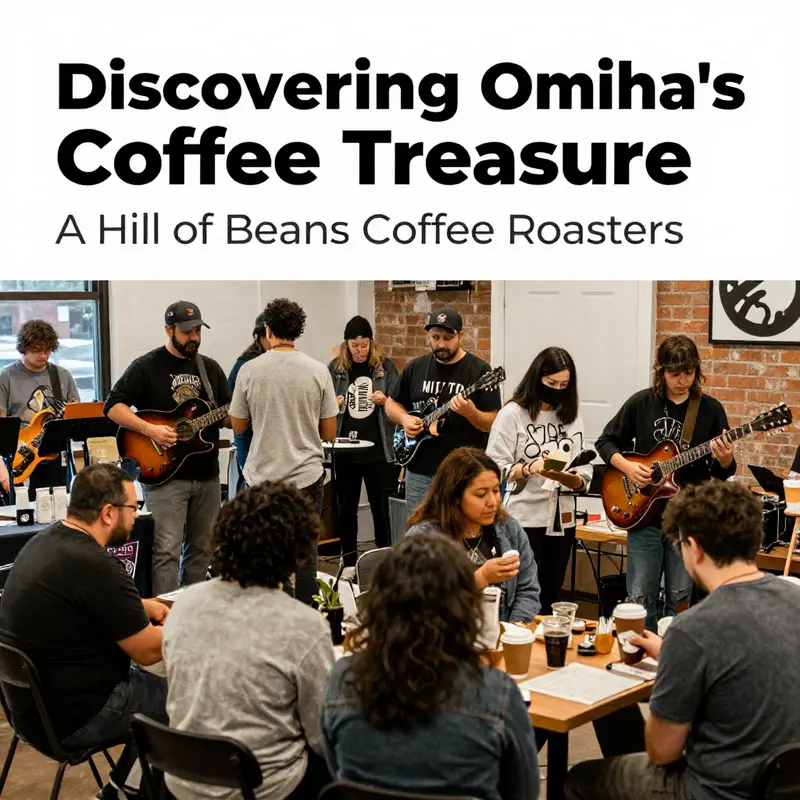
Third is the social use of space. Roasteries frequently host more than tastings; they become community rooms where neighbors, students, and coworkers gather to learn and connect. An inviting, accessible space is a form of social infrastructure. It offers a counterpoint to the loneliness of a digital age: a place where conversations about technique can blend with conversations about local art, music, or community gardens. The design of the space—the layout, seating arrangements, acoustics, and even the ratio of roastery to customer-facing zones—carries a quiet anthropology of how people want to engage around coffee. A roaster that pays attention to accessibility—clear signages, comfortable seating, and an inclusive events calendar—extends its reach to people who may not typically identify as “coffee enthusiasts” but who value a welcoming neighborhood gathering spot.
The layered ways in which a roaster touches Omaha’s people also include education. Coffee education can demystify the craft, offering cupping sessions that teach discernment, flavor profiling, and the history of coffee in global supply chains. It can also extend beyond the cup to address social and cultural topics—how communities adapt to changing work patterns, how we talk about sustainability, or how we navigate cultural sensitivity in a culturally diverse city. Education initiatives, when designed with humility and accuracy, help locals understand not just “how” but “why” certain roasting profiles exist and how those profiles relate to terroir, processing methods, and roast levels. Education is a form of cultural capital; it elevates public discourse around foodways, elevates consumer literacy, and builds trust between a roastery and its community.
In Omaha, the potential for such impact is amplified by the city’s own rhythms and networks. Local coffee culture often emerges from a collaboration among roasters, cafes, farmers markets, and neighborhood shops. A roastery that participates in cross-promotional events, roasts for community fundraisers, or partners with nearby schools to offer hands-on learning experiences helps knit a more resilient local economy. When a roaster opens a space that invites conversation about origin stories, fermentation experiments, or the science of heat transfer in the roaster, it creates a shared vocabulary that other businesses can reuse in their own customer interactions. The value of this vocabulary shows up in the way customers speak about coffee in grocery stores, at neighborhood cafés, or in casual conversations with colleagues who have learned to appreciate the nuance between a light roast and a dark one, between fruity acidity and chocolatey sweetness.
But the absence of verifiable data about a specific roaster does not mean the topic lacks credibility. It instead foregrounds an important methodological point: community impact is not measured only by a name on a sign; it is observed in the continuity of practices and the quality of relationships. A roaster’s lasting imprint comes from consistent commitments—stable sourcing, fair labor practices, open communication, and the willingness to invest in the people who keep a city caffeinated. In a market where roasters come and go, the depth of impact often outlives the brand’s lifespan and lives on in the stories of farmers who continue their work because they have reliable customers who value long-term partnerships, in the apprentices who stay in the trade and in the customers who advocate for sustainable, locally rooted coffee experiences.
This way of thinking also reframes how we evaluate “local” in a city like Omaha. Local is not merely geographic proximity; it is relational proximity—the closeness between a farmer and a roaster who understands the value of a steady contract; the closeness between a roastery and a neighborhood school that uses roasting sessions to illustrate science experiments and economic geography; the closeness between a roaster and a community arts organization that uses coffee-hour fundraisers to support local creativity. When a roastery with a strong moral compass appears, its influence expands beyond sales figures and into the realm of shared cultural production. The aroma of a new roast can mingle with the scent of a gallery opening, a farmers market stall, or a municipal event that celebrates small businesses. The city’s social fabric benefits when businesses treat coffee as more than a product and as a conduit for connection and learning.
The current documentation about a specific entity bearing the name in question demonstrates a broader truth about local business storytelling. People often encounter a business through a hive of signals: a storefront, online reviews, a menu, a glance into roasting equipment, and secondhand conversations about quality and ethics. When one of those signals predates formal records, it prompts a careful approach to storytelling. The risk is not only misrepresentation but also the erosion of trust when community members feel misled about who is doing the work and where the money goes. In the coffee world, where origin and traceability have become powerful points of consumer discussion, the absence of verified details about a given roaster’s practices complicates the public’s ability to discern the true reach of its community impact. Yet even inconclusive data can yield important insights into how people evaluate local action. Observers become more discerning; they begin to ask questions not just about taste, but about who benefits when a coffee business grows, and how those benefits are distributed across staff, suppliers, and neighbors.
Part of this discernment rests with how communities gather information. In Omaha, as in many cities, consumer feedback on platforms like Yelp, Google Maps, and local news coverage can shape a roaster’s reputation and, by extension, its perceived social footprint. A roastery’s ability to welcome feedback and respond with transparency often becomes a signal of serious community engagement. Whether the feedback centers on roasting consistency, customer service, or the clarity of origin stories, responsive engagement demonstrates a commitment to the public good that transcends a single product or price point. When communities see a business take responsibility for missteps, apologize, and outline concrete steps for improvement, they are more likely to view the brand as a partner in local vitality rather than as a mere transactional vendor. The openness to dialogue itself can be an important form of community impact, especially in spaces where coffee intersects with education, culture, and social life.
From a policy standpoint, local registries and business records matter because they establish a baseline for accountability. While many roasters operate modestly and with limited media presence, the existence of a formal business registration, a stable address, and consistent tax filings all contribute to a predictable environment for workers, suppliers, and community partners. These instruments of governance do not guarantee virtue, but they do create trackable channels through which the public can hold a business accountable for its stated commitments. It is through these channels that the hypothetical or unconfirmed roaster can transition from a rumor to a credible member of the local economy, should it choose to carry out the kind of impact described earlier. The absence of data invites curiosity, but it also invites other, verified players in Omaha’s coffee ecosystem to step forward and illustrate how sustainable practice, fair labor, and community education translate into everyday life in the city.
The reality is that the strongest local roasters in any city tend to be measured not only by the quality of their beans but by the quality of their relationships. They build trust with farmers by ensuring timely payments and fair terms; they build trust with employees by offering meaningful training and clear growth paths; they build trust with customers by maintaining consistency, communicating openly about sourcing, and inviting the public into the roasting process. In a city like Omaha, this combination creates a social ecology in which coffee becomes a shared experience of culture, economy, and learning. It is possible to imagine a roastery with a name that evokes a familiar idiom climbing toward legitimacy through transparent practice, community collaboration, and responsible stewardship. Even if the specific entity remains unverified, the path such an enterprise would take—one grounded in respect for producers, investiture in people, and openness to the neighborhood—offers a robust template for what community impact can look like in the heartland.
To bring this discussion back to a practical frame, anyone curious about the real influence of a local roaster in Omaha can look beyond the sign and toward the substance of the operation. Ask about direct sourcing and farm relationships, check whether the company publishes origin information and price transparency, and observe how it participates in community life—whether through educational workshops, partnerships with local nonprofits, or open-house events that demystify roasting science. Consider the footprint left on the urban environment as well: how much waste is recycled, whether packaging supports recyclability, and how the business engages with sustainability challenges that affect both urban and rural communities. These are not abstract questions; they are the visible threads that tie a roaster to the people who buy coffee, the farmers who grow it, and the neighborhoods that host it. In a city of forward-looking small businesses, the most meaningful impact emerges when craft is paired with care for people and place.
As readers move through the rest of this discussion, they should keep in view a simple, practical standard: does the roaster provide a coherent story of its community engagement that can be verified through records, conversation, and observable practice? When that story exists, it often survives the inevitable fluctuations of marketing trends and competitive pricing. It endures because it remains useful to the people it touches, not merely to the people it pleases. That endurance is the true measure of community impact in a place as dynamic as Omaha, where coffee culture can become a shared language that binds farmers, baristas, students, families, and neighbors in a daily ritual that is both comforting and aspirational. In spaces where beans are roasted with intention, and where the people who work with them are treated with fairness and respect, the city sees a tangible return: a more connected community, a richer sense of place, and a coffee culture that reflects the values of its citizens rather than the flash of a single brand.
For readers seeking a broader framework beyond local lore, the field of specialty coffee offers structured guidance on how roasters can scale their community impact. Organizations like the Specialty Coffee Association compile research and case studies that highlight sustainable sourcing, worker welfare, environmental responsibility, and community engagement as core pillars of the industry. These resources provide a scaffold for evaluating, planning, and communicating about community impact in a way that aligns with professional standards and collective aspirations. They remind us that the craft of roasting is inseparable from the social and ethical obligations that come with operating in a global supply chain. In Omaha, as in other midwestern cities, that framework helps ordinary coffee moments—an early-morning pour-over, a weekend cupping session, a casual chat with a roaster—become part of a larger narrative about how a community builds resilience through everyday choices.
If the name in question remains a target of curiosity or speculative interest, the larger story remains relevant: local coffee roasters, whether verified or fictional in the public record, illuminate how small business practice translates into neighborhood impact. They reveal what it means to invest in people, to steward origin communities with transparent pricing, to create spaces where everyone can gather, learn, and enjoy the sensory richness of coffee. They remind us that a city’s coffee scene is not a static map of storefronts but a living conversation about work, fairness, culture, and belonging. And in that conversation, Omaha stands to gain when every voice—whether a veteran roaster, a first-time trainee, or a curious customer—can speak openly about the values that shape the coffee they share.
For readers who want to continue exploring this topic beyond narrative, consider the broader literature on how coffee businesses nurture community resilience through local procurement, transparent labor practices, and educational outreach. These are not abstract ideals but practical strategies that can be observed, measured, and improved over time. In a city that values craftsmanship and neighborly hospitality, a roaster’s impact can become a living example of how local economies thrive when they align with ethical sourcing, inclusive employment, and public engagement. The coffee there becomes a medium for storytelling about place, people, and purpose, inviting more residents to participate in a shared project of culture and commerce. In that sense, the question is less about whether a particular shop exists than about how any roaster can contribute to a more connected, more informed, and more generous community landscape in Omaha.
External resource for a broader framework on community impact in specialty coffee: https://www.sca.coffee
Final thoughts
A Hill of Beans Coffee Roasters stands as a testament to what dedication to quality and customer experience can achieve. Its fresh offerings and community engagement reflect a model for local businesses that thrive on connection and excellence. Emphasizing careful sourcing and artisanal roasting, they enhance Omaha’s coffee culture while creating an inviting space for coffee lovers and community members alike. As we appreciate the fine details that make each cup special, we can also celebrate the broader impact such businesses have on our local environments.