

The Asian palm civet has captured the attention of coffee enthusiasts and business owners alike for its unique role in coffee production. Known for pooping out coffee beans, the civet is at the heart of kopi luwak, a luxury coffee offering that has sparked interest and ethical debate across the globe. This article delves into the significance of the civet in the coffee industry, exploring its digestive process, the production of civet coffee, the ethical dilemmas involved, and its economic impact on the coffee market. Each chapter builds on the fascinating impact of this animal as a centerpiece in the controversial world of coffee production.
Curated by Nature: The Asian Palm Civet, Its Ferments, and the Ethical Debate Behind Cat-Poop Coffee
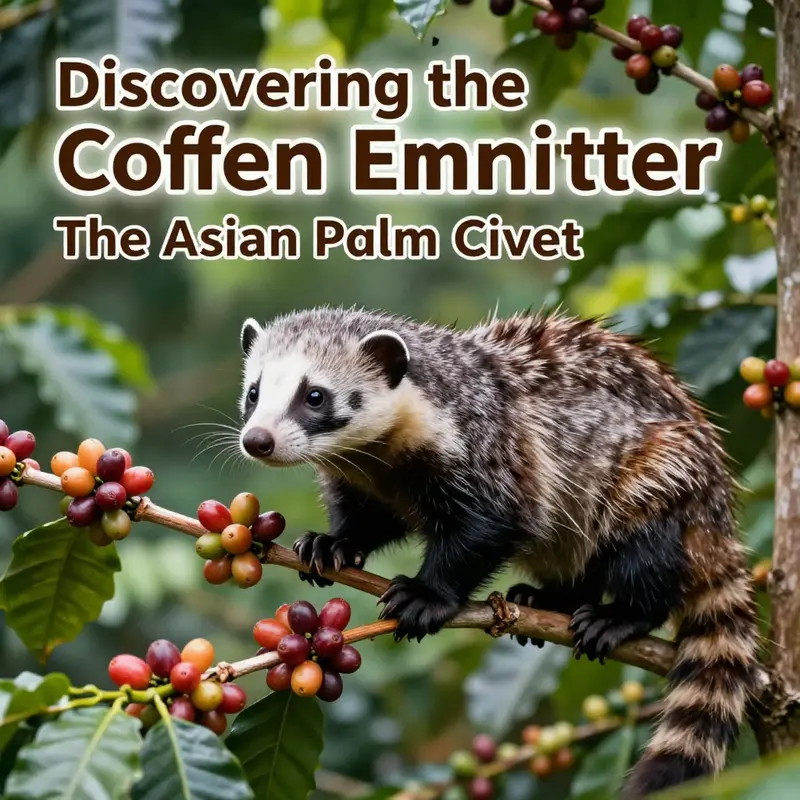
Curiosity about a cup of coffee can carry you into a shadowed corner of the world where appetite, animal behavior, and global markets intersect. The image that often greets travelers and readers is unusual enough to be memorable: a small, agile mammal nibbling on ripe coffee cherries, then passing the beans through its digestive tract and into the world as a luxury product. In this chapter we explore the biology, the process, and the ethics behind what is commonly called civet coffee, or Kopi Luwak, a name that has become shorthand for a method of bean treatment as much as for a beverage. The focus here remains on the civet who, by chance or by design, becomes a collaborator in the coffee’s journey from fruit to cup. This journey is not merely a curiosity; it sits at the intersection of tradition, tourism, conservation, and consumer responsibility. The civet, native to the forests and agricultural landscapes of Southeast Asia, is a small, agile mammal with a habit of foraging that can place it in contact with coffee cherries at the moment they are most irresistible to sugar-rich appetites. Its activity becomes part of a larger narrative about how humans have long sought ways to coax out, or codify, flavors from plants through natural processes that happen inside living bodies. The civet’s role is neither wholly mythical nor entirely mechanistic; it rests at the confluence of ecology, culture, and taste, and it prompts questions about who benefits when a wild creature becomes a partner in a global industry.
The geographic footprint of this unusual coffee stretches across the islands of Indonesia and into neighboring archipelagos where coffee has deep roots in local life. The civet itself is an animal well adapted to tropical jungles and mixed landscapes, where fruit is plentiful during certain seasons and where self-sustaining populations can persist if conditions permit. This setting matters, because the interaction between civet and cherries is not a single act but a sequence that unfolds over time. In wild pockets, civets roam at night, selecting ripe fruits with a hunter’s patience. In some production contexts, humans attempt to replicate those conditions, providing access to cultivated coffee cherries in controlled environments. The civet’s palate is believed to favor ripe fruit with a particular balance of sugars and acids, an instinct that, in turn, shapes which beans are most likely to enter the subsequent stages of processing. It is the combination of a creature’s seasonal foraging and a farmer’s timing that makes the process possible in the first place.
What follows is a botanical and biochemical microdrama. After ingestion, the coffee cherries travel through the civet’s digestive system. Inside, the fruit’s pulp is fermented and the beans themselves encounter digestive enzymes and mild fermentation. These enzymes interact with the bean’s proteins in ways that are thought to alter flavor precursors. The exact chemistry remains a dynamic field of inquiry, but the effect is often described in sensory terms: a perception of reduced bitterness, a sense of smoothness, and an impression of added depth or nuanced aroma. The idea is not merely that enzymes strip away harsh notes but that they transform flavor precursors into new compounds that technicians and tasters describe as more complex, sometimes sweeter, sometimes less astringent. The natural fermentation process is a kind of mechanical kindness handed to the bean by biology, a phenomenon that has long fascinated tasters who are curious about how much the medium—animal digestion—contributes to a finished cup.
The beans emerge from the civet’s body still protected by their fruit, yet with a distinct journey now behind them. Excretion occurs in the wild or in farm settings, where the collected feces are carefully separated, cleaned, and prepared for further treatment. The work of farmers and processors then continues with their own set of steps: washing the beans to remove residual pulp, drying them in the sun or with controlled airflow, removing the outer layers, and finally roasting and grinding to produce a cup worthy of the attention it garners in some markets. Across these steps, the influence of the civet process is said to persist, in part because the beans carry the legacy of their passage through the animal’s gut. For some observers, this is a story of unusual artistry in agriculture; for others, it is a reminder that flavor can be shaped by a chain of biological events that begin far away from a roasting drum.
Historically, the practice has become most visible on the islands of Sumatra, Java, and Bali, where centuries of coffee cultivation mingle with forest ecosystems and local traditions. The idea that the most revered cups could be tied to an animal’s interior chemistry emerged from a time when people observed birds and mammals indirectly shaping harvests, sometimes as a matter of survival, sometimes as a form of curiosity about taste. Over time, the narrative of civet-influenced coffee grew into a global symbol of rarity and luxury. The allure rests not only on the idea of a bean that has undergone a kind of natural fermentation but also on the romance of a product associated with the wild, the mysterious, and the remote. Yet the same narrative invites a second, more problematic chapter, one that has become central to debates about ethical farming and animal welfare.
Ethics enters the story with a clear and troubling light. The most pressing concerns arise when civets are kept on farms under cramped and unhygienic conditions, sometimes in chains or cages that restrict movement and cause stress. In such settings, the civet’s access to a natural diet is compromised, and the practice of force-feeding cherries to boost production comes into view as an ethical red flag. The welfare of the animals becomes inseparable from the quality of the product. Critics point to health risks for the civets themselves, including malnutrition, weakened immune systems, injuries, and chronic stress. These conditions raise questions not only about animal welfare but also about the broader implications for ecosystems and the integrity of the supply chain. If an animal’s well-being is compromised, does that undermine the claim that the final cup embodies a natural, careful transformation of fruit into bean? Many researchers, animal welfare organizations, and thoughtful consumers argue that humane alternatives—such as wild-harvested or freely roaming civets in well-managed sanctuaries or farms—offer a more responsible path that preserves the ecological and ethical complexity of the practice.
The moral tension is not simply a matter of sentiment. It intersects with concerns about the environmental footprint of the trade, labor conditions on farms, and the sustainability of local communities who rely on coffee as a cash crop. In some cases, the process has become a magnet for tourism, drawing visitors who want to see civets in the wild or to learn about the production cycle. This tourism can, in turn, influence how farms operate, sometimes accelerating shifts toward intensification in the name of efficiency or spectacle. The result is a layered dynamic where flavor, income, conservation, and animal welfare all compete for attention, and where the consumer’s choice can influence the direction of that balance. From a scientific standpoint, researchers continue to examine whether the distinctive flavor attributed to civet-processed beans arises exclusively from the digestive stage or from a combination of the animal’s influence and the subsequent post-digestion processing. Some sensory studies highlight notable differences in perceived aroma and mouthfeel, yet others argue that many factors—bean origin, roast level, storage, and brewing method—play at least as large a role as the civet’s digestive passage. The uncertainty invites a cautious approach to tasting notes, a willingness to acknowledge subjectivity, and an openness to alternative routes that aim to reproduce desirable flavor without animal involvement.
Against this backdrop, the modern market has responded with a spectrum of practices. On one end sits transparent sourcing from farms that honor animal welfare, allow civets to roam freely, and emphasize conservation and local livelihoods. On the other end are systems that prioritize high volume and rapid turnover, sometimes at the expense of animal health and ecological balance. Consumers who wish to explore the story behind their coffee are increasingly urged to look beyond glossy marketing and seek independent verification of ethics and sustainability. This shift mirrors a broader trend in specialty coffee, where quality is linked not only to flavor but to the social and ecological context of production. The ethical conversation is not a withdrawal from curiosity; it is a call to curiosity with responsibility, a reminder that a cup can be as much about relationship with place and creature as it is about aroma and sweetness.
From a cultural perspective, the civet’s tale has a way of shaping local livelihoods and international perceptions at once. In communities near wild habitats, people may view the civet as a forest steward or a part of the landscape that deserves protection, while also balancing the economic pressures of a market that may reward the most dramatic narratives. This duality highlights how stories amplify value, sometimes in ways that misrepresent complexity. The civet’s role becomes a lens through which audiences can examine questions about biodiversity, habitat loss, and the ways in which global demand can reshape local ecologies. Even as the conversation continues to evolve, the essential message remains clear: flavor emerges from a network of interactions—between plant chemistry, animal biology, handling practices, and human choices—and any attempt to isolate a single actor risks oversimplifying a story that is fundamentally interconnected.
As readers, tasters, and travelers engage with this chapter, they face a choice that reflects the broader challenge of responsible consumption. If the goal is to celebrate flavor while honoring animal welfare and ecological health, then the path forward involves transparency, third-party certification, and a willingness to support humane production models. It also invites a broader imagination about how similar flavor transformations might be achieved without compromising well-being—through advances in fermentation science, controlled mimicry of digestive processes, or ethical partnerships with wild-harvested harvests that uphold conservation ethics. The civet’s journey from ripening cherries to a cup is more than a tasting note; it is a case study in how culture, science, economics, and ethics intersect in a single everyday habit.
For readers who want to continue exploring this topic beyond the sensory experience, a broader conversation about animal welfare and food systems helps place the civet story within a global context. The debate invites us to ask not only what tastes good, but what kinds of relationships we are willing to support in order to obtain that taste. It asks us to consider the responsibilities we bear as consumers, producers, and stewards of landscapes that sustain both wildlife and human communities. The path forward is not a single verdict but a spectrum of possibilities—ranging from reverent admiration for natural processes to rigorous advocacy for humane and sustainable practices that preserve biodiversity. In this sense, the civet’s role becomes a catalyst for deeper reflection about how flavors travel from forest to cup, and who is allowed to share in that journey.
External resource: For a critical examination of the ethics and science behind this controversial coffee, readers can consult the BBC News feature that investigates the truth and myths surrounding cat poop coffee. https://www.bbc.com/news/world-asia-39085768
Civet-Facilitated Coffee: A Deep Dive into the Animal’s Digestive Path to Bean Flavor

Curiosity often meets appetite in the most unlikely places, and the story behind civet-facilitated coffee begins with a striking image: beans that have journeyed through an animal’s digestive tract and emerged as the centerpiece of a luxury beverage. This is not a tale of magic or myth alone, but a real, traceable chain of events shaped by biology, culture, and the craving for a smoother, more complex cup. At its heart sits a small, cat-like mammal known as the palm civet, a creature native to Southeast Asia whose foraging habits have long intersected with human coffee culture. The basic arc is simple in outline, yet it sets off a cascade of questions about flavor, ethics, economy, and science that ripple through food systems and conservation debates alike.
The first step is the civet’s selection of ripened coffee cherries. In the wild, as well as in some managed settings, these animals gravitate toward fruit-rich clusters that hold the cherished seeds inside. The civet’s preference is not purely for sweetness; it is shaped by the complexity of sugars, acids, and compounds within certain cherries. When the civet consumes the fruit, the outer pulp is digested, while the beans themselves pass through the animal’s gut relatively intact. This is where biology takes center stage. Within the civet’s digestive system, a variety of enzymes and resident microbes begin to break down proteins and other organic molecules associated with bitterness and astringency. The microbial fermentation that occurs is not identical to laboratory fermentation; it is a unique, organism-specific process driven by the civet’s gut environment, its diet, and its own metabolic byproducts. The result, according to proponents, is a bean with altered chemistry that some tasters describe as smoother, with nuances that higher heat, longer aging, or different roast profiles can reveal in shifting ways.
After the beans exit the animal, they face a set of mechanical and chemical hurdles before they reach the cup. They are collected from feces, cleaned to remove residual matter, and then dried. The subsequent steps—roasting and grinding—are where human hands and heat translate the fermented chemistry into flavor. Roasters, working from a palette of profiles, determine temperature curves and exposure times that can either reveal or mute the subtle changes introduced earlier in digestion. It is a dance of science and craft, where a bean that has traveled through a living gut is handled with extra care to preserve its delicate character. The market pays a premium for the narrative as much as for the potential flavor: scarcity, the labor of collection, and the mystique that surrounds an origin story in which a wild creature plays a central, if controversial, role.
Yet the allure of this process sits uneasily beside a swarm of ethical concerns. The very act of keeping civets in captivity to force-feed them coffee cherries has drawn sharp criticism from animal welfare advocates and conservation groups. The conditions in some farms can be cramped, stressful, and unhealthy for the animals, creating a broader debate about whether pleasure at the palate’s edge justifies harm to sentient beings. The price tag—the beans can command hundreds of dollars per pound—reflects not only supply and rarity but also the tension between demand and the cost of humane, responsible practice. For many consumers, the ethical dimension becomes the deciding factor, prompting questions about provenance, certification, and the possibility of alternative methods that could mimic the flavor without animal involvement.
In response to these concerns, a spectrum of approaches has emerged. Some producers emphasize wild harvesting and certification schemes that aim to protect civet welfare by avoiding confinement and force-feeding. These efforts argue for respect of the animal’s natural behavior while acknowledging that the ecological context of the civet’s foraging is part of the product’s story. Others advocate for lab-inspired replication, a subtle but growing field of biotechnological research that seeks to reproduce the civet’s gut-inspired fermentation under controlled, humane conditions. Researchers like Camille Delebecque and Sophie Deterre have explored how microbial cultures might simulate the key fermentation effects seen in the civet’s digestive tract. If successful, such work could offer a way to capture the distinctive flavor notes associated with civet digestion without involving an animal at all. The ethical calculation becomes not just about animal welfare but also about the environmental footprint of production, the consistency of flavor, and the transparency of supply chains.
The economic texture of civet-facilitated coffee is inseparable from its ethical debate. Prices surge when scarcity, storytelling, and strict standards converge. The price point does not rest solely on the beans’ sensory profile; it rests on the entire narrative arc—wild foraging, the tactile labor of collect-and-clean steps, careful roast profiling, and the ongoing scrutiny of producers, researchers, and watchdogs. The result is a product that sits at the intersection of culture, luxury, and policy. For some, the soupçon of danger or taboo—whether real or perceived—adds to the charm, while for others it raises questions about accessibility, equity, and the sustainability of such a market under changing land use pressures, climate shifts, and biodiversity concerns.
If one moves beyond the immediate sensory and ethical debates, a broader scientific curiosity emerges: what is the precise mechanism by which digestion alters flavor? Studies and summaries over the years suggest that the civet’s gut environment partially ferments and modifies proteins within the coffee bean. In turn, these modifications are thought to influence bitterness and acidity, contributing to the perceived smoothness and complexity that some tasters prize. The exact chemical choreography is nuanced and influenced by the civet’s diet and health, the duration of digestion, and the specific bean variety. This complexity tempts researchers to ask whether nature’s own fermentation can be disentangled from the animal, isolated, and reproduced with similar fidelity.
In the laboratory, the pursuit of a humane, replicable alternative has become more than a speculative niche. It is part of a broader shift toward responsible experimentation that respects animal welfare while preserving consumer choice. Scientists have begun to map the microbial communities and enzymatic pathways involved in the civet’s gut, seeking to identify which components most strongly correlate with desirable flavor notes. The challenge is not merely to imitate a taste but to recreate the sensory profile in a way that remains faithful to the flavor’s nuance while meeting ethical standards. If biotechnological methods can mimic or surpass the civet-produced result without the moral cost, the field could realize a version of the beverage that satisfies curiosity, palate, and conscience alike.
This evolving conversation sits at a crossroads where gastronomy, ethics, and science intersect. It invites a reimagining of what makes a flavor special and whether the mode of production should be part of the flavor’s identity. For some, that identity is inseparable from the wild, biodiverse landscapes that host civets and their food sources. For others, identity lies in the integrity of the process and the humane treatment of animals, even if it means sacrificing a fraction of the mystique. The conversation, then, becomes less about declaring a winner and more about mapping choices that align flavor with responsibility, taste with transparency, and luxury with stewardship.
In the broader arc of food culture, the civet story prompts reflection on how consumers discover and value rare experiences. It challenges the assumption that rarity is a proxy for virtue and invites a more nuanced understanding of how flavor arises from ecological and biological contexts. It also underscores the importance of ongoing research, peer review, and ethical governance. When a product rests on the edge of wildlife, agriculture, and science, it is essential to keep the conversation moving toward humane practices, sustainable sourcing, and innovative alternatives that honor both palate and planet. At its best, this evolving narrative can expand the repertoire of methods by which exceptional flavor is achieved while reducing the need to sacrifice animal welfare, offering a model that could influence how other luxury foods are produced in the future.
For readers who want to explore the ethical and scientific dimensions further, broader media coverage and scientific updates provide context and critical perspectives. The discussion remains dynamic, shaped by field observations, regulatory developments, and consumer voices. The story’s power lies not only in what a bean can become after a wild journey but in how society negotiates the costs and benefits of pursuing such a journey in the first place. As research progresses, it may one day be possible to savor a cup with the same flavor signature, created through controlled fermentation, while ensuring that no animal endures confinement or harm. Until then, the civet’s digestive detour remains a provocative lens through which to view the complex dance between flavor, ethics, and science.
Readers drawn to the ethical dimension can explore related discussions on humane sourcing and responsible food production through broader conversations about care, welfare, and systems thinking. For example, careful, patient-centered approaches in caregiving and rehabilitation—concepts often discussed in the context of health professions—offer useful parallels to how people assess and rectify practices in luxury food chains. If you’re curious about such interdisciplinary reflections, you can find a related discussion under topics focusing on careful, long-term care and ethics in professional practice. For a concrete example of how careful, care-centered thinking is framed in another field, see the detailed discussion at the internal resource linked here: occupational-therapy-geriatrics.
As this evolving field continues to unfold, readers are encouraged to follow credible sources that address both sensory science and animal welfare. The conversation extends beyond flavor notes to questions about ecological stewardship, supply chain integrity, and the social dimensions of luxury foods. In the end, the civet’s journey—from fruit to bean to cup—serves as a reminder that taste does not exist in a vacuum. It is embedded in ecosystems, economies, and ethical choices that collectively shape what we drink and what we value about it.
External resource: For a detailed scientific and ethical examination of civet-derived coffee and the search for humane alternatives, see https://www.sciencedaily.com/releases/2025/03/250305121849.htm
The Civet Cup Conundrum: Exploring Flavor, Ethics, and the Hidden Costs Behind Civet-Digested Coffee

A cup of civet-digested coffee carries more than aroma; it embodies questions about animal welfare, ecosystems, and the social costs of luxury. The narrative begins with a curiosity about flavor, but it unfolds into debates about consent, captivity, and accountability across supply chains. To understand civet coffee is to trace how taste, economics, and ethics intersect in a global marketplace.
In the wild, Asian palm civets select ripened cherries, and the beans inside survive a digestive journey that enthusiasts claim imparts a unique smoothness. Researchers and tasters note that enzymatic processes may alter bitterness and aroma, but the degree to which these effects derive directly from the animal versus subsequent processing remains contested. The popular tale often frames the process as a natural, artisanal feed, yet the reality in many commercial contexts includes capture from the wild, cramped housing, and repeated feeding that can undermine welfare.
The ethical concerns extend beyond individual animals to the systems that sustain them. Cruelty and neglect in some farms, the frequency of breeding, the use of wild-caught subjects, and the intensification of production all raise questions about whether the pursuit of a premium cup justifies harm. The human costs—long hours, uncertain safety, and the emotional burden on workers and communities—are part of the same ledger that tracks environmental resource use and waste.
From a flavor perspective, connoisseurs point to notes of fermentation, fruit, and a certain body that they claim are distinctive. Critics counter that flavor is the product of many manipulable variables: bean variety, terroir, processing, roasting, and water chemistry. When a narrative centers on a signature aftertaste that requires animal digestion, it is essential to ask what portion of that profile comes from authentic biological transformation versus controlled processing and marketing.
Conservation and biodiversity concerns accompany the conversation. The demand for luxury civet coffee can drive removals from forests, shifts in land use, and pressure on native civet populations. When wild individuals are captured or farmed at scale, ecological balance can be disrupted, and local ecosystems may bear the costs of waste, noise, or disease transmission. Responsible stewardship—protecting habitats, supporting humane housing, and ensuring transparent, verifiable certifications—offers a way to decouple curiosity from unchecked exploitation.
Looking forward, reform can take several forms: better welfare standards and independent audits, models that emphasize habitat enrichment rather than confinement, supply chain transparency, and investment in research that clarifies actual impacts on flavor and animal health. Some producers are exploring forest-friendly approaches that align taste with ecological integrity, while others advocate for more fundamental shifts away from commodity-driven markets. The core question is whether a distinctive cup can be produced without sacrificing dignity or biodiversity, and what price consumers are willing to pay for assurances of ethics and accountability.
For readers seeking deeper context, credible journalism and scientific discussions provide grounded perspectives on the civet coffee phenomenon and its broader implications. The conversation is not merely about whether the product should exist, but about how markets can honor curiosity while safeguarding welfare and ecosystems. A careful, humane approach invites transparency, ongoing inquiry, and a willingness to imagine alternatives that preserve terroir and craftsmanship without compromising animals or habitats.
Digestive Alchemy: How a Civet’s Digestion Transforms Coffee Beans into Kopi Luwak

In the world of coffee, a small, nocturnal mammal named the Asian palm civet has earned a notorious place. It is said that civets secretly shape one of the globe’s most expensive brews by eating ripe coffee cherries and excreting the beans that become kopi luwak. The story is a striking blend of folklore and science, a tale of natural processes that turn something ordinary into something singular. At its core lies a simple, almost clinical premise: the civet’s diet and digestive journey introduce a micro-scale fermentation and enzymatic editing that can alter flavor in ways humans have not yet fully replicated through conventional processing. The flesh of the cherry provides the civet with energy and sweetness, but the real transformation happens to the seed inside. When the civet consumes the fruit, it is the bean that travels through a complex internal passage. The pulp is digested, but the hard bean remains largely intact. What emerges is a bean that carries the chemical fingerprints of a digestive system, a small creature’s metabolism, and a long, quiet journey through a gut that acts as a biochemical workshop. The end product is not merely a byproduct of animal activity; it is a carefully altered seed whose journey through the civet’s gut is thought to mellow bitterness and reshape aroma in distinct ways. This is the essence of civet coffee, a term that many people know as kopi luwak or cat poop coffee. The language around it can be graphic, yet the science invites calm curiosity. The civet’s contribution is not about the animal’s waste itself, but about the biochemical shifts that occur inside the digestive tract. Those shifts begin as soon as the cherries are swallowed. Inside the civet’s gut, the beans are subjected to a combination of natural fermentation and enzymatic action. Enzymes such as proteases and lipases begin to target proteins and fats within the bean. Fermentation creates a milieu where microbial activity and chemical reactions can subtly alter the seed’s chemistry. The result is a bean that carries a different balance of compounds than a bean processed by standard methods. Importantly, the bean’s exterior remains largely robust as it exits the animal. Most of the structural characteristics—size and shape—do not depart drastically from ordinary beans. What changes is what rests inside and how it interacts with heat and water once roasted. The civet’s gut does not simply grind the bean; it changes it. The enzymes selectively break down particular molecules while the gut’s microflora contributes its own subtle influences. The precise choreography of these changes remains an area of active research, but the broad strokes are clear enough to guide flavor expectations. The practical upshot is a coffee with a flavor profile commonly described as smoother and less bitter, with a weighty, almost syrupy body and an earthy depth that enthusiasts often try to capture in tasting notes. Those sensory elements are tied to a complex chemical story that researchers are still mapping. Within the civet’s digestive tract, the beans encounter an environment that encourages transformations beyond what standard roasting and grinding achieve. The combination of fermentation and enzymatic activity can shift the balance of fatty compounds that end up in the final product. In particular, analyses have highlighted higher levels of certain fatty acid methyl esters in civet-processed beans, notably caprylic acid methyl ester and capric acid methyl ester, compared with untreated or naturally processed beans. These compounds are associated with nuanced aroma and a smoother mouthfeel, contributing to a perception of reduced harshness and a more layered, complex flavor. The science emphasizes that these differences arise from biochemistry, not just changes in bean size or shape. When researchers compare civet-processed Robusta to natural Robusta, they find that protein content and caffeine levels remain relatively constant, but the fatty acid profile shifts. This distinction is revealing: caffeine and structure may stay constant, but the molecules that carry aroma and texture move under the civet’s influence. The morphometric analysis—measuring the beans’ physical dimensions—often shows little divergence between civet-processed and naturally processed beans. That finding supports the idea that flavor and aroma changes stem from biochemical and chemical modifications rather than from alterations to the bean’s external geometry. The implication is subtle but important: the civet’s digestive journey acts as a natural catalyst, changing the seed’s chemistry in ways that heat and time alone cannot replicate. It is a story of metabolic specificity rather than broad mechanical processing. Still, it is important to place these findings in a wider context. The civet’s role is not an invitation to romanticize this practice uncritically. The natural alchemy described by researchers is enticing precisely because it hints at a method that could, in theory, be mimicked by careful, humane techniques in controlled settings. The challenge is not merely scientific; it is ethical and logistical as well. Kopi luwak has been produced for centuries in parts of Indonesia and surrounding regions, especially on islands where traditional coffee cultures intersect with unique wildlife. The narrative often ties the caves and forests to centuries-old livelihoods, but the modern reality has introduced a tension between tradition and welfare. The dominance of the narrative around civet coffee has been complicated by reports and investigations showing that some farming practices keep civets in cramped cages and force-feed them coffee cherries. In those scenarios, the animal’s wellbeing is compromised, and the authenticity of the product is called into question. The ethical concerns have sparked a broader conversation about responsible sourcing and transparency. Many consumers and scholars advocate for alternatives that preserve the mystique and flavor of kopi luwak’s chemical alchemy without subjecting animals to distress. Critics emphasize that genuine civet coffee should be defined not only by its flavor but by the conditions in which it is produced. This ethical lens has reshaped how some producers approach the trade, prompting more humane handling and stricter welfare standards. It also pushes the conversation toward exploring whether laboratory simulations of the civet’s digestive effects can deliver similar flavor outcomes without animal involvement. The scientific community, meanwhile, continues to refine its understanding of which compounds are most responsible for the distinct profile of civet-processed beans. The fatty acid methyl esters provide one piece of the puzzle, but the full sensory experience likely arises from a confluence of biochemical shifts, fermentation by gut microflora, and the interplay of protein breakdown products with lipid constituents during roasting. The roasting step itself then acts as a final sculptor. Roasting teams with the bean’s altered chemistry to develop aromas—earthy, cocoa-like, sometimes even tropical notes—while tempering bitterness. It is a reminder that flavor emerges from a cascade of changes, not a single modification. In this sense, civet coffee represents a careful intersection of biology and gastronomy. It demonstrates how living systems, when involved in food processing, can introduce complexity that is difficult to predict from dry chemistry alone. The result is a brew that many tasters describe as having a unique concatenation of flavors and a distinctive mouthfeel. Yet the extraordinary price tag and the ethical debate make kopi luwak a case study in how culture, science, and animal welfare intersect in modern food production. For scholars of flavor and for curious readers, the civet’s journey offers a vivid example of how a seemingly minor agent—a small forest mammal—can leave an outsized mark on a product that travels across oceans and cultures. It invites a broader reflection: how much of what we perceive as a coffee’s character is the result of human selection and processing versus nature’s own laboratory at work within another living being? And it invites those who love coffee to examine the sources of flavor with care, curiosity, and responsibility. The science does not simply justify the mystique; it challenges us to consider how we balance wonder with welfare, how we catalog flavor with integrity, and how we honor the ecosystems and creatures that contribute to our daily rituals. Those questions linger long after the cup is empty, prompting readers to explore further and to weigh the evidence with discernment. For more on the science behind this distinctive taste, see the detailed analysis in The Scientist: Whats the Secret to Civet Coffee’s Distinctive Taste? https://www.the-scientist.com/news/what-s-the-secret-to-civet-coffees-distinctive-taste-32798
The Hidden Ledger Behind a Wild-Processed Bean: How an Animal’s Digestion Shapes a Luxury Coffee Market
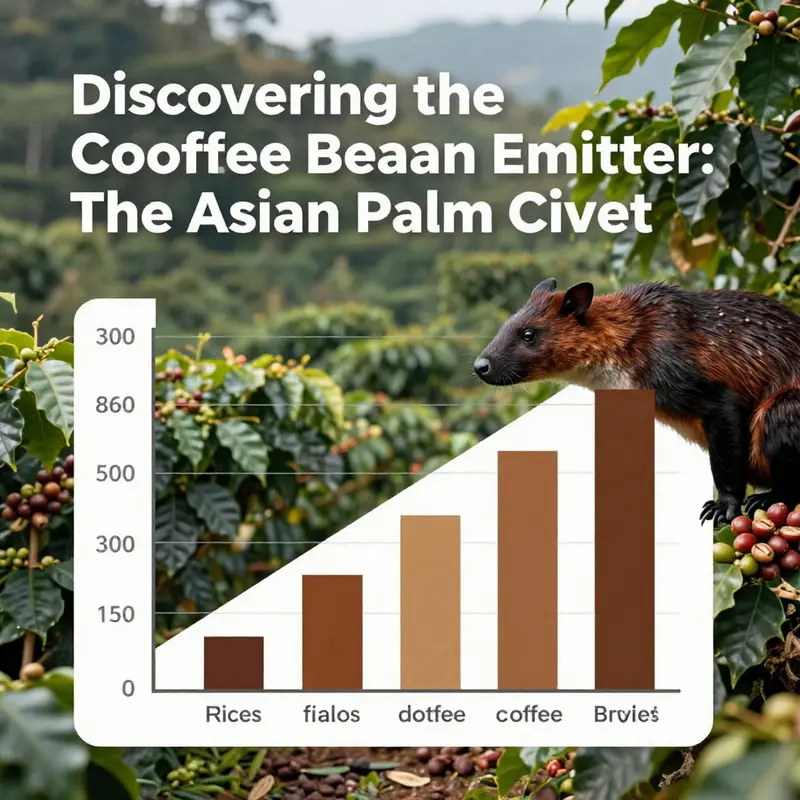
Curiosity about a coffee that begins not in a plantation but in the wild has long drawn economists, ecologists, and entrepreneurs into its orbit. The story begins with a small mammal—the Asian palm civet—selecting ripe cherries from the tree, then chewing and digesting parts of the fruit while largely passing the beans intact. What follows is a process that seems almost mythic: the beans are excreted, gathered, cleaned, roasted, and sold as one of the most expensive beverages in the world. The romance of the narrative—nature, rarity, and a touch of mystery—has done as much as taste to drive demand. Yet the economic realities of this market are far more intricate. They hinge on scarcity, storytelling, labor intensity, and a web of ethical questions that haunt every higher price and every whispered rumor of authenticity. The chapter that follows unpacks how those forces knit together a luxury coffee market that is as much about human choices as it is about beans and digestion.
At first glance, the economics of this exotic product seem simple: scarcity begets price, and price signals value. The global market for these beans has been described as a high-value niche, with prices that can run well above standard specialty coffees. The 2024 market, as reported in summarized analyses, was valued in the USD range labeled as an impressive figure, with projections into the next decade suggesting continued growth. The allure of exclusivity—producing a batch of beans that few can legally claim to possess—helps justify a price point often cited as over a hundred dollars per pound in premium markets. But behind that premium is a chain of labor, logistics, and risk that transforms a natural phenomenon into a commercial enterprise. The raw cherries are not grown for the sake of profit alone; they are harvested, transported, and processed in ways that require careful coordination across international borders, seasonal cycles, and fluctuating animal welfare concerns. The result is a product whose very value proposition rests on narrative as much as on scent, aroma, and mouthfeel.
The supply chain, in practice, straddles two very different worlds. On one end sits smallholder ecosystems in which civets roam freely or semi-wild, selecting ripened fruit in forested landscapes and returning beans to the ground or to improvised foraging sites. On the other end sits a growing, more industrialized sector where civets are kept in captivity within farms or enclosures designed to maximize continuous feed intake and bean recovery. The tension between wild-sourced and farmed production is more than a moral debate; it is a market risk. Wild-sourced supply is inherently episodic, dependent on ecological conditions and animal behavior, which can constrain volume and elevate price volatility. Farmed production, though more scalable, invites intense scrutiny over animal welfare and consumer trust. When a segment of the consumer base begins to prize “natural” or “wild-sourced” labeling, producers are compelled to invest in traceability, third-party audits, and transparent storytelling—each step adding cost but potentially boosting perceived authenticity and price. In many cases, the cost structure is shaped not only by labor but by the fear of reputational damage. A single report of mistreatment or mislabeling can erase months of premium pricing and invite regulatory attention.
The importance of ethics to the economics cannot be overstated. The elevated price and the attention it garners are both a boon and a burden. On the positive side, the market can support local economies where civet-processed beans are produced, offering niche employment, tourism interest, and opportunities for cooperatives that emphasize sustainable harvesting and humane rearing practices. On the negative side, ethical controversies can erode consumer confidence, destabilize supply, and invite activism that disrupts production or branding. Industry observers note that a growing segment of informed consumers seeks transparency about animal welfare, habitat preservation, and fair labor practices. When these concerns become salient, the economics can shift rapidly: prices may rise to compensate for compliance costs, or demand may contract as consumers pivot toward humane or sustainable alternatives. The net effect is a market that rewards not just rarity and flavor but responsibility and accountability. This dynamic creates a volatile but potentially constructive tension: the same premium that sustains the market can drive reform within it.
A crucial, often understated element in the pricing equation is the sensory branding surrounding the product. Scientific discussions about digestion and flavor sometimes spark debate, because flavor outcomes depend on a cascade of factors, including the civet’s selective feeding, the specific enzymes encountered in digestion, the subsequent cleaning and processing steps, and the roasting profile used by producers. Research evidence has shown measurable chemical changes in beans that traverse the civet’s digestive tract, such as shifts in lipid content and certain fatty acid methyl esters. Yet translating those chemical fingerprints into consistently superior taste after roasting remains contested. Some sensory anecdotes claim a smoother, less acidic profile, while others argue that responsible roasting and bean origin explain most perceived quality changes. What remains clear is that the market’s premium is as much about story as it is about taste. The tale of a bean that has endured a unique journey through an animal’s gut fascinates consumers and journalists alike, fueling branding that can command top prices and high demand even as scientific consensus on flavor remains nuanced.
To the extent that the public consumes this product as a luxury narrative rather than pure caffeine, the branding becomes a differentiator in a crowded coffee landscape. The premium is supported by scarcity, the perceived exoticism of the sourcing method, and the careful curation of supply channels that promise authenticity. Yet authenticity itself becomes a contested term. There is a growing chorus of voices that challenge the reliability of wild-sourced claims when production depends on captivity and forced-feeding regimens. In response, some producers shift toward third-party certification schemes, ethics-driven supply chains, and investment in habitat-based sourcing that minimizes harm while preserving the narrative of wild-like selection. This pivot carries its own costs, from audits to certifications to new farming practices, but it can stabilize demand by reassuring buyers who might otherwise retreat from the category. The economics here hinge on a delicate balance: maintaining the allure of a mysterious origin while ensuring practices that meet contemporary ethical standards. When done credibly, such balancing acts can widen a market’s appeal rather than contract it.
The macroeconomic impact on local communities also deserves attention. The high price and limited supply can translate into substantial, albeit uneven, economic benefits for regions where civets and their habitats exist. Small-scale entrepreneurs and cooperatives can gain from participation in the value chain, especially where they can demonstrate humane treatment of animals, sustainable forest management, or capacity for traceable production. The tourism angle—farm visits, educational tours, and immersive experiences around the production process—further channels revenue into rural economies. However, the upside depends on stable regulatory environments and the absence of exploitative practices. In places where governance is weak or enforcement is uneven, there is a risk that the economic upside becomes concentrated in a few hands while welfare and ecological costs mount. The result can be a local economy that benefits temporarily from a luxury export but remains vulnerable to reputational shocks, supply chain disruptions, and shifts in global taste. In other words, the same forces that can lift nearby communities can also expose them to the volatility of a fashion-driven market.
From a policy perspective, the market invites a conversation about sustainable sourcing, animal welfare, and fair-trade principles. Governments and industry bodies face a choice: encourage innovation and local development through transparency and certification, or risk regulatory crackdowns and consumer backlashes that could decimate a delicate economy. Some analysts argue that the most durable path forward combines robust welfare standards with traceability and third-party auditing. In practice, that might mean credible, independently verified records of animal welfare, habitat protection, and humane handling, paired with transparent pricing and producer support programs. Such a framework could preserve the premium while reducing the ethical tensions that currently shadow the market. The economic literature increasingly recognizes that luxury goods tied to ethical storytelling are moving toward sustainability as a core value proposition, not merely a secondary consideration. In this sense, the civet-processed bean market becomes a case study in how high-value food goods must navigate the moral economics of modern consumer culture.
Amid the debates about ethics and branding, it is essential to acknowledge a broader scientific context. Researchers have explored the chemistry of digestion in this system, noting shifts in lipid composition that may influence mouthfeel and perceived smoothness. They urge caution in assuming a direct causal link between these chemical signals and taste outcomes after roasting. The market’s premium, in many cases, remains anchored in the romance of origin, the allure of a wild narrative, and the prestige of owning something scarce and storied. Still, science provides a useful counterbalance: it helps separate marketing myth from measurable effect and invites producers to refine processes in humane, verifiable ways. The interplay of science, ethics, and branding will likely shape the next phase of growth for this niche, where consumer values and market incentives converge in a single, controversial bean.
For readers seeking a cross-disciplinary perspective on how narratives, ethics, and market forces interact in niche food sectors, note the link to a broader discussion on professional practice and goal setting in another domain: what-goal-setting-strategies-do-occupational-therapists-find-effective. The point is not that the two fields mirror each other, but that markets often reward clarity of purpose, ethical consistency, and transparent processes as much as, if not more than, raw scarcity. If a luxury product can be produced with verifiable humane practices and well-communicated origin stories, its market resilience may improve even as it bears closer scrutiny. The civet-processed bean market thus becomes a lens through which to view how contemporary consumers weigh scarcity, storytelling, and responsibility in equal measure.
Ultimately, the economic fate of this niche rests on the capacity of producers to deliver on promises—of rarity, of flavor, of humane treatment, and of ecological stewardship—while navigating the ever-shifting currents of taste and ethics. The premium price can endure only if the supply chain remains credible and the stories surrounding origin stay compelling. In that sense, the future of a truly luxury, animal-digested bean sits at the intersection of humane innovation, authentic storytelling, and disciplined market governance. The ledger is complicated, but that is precisely what sustains its enduring, if controversial, appeal.
External reading: For a scientific perspective on the chemical changes associated with digestion and their potential sensory implications, see the study referenced in scientific literature: https://www.nature.com/articles/s41598-025-96784-1
Final thoughts
Understanding the role of the Asian palm civet in coffee production opens up significant discussions about quality, ethics, and economics in the coffee market. As the popularity of kopi luwak continues, so does the necessity for responsible sourcing and humane treatment of the civets involved. With rising consumer awareness, businesses must navigate both ethical considerations and market demands to ensure sustainable practices within this unique segment of the coffee industry.