
Maintaining the freshness of coffee beans is crucial for any business that serves coffee, as the quality impacts customer experience and loyalty. Understanding how to properly store coffee beans can ensure that they retain their rich flavors and aromas, leading to perfect brews that entice repeat customers. Through this guide, we’ll delve into effective storage strategies, including the importance of airtight containers, ideal temperature and light conditions, and best practices for purchasing and grinding coffee beans. Each chapter focuses on actionable methods so you can achieve optimal freshness, making your coffee offerings stand out in the competitive market.
Locking in Freshness: Airtight Containers and Practical Sealing Techniques for Coffee Beans
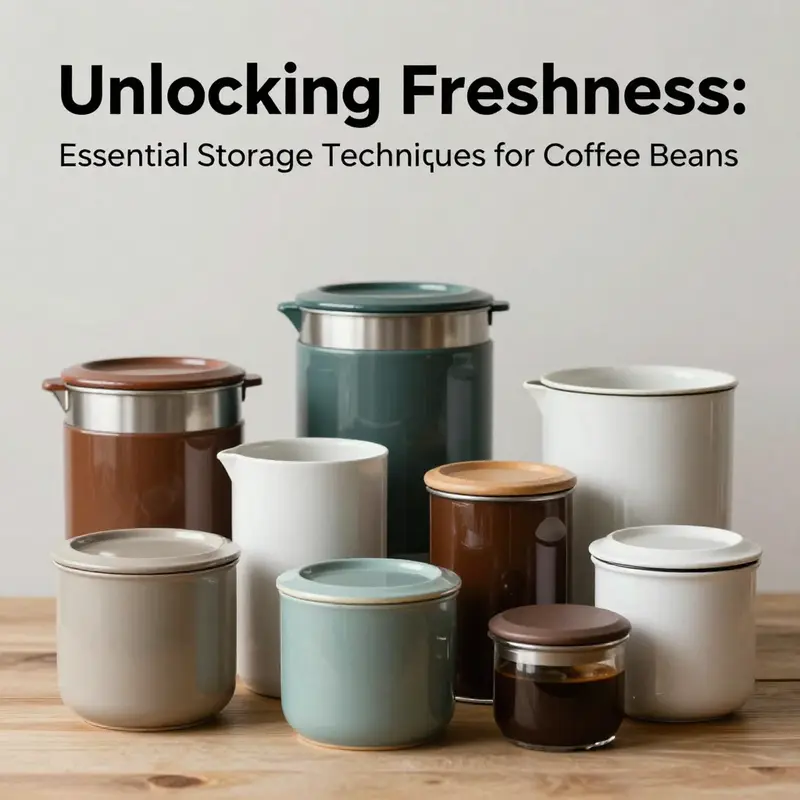
Airtight storage: choosing and using the right container
To keep coffee beans vibrant, you must control four enemies: oxygen, light, heat, and moisture. The most immediate and manageable of these is oxygen. Exposure to air begins chemical changes the moment a bag is opened. Oils and volatile aromatics evaporate or oxidize, leaving a flat cup. That reality makes an airtight container the single most important tool for preserving bean quality. This chapter explains how to choose the right storage vessel, how seals and materials work, and how to adopt simple routines that extend peak freshness for weeks.
Start with the seal. A good container forms a barrier that prevents air exchange between the interior and the surrounding room. Not all seals are equal. Look for lids with a continuous gasket, often made from silicone or rubber. Those compress against the lip to create a tight closure. Screw-top lids can be effective when paired with a well-fitted gasket. Snap-on lids can also work, provided the locking mechanism bites deeply into the rim and does not deform over time. When you press the lid and feel a slight suction or hear a soft pop on opening, you have a reliable seal. If a container opens or closes loosely, oxygen will travel in each time you use it, and freshness will slip away.
Material choice follows closely behind the seal. The container material affects light exposure, temperature stability, and how well smells are contained. Opaque or UV-protected materials block light that breaks down oils. Stainless steel and ceramic are excellent for blocking light and resisting odor transfer. High-quality dark or opaque plastics with UV inhibitors are also acceptable when they have a proper gasket. Glass jars look attractive, but clear glass exposes beans to light unless stored inside a closed cupboard. If you prefer glass, choose a dark-tinted jar or keep it inside a dark cabinet.
Size matters. Choose a container volume that matches your typical purchase and consumption. Too much empty headspace lets trapped oxygen linger. A nearly full container minimizes the air pocket above the beans. If you buy large bags but drink coffee slowly, divide the beans into smaller containers. Use one container for daily use and keep the rest sealed for longer storage. For most home drinkers, keeping only two to four weeks’ worth of beans in the opened canister yields the best results.
Inside features can improve performance. Some purpose-built containers include a one-way valve. This valve permits gases to escape when the coffee is degassing after roasting but prevents air from re-entering. For whole beans held past the first week after roast, a valve is helpful but not essential if the container already seals tightly and you transfer beans after the initial intensive degassing period. Containers with removable inner lids or nested sealing systems create extra layers of protection. Likewise, containers with wide mouths make scooping easier, but wide openings can lead to more air exchange each time you reach in. Balance convenience with the need to limit exposure.
Vacuuming the container is a debated technique. Removing air reduces oxidation, and vacuum pumps can reduce the volume of oxygen inside a jar. However, true vacuum storage is temporary in many consumer systems. Small mechanical pumps rarely create a perfect vacuum. They slow oxidation but do not stop it. Repeated pumping and opening can stress seals or introduce moisture. For most home users, a solid airtight container with minimal headspace and infrequent opening outperforms an overused pump system. If you use vacuuming, reserve it for long-term frozen portions rather than the daily canister.
Inert gas flushing is another method used to preserve beans. Gas such as nitrogen displaces oxygen inside the container. This approach works well commercially and for serious home enthusiasts with the proper equipment. It requires an oxygen-free fill or a short blast of inert gas before sealing. Without the gas, regular containers do well enough for short-term freshness; so inert flushing is a niche option for those storing large quantities.
Handling at transfer is critical. Many bags include a one-way valve and foil lining. They help during transport but are not perfect for long storage once opened. When you move beans into your chosen container, avoid exposing them to air for longer than necessary. Work quickly, scoop or pour the beans, and close the lid immediately. If the bag has been open a while and sat in a humid pantry, consider wiping the new container’s interior with a dry cloth before adding beans.
Minimize the headspace in the container every time you open it. If your container is not filled, you can temporarily reduce the volume of air above the beans by filling a small, inert pouch, or by placing a clean, dry barrier that conforms to the bean surface. Some people keep a small resealable pouch filled with cooked rice in the cupboard to absorb humidity, but that is more about moisture than oxygen. A practical habit is transferring only what you will use in the next week into a daily canister, then keeping the rest sealed in the original bag or a smaller airtight container.
If you freeze beans for long-term storage, do so in small portions. Freezing works by slowing down chemical reactions. It is effective for large quantities that would otherwise sit at room temperature for months. To do it the right way, portion the beans into individual airtight bags and remove as much air as possible before sealing. Freeze the portions quickly, and when you remove them to use, let them thaw at room temperature while still sealed. Opening a frozen bag invites condensation to form and can damage the beans. Only open once the beans reach room temperature.
Avoid the refrigerator. The constant door opening introduces moisture and external odors. Coffee beans are porous and will absorb smells from nearby foods. The refrigerator’s humidity leads to flavor deterioration and can promote clumping as oils acutely respond to moisture. A cool, dry cupboard away from heat sources is the better choice for day-to-day storage.
Daily access strategy matters. For the beans you use every day, set up a small canister near your brewing area. Keep it filled with a week’s worth of beans. Replenish it from your long-term container in a single transfer. This reduces the number of times you open the larger container. Each opening and closing allows some oxygen exchange. Reducing frequency preserves freshness. When you open the long-term container, transfer enough beans to the daily canister, seal the long-term container immediately, and store both in the same cool dark place.
Cleanliness prevents off-flavors. Residual oils and old grounds left inside a container can become stale and affect new beans. Clean your canisters periodically with warm water and mild soap. Dry completely before returning beans. Avoid harsh detergents or scented cleaners that can leave residues. For surfaces that accumulate oils, a brief soak and thorough rinsing will remove build-up. Do not place wooden or porous containers in the dishwasher, as they can warp and absorb smells.
Temperature control matters less than avoiding fluctuations. Extreme heat accelerates degradation, but normal room temperature within the recommended range is fine. More damaging than a warm room is a warm spot near an oven, coffee machine, or sunny window. Likewise, moving containers frequently between cool and warm positions causes repeated thermal stress. Choose a stable location and leave containers undisturbed.
When you open a container, develop a quick routine. Use clean, dry scoops to measure beans. Close the lid immediately. Avoid reaching in with wet or warm hands. If you grind daily, measure beans directly into your grinder’s hopper rather than repeatedly opening a canister to spoon beans each day. The fewer openings, the better.
Observe signs of stale beans. Fresh beans smell vibrant and complex, often floral, fruity, or caramel-like depending on roast and origin. Over time those volatile notes dissipate. Beans that smell flat, cardboard-like, or faintly musty have lost much of their freshness. Oils that look excessively shiny on the surface can indicate an older, oil-exuding bean, particularly with darker roasts. While a shiny bean is not necessarily bad, it suggests the roast is older and moving away from peak complexity.
Grind right before brewing. Whole beans preserve aromatics far better than grounds. Once ground, coffee exposes massive surface area to air and loses its peak within minutes to hours, depending on grind size. Keep beans whole until the moment you prepare a dose. If you must pre-grind for convenience, grind in small batches and store grounds in a tightly sealed, opaque container for no more than a day.
Practical choices that improve freshness are simple. Buy smaller quantities based on your consumption. Note the roast date and aim to finish beans within 30 to 45 days for the best balance of freshness and development. Keep beans in a cool, dark cupboard, not on a countertop near the stove. Use airtight containers with solid gaskets. Consider a daily canister for immediate use and keep the bulk sealed in a separate vessel.
Certain advanced techniques can further reduce oxygen exposure. For enthusiasts who roast at home or buy in large lots, nitrogen flushing and professional vacuum systems offer measurable benefits. They require equipment and care. For most home users, the gains are modest compared with good habits: sealing quickly, limiting openings, choosing an opaque, airtight container, and storing at stable, cool temperatures.
A final practical ritual ties everything together. When new beans arrive, note the roast date on the bag and decide how much you will use each week. Transfer a week’s portion into a small, airtight daily canister placed near your brewer. Put the remaining stock into an opaque, airtight container. Store both in the same cool, dark cupboard, away from the oven, sink, and sunlight. Grind only what you need for each brew. Clean the canisters monthly. Freeze only if you have more than you can reasonably consume within a month and follow the correct freezing and thawing steps.
By focusing on airtight seals, opaque materials, appropriate portioning, and disciplined handling, you can significantly extend the period during which beans deliver their full flavor. Small changes—using a well-sealed container, minimizing headspace, and reducing the number of times a container is opened—translate into noticeably better cups. These practices help preserve the delicate aromas that define great coffee, and they are straightforward to introduce into any routine.
For detailed, science-based guidance on coffee storage principles and technical recommendations, see this expert resource: https://baristahustle.com/coffee-storage-guide/.
Preserving Peak Aroma: Mastering Temperature, Light, and Airtight Storage for Fresh Coffee Beans
The journey from roasted bean to every cup rests on a fragile chain that begins long before the grinder turns. Coffee beans carry with them a universe of aromas and oils that begin to fade the moment they leave the roaster. The goal of storage is not to hide this decline but to slow it, to give the beans time to tell their story as vividly as possible when they finally meet hot water. The recipe for freshness is deceptively simple in its core ingredients: a sealed environment, a cool, stable temperature, a shield against light, and a respect for the beans as whole, unexposed seeds of flavor. When these elements come together, the result is a cup that tastes closer to what the roaster intended, with the nuanced qualities of origin, roast level, and brewing potential intact long after the bag is opened.
To understand why storage behaves this way, it helps to picture the bean as a delicate package of oils and volatile compounds. These components are highly reactive with air. Oxygen, even in tiny amounts, initiates oxidation, which dulls brightness, muting fruit notes and muting the very complexity that makes coffee unique. The more the beans breathe, the more their aromatic profile recedes. That is why the foundation of freshness is a truly airtight environment. An opaque, high-seal canister, or a vacuum-sealed jar, minimizes air exchange and keeps the beans in a more pristine state than a loose bag or a container with a weak seal. The principle is simple, yet its execution makes all the difference: seal tightly, keep the container closed when not in use, and resist the temptation to leave the beans in a place where air can mingle with them freely.
Yet sealing the beans is only half the battle. The other half is where you store them. A cool, dry, and stable environment matters as much as a perfect seal. Temperature fluctuations are a surprise antagonist of flavor. When beans experience heat, even moderate warmth, the oils inside them begin to move more quickly, increasing the rate of aging and accelerating the loss of aroma. The heart of the guidance is practical and precise: aim for a storage environment in a comfortable temperature range, generally between 10°C and 25°C (50°F to 77°F). In homes, this often translates to a pantry tucked away from ovens, stoves, or radiant heat, or a cupboard that remains unaffected by sunlight and steam. A space that remains consistently cool, away from heat sources, protects not just the beans but the consistency of your daily grind and brew. If a kitchen counter near the stove seems convenient, it is not a good friend to freshness. A few degrees can alter the equation over days and weeks, while the flavor compounds drift toward dullness.
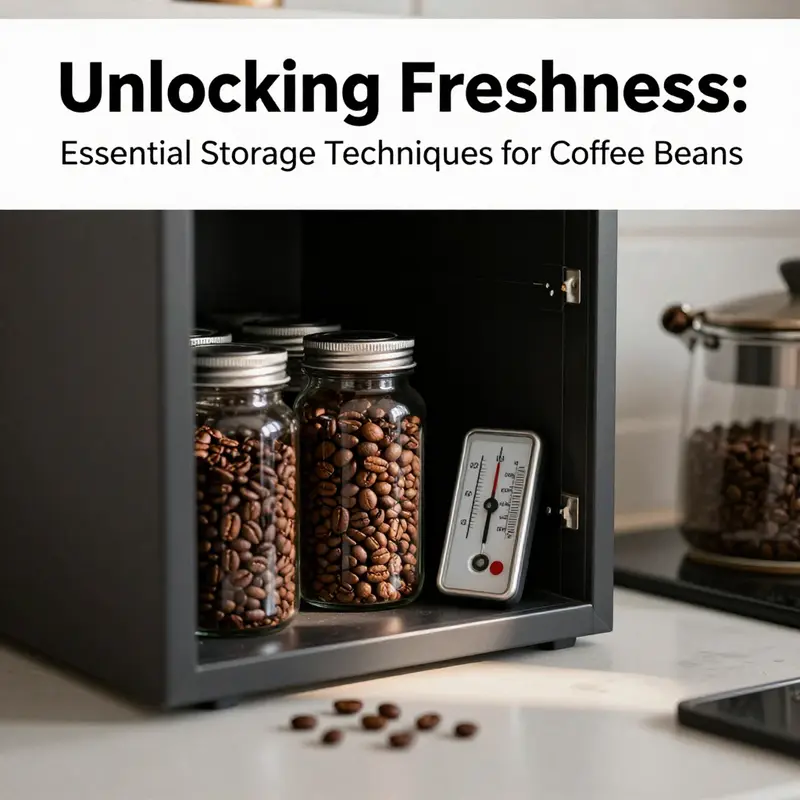
Light is another silent saboteur. The moment beans are exposed to light, especially direct sunlight or strong artificial lighting, their delicate aromatics begin to fracture. The sun’s ultraviolet rays, even when the beans are stored in a sealed container, can gradually coax changes that drift toward flatness and off-flavors. This is not merely a matter of aesthetics; light exposure alters the chemistry of the oils and can strip away the very brightness that makes a cup sing. The safeguard is straightforward: use an opaque container, or a dark-colored bag that blocks light, and store the container in a closed cabinet or a drawer where it is shielded from any source of overhead glare. In practice, many people find that a dense, matte-black canister tucked away in a kitchen cabinet keeps the beans dark and the flavors lively. The aim is not to create mystery around the beans, but to maintain a steady, predictable profile from bag to brew.
Moisture is the final agent that can derail even the best storage plan. Coffee beans are porous and can absorb humidity from the air. In damp environments, or in spaces where condensation can occur, the beans can take in moisture and odors, which leads to stale flavors and, in the worst cases, mold growth. The guiding principle here is simple: keep beans in a dry place and avoid areas where humidity lingers, such as near sinks, dishwashers, or damp basements. If your storage area becomes humid at certain times of the year, consider moving the container to a more ventilated, drier corner or using a container that minimizes exposure to air and moisture. The combination of a dry, stable environment and a well-sealed container acts like a shield of dryness around a fragile core of aromatic compounds.
Beyond the container and the ambient environment, there is another practical truth about freshness that shapes daily decisions. The level of freshness is directly tied to how quickly you use the coffee after roasting. The best flavor windows are narrow. While beans can remain technically usable for weeks, their peak flavor often sits roughly within a 30- to 45-day arc after roasting, depending on the roast level and bean type. Consequently, buying in smaller quantities that you can realistically use within a month aligns with the goal of enjoying coffee at something close to its peak. This approach minimizes the risk of tasting the effects of prolonged storage long after the roast date has passed. It is a quiet discipline, one that respects the biochemistry of the beans and the pleasures of a café-worthy cup at home.
A crucial companion practice to sealing and proper placement is the habit of grinding. The moment you grind coffee, you expose a vastly larger surface area to air. The potential for oxidation surges, and flavors begin to separate from their optimum expression at a surprisingly similar pace to the action of heat and light. Consequently, the roast to cup equation is strengthened by the adage: grind just before you brew. Whole beans retain their integrity longer; they resist the onslaught of oxygen more effectively, allowing the aromatic compounds to remain more lively within the protective shell of the bean. If you follow this rule, you maximize the outcomes of even a modest storage system. The contrast is striking when you have pre-ground coffee waiting in a jar on the counter, where every moment of exposure compounds and blunts the aroma. The difference is not purely scientific; it is tactile and sensorial—the moment you crack open a fresh bag, you notice the immediate impact of that last, careful step you took in the process.
The practical synthesis of these ideas—airtight containment, cool and dry storage, shielding from light, and grinding only when needed—creates a durable framework for preserving the character of your coffee. The science underlying each choice is a reminder that the beans are not merely raw material; they are a living archive of origin and roast that requires thoughtful stewardship. In homes where space, light, and heat are everyday variables, applying these principles becomes an intuitive practice. You begin to think in terms of stable microclimates in your kitchen, in the way you arrange shelves, the priority you assign to darkness, and how you react when the season changes and sunlight begins to shift different parts of the house.
There is also value in embracing a simple rhythm: use a two-container system. One container, a small, dedicated vessel for daily use, stays in your chosen cool, dark spot and is opened and closed with each brewing cycle. The second container holds the bulk of your stock, kept sealed and shielded from air and light. When you reach the end of the ready-to-brew supply, you refill the second container, and the cycle resets. This rhythm aligns with the broader strategy of minimizing air exposure and maintaining stable conditions while still ensuring you never reach for old, oxidized beans by accident. In practice, this rhythm reduces the risk of creeping staleness and preserves a balance between convenience and flavor fidelity.
The broader literature on storage echoes these themes with a consistent emphasis on three pillars: hermetically sealed containment, consistent and moderate temperatures, and blocking light. A well-regarded guide to storage outlines the truth that these elements work together; neglect one and the others cannot fully compensate. For most households, the pragmatic implementation involves selecting a container with a robust gasket or seal that discourages air exchange, placing it in a cupboard or pantry away from heat sources, and choosing a container material and finish that prevents light from penetrating. In this framework, moisture is managed by avoiding damp environments and by ensuring the container is not exposed to rapid humidity changes. The philosophy is not glamorous, but it has a clear, measurable effect on flavor, aroma, and the longevity of your coffee’s character.
An important nuance is the difference between short-term storage and long-term preservation. If you purchase a large quantity, you may be tempted to keep more beans on hand for convenience. The guidance, however, remains consistent: larger bags and longer holds increase the chances of flavor drift and risk of staling before you finish the bag. The practical implication is straightforward: buy in manageable quantities and enjoy the beans within a window where their aroma and body are most expressive. This approach also aligns with a sustainable mindset, reducing waste and encouraging a mindful pace of consumption that lets you savor the coffee rather than guarding it for a future that may never arrive.
The science of storage is complemented by a respectful approach to roasting dates. If you can track the roast date, you begin to calibrate expectations for aroma and flavor. A roast that is just days old will feel vibrant, while one that sits in storage for several weeks will reveal a shift in balance. By aligning your shopping with roast dates and by using fresh beans within the window of peak flavor, you maintain a sense of continuity that elevates the brewing routine into a small, daily ritual rather than a battle against time. The act of opening a bag and hearing that familiar crackle of freshness, the instant aroma of oils lifting from the beans, becomes a cue that the storage choices you made are working. In this way, storage is not a dry technicality; it is the quiet infrastructure that makes every cup a memory rather than a rumor of flavor.
If you ever encounter a situation where you must extend storage beyond the ideal window, the literature allows a cautious, calculated approach. Freezing can be used for long-term storage, but it is not without risk. The fundamental concern is condensation. When frozen beans are moved to room temperature, the surface moisture can form on the beans and alter flavors once they thaw. If freezing is unavoidable, partition the beans into small, airtight portions, ideally vacuum-sealed, and freeze them promptly. Thawing should occur at room temperature before opening the package, and even then the beans should be used in a relatively short horizon to prevent the damp, oft-unwanted notes of previous odors creeping in. While freezing can be a last resort, it is not a daily practice; the best outcomes come from a stable, cool, dark, and airtight home environment. The same logic applies when considering refrigeration. A fridge’s humidity and odors are a recipe for off-flavors; it is a climate that coffee beans were not designed to endure on a regular basis. If your life demands unconventional storage, the rule of thumb remains: discipline in portioning, swift freezing, and a careful thaw to minimize moisture contact.
The overarching message is both practical and philosophical. Fresh coffee is a living process, and storage is the quiet craft that preserves its vitality. The steps are simple, but the impact is meaningful. A sealed, opaque container in a cool, dry location, kept away from bright light and strong odors, makes the difference between a bright, nuanced cup and a dull, one-note brew. Grounding these concepts in daily practice—grinding only before brewing, buying in quantities you can finish within a month, and paying attention to the roast date—turns a routine storage decision into an act of stewardship. It is not merely about keeping beans fresh for as long as possible; it is about creating the conditions under which their best flavor can flourish when you finally grind and pour.
Finally, a reminder about the broader context of these recommendations: the guidance you adopt does not exist in a vacuum. It rests on careful observations of how coffee compounds react to air, light, heat, and moisture. It draws on a long tradition of home baristas and roasters who have learned that small, deliberate choices ripple outward, shaping every cup’s aroma, sweetness, and finish. The goal is not to micro-manage every variable but to establish a steady, reliable baseline that protects the integrity of your beans from roast to brew. When you can offer a bag a secure home, keep it shielded from light, and bring out the grinder only when you are ready to brew, you give yourself the best chance to taste the coffee as the roaster intended. The magic of a truly fresh cup begins with storage, a quiet but essential step that makes the difference between a fleeting scent and a lasting memory in your morning ritual.
External resource for deeper exploration: https://www.specialcoffee.com/blog/how-to-store-coffee-truths-legends-and-more
Preserve Peak Flavor: A Seamless Guide to Storing, Buying, and Grinding Coffee Beans for Ultimate Freshness
Fresh coffee is a story you drink before you sip. The aroma that fills a room, the snap of a bright acidity, the way a roasted bean flashes with chocolate and citrus—all of it hinges on how well you guard the beans from the forces that age them before their time. The journey from green to cup is brief and delicate. You do not control the roast date or the origin story of the bean, but you do control the conditions that keep that story untarnished from harvest to brewing. When you step into the cadence of buying, storing, and grinding with an eye for freshness, you become a steward of flavor, not a spectator waiting for aroma to fade. The core of freshness is deceptively simple: minimize exposure to air, light, heat, and moisture; buy with a roaster’s date in mind; and grind as close to the moment of brewing as possible. The discipline forms a quiet routine that yields a audibly clearer, more aromatic, and more complex cup without any dependence on gadgets or magical preservation tricks. It is less about chasing a perfect bag and more about respecting a chain of small decisions that, when aligned, deliver a coffee experience that tastes as vibrant as the day it was roasted.
To begin, consider the moment you open a bag of beans as a doorway—to either locking in flavor or letting it slip away. Oxygen is the relentless antagonist. Coffee beans are a perishable agricultural product, aging in flavor the moment they leave the roaster. The practical response is almost ceremonial in its simplicity: store the beans in an airtight, opaque container, and keep that container in a cool, dry place, shielded from light. A high-quality opaque canister or a vacuum-sealed jar serves as a fortress against oxidation. Loose bags, open jars, or anything with a weak seal invites air to mingle with the volatile compounds that carry the bean’s aroma and taste. The choice of container matters as much as the choice of bag you buy; an imperfect seal accelerates staling by hours, turning once-bright notes into muted echoes of their former selves.
Temperature matters, but not in the way many people assume. The ideal storage zone is a cool one—roughly in the range of 59 to 77 degrees Fahrenheit (15 to 25 degrees Celsius). It is not a place with reckless air conditioning or radiant heat from a stove or a sunny windowsill. The fridge is rarely a friend to whole beans; the humidity and the odors from adjacent foods can creep into the bag or container, imparting off-flavors. A freezer can be a last-resort ally for long-term storage, but it comes with its own caveats. If you must freeze beans, portion them into small, airtight quantities and seal them tight. When you thaw, do not open the bag until the beans have warmed to room temperature. This minimizes condensation and the risk that moisture and odors will invade the beans during the transition from freezer to shelf. For everyday use, though, the freezer should stay in reserve for quantities you will not touch within a month or two, not the beans you plan to drink this week.
Light is a thief of aroma. The vulnerable compounds in coffee beans—the very ones that perfume a cup with tropical fruit, floral notes, or dark chocolate—are easily degraded by UV rays and direct illumination. That is why a dark container or a closed cupboard is not just a nicety; it is a necessity. When light leaks in, it saps brightness and complexity over time, even if the beans are otherwise well-protected from air and heat. The practice is straightforward: keep beans in an opaque container, or at least in a dark space, away from windows and skylights. A cupboard that closes cleanly or a utility drawer can be a practical, low-cost solution that reliably shields aroma from the start of storage through a steady course of use.
Another principle from the store shelf to the kitchen counter is the rhythm of purchase. Freshness begins long before you crack the bag. The roasted bean’s peak flavor can land somewhere within 5 to 21 days after roasting, depending on origin and roast level. This window means the act of buying becomes almost as important as the act of brewing. Look for a roast date, not just a “best by” date, and prefer vendors who clearly disclose it. Smaller, reputation-driven roasters who flush bags with nitrogen during packaging provide an extra layer of protection against oxygen, extending the bean’s lively aroma. The practical upshot is clear: buy only what you will use and savor within about two to three weeks of roast. That cadence keeps you tasting the bean when it is most expressive and reduces the likelihood that you end up with a stash that has slipped past its prime before you finish it.
The question then becomes how to live with that rhythm without complicating daily routines. The answer lies in a simple, repeatable approach to storage that does not require specialized gear. An airtight container remains the centerpiece—one that seals tightly and blocks light. Common kitchen options like glass jars with rubber gaskets, stainless steel tins with good seals, or even carefully resealed bags can work as long as they deliver an effective seal and keep air out. It matters that plastic often fails to provide the dry, inert environment that keeps coffee fresh; glass and metal are preferable for their impermeability and their ability to be completely opaque. The moment you open a bag of beans, transfer them to a dedicated, opaque, airtight vessel. This single step anchors the whole system, creating a stable home where flavor can linger without surrendering to ambient conditions.
Yet even with a good container, the story does not end there. The lifecycle of flavor continues at the grinder. The surface area of coffee exposed to air expands dramatically once the beans are ground, turning minutes into hours of lost aroma and delicate notes. The most robust way to preserve freshness is to grind only what you will brew in the near term. A burr grinder is the preferred instrument here, delivering uniform particle size that yields a cleaner, more balanced extraction. A blade grinder, by contrast, can introduce uneven particles and heat as it chops, accelerating oxidation and uneven brewing. The principle is simple in theory, but its effect on the cup is unmistakable: grind right before brewing to capture the aromatic oils and volatile compounds that fragrance the cup. The once-bright aroma of a carefully stored bean can fade quickly if ground too soon, and grind quantity should match the exact amount you plan to brew. That means a small, intentional amount each time rather than a bulk grind that you remeasure for multiple cups.
In practice, this means building a routine around the coffee you purchase. If you buy on a weekly cadence, brew a fresh pot or two within a couple of weeks of the roast date. Store the beans properly; do not let them languish in the open air, and avoid exposing them to heat and light more than necessary. If you notice a loss of vibrancy in your cup, it is often a signal that the container is not performing as well as it could or that the beans have absorbed neighboring odors or humidity. The solution is usually to relocate the storage vessel away from heat sources and to swap in a fresh batch of beans from a trusted roaster with a visible roast date. Optimization, in this case, is less about chasing a single magic trick and more about aligning several small, reliable habits into a predictable rhythm that preserves aroma and flavor until the last sip.
And what about long-term storage, when you must extend the time between purchase and consumption? The guidance remains conservative. Freezing for longer-term storage can be an option, but it is not a cure-all. If used, it should be done with intention: portion the beans into small, airtight quantities so that you can minimize the number of times you open the package and disturb the seal. Each opening invites air and moisture back in, so a single, properly executed freezing session followed by room-temperature thawing is preferable to repeated cycles of frost and thaw. When you do thaw, allow the beans to come to ambient temperature before opening the container to avoid condensation that could dampen flavor. For everyday home use, however, the recommended practice is to keep roasted beans in a cool, dark cupboard and to rely on the small, efficient windows of freshness offered by the two or three weeks after roasting. This approach aligns with the intuitive sense that the best coffee is the coffee you drink while its aromatic spectrum is most alive, rather than the coffee that spends its life gathering dust until the next weekend’s tasting is forgotten.
An additional practical note supports the broader aim of preserving freshness without complicating life: choose packaging that minimizes air exposure in transit. Nitrogen-flushed bags, one-way valves that let gases escape but keep air out, and properly sealed bags all contribute to maintaining quality through the journey from roaster to grinder. The emphasis on packaging is not merely a marketing tale; it is a physical reality about how beans behave after roasting. In everyday households, the objective remains to reproduce a controlled micro-environment that counteracts the external agitators: air, light, moisture, and heat. When you combine careful buying with disciplined storage and disciplined grinding, you create a culinary signal that is consistent, reliable, and satisfying. The perfume of the bean, the brightness of its acidity, and the depth of its body can remain more in step with the day of roast than with the day you finally grind it, provided you follow the path of careful handling from the moment you break the seal.
The arc of freshness, then, is less a mystery than a choreography. It is a sequence of mindful decisions: verify a roast date, select a bag that preserves aroma, transfer promptly to an airtight, opaque container, store away from heat and light, and grind only what you need just before brewing. If you treat each step as a deliberate, practiced habit, you will not only maximize the flavor you extract from each bean but also heighten your enjoyment of coffee as a daily ritual. The coffee in your cup becomes a narrative of care—the grainy, aromatic preface you smelled in the bag is the same essence that lands on your tongue when you brew. This is not a complicated science lesson; it is a practical philosophy about treating coffee as a living product that deserves respect from origin to cup. When you embrace this approach, you will find that even modest equipment—an airtight container, a good burr grinder, and a routine anchored to roast dates—can yield a profoundly elevated, everyday coffee experience. The payoff is simple: brighter aroma, clearer flavors, and a cup that betrays how well you have cared for it. In the end, freshness is not merely about a moment in time but about a practice that keeps that moment alive, cup after cup.
External resource for further depth on freshness windows and storage science can be found here: https://www.seriouseats.com/coffee-bean-storage-guide
Final thoughts
Implementing proper storage techniques for coffee beans is critical to maintaining their freshness and quality. By utilizing airtight containers, ensuring optimal temperature and light conditions, and adhering to best practices for purchasing and grinding, business owners can ensure that their coffee remains a delightful experience for customers. Freshly brewed coffee not only enhances satisfaction but also builds customer loyalty, ultimately contributing to the success of your coffee business.