

As a business owner, the quality of your coffee can significantly impact customer satisfaction and your bottom line. Understanding whether coffee beans can go bad, how to recognize spoilage, and implementing proper storage methods are crucial for maintaining freshness. This guide will help you navigate the nuances of coffee bean longevity and safety, ensuring you serve consistently flavorful coffee to your customers.
Beyond Freshness: How Coffee Beans Evolve Over Time and What It Means for Flavor and Safety
A coffee bean is a living record of its journey from green seed to roasted profile, and that journey continues long after the last roast bell has rung. When people ask whether coffee beans go bad, they often mean two things at once: will this batch hurt me if I brew it now? and, more intuitively, will it still taste good? The honest answer is nuanced: beans don’t typically become dangerous in the way perishable foods do; they’re not a thriving playground for dangerous microbes under normal home conditions. What changes is flavor, aroma, and a sense of brightness—the very qualities that make a cup feel alive. The transformation is governed by a handful of physics and chemistry that unfold at different speeds, depending on how we store them and how old they are relative to their roast date. Understanding this helps coffee lovers decide how to treat their beans, whether they’re still worth grinding, and how to coax the best possible cup from what remains in the bag.
The core idea is simple: once roasted, coffee beans carry a finite amount of volatile oils and aromatic compounds that give each roast its character. Exposure to air, moisture, heat, and light inexorably erodes those compounds. Oxygen begins the oxidative dance, moisture invites trouble in the form of mold or accelerated chemical breakdown, heat speeds everything up, and light accelerates the photochemical steps that degrade flavor. Taken together, these forces push the beans away from their peak, even if they stay physically safe to drink. The best-before date on a bag is a recommendation for flavor, not a safety line. If kept properly, the beans won’t suddenly become dangerous; they’ll simply taste flatter, less nuanced, and less expressive of the origin notes they might once carried. In practical terms, most coffees reach a meaningful peak within a narrow window after roasting, and that window narrows with time and with less-than-ideal storage. The way we store beans, and the time that has passed since roasting, become the deciding factors in whether a cup is delightfully bright or merely serviceable.
The degradation process is driven by four main factors, each contributing in its own tempo to the final cup. Oxygen acts like a slow, persistent thief, gradually oxidizing compounds that once sang with complexity. Moisture can turn a dry, crisp bean into a vessel for mold or a muddy, damp bag that invites chemical changes you don’t want in a cup. Heat acts as a turbocharger for all the unwanted changes, accelerating both aroma loss and the breakdown of delicate lipids. Light, particularly UV light, can carve away flavor compounds and alter the chemistry of the roast through photochemical reactions. These four elements—oxygen, moisture, heat, and light—shape the long arc of a bean’s life after roasting, and their combined effect determines whether a bag from last month still deserves a spot on your counter or belongs in the trash can.
The practical upshot for everyday coffee drinkers is clear: flavor, not safety, is the guiding criterion. The peak flavor window for most whole beans lies roughly between two and four weeks after roasting. That’s the period when brightness, sweetness, and nuance tend to be most pronounced, when a cup carries the full memory of the origin, roast level, and processing method. After six to eight weeks, if the beans have remained sheltered from heat, light, and moisture, they start to show their age. They lose sparkle, their sweetness recedes, and the cup can become flat, even dull. It’s still drinkable, and in some contexts it can be useful—for example, in experiments with brewing methods where the emphasis is not on delicate tasting notes but on texture or body. Yet the overall sensory experience will be diminished, and the more fragile or prized flavor notes will recede or vanish.
To say a bean has gone bad is therefore a shorthand. It’s not that the beans suddenly sprout salmonella or pathogenic molds in a home kitchen; rather, they drift away from the flavor profile you expected. However, spoilage is not purely theoretical. Improper storage creates real safety risks, chiefly mold growth and mycotoxins. When beans become damp or are stored in a humid environment, mold can flourish. Some molds produce aflatoxins, a family of toxins that can be dangerous if ingested in significant amounts. Visible signs of mold—white, fuzzy spots or a musty, unusual odor—are clear warnings to discard. In addition, oxidation of the bean’s natural oils can produce a rancid aroma—think old paint, nuts that have gone stale, or that sharp, sour edge that signals the breakdown of fats. In large quantities, the stomach may react poorly to these compounds, resulting in discomfort such as nausea or GI distress if consumed in excess. These are not risks to be ignored, even if they are not as dramatic as a sudden spoilage in a fresh dairy product. The bottom line is that safety follows storage, not the other way around: proper storage minimizes risk, but the flavor story remains the dominant one for a home brewer.
For the casual coffee drinker, the signs of a bean that has moved beyond its prime are more sensory than safety-driven. Smell is the most immediate barometer. A sour, musty, earthy, or rancid odor signals that the aromatic compound matrix has shifted, often because oxidation and moisture have taken hold. Appearance can corroborate the sense of smell. If you notice visible mold—white, green, or black fuzz—or a glossy, oily sheen that seems excessive, these are flags that the bean’s chemistry has tipped toward a less favorable state. Taste is the final arbiter: if the brewed cup tastes flat, sour, bitter in an unbalanced way, or simply “off,” that’s a strong cue to retire the batch. Of course, taste varies with brewing method, water quality, and grind size, but the more disagreeable the flavor, the more likely it is that the beans have stepped away from their peak and into a less desirable territory.
The science behind staling has a bright, practical application when we plan our storage and use. Oxidation, the slow enemy, is most evident in the gradual loss of volatiles. The oils that carry aroma are particularly sensitive to air, and once oxygen infiltrates the bag, a cascade begins. Heat accelerates this process; a bean kept near the stove, or in a warm cabinet, will lose its brightness far faster than one tucked into a cool, dark corner. Light compounds that should stay locked within the bean’s cells are also degraded by exposure to sun or bright artificial light. Water vapor, even in small amounts, can tip the balance toward microbial growth or seed accelerated chemical changes that dull flavor. The net effect is not immediate ruin but a creeping decline that compounds over weeks and months. The benefit of understanding this dynamic is simple: you can fight back with careful handling, and you can sometimes salvage flavor that would otherwise be dismissed.
The optimistic counterpoint to the decline is a pragmatic acknowledgment of what remains usable. The literature on flavor retention suggests that even past peak freshness, a bean can retain a substantial portion of its original profile if environmental conditions have been controlled. It’s not a license to stash beans indefinitely, but it is a reminder that aging beans can still contribute to a good cup if you align your technique with the bean’s condition. In other words, the clock does not stop at best before; it slows and the flavor evolves, sometimes in pleasant ways when you adjust your approach.
Storage, the weaver of outcomes, is the single most controllable variable in this equation. To maximize shelf life and minimize the chance of mold or spurious aromas creeping in, the principle is straightforward and repeatable: keep the beans in an airtight container that blocks light; store them in a cool, dark place away from heat sources and moisture; avoid refrigeration for everyday storage, and consider freezing only for long-term storage with proper precautions. An opaque, airtight vessel is the ideal home for beans once the bag is opened, ideally one that minimizes air exchange but doesn’t trap moisture. Vacuum-sealed containers, or resealable bags with one-way valves, can dramatically slow the rate at which air infiltrates the beans. The goal is to limit exposure to oxygen and light while avoiding heat that accelerates degradation. If you choose to freeze, you must do so in a vacuum-sealed or airtight container, and you should plan to use the beans promptly after thawing to prevent condensation from forming on the surface of the beans when they return to room temperature. Refreezing is generally discouraged because repeated freeze-thaw cycles can compromise flavor and even invite moisture migration that invites staleness or crumbs about the grinder and in the brew.
The question of refrigeration is particularly important because many households worry that cold storage might preserve flavor longer. The general guidance is the opposite: refrigeration invites moisture exchange and odor migration. The beans are porous; they will absorb the smells from the fridge, and the humidity in a refrigerator can speed up the onset of mold if any moisture finds its way into the container. If you have a surplus of beans and you’re not going to use them within a month or two, freezing can be workable—but it requires careful packaging and a plan to minimize repeated exposure to temperature changes. The key is to prevent condensation; condensation is a direct invitation to staleness and, in worst cases, to mold growth. Once removed from the freezer, let the beans return to room temperature in their sealed container before opening; warmth and humidity can accelerate the migration of moisture into the beans and degrade the surface oils, even if the bag remains sealed during thaw.
In sum, coffee beans do not become unsafe overnight, but they do lose their capacity to deliver the same sensory joy as when they were freshly roasted. The best approach for most home brewers is to align consumption with the roast date and to practice disciplined storage: an opaque, airtight container kept in a cool, dark place; minimal exposure to heat and light; and a realistic plan for usage that minimizes long storage times. The exact point at which a particular bag becomes suboptimal will depend on how it’s stored and how old the roast is, but the guiding principle remains the same: flavor is a finite resource, not an inexhaustible one. When the aroma has faded and the cup has lost its brightness, it’s time to move on—and to celebrate the next roast with fresh beans, brewed with attention to temperature, grind, and extraction, which together help recover the best possible expression of the coffee in your cup.
If you’re curious to deepen your understanding of storage nuances and the practicalities of maximizing freshness beyond the bag’s printed guidance, there are comprehensive guides that discuss the mechanics of oxygen, moisture, heat, and light-specific strategies in more technical terms. These resources offer a framework for optimizing your setup, whether you’re a casual drinker or a home roaster seeking to extend the life of each batch without compromising flavor. The core takeaway remains unambiguous: the relationship between time, environment, and taste is intimate, and the most reliable path to consistent quality is mindful handling.
As you move through the coffee you’ve stored, you’ll begin to notice little differences in aroma and mouthfeel as the weeks pass. Some beans will surprise you with a lingering sweetness that persists beyond the typical peak, while others may seem to lose their spark faster. The variability is not a failure of the bean but a reflection of the intricate chemistry that governs aroma and flavor. The best practice, then, is to embrace a routine: roast with your needs in mind, store with a strategy, and brew with an eye toward balance and extraction. If a batch tastes dull yet not rancid or moldy, you can often coax a more appealing cup by adjusting the grind size, water temperature, and brew time. Sometimes a darker roast that lacks delicate fruit notes simply benefits from a longer extraction and a slightly coarser grind, while a brighter roast might respond to a shorter brew under controlled temperature. These adjustments do not restore an old bean to its original glory, but they can reveal a different, still enjoyable aspect of its evolving character. The idea is not to chase perfection in every bag, but to cultivate a thoughtful relationship with the beans that you buy and use, honoring the life they’ve lived from green seed through roast and into your cup.
In closing, the question of whether coffee beans go bad is more a question of flavor life than safety. The safeguards are well within reach: store properly, keep exposure to air, light, heat, and moisture to a minimum, and be attentive to how the beans smell, look, and taste. The risk from spoilage is real but avoidable, and the reward for careful handling is measurable—a cup that keeps a trace of its origin, roast, and the skill of your own process. The science is on your side, but so is practical experience. With patience, you’ll learn to read your beans as you read a favorite book: you will notice the subtler notes wane, the background flavors fade, and the finish become a little more austere. Yet you’ll still be able to brew something comforting and satisfying, even if it’s not quite the same vivid celebration of flavor as your first cup of a fresh batch. The flavor story has its arc; your stewardship determines how gracefully it travels from roast to cup, and how gracefully it ages into the next opportunity for discovery.
Spoilage Signals: Reading Freshness in Coffee Beans and What It Means for Flavor and Safety
Coffee beans do not suddenly become dangerous the moment a best-before date passes; spoilage is more about flavor drift and gradual risk than an instant safety cutoff. The practical concern is how storage, moisture, and time shape aroma, oils, and microbial risk. When you view a bag of beans through this lens, flavor becomes the guide, not a binary safe/unsafe label.
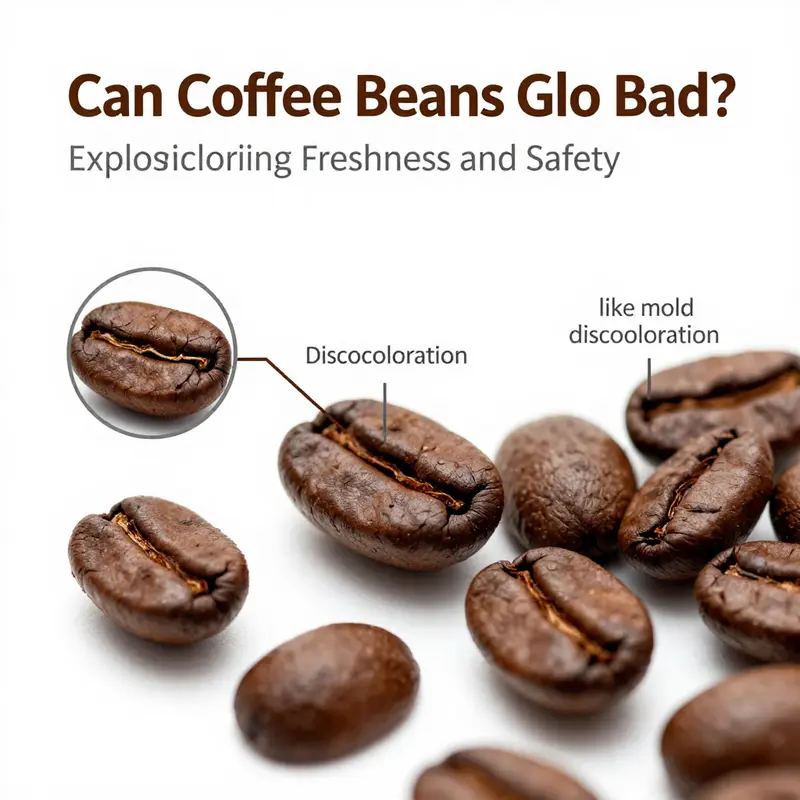
Key signals to watch for fall into three groups: aroma, appearance, and texture. Aroma: a musty, sour, or rancid scent that dominates the cup usually signals diminished quality or spoilage; if the smell feels off, trust your nose and consider discarding. Appearance: visible mold (white, green, or black spots), darkening discolorations, or a damp, oil-coated surface that seems unusually moist are red flags. Texture: beans that feel soft, spongy, or unusually oily after storage can indicate moisture exposure and potential spoilage.
Storage and handling tips to maximize freshness are surprisingly consistent. Store beans airtight in a cool, dark place away from heat and direct light; avoid refrigerating, which can introduce moisture and odors. If you buy in bulk, portion the beans and freeze the extra if you won’t use them within a few weeks, using airtight, moisture-proof containers. When you’re ready to use frozen beans, let them reach room temperature in their container before opening to minimize condensation; grind as close to brewing as possible to preserve aromatic compounds.
If there is doubt, err on the side of caution: mold, off-smells, or visible signs of spoilage are strong reasons to discard. In many cases, old beans can still brew a decent cup, but flavor will be faded and there is a higher risk of a sour or flat profile. The safety focus is simply to avoid moisture intrusion and mold growth, which are the clearest indicators of compromised beans.
Bottom line: treat coffee beans as a perishable ingredient in terms of flavor and freshness. With proper storage, mindful buying, and sensory checks, you can minimize waste while keeping safety in view.
Preserving Aroma: Practical Storage Strategies to Keep Coffee Beans Fresh and Flavorful
Coffee beans hold a nuanced secret—each bean carries a cache of aroma compounds and oils that define the brew’s character. The moment those beans leave the roaster, they begin a slow, unrelenting change as they sit exposed to air, light, heat, and moisture. The question of whether coffee beans go bad is better framed as, Do they stay fresh and flavorful, or do they lose their magic over time? The practical answer rests not on a safety failure but on the quality of storage and the clock of time. The industry often marks a best‑before date, but for coffee, that label signals a peak flavor window rather than a safety cutoff. If kept under ideal conditions, beans remain safe to use beyond that date, yet the aroma and brightness that characterize a truly great cup fade with time. The most important takeaway is a simple one: flavor degrades long before spoilage becomes a concern, and the way we store beans determines just how gracefully that decline unfolds. In many kitchens, a properly sealed container tucked away in a cool, dark corner can preserve the midrange brightness for weeks, while careless exposure can turn a vibrant roast into something flat and unremarkable. The aim, then, is not to defy the clock but to slow it with mindful practices that honor the beans’ original intention: to deliver a spectrum of flavors that seem to dance rather than merely exist in a cup.
The science behind flavor loss is as practical as it is invisible. Coffee’s charm comes from volatile aromatic compounds and the delicate oils that float just beneath the surface of each bean. When the bag is opened and air invades, oxidation begins. This is a gradual process and the rate varies with temperature, light, and humidity. Within about three months, many drinkers report a noticeable decline in vibrancy. The fruit-toned brightness may dull, the chocolate notes flatten, and the overall cup can edge toward a bland or stale profile. It is not that the beans suddenly become unsafe; it’s that they lose their aromatic orchestra. The ritual of grinding and brewing a week after roasting amplifies the impact of this loss, while a few extra days’ delay can magnify the dullness. A clever approach to storage can extend this flavor envelope, but the clock remains a steady companion. The more you protect your beans from oxygen, light, heat, and moisture, the longer that vibrant chorus of flavors can perform in the cup. And that is the core of preventing coffee beans from going bad in the practical sense: preserve the essence before the components degrade.
Yet there is a distinct safety dimension that some coffee lovers overlook. If moisture seeps in and the environment becomes humid, mold can take root. This is more than an aesthetic concern; certain molds can produce toxins that are not neutralized by brewing heat. White, fuzzy spots, a musty odor, or an unmistakable moldy impression are clear signals to discard the beans. The risk becomes more acute when beans are stored in places that invite dampness or where containers are not truly airtight. Rancidity, a term many associate with old nuts or stale snacks, is another sign of improper storage. The natural oils in coffee beans oxidize when repeatedly exposed to air and light. The resulting aroma can shift toward a nutty, slightly acrid scent that some compare to old paint or shellac. A strong, unpleasant aftertaste—sour, bitter, or off—often accompanies this stage, and although it may be tolerated in a pinch, it is a reliable cue to retire the batch. In short, while coffee beans rarely carry a direct safety hazard when stored poorly, the combination of heat, light, moisture, and oxygen can transform the brewing experience into something disagreeable and, in some cases, uncomfortable for the stomach. The distinction between safety and sensory quality matters here: safe does not always mean satisfying, especially when the goal is a bright, nuanced cup that reflects the original roast.
With this understanding of the competing imperatives—safety versus flavor—the practical challenge becomes how to steward beans through time. The first principle is the most intuitive: seal tightly. Oxygen is the principal antagonist because it drives oxidation and accelerates loss of aroma. A truly airtight environment minimizes the rate at which beans shed their volatile compounds. The simplest method is to transfer beans to a dedicated airtight jar after opening, ensuring the lid is firmly closed each time you reach for a scoop. If you prefer the original packaging for its seal, you can reseal it with a bag clip or a one-way valve container designed for coffee storage. These valves allow gases to escape while keeping air from entering, a small but meaningful difference that helps maintain freshness. The central idea is not merely to close a lid but to reduce the beans’ exposure to air to a level that slows the oxidation process. In combination with a dark, opaque container, the jar remains a frontline defense against light-driven flavor degradation. Light is the second stealthy saboteur. Ultraviolet rays accelerate oil oxidation and accelerate flavor loss. An ideal storage home uses a cool, dark cabinet away from direct sunlight, stoves, or ovens. The best positions are inward-facing shelves in pantries or cupboards, where heat sources are less likely to raise the temperature of the container. A simple rule of thumb guides most home kitchens: avoid warmth. The more stable the temperature, the slower the flavor decay. This is not about keeping beans at a perfectly chilled temperature; it is about resisting the heat that saps oils and accelerates staleness. The combination of darkness and coolness buys time for the beans to retain their aromatic profile and maintain a lively aroma when ground and brewed.
A common myth equals better safety with cold storage, particularly refrigeration or freezing. In practice, the kitchen reality is more nuanced. Refrigeration invites condensation and moisture introduction every time you remove the container from the cold environment. Condensation can cause the beans to absorb ambient moisture, promoting mold growth and potentially dulling the flavor. Plus, refrigerators are saturated with various odors from other foods, and coffee can pick up those aromas, muddying its natural flavors. The result is a cup that tastes off even if the beans themselves have not spoiled in the strict sense. Freezing, however, becomes a different matter. If you are storing beans for the long term and you can divide them into small portions and seal them tightly in airtight, moisture-proof packaging, freezing can be a practical option. The key is to minimize air exposure before freezing, thus preventing ice crystal formation that can fracture the cell structure and accelerate staling once thawed. Freeze in portions you can use within a limited time and avoid repeated cycles of thawing and refreezing. When you pull a portion from the freezer, let it thaw in its sealed bag at room temperature to prevent condensation from forming on the beans. The general philosophy is this: freezing is a hedge against waste, not a default best practice. If you plan to consume the beans within a few weeks of roasting, freezing is unnecessary. For most home roasters and coffee enthusiasts who brew daily, the recommended horizon remains a few weeks to a couple of months. This aligns with the widely cited notion that optimal flavor is often achieved within one to two months after roasting.
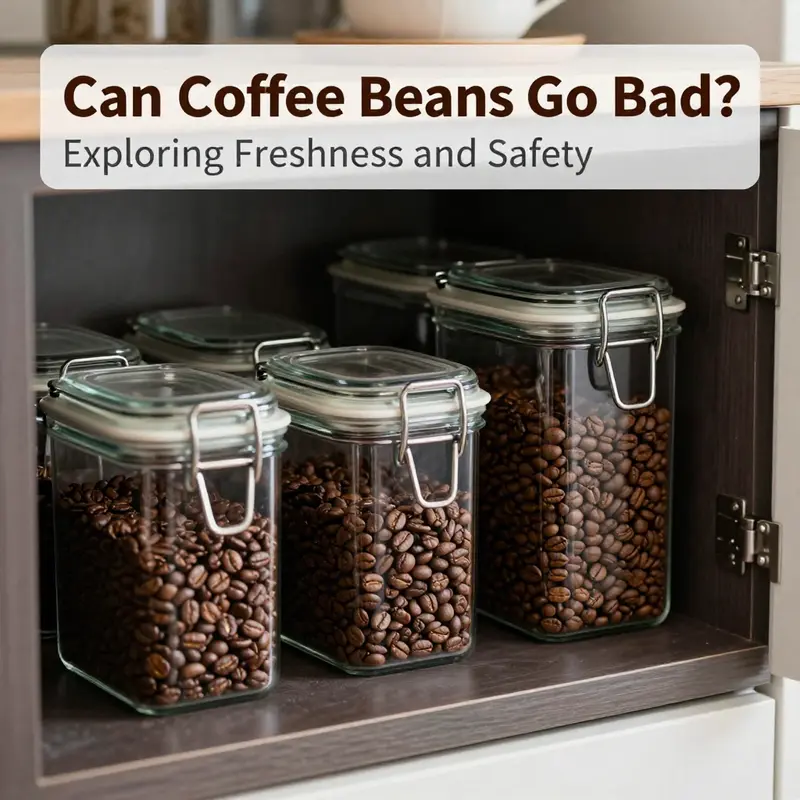
Another practical pillar is the choice of containers. Airtight, opaque containers are preferable to transparent jars that expose beans to light. The college of storage wisdom also favors containers with wide mouths for easy scooping and minimal exposure during transfer. Vacuum-sealed options present a higher level of air control and can materially extend freshness by removing air before sealing. A one-way valve on the bag itself can also be effective, particularly for those who prefer to keep the bag attached to its original design. The overarching ambition is to minimize the three lights: air, light, and heat, each of which accelerates flavor loss. When combined with an overall discipline of buying less quantity more frequently, these steps synergize to keep beans both safe and flavorful for longer periods. The discussion of quantity is not merely about economics; it is about quality maintenance. Smaller purchases ensure that you do not accumulate beans that will sit for months, gradually losing their aromatic life. This approach dovetails with the roast date, which offers a more precise indicator of when the beans were roasted than a generic “best before” line. Roast dates provide a clearer signal of freshness and help avoid the cognitive trap of assuming a date is a reliable promise of flavor. In practice, a shopper who prioritizes roast date over best-before is more likely to enjoy a livelier cup.
Grinding is another lever in the storage equation. Ground coffee exposes a far larger surface area to air than whole beans, which accelerates flavor loss dramatically. For this reason, the best practice is to grind only what you plan to brew within a short span. A few minutes of grinding can reduce the potential life of a batch by days or even weeks, depending on the volume and the storage conditions. The ritual of grinding just before brew is not merely a matter of convenience; it is a deliberate step that preserves the oils, aromas, and particles that contribute to mouthfeel and flavor. The beans should be kept whole until the moment of use, then ground with purpose and precision to preserve the cup’s aromatic integrity. This makes the brewing process more responsive to the bean’s character, bringing out the intended flavor notes rather than letting them escape before they have a chance to be tasted.
Of course, even with the best storage practices, signs will emerge that indicate a coffee bean’s time in the sun has passed. The sensory cues—smell, appearance, and taste—are the ultimate grammar of freshness. A sour or musty odor is a clear warning; it signals that the beans have absorbed moisture or have begun to degrade. An oily, shiny surface can indicate severe oxidation and potential rancidity, especially if the smell shifts toward a previously mentioned collocation of nutty but unpleasant aromas. Visible mold is a red flag that the product should be discarded. Discoloration that seems unusual or mold-like is another signal that the beans have deviated from their normal appearance. In tasting, a pronounced sourness, bitterness, or off-flavor that persists beyond a single sip is another red flag. When any of these cues appear, it is prudent to err on the side of caution and replace the beans rather than risk a disappointing cup or, more importantly, a digestive discomfort. The guidance is practical and conservative: if the coffee smells wrong, looks moldy, or tastes off, throw it out. This advice protects both the sensory experience and overall health.
The practical takeaway is a simple rhythm of care that aligns with the realities of how coffee behaves after roasting. Keep beans in airtight, opaque containers to minimize oxygen exposure. Store them in a cool, dark place away from heat sources and direct light. Avoid refrigerating; freezing is optional and most beneficial only for long-term storage of large quantities that would otherwise go unused within a reasonable time frame. Buy fresh in smaller quantities, guided by roast dates rather than a generic best-before window. Do not grind until you are ready to brew, preserving the fragile compounds that define aroma and flavor. These steps form a coherent strategy that reduces waste, preserves quality, and keeps the cafe-quality character of coffee accessible in a home kitchen. Proper storage is, in essence, a careful calibration of environment and habit that preserves the beans’ potential rather than merely delaying their decline. The science behind this approach is straightforward: limit exposure to air, light, and heat; minimize moisture; and respect the natural timing of flavor development as the roast settles. When these principles are applied consistently, coffee beans retain their integrity far longer than a casual approach would suggest. The result is a cup that tastes fresh, vibrant, and alive with the memory of the roast—an experience closer to the barista’s intention than to the old, stale cup many people associate with less mindful storage.
What then should a reader take away as a practical creed for daily use? First, treat the best-before date as a flavor guide, not a safety deadline. If beans have been stored properly, they can still be safe to drink after that date, albeit with noticeably diminished aromatics. Second, cultivate a routine that emphasizes airtight storage, darkness, and coolness. A simple, sturdy jar with a tight seal that is kept out of direct sunlight can do the heavy lifting. Third, respect the value of buying smaller quantities that you can consume within the window of peak flavor. This reduces the pressure to use beans at the tail end of their shelf life. Fourth, keep the beans whole until you are ready to brew; grind only what you need for the moment to protect the delicate compounds released during grinding and extraction. Fifth, be honest with your senses. If a smell is sour or musty, or if the coffee tastes flat or off, do not press forward with a mental workaround. Your palate is the best judge of whether a batch has run its course. These steps do not demand perfection or a laboratory, just a practical, repeatable routine that respects the chemistry of flavor and the realities of home storage. And in embracing this routine, coffee becomes less a game of chance and more a predictable, repeatable pleasure.
For readers who want a concise practical resource that distills this narrative into actionable habits, the emphasis remains unmistakably on sealing, darkness, and timing. The stakes are not about safety in the sense of foodborne illness but about the joy of a good cup—each morning, afternoon, or night. The flavor of a well-preserved roast can sparkle with notes of fruit, chocolate, and floral hints that reveal themselves to a patient, well-tuned palate. The lack of a bright, living aroma is the telltale sign that the storage protocol needs adjustment. A little care goes a long way. And as with any habitual practice, consistency compounds the benefit. By cultivating habits around airtight storage, stable temperature, and judicious purchase quantities, a person can enjoy the robust character of coffee beans closer to their roaster’s intention, month after month. The pathway to maximal flavor is not a single decision but a series of small, continual choices—each one contributing to the integrity of the next cup. In this sense, proper storage is its own form of coffee craft, a daily ritual that respects the beans’ journey from roast to cup and preserves the artistry that makes coffee a daily celebration rather than a simple commodity.
In summary, coffee beans do not vanish into a safety disaster the moment a best-before date passes. They simply lose their best flavors as oxidation and moisture creep in. The real work of keeping coffee beans from going bad lies in how we store them: airtight containment, darkness, and coolness; avoidance of moisture and heat; minimal exposure through grinding; and smart purchasing that matches consumption pace. When combined, these practices extend the beans’ peak flavor window, enabling the home brewer to extract the richest possible cup from each batch. The policies are straightforward, and the payoff is substantial: more aroma in the cup, more nuance in the tasting notes, and less waste in the kitchen. For those who want a deeper, more technical exploration of these principles, the literature on proper storage methods emphasizes the same core ideas—airtight sealing, darkness, and controlled temperatures—as the most reliable levers for preservation. Adopting these practices does not require expensive equipment or esoteric knowledge; it requires a mindful approach to how beans are handled from the moment they are roasted to the minute they are ground. As the field suggests, the pathway to flavor is a journey of containment, timing, and respect for the bean’s intrinsic oils and aromatics. Those who embrace it discover that a simple routine yields consistent, high-quality results that honor the craft of coffee from bean to cup.
External reference for further reading: For a comprehensive guide on storage that aligns with these principles, see the detailed analysis by 1zpresso, which emphasizes airtight sealing, darkness, cool temperatures, and careful handling to prevent coffee beans from going bad. https://www.1zpresso.com/blog/proper-storage-methods-to-prevent-coffee-beans-from-going-bad
Final thoughts
Understanding that coffee beans can lose their quality over time is essential for any business that serves coffee. By recognizing the signs of spoilage and implementing proper storage methods, you can ensure the coffee you serve maintains its rich flavors and aromas. Prioritizing these practices not only enriches customer experience but also enhances your brand’s reputation for quality, leading to greater customer loyalty.