
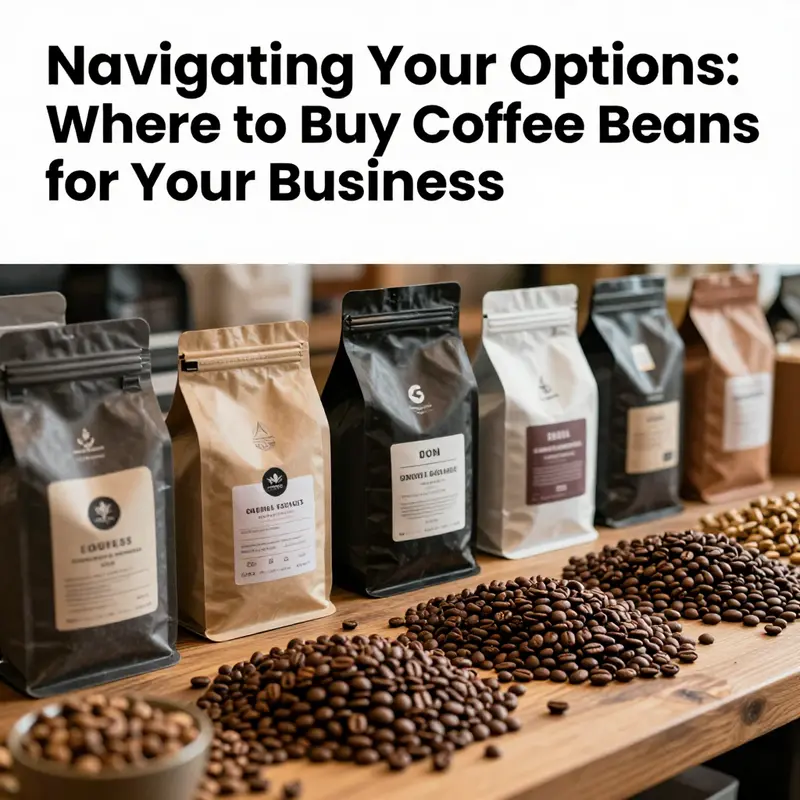
For business owners in the coffee industry, selecting the right coffee beans is a critical decision that impacts product quality and customer satisfaction. As coffee enthusiasts increasingly seek fresh, vibrant flavors, understanding where to buy coffee beans becomes paramount. This guide delves into three key avenues: specialty coffee shops, online retailers, and direct sourcing from producers. These options provide unique advantages that can help you cater to your customers’ preferences effectively. Each chapter will explore the specific benefits of each sourcing method, empowering you to make informed purchasing decisions that align with your brand’s vision and values.
Buying Coffee Beans at Specialty Cafés: How to Find Fresh, Traceable Beans and Make the Most of Your Purchase
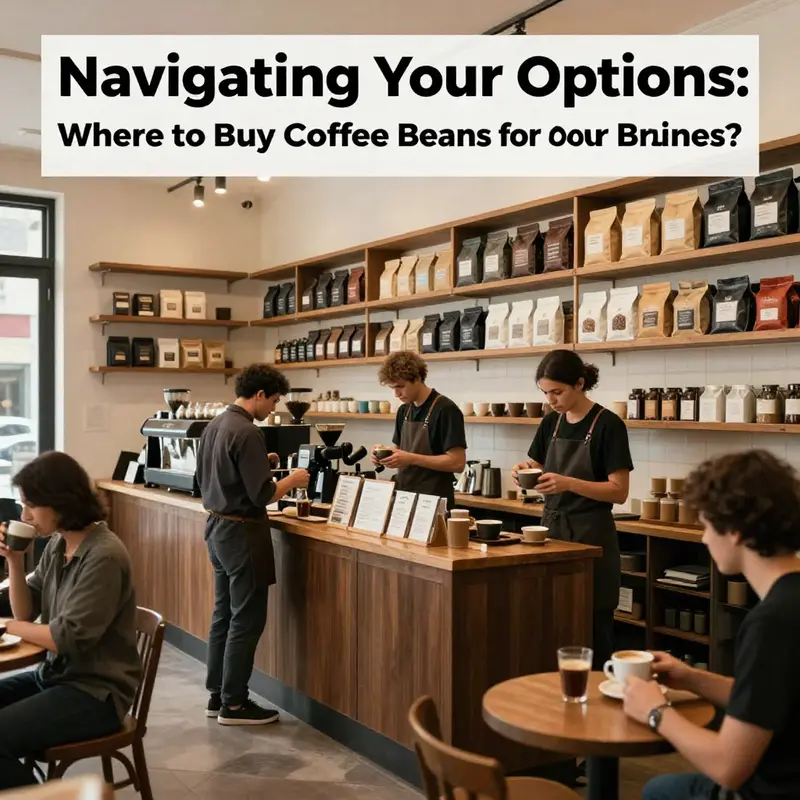
Buying Coffee Beans at Specialty Cafés: How to Find Fresh, Traceable Beans and Make the Most of Your Purchase
Specialty coffee shops are some of the best places to buy whole beans when you want freshness, knowledge, and a clear provenance. These shops usually roast in small batches, care about flavor clarity, and can explain the journey from farm to cup. Visiting a specialty café gives you sensory access to the coffee. You can taste brewed samples. You can smell freshly opened bags. You can speak to someone who knows the roast profile and can recommend beans to suit your equipment and taste. That direct contact changes the way you shop for beans. It also changes how those beans perform at home.
In a specialty café you are buying more than beans. You are buying a relationship with a roaster or barista who understands how roast time, origin, and processing affect taste. This relationship is useful when you choose between single-origin and blends, fruity and chocolatey profiles, or lighter and darker roasts. The staff can often explain whether a particular lot was sun-dried, wet-processed, or honey-processed. They can tell you how altitude, soil, and varietal influenced the cup. That context helps you make informed choices rather than guessing from fancy packaging alone.
Freshness matters. Specialty cafés typically display roast dates on their bags. This gives you a reliable indicator of shelf life. Coffee is best used within a few weeks of roasting, depending on bean type and storage. Buying from a café that roasts in small batches increases the odds of fresh beans. Many roasters recommend resting beans for several days after roast to allow gasses to stabilize. A roast date helps you calculate that window. When you talk to a barista, ask when the beans were roasted and when they will taste best. They can tell you whether to brew immediately, rest, or let the beans sit a short while for peak flavor.
Small-batch roasting yields consistent, distinct flavor. In small runs, roasters can monitor temperature carefully and adjust profiles between batches. That means a seasonal lot from a single farm can be highlighted precisely. Specialty cafés that roast on site or partner with local roasters prioritize this control. Their offerings often rotate with new harvests and microlots. If you enjoy discovering nuanced flavor notes, this rotation rewards repeat visits. It also gives home brewers a chance to learn how the same brewing method extracts different flavors from different origins.
Sampling before buying is a major advantage of specialty cafés. Many shops will serve a small pour of a brew made from the beans on sale. Tasting in the shop lets you judge acidity, body, sweetness, and aftertaste. It helps you identify whether a bean will pair well with your preferred brew method. For example, a bright, floral single-origin often shines through in a pour-over. A chocolatey, heavy-bodied blend might be better suited for espresso or a press. Tasting in the café sharpens your expectations and reduces wasted purchases.
Talk to the staff about grind options and whether they can grind to your specification. Specialty cafés often grind to order, whether for espresso, drip, or French press. A correct grind size is crucial for extraction. Buying whole beans gives flexibility, but sometimes you need a café to grind for convenience. If you prefer whole beans, ask whether the staff will grind a small sample so you can try it at home before committing to a full bag. If you choose pre-ground beans, ask about the packaging and how quickly the coffee will be used after grinding.
Packaging and sealing are more than aesthetics. Look for bags with one-way valves. These valves let CO2 escape without allowing air back in. Vacuum-sealed or nitrogen-flushed packaging can extend freshness. Labels should include roast date, origin, and roast level. Transparency about processing and farmer relationships is a sign the roaster respects traceability. Some cafés include tasting notes and recommended brew methods right on the bag. Those cues guide home brewing and help you decide if the bean matches your taste.
Traceability is a hallmark of specialty coffee. Reputable cafés will share origin details, farm names, and sometimes even lot numbers. They may describe the relationship they have with producers. That might mean direct trade, long-term buying agreements, or investments in local processing equipment. This information matters because it often correlates with quality and ethical sourcing. When roasters know the farmers and the fields, they can choose the best cherries and ensure proper processing. If traceability is important to you, ask the staff to explain the sourcing story.
Sustainability and ethical practices come up more often at specialty cafés. Many shops choose beans that adhere to sustainability standards or that come from producers practicing regenerative agriculture. They may favor lots that promote biodiversity, shade-grown systems, or intercropping with fruit trees. These choices affect flavor and environmental impact. While labels alone do not guarantee better taste, cafés that provide context around sustainable practices often care about both flavor and the long-term health of coffee ecosystems. Asking about farm practices can help you find beans that align with your values.
Price expectations differ between specialty cafés and mass-market retailers. Small-batch roasted beans often cost more because of quality control, direct sourcing, and smaller economies of scale. That price pays for labor-intensive processes like hand-picking cherries and careful post-harvest handling. If you are new to specialty coffee, consider starting with small bags to explore different flavor profiles without a large financial commitment. Many cafés offer 100 gram or 250 gram bags. Try several, compare at home, and then decide which style you will buy in larger quantities.
Subscriptions and reorder convenience are common at specialty cafés. Many shops offer subscription services with flexible delivery schedules. Subscriptions can be tailored to your preferred roast level, grind size, and tasting profile. They are useful for keeping a steady supply without repeated trips. If you prefer shopping in person, ask whether the café allows phone or online orders for in-store pickup. That way, you can secure a fresh roast and avoid sold-out lots, especially during popular seasonal releases.
When you buy from cafés, storage matters. Ask the staff for storage tips tailored to the beans you purchase. General guidance stands: store whole beans in a cool, dark place in an opaque, airtight container. Avoid refrigeration for daily-use beans, as moisture and odours can affect flavor. If you buy large amounts to save money, divide into smaller portions and freeze what you will not use within a week or two. Freezing can preserve freshness for longer, but it requires careful portioning and thawing to avoid condensation.
Communicate your brewing equipment and habits to the barista. Let them know whether you use a pour-over, espresso machine, French press, Aeropress, or automatic drip brewer. Specialty baristas are used to tailoring recommendations to equipment. They can steer you toward beans that will perform well in your setup. If your espresso machine benefits from a darker roast, they can point you to blends with wider sweetness and body. If you want bright, nuanced flavors, a lighter roast single-origin for pour-over may be better.
Learn basic tasting terms so conversations with café staff are productive. Terms like acidity, body, balance, brightness, and finish help describe what you want. A bright cup is lively and clean. A heavy-bodied coffee feels fuller on your palate. Tasting notes such as citrus, stone fruit, caramel, or cocoa describe flavors you might detect. Using these terms helps baristas make targeted recommendations. It also speeds up the learning curve, because you can compare the sensory notes they provide with what you taste at home.
Consider educational opportunities offered by specialty cafés. Many host classes on brewing methods, cupping sessions, and roast profile explanations. Attending a cupping session or a home-brewing workshop teaches you how to evaluate coffee more precisely. You learn to identify defects and appreciate complex flavor layers. These sessions make you a more discerning buyer. They also deepen your relationship with the café and make you more likely to find beans that match your taste consistently.
If you cannot visit in person, many specialty cafés sell beans through their websites. Online shopping from a trusted café can still deliver freshness if the roaster packages and ships quickly. Look for clear roast dates and shipping policies. Some cafés roast to order, which improves the odds of getting recently roasted beans. When ordering online, check for the roast date and the shipping timeline. If a café offers to grind for you, confirm the grind size and whether they seal the bag immediately after grinding.
When in doubt, buy smaller quantities and rotate beans. Coffee loses its peak quickly once opened. Buying smaller bags allows you to sample more lots and refine your preferences. Rotating between a bright single-origin and a chocolatey blend keeps your palate engaged and helps you learn how roast and origin change flavor. Keeping tasting notes of each bag and the brew method you used will help you replicate the best cups at home.
Specialty cafés also support community and craft. They often host farmers, roasters, and other coffee professionals for tastings and talks. That exposure enriches your understanding of coffee beyond a label. Purchasing beans from these shops supports local craftsmanship and small-scale producers. It also incentivizes roasters to maintain transparency and quality standards, because engaged customers will ask for traceability and will reward clear communication with loyalty.
Finally, ask for recommendations for pairing and recipes. Most baristas can offer simple adjustments to enhance a bean for home brewing. They can suggest grind size changes, water temperature adjustments, and brew ratios. Small changes often reveal new layers of flavor. When you buy beans at a specialty café, get tailored brewing advice. That guidance can transform a good bag into an excellent cup.
For an example of a specialty café that sells its own roasted beans and publishes details about offerings and roast dates online, visit this example site: https://www.hutchandwaldo.com
From Roaster to Router: A Deep Dive into Buying Coffee Beans Online
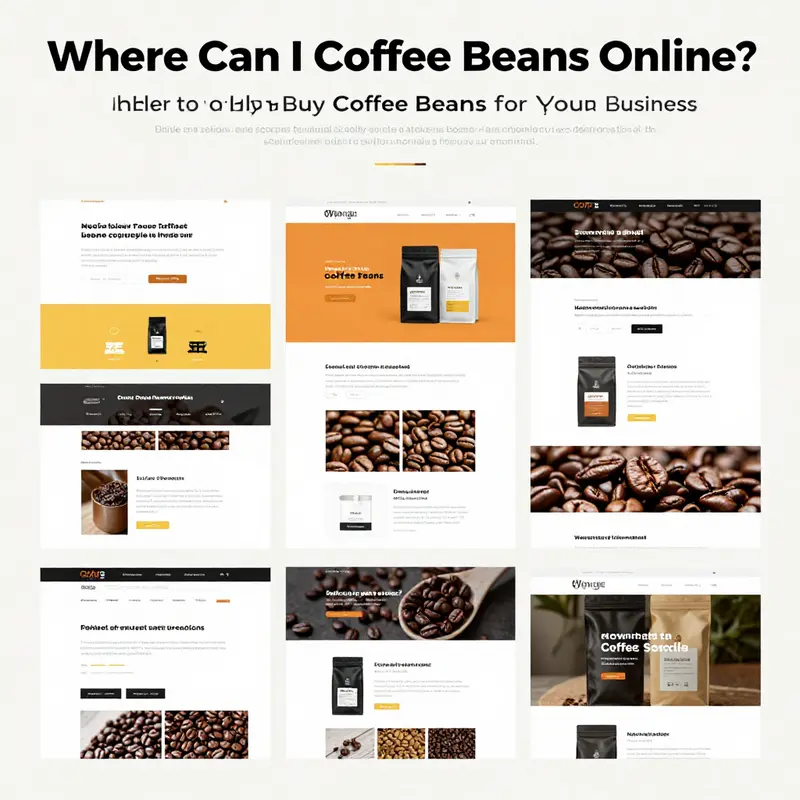
Buying coffee beans online can feel like entering a vast digital marketplace, where origins are as diverse as brewing styles. The promise is simple: beans that are fresher, more varied, and delivered straight to your door. The reality, though, depends on your patience, your palate, and your willingness to read roast dates, packaging seals, and shipping windows. A good online buying journey starts with a clear sense of what you value: freshness over convenience, or origin stories over blends, or perhaps a strict goal of sustainable sourcing. Once you orient yourself, the online world becomes navigable rather than overwhelming.
Across the online landscape you will encounter several reliable routes. The first is the familiar marketplace: major retailers or global stores that curate coffee beans from multiple roasters. The second is the roaster who sells directly online, often in small batch fashion with detailed notes about origin, altitude, processing, and roast profile. The third is the dedicated online marketplace, a hub that aggregates many small roasters, allowing you to compare flavor notes, and price in one place. The fourth is direct from producer channels, including farmer partnerships that emphasize traceability and long term relationships. Finally, you may find beans in online arms of supermarkets, which typically stock familiar brands but can vary in freshness due to shelf life. Each path has its advantages, and the best choice depends on your priorities: speed, selection, or the thrill of discovery.
Freshness matters most, and roast date is your compass. For online buys, a roast date within the past two weeks is a strong signal that the beans have not yet begun to degrade in flavor. But you should also check the packaging: one way valve bags are essential for roasted coffees, allowing carbon dioxide to escape without letting air in. If a bag is resealably taped shut after opening, or if there is no roast date, you should proceed with caution. When you start to compare origins, look for traceability. A label that tells you the farm, the processing method, and the farm’s altitude gives you a sense of terroir and the likely flavor spectrum. Good producers often share this information openly on their sites or product pages. A surprising number of beans arrive with story and science intact when you buy from a roaster who prioritizes transparent sourcing.
Shipping logistics can shape your experience as much as the roast. Cross border orders may involve longer transit times, customs checks, and occasional delays. In a best case scenario, beans travel from roaster to you within a week of roasting, remaining within a window where flavors stay vibrant. In other cases, you might see a two week or longer delay, especially if you choose slower shipping options or are buying during high demand seasons. The packaging you receive should protect the beans from light, heat, and rough handling. A sturdy pouch with a reliable seal and a clear roast date becomes a small ritual of trust. For those who grind on demand, some online sources offer freshly roasted beans that are ground to order, sometimes labeled by grind size or by intended brewing method. This can add a layer of convenience, but it also means you must weigh the value of convenience against the risk of additional handling time between roast and grind.
Direct from producer or roaster channels often deliver a different flavor experience than broad marketplaces. Producers who maintain direct relationships can offer seasonal micro lots, altitude specific beans, and sustainable farming practices that align with a consumer’s environmental values. Their packaging sometimes carries certification marks, farmer names, and notes about processing methods. The upside is traceability: you can speak to a producer or a roaster who can trace your beans from cherry to cup. The downside can be price and minimum order quantities, which may deter casual buyers. Yet the balance for many drinkers is worth it: a bag with a clear origin story, roasted to a defined profile, and shipped with care. If you’re curious about a farm to cup narrative, you might find that one or two producers per year release a small batch that matches your taste precisely, turning your regular routine into a personal tasting tour.
Specialty online roasters sit at an attractive intersection of curation and convenience. They offer nose-to-tail transparency about sourcing, roasting, and packaging. They often provide tasting notes like berry, citrus, chocolate, or stone fruit, sometimes with sensory wheels that guide you through flavor families. A common pattern is weekly or monthly releases of limited runs, with options to buy whole beans or grind on demand. For a serious coffee lover, this model supports a disciplined approach: you can schedule your next orders around the harvest calendar, compare similar origins across roasters, and experiment with roast levels from light to dark. The risk, of course, is choice fatigue. A surplus of options can stretch a caffeine-curious shopper’s attention. Yet the same abundance is a strength once you establish a routine: you learn to recognize which origin and roast style consistently suit your method and your palate, and you develop a repertoire that makes each morning feel deliberate rather than routine.
Marketplaces that host multiple roasters, including large platforms and region-specific shops, provide a different form of leverage. They let you sample many origins in small quantities, which is ideal for discovery without committing to a massive bag of a single lot. The interface often offers customer reviews, roast date indicators, and roast level filters that help you align beans with your brewing setup, whether you favor a precise pour over or a robust espresso. The trade-off is that you may encounter inconsistent quality across sellers or inconsistent packaging. Your best safeguard is to read the roaster’s own information about freshness and to note the shipping origin and processing method. When a marketplace aggregates beans from say Central America or East Africa, you can quickly compare price, profile, and sweetness, calibrating your expectations as you go. The path to reliable quality requires a short learning curve, but once you know the signals—roast date, packaging integrity, origin transparency—you can roam with confidence.
Seeking a balance between convenience and control leads many to direct roaster sites and producer partnerships. Here you sign up for newsletters, join loyalty programs, and sometimes subscribe to a regular delivery schedule. The benefits extend beyond taste: you gain access to backstories, farm visits, and sometimes limited edition releases that reflect harvest variability and seasonal roasts. The emotional satisfaction of such journeys matters as much as the flavor. For some, the act of choosing a bean is a daily act of curiosity; for others, it becomes a small act of advocacy—supporting farms that treat workers fairly, conserving soil, or maintaining biodiversity through intercropping. The collaboration between consumer and producer becomes part of the coffee ritual, a dialogue that travels from the farm to the roaster to the brew. In this light, buying online is not just a transaction; it is a connector between places and people who care about quality, consistency, and community.
Another practical habit worth cultivating is the use of tasting packs or flight-style samplers. If you are unsure where your preferences lie, these bundles let you compare several origins or roast levels in the intimate, controlled context of your own kitchen. A quality sampler arrives with clear notes and suggested brewing guidelines, sometimes including a recommended method and a time window for peak flavor. A tasting routine can evolve into a monthly tradition: one light, one medium, one dark, plus a seasonal special from a roaster you admire. The sensory memory of each cup grows stronger when you record impressions in a simple notebook or a coffee journal. You begin to translate aroma and acidity into categories you understand—fruity, nutty, chocolatey, or floral—and soon you begin to anticipate a future roast as if you were mapping a wine cellar. The practice transforms online buying from a mere click into a ritual of sensory education.
As you assemble your online cart and plan your next cup, consider the broader picture: sustainability and ethics. Direct relationships with farmers, transparent traceability, and certifications can guide you toward purchases that align with your values. The carbon footprint of shipping, the packaging materials, and even the end-of-life disposal of foil pouches matter to many buyers. A growing number of roasters publish their farm list and their processing details. Some keep the farm’s name and altitude on the bag, others tell the story of how the beans were processed—natural, washed, or honeyed—and how that processing affects sweetness and body. If this matters to you, set it as a criterion in your search filters. The beauty of online shopping is that you can weight taste and ethics in real time, adjusting your choices as you learn more about the origin stories behind each bag.
Finally, the act of evaluating online options should reflect your brewing method and your palate. For pour-over lovers, a bright, clean origin can shine through in a minimally roasted state, revealing clarity and nuanced acidity. For espresso drinkers, a slightly darker roast may deliver body and caramel sweetness, while maintaining a balance that resists sourness. Some online roasters tailor roasts to specific equipment, offering recommendations that match your automatic machine or hand grinder. The more you know about your own setup, the more precise your online choices become. In time, you will probably recognize a few reliable roasters whose beans consistently satisfy your preferences. When that happens, the grocery aisle recedes in importance and the internet becomes your primary source of morning aroma and afternoon ritual.
To begin your online bean quest with intention, start small and move gradually. Choose one channel that matches your priorities whether it is a direct-roaster experience, a marketplace that aggregates several small producers, or a single-roaster online shop. Set a roast-date window you are comfortable with, and keep a simple calendar reminder for when to drink those beans at their peak. Develop a habit of checking packaging for freshness and for any notes about certification or environmental care. Track how each bag performs across your preferred brew method, and adjust future orders to favor the origins and roasts that reward your patience. The online coffee economy is not a mere supply chain; it is a living ecosystem of farms, roasters, and customers who collectively push for better flavor, better data, and better stewardship of the land. Your decisions matter, even in small ways, because they influence what gets grown, how it is processed, and how far it travels to reach your cup. Across this landscape, the essential act remains the same: you choose beans that align with your taste and conscience, you consider freshness as a daily practice, and you enjoy the discovery that comes with online access. The internet unlocks a global pantry of flavors, from beans grown at altitude in volcanic soils to more sun-warmed crops that deliver approachable, comforting notes. By combining a little curiosity with a disciplined approach to roast dates, packaging, and shipping windows, you can craft a routine that feels almost artisanal in its precision. And while each shipment travels from a distant origin, the moment you grind the coffee, you bring that place into your kitchen. In that exchange, the online market stops feeling abstract and becomes the everyday magic of a well-made cup.
On a practical note, if you want a concrete illustration of the online model in action, you can explore a real-world example of a fresh, sustainably sourced bean shipped globally. Kauai Coffee on Amazon UK.
From Farm to Cup: Direct-From-Producer Coffee Beans as a Path to Freshness, Traceability, and Ethical Connection

When you start thinking about where to buy coffee beans, a path that many coffee lovers overlook is the direct-from-producer route. It is not merely a sales channel; it is a connective tissue that links the farmer who nurtures a fragile seedling with the cup you pour in the quiet hours of morning. Direct-from-producer buying—often framed as direct trade, direct sourcing, or through cooperatives and farm-owned exporters—offers a way to experience coffee with a degree of transparency that other routes struggle to match. It invites you to see the origin, learn the stories of the people who harvest and process the crop, and pay closer attention to how handling from farm to roaster impacts flavor, aroma, and aftertaste. This approach bears particular resonance for those who want to understand the life cycle of a bean beyond price and convenience. It is about curiosity as well as quality, ethics as well as taste. The challenge lies in turning that curiosity into a practical purchasing habit that remains manageable, affordable, and enjoyable. The journey begins with a shift in mindset: recognizing that coffee is not a commodity to be bought in bulk from any shelf, but a product of land, climate, community, and careful hands. From this vantage point, direct-from-producer channels become more than a novelty; they become a framework for choosing coffee in a manner that aligns with values of transparency, sustainability, and craftsmanship. The experience of tasting a cup that mirrors a specific origin—the bright tropical notes of a washed Ethiopian lot, the chocolatey depth of a Colombian highland, the earthiness and spice of a Sumatra profile—can be incredibly rewarding when you have access to the precise harvest window and farming practices behind that flavor. Yet there is more to it than flavor alone. Direct sourcing emphasizes the relationship between a roaster or buyer and a farm, cooperative, or estate. It often involves sharing detailed farm profiles, harvest dates, altitude, varietals, processing methods, and the pressures and challenges faced by growers. The result can be a deeper sense of trust about where your coffee comes from, how it was produced, and how the growers were compensated. In practice, moving toward direct-from-producer beans begins with a few simple questions and a willingness to follow a longer, more narrative supply chain. You ask who grew the beans, how they were processed, and when they were roasted or prepared for shipment. You ask whether the producer receives a fair price, whether workers are treated with dignity, and what steps are taken to protect forests, soil, and water. You ask how the coffee travels from farm to roaster and what risks might affect freshness along the way. These questions may seem granular, but they are the breadcrumbs that guide a consumer toward ethical, flavorful choices that align with a broader coffee philosophy: quality, accountability, and sustainability.
Direct trade platforms and farmer cooperatives are built on these conversations. They serve different audiences and scales. Some platforms curate small-batch lots directly from farms in regions known for distinctive flavor profiles. Others connect cooperatives with roasters and retailers who want to market origin stories alongside tasting notes and cupping data. The model works when transparency accompanies pricing, allowing farmers to receive a sustainable portion of the coffee’s value while enabling buyers to understand what they are paying for—careful cultivation, careful processing, and careful logistics. If you are a home consumer who loves the idea of origin-specific beans, direct-from-producer channels may demand a bit more stamina and planning than grabbing a bag off the rack at a supermarket. Yet the payoff—freshness, traceability, and a sense of connection to the place where your coffee began—often justifies the extra steps. For roasters and café owners, direct sourcing can be a business philosophy as well as a procurement method. It enables consistent storytelling, enables better alignment with ethical standards, and can foster a loyal customer base that values the lineage of their daily ritual. The practical realities, however, require a patient, methodical approach. You learn to interpret farm profiles with a trained eye for indicators of quality: altitude and microclimate data that correlate with certain flavor tendencies, processing methods such as washed, natural, honey, or pulped natural, and the post-harvest handling that can make a significant difference in sweetness, acidity, and body. The harvest date matters because it anchors the coffee’s freshness window. If you are ordering direct from a farmer or cooperative, you may receive notes about when the coffee was picked and how quickly it was processed and dried. This timing matters because it informs how vibrant the cup will be when you finally roast and grind it. The more you know about the journey from plant to palate, the more precisely you can tailor your roasting profile and grind size to emphasize the origin’s natural strengths.
To navigate direct-from-producer options with confidence, there are several broadly applicable pathways. Direct-trade platforms exist that connect roasters and buyers directly to farms or micro-farm groups, offering detailed farm profiles, harvest data, and sometimes even traceability certificates. Cooperatives and estates in traditional coffee regions increasingly maintain export portals or partner with verified distributors, enabling international sales that reach new audiences while preserving the cooperative’s governance and community benefits. Specialty marketplaces that emphasize origin stories and transparent pricing can help you compare lots across regions, measure flavor expectations, and choose producers based on environmental practices, community impact, and story as much as on flavor alone. Each pathway carries its own set of considerations. For instance, a platform that presents extensive farm data can empower you to understand how shade cover, soil nutrition, intercropping with fruit trees, and manual harvesting influence the cup. A cooperative portal may reveal how profits are shared with growers and how premiums are invested in school meals, healthcare, or farm equipment. A marketplace can help you discover multiple origins in one place, enabling side-by-side tastings or cupping sessions to identify your preferences. The common thread across these options is the promise of greater transparency and accountability. When you read a farm profile that details altitude—say, sixteen hundred to two thousand meters above sea level—alongside notes about weather patterns and harvest timing, you begin to calibrate your expectations about acidity, sweetness, and aftertaste. When you learn that the beans were dried on patios or raised beds, you gain insight into how drying times and surface exposure may have shaped aroma and body. These data points may appear arcane at first, but they become intuitive with practice. They also empower you to make trade-offs between the thrill of discovering a new origin and the practicalities of procurement: shipping times, minimum order quantities, and the potential for seasonal gaps between harvest and arrival. Freshness, in this context, becomes a strategic consideration rather than a passive outcome. If a producer ships promptly after roast or exports only in small, weekly batches, you can plan your roasts to align with peak flavors and avoid a stale profile in the grinder. On the other hand, some direct-from-producer channels operate on a longer cadence, prioritizing sustainability, quality controls, and long-term relationships over immediate retail turnover. In such cases, you may encounter slightly longer lead times, but the beans you receive are often accompanied by richer origin data and a commitment to social impact. For many bakers of flavor, this alignment between process and purpose is more satisfying than chasing fleeting discount prices.
But how do you determine which direct-from-producer route best suits your needs? Start with origin priorities. Do you crave the bright citrus and jasmine of a washed Ethiopian micro-lot, or the syrupy vanilla and cocoa notes found in certain Colombian highland lots? Are you seeking a single-origin experience that spotlights terroir, or a carefully curated blend that showcases a region’s profile while smoothing out seasonal variability? Your answers guide you toward the kinds of producers you want to engage with and the channels that can reliably connect you to those producers. It is also wise to balance your curiosity with practicality. Direct sourcing can involve higher per-bag costs, smaller batch sizes, and shipping considerations that are not as prominent when buying from large roasters or supermarket shelves. If you are a home brewer, you might partner with a local specialty shop that collaborates directly with farms and can curate a rotating selection of micro-lots, or you might subscribe to a direct-trade program that sends a quarterly assortment of origin threads. If you are a café owner or roaster, direct trade offers a toolkit for seasonally rotating beans, building a consistent lineup of origin stories, and presenting customers with cupping notes and harvest timelines that differentiate your shop in a crowded market. In either case, the key is to cultivate a language for origin. Learn the vocabulary that describes altitude, processing, and farm practices. Develop a habit of reading cupping notes not as marketing text but as data about how the bean was grown, harvested, processed, and delivered. Then train your palate to connect those notes with your roasting curve. A well-informed consumer or buyer will begin to notice that certain origins respond best to lighter roasts, others to medium, and a few to darker profiles that preserve brightness without sacrificing sweetness. This knowledge elevates the entire coffee experience from a simple ritual to a meaningful exchange—a daily reminder that the cup’s complexity is the result of many hands, climates, and seasons working in harmony.
As you pursue direct-from-producer beans, there are practical steps that can streamline the process and protect freshness. Decide in advance how many bags you intend to purchase and whether you want a standing order aligned with harvest windows or a flexible subscription that lets you select from a portfolio of producer profiles each month. Establish expectations about roast dates and packaging. Some producers and cooperatives ship green beans with a roasted-on date noted by the roaster or importer, while others operate on a fully roasted-to-order model, which can deliver optimal aroma and flavor within days of roasting. If freshness is paramount, ask about roaster involvement in the journey. Some channels offer a roasted connection where the roaster coordinates directly with the producer to arrange roast profiles, sample testing, and delivery timed to peak flavor. Others permit customers to purchase green beans and roast them in-house or at a local facility, which is ideal for those who enjoy experimenting with light versus medium or discovering how small adjustments to grind size and brew water can reveal different facets of the origin. Regardless of the path chosen, a careful approach to logistics matters. In many direct channels, shipping times can vary with geography, seasonal weather, and customs procedures. It helps to understand approximate transit times, the feasibility of expedited options, and the potential for customs fees that may apply to international shipments. Some partnerships provide guidance about optimal storage conditions to preserve bean integrity during transit and after arrival, advising the use of airtight containers, cool storage, and prompt roasting or freezing of unused portions. Even with the best packaging, a bean’s flavor can drift if it sits too long after roast or if it is poorly stored. The direct-from-producer model emphasizes not only how the bean was grown and processed, but also how it is handled once it leaves the farm. This full-spectrum awareness is what separates a direct-from-producer purchase from a more casual, shelf-stable alternative. It invites you to become an active participant in the bean’s lifecycle rather than a passive recipient of a flavor profile presented on a bag. That level of involvement can be deeply satisfying for enthusiasts who enjoy chasing nuance as a hobby or professionals who want to maintain a portfolio of origins for seminars, tastings, or menu development.
To make direct-from-producer buying work in daily life, it helps to anchor your practice in a few flexible principles. First, treat origin as a living story rather than a static product. The same farm can produce different lots from year to year, and climate variations can alter flavor trajectories. Track your preferences over multiple harvests to chart your own “origin map.” Second, cultivate relationships with a small cadre of trusted producers or cooperatives. A stable line of communication can yield early access to limited lots, harvest calendars, and even educational tastings that illuminate how terroir translates into taste. Third, balance curiosity with practicality. If a particular origin delivers an exciting but occasionally inconsistent profile, you might reserve that origin for a specific brewing method or for certain times of the year when your palate is primed for that flavor spectrum. Finally, respect the social dimension of direct sourcing. Fair compensation, community investment, and transparent labor practices are essential components of these models. When you choose to purchase directly from a producer, you contribute to livelihoods on the ground and participate in conversations about sustainable farming, coffee quality, and rural development. Even if you begin as a curious consumer, you may find yourself becoming a steward of origin—sharing origin stories, cupping notes, and an awareness of how choice affects people’s lives. In other words, direct-from-producer coffee beans offer more than a product; they deliver a perspective on the world of coffee—one that invites you to taste, learn, and connect in ways that exceed the ordinary shopping experience. That is why many seasoned coffee drinkers keep a portion of their rotation reserved for origin-specific lots, while also maintaining a steady supply from other channels that prioritize convenience and consistency. By integrating direct-from-producer beans into a broader purchasing strategy, you can enjoy the best of both worlds: the reliability that comes with established roasters and retailers, and the freshness, transparency, and ethical resonance that direct sourcing delivers. As you explore this path, you may find yourself not only tasting better coffee but also feeling more connected to the communities that cultivate it. The cup you pour becomes a small bridge between soil, season, and savor. If you want a hands-on way to dip your toes into direct-from-producer options, begin by identifying a region whose flavors have always intrigued you, look for farms or cooperatives that publish harvest data and processing methods, and consider a starter order that includes a single-origin lot alongside a small sample of a well-regarded processing approach. As your palate evolves, you can expand to micro-lots, blends that highlight contrasting origins, and occasional experimental lots that showcase innovative processing techniques or unique microclimates. The beauty of direct-from-producer sourcing is that it does not require you to abandon the familiar comforts of your current coffee routine; it invites you to enrich that routine with a transparent, origin-focused conversation about where coffee comes from and who makes it possible. In the end, the question of where to buy coffee beans leads you to a spectrum of options, each with its own balance of flavor, ethics, and practicality. If your aim is a straightforward, everyday purchase, a well-curated shop or a reputable online retailer may suit your needs. If your aim is an ongoing relationship with growers and a continuous thread of origin stories, direct-from-producer pathways offer a field guide to a more thoughtful and interconnected coffee practice. In every case, the best choice remains the one that aligns with your taste sensitivities, your budget, and your sense of responsibility as a coffee lover. The next time you walk into a shop or scroll through an online catalog, imagine the journey a bean undertook—from a hillside farm, through careful processing, into a bag, and finally into your grinder. That imagination is not a fantasy; it is a map you canfollow to discover—through direct relationships and transparent storytelling—the flavors that speak most honestly to you.
For readers who want to explore direct-from-producer options further, an established route to begin is to look for platforms and cooperatives that publish farm profiles, harvest dates, and processing details. These elements can guide your decisions as you compare lots and plan purchases. If you are curious about how such platforms operate in practice, you can start with a direct-trade model that emphasizes small-batch origins and farm-level transparency. This approach has the potential to elevate your daily cup beyond routine consumption and connect it to a broader conversation about sustainable farming, fair pricing, and the cultural richness of coffee communities. In the end, the choice to buy coffee beans directly from producers is a personal one, shaped by your taste, your values, and your willingness to engage with a world that sits before you in every cup. The payoff is not only a more nuanced palate but also a sense of belonging to a system that recognizes the labor and land that create this beloved beverage. If you undertake this path with patience and curiosity, you may discover that your coffee routine becomes a small act of participation in a global story that begins on a farm and ends in your kitchen. And as you refine your practice, you will likely find that the most rewarding beans are not merely the ones that taste best, but the ones that tell honest stories about origin, care, and community.
External resource for further reading: https://www.coffeeroasterdirect.com
Final thoughts
Investing in quality coffee beans is essential for business owners looking to satisfy and retain their coffee-loving clientele. Whether you choose to explore specialty coffee shops for their fresh offerings, leverage the convenience of online retailers for diverse selections, or establish direct relationships with producers for traceable and sustainable beans, each option provides unique advantages. By embracing these pathways, you can curate a coffee menu that delights your customers and supports your brand’s ethos. Choose wisely, and elevate your business with the finest coffee beans available.